1,2-Propylene Glycol 1-Butyl Ether: A Closer Look at Its Place in Modern Industry
From Laboratory Beginnings to Everyday Workhorse
Chemical compounds don’t just spring into our lives overnight. 1,2-Propylene Glycol 1-Butyl Ether stands as a solid example of a substance that’s earned its spot through decades of steady advancement. Chemists have been tinkering with glycol ethers since the early twentieth century. The push for solvents that would outperform classic alcohols or esters led to the birth of substances like this one. As research ramped up in the 1960s and 70s, attention turned to finding safer, more versatile liquids for paints, cleaners, and coatings. Propylene-oxide chemistry gave industry a flexible pathway, spawning products tough enough for manufacturing but mild enough for far less threatening settings. It always impresses me how steady demand keeps shaping refinement. That transparent, almost oily-smelling liquid you encounter in a maintenance cupboard or a paint can tells the story of industry’s constant march toward performance and practicality.
What Sets This Glycol Ether Apart
Among glycol ethers, 1,2-Propylene Glycol 1-Butyl Ether has a knack for balancing solvency with safety. It’s got a sweet, faint scent—not harsh or nose-stinging like some of the stronger solvents. Pour some out, and you’ll find a colorless liquid with a moderate evaporation rate and a boiling point that resists the extremes. This profile explains why it shows up everywhere, from household detergents to industrial degreasers. To those outside the field, it could seem like just another liquid in a long chemical catalog. Yet the differences tie back to that unique blend of alcohol and ether, which lets it break down grease, hold together pigment in paints, and still stay manageable under typical storage and handling.
Physical and Chemical Traits That Matter in Practice
Arguably, what’s written on a label only gets you so far in a real-world setting. The molecular weight of 1,2-Propylene Glycol 1-Butyl Ether keeps it from evaporating as quickly as lighter solvents would. Viscosity sits right in a middle range—not runny like water, not sticky like syrup. Water solubility marks one of its key selling points. Drop it into a cleaning formula and it helps water reach oily smears in kitchens, on cars, or in machinery parts. The fact that it can blend with both hydrophilic and hydrophobic substances means fewer unknowns when building complex chemical recipes. Traditional solvents forced tough trade-offs: tons of odor, or tough cleanup, or even major safety threats. Here, balance wins out, letting formulators tailor their mixtures much more precisely.
Technical Specifications and Labeling Mean More Than Legalese
Glancing at a product safety sheet can numb even the most devoted reader, but those numbers and statements matter on the ground. The flash point, vapor pressure, and pH aren’t trivia—they shape everything from safe shipping to handling on an assembly line. Often labels display the CAS number, chemical formula, and hazard classifications. Those phrases—‘irritating to eyes and skin’, ‘flammable liquid’—may sound routine, but they draw a line between ordinary work and lasting harm. Compliance doesn’t end once a sticker lands on a drum; workers expect rigor in storage instructions, measures for accidental spillage, and clear usage guidance. From my own experience, having those details clear and accurate makes all the difference when you’re standing knee-deep in a warehouse or mixing cleaning solutions for a sensitive facility.
Making the Molecule: Where Science Meets Scale
Tinkering in a lab can feel a world apart from full-scale production. For 1,2-Propylene Glycol 1-Butyl Ether, the heart of synthesis involves reacting propylene oxide with butanol under tightly controlled heat and pressure. Catalysts coax the reaction along, making sure you don’t wind up with a jumble of unwanted byproducts. This backbone of chemical engineering gets repeated at scales ranging from batch operations to industrial reactors shooting for tons per day. Each step in that journey faces scrutiny. Did the reaction go to completion? Are there leftovers that could gunk up equipment or, worse, sneak into finished product? Operations rely on rigorous methods shaped by years of learning—supported by spectroscopic analysis, batch sampling, and constant improvement in distillation techniques. The end result? A consistency customers count on, with purity levels and parameters measured down to the decimal.
Living Chemistry: Reactions and Beyond
No one keeps a glycol ether purely for sitting pretty on a shelf. In use, its chemistry comes alive. That flexible ether alcohol can take part in other reactions—substitution, oxidation, or even polymerization—should researchers or manufacturers want to tweak its properties further. Take coatings or inks, for instance. Blending with co-solvents or performance additives hinges on understanding whether the glycol ether will stay stable or play nicely with resins, pigments, or dispersing agents. Sometimes modifications push the boiling range up or increase its solubilizing heft for special applications. Each tweak happens with a purpose. Whether shifting physical properties or introducing new functional groups, chemists stay alert to balance—never chasing performance too hard if toxicity or flammability risks grow.
Behind the Names: Synonyms Tell a Story
Wading through trade journals or supplier catalogs, you run into a mess of names: Propylene Glycol Butyl Ether, PnB, PnB Ether. The chemical shorthand can confuse even seasoned hands. Synonyms come from different naming conventions—sometimes IUPAC, sometimes legacy industrial terms. Regions and regulatory agencies might call the same stuff by slightly different tags, compounding the confusion for folks worldwide. Yet accurate naming remains crucial. Mix this with the wrong substance due to a labeling slip and you risk lost batches or, worse, dangerous reactions. Teaching newcomers not just the right names, but the wrong ones, avoids headaches and expense.
Keeping It Safe and Compliant
Every bottle, drum, or container of 1,2-Propylene Glycol 1-Butyl Ether brings obligations along with opportunity. The industry response to potential risks—skin and eye irritation, inhalation hazards, flammability—shapes operational routines from the ground up. Good ventilation isn’t a luxury but a minimum. Chemical-resistant gloves and careful handling cut daily risk. Regulatory standards tie act to consequence, so facilities invest in training, proper storage, and hazard response. Sometimes it feels repetitive, but those routines mean workers make it home unharmed. Watchdog organizations and internal EHS (Environmental Health and Safety) teams continually reevaluate standards. As new toxicity and environmental data arrives, protocols shift to match reality, not just regulatory memory.
Diverse Uses, Real-World Impact
What makes this glycol ether so compelling is the sheer scope of its influence. Look at how surface cleaners remove stubborn kitchen grime—formulators routinely build them around solvents like this because it blends strength with reliability. Paints and coatings take advantage of its moderate evaporation rate and ability to dissolve tough binders, crucial for consistent brushwork and finish. In ink manufacturing, it brings just enough solvency to distribute dye without clogging or fading. My own work with agricultural chemical suppliers put this molecule in herbicide blends, giving them the punch needed to move through plant wax barriers. Industrial degreasers, too, rely on it to lift away oils in metal shops without resorting to high-risk, highly toxic chlorinated solvents. Each setting poses its own challenges, and 1,2-Propylene Glycol 1-Butyl Ether rarely lets users down in versatility or effectiveness.
Not Just for Today: R&D and Toxicity Learnings
The evolution of glycol ether research never stands still. R&D teams dig deeper into performance and safety, seeking new formulations, greener production pathways, and tighter limits on impurities. With shifting consumer expectations and tightening regulation, the focus on chronic toxicity and environmental impact has stepped up. Early studies flagged reproductive and developmental risks for some glycol ethers, prompting deeper analysis and, in many regions, stricter controls. Recent research suggests that 1,2-Propylene Glycol 1-Butyl Ether presents less risk compared to some of its predecessors, particularly when handled with care and used as directed. Animal testing, epidemiological follow-up, and continuous monitoring drive the cycle of improvement. Companies now face growing pressure to substitute or reformulate for lower exposure potential, and this feedback loop keeps safety on the front line. The drive for transparency feeds into more robust labeling, refined exposure guidelines, and a readiness to restrict or switch out solvents if a risk turns up down the road. Every discovery—favorable or not—pushes improvements in risk management and product stewardship.
Where Does the Future Take Us?
If the last decade is any guide, the future of substances like 1,2-Propylene Glycol 1-Butyl Ether ties tightly to sustainability and regulation. Markets demand greener chemicals and lower emissions. Research keeps pushing toward renewable raw materials, less energy-intensive synthesis, and more biodegradable outcomes. Advocates for safer workplaces push industry to find non-irritating, non-toxic answers for everyday challenges in paint, cleaning, and agriculture. Academia and private labs chase solvent-free technologies, or smarter, hyper-efficient blends. The race carries a real sense of urgency, driven by worker safety, environmental pressures, and the quest for performance without regret. For anyone invested in chemical progress, watching where substances like this fit into the bigger puzzle remains both challenging and essential.
What is 1,2-Propylene Glycol 1-Butyl Ether used for?
Everyday Products and the Chemistry Behind Them
Many people never think about the chemistry behind the products they use at home or at work. 1,2-Propylene Glycol 1-Butyl Ether, despite its complicated name, quietly supports industries that shape our daily routines. This compound brings strong solvency, low odor, and solid performance for a wide range of cleaning and coating jobs.
The Cleaning Industry: Big Players Rely on Glycol Ethers
I first ran into 1,2-Propylene Glycol 1-Butyl Ether years ago while working in commercial cleaning supply. Floor polish didn’t simply evaporate and streak thanks to a glycol ether. Grease-dissolving bathroom scrubbers produced few fumes and left surfaces shining. This is because glycol ethers like this one break down oily and waxy messes. They help heavy-duty industrial degreasers punch through layers of dirt in factories, restaurants, and hospitals. Tough messes need removal, not just surface wiping. This solvent helps deliver real results.
But not just janitors depend on it. At home, glass cleaners, multi-surface sprays, and even products for mopping wood floors lean on the strong solvency. A 2022 technical report from the American Cleaning Institute showed these ethers cutting through tough soil in consumer products, without harsh odors or residue. That’s something you notice, not just as a worker but as a customer standing over your kitchen sink.
The Paint and Coating World
I painted houses every summer through college, and certain latex paints rolled onto walls smoothly and dried evenly. Later I learned glycol ethers directly affect drying time and brushability. 1,2-Propylene Glycol 1-Butyl Ether manages viscosity and slows drying, letting painters catch small errors. When paint needs to stick to metal or plastic, this compound helps wet the surface, so the color doesn’t bead or peel. Chemical trade publications show growth in water-based coatings, which benefit from using safer solvents. Solvents like this ether keep paint user-friendly while cutting down on fumes, important for both DIY home improvement and professionals working indoors every day.
Electronics and Precision Manufacturing
Making electronics or car parts isn’t just about snapping parts together. Precision comes down to cleanliness. In factories, cleaning circuit boards or machine parts requires removing oils and dust, but without damaging sensitive materials. Companies use solvents like 1,2-Propylene Glycol 1-Butyl Ether for that reason. The ability to flush away oily residues from printed circuit boards matters because even a thin film can ruin performance.
Health, Environment, and Industry Improvements
Glycol ethers draw regulatory attention. Some types raise health concerns if misused. Strict guidelines from bodies like the EPA and the European Chemicals Agency require disclosure and safer formulas. Butyl ethers such as this one belong to a newer generation; under normal use, they pose less risk than many harsh chemical alternatives. Positive moves include improved labeling, worker training, and shifting to water-based products where possible. In my view, transparency lets workers and consumers make smart choices—product safety shouldn’t be a guessing game.
Balance of Performance and Responsibility
From cleaning products under our sinks, to durable paints, to spotless electronics, this chemical supports efficiency and quality. Cleaner air, safer workspaces, and strong performance all hinge on using the right ingredients and keeping people informed. When industry and transparency go hand in hand, everyone benefits.
Is 1,2-Propylene Glycol 1-Butyl Ether safe to handle?
A Familiar Chemical With Hidden Risks
1,2-Propylene Glycol 1-Butyl Ether doesn’t get the same headlines as bleach or ammonia, but it shows up in a lot of factories, paint shops, and cleaning supply rooms. Many workers handle it day in and day out, maybe without thinking much about what it actually does to their bodies. Companies add it to cleaning products, paints, and coatings because it’s good at dissolving oily messes. In these environments, exposure usually means breathing in vapors, getting it on bare skin, or sometimes even splashing it into eyes.
What the Science Says About Exposure
Fact sheets from recognized authorities like the U.S. Centers for Disease Control and Prevention and the European Chemicals Agency draw a pretty clear picture. 1,2-Propylene Glycol 1-Butyl Ether can irritate eyes and skin. Breathing its vapors may trigger dizziness and headaches. I remember working in a small auto-repair shop as a teenager and feeling that lightheaded fog after half an hour cleaning greasy engines. No one wore gloves, let alone a respirator.
Animal studies show even higher exposure can cause liver and kidney damage. OSHA and NIOSH haven’t set official exposure limits for this specific glycol ether in the U.S., but similar solvents fall into categories with suggested limits to keep inhalation below a certain level. Europe classifies the chemical as an eye and skin irritant. It doesn’t show strong links to cancer or genetic mutations based on the evidence we have so far, but long-term studies in busy workplaces don’t exist.
Where Companies Get It Wrong
Many workplaces skip safety briefings for chemicals that don’t carry the skull-and-crossbones label. I’ve seen companies let workers spend hours stripping waxes off floors or degreasing metal in poorly ventilated rooms. Chemical safety often sits at the bottom of the day’s priorities until an accident forces a change. Even small splashes can burn the eyes or worsen eczema, all too common for folks who think thin disposable gloves are “good enough.”
Spills can leave workers cleaning up with rags, without any idea that the vapors can build up and stick around long after the mess looks gone. Strong air movement, gloves made of nitrile or butyl rubber, and goggles shouldn’t be optional gear.
Solutions Start on the Ground
Decent ventilation tops my list when dealing with solvents like this. Fans pulling air outside make a difference, especially if work keeps a person close to open containers. Reading the Safety Data Sheet takes five minutes and explains protective equipment, symptoms to watch for, and first aid steps. Gloves that hold up against glycol ethers cost a little more, but they save skin and doctor bills. Eye protection should come stock with every container long before trouble starts.
Managers who do a walk-through once a week, looking for open buckets or broken fume hoods, end up with healthier teams and fewer sick days. Letting workers know what they’re handling encourages everyone to speak up if they start feeling dizzy or get a rash. Simple swaps to safer alternatives should always get a fair look, especially in schools or places with kids.
Personal Experience Matters
I’ve watched coworkers develop sensitivities after a couple years around solvents, and some never shake off the skin problems. Respect for a chemical like 1,2-Propylene Glycol 1-Butyl Ether starts with information and the right gear. No one needs to gamble with their eyes, lungs, or skin just to clean a floor faster.
What are the storage and handling requirements for this product?
Understanding Why Storage Matters
If you’ve ever opened a package of food that’s been left in the hot sun or experienced a leaky bag of fertilizer in your garage, you know how much improper storage can cost in money and frustration. Certain products, especially those used in manufacturing, agriculture, or healthcare, demand a bit more respect when it comes to storage and handling. Ignoring these needs often leads to waste, safety issues, and sometimes even health risks.
Temperature Rules: Keep It Steady, Keep It Safe
Temperature swings shorten product life. Materials like pharmaceuticals or specialty chemicals break down faster if the storage room acts like an oven in the day and a fridge at night. A steady room temperature between 15°C and 25°C, with minimal humidity, fits most cases. Even regular household items—think of batteries or milk—follow similar rules for a reason. A climate-controlled storage area with reliable shelving keeps things stable.
Shelving and Placement: More Than Just Tidiness
An organized space helps spot leaks, spills, or contamination early. I’ve seen warehouses where products were mixed up, leaving folks to sort them like a puzzle after a spill. Use strong, chemical-resistant shelves—metal or sturdy plastic work best—and keep items off the floor. Separation isn’t just for show; it prevents cross-contamination that could set off chemical reactions or spoilage.
Seals, Containers, and Lids: Don’t Cut Corners Here
Sealed containers beat open sacks every time. Products exposed to air, insects, or moisture lose quality fast. Purchase products in containers suited for their content—air-tight, tamper-proof lids help. If you open something, make sure to re-seal it right away. This simple habit protects not only the product, but also anyone who handles it next.
Limit Access, Keep Records
Not everyone needs access to sensitive materials. Rooms should stay locked unless someone trained needs to get in. Tracks of who opens what and when help prevent costly mistakes. For products that carry safety or legal risks, keeping a log gives you backup if questions come up later.
Safety First: Labels and Gear
Reading labels saves headaches. Clear labels make it hard to mix up similar-looking packages, especially in a rush. Personal safety gear—like gloves, goggles, and aprons—should always hang nearby. In my own experience, skipping gloves once while handling cleaning chemicals led to days of skin irritation. Simple steps can make a big difference.
Waste and Disposal: Keep It Clean
Once a product goes bad—or after spills—clean-up should move fast. Follow local rules for disposal, as tossing the wrong thing in regular trash leads straight to fines or worse. Having dedicated bins and clear guidelines in place reduces the temptation to cut corners.
Why It All Matters
Products left to chance rarely last, and people pay the price in lost money and health risks. By treating storage as part of daily operations, not an afterthought, businesses avoid major headaches. Invest in decent shelving, keep the air dry, watch the temperature, and use containers that actually close tight. These sound like small actions, but the results speak for themselves.
What are the potential health hazards of 1,2-Propylene Glycol 1-Butyl Ether?
Getting to Know The Chemical
1,2-Propylene Glycol 1-Butyl Ether doesn't have a catchy nickname, but it turns up in everyday items like paints, cleaners, and coatings. Somewhere in every hardware aisle or janitor’s closet, this colorless liquid does its job dissolving grease and helping other chemicals mingle. Many industries treat it as no big deal, yet the real risks hide behind gloves and closed doors.
Where the Trouble Starts
Chemical safety isn't an abstract issue. It matters, especially for workers spending hours around this substance. Common reports suggest skin and eye irritation show up pretty quick if people spill or splash it during use. From my own days working in commercial cleaning, even the best gloves struggle holding up against frequent exposure. You wash your hands, but there’s always worry about what lingers on your skin.
Health authorities like the European Chemicals Agency and the US EPA both mention that inhaling the vapors brings headaches, drowsiness, or even nausea. Spending time in a poorly ventilated room while using strong cleaners means breathing in far more than a passing whiff. Breathing problems or aggravation of asthma have surfaced for workers exposed day-in and day-out. A National Institutes of Health study connects these repeated exposures with potential loss of coordination and slowed reaction times.
Risk Beyond the Workplace
Commercial use grabs most headlines, but home users also face hazards. People refinish floors or polish furniture at home without the same safety training or protective equipment that professionals use. Safety Data Sheets always recommend gloves and goggles for a reason—even a short exposure can leave redness, swelling, or chemical burns in the worst cases.
Families with young children or pets get the worst of it. Many modern cleaners promise to cut grime but only include small-print warnings. Kids and pets live lower to the ground, meaning vapor hangs right at breathing level. Chronic inhalation in poorly ventilated homes opens the door to long-term issues years later.
Environmental Impact Tells Its Own Story
Disposing of chemicals down drains might seem normal, but it runs through pipes, making its way into water systems. In groundwater, 1,2-Propylene Glycol 1-Butyl Ether doesn’t break down as quickly as some, and wildlife takes a hit as the chemical piles up in rivers or lakes. Research from environmental labs finds that aquatic life—especially fish—show irregular swimming and slower development when exposed, even in small amounts.
Supplying Solutions, Not Just Warnings
Safer practices won’t just mean more regulations and red tape. Workers deserve training with practice, not just signed waivers in a breakroom. Every label should give clear instructions about ventilation, glove type, and cleanup. I saw crews resist using face shields at first, but real stories—from skin rashes to hospital visits—get through quicker than dry safety lectures.
Companies can take one step further by developing alternatives based on greener chemistry. Some products already offer plant-based solvents for simple home tasks. Awareness campaigns led by schools and community health groups bring the hidden dangers into the daylight—teaching parents and teens long before job training or emergencies.
Everyone deserves transparency from manufacturers, enough ventilation in every workspace, and practical training to prevent accidents before they ruin lives. Chemical convenience shouldn’t cost anyone their health.
How should spills or leaks of 1,2-Propylene Glycol 1-Butyl Ether be managed?
Understanding the Chemical and Its Hazards
Over the years, anyone working near industrial solvents knows the uneasy feeling that comes after seeing a puddle on the floor and realizing it isn’t just water. 1,2-Propylene Glycol 1-Butyl Ether, a clear liquid often used in paints, cleaners, and coatings, hardly stands out on the shop floor. It smells faintly sweet, and by the time you notice the sheen or catch that damp odor, there’s already a risk—not just to people, but to a lot more than you’d expect.
Why Immediate Action Matters
The stuff gets absorbed through skin. Breathing mist from a spill can irritate the nose and lungs. Even after working in maintenance for years, I never found myself immune to the temptation to “just wipe it up quickly” and move on. It only takes one poor cleanup to learn that a little caution can save a trip to the nurse, or worse. The chemical’s tendency to break down slowly in groundwater means forgetting about a minor leak can haunt a community years later.
Practical Steps to Manage Spills
Imagine a can tipping over—liquid spreading on the concrete. Time counts. The first move comes down to wearing gloves and goggles immediately. Ignoring this step invites irritation and long-term health problems. Once protected, plug the source if possible. A rag or sock works better than nothing for temporary containment, but most experienced workers keep spill kits nearby with absorbent pads and booms. Even a pile of sand can help block further spread in a pinch.
My experience lines up with EPA guidance. Spilled solvent should never go down the drain. Instead, absorbent material pulls up the liquid fast, and then it goes straight into a sealed drum marked for hazardous waste. Afterward, the area needs a solid scrub with soap and water—no sense leaving behind slippery residue. I’ve heard folks brush off the risk, thinking a mop will do. The risk doesn’t leave with a mop; it hides, especially in cracks or tile lines.
Protecting People and Preventing Recurrence
People make mistakes, so training matters. I’ve walked new hires through spill drills, and the real value comes when they know what to look for. Chemical-resistant gloves, eye protection, and solid work boots matter more than any textbook warning. Company signage helps, but regular reminders—call-outs in team meetings or posted instructions near storage areas—go further.
Proper storage can’t be ignored. Sealed, labeled containers kept in spill trays, away from heat or open flames, offer the best defense. I’ve seen disaster avoided just because someone kept drums latched and stacked below chest height instead of wobbling on a top shelf. Routine inspections, checking seals and labeling, have a huge payoff in peace of mind.
Community and Environmental Responsibility
Cleanup handles the here-and-now, but it’s the follow-up that stands out. Letting local authorities know about larger leaks keeps trust intact. Records of spills—however small—mean patterns get noticed and fixed before small issues become big headlines. Using spill logs, reviewing incidents as a team, and even sharing reports with regulators meet real expectations for accountability.
Good spill management is not just about meeting regulations. It’s common sense built on real-life experience. It’s about sending folks home safely, keeping neighborhoods clean, and showing that responsibility means more than compliance—it means caring for people and the world they live in.
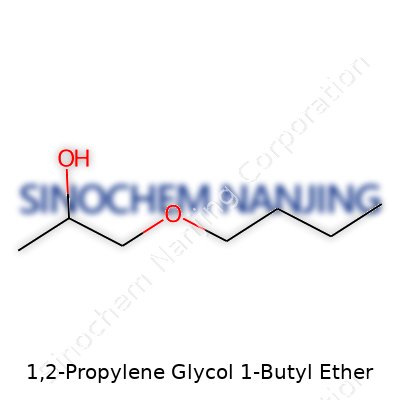
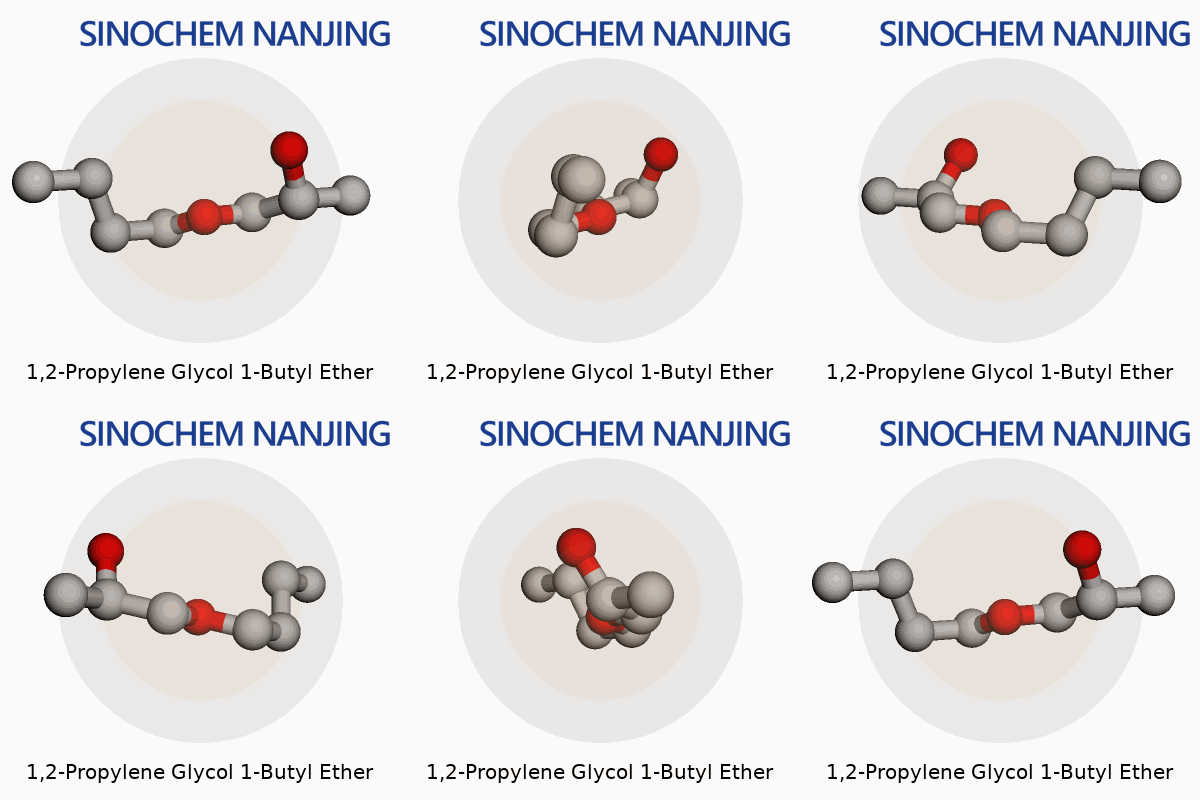
| Names | |
| Preferred IUPAC name | 1-butoxypropan-2-ol |
| Other names |
Butoxypropanol Propylene glycol butyl ether 1-Butoxy-2-propanol 1-Butoxypropan-2-ol Butylpropanol Butyl 1,2-propylene glycol ether |
| Pronunciation | /ˈprəʊpɪliːn ˈɡlaɪ.kɒl wʌn ˈbjuːtɪl ˈiːθər/ |
| Identifiers | |
| CAS Number | 29911-28-2 |
| 3D model (JSmol) | `CCCCOC(C)CO` |
| Beilstein Reference | 1738734 |
| ChEBI | CHEBI:31370 |
| ChEMBL | CHEMBL1545204 |
| ChemSpider | 14107 |
| DrugBank | DB14163 |
| ECHA InfoCard | 03d3bd8d-7f4e-4a1b-b454-7eada991e0f1 |
| EC Number | 603-052-00-8 |
| Gmelin Reference | 1770 |
| KEGG | C19637 |
| MeSH | D017724 |
| PubChem CID | 12413 |
| RTECS number | RN8925000 |
| UNII | 1W7R5S7GZU |
| UN number | UN1993 |
| Properties | |
| Chemical formula | C7H16O2 |
| Molar mass | 162.26 g/mol |
| Appearance | Colorless liquid |
| Odor | Faint odor |
| Density | 0.873 g/cm³ at 25 °C |
| Solubility in water | miscible |
| log P | 0.88 |
| Vapor pressure | 0.14 mmHg (20 °C) |
| Acidity (pKa) | 14.7 |
| Basicity (pKb) | 2.64 |
| Magnetic susceptibility (χ) | -49.2×10⁻⁶ cm³/mol |
| Refractive index (nD) | 1.410 |
| Viscosity | 3.7 mPa·s (25 °C) |
| Dipole moment | 2.51 D |
| Thermochemistry | |
| Std molar entropy (S⦵298) | 350.2 J/mol·K |
| Std enthalpy of formation (ΔfH⦵298) | -589.6 kJ/mol |
| Std enthalpy of combustion (ΔcH⦵298) | -4464.8 kJ/mol |
| Pharmacology | |
| ATC code | D07AX |
| Hazards | |
| GHS labelling | GHS07 |
| Pictograms | GHS02,GHS07 |
| Signal word | Warning |
| Hazard statements | H315: Causes skin irritation. H319: Causes serious eye irritation. |
| Precautionary statements | P210, P233, P240, P241, P242, P243, P280, P303+P361+P353, P370+P378 |
| NFPA 704 (fire diamond) | 1-1-0 |
| Flash point | Flash point: 79 °C |
| Autoignition temperature | 225 °C (437 °F; 498 K) |
| Explosive limits | 1.1–14% |
| Lethal dose or concentration | LD50 Oral Rat 1900 mg/kg |
| LD50 (median dose) | LD50 (median dose): Oral (rat) 3089 mg/kg |
| NIOSH | UE8575000 |
| PEL (Permissible) | 50 ppm |
| REL (Recommended) | 50 ppm |
| Related compounds | |
| Related compounds |
1-Butoxy-2-propanol Propylene glycol n-butyl ether Ethylene glycol butyl ether Di(propylene glycol) butyl ether Propylene glycol methyl ether 1,2-Propylene glycol 2-butyl ether |



