More Than a Chemistry Lesson: Why We Should Pay Attention to 1,1-Dichloroethylene
Historical Development
Digging through chemical history, 1,1-Dichloroethylene—often called vinylidene chloride—doesn’t get the spotlight like some bigger-name chemicals. Its rise started in the early twentieth century as industrial chemists searched for versatile molecules to push plastics in new directions. In the 1930s and 40s, the molecule found a home in polymer science as companies tried to make packaging better, longer-lasting, and lighter. Polyvinylidene chloride, which uses this compound as its backbone, sparked a shift in food preservation and industrial coatings. Big chemical breakthroughs don’t always come with loud headlines, but over decades, this one has shaped everything from the way meat keeps fresh in the fridge to how corrosion gets fended off in harsh environments. By the time the mid-century plastics boom lifted off, 1,1-Dichloroethylene was already stitched into everyday life.
Product Overview
Today, you find this clear liquid mostly showing up inside chemical plants and labs. It’s not a product you grab off a grocery shelf, but it goes into making materials you handle constantly—cling wraps, certain piping, battery covers, and specialty fibers. It sneaks behind the scenes and keeps the wheels turning for industries from automotive to electronics. Vinylidene chloride’s popularity in polymer formulas rests on reliability: it blocks moisture, shrugs off oil and chemicals, and holds out under years of rough use. Companies that take packaging or coatings seriously don’t ignore what this molecule can deliver.
Physical & Chemical Properties
1,1-Dichloroethylene brings volatility, packing a punch with its sharp, somewhat sweet smell. It boils at a modest temperature near 31 °C and evaporates faster than most shoppers would guess. Its density measures slightly heavier than water, so spills sink rather than float. The double bond in its molecule gives it the strength chemists need for polymerization, but also makes it eager to react, especially when mixed with heat or strong light. Enough vapor fills the air, you could end up with a flammable cloud, which keeps plant operators on guard. Its solubility in water stays very low—good for dry storage, but a reminder of its escape risk if mishandled.
Technical Specifications & Labeling
Anyone moving or storing this chemical sees the bold warnings and color codes. UN labeling signals danger, strict due to fire risk and toxicity. Regulatory bodies demand tight tracking, so every shipment comes with technical spec sheets. These set limits on things like purity and trace contamination, since impurities can throw off polymer reactions or ramp up hazards. Handling gear often includes sealed drums, chemical gloves, and face protection—a nod to the fact that even a quick spray of vapor in a poorly ventilated corner causes coughing or worse. From my own tours of industrial sites, every employee gets drilled on the sight, smell, and risks, since a missed warning can mean evacuating an entire line.
Preparation Method
Most commercial synthesis hooks up chloroform with vinyl chloride in a chlorination dance. Keep conditions right—steady pressure, tuned temperatures, proper catalysts—and yields climb high. It’s a noisy, high-energy process requiring heavy-duty containment, both for efficiency and for safety. The process does more than churn out liters of liquid; it tests engineering setups, operator focus, and discipline at every turn. Clean separation and purification steps filter what plants need for polymer work or custom blends. If you cut corners, you risk unreacted leftovers that threaten batch quality or even the health of those nearby.
Chemical Reactions & Modifications
This isn’t a lazy molecule. Double bonds bring flexibility, so once it slides into polymer chains, the result locks out oxygen, water, and acids better than many rivals. Factories often polymerize directly or mix with other monomers, creating custom materials with varying flexibility, strength, or resistance to chemicals. Under harsh lab conditions, the structure cracks to form new chlorinated compounds—in some cases, the kind that chemical engineers rely on for developing solvents or intermediates. Maybe more importantly, researchers keep circling back to tweak its behavior—chasing ways to use less toxic catalysts, lower temperatures, or more efficient recycling. Every breakthrough lands as another step toward greener manufacturing.
Synonyms & Product Names
In laboratories and trade documents, the full name often gets replaced by vinylidene chloride, or abbreviated as 1,1-DCE. Patent lists sometimes roll out legacy trade names dating back to mid-century, not always recognized by a new generation of chemists or regulators. Hazmat teams or environmental agencies flag 1,1-Dichloroethylene on priority lists under various spellings and identifiers, since tracking exposure takes more than just a single correct label. In my own dealings with research teams, confusion over synonyms has led to mix-ups that slow progress or even risk the wrong handling protocol. Consistency matters, even for something with a dozen nicknames.
Safety & Operational Standards
Calling safety an afterthought with this compound signals trouble. The Environmental Protection Agency and other regulatory watchdogs set legal exposure thresholds for air and water, pushing companies to install scrubbers, proper ventilation, and closed systems wherever possible. Gloves, eye protection, and specialized respirators guard workers in production zones. I’ve seen firsthand the effect of a missed leak: fast evacuation protocols, alarms blaring, and emergency response teams buttoning up every vent. Medical surveillance often teams up with occupational health plans, as repeated exposure brings neurological and liver risks. Routine inspections, air monitoring, and engineering controls reduce but don’t erase the potential for error. Talking about best practices only matters if everyone down the ladder—from the corner office to the night shift—believes in following through.
Application Area
Industries stretch what 1,1-Dichloroethylene delivers. Polyvinylidene chloride dominates food packaging, extending shelf lives while holding out sunlight, moisture, and microbes. Protective coatings from chemical tanks to automotive parts owe their resilience to blends built with this molecule. Electronics find use for its insulative properties, especially as devices shrink and demand stays high for ruggedness without bulk. Fiber manufacturers reach for dyable, stain-resistant textiles. Innovation through the decades hasn’t stagnated because demand for tough, lightweight, and impermeable materials shows no sign of slowing. Some recycling centers worry about the longevity, since breaking down these plastics hasn’t kept up with how much gets thrown out. Here, design teams shoulder responsibility: creating better recycling processes and next-generation polymers that balance performance and sustainability.
Research & Development
Research teams across the globe keep chasing ways to adapt and improve how this compound gets used. Labs tinker with catalysts that promise cleaner, energy-saving synthesis. Environmental scientists monitor breakdown rates, searching for ways to speed up decomposition or uncover safer disposal. Polymer scientists work to balance legacy performance with greener chemistry, which proves tough considering the strength of existing materials. Sometimes gains are incremental: shaving off a few degrees in a reaction, or swapping an ingredient for something less hazardous. Breakthroughs rest on constant testing, field data, and willingness to challenge industry norms—easy to say, tough to pull off inside legacy factories or price-driven markets.
Toxicity Research
Several health studies keep coming back to inhalation and absorption risks of 1,1-Dichloroethylene. Immediate contact at high levels causes headaches, dizziness, and even tremors; chronic exposure points toward increased cancer risk and damage to livers and kidneys. Animal studies give us benchmarks for setting occupational limits, but policy debates rage on as new findings tweak those numbers. Activist groups and scientists press for better epidemiological data and transparent reporting, since workplace cases sometimes go under-reported or mis-attributed. From my perspective, even a well-written guideline amounts to little without thorough onsite enforcement and honest record-keeping. The knowledge grows, but the push for safer technologies and better personal protection can’t afford to stall.
Future Prospects
Looking ahead, the future of 1,1-Dichloroethylene faces forks in the road: stricter regulations, better chemistry, and challenging competition from new materials. Sustainability pushes major companies to trim emissions, cut waste, and experiment with renewable feedstocks. Some researchers pursue biodegradable alternatives, even as cost and performance gaps persist. Circular economy models—building recovery and reuse into the manufacturing life cycle—bring hope for trimming environmental legacy. Advances in catalysis, material science, and green processing hint at a path forward, but progress drags unless industries, regulators, and consumers pull in the same direction. From the ground where lab benches meet production floors, the commitment of people, not just technology, shapes the future of this and every other industrial chemical.
What is 1,1-Dichloroethylene used for?
Everyday Products Hiding a Chemical You Rarely Hear About
People don’t go to the store and ask for a bottle of 1,1-dichloroethylene. Even the name sounds intimidating if you haven’t taken a chemistry class. Still, most folks have come across items made using this chemical without realizing it. This clear, sharp-smelling liquid has a hand in plastics, packaging, and even electronics. When I worked in a warehouse a few years ago, boxes with the crisp packaging film around electronics caught my eye—in that film, this quiet chemical plays a big part.
Helping Make Plastics Tougher
Many know polyvinylidene chloride (PVDC) from its stage name—Saran Wrap. That tightly clinging kitchen film relies on a building block. 1,1-dichloroethylene acts as a key monomer. Manufacturers combine molecules of the chemical to make PVDC, which repels water and blocks air better than many plastics. This means less food goes stale, and moisture doesn’t sneak in as fast. It’s no small part of why leftovers last longer in the fridge.
A number of piping systems for water and waste carry layers of plastic made using 1,1-dichloroethylene as well. These pipes hold up under tough conditions—high pressure, harsh detergents, and shifting ground. Seeing these pipes up-close on construction sites reminds me that even what’s hidden under concrete depends on materials like this.
Electronics Depend on Stable Parts
To make circuit boards and wire coatings, factories turn to this compound. The substance doesn’t break down easily when hit with electricity or heat. I once talked to an engineer who swore by wire insulation made this way; wires stayed flexible and the coating didn’t crack after years of use. For anyone who relies on their phone or laptop not shorting out, these small, technical details matter a lot.
Does It Come Without Risks?
Like many chemicals, benefits walk hand in hand with concerns. Studies show workers who breathe high concentrations of 1,1-dichloroethylene over time can face liver or kidney issues. The U.S. Environmental Protection Agency (EPA) groups it as a possible human carcinogen. Handling safeguards and air-quality controls in workplaces shape how safe it stays for employees. As for regular folks, exposure through finished products is much lower, but the story amplifies the need for responsible manufacturing and disposal.
What Can Be Done
Alternatives get a lot of attention these days—biodegradable plastics, for example, or stronger food packaging that relies less on halogenated chemicals. Change always takes time. Consumer demand and clear safety rules push the industry. The EPA keeps an eye on emissions and waste handling from plants making or using this chemical. Companies that once dumped similar solvents into rivers now pay real penalties and put cleaner systems in place. I’ve seen how public pressure mixed with smart government action can shift how chemicals get managed.
The daily items we rely on—packaged snacks, electrical gear, leak-free plumbing—are often backed by behind-the-scenes chemistry. 1,1-dichloroethylene rarely makes headlines, but tracking how it’s used keeps the focus where it belongs: safety for both people and the planet.
Is 1,1-Dichloroethylene hazardous to health?
Looking Closer at 1,1-Dichloroethylene
Many people have never heard of 1,1-dichloroethylene, or vinylidene chloride. For most of us, the closest we get to this chemical comes through products like food packaging or certain construction materials. It gets used in making plastics and coatings, finding its way into household items and manufacturing plants. This invisibility is a big part of the problem — out of sight, out of mind, unless you happen to live near a plant using this chemical.
Exposure and the Bigger Picture
Contact with 1,1-dichloroethylene happens in two main ways: breathing contaminated air or getting it on your skin. Workers in factories producing plastics face the greatest risk, but communities living near industrial sites aren't immune. U.S. Environmental Protection Agency tests often find this chemical in groundwater, especially where spills or improper disposal occurred.
Breathing in large amounts can bring headaches, drowsiness, or dizziness. Studies show that repeated inhalation damages the liver, kidneys, and nervous system in animals. The U.S. Department of Health lists 1,1-dichloroethylene as a possible carcinogen, a warning not to be taken lightly. Being cautious matters, because constant low-level exposure adds up.
Everyday Protection
Keeping chemicals away from drinking water ranks high in life’s basic priorities. I grew up in a rural area with a well, and talk about “chemical spills” used to sound distant and abstract. Only when a neighbor’s well tested positive for contaminants did it click—water safety isn't a given. Regulators now require regular checks on industrial sites, but the system isn’t perfect. Older pipes and buried drums mean surprises still surface.
Consumer awareness also lags behind. Plastic products don’t usually list the specific chemicals involved, making informed choices tougher. One simple step—supporting labels and certifications that focus on chemical safety—could push companies toward safer alternatives. I lean toward glass and stainless steel containers for food and drink, not out of paranoia, but because it seems like a straightforward way to dodge extra risks.
Solutions and Shared Responsibility
Reducing harm from 1,1-dichloroethylene isn’t just a government job. Companies profit from these chemicals, so they hold a responsibility to upgrade old equipment and prevent leaks. Local governments, especially in areas with aging infrastructure, need to press for more frequent water testing. Public pressure helps. When people ask questions about what's in their air and water, it becomes harder to ignore potential hazards.
Substitutes for 1,1-dichloroethylene exist, but cost stands in the way. Change often starts with a mix of regulation and consumer demand, not just technical fixes. Publicly available databases with up-to-date information on chemical releases could help everyone make better choices. People deserve to know if something risky sits nearby, so they can push for cleanup or better practices before health problems show up.
Knowledge Builds Protection
Families shouldn’t have to worry about silent dangers in tap water or air at home. Understanding risks linked to chemicals like 1,1-dichloroethylene arms communities to demand safer products and tighter oversight. Staying informed means less guesswork and a stronger voice when it comes to protecting our health.
What are the storage requirements for 1,1-Dichloroethylene?
Understanding the Chemical
1,1-Dichloroethylene, known among chemists as vinylidene chloride, gets a fair bit of use in making plastics and resins. It comes with a track record of volatility, especially in workplaces where large volumes move through industrial pipelines. This colorless liquid, with a sharp odor, doesn’t just evaporate into thin air—its fumes can pack a punch, both to health and fire safety.
Storing 1,1-Dichloroethylene: The Ground Rules
Every drum, tank, and line that holds this material has responsibility written all over it. I’ve seen seasoned loss prevention managers stress over two things with this liquid: its flammability and the risk of decomposition. It ignites far easier than many realize—down to about 14°C in some labs. Heat, sunlight, or poor ventilation increase danger. Avoiding ignition sources isn’t optional; it’s a must.
Leave it exposed to air, and it starts forming peroxides, which bring new risks. Any equipment or storage vessel needs a tight seal, made from materials that refuse to react. Stainless steel or lined carbon steel tanks beat plain steel hands down, since corrosion quickly ruins a storage plan.
Key Storage Recommendations
- Keep Containers Cool and Out of the Sun: Direct sunlight and heat sources push volatility way up. Stashing drums in a shaded, well-ventilated building with controlled temperature cuts the risk of dangerous pressure buildup or leaks.
- Avoid Moisture and Incompatible Materials: Water may help in some spills, but with this chemical, moisture in storage causes corrosion and even unwanted reactions. Always keep it bone-dry, away from strong oxidizers, copper, and aluminum.
- Add Stabilizers: Manufacturers often include small quantities of stabilizers—usually phenolic compounds—to slow down unwanted chemical reactions and peroxide formation. Never try to purify or remove these stabilizers unless the process facility is fully equipped.
- Explosion Proofing: I’ve worked in warehouses that skipped on explosion-proof lighting or pumps, and that’s a recipe for trouble. Ventilation systems, wiring, and pumps should all be built to handle flammable vapors.
- Secondary Containment and Spills: Secondary containment, like berms or catch basins, isn’t just for show. If a drum springs a leak, it keeps the spill from spreading to drains or other storage areas. Have absorbents on hand rated for chlorinated solvents.
- Access Control & Labeling: Unlabeled barrels or tanks have caused confusion and injuries on too many job sites. Clear hazard labels and access restrictions let everyone know what’s at stake.
Reducing Health Risks
Prolonged exposure to 1,1-dichloroethylene can harm the central nervous system and cause organ toxicity. I’ve met operators who skipped respiratory protection during cleaning, only to feel dizziness and nausea within an hour. Proper training, chemical fume hoods, and personal protective equipment all matter—especially goggles, gloves, and respirators with organic vapor cartridges.
Raising the Bar with Compliance and Monitoring
Shoddy storage increases costs. Fines, health problems, and even site shutdowns result from letting temp controls slip or skipping maintenance checks. Standards from OSHA and EPA give solid guidance, but regular in-house inspections catch problems faster. A digital log with temperature and vapor readings assures everyone that the system works around the clock.
Looking Forward
Safe storage starts with education and investment in quality infrastructure. As someone who has learned from seeing near-misses up close, I put double weight on planning, regular inspections, and honest communication between shift leaders and safety teams. The safer and more transparent the system, the better outcomes for workers, companies, and the neighborhoods that border these facilities.
How should 1,1-Dichloroethylene spills be handled?
Facing the Real Risks
In any place where chemicals flow, accidents don’t hold a schedule. 1,1-Dichloroethylene doesn’t make exceptions. Work long enough in a lab, a warehouse, or on a site, and you’ll hear stories about hazmat calls involving this clear, strong-smelling liquid. Not many people realize how quickly a spill can turn from a puddle to an emergency. Inhaling its fumes hits the lungs and central nervous system. The vapor hangs low, staying close to the ground, making it even easier to breathe in something you never want inside your body.
Immediate Action and Responsibility
Chemicals don’t show mercy for hesitation. I’ve seen seasoned techs spring into action the second a spill splashes across a bench or warehouse floor. The first instinct? Clear out the area. Take care of people before worrying about objects or samples. If you’re near the splash zone, throw on the right respirator and chemical splash goggles faster than you might think possible. If it’s indoors, make fresh air a priority—fling open doors, fire up vents, and pull as much of that vapor away as possible.
The Cleanup Shouldn’t Get Creative
Industry training pays off here. No reason to play MacGyver. Use clay or commercial spill pillows—never sawdust or other combustibles. Static electricity lingers in unexpected spots, so grounding yourself before moving drums or tools keeps sparks away. I’ve seen splashes ignite from simple static on a chilly, dry afternoon. Fires from 1,1-dichloroethylene burn fast and nasty, making water the wrong tool for fighting them. A foam, dry chemical, or CO2 extinguisher fits the job.
Disposal: Rules Aren’t Optional
Anyone who’s dumped a chemical the easy way ends up regretting it. 1,1-Dichloroethylene seeps deep—groundwater, soil, sewers. It keeps causing damage long after the visible mess is gone. Official hazardous waste teams specialize in this kind of cleanup. In my experience, the most reliable hazmat crews arrive knowing local, state, and EPA rules by heart. They document everything, contain every drip, and take samples if the spill looks large enough to threaten drinking water or a major storm drain.
Long-Term Solutions Mean Prevention
Most chemical accidents trace back to storage or careless transfer. At work, nothing stops an incident faster than clearly marked containers and tight secondary containment. Old, out-of-date piping gives trouble. Automatic leak sensors cost less than a single cleanup. Training isn’t just an item to check off. I’ve seen folks taught to treat every drum and valve as a loaded weapon, double-checking gaskets and making sure everyone knows where emergency air packs are stashed. A clumsy mishap in a rush could cost days of panic or worse—someone’s health.
Connecting the Dots: Why This Matters
The lesson isn’t just about chemical handling. Earning trust—of coworkers, of community, of families nearby—starts at the ground level, every shift. Accidents happen, but cutting risk protects everyone downstream. Instead of treating spills as isolated mistakes, teams look back afterward, ask hard questions, and fix what led to the accident. Care and fast action save time, health, and money, but most of all, they give peace of mind that every possible step got taken to keep danger far from home.
What precautions should be taken when working with 1,1-Dichloroethylene?
Real Risks, Real Solutions
1,1-Dichloroethylene shows up a lot in plastics and some coatings. People who handle this chemical face risks that demand respect, not just fancy guidelines. If you’ve spent time in a manufacturing plant or a lab, you know shortcuts can result in trouble. When it comes to safety, basic habits mean everything, especially with this tricky compound.
Why Respect Matters
Just a whiff of 1,1-Dichloroethylene leaves an impression on your senses. Breathing in too much can hit hard, leading to dizziness, throat irritation, even liver issues over time. I’ve felt that headache creep in during a long shift before updated vent systems changed the game. Skin contact can burn or cause rashes. Getting splashed feels like a warning you never want to ignore.
Smart Steps that Protect
Well-maintained ventilators count as a must, not an afterthought. If the air doesn’t move, those vapors can hang in the room and build up fast. Fume hoods help keep contaminated air away from your face. Teams replace filters on a schedule, not only when someone complains. In places I’ve worked, everyone knows that upgrading from a basic fan to a certified ventilation system made our lungs happier.
Personal protective equipment signals you mean business. Nitrile gloves and snug goggles give a real barrier between you and the chemical. Chemical-resistant aprons keep splashes off your clothes. Some folks treat goggles like a suggestion, only to pay for it later with eye irritation. Consistency with PPE prevents unpredictable problems. That lesson sinks in the first time you see a co-worker rinse their eyes at the emergency station.
Storage and Handling Habits
No one can afford lazy storage routines. Sturdy, clearly labeled containers stop confusion before it starts. Keeping this solvent away from open flames is non-negotiable. Its vapors catch fire at lower temperatures than you might expect, so keeping sources of ignition outside the work zone becomes a habit, not a recommendation. Storage rooms need regular checks—we used to do weekly rounds, making sure every drum sat sealed tight and away from heat.
Spill kits need to sit within reach. Workers who have practiced spill drills act quickly, making cleanup less stressful. The right absorbents and respirators form a line of defense if something hits the floor. Those drills aren’t busywork; I’ve seen teams prevent a serious accident because they knew the steps by heart.
Training Everyone, Not Just Managers
Training sessions stick better with hands-on demonstrations rather than hours of dry slides. When everyone—from senior scientists to new temps—understands emergency showers, alarms, and evacuation routes, fear gives way to confidence. Real-world stories resonate more than statistics. Managers who invest in regular safety refreshers end up with less downtime and fewer health scares.
Knowing the Law
OSHA and EPA set strict rules for exposure and disposal. Ignoring these leads to fines, but more important, it puts real people in harm’s way. Sites that treat disposal routines seriously keep workers and their neighbors safer. Ignorance skips generations in the workplace—new hires know what’s expected only if culture supports it with real practice.
Trust in Teamwork
In workplaces that handle dangerous chemicals, trust grows from daily habits. Sharing what works in your facility can make all the difference for someone else dealing with 1,1-Dichloroethylene for the first time. Staying honest about near-misses and changes in protocol keeps everyone learning—and safe enough to go home at the end of every shift.
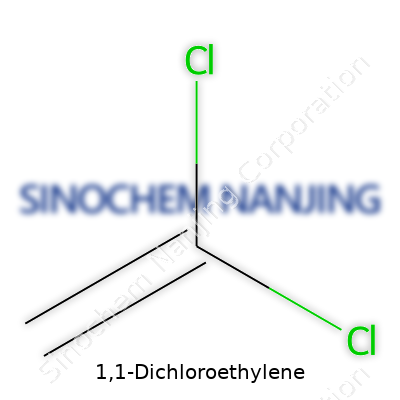
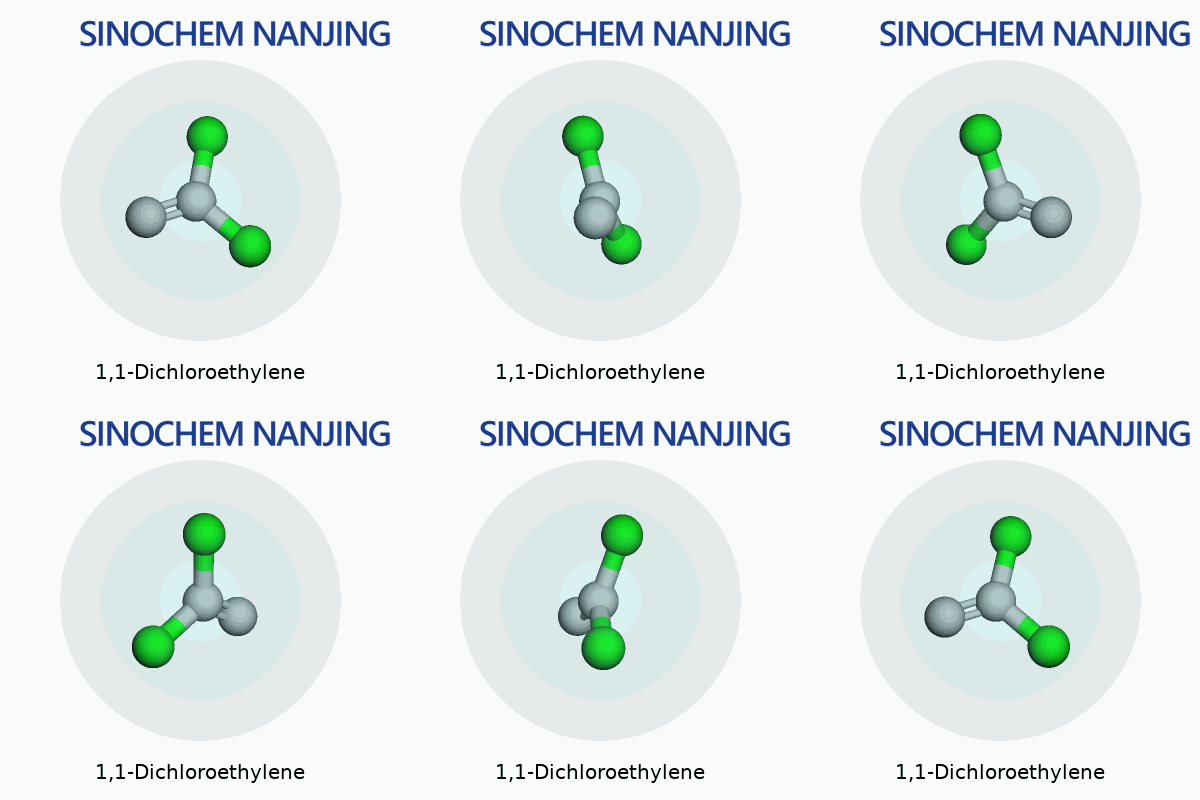
| Names | |
| Preferred IUPAC name | 1,1-Dichloroethene |
| Other names |
1,1-Dichloroethene Vinylidene chloride 1,1-DCE DCE Ethylene dichloride (1,1-) |
| Pronunciation | /ˌwʌn.wʌn.daɪˌklɔːroʊˈɛθɪliːn/ |
| Identifiers | |
| CAS Number | 75-35-4 |
| Beilstein Reference | 1200236 |
| ChEBI | CHEBI:27343 |
| ChEMBL | CHEMBL50259 |
| ChemSpider | 67055 |
| DrugBank | DB02038 |
| ECHA InfoCard | 03f108e2-d808-4061-af71-3fac8d7ed0c9 |
| EC Number | EC 200-864-0 |
| Gmelin Reference | Gmelin 8289 |
| KEGG | C01886 |
| MeSH | D003361 |
| PubChem CID | 6368 |
| RTECS number | KV9275000 |
| UNII | I9ZZW8359H |
| UN number | UN1303 |
| Properties | |
| Chemical formula | C2H2Cl2 |
| Molar mass | 96.94 g/mol |
| Appearance | Colorless liquid |
| Odor | Mild, sweetish odor |
| Density | 1.214 g/mL at 25 °C |
| Solubility in water | 2.5 g/L (20 °C) |
| log P | 2.13 |
| Vapor pressure | 400 mmHg (20°C) |
| Acidity (pKa) | 18.96 |
| Magnetic susceptibility (χ) | -52 × 10⁻⁶ cm³/mol |
| Refractive index (nD) | 1.420 |
| Viscosity | 0.42 mPa·s (20 °C) |
| Dipole moment | 1.96 D |
| Thermochemistry | |
| Std molar entropy (S⦵298) | 267.5 J·mol⁻¹·K⁻¹ |
| Std enthalpy of formation (ΔfH⦵298) | -71.3 kJ/mol |
| Std enthalpy of combustion (ΔcH⦵298) | -683.8 kJ/mol |
| Pharmacology | |
| ATC code | V09AX02 |
| Hazards | |
| GHS labelling | GHS02, GHS07 |
| Pictograms | GHS02,GHS07 |
| Signal word | Warning |
| Hazard statements | H225, H319, H332 |
| Precautionary statements | P210, P261, P280, P304+P340, P305+P351+P338, P312, P337+P313, P370+P378, P403+P233, P405, P501 |
| NFPA 704 (fire diamond) | 2-4-1 |
| Flash point | '-15 °C' |
| Autoignition temperature | 440 °C (824 °F) |
| Explosive limits | 5.6–14% |
| Lethal dose or concentration | Lethal Concentration (LC50): 12,000 ppm (rat, 4 hours) |
| LD50 (median dose) | LD50 (median dose): 4.13 g/kg (rat, oral) |
| NIOSH | NIOSH: KV3325000 |
| PEL (Permissible) | PEL (Permissible Exposure Limit) of 1,1-Dichloroethylene: 200 ppm (TWA) |
| REL (Recommended) | 10 ppm |
| IDLH (Immediate danger) | 1500 ppm |
| Related compounds | |
| Related compounds |
Vinyl chloride Trichloroethylene Tetrachloroethylene 1,2-Dichloroethene Chloroethylene |



