Understanding 1,1,1-Trichloroethane: Legacy, Hazards, and the Challenge of Substitution
Historical Perspectives: From Innovation to Regulation
1,1,1-Trichloroethane started making waves early in the twentieth century, rising up as a solvent that seemed to fit everybody’s needs. Dry cleaning shops, electronics manufacturers, and even home DIYers reached for it to degrease, clean, and extract. In the 1950s and 60s, people saw it as a safer alternative to carbon tetrachloride and older, more toxic solvents. Industry loved its power, but in those years, few paused to give much thought to what happened after dumping it down the drain or watching clouds of fumes drift off into the air. In those days, production plants rattled out millions of tons across the globe, and, over time, so much of this solvent made its way to groundwater and the atmosphere that regulators finally began to take notice. By 1987, the Montreal Protocol stepped in, kicking off a slow motion ban that unfolded through the 1990s. The solvent that once impressed as a modern marvel quickly landed on environmental watch lists.
The Shape and Feel of the Chemical
Anyone who's handled 1,1,1-Trichloroethane in the lab can’t miss that sharp, sweet odor. It's a colorless liquid at room temperature, boasting a density higher than water and a volatility that sends it vaporizing fast on a warm day. Its molecular structure—a chain of two carbons with three chlorines lined up on one end—makes it both polar enough to deal with grease and oil, and stable enough to last on a shelf longer than many other chlorinated solvents. It doesn’t mix with water, but it blends smoothly with oils and many organic liquids. These physical and chemical quirks—boiled down in the formula C2H3Cl3—helped it spread across a wild range of trade and industrial circles.
Labeling and Technical Metrics
Real-time handling demands that labels show not just the name, but all the technical identifiers people in the field depend on: CAS number 71-55-6, UN number 2831 for shipping, hazard class, and standardized pictograms for flammability and environmental harm. Big red numbers or icons stick out to warn about its strong volatility and potential risks. Labs usually keep a keen eye on purity, boiling point just over 74°C, and vapor pressure, because once left uncapped, you’ll find it half gone after lunch. Getting these details right matters for both safety and day-to-day results in the shop or laboratory.
Making and Modifying 1,1,1-Trichloroethane
Production kicked off on an industrial scale through the chlorination of vinyl chloride and, later, the controlled reaction of 1,1-dichloroethane with chlorine. Manufacturers favored methods that prioritized robust yields with minimal byproducts, though waste streams still left behind a sting for communities near chemical plants. Tinkerers in labs played with modifications, swapping out individual chlorines or forcing side-reactions, to generate other chlorinated ethanes for specialized uses—from refrigerants to fire suppressants. Adjusting reaction parameters—pressure, temperature, or catalysts—changed the output, but if handled carelessly, these same tweaks could ramp up volatility or unleash dangerous phosgene byproducts.
Other Names and Where You'll Find Them
1,1,1-Trichloroethane often goes by methyl chloroform, or sometimes just TCA. These alternate labels pop up on old paint thinner cans, electronics cleaning fluids, and even aged bottles forgotten in maintenance departments. The different names, often a legacy of competing chemical suppliers and supply chains, can confuse even seasoned pros. What matters most is making sure workers and hobbyists both recognize these synonyms on any legacy material, and know that the risks don’t change just because the name does.
Workplace Standards and Real-World Risks
Anyone who’s worked around chlorinated solvents knows the rules for ventilation and skin protection carry a hard-earned wisdom. The vapors can kick-dusty lungs into coughing fits or leave a faint pop in your head after a long day in an unventilated shop. Safety programs outline exposure limits in parts per million, and trace-level detection on badges and air samplers can trigger evacuations if the numbers creep above thresholds. Spills are less about fire—the stuff rarely ignites without a fight—and more about inhalation, environmental spills, and groundwater seepage. Regular training, not flimsy pamphlets, keeps custodians and technicians from cut corners, because even trace exposure day after day carves out damage you don’t see right away.
Where the Stuff Shows Up—And Why
In its heyday, you could find 1,1,1-Trichloroethane anywhere metal parts shined—automotive garages, aircraft factories, and electronics assembly lines. Spray cans sat beside workbenches, hoses rinsed oil off engines, and cramped repair bays reeked of evaporating solvent. As a dry cleaning agent, the chemical loosened stains that older formulas left behind. Over time, as safety hearings exposed both worker sick-outs and environmental blowback, industries started pulling back. What’s left today sits mostly in warehouses, as research controls or, sadly, still occasionally in use by outfits that run outside regulatory reach.
Looking Ahead—Safety, Innovation, and Environmental Repair
Modern chemists face the challenge of cleaning up decades of environmental damage. Contaminated wells, suburban vapors drifting up from brownfields, and soil samples from old dump sites all trace back to carelessness with 1,1,1-Trichloroethane. Research teams trial new bacteria and chemical traps to break down stray solvent molecules underground, but the work is slow and budgets tight. Alternatives for degreasing now turn to aqueous systems or greener solvents, but none of these match the cleaning power or versatility this old mainstay delivered. The real shift emerges from a mindset geared to prevention—choice of safer chemicals and daily routines built on open information-sharing across shop floors, schools, and local government. Researchers turn to green chemistry playbooks, aiming for molecules that break down harmlessly once their job wraps up, not years later after a crisis unfolds.
Digging Into The Hazards—Toxicity Up Close
Countless exposure studies over the past thirty years made it clear the stuff was never truly safe. Inhalation at moderate levels clouds the nervous system, sharpens headaches, and, with chronic exposure, can squeeze kidneys and livers until long-term trouble flares up. One frightening aspect—1,1,1-Trichloroethane doesn’t break down fast in the human body or in groundwater, sticking around for months after a spill. Some animal tests flagged up cancer risks, and for those working near big tanks or leaky containers, stakes grew from mild discomfort to life-altering illness by the late 1980s. Regulators leaned on these studies to set lower limits, and hazardous waste companies started charging bigger fees to drag leftovers to approved landfills, not just a backlot ditch.
Where Research Looks Next
In college chemistry labs, it’s rare today to spot a bottle except for case studies in environmental forensics or solvent replacement trials. Technicians and cleanup crews hunt for new remediation agents—microbes that feast on chlorinated leftovers, or chemical catalysts that slice apart stubborn molecules. In industry, the drive leans on greener design, swapping out legacy solvents for enzymatic or water-based solutions that finish the job without leftovers. Some new research explores “upcycling” contaminated soil, turning what looks like waste into resources for building materials, or safe landfill cover. While we don’t look back on the rush to put 1,1,1-Trichloroethane into everything with much nostalgia, its long shadow pushes today’s researchers and engineers to sweat the details before giving any new chemical free rein in factories or homes.
What is 1,1,1-Trichloroethane used for?
Old Favorite in Industry
1,1,1-Trichloroethane once lined the shelves of workshops and factories because of its knack for dissolving grease and grime. In the days before environmental regulations tightened, people saw it as a quick fix for cleaning metal machine parts, removing heavy adhesives, or prepping surfaces before they got painted. My uncle ran a small auto repair shop back in the '90s, and the way he talked about it, this solvent took the elbow grease out of any stubborn job. It saved hours in a world where time meant money, and mechanics came to trust the results.
Spotlight on Electronics
Electronics manufacturing gave this chemical another purpose. It came in handy for cleaning circuit boards that demanded precision and a streak-free finish. Soldering leaves behind flux and tiny bits of metal, and careful cleaning stops defects before finished gadgets land in consumers’ hands. Tech companies valued 1,1,1-Trichloroethane because it left almost no residue. Busy assembly lines depended on this property, making production smoother.
Solutions for Textiles and Aerosols
Fabric manufacturing leaned on this chemical solution for textile degreasing, letting mills push out higher-quality products. Dry cleaners trusted it to lift tough stains out of clothes, and paint companies used it in aerosol sprays, counting on its fast evaporation. Each use, from spritzing furniture cleaner to tackling ink on laundry, shaped daily routines at home and at work.
Health Risks and an Environmental Reckoning
Trouble started piling up as studies showed this chemical doesn’t just disappear. As it evaporates, it lingers in the air, and it doesn’t break down quickly in groundwater or soil. Experts linked it to health problems: headaches, fatigue, and in high doses, organ damage. Long-term exposure brought concerns for both workers and those living near industrial sites. Even the soil around my old high school showed traces decades after the local dry cleaner moved on. These lessons cut across towns and cities, pushing governments to rethink priorities.
Turning to Safer Alternatives
Regulators worldwide stepped in through the Montreal Protocol, targeting ozone-depleting chemicals. The spotlight landed on 1,1,1-Trichloroethane, which had a knack for chewing up the ozone layer. Manufacturers faced tough choices. Some found water-based cleaners did the job, with less harm. Others switched to mechanical cleaning or safer solvents like isopropanol. These changes didn’t happen overnight. Factories and small shops alike juggled costs, supply issues, and re-training. Still, after decades of routine use, the market changed for good. Today, you won’t find this solvent on store shelves like you might have in the past.
Lessons in Smart Chemistry
The story of 1,1,1-Trichloroethane sticks with people who saw it come and go. It’s a clear reminder that what works for business and convenience sometimes comes with a hidden price paid over many years. Moving forward, industries show more caution, weighing both immediate benefits and long-term impact. Solutions grow out of experience, science, and a willingness to do better, even if it costs more in the short run.
Is 1,1,1-Trichloroethane hazardous to health?
Looking at Real Risks from a Common Chemical
Walk into any conversation about older industrial chemicals and someone will mention 1,1,1-Trichloroethane. This compound, widely called methyl chloroform, shows up in older cleaning fluids, degreasers, and even products once sold for home use. For a long time, companies loved it for its power to dissolve grease without a strong smell or flare-up risk.
That strong track record hides a rougher truth. Growing up in an industrial town, I watched neighbors who worked at local plants come home with stories about headaches from using solvents. Science backs up their experiences. Short-term exposure to high levels of 1,1,1-trichloroethane irritates eyes, skin, and the respiratory tract. Make a habit of breathing in those vapors, and people get dizzy, feel tired, and sometimes pass out. Sicker still, heavy exposure can knock basic body systems off-balance, leading to heart rhythm changes and nerve effects. According to the Agency for Toxic Substances and Disease Registry, repeated high-level contact can also cause problems with liver and kidney function.
Workplace accidents sometimes shine a light on these dangers. Direct splashes or spills onto skin lead to rashes and even burns. No safety manual can guarantee zero accidents, especially with crews working on deadlines. These chemicals travel into the body surprisingly fast, whether by inhaling fumes or through skin contact.
Long-Term Effects and Environmental Impact
Scientists keep studying what chronic low-level exposure means over years. Experts from the International Agency for Research on Cancer list 1,1,1-Trichloroethane as “not classifiable” as to its cancer risk in humans, which means proof remains unclear. Public health folks still recommend vigilant handling. Long-term work in factories exposed some groups to much more than the average person, bringing its own cloud of anxiety.
Once released into the air or dumped down drains, this solvent does not break down quickly. Large spills polluted groundwater in places across North America. Families using well water in these areas faced tough questions about what might get into their drinking glasses. The US EPA moved to phase out production of 1,1,1-trichloroethane by the mid-1990s because it eats away at the ozone layer. Its environmental footprint outlasts most of its uses.
Safer Approaches Exist for Today’s Workers
Most consumer products no longer contain this chemical, which is a win. Many factories swapped to less toxic cleaners, not out of concern for regulations alone, but because keeping workers healthy cuts down on sick days and lawsuits. These days, businesses invest in better ventilation, personal protective gear, and routine air monitoring. At home, experts urge caution when working with any mystery solvent left over from a garage clear-out. Wear gloves, keep windows open, and never pour leftovers down the drain.
Public education campaigns made a difference. I remember community meetings with folks from the health department passing out flyers and free filters. People pushed for cleanup of old spills and stricter standards for landfill testing. It takes steady pressure from families, unions, and watchdog groups to keep industry honest, but those efforts help tamp down the real hazards from old chemicals like 1,1,1-trichloroethane.
Once you know what to look for and which products carry risks, staying safer gets easier. Knowledge, clear labeling, and better alternatives do more than any single regulation can. Even with yesterday’s chemicals, people have more power than they always think.
How should 1,1,1-Trichloroethane be stored?
The Risks Lurking Behind a Familiar Name
Most folks working around industrial chemicals have heard of 1,1,1-Trichloroethane—some just call it methyl chloroform. It’s not a household cleaner, but back in the day, it cleaned a lot of greasy metal parts. Even if it sounds technical, no one should treat it casually. Every mishap with chemicals like this starts with a tiny shortcut or overlooked detail, whether in a maintenance shop or a warehouse full of bulk drums.
Leaky Barrels, Big Problems
1,1,1-Trichloroethane has a sharp, sweet smell. That’s not enough warning. Inhaling its vapors gets risky fast—symptoms show up as dizziness or sleepiness. Worse, chronic exposure can hammer away at the liver and central nervous system. OSHA puts strict limits on workplace air concentrations, and after seeing coworkers get headaches or feel faint during unexpected leaks, those limits no longer sound like extra paperwork. They start to feel like common sense.
It doesn’t just threaten people. This chemical evaporates easily. Leave a cap loose and it’s gone; tanks and containers must stay well-sealed. Over the years, spilled trichloroethane has seeped through concrete and ended up in groundwater. Cleanup takes decades, and contaminated water doesn’t fix itself. Anyone around the storage site is at risk, not just the crew inside.
The Smart Storage Method: Small Steps, Big Difference
Keeping this chemical safe starts with choosing the right container. Steel drums made for chlorinated solvents work well. Don’t stick them near heat, direct sunlight, or anything sparking. I’ve seen warehouses put barrels near a faulty light fixture—it’s just tempting fate. Trichloroethane’s vapors catch fire if a source gets hot enough. Better to keep storage rooms cool, dark, and dry.
If you stack drums, leave real space for air to move. Anything stuck in a cramped corner heats up. I once watched an overpacked storage shed become a furnace in July, pushing up drum pressures enough to pop a seal. Look for damage before every single refill or transfer; rust eats through metal fast in damp air.
The Right Gear for the Job
There’s always some staffer who thinks safety gear slows them down. Goggles and gloves don’t look slick, but stories about chemical burns or lost eyesight from cutting corners stopped me from joining their club. Good ventilation, splash-proof aprons, and organic-vapor respirators matter even more in jobs involving open transfers or cleanup. If the shop can manage chemical spill kits, they should keep one parked in arm’s reach and train everyone on how to use them—twice.
Managing Waste and Taking Responsibility
1,1,1-Trichloroethane doesn’t belong down sinks, out back in the alley, or anywhere near storm drains. Disposal calls for licensed hazardous-waste haulers—no exceptions. The EPA’s not out for revenge; they just don’t want this chemical in drinking water or backyards. If a company rotates stock, tracks container dates, and labels drums clearly, fewer accidents reach the newspaper.
Real-World Stakes: Not Just Red Tape
Rules for this chemical grew out of hard-won lessons. I remember a story from an old supervisor who saw a small spill treated with a mop and garden hose. Years later, the well on that property tested hot for industrial solvents, thanks to that five-minute shortcut.
Anyone responsible for this chemical owes it to coworkers, their families, and the community to keep respect for the risks front and center. Safe storage keeps the doors open, and nobody wants to be the reason the fire truck rolls up.
Can 1,1,1-Trichloroethane be used for cleaning electronics?
The Chemical and its History
People who remember a time before smartphones probably remember the smell of certain solvents in school labs or repair shops. 1,1,1-Trichloroethane, also called methyl chloroform, landed on countless workbenches as a degreaser, circuit board cleaner, and precision-wiping staple. Someone working with radios or calculators from the 1970s or 80s has likely seen it listed on old maintenance guides. It lifted oils, dissolved many stubborn residues, and evaporated fast.
Safety and Health: Lessons from the Past
Over years, reports started mounting. Workers exposed to it in poorly ventilated spaces had headaches, dizziness, and even blackouts. Long-term exposure in large cleaning operations connected to liver issues and heart sensitization. In my experience, handling electronics in old repair shops, nobody wore gloves or masks, so the stuff would go straight on a cloth, with skin contact as a daily risk.
By the 1990s, science caught up to what some workers already felt on their skin. The U.S. listed it under the Montreal Protocol for its harm to the ozone layer. Environmental agencies worldwide restricted and eventually banned most industrial and consumer use. Flat-out, using this chemical today poses unnecessary risks. Current regulations make it tough to buy, and for good reason.
Cleaning Performance and Electronics
Not many solvents cut through flux, grease, and adhesives as quickly as 1,1,1-Trichloroethane. Technicians trusted it because it rarely left behind conductive residues. If a spill threatened a fragile circuit, one wipe with this solvent often brought miraculous recoveries.
Yet, there’s no getting around it: components have changed. Lead-free solders, exotic plastics, and layered microchips don’t always fare well with such strong chemicals. Many modern plastics craze or crack after even brief exposure. Solvent underuse by untrained hands melts labels, swells insulation, and damages silk screens. During my time training electronics students, half would wipe the whole board, only to watch plastic headers crumble or traces lift.
Modern Alternatives and Better Practices
We now have blends like isopropyl alcohol, citrus-based solvents, and hydrofluoroethers, which offer enough cleaning strength without environmental legacy. They’re less aggressive and usually cost a bit more, but peace of mind counts more than cutting a few minutes from a repair.
If someone’s tempted to hunt down a bottle of trichloroethane for nostalgia or speed, it pays to pause. Most electronics manufacturers today discourage its use and only recommend formulas proven on modern assemblies. EPA guidelines and most workplace safety programs strictly spell out the hazards, emphasizing closed-loop cleaning systems and minimal exposure for technicians.
For anyone cleaning old circuit boards or repairing legacy gear, there are solutions—foam-tipped swabs, ultrasonic baths, and fresh batches of approved solvents—offering the needed punch without the hangover. Staying informed, respecting both health and hardware, and building cleaner habits—those seem smarter than trying to turn back the clock or chase shortcuts from another era.
What are the environmental regulations for disposing of 1,1,1-Trichloroethane?
Looking at the Risks and Realities
My first job with chemicals taught me something fast—you can’t just pour an old solvent down the drain and call it a day. 1,1,1-Trichloroethane, once found in everything from aerosol cleaners to metal degreasers, packs its own slew of problems for the earth. Think soil lingering with toxins, waterways polluted long after that clear liquid disappears, and toxic vapors creeping out where people work or live. The U.S. saw enough to push for tough rules back in the 1980s and the global Montreal Protocol marked it for phase-out a few years later. Regulations kicked in for a reason.
Rules That Can’t Be Ignored
Nobody storing or handling this chemical can legally dump it with everyday trash or into sewers. It carries a Hazardous Waste label under the EPA’s Resource Conservation and Recovery Act (RCRA). No fancy jargon here—this law forces anyone dealing with 1,1,1-Trichloroethane waste to treat it like dangerous stuff, tracking every drop from use to final destruction. Facilities must hold state and federal permits, follow storage standards for containers, and use clear labels as proof for inspectors. If you hear stories about people getting caught ignoring these steps, it’s because the fines aren’t light and the health risk isn’t small.
What Does Responsible Disposal Look Like?
Fact is, handling any chlorinated solvent burn risk and heavy fines come into play. Most waste gets shipped to licensed hazardous waste incinerators. High temperatures break the chemical bonds to keep dangerous compounds from escaping into the air. Sometimes, certain facilities use advanced chemical methods to neutralize the solvent before it becomes harmless. Either way, the important point—regular landfills can’t handle this type of job and neither can an average drainpipe.
Real-World Impact and Prevention
From the stories I’ve heard and the workers I’ve met, local communities feel the consequences if these rules get skipped. Groundwater in some towns still shows traces of 1,1,1-Trichloroethane left from decades ago. Children and families end up exposed long after the original waste was hauled away. The CDC links exposure to nervous system, heart, and liver problems. OSHA sets job-site limits for airborne exposure but those don’t help once it’s in the ground or water. This makes big companies and small shops just as responsible for keeping the chemical out of dumps and drains.
Better Practices, Less Hazard
It’s on every business and lab to avoid using these old solvents when safer options exist. Many switched to water-based cleaners or mechanical methods once the bans spread. For those who still find stashes in a warehouse corner, the EPA and state agencies run clean-out programs that send out trained contractors and help with the paperwork. Training workers, marking containers, and having a written disposal plan make a real difference. It costs less to dispose of properly in the first place than to face a cleanup bill or a lawsuit years down the road.
A Shared Responsibility
Environmental rules for 1,1,1-Trichloroethane grew out of real-world harm. Disposing of it carries legal duty, community trust, and a basic respect for future generations who depend on clean water and safe air.
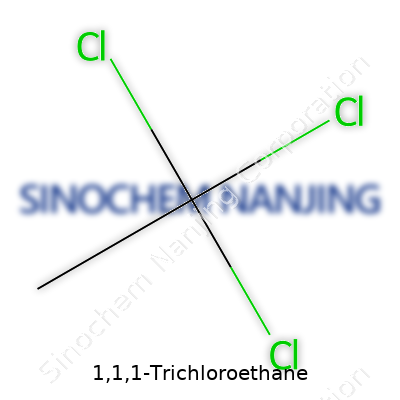
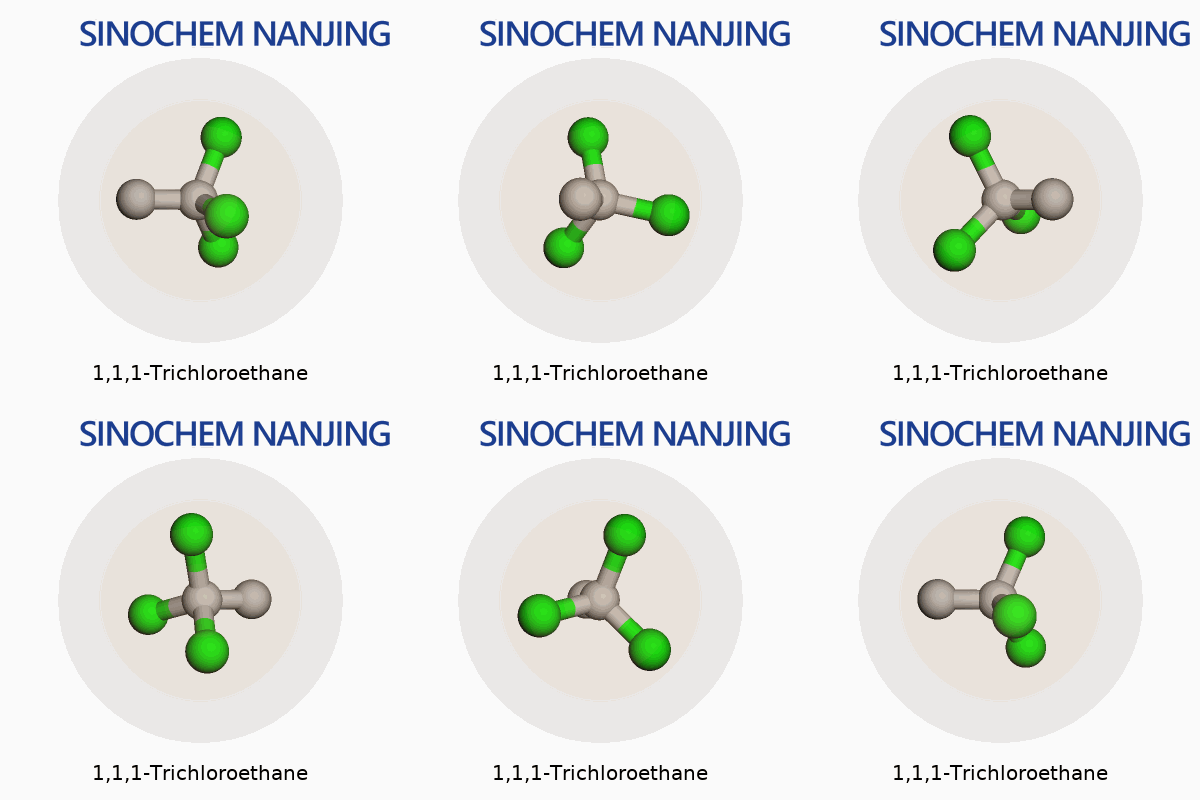
| Names | |
| Preferred IUPAC name | 1,1,1-Trichloroethane |
| Other names |
Methyl chloroform Chloroethene Ethyl trichloride α-Trichloroethane 1,1,1-TCE |
| Pronunciation | /ˌwaɪ.wən.waɪˌtraɪˌklɔːr.oʊˈɛθ.eɪn/ |
| Identifiers | |
| CAS Number | 71-55-6 |
| 3D model (JSmol) | `3D model (JSmol)` string for **1,1,1-Trichloroethane**: ``` ClC(CCl)Cl ``` This is the SMILES string which is typically used for 3D visualization in JSmol. |
| Beilstein Reference | 1200260 |
| ChEBI | CHEBI:35455 |
| ChEMBL | CHEMBL1377 |
| ChemSpider | 16963 |
| DrugBank | DB13851 |
| ECHA InfoCard | 100.002.642 |
| EC Number | 200-756-3 |
| Gmelin Reference | Gmelin 777 |
| KEGG | C01495 |
| MeSH | D014241 |
| PubChem CID | 6279 |
| RTECS number | KJ4000000 |
| UNII | K5M5XB1Z8M |
| UN number | UN2831 |
| CompTox Dashboard (EPA) | DTXSID3023723 |
| Properties | |
| Chemical formula | C2H3Cl3 |
| Molar mass | 133.40 g/mol |
| Appearance | Colorless liquid |
| Odor | Sweet, chloroform-like |
| Density | 1.34 g/cm³ |
| Solubility in water | Moderate (1.29 g/100 mL at 20 °C) |
| log P | 2.49 |
| Vapor pressure | 74 mmHg (20°C) |
| Acidity (pKa) | 15.83 |
| Basicity (pKb) | pKb 11.84 |
| Magnetic susceptibility (χ) | -58.0e-6 cm³/mol |
| Refractive index (nD) | 1.444 |
| Viscosity | 0.81 mPa·s (at 25 °C) |
| Dipole moment | 2.29 D |
| Thermochemistry | |
| Std molar entropy (S⦵298) | 311.7 J·mol⁻¹·K⁻¹ |
| Std enthalpy of formation (ΔfH⦵298) | –209.4 kJ·mol⁻¹ |
| Std enthalpy of combustion (ΔcH⦵298) | -1862.5 kJ/mol |
| Pharmacology | |
| ATC code | D08AX01 |
| Hazards | |
| GHS labelling | GHS02, GHS07 |
| Pictograms | GHS02,GHS07 |
| Signal word | Warning |
| Hazard statements | H315, H319, H336, H411 |
| Precautionary statements | P210, P261, P271, P301+P310, P305+P351+P338, P331 |
| NFPA 704 (fire diamond) | 1-2-0 |
| Flash point | 74 °F (23 °C) |
| Autoignition temperature | 250 °C |
| Explosive limits | 7.5–15.5% |
| Lethal dose or concentration | LD50 oral rat 1235 mg/kg |
| LD50 (median dose) | 4300 mg/kg (rat, oral) |
| NIOSH | SN 1225000 |
| PEL (Permissible) | 350 ppm |
| REL (Recommended) | 350 mg/m3 |
| IDLH (Immediate danger) | 700 ppm |
| Related compounds | |
| Related compounds |
Chloroform 1,1,2-Trichloroethane Dichloromethane Tetrachloroethane Trichloroethylene |



