Zirconium Fluoride: More Than a Specialty Chemical
A Journey from Curiosity to Industrial Backbone
Chemistry classrooms rarely linger on zirconium fluoride, yet this compound has grown from laboratory curiosity into a mainstay in real-world applications. Its roots reach back to the early 19th century, when the field of fluorine chemistry sparked energetic debate—and not a small degree of risk. Early chemists in Europe handled fluorine byproducts with primitive tools, often at their own peril, but their work carved a path for the discovery of new materials with remarkable properties. Gradually, as the hazards of hydrofluoric acid became clear, safer approaches—including the synthesis of metal fluorides—gained ground. Zirconium itself entered the scene via mining operations aimed at titanium, but as analytical techniques improved in the 20th century, zirconium fluoride stepped out from the background, showing an ability to transform technologies from optics to metallurgy. It didn’t take long before high-purity grades found their way into critical industrial processes.
Clear Identity: Physical Presence and Chemical Temperament
Zirconium fluoride presents as a white, sometimes glassy, crystalline powder. The anhydrous form handles moisture poorly, tending to absorb water from the air, which can shift its performance in sensitive setups. The melting point hovers above 900 degrees Celsius, placing it among those compounds that endure the kind of extremes found in specialty manufacturing. Its solubility in water remains limited, though not negligible, which means it behaves differently from its alkali metal cousins. In chemical terms, zirconium fluoride stands as a strong Lewis acid, showing a reliable appetite for electron-rich partners. Its stability with respect to air and mild heat makes it a predictable ingredient in controlled processes, yet this doesn’t cancel the need for thoughtful handling. Its glass-forming character—paired with rare compatibility with heavy metal ions—has made it a go-to for materials scientists looking to create durable, high-clarity optical fibers.
Digging into Specifications and Honest Labeling
Industrial commerce depends on open, accurate labeling—the kind that saves hours of troubleshooting. Buyers expect details on particle size, water content, and purity. Zirconium fluoride typically falls into high-purity categories, often 99 percent or better. Impurities trouble optical users most, especially those who want transmission windows well into the infrared. Regulatory standards require that these numbers mean what they say; mislabeling ruins both equipment and reputations. Shelf life hinges on packaging, so industry has shifted toward sealed, moisture-proof containers that arrive with batch-specific certificates. Some buyers push for even tighter controls, but all agree that honest specification builds real trust between supplier and user.
Old Labs, Modern Labs: Ways to Make Zirconium Fluoride
Preparation methods split between wet and dry routes. The traditional wet method dissolves zirconium compounds—commonly zirconium dioxide—into hydrofluoric acid. This route demands good engineering controls and protective equipment, since hydrofluoric acid’s risks are well-documented in both clinical and manufacturing settings. On the other hand, solid-gas reactions bring a direct approach, heating zirconium metal or oxide in a stream of gaseous hydrogen fluoride, often under vacuum. Each method trades cost for purity and throughput, but all converge on the need to manage byproducts and emissions. Industrial setups invest heavily in scrubbing systems and closed-loop processes to cut down on release of hazardous fluorinated gases, signaling a broader sense of environmental responsibility.
How It Reacts—and How Chemists Push It Further
Zirconium fluoride doesn’t just sit idle in storage. In the lab, it reacts with alkali fluorides to yield mixed-metal fluoride glasses, the backbone of modern optical fibers that light up internet networks. Its role in mixed halide systems widens access to specialty glasses, each tailored for specific transparency, refractive index, or durability needs. Chemists tweak the ratio and processing conditions, sometimes trading higher melting points for improved optical clarity. Additives like aluminum fluoride or barium fluoride unlock even more complex behaviors. The trend among research groups leans toward doping zirconium fluoride with rare earths, opening the door to lasers that cut through traditional limits of transmission and efficiency. The compound’s reluctance to form stable complexes with most anions means it rarely surprises those who know its habits, but unexpected results sometimes crop up in high-pressure or high-temperature studies.
Searching Beyond One Name—Synonyms, Aliases, and Products
In the chemical world, few substances hide behind a single name. Zirconium fluoride appears in literature as zirconium tetrafluoride, ZrF4, or, in glassmaking jargon, as one key element among heavy metal fluoride glasses (HMFG). Some suppliers abbreviate or brand it in context of its specific end-use—for example, “ZrF4 for optical applications”—but the molecular backbone stays constant. Researchers encounter synonyms in old patents or translation manuals, so careful attention to context and CAS numbers keeps projects on track. The mosaic of names sometimes slows international cooperation, especially in early project phases, but regulatory harmonization efforts help clear the fog.
Staying Safe—From Lab Bench to Factory Floor
Handling zirconium fluoride in the workplace demands respect for both the chemical and the person using it. Inhalation of dusts brings hazards to the lungs, so ventilation matters—whether in a sprawling plant or a small, university lab. Spills call for swift cleanup, prompt disposal, and attention to the risk of downstream reactions with acids or bases. Personal protective equipment stands as a baseline: gloves, goggles, and appropriate clothing remain standard. Training can’t end at “read the safety data sheet”—real preparedness comes from understanding what to do, not just what to avoid. Long-term exposure, even at low levels, raises concerns about cumulative fluoride uptake and kidney health. Environmental compliance teams track waste streams, making sure disposal meets local and international limits. Factories that ignore these realities tend to pay far more, both in fines and in community trust.
Taking Stock: Real Applications That Matter
Zirconium fluoride shines brightest in the optical industry, where it lays the groundwork for broadband fiber optics, specialty lasers, and high-clarity windows. Modern telecommunications would buckle without the unique properties of zirconium-based fluoride glasses, which outperform traditional silica in transmitting infrared signals. The push for denser, faster networks brings renewed focus on these materials, paired with investment in supporting infrastructure. Beyond optics, zirconium fluoride finds use in foundries—acting as a flux in certain aluminum and magnesium alloys—or as an intermediate in specialized chemical syntheses. Each field brings its own challenges; maintaining consistency in purity and physical form keeps engineers, procurement teams, and scientists in regular conversation.
Where Curiosity Grows: Research and Experimentation
The research community continues to treat zirconium fluoride as an unpolished gem. Teams race to refine fiber-drawing techniques, developing glasses that resist crystallization and last under repeated thermal cycling. Innovations in rare earth doping have fostered advances in laser surgery, lidar systems, and sensors for deep-space applications. In both academic and commercial labs, spectroscopists probe the limits of transmission, seeking out loss mechanisms still not fully understood. Material scientists toy with nanostructured versions, analyzing whether grain size influences strength or resistance to water uptake. The pull of cleaner, cheaper production drives innovation in synthesis, sometimes adopting greener reagents or gentler process cycles, catching the attention of both investors and environmental watchdogs.
Digging Deeper—Examining Toxicity and Unknowns
Toxicologists treat zirconium fluoride with a healthy skepticism. Most health studies focus on fluoride’s general behavior in the body, particularly its tendency to bind calcium and affect bone development. High-dose exposure brings real dangers: corrosive injuries, acute lung damage, and long-term risk to teeth and kidneys. Animal testing over several generations has not flagged zirconium itself as highly toxic, but fluorides’ cumulative effects drive regulatory caution. Research into chronic low-level exposure lags behind that of more notorious fluoride compounds, so industrial users generally err on the side of caution, treating it as a potential hazard until shown otherwise. Environmental groups track releases closely, noting its potential to change soil and water chemistry, especially near large processing plants.
Looking Forward: New Possibilities and Persistent Questions
Zirconium fluoride may look humble, but its potential stretches well beyond today’s use cases. Emerging trends in quantum computing, biometric sensing, and advanced medical devices could all benefit from its unique handling of light and heat. The shift toward low-carbon technologies has spurred investigations into fluoride glasses for solar energy capture and up-conversion fluorescence, where efficiency depends heavily on material purity and structure. Drawbacks—such as moisture sensitivity and cost—challenge both engineers and scientists, pushing for breakthrough coatings or hybrid composites. Governments and industry groups invest in toxicity and lifecycle studies, knowing that widespread adoption rests on sound risk management. In the end, the story of zirconium fluoride keeps evolving, shaped by innovation, vigilance, and an ongoing drive for materials that enable progress without leaving unintended scars.
What are the main applications of Zirconium Fluoride?
Glasses That Push Technology Forward
One place you'll find zirconium fluoride really making a difference is in advanced optical glass. Ordinary glass can't handle everything thrown at it, especially when dealing with laser systems or fiber optics. People working in laboratories depend on zirconium fluoride to build glasses that don’t cloud up or break down under fierce ultraviolet and infrared light. This gets invaluable for scientists who run fiber-optic communications, since these glasses let light travel further with fewer losses. The demand for faster and cleaner data highways keeps growing, so every improvement in glass quality gives networks a real edge.
Building Up the Fiber Optic Backbone
Fiber optics rely on materials that don’t eat up signal or get fragile after a short stretch. Zirconium fluoride-based glasses allow networks to stretch miles on end without constant maintenance. I’ve spoken with engineers who claim that switching to these glasses meant installing fewer repeaters, which saves both time and money when running lines under cities or far out into rural areas. Reliable communication isn’t a luxury—it becomes a necessity for emergency services, remote learning, and even smart agriculture. Most folks never see the material itself, but they sure notice when data slows down or drops off.
Laser Power Without Meltdown
Zirconium fluoride steps up in laser tech. Countries developing advanced medical and industrial lasers prize it because it resists heat and strange wavelengths that could weaken other materials. Products made with it can handle everything from delicate tissue in an operating room to cutting metal in a factory. The business of laser surgery grows every year, especially in places where hospitals need tools that keep working after thousands of uses. People notice the change in shorter hospital stays and fewer burned-out machines taking up space in hallways.
Storing Information Into the Future
Digital storage never stands still. As cloud computing picks up speed, companies look for materials that protect ever-growing libraries of data. Some state-of-the-art optical storage formats owe their durability to zirconium fluoride. Engineers designing the next round of long-term data backup talk about stability under intense light and heat. That’s something every business owner understands, especially the ones who’ve watched old discs and tapes turn worthless over time.
What Gets in the Way—And Where Solutions Grow
Working with zirconium fluoride doesn’t come without challenges. Its production involves tricky handling, since even small amounts of moisture spoil batches. This means manufacturing plants demand tight controls and constant vigilance. Some regions struggle with sourcing high-quality raw materials or financing the specialized equipment needed for production. Here, partnerships with universities and tech firms help. Shared research cuts down risks and lets smaller players step in without buying a ticket to every mistake themselves. Training programs for plant workers, along with new automated systems, make sure quality keeps rising. Regulators can get on board by introducing guidelines that reward companies committed to safety and environmental protection at every stage. Less waste and safer jobs become benefits for everyone, not just the investors.
Looking Ahead
Zirconium fluoride shapes how people see, talk, cut, and store everything from health data to holiday videos. It’s not a headline-making material, but life’s comfort and safety often rest on things no one ever notices—until they stop working. By giving support to research and demanding tough standards in production, communities and businesses together build a future with fewer dropped calls, faster connections, and stronger tools where they’re needed most.
What is the chemical formula and purity of Zirconium Fluoride?
Understanding Its Makeup
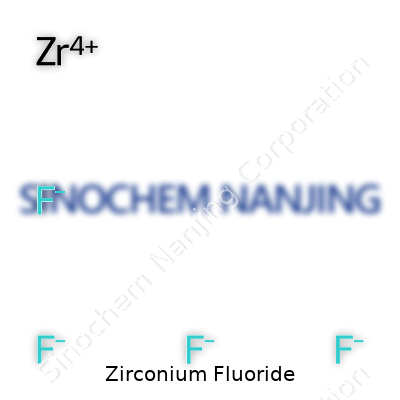
The most common form of zirconium fluoride carries the formula ZrF4. You might spot this white, crystalline powder in labs or advanced manufacturing, often looking like sugar but staying far from your kitchen pantry. ZrF4 combines one zirconium atom with four fluorine atoms. This precise atomic structure helps the compound find its footing in high-tech spaces like fiber optics and glass production.
Pursuing Purity: Why It Matters
Purity for zirconium fluoride often surpasses 99%. High-purity material minimizes strange or unpredictable reactions. Trace contamination—like leftover iron, silicon, or water—changes how zirconium fluoride behaves, especially if optical clarity or corrosion resistance matters. For laser glass production or sensitive electronic applications, manufacturers usually demand purity of at least 99.9%. Lower grades serve less fussy uses, but those aren’t landing in high-end optics.
Keeping purity high costs time and money. Producers rely on tightly sealed equipment and raw materials with fewer impurities right from the start. The American Chemical Society and ISO guidelines define what counts as “pure.” Regular testing confirms that what gets labeled 99.9% actually meets the mark, so you’re not just trusting the bag.
What Influences Purity?
Getting clean zirconium fluoride takes more than mixing powders. Improper handling exposes the compound to moisture. Water grabs onto fluoride and can trigger decomposition over time, creating byproducts that cloud optical applications. A quick slip in the cleanroom can mean starting all over or risking millions of dollars in ruined fiber optic cable.
Why This Should Matter to You
Quality differences show up in real-world products. Consider the glass in a professional-grade camera lens. A batch of “meh” zirconium fluoride lowers performance—pictures lose sharpness, customers complain, and a brand’s name gets dragged through user reviews. Purity even impacts safety, like in specialized nuclear uses, where stable, uncontaminated fluoride keeps unpredictable reactions in check.
Solutions: Raising the Bar
Improving purity relies on smart choices throughout production. I’ve seen chemical teams track down rogue particles with better storage and finer filters. Dry rooms with strict humidity controls keep the compound free from water contamination. Investing in advanced testing, like mass spectrometry or ion chromatography, makes spotting hidden impurities possible before shipments leave the plant. Direct collaboration between producers and buyers helps everyone settle on specs that work, instead of leaving purity to faith.
Traceability builds trust. I’ve worked with suppliers who attach lot numbers, inspection sheets, and guarantee documents to every shipment. It means less finger-pointing when problems crop up, and a stronger chance of getting what you actually ordered.
Not cutting corners on zirconium fluoride purity can shift reliability, long-term value, and safety. Handling purity as a checklist item opens up risk. But treating it like a pillar of quality builds better products, steadier profits, and fewer headaches in the field.
Is Zirconium Fluoride hazardous or toxic?
Understanding What People Worry About
Zirconium fluoride isn’t a household name, but it pops up in places like glassmaking, metal coatings, and even nuclear reactor technology. Just hearing the name “fluoride” sometimes gets folks thinking about toxicity or chemicals leaching into the environment. My own background in materials science made me curious about the real risks, because a lot of folks just repeat what they’ve read without looking into how these chemicals actually affect workers, communities, and the wider world.
Diving Deeper: Chemical Hazards and What Data Shows
On the surface, zirconium fluoride seems like another industrial chemical used by trained professionals. The Material Safety Data Sheet (MSDS) tells the story more honestly: eye and skin irritation, coughing, and a risk of more serious damage with prolonged contact. Inhaling dust isn’t a smart idea, and swallowing any fluoride salt rarely goes well – animal studies and case reports on similar salts show nausea, vomiting, and potential for kidney issues. The World Health Organization treats fluoride as a necessary but potentially dangerous chemical – it helps fight tooth decay, but high doses risk skeletal problems and organ damage.
The facts point toward careful handling instead of panic. This isn’t a chemical you find wafting around in your backyard or a drinking water concern at levels used in industry. Workers face the biggest risks, and I’ve seen labs with strict rules: gloves, goggles, and specialized masks. In my time around research facilities, spills or accidental exposure got immediate attention, not because we were hyped up on fear, but because ignoring small mistakes can lead to chronic problems later. Most cases of fluoride toxicity in the workplace stem from mishandling or poor ventilation, not from trace amounts left after careful use.
What About Environmental Impact?
One question keeps popping up: what happens if zirconium fluoride escapes the lab or factory? High levels in groundwater create long-term headaches, especially in places with weak environmental rules. Monitoring has caught leaching near mines or industrial dumps, where anti-pollution measures didn’t exist or weren’t enforced. Nobody wants that in their backyard. Local communities paid the price for poor planning, and it keeps me thinking about how small mistakes snowball into public health disasters years later.
Safer Practices and Real Solutions
Fixing these issues isn’t out of reach, but it takes common sense. In all the plants and facilities I’ve seen, strict training counts more than installing the latest gadget. Simple things like not eating near your workstation, using ventilation hoods, and keeping chemicals sealed save more lives than flashy warning stickers. If a spill happens, fast cleanup and real accountability matter more than PR statements after the fact.
Some companies are switching to less hazardous alternatives or closed-loop systems that recycle chemicals rather than dumping them. I still remember a small lab swapping zirconium fluoride for a less toxic salt in ceramics research – the upfront cost was higher, but no one had to worry about medical bills down the line. Government inspections aren’t always perfect, but tough fines on pollution pushed real changes in my region. The knowledge workers and regulators have today lets us spot problems early and avoid the worst of the past.
What Really Matters
Zirconium fluoride deserves respect, not fear. Like any powerful tool, it’s about handling with skill and responsibility. Looking at both hard evidence and lived experience, safe workspaces and honest regulation stand out as the most reliable ways to protect people and the planet.
How should Zirconium Fluoride be stored and handled?
Look Beyond the Formula: Think About People
Lots of labs and factories rely on zirconium fluoride for things like making optical fibers and special glass. It’s white, kind of powdery, and doesn’t seem as scary as some other chemicals. Still, those who deal with it daily know all too well that careless storage or handling can spell trouble. At home, you wouldn’t leave bleach open near your food or let your kids play in the garage with old paint thinner. Safety with chemicals starts with the same level of respect and mindfulness.
Don’t Underestimate Humidity and Moisture
Zirconium fluoride likes to grab moisture from the air. You store it in containers with tight lids, in dry areas, away from steam pipes or sinks. If humidity creeps in, lumps appear and the powder gets sticky. Then people trying to work with it get frustrated, maybe mishandle it, and bad things can follow. Rust also spreads faster in humid storage rooms, which can weaken container seals and put everyone at risk.
Double-Check the Packaging
Good packaging means strong, airtight jars or drums, often made from high-density polyethylene or similar plastics. Never trust a cracked or re-used container. If the seal looks damaged or a drum sweats, replace it before it fails. On the job, most folks find it’s way easier to prevent a spill than to clean one up—especially with something as stubborn as a white, clinging powder.
Personal Protection Runs the Show
Some might shrug at powders and think gloves or goggles seem overboard. Skin irritation can start quietly and sneak up, but over time it’s no joke. A dust mask, chemical gloves, and safety glasses work together. You keep sleeves down, avoid eating or drinking around the work zone, and wash up after handling. These steps protect your skin and eyes, and stop you from carrying chemical traces back home.
Label Everything Clearly
Mislabeling invites mistakes. You label each jar or drum so there’s no guessing about what sits inside. The best setups use big, bold words and clear hazard icons. This matters in shared workspaces where different teams move in and out. There’s no shortcut around clear communication on the floor: it keeps new hires and old-timers safer than any poster on the wall.
Have a Spill Plan Ready
No workplace gets away without an accident now and then. When a spill happens with zirconium fluoride, everybody nearby wants to know what to do. Teams run dry sweeping before reaching for any water-based cleaners. You bag the powder in tough, puncture-proof waste bags and put out warning signs until everything’s tidy again. Quick thinking and good training beat panic every time.
Training Never Really Ends
People come and go in workplaces, so routine safety training matters. From the first day onward, handling protocols for zirconium fluoride deserve repeating, not skipping. At every site I’ve visited, ongoing education always outperforms one-time lectures or unread safety binders. Team members who stay up to date with best practices protect themselves and everyone else working down the line.
Smart Habits Pay Off
Zirconium fluoride can stay safe in the right hands, but it asks for daily vigilance and respect. Consistent routines and a quick eye for detail help prevent mishaps. In every crowded storeroom or bustling lab, safety gear, good labeling, and thoughtful storage turn into a form of trust—between workers, their managers, and the families waiting for them at home.
What packaging sizes are available for Zirconium Fluoride?
Packaging Choices That Match Real-World Demand
Zirconium fluoride plays a quiet but vital role in glassmaking, metalwork, and optics. As someone who’s stepped into research labs and talked with folks on factory floors, I’ve seen how much hassle packaging can cause. The way zirconium fluoride arrives isn’t just about logistics; it’s about protecting staff, controlling cost, and avoiding loss.
Packed for Lab Benches and Industrial Lines
The smallest packages you’ll find usually start at 100 grams. These containers sit snug on chemistry shelves, giving scientists just enough for a host of experiments without leaving leftovers to degrade in the air. Teaching labs use jars this size too. I remember opening a 250-gram bottle and feeling relief—I wouldn’t be dealing with leaky bulk bags or risking contamination.
Move up to pilot plant scale, and the most common order is a kilogram—the goldilocks size for material testing and small-batch production. Here, a kilogram doesn’t eat up space or budget and still delivers plenty of compound for repeated trials. Most suppliers know researchers don’t want to waste raw material, so they keep this format on their price lists.
Bulk Quantities for Manufacturing
Cross into industrial territory, and palletized drums rule the scene. Factories order 25-kilogram fiber drums or plastic pails. These drums cut down on price per kilo, hold up to shipping challenges, and make it simple to load product into larger feeders. Overheard once on the receiving dock: “A drum by the furnace beats fiddling with dozens of canisters any day.” Factories rarely use anything lighter, since safety and workflow both tip the scales toward large-volume packaging.
The really high-volume end brings 500-kilogram or full metric ton super sacs, though these only show up for major glass or chemical plants. Here, forklifts and automated hoists move bags, shrinking labor and downtime. If a company’s storage space and throughput allow, these big bags turn out cheaper over the course of a year—or at least that’s what plant managers keep telling me.
Why Packaging Size Means More Than Price
Cutting corners on packaging can lead to environmental risks, spoiled batches, or accidents. Zirconium fluoride attracts moisture, so even the most basic package includes moisture barriers and tight seals. For labs, this means glass or HDPE jars with screw caps. For industry orders, drums usually get lined and sealed, sometimes even nitrogen-flushed to cut the odds of unlucky reactions. I’ve watched shipments turned away because seals failed or pails arrived scuffed and leaking.
Waste, safety, and regulatory headaches all trace back to packaging overlooked in the planning stage. Too big, and small labs end up tossing out expired material—a cost nobody likes to eat. Too small, and high-throughput shops slow down, juggling endless containers. The right size cuts down risk, lines up with budget planning, and keeps staff focused on their real work instead of fighting packaging.
Smart Purchasing and Sustainability
Suppliers who listen to customers—who offer sensible minimums and customize shipments—tend to win repeat business. One plant manager I know switched to 10-kg lots because those fit neatly into their new storage bins and matched up with their daily production cycles. By working with suppliers on batch sizes, buyers reduce packaging waste and cut down on the piles of empty drums headed for recycling.
The best choice isn’t a single magic number. It’s what lets a team run safely, avoid waste, and keep production moving without hiccups. In the end, paying attention to packaging sizes for zirconium fluoride isn’t just a technical detail. It’s about supporting real people doing real work, making things run smoother—and for anyone who’s ever spent an afternoon chipping out caked powder from a clumsy drum, that’s reason enough to care.
| Names | |
| Preferred IUPAC name | zirconium(4+) tetrafluoride |
| Other names |
Zirconium(IV) fluoride Zirconium tetrafluoride Tetrafluorozirconium |
| Pronunciation | /ˌzɜːrˈkoʊniəm ˈfluːəraɪd/ |
| Identifiers | |
| CAS Number | 7783-64-4 |
| Beilstein Reference | 80387 |
| ChEBI | CHEBI:33766 |
| ChEMBL | CHEMBL3306534 |
| ChemSpider | 64843 |
| DrugBank | DB15839 |
| ECHA InfoCard | 03e1da7b-bacd-4136-9ddf-962e6ad9b90d |
| EC Number | 231-715-8 |
| Gmelin Reference | 120688 |
| KEGG | C18638 |
| MeSH | D015272 |
| PubChem CID | 24501 |
| RTECS number | Z1007000 |
| UNII | G059301KEA |
| UN number | UN1437 |
| Properties | |
| Chemical formula | ZrF4 |
| Molar mass | 167.21 g/mol |
| Appearance | White crystalline solid |
| Odor | Odorless |
| Density | 4.43 g/cm³ |
| Solubility in water | Soluble |
| log P | -1.52 |
| Vapor pressure | Negligible |
| Acidity (pKa) | ~5.5 |
| Basicity (pKb) | 8.32 |
| Magnetic susceptibility (χ) | -29.0 × 10⁻⁶ cm³/mol |
| Refractive index (nD) | 1.56 |
| Viscosity | 2.70 cP (25 °C) |
| Dipole moment | 0 D |
| Thermochemistry | |
| Std molar entropy (S⦵298) | 72.2 J·mol⁻¹·K⁻¹ |
| Std enthalpy of formation (ΔfH⦵298) | -1925 kJ/mol |
| Std enthalpy of combustion (ΔcH⦵298) | –1698 kJ·mol⁻¹ |
| Pharmacology | |
| ATC code | V07AA04 |
| Hazards | |
| Main hazards | Harmful if swallowed, causes serious eye irritation, may cause respiratory irritation. |
| GHS labelling | GHS02, GHS07 |
| Pictograms | GHS07,GHS09 |
| Signal word | Danger |
| Hazard statements | H302: Harmful if swallowed. |
| Precautionary statements | P264, P270, P273, P280, P301+P312, P330, P305+P351+P338, P337+P313, P501 |
| NFPA 704 (fire diamond) | 1-0-2-W |
| Autoignition temperature | 428 °C |
| Lethal dose or concentration | LD50 Oral Rat 3,000 mg/kg |
| LD50 (median dose) | LD50 (median dose): Oral-rat LD50: 168 mg/kg |
| NIOSH | ZS0350000 |
| PEL (Permissible) | PEL (Permissible Exposure Limit) for Zirconium Fluoride: 5 mg/m3 |
| REL (Recommended) | 2 mg/m³ |
| IDLH (Immediate danger) | Not listed. |
| Related compounds | |
| Related compounds |
Zirconium tetrafluoride Hafnium(IV) fluoride Uranium tetrafluoride |



