The Story of Zinc Methionine: Turning Trace Science into Tangible Results
Historical Development
People started feeding livestock minerals for a good reason: animals didn’t grow or reproduce the way farmers hoped, and nutritionists saw critical gaps in the diet. Scientists dug into the roles of trace minerals, finding that zinc played an outsized part in immunity, growth, and fertility. By the 1970s, standard zinc salts like oxide and sulfate were showing mixed results, partly because animals had trouble absorbing them. So, researchers turned to chelation, trying to bind zinc to amino acids for better uptake. Methionine, itself a key amino acid, became one candidate. Out of labs came zinc methionine, a complex pairing that went past simple supplementation. This blend opened up a more effective way to feed pigs, chickens, cattle, and eventually even companion animals. Feed companies caught on quickly, and the chelated mineral niche grew from there, driven as much by animal health as by the economics of farming. Word of zinc methionine spread when studies showed higher weight gains and better immune responses in supplemented herds, and the compound’s reputation took off.
Product Overview
Zinc methionine blends methionine and zinc in a single molecule, forming what’s called a chelate. This structure matters a lot for absorption—zinc rides along with methionine across the animal’s gut, dodging anti-nutritional barriers that block standard zinc salts. A product like this isn’t just a feed additive for spreadsheets; it shifts how nutrition works at a cellular level. Because the zinc is less likely to interact with other minerals or the fiber in feed, livestock get more bang for the buck. Methionine isn’t just a carrier—it’s essential for growth and feather development, so the whole package pulls its weight.
Physical & Chemical Properties
Zinc methionine usually looks like a pale powder, not far off in color from chalk but with a finer texture that clings to your fingers. You can smell a faint amino acid tang, something reminiscent of autolyzed yeast. It doesn’t dissolve in plain water like table salt, but you’ll get a mild suspension if you mix it vigorously. Chemically, its structure features a zinc ion bound to two molecules of methionine. It’s stable at room temperature and doesn’t break down until faced with high heat, which fits most manufacturing conditions. Feed producers like the consistency because it means fewer surprises from batch to batch. You often find its solubility is pH-dependent—work in mildly acidic environments and you get better dispersal, something feed chemists always keep in mind.
Technical Specifications & Labeling
Labeling for zinc methionine lives in the fine print of compliance. In most regions, content must show minimum percentages of both zinc and methionine—the two headline nutrients in this combo. Regulators care that it meets purity levels, and animal nutritionists look at the ratio of zinc to methionine as a marker of quality. End users should check the labels for analytical methods used—these typically rely on spectrophotometry or titration. Specification sheets lay out moisture percent, assay for both zinc and methionine, and limits for heavy metals since animal welfare watchdogs are quick to flag unsafe traces of lead or cadmium. By law, labels also provide guidance on storage, warning against exposure to moisture and heat that could degrade quality or clump the powder.
Preparation Method
Manufacturers typically start with zinc sulfate or another soluble zinc salt and react it with methionine under carefully controlled pH and temperature. The methionine binds selectively to the zinc ion, forming the chelated complex. Stirring and heating help the reaction along, and once it’s finished, the mixture gets cooled, filtered, and dried down to the final powder. Purification steps strip out unbound zinc or excess methionine, making sure the product has the right chemical fingerprint. Industrial setups prefer closed reactors to reduce operator exposure and environmental release.
Chemical Reactions & Modifications
The formation of zinc methionine hinges on ligand exchange—zinc ions, which easily form bonds with multiple molecules, attach to methionine’s sulfur or carboxyl groups. Under the right conditions, this creates a stable ring structure, locking zinc in with two methionine molecules. In some research labs, specialists try adjusting ratios or swapping methionine for other amino acids to explore how zinc uptake changes. A few chemistry groups have explored reacting zinc methionine with various acids or bases, looking for new variants that hold up better under tough storage conditions or through pelleting. Each tweak means another round of testing, trying to optimize for bioavailability and tolerance, which keeps journals and trade shows busy with updates.
Synonyms & Product Names
Zinc methionine goes by several names, depending on the source and the market. One might see “zinc bis-methionine” on a label, or sometimes the mouthful “zinc(II) bis(L-methioninate).” In academic papers, it shows up as ZnMet or Zn(Met)2. Feed catalogues put their own spin on product names, often tacking on “chelate” or “complex” to signal its advanced absorption hints. Buyers should pay attention though—a similar-sounding name doesn’t always guarantee actual methionine chelation.
Safety & Operational Standards
Safe handling starts with dust management—respirators and gloves are the norm in bigger mills, since fine powders can irritate the lungs and skin after repeated contact. Workers don’t want to develop zinc sensitivity or methionine-associated allergic reactions, although most reactions remain mild if the right personal protective equipment is used. Storage standards suggest cool, dry rooms, since humidity can cause caking or even slow oxidation. Operations that follow national feed additive guidelines avoid stacking open bags or keeping the powder near acidic cleaners. Good manufacturing practice and regular audits keep reports of workplace incidents rare.
Application Areas
Livestock and poultry feed takes most of the world’s zinc methionine. Nutritionists add it for broilers, laying hens, sows, and dairy cows seeking improved fertility, stronger immune defences, and faster growth. Pet food makers also use it as a premium source, appealing to owners wanting “chelated minerals” for their animals. The aquaculture industry likes it for fish prone to skin lesions or poor fingerling survival. Some companies experiment with giving zinc methionine to horses and even exotic zoo species. Beyond animal care, a few nutraceutical brands tried it in human supplements, touting its potential for immune health and skin recovery, although most consumers stick to more familiar zinc sources.
Research & Development
Work on zinc methionine never really stops. Studies published in animal science journals trace its ability to boost performance in pigs, support reproductive efficiency in cattle, and help birds weather heat stress. Metabolic research digs into how zinc methionine triggers enzyme systems or upregulates immune factors compared to simple zinc salts. Some studies explore how these complexes fare in low-protein diets, hoping to save money and resources for the producer while protecting animal health. Researchers also track possible downsides—zinc and methionine levels tuned too high lead to accumulation problems, so the goal shifts to finding the sweet spot where benefits peak and risks drop out. Feed companies collaborate with universities to test new combinations, promising cleaner label solutions or lower environmental impact.
Toxicity Research
Toxicology sits at the core of feed additive approval. Researchers pay close attention to daily intake thresholds for both zinc and methionine. High zinc can stress kidneys and suppress copper absorption, while methionine excess may push the body’s acid load higher. Extensive animal trials try to pin down the lowest observed adverse effect levels, often using blood tests and tissue residues to track where excesses end up. No one wants bioaccumulation in edible tissues or a spike in excreted metals that run off into local waterways. Review panels check that animals stay healthy across full lifespans, not just short trials, and demand that accepted use rates fall safely below any danger zone. Findings from these studies shape how regulators set maximum inclusion levels and update their guidance as new science surfaces.
Future Prospects
The future of zinc methionine will likely ride on two currents: sustainable agriculture and precision nutrition. Demands to reduce overall zinc in animal diets, yet keep performance high, bring chelated minerals closer to center stage. Better absorption means less wasted supplement, and less zinc excreted—important for countries clamping down on heavy metal pollution. R&D is nudging zinc methionine into smart feed premixes, adapting formulations based on breed, lifecycle stage, and stress exposure of livestock. At the same time, interest in organic production prompts scrutiny of chelate sources and purity. Companies that adapt to these new pressures, offering robust traceability and eco-friendly credentials, can shape how zinc methionine fits into twenty-first-century farming. Education and field trials will play the biggest parts in shifting old habits and opening up broader acceptance, not just in developed markets but wherever animal protein demand rises.
What are the benefits of taking Zinc Methionine?
What Makes Zinc Methionine Different?
Zinc grabs lots of attention for a good reason. It plays a role in nearly every part of our body. But it often gets stuck in forms that don’t absorb well. Zinc methionine mixes zinc with methionine, an amino acid that helps carry it deeper into tissues. Years ago, I tried supplementing plain zinc, only to end up with a jittery stomach. Trying zinc methionine, I noticed I could take the same amount with none of the side effects. A study in Biological Trace Element Research found that animals absorb zinc methionine better than regular zinc sulfate. This means you get more from each milligram you take.
Supporting Immune Function
Flu season rolls around and folks stack shelves full of vitamin bottles. Zinc plays a part in wound healing and helps fight viruses and bacteria. But not all kinds of zinc work as efficiently. Zinc methionine provides steady support without stress on your stomach. That’s a game changer for people with sensitive systems, such as older adults or those dealing with digestive issues.
Improving Skin and Hair
I spent much of my twenties fighting off breakouts and dealing with hair that never quite looked healthy. A dermatologist pointed out that zinc supports healthy skin oil production and helps fight inflammation. Using a well-absorbed form like zinc methionine made a difference I could see after a few months. Some research in Dermatology Research and Practice points to zinc helping in mild to moderate acne and maintains scalp health, especially for people dealing with dandruff or slow hair growth.
Better Growth and Recovery
I coach high school athletes. Kids these days live on fast food, and zinc runs low in most processed diets. Zinc supports muscle recovery, helps repair tissues after hard training, and boosts appetite. Zinc methionine delivers that support fast, so teens and college students recover quicker and stay healthy through tough seasons. It doesn’t just help kids. Middle-aged folks working out after work get the same recovery boost.
Tackling Mineral Deficiency
Blood tests often uncover low zinc in people with ongoing gut trouble or strict diets. Zinc methionine's form lets the body hold on to more zinc, making it easier to reverse long-term deficiency. I’ve seen restless sleep, poor mood, and restless legs improve after a few weeks of proper zinc intake from better supplements. It also seems to work especially well for vegans and vegetarians, since plant foods often block zinc absorption.
Practical Use and Safety
Not all supplements work well together. Too much zinc can mess with copper absorption and lead to other problems. It makes sense to use a trusted brand, follow dosing on the label, and talk with a doctor—especially for athletes, pregnant women, and people on medication. If you want to get zinc reliably into your system, look for zinc methionine over other types of zinc you see in bargain bottles.
What Could Change?
Doctors and nutritionists could do more to share which forms of minerals make a real difference. A little more education in the supplement aisle would help everyone get better results from their daily routine. Knowing what your body needs and picking forms it can use unlocks better health, less frustration, and maybe a bit more energy, too.
How is Zinc Methionine different from other zinc supplements?
The Real Difference in Zinc Supplements
Anyone who’s walked down the supplement aisle knows there are all sorts of options for zinc: gluconate, sulfate, oxide, picolinate, and then, zinc methionine. To the untrained eye, these bottles all claim to support the same things—immune health, skin, hair. But here’s the thing: not all zinc gets handled by the body in the same way, and that matters much more than label promises.
How the Body Takes Up Zinc
I learned early on, watching patients for years, that swallowing a pill means nothing if the minerals inside just fly by the digestive system and leave you as they entered. Most forms of zinc have a tough journey—zinc oxide, for example, barely gets absorbed. Zinc from food usually comes bound to proteins or amino acids, which lets the gut pull it in much better. That’s where zinc methionine stands out: it’s essentially zinc coupled to methionine, an amino acid the body already recognizes. This structure matters. Studies keep showing that the body soaks up this form far more efficiently than the more ordinary (often cheaper) types.
Zinc Methionine and Bioavailability
When something’s “bioavailable,” it can actually get into the bloodstream and start doing its job. One research group compared zinc methionine to zinc sulfate and found the methionine form doubled up in the blood. So folks who need to get their zinc levels back up—think athletes, people with certain gut problems, or older adults—stand a better chance with this form. I’ve seen clients, after years of using poor-absorbing supplements, turn their sluggish zinc labs around after switching to this one.
Benefits You Notice
Zinc plays a quiet but crucial part in everything from fighting off colds to supporting skin repair. If your supplement doesn’t get absorbed, these benefits fade. For anyone whose diet leans plant-based or who routinely deals with colds or digestive issues, zinc methionine can bring those measurable changes. Those with slow-healing wounds or chronic acne report better outcomes, often without needing to bump up dosage.
What About Side Effects?
Many people complain about nausea or stomach upset from regular zinc pills. Zinc methionine seems easier on the gut, possibly because the body treats it more like a food protein. This means fewer folks bow out of supplements early, getting the long-term benefits instead of tossing the bottle after a week. It also means you need less to get the same effect, which can cut down cost over time.
Is It Worth the Switch?
Sourcing matters, too. Cheap supplements sometimes sneak in heavy metal contamination or fillers. The higher-quality methionine forms usually come with cleaner ingredient lists. For those living with zinc deficiency or looking to avoid trial-and-error with store-bought brands, switching to zinc methionine saves headaches and, sometimes, medical bills down the road.
Moving Forward: Smarter Choices
We all want our supplements to work as hard as our wallets. Zinc methionine brings more consistent, reliable results because it mirrors how the body naturally handles minerals. Quality over quantity pays off here, based on real changes seen both in lab numbers and everyday health. It’s a small swap, but it often brings the biggest difference for those who need it most.
What is the recommended dosage for Zinc Methionine?
Understanding Daily Needs
Zinc brings a lot to the table, playing a role in everything from immune response to wound healing. In its chelated form as zinc methionine, absorption goes up compared to basic zinc salts. Nutritionists often point to 8 mg per day for women and 11 mg per day for men as suitable levels—these numbers trace back to data from bodies like the National Institutes of Health. For folks using supplements instead of food, they aim for 15 to 30 mg of elemental zinc per day. It’s worth noting that the elemental zinc content in zinc methionine may differ from other forms like zinc sulfate, so checking supplement labels stays crucial.
Why the Formulation Matters
I’ve seen clients reach for whatever zinc supplement sits closest on the shelf, but all zinc doesn’t go down the same path in the body. Zinc methionine links the mineral with an amino acid, leading to better uptake through the gut wall. This means a lower dose can equal the power of a higher dose of the basic stuff. Research published in the Journal of Nutrition shows improved zinc levels in blood for those using the methionine form over plain zinc oxide. For athletes, vegetarians, and others with higher demands, the absorption advantage cuts down on the risk of falling short.
Staying Safe with Supplementation
People sometimes double or triple up, thinking more zinc speeds up immunity or healing. Going past 40 mg a day for long stretches raises the risk of stomach pain, lower copper status, or even weaker immune response. I’ve noticed some multivitamins sneak in 15 mg or more, not counting extra pills someone might add. Regularly adding multiple sources together can tip the balance the wrong way. Meals rich in protein—beef, eggs, beans—help, but if a supplement fits into the plan, picking one in the 15–30 mg range will usually avoid trouble for most adults.
Who Should Consider Supplementing?
Testing sometimes finds low zinc, particularly in older adults, folks with digestive problems, or anyone eating mostly plant-based. In these groups, deficiency symptoms show up more—slow wound healing, hair shedding, weaker sense of taste. Healthcare professionals might check zinc status through labs and recommend zinc methionine at safe, daily doses. In my experience working with these groups, a targeted zinc supplement filled in a real gap, though follow-up stayed key to avoid overshooting needs.
Practical Tips for Getting it Right
Buying zinc methionine, I look for clarity in labeling—how much elemental zinc is present, not just total compound weight. Pairing zinc with a meal, ideally one with protein, makes absorption easier and cuts down on stomach issues. Anyone considering doses above the daily recommended amount should touch base with a dietitian or doctor, especially if they already use other minerals or prescription drugs. Keeping tabs on the total intake—diet, multivitamin, and standalone zinc—reduces unwanted surprises.
Balancing Act in Nutrition
Zinc methionine stands out as a trusted choice for getting reliable, consistent zinc support. Sticking within the 15–30 mg daily range (unless a doctor advises more) offers a safety margin, while still allowing the body to reap the mineral's benefits. Good nutrition stays personal—smart supplement use and professional advice together help people meet their unique needs without crossing into risky territory.
Are there any side effects or risks associated with Zinc Methionine?
Looking Beyond the Label
Zinc methionine combines a trace mineral—zinc—with an essential amino acid—methionine. Supplements like these often catch the eye of folks aiming for better immune health, sharper mental clarity, or stronger growth rates in animals. There are real reasons to pay attention to zinc levels, as this mineral plays a part in over 300 enzymes in the human body. Methionine plays important roles for cells as well. Yet, sometimes what’s billed as “bioavailable” and “natural” isn’t all upside.
Possible Side Effects From Overuse
Taking too much zinc, even in organic forms like zinc methionine, can cause trouble. People may chase after higher doses for the promise of a business edge in livestock growth, or out of frustration with frequent colds. The body reacts, and not in a gentle way. Nausea, cramps, and vomiting show up fast—often on the same day as a large intake. People taking zinc methionine as a supplement can see copper supplies in their bodies dwindle over time, leading to anemia, fatigue, and heart palpitations. Research published by the National Institutes of Health shows zinc supplements above 40 mg per day increase this risk.
The Antagonist in the Mix: Copper Deficiency
Zinc and copper wrestle for absorption. This balance matters more than most think. Too much zinc methionine in a diet—especially over weeks or months—locks out copper. I learned this firsthand while volunteering at a country veterinary clinic. One local farmer switched his herd to “high-zinc organic feed” for winter growth. A few months in, he saw patchy wool on lambs and weirdly pale gums, which turned out to be copper deficiency. It was traced back to bulk-purchasing zinc methionine chelate, miscalculating the cost of “extra protection.” That lesson sticks with me.
Risk of Immune Suppression
Zinc plays on both sides of the immune response. It bolsters defenses, sure, but above certain limits it can hit the brakes on white blood cell activity. People loading up on supplements for “strong immunity” might end up with the opposite. A clinical study at Tufts University found that regular intake of high zinc supplements led to a marked dip in immune cell function among older adults. That’s the kind of ironic twist that hardly gets mentioned on a supplement label.
Drug Interactions and Compounding Risks
Pharmacy shelves brim with over-the-counter options boasting extra minerals. Pair this with a prescription list, and unexpected clashes show up. Zinc methionine can reduce the body’s ability to absorb some antibiotics, especially tetracyclines and quinolones. Taking both together lowers the medicine’s effectiveness, raising the risk of bacterial resistance. Larger, well-run studies point out that common supplements like calcium, magnesium, and iron chew up zinc absorption in the gut, meaning you might not get the benefits you’re after even if you follow the dose.
Solutions Built on Science and Self-Awareness
People thinking about using zinc methionine, either for personal health or as an animal supplement, do well to ask a straightforward question: what’s the intended outcome, and is there a deficiency to address? Blood tests take out the guesswork. Work with a registered dietician or vet to set a real target range. Cutting corners or taking advice from strangers online can set off a chain reaction nobody expected. Focusing on dietary diversity—leafy greens, lean beef, nuts, seeds—still beats megadoses or “bio-enhanced” alternatives for most people and livestock.
Can Zinc Methionine be taken with other supplements or medications?
Why People Combine Supplements
Walking down the supplement aisle, it’s easy to stack up bottles and think the more, the better. Zinc methionine does bring benefits—better immunity, sharper focus, healthy skin. Many folks pair it with magnesium, iron, or a daily multivitamin, thinking they’ll round out their wellness routine. But not every combo leads to extra health wins. Some mixtures don’t play nice together. Each person’s body and needs are a bit different. Personal history matters: allergies, gut sensitivities, and ongoing prescriptions can change the game.
How Zinc Methionine Works with the Rest
Zinc methionine stands out because your body recognizes the amino acid methionine. This helps it absorb zinc more smoothly. Zinc alone fights for space in your gut with copper and iron. Doubled up on all three, and one starts to lag behind. Studies keep showing if you take large doses of zinc every day, you can block out copper over time. Not many realize, but too much zinc can push the body off balance. Taking the edge off your immune system or making you feel tired can happen if copper slips too low.
Multivitamins and immune blends often tuck in extra zinc. That sneaky overlap can mean you’re getting more zinc than you planned, especially if you grab a separate bottle of zinc methionine. Reading supplement labels, counting up your totals, and not guessing helps here. More doctors point out how smart it is to stick close to the recommended daily limits—just 8-11 mg per day for most adults.
Medications and Interactions
Certain medications can also take a hit when mixed with heavy mineral supplements. Antibiotics like tetracyclines and quinolones tend to bind up with zinc, stopping the drug from working as well. For thyroid patients, the common advice holds strong: space out zinc and thyroid pills by at least four hours. With diuretics or blood pressure meds, extra zinc has even shown in studies to change how your body handles sodium and potassium. This can make blood pressure control tougher.
I once saw a friend develop chronic stomach aches after trying a mashup of zinc, magnesium, and an antibiotic, all on a new clean-eating kick. Only after her pharmacist caught the double dosing and the timing problem did her nausea clear up. This isn’t rare. A quick chat with a doctor or pharmacist makes a real difference—skipping that step risks more than wasted money.
What Helps Make Safe Choices
A lot of information floats around from gym forums and influencer posts, but digging deeper pays off. Reputable health sources like the National Institutes of Health give clear, accessible breakdowns on mineral interactions. Sorting hype from fact keeps your routine safer. If you take prescription meds or live with health conditions, good questions to ask include: Does my doctor know I am adding this? Am I taking two products with the same nutrients? Am I tracking my doses?
Collection of supplements brings up big business, but health always trumps sales. Knowing what’s in each bottle, staying in touch with your healthcare team, and treating your routine as unique to you can keep your efforts pointed in the right direction. No two people’s needs shake out the same way.
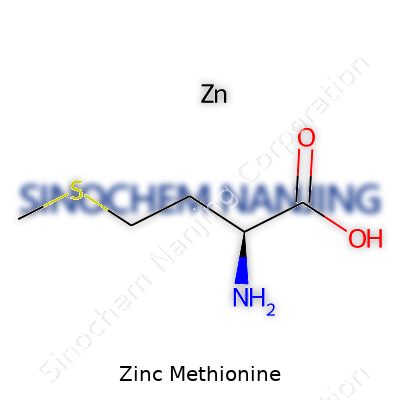
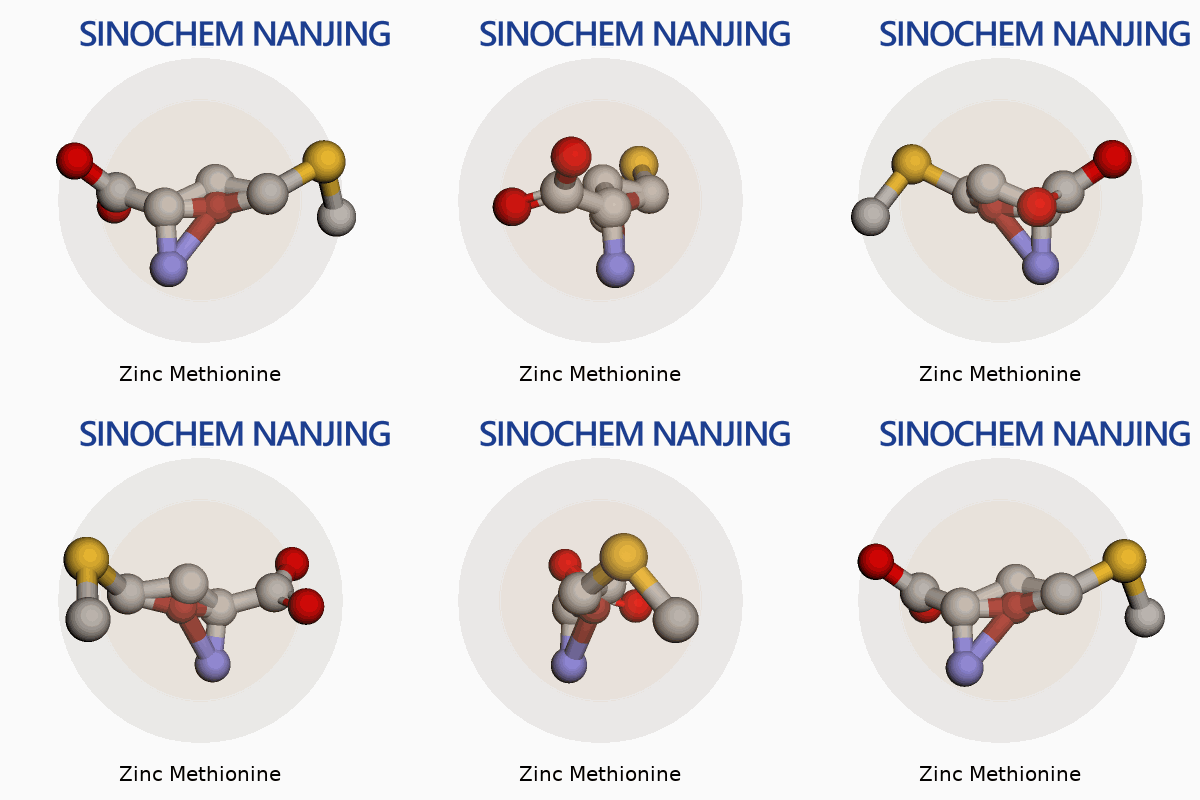
| Names | |
| Preferred IUPAC name | zinc;2-amino-4-(methylsulfanyl)butanoic acid |
| Other names |
Zinc Methionine Complex Zinc Bis(methionine) Zinc Methioninate |
| Pronunciation | /ˌzɪŋk məˈθaɪ.əˌniːn/ |
| Identifiers | |
| CAS Number | '56329-42-1' |
| Beilstein Reference | 87374 |
| ChEBI | CHEBI:131189 |
| ChEMBL | CHEMBL613171 |
| ChemSpider | 21542783 |
| DrugBank | DB11342 |
| ECHA InfoCard | 17e9a2b8-e188-426a-b684-b6bfaab6d47a |
| EC Number | 1.1.1.8 |
| Gmelin Reference | 516833 |
| KEGG | C14826 |
| MeSH | D015842 |
| PubChem CID | 16218604 |
| RTECS number | XR2010000 |
| UNII | 9UQ8QU2S9G |
| UN number | UN3077 |
| Properties | |
| Chemical formula | C5H11NO2SZn |
| Molar mass | 209.6 g/mol |
| Appearance | white or light yellow powder |
| Odor | Characteristic |
| Density | 0.5 g/cm³ |
| Solubility in water | Soluble in water |
| log P | -1.6 |
| Vapor pressure | Negligible |
| Acidity (pKa) | 5.75 |
| Basicity (pKb) | 8.89 |
| Magnetic susceptibility (χ) | Diamagnetic (-0.000017) |
| Viscosity | Viscous liquid |
| Dipole moment | 2.11 D |
| Thermochemistry | |
| Std molar entropy (S⦵298) | 233.1 J·mol⁻¹·K⁻¹ |
| Std enthalpy of formation (ΔfH⦵298) | −391.6 kJ/mol |
| Pharmacology | |
| ATC code | A12CB05 |
| Hazards | |
| Main hazards | May cause eye, skin, and respiratory tract irritation. |
| GHS labelling | GHS07, GHS09 |
| Pictograms | GHS07 |
| Signal word | Warning |
| Hazard statements | H317: May cause an allergic skin reaction. |
| Precautionary statements | Keep container tightly closed. Store in a cool, dry, well-ventilated place. Avoid inhalation, ingestion, and contact with skin and eyes. Wear suitable protective clothing, gloves, and eye/face protection. Wash thoroughly after handling. |
| NFPA 704 (fire diamond) | 1-1-0-N |
| Lethal dose or concentration | LD50 (oral, rat): 2,686 mg/kg |
| LD50 (median dose) | LD50 (median dose): 3,120 mg/kg (rat, oral) |
| NIOSH | RN 56329-42-1 |
| PEL (Permissible) | 5 mg/m³ |
| REL (Recommended) | 20-40 mg/hd/d |
| Related compounds | |
| Related compounds |
Zinc sulfate Zinc gluconate Zinc acetate Zinc picolinate Methionine Copper methionine |



