Xylitol: A Deep Dive into Its Science, Safety, and Future
Historical Development
Xylitol’s journey started in the late nineteenth century when chemists searching for alternative sweeteners stumbled upon a sugar alcohol derived from birch bark. Severe sugar shortages during World War II sped up research, especially in Finland, and since then, xylitol has grown in both reputation and production. For decades, Scandinavia led commercial production, rolling out xylitol as a solution for those unable to tolerate regular sugar, a growing population segment. Over the years, xylitol shifted from being a niche discovery to mainstream sweetener, popular in chewing gum—the market’s trust boosted by rigorous clinical studies carried out across Europe, Asia, and North America. Seeing it accepted by regulators around the world gave it a real nudge into widespread use.
Product Overview
Xylitol stands in a unique place as a low-calorie sweetener that tastes very similar to sucrose. It is a white, crystalline powder about as sweet as table sugar but stores around 40% fewer calories. Commercial xylitol is most common in sugar-free gums, mints, candies, diabetic-friendly foods, and even toothpaste, thanks to its ability to fight cavity-causing bacteria. Large players in the food, dental, and pharmaceutical industries have adopted it not only for health benefits but also for its clean, cool taste profile, which gives a refreshing feeling missing from many other alternatives.
Physical & Chemical Properties
_xuXylitol’s physical traits set it apart from both classic sugars and artificial sweeteners. It appears as a white, odorless, granular crystalline substance, soluble in water and stable at room conditions. With a melting point around 93-95°C, it resists heat better than many sugar alcohols, so it works well in baked goods. Chemically, it belongs to the polyol family; its five-carbon backbone makes it less likely to feed mouth bacteria that form acids leading to tooth decay. The glycemic index sits at about 7, meaning it has minimal impact on blood sugar, widely documented in nutritional studies.
Technical Specifications & Labeling
Production lines for xylitol must meet high purity benchmarks, typically exceeding 98% xylitol content by weight. Food-grade xylitol requires careful dry storage to keep its free-flowing characteristic intact, and labeling must comply with local food regulations. Ingredient lists call for explicit mention, often alongside warnings about possible laxative effects for sensitive consumers—upheld by authorities like the U.S. Food and Drug Administration and the European Food Safety Authority. Clear calorie counts and warnings on labels maintain consumer trust and safety, vital in a market increasingly aware of sweetener sources.
Preparation Method
There’s more than one path to xylitol, but the main industrial preparation comes from the hydrogenation of xylose, a sugar found in plant sources such as hardwood, corn cobs, and agricultural waste. Hydrolysis extracts xylose from these natural materials, followed by filtration and purification steps. Hydrogenation under pressure using a metal catalyst, often Raney nickel, reduces the xylose to xylitol—a smooth, scalable process proven efficient in commercial settings. Alternative bio-based routes leverage genetically engineered microbes, reflecting growing industry demand for less energy-intensive, greener production.
Chemical Reactions & Modifications
Xylitol’s chemical backbone invites a range of functional modifications, useful for both researchers and manufacturers. It doesn’t caramelize, which limits use in certain confectionery but offers stability elsewhere. Direct chemical reactions can turn xylitol into specialty chemicals, including surfactants or intermediates for pharmaceuticals. Enzyme-catalyzed processes using xylitol as a substrate show promise for unique medical applications. Many R&D groups work on tailoring its crystal structure to tweak solubility or cooling effect for use in new food products, a direct answer to changing consumer tastes.
Synonyms & Product Names
Supermarkets and pharmacy shelves use many names for xylitol. Shoppers might notice terms like birch sugar, wood sugar, or E967. Trade names can include XyloSweet, Perfect Sweet, or even just “natural sweetener” on packaging—sometimes confusing buyers. No matter the brand, the primary chemical structure remains the same. Transparency in ingredient sourcing ensures people stay informed, especially those with allergies or dietary restrictions looking for non-GMO or allergen-free claims.
Safety & Operational Standards
Strict safety controls govern xylitol from plant to plate. Good Manufacturing Practices (GMP) and hazard analysis protocols oversee production, reducing risk of contaminants or process errors. Import regulations check for purity and labeling accuracy at borders. Dental associations, including the American Dental Association, approve xylitol in oral care based on reductions in tooth decay rates among users. The product must never enter the dog food supply chain, since dogs process xylitol differently, resulting in severe—and sometimes fatal—toxicity. Regular audits and third-party certifications support global standards for safe and reliable sweetener supply.
Application Area
These days, xylitol isn’t just for people with diabetes or calorie concerns. Food scientists use it in low-calorie chocolates, syrups, spreads, baked goods, and non-dairy ice creams, where sugar alcohols offer the right texture without sacrificing taste. Oral care products rely on its cavity-fighting properties, with xylitol proven to reduce levels of Streptococcus mutans in the mouth. Pharmaceutical producers rely on xylitol to sweeten throat lozenges, chewable tablets, and pediatric medicines, improving palatability for children. Emerging uses now reach even cosmetics, with researchers leveraging xylitol’s ability to retain skin moisture.
Research & Development
Scientists continue expanding xylitol’s story. One research focus lies in lowering production costs by switching from chemical hydrogenation to biocatalytic processes, where customized yeast and bacteria digest agricultural waste to produce xylitol directly. Academic labs conduct clinical trials to confirm claims of dental and gut health improvement, especially for children. Engineers investigate blending xylitol with other polyols or fibers to support next-generation food applications. Efforts to source xylose from less conventional plants, such as sugarcane bagasse, reflect a commitment to both sustainability and accessibility.
Toxicity Research
Toxicity studies over decades support xylitol’s safety for most people when consumed in standard food amounts, but increased intake may result in digestive discomfort, mostly due to its incomplete absorption in the gut. Regulatory agencies have assessed lifetime exposure for humans through routine dietary intake, consistently upholding acceptable daily intake limits. Serious danger arises for dogs, whose livers process xylitol into glucose differently, leading to hypoglycemia that requires emergency intervention. Human studies explore whether xylitol intake over years might promote beneficial gut bacteria, flagging only minor concerns about excess use.
Future Prospects
As more people look for alternatives to traditional sugar, interest in xylitol grows. Global markets hint at a shift toward more sustainable xylitol production using agricultural byproducts and new biotechnological tools. Expect more personalized food products, where xylitol features alongside prebiotic fibers for improved digestive health. The next wave of oral health products will probably expand beyond chewing gum, with xylitol appearing in mouthwashes and professional dental coatings. Ongoing research into xylitol’s interaction with gut flora could open new avenues in nutrition, especially for at-risk populations seeking stable blood sugar. In my personal experience working with food scientists and product formulators, demand for xylitol stays strong where lifestyle and dietary diseases keep rising. New technologies and hard work from both industry and academia will likely push xylitol even further, making it a staple ingredient for both sweet treat lovers and the health-focused alike.
What is xylitol and how is it used?
Sugar with Fewer Strings Attached
Xylitol looks and tastes a lot like sugar, but the story goes deeper than just a white, sweet powder that slides into coffee or baking. Derived mainly from plants such as birch and corn cobs, xylitol packs a punch for folk looking to cut down on sugar. You get about 40% fewer calories than regular table sugar per spoonful. That makes a real difference for anyone minding their waistline or chasing steadier blood sugar levels.
Where Xylitol Shows Up in Daily Life
Pull a stick of gum from your pocket or unwrap a piece of sugar-free candy: chances are, xylitol sits high on the ingredient list. Its magic for dental health gets a nod from the American Dental Association. Xylitol stumps cavity-causing bacteria, making it harder for them to stick to teeth and throw acid-spitting parties. Chewing gum or sucking on mints made with xylitol leaves less food for mouth bacteria, turning the tide on tooth decay. Over the years, dentists have kept pointing people to xylitol, especially for kids who seem glued to sweets.
Xylitol makes its way into oral rinses, toothpaste, and even nasal sprays. Things don’t stop in the bathroom, either. Baking mixes, fudge, peanut butters, and sports nutrition bars use it to keep things sweet without loading up on excess carbs.
Is It All Upside?
One honest truth: too much xylitol in one shot can set off digestive fireworks—bloating, gas, or an urgent dash to the bathroom are all possible. Some folks adapt over time, but moderation is key. I learned this lesson quick after tossing too many xylitol-sweetened mints at my desk job.
Science backs up much of what consumers report. Studies have shown xylitol doesn’t send blood sugar rocketing the way regular sugar does. People with diabetes get some relief here since it doesn’t require insulin for the body to process it. The European Food Safety Authority and FDA both consider it safe for human consumption in normal dietary amounts.
Not for Pets
What works for people can turn dangerous for dogs. Xylitol drops blood sugar in canines to dangerous levels and causes liver damage even in small doses. I’ve had one friend facing a scary vet trip because her beagle scarfed down a loaf of xylitol-sweetened banana bread. Every pet owner should double-check ingredient lists to keep furry companions safe.
Moving Forward with Xylitol
People have turned to plant-based and low-calorie sweeteners for all sorts of health and lifestyle reasons. Xylitol isn’t a miracle fix, but it checks enough boxes for lowering sugar intake, supporting dental health, and delivering taste without the guilt. Education helps clear up myths and avoid accidents, especially in homes with pets. By reading packaging and starting with small amounts, anyone can decide if xylitol sweetens the deal for their own needs.
Is xylitol safe for humans and pets?
Understanding Xylitol’s Appeal
Xylitol usually shows up as the sweetener in gum, toothpaste, and even some peanut butters sold at the grocery store. This sugar alcohol tastes almost as sweet as regular table sugar but has fewer calories. It doesn’t spike blood sugar levels the same way sucrose does, which often appeals to people with diabetes or anyone trying to watch their sugar intake. Dentists like it too—studies in the Journal of Dental Research link xylitol to reduced cavity risk and less harmful bacteria in our mouths. The World Health Organization and the FDA both recognize it as safe for most people. Occasionally, though, you’ll hear of a stomachache or loose stool because large doses send xylitol along the digestive tract without getting fully absorbed. That’s a common effect with sugar alcohols and doesn’t cause long-term harm for most folks.
Why Xylitol Spells Danger for Dogs
Here’s where things take a sharp and serious turn. While humans process xylitol without issue, a dog’s body mistakes the sweetener for real sugar and rapidly floods its system with insulin. This can send a dog’s blood sugar plummeting in minutes, which leads to vomiting, staggering, seizures, and—if not treated—death. Research published in Veterinary Medicine Today ranks xylitol among the most toxic household foods for pets, right behind chocolate and raisins. The ASPCA’s Poison Control Center receives thousands of calls every year about xylitol poisoning in dogs caught snacking on sugar-free gum or scavenging low-calorie muffin crumbs on the floor. Even a tiny amount can be fatal for smaller breeds.
Reading Labels and Keeping Pets Safe
Product labels don’t always shout out “xylitol” in big letters. Sometimes it hides in ingredients lists, and plenty of folks don’t realize it lurks in health foods and cosmetics. Peanut butter and mouthwash now use xylitol as a selling point. Many dog owners aren’t used to checking every package their dog might get into, yet more companies have added warnings and clear “not for pets” notices after tragic stories spread on social media. Still, it never hurts to take a quick glance.
If a dog swallows anything suspected of containing xylitol, speed matters. Vets recommend contacting emergency services right away, even if symptoms haven’t started. Pet owners in my own circle have learned this the hard way after a single stick of sugar-free gum sent their dogs to the ER.
Supporting Safe Use Without Panic
People don’t need to ban xylitol from their homes, but awareness goes a long way. Keeping anything sweetened with xylitol out of reach—just like cleaning products or chocolate—makes all the difference. Friends who train puppies or foster rescue dogs have started locking away purses and backpacks because dogs love to dig for snacks.
For folks looking for alternatives in pet households, good old cane sugar or honey (in moderation) offers sweetness without the risk. If using xylitol, toss wrappers and leftover snacks in sealed trash bins. A little diligence prevents a lot of heartbreak.
Xylitol fits pretty well into human diets for dental health and calorie reduction. As sweet as it tastes, it’s bittersweet for pet owners, reminding us that what’s safe for people doesn’t always keep pets safe too.
What are the health benefits of xylitol?
Understanding Xylitol’s Role in Everyday Life
Not every sweetener carries the same baggage as regular table sugar. Xylitol offers a way to enjoy sweet tastes without many of the downsides of sugar. With roots in plant fibers, xylitol naturally shows up in fruits and vegetables, but most of the stuff you find on shelves usually comes from birch trees or corn cobs. People often favor it because it doesn't spike blood sugar or insulin levels as fast as typical sugar does.
Oral Health and Xylitol: More Than Just Hype
Growing up, most people heard from their dentists that sugar leads to cavities. The bacteria in our mouths feast on sugar, turning it into acids that gnaw away at enamel. Xylitol can’t fuel those bacteria in the same way. Studies from reputable dental associations confirm that regular chewing of xylitol gum leads to fewer cavities and helps repair minor enamel damage. When used in place of regular sugar, it cuts down on harmful bacteria, keeps saliva flowing (which helps wash away debris and keeps pH balanced), and makes teeth less likely to be eaten away by acid. Many dentists personally recommend xylitol gum and toothpaste, especially for children struggling with frequent cavities.
Blood Sugar Support That Doesn’t Feel Restrictive
For people with diabetes or anyone managing blood glucose levels, xylitol becomes a reliable sugar alternative. Its glycemic index clocks in much lower than regular sugar (7 compared to sugar’s 60–70), so it doesn't cause giant swings in blood sugar after eating. On a personal level, family members with prediabetes find they can satisfy a sweet tooth without feeling the shaky highs and sluggish lows that come with regular sweets. Though everyone’s body responds differently, research from leading diabetes organizations back up xylitol’s reputation for low impact on insulin and glucose levels.
Gut Tolerance and Real World Use
Xylitol doesn’t get fully absorbed in the digestive tract. It passes into the colon, where bacteria break it down, sometimes leading to stomach discomfort or gas, especially in larger amounts. Experience teaches moderation; starting with small amounts goes a long way in keeping everyone comfortable. Products like sugar-free candies and mints often list this as a warning, and for those trying xylitol for the first time, patience pays off as the body adjusts.
Other Benefits Worth Mentioning
Research suggests xylitol might support ear and upper respiratory health. Some pediatricians suggest xylitol syrup or chewables help reduce the frequency of ear infections in children, and nasal sprays containing xylitol seem to help soothe irritated nasal passages due to its gentle osmotic action. Studies continue to test the extent of these benefits, but many families and doctors alike notice improvements, marking xylitol as more than just a sugar swap.
Fitting Xylitol Into Daily Routines
Including xylitol can be as simple as swapping a pack of regular gum for one sweetened with it or using it instead of sugar in baking. It matches sugar in sweetness, so recipes don’t need big adjustments. Some shoppers prioritize products with xylitol after learning about its dental and glycemic benefits. Just remember, pets—especially dogs—can’t process xylitol safely and even small amounts can be dangerous for them. Safe use in human diets doesn’t translate to other animals, so always keep xylitol treats away from pets.
Trusting the Evidence
Choosing ingredients for health involves more than just reading packaging or following trends. Credible organizations including the American Dental Association and diabetes resources recognize the specific benefits of xylitol for oral and metabolic health. These facts, supported by both peer-reviewed studies and real experiences, help guide healthier habits for people hoping to cut back on sugar’s effects without losing the taste they enjoy.
Can xylitol be used by people with diabetes?
Xylitol and Blood Sugar: Real-World Experience
Standing in the kitchen, a bag of xylitol on the counter, I thought about swapping out regular sugar for something safer. Diabetes runs through my family. Like a lot of folks, I’ve watched loved ones check blood sugar, count carbs, and worry about every bite. Sweet things raise concern fast. But xylitol isn’t just another “fake” sweetener. It comes from plants—the fibers in corn cobs and birch trees. And the reason it matters for people with diabetes is pretty straightforward: it doesn’t spike blood sugar the way regular sugar does.
Sugar Alcohols: Not All the Same
Plenty of sugar substitutes line the shelves: stevia, aspartame, erythritol among them. Xylitol, though, shows promise because it tastes much like sugar—no bitter aftertaste. The trick is in how the body handles it. Xylitol gets absorbed much more slowly than ordinary table sugar. That means glucose levels don’t shoot up after eating, and insulin demands stay far lower. Studies back this up. Research—including a review published by the American Diabetes Association—shows that xylitol has a negligible effect on blood glucose and insulin levels.
Dental and Digestive Benefits
Plenty of people first hear about xylitol because of its use in gum and toothpaste. Bacteria in the mouth can’t use it to create acids, so it actually helps cut down on cavities. That’s a bonus. In day-to-day life, lowering risks in small ways counts.
It’s not just about blood sugar: some worried about stomach stress might want to watch their serving size. Xylitol falls in the “sugar alcohol” category, so eating too much can cause digestive issues. Most people handle modest amounts well—like what you’d use to sweeten coffee or bake cookies. But going overboard can lead to gas or diarrhea. For most, that means using xylitol thoughtfully, not dumping it into everything.
Glycemic Index: Why It Matters
People living with diabetes often keep one eye on the glycemic index of their food. Xylitol’s glycemic index is around 7, while table sugar hovers near 65. The impact on blood sugar is far less intense. Unlike artificial sweeteners with metallic or odd tastes, xylitol feels familiar. Food feels more “normal.” That has a quiet impact, long-term, on sticking to a diabetes-friendly plan.
Quality Control and Purity Concerns
Purity can make a difference. Reputable brands matter. Medical professionals warn about fillers and additives, so reading ingredient lists stays important. Anyone new to xylitol—especially those on strict carb budgets—should start low and slow, see how their body reacts, test blood sugar, and talk these changes over with a trusted doctor or diabetes educator.
Looking Forward: Practical Solutions
Eating well with diabetes often means sacrifice and compromise. Switching to xylitol lets many people enjoy a little sweetness without huge blood sugar jumps. Nobody should throw common sense to the wind, but practical swaps—backed by science—make the job of staying healthy more manageable. Access to reliable, affordable alternatives translates to less stress and better daily choices.
It’s not a cure, and it won’t erase the need for careful planning, but for lots of people, it’s a small, welcome shift in a world filled with uncertainty. Xylitol will never fully replace the joy of a summer peach or fresh honey, but it comes remarkably close—without putting health on the line.
What are the potential side effects of xylitol?
Sweet, but not Always Simple
Xylitol shows up in plenty of sugar-free products, from chewing gum and toothpaste to baking mixes and protein bars. Manufacturers often praise this sweetener for its tooth-friendly reputation and low glycemic index. But those labels never lay out what xylitol does beyond satisfying cravings for sweetness.
Gut Reaction: Diarrhea and Discomfort
For most people, the trouble with xylitol starts in the gut. Xylitol passes through the digestive system without breaking down before the colon. In large enough amounts, this process creates water retention in the intestines, pulling fluid from the lining and leading pretty quickly to looser stools or outright diarrhea. It’s not an allergy; it’s more like your body deciding it never ordered that much sugar substitute in the first place.
I learned fast about this reaction after testing different sugar substitutes for baking. Switching from regular sugar to xylitol cookies, I found myself visiting the bathroom more than usual. Friends shared similar stories—one described an upset stomach after a few pieces of xylitol gum. For some, even a little xylitol triggers gurgling, cramping, and gas.
The Food and Drug Administration labels xylitol as safe, but notices on packaging warn about “laxative effects.” Manufacturers keep advice simple: keep portions moderate. Studies back up the need for caution, like research from the European Food Safety Authority describing abdominal pain and bloating starting as low as 10-20 grams.
Hidden Dangers: Pets at Risk
Most families don’t realize the risks xylitol poses for dogs. One stick of gum or a few muffin crumbs might look harmless, but xylitol sends a dog’s insulin levels skyrocketing. This sudden surge drops blood sugar fast, triggering confusion, weakness, even seizures or organ failure within minutes. Stories appear every year about owners losing their pets after a single mistake, and the American Veterinary Medical Association keeps trying to raise the alarm. No official antidote exists; vets treat hypoglycemia with IV fluids and sugar drips and hope to catch it in time.
Solutions: Clearer Labels and Better Choices
Consumers need facts, not marketing. Xylitol should get the same attention as nuts or shellfish: a clear warning label, especially for products that could fall into kids’ hands or onto a kitchen floor. People react differently; some tolerate more, others can’t. Learning your limit means starting small—maybe a single piece of gum or a tablespoon in coffee. If your stomach rebels, it’s easy enough to switch to erythritol or simple cane sugar, which tends to be gentler on the gut.
For pet owners, hanging a list of “danger foods” by the pantry isn’t an overreaction. Family members, babysitters, and guests often won’t know about hidden dangers to dogs. Until more companies step up with honest warnings, it falls on us to stay informed and make sure sweetness doesn’t deliver an unexpected punch.
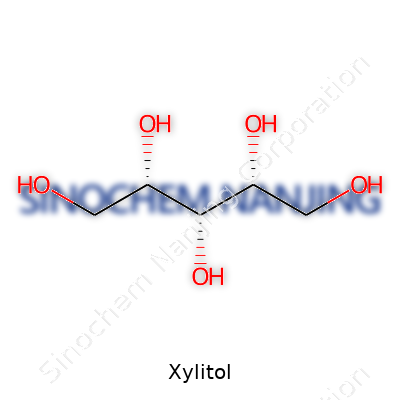
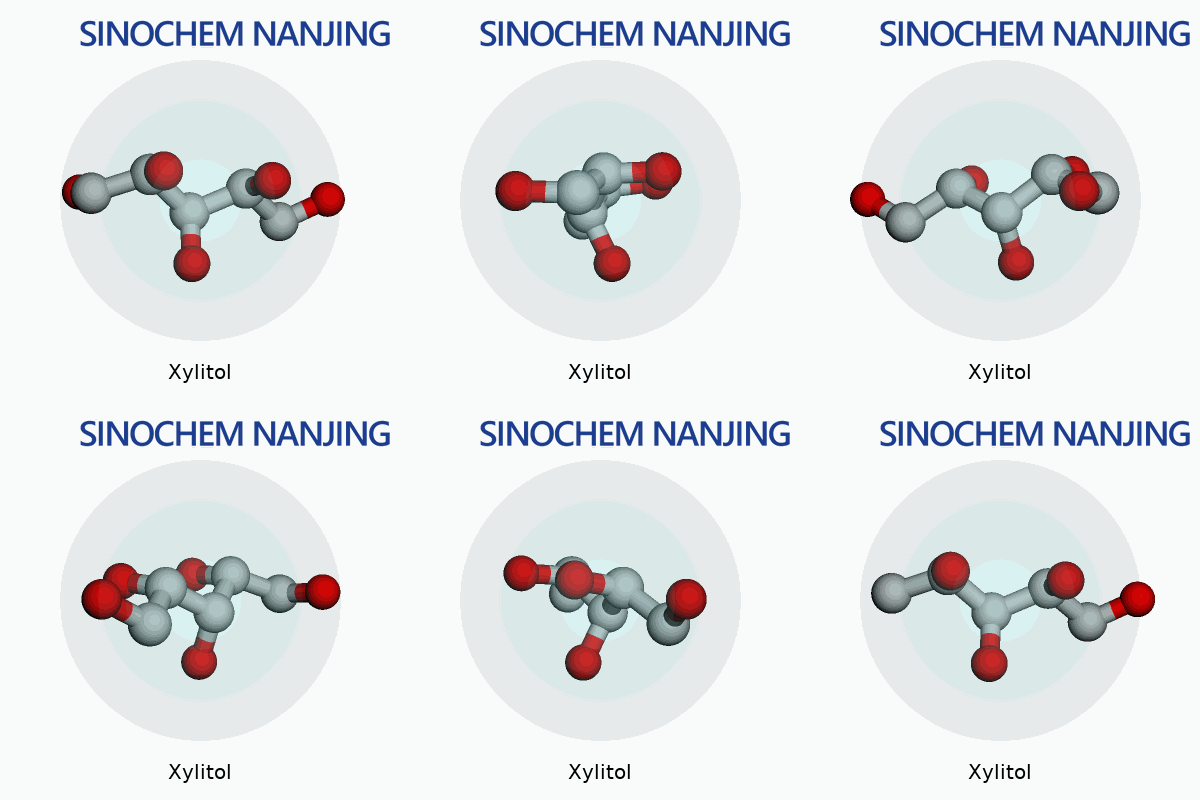
| Names | |
| Preferred IUPAC name | (2R,3r,4S)-pentane-1,2,3,4,5-pentol |
| Other names |
birch sugar wood sugar xylite pentane-1,2,3,4,5-pentol |
| Pronunciation | /ˈzaɪ.lɪ.tɒl/ |
| Identifiers | |
| CAS Number | 87-99-0 |
| Beilstein Reference | 1723200 |
| ChEBI | CHEBI:47580 |
| ChEMBL | CHEMBL651 |
| ChemSpider | 5637 |
| DrugBank | DB11145 |
| ECHA InfoCard | 03a216b3-016e-4c91-bf2e-e07f5a3429d1 |
| EC Number | E967 |
| Gmelin Reference | 8739 |
| KEGG | C00794 |
| MeSH | D019356 |
| PubChem CID | 6912 |
| RTECS number | *LU5420000* |
| UNII | VCQ006KQ1E |
| UN number | UN-3077 |
| Properties | |
| Chemical formula | C5H12O5 |
| Molar mass | 152.15 g/mol |
| Appearance | White crystalline powder |
| Odor | Odorless |
| Density | 1.52 g/cm³ |
| Solubility in water | soluble |
| log P | -2.49 |
| Vapor pressure | 0.06 mmHg (at 25°C) |
| Acidity (pKa) | 14.48 |
| Basicity (pKb) | pKb = 14.66 |
| Magnetic susceptibility (χ) | -7.8e-6 |
| Refractive index (nD) | 1.521 |
| Viscosity | Viscosity: 8.6 mPa·s (20 °C, 50% w/w aqueous solution) |
| Dipole moment | 4.15 D |
| Thermochemistry | |
| Std molar entropy (S⦵298) | 378.5 J·mol⁻¹·K⁻¹ |
| Std enthalpy of formation (ΔfH⦵298) | -1234.2 kJ/mol |
| Std enthalpy of combustion (ΔcH⦵298) | -2436 kJ/mol |
| Pharmacology | |
| ATC code | A01AD11 |
| Hazards | |
| Main hazards | May be harmful if swallowed; may cause gastrointestinal discomfort; hazardous to pets if ingested (especially dogs). |
| GHS labelling | GHS07, Warning, Causes serious eye irritation (H319) |
| Pictograms | GHS07 |
| Signal word | Warning |
| Hazard statements | May cause respiratory irritation. |
| Precautionary statements | Keep container tightly closed. Store in a cool, dry place. Keep out of reach of children. |
| Flash point | 410 °C |
| Autoignition temperature | 410 °C |
| Lethal dose or concentration | LD50 (rat, oral): 12,650 mg/kg |
| LD50 (median dose) | LD50 (median dose) of Xylitol: 12,650 mg/kg (rat, oral) |
| NIOSH | WFQ437500 |
| PEL (Permissible) | 10 mg/m³ |
| REL (Recommended) | 10 grams per day |
| IDLH (Immediate danger) | No IDLH established |
| Related compounds | |
| Related compounds |
Ribitol Arabitol Mannitol Sorbitol Erythritol Threitol |



