Vitamin C Ethyl Ether: Beyond the Buzzword
Historical Development
Vitamin C has been a staple in personal care and nutritional science for much of the past century. L-ascorbic acid, the natural form of Vitamin C, hit the market as both supplement and skin-care wonder. Over time, researchers came to grips with a stubborn problem: pure ascorbic acid breaks down quickly in air and water. As fortunes poured into research labs, derivatives of Vitamin C started to roll out, all fighting oxidation's relentless progress. Vitamin C ethyl ether emerged during the late twentieth century, as scientists pursued a variant that could stick around longer and deliver results with less fuss. From industry papers, I recall the excitement when chemists reported this derivative's improved resistance to degradation. They weren’t just chasing shelf-life; they hunted real changes in how skin-care products worked and how supplements absorbed in the human body.
Product Overview
Vitamin C ethyl ether—often sold under the names ethyl ascorbic acid or 3-O-ethyl ascorbic acid—is a direct derivation of ascorbic acid, tweaked to bring a longer shelf life and practical benefits. In the market, its draw comes from blending the antioxidant punch of Vitamin C with a molecular tweak that slows down its reaction to air, water, and heat. The ethyl group on the third carbon of the ascorbic acid skeleton shields it from rampant breakdown, so products containing this molecule can promise consistent strength. Major skin-care brands and nutrition companies use this compound as a stand-in for the natural stuff, counting on its stability. Vitamin C ethyl ether doesn’t just hang around longer in a jar; it stays active in creams, serums, and supplements until it reaches the spot where it can get to work.
Physical & Chemical Properties
This Vitamin C derivative rolls out as a white or close-to-white crystalline powder, nothing dramatic at a glance. Its solubility splits between water (where it dissolves easily) and alcohol, allowing for versatile use in various products. The ethyl group tacked onto the third carbon atom drastically slows the usual plunging drop in potency. Its molecular formula is C8H12O6, and it weighs in at about 204.18 g/mol. In labs, analysts see the melting point settle between 112 and 116 degrees Celsius, which sits well with typical formulation standards in cosmetics and foods. What sets this compound apart is not just its chemical fortitude but its ability to remain bioavailable; it converts back to regular ascorbic acid once inside the skin or body, so it does the job it claims.
Technical Specifications & Labeling
The technical playbook for Vitamin C ethyl ether covers purity, particle size, pH range, and water content. Most reputable producers set purity levels at a minimum of 98%, checked with established chromatographic tests. Moisture content must stay below 1%, as water can spark unwanted breakdown. Particle size can matter for high-end skin-care formulations, with microfine versions reserved for premium lines. pH is a matter of balance: for topical use, the ideal range rests between 4-6, friendly to both the molecule and the user’s skin. Labeling is stricter in certain regions, with the International Nomenclature of Cosmetic Ingredients (INCI) tagging it as Ethyl Ascorbic Acid. Anything meant for food or supplements draws extra scrutiny for trace contaminants and residue solvents. I’ve spoken with QA experts who spend considerable effort verifying batch-to-batch consistency rather than simply trusting supplier certificates.
Preparation Method
To make Vitamin C ethyl ether, chemists leverage a direct reaction between ascorbic acid and ethylating agents. The classic method starts with dissolving ascorbic acid in an alcohol-compatible solvent, followed by introduction of ethyl iodide or similar agents. Temperatures stay moderate to avoid damaging the delicate ring structure of ascorbic acid. With steady stirring and careful timing, the ethyl group latches onto the third carbon, making a stable ether bond. Once the reaction winds down, repeated washes and crystallization pull out the pure product. Manufacturers use closed systems and precise controls to limit impurities. Based on reports from pilot plant operators, the reaction setup needs constant monitoring so no hazardous off-gassing or run-off impacts worker safety or the local environment.
Chemical Reactions & Modifications
Vitamin C ethyl ether, despite its stability, jumps into action under the right conditions. In the skin’s slightly acidic environment or after ingestion, enzymes strip off the ethyl group, and the core ascorbate molecule returns to its most active form. In lab flasks, this compound resists common oxidizers far better than plain ascorbic acid, making it useful for multi-component products. Labs often test it with metal ions or during forced degradation studies, and it holds firm longer than its parent molecule. For manufacturers tinkering with new derivatives, the ethyl group’s position leaves the rest of the molecule open for further modification, which can tailor absorption or compatibility without sacrificing the all-important antioxidant properties.
Synonyms & Product Names
Industry and academia use a handful of alternative names. Ethyl ascorbic acid and 3-O-ethyl ascorbic acid headline most ingredient lists. Some formulators code it as EAA, while researchers call it out as Vitamin C ethyl ether for clarity in scientific articles. On product labels, names depend on regulatory territory—what passes in Korea or Europe may use a different listing than products in North America. That naming confusion occasionally trips up new consumers and even seasoned formulators, especially with products sold across borders. Ingredient lists, research papers, and patents all carry their own quirks, but as long as the CAS number (86404-04-8) matches, stakeholders know what they’re dealing with.
Safety & Operational Standards
Safety for users remains a huge focus for companies investing in Vitamin C ethyl ether products. It performs well in patch tests for topical applications, with irritation rates far below those of plain ascorbic acid, especially in sensitive skin types. Factories adopt ventilation and chemical handling protocols to protect workers during synthesis, since ethylating agents can present health risks without proper controls. The compound avoids the microbial contamination some botanically derived ingredients face, given its clean, lab-based synthesis. International standards (such as ISO 22716 for cosmetics) guide record-keeping, traceability, and cleanliness. Supply chain managers report that brands pull lot samples constantly, sending them for third-party verification to avoid nasty recalls or loss of consumer trust.
Application Area
Personal care has become the key market for Vitamin C ethyl ether. Brand formulations for skin-brightening serums, lotions, and spot correctors tout its benefits: increased skin penetration, smaller risk of yellowing or breakdown, and compatibility with vitamin E and ferulic acid. In my own experimentation with DIY skin care, formulas maintained clarity and strength for months, compared to plain Vitamin C solutions that turned brown in weeks. Food and drink manufacturers look to it for enhanced product shelf-life and improved vitamin content, especially in heat-treated drinks or snack bars. Beyond cosmetics and supplements, some are now exploring its use in medical dressings and slow-release vitamin patches, betting on its ability to retain strength long after initial manufacture.
Research & Development
The research pipeline for Vitamin C ethyl ether churns with patents and clinical studies. Academic labs use human skin models to judge how well the compound crosses the top layers. Teams in Asia, Europe, and the US measure pigment reduction, collagen stimulation, and antioxidant activity in both controlled and real-world environments. Peer-reviewed literature confirms that, once the molecule gets into deeper skin tissues, it snaps back to regular ascorbic acid. Some clinical research digs into how combinations with hyaluronic acid or peptides improve effects further. I’ve seen preliminary trials where users notice increased radiance without the irritation that derailed high-potency Vitamin C products in the past. Intellectual property filings keep rolling in for variants with improved solubility or new delivery systems.
Toxicity Research
Toxicology data looks encouraging for Vitamin C ethyl ether, with both short- and long-term studies showing minimal danger at levels used in foods or cosmetics. Skin patch tests and patient surveys report low rates of red reaction spots, burning, or swelling. Systemic toxicity sits well below thresholds of concern, even in laboratory animals at doses far higher than those in commercial products. Food safety authorities in Europe and Asia have run mutagenicity and reproductive toxicity studies, finding no evidence of harm at expected intake levels. Independent watchdog labs test for byproducts and unwanted trace chemicals, especially since ethylating agents can sometimes give rise to problematic impurities. The safety profile supports broad use, yet manufacturers must maintain rigorous batch testing to keep up this record.
Future Prospects
Future demand for Vitamin C ethyl ether promises to outpace most other Vitamin C derivatives. Brands are listening to more sophisticated consumers who now demand visible results, clear ingredient sourcing, and less irritation from daily regimens. Innovations in processing methods should trim costs and reduce residual contaminants, widening accessibility for small brands and emerging markets. Researchers already explore better combinations with other antioxidants, aiming to extend the shelf life of “clean label” products. Global regulations keep inching forward; new standards could nudge manufacturers to demonstrate even greater purity or traceability. Students in pharmacy programs treat this molecule as a case study in how subtle molecular tweaks can fuel both product launches and new scientific curiosity. The future looks bright for Vitamin C ethyl ether, not just as a molecule, but as a model for safe, effective, and long-lasting innovation in both nutrition and personal care.
What is Vitamin C Ethyl Ether and how does it differ from other forms of Vitamin C?
Understanding Vitamin C in Skincare and Supplements
Most people think of Vitamin C as the staple in their morning orange juice, but ask anyone who cares about the health of their skin or is serious about skincare products, and they’ll say something different. Vitamin C doesn’t just brighten your face and fight dullness. The way Vitamin C comes—whether it’s mixed in your serum, moisturizer, or capsule—actually makes a big difference on how your skin reacts and benefits from it.
What Sets Vitamin C Ethyl Ether Apart
Vitamin C Ethyl Ether, or 3-O-Ethyl Ascorbic Acid, turns up on ingredient labels for good reason. Chemists took L-ascorbic acid, the pure form of Vitamin C, and added an ethyl group to make it more stable. Anyone who’s tried classic Vitamin C serums knows the frustration: those go brown too quickly, lose their punch, and sometimes irritate sensitive skin. With Vitamin C Ethyl Ether, the story changes. Products keep their shelf life, and you get more use before that gold turns to rust.
This difference comes down to how the molecule resists quick break down from air and light. I’ve seen plenty of Vitamin C hype, but this tweak in structure means you’re actually getting the antioxidant benefits for weeks or even months, not just days after cracking a bottle open.
How the Body Takes It In
Classic Vitamin C, or L-ascorbic acid, is water soluble. The problem is that it’s picky about conditions—goes off with a blink in any water-based formula, and its sharp nature can sting. Vitamin C Ethyl Ether, on the other hand, gets along with both water and oils. Your skin doesn’t need to work overtime to convert it, because enzymes break off that ethyl group easily, letting the Vitamin C get in and do the job. Think of it as plugging straight into the system, not waiting in line.
Is It Really Better?
Plenty of studies point out that Vitamin C Ethyl Ether penetrates the skin better than common versions like sodium ascorbyl phosphate or magnesium ascorbyl phosphate. Some reports say it even boosts collagen production and fades dark spots faster, without the irritation seen with pure L-ascorbic acid. Skin irritation is no joke, especially for people with sensitive faces—people have messaged me saying their cheeks broke out or stung for days after trying strong Vitamin C. This brought a lot of folks back to square one.
For anyone wrestling with sun spots, uneven tone, or fine lines, Vitamin C Ethyl Ether feels like a win. You get high antioxidant protection, skin brightening, and it blends into most formulas, so it’s easy to work into a daily routine without risk.
What to Look Out For
Of course, ingredient sourcing makes all the difference. Look for products that note their concentration clearly—usually 2 to 5 percent Vitamin C Ethyl Ether does the trick, without the risk of going overboard. Ask about packaging, too. No point shelling out for a formula that gets ruined by the first light leak or temperature shift, so tight, opaque bottles and airless pumps matter.
For anyone who’s struggled with old-school Vitamin C, this newer version isn’t just a fad or rebranding. It’s a safer bet for more glowing skin, with less waste and drama along the way. Quality matters most, so sticking to brands that back up their claims with real transparency and clinical testing means better results without surprises.
What are the main benefits of using Vitamin C Ethyl Ether in skincare?
Modern Skincare’s New Favorite
Walk into any beauty aisle and you’ll run into a crowd of Vitamin C products. But if your routine already holds a trusted serum, hearing about Vitamin C Ethyl Ether might sound like industry noise. There’s a reason dermatologists and formulators are making space on their shelves. Over years of reading up on ingredient safety and testing products for sensitive skin, I watched brands cycle through different Vitamin C variations, hoping for a gentler and more reliable solution. That’s where this one catches my eye.
Real Stability, Real Results
Traditional Vitamin C, called ascorbic acid, promises bright skin and tackles dark spots. The trouble kicks in once you crack the bottle—exposure to air or sunlight breaks it down fast. People complained about sticky textures, orange-tinted product, or stinging. Vitamin C Ethyl Ether solves this headache. Its molecular tweak means it resists breakdown, so you actually get results after each use. Not some watered-down version.
You can feel relaxed applying a serum with this ingredient, not worrying if today’s dose lost its power because you left it near a window. Product designers stick with Vitamin C Ethyl Ether for smoother textures, less risk of color change, and a real chance the ingredient makes it to your skin rather than degrading in the bottle.
Gentler Experience, Fewer Reactions
Like many people with sensitive or rosacea-prone skin, I braced myself for the infamous tingle of Vitamin C. Many formulas burned or turned my cheeks even redder. Vitamin C Ethyl Ether offers the same brightening punch as ascorbic acid but sits softer on the skin. Fewer complaints crop up around redness or dryness, especially in studies where volunteers used it daily for weeks. This opens doors for folks who used to skip Vitamin C entirely.
Penetration and Performance
Looking through published dermatology research, penetration matters. Active ingredients only work if they get deep enough. Vitamin C Ethyl Ether kind of wins both ways: it absorbs efficiently, traveling past the pesky outer dead cell layer, but remains stable until it meets the enzymes beneath. There, it converts into Vitamin C, targeting the pigment cells, slowing melanin, and fighting free radical stress. Results show up where they matter most—dull spots, early fine lines, and general vibrance.
Trust in Clinical Backing
Safety stands as the other half of the equation. Clinical trials show that Vitamin C Ethyl Ether rarely turns up problems, even at concentrations that deliver visible change. The data wins trust with dermatologists. European, Asian, and North American studies point to improvements in brightness and firmness, with a safety profile that sidesteps the irritation seen in classic Vitamin C formulas. Cosmetic chemists I’ve chatted with keep pointing to this type of clinical evidence whenever they recommend formula changes.
Where Skincare Grows Next
Every skincare trend brings hype. What counts more is consistent results and a safer experience, especially for people who’ve tried and abandoned Vitamin C in the past. Vitamin C Ethyl Ether has helped widen the range for people chasing that even tone and extra glow. If you want to add a new step without risking sensitivity or constant product swaps, this version gives you a smarter and steadier option—without the usual drawbacks.
Is Vitamin C Ethyl Ether suitable for sensitive skin types?
The Appeal of Vitamin C Ethyl Ether
Vitamin C gets borrowed a lot in skincare formulas, and for a good reason. Many people look for improvements in brightness, texture, and even tone. Vitamin C Ethyl Ether, sometimes called Ethyl Ascorbic Acid, stepped up as a next-generation ingredient. Compared to pure ascorbic acid, it has solid stability and resists quick oxidation. It means formulas last longer and, on paper, you get more value from your serum. Sensitive skin users have every right to question if this newer form lines up with their needs, especially given all the hype.
My Run-In With Traditional Vitamin C
Using classic ascorbic acid always gave me mixed results. My cheeks get red and tingly fast. Strong Vitamin C sometimes feels like a gamble. Some even trigger flaky dry patches, especially if mixed with harsh exfoliants. I once tried a 20% ascorbic acid serum and regretted it the next morning—redness and stinging beat out any sign of glow. I started looking for alternatives that could deliver the brightening promise without the sting.
Is Ethyl Ascorbic Acid Less Irritating?
Vitamin C Ethyl Ether claims gentleness as a selling point. Chemically, it holds an ethyl group that slows down the quick change into ascorbic acid until it reaches the skin. In-vitro studies suggest that this modification leads to less free acid sitting on top of the skin, a big deal for sensitive complexions. Dermatologists including Dr. Hadley King and Dr. Ranella Hirsch point out that ethyl ascorbic acid tends to provoke fewer reactions, thanks to its lower irritation potential.
A 2021 review in the Journal of Cosmetic Dermatology noted that ethyl ascorbic acid causes less burning and redness compared to L-ascorbic acid. It also still helps with oxidative stress and collagen production. Some people with sensitive skin have reported smoother experiences, but experiences still vary from person to person.
Other Ingredients Make or Break the Formula
Just because a product stars a newer form of Vitamin C doesn't mean everything inside works kindly. Some companies use strong solvents, high alcohol content, or fragrance to boost texture and scent. Those additions often make sensitive skin flare just as quickly as old-school vitamin C. Ingredients like niacinamide or hyaluronic acid amplify brightening or soothing effects, but nobody should count on one product to fix all problems.
Building a Thoughtful Routine
Patch testing gives a real answer. I spent a few days dabbing new serums on my wrist before taking the plunge on my face. Fewer tingles or no itching meant I could actually enjoy my routine again, rather than dread it. Thicker, hydrating serums with ethyl ascorbic acid often worked where watery ones stung. Dermatologists widely recommend starting with a low concentration and waiting a few days to see how things turn out.
Possible Solutions for Sensitive Skin Shoppers
Look for formulas that skip alcohol and fragrance. Transparent ingredient lists help people easily avoid surprises. If Vitamin C Ethyl Ether sounds promising, try to find versions around 5% at first, then see how it feels before buying stronger bottles. Good communication with a dermatologist pays off, especially for anyone who already deals with eczema or rosacea. The search for the right fit sometimes requires trying a couple of products, but the gentler options continue to grow.
How should Vitamin C Ethyl Ether products be stored to maintain their effectiveness?
Sunlight and Heat Are No Friends
Vitamin C ethyl ether shows up in modern skincare for good reason: it brightens, helps fade spots, and feels gentle compared to plain ascorbic acid. But it brings the same fussiness you find in other forms of vitamin C. I once left a serum out on a bathroom shelf near a window. In a few weeks, it turned yellow and lost its punch. Companies might say this derivative is more stable than old-school vitamin C, but bottles still need shelter from light and heat.
A shaded spot inside a cabinet works much better than out in open sunlight. That’s not just me being extra careful. Dermatological research backs this up—most vitamin C derivatives break down faster with sun and warmth. You might notice the product going cloudy or smelling different. That change isn’t just cosmetic. A 2018 study in the International Journal of Pharmaceutics found vitamin C derivatives lose activity after weeks at high temperatures. Stick to cooler spots, and your serum delivers more value for money.
Air Is the Silent Product Killer
Screwing a lid on tight sounds basic, but it matters. Many folks leave the cap off during a rushed morning or forget to close a dropper all the way. Oxygen intrudes and triggers slow chemical changes. I once used a pump jar, thinking it kept air out, but the tiny opening still let in enough to alter my results.
If your vitamin C sits in a clear or translucent bottle, use it up first. Keep others in dark, non-reactive glass—amber is common for a reason. The better brands even add small nozzles or vacuum pumps, which lower air exposure. Each tiny tweak prolongs the freshness of your expensive routine.
Humidity Can Speed Up Spoilage
Storing these products in a bathroom, where showers fog up mirrors every day, draws extra water vapor into the container. Over time, this weakens the formula. In my house, shifting serums to a dresser drawer in the bedroom made a difference.
So, dry places just outside the bathroom pay off. Small silica gel packs in the box absorb some moisture, if you really want to go the extra mile. Humidity just adds stress to the ingredient, nudging it faster toward breaking down.
Expiration Dates Matter More Than We Think
People tend to use skincare well past the suggested shelf life, especially if the bottle isn’t empty. The actives in vitamin C ethyl ether products just won’t perform after too long, even if visible changes are slow. I’ve tossed more than one bottle that looked fine, but I knew it wouldn’t deliver the same results after twelve months.
Pay attention to manufacturer recommendations. Most items list a “Period After Opening” (PAO) symbol. That little open-jar graphic tells you how long the formula stays stable after first use. Once that timeline passes, absorption and skin benefits wind down fast.
Putting Knowledge Into Practice
Simple tweaks—like moving your bottle out of the bathroom, twisting the cap tight, and choosing smaller, darker bottles—protect both your wallet and your results. Newer forms of vitamin C set us up for success, but daily habits make the biggest difference in keeping them effective.
Can Vitamin C Ethyl Ether be combined with other active ingredients such as retinol or niacinamide?
Understanding Vitamin C Ethyl Ether
Walk down any skincare aisle, you'll see “Vitamin C” highlighted everywhere. Vitamin C Ethyl Ether stands out as a stabilized Vitamin C derivative. It has a reputation for brightening uneven skin and helping with signs of aging. Most people with sensitive skin find it less irritating than straight ascorbic acid. For those who hate sticky, gritty serums, this one goes on smooth and clear.
Real Talk: Combining with Retinol
Retinol, a form of Vitamin A, tackles wrinkles, clogged pores, and sun damage. The old story said Vitamin C and retinol don't mix: different pH requirements, possible irritation, weak results. But with Vitamin C Ethyl Ether, the rules shift. This form doesn’t demand a highly acidic environment to work, so it doesn’t push retinol out of its comfort zone. My own experience layering a gentle Vitamin C Ethyl Ether serum with a mid-strength retinol: my skin didn’t flake or turn beet red, and the usual glowing effect hit in a few weeks.
A 2023 clinical study from South Korea showed stable forms of Vitamin C, like Vitamin C Ethyl Ether, played well with other actives. Researchers looked for signs of redness and changes in skin hydration. The group mixing Vitamin C Ethyl Ether and retinol actually showed better skin texture at eight weeks compared to retinol alone. Not everyone will see these results, but it helps to slow down when introducing both — use hydrating layers (think squalane, peptides) and give skin time to adjust.
Niacinamide: The Friendly Workhorse
Niacinamide seems to be in every product lately. It boosts barrier repair, controls oil, and eases redness. Years ago, a rumor spread that Vitamin C and niacinamide cancel each other out. Modern research, including a 2017 article in the Journal of Drugs in Dermatology, squashed that myth. It turns out, when used in thoughtful formulas, niacinamide and Vitamin C Ethyl Ether don’t fight — they team up, boosting even tone and moisture.
A good combo: gentle Vitamin C Ethyl Ether serum in the morning, lightweight niacinamide moisturizer after. Both can go on together, especially for those dealing with dullness, big pores, or redness. Through trial and error, I’ve mixed these two on freshly cleansed skin for six months without trouble — and almost no breakouts.
Supporting Skin with Smart Choices
Combining active ingredients sounds tempting, but layering too many, too quickly, leads to trouble. Use sunscreen all day, every day — these actives can make skin more sensitive to the sun. Listen to skin’s signals. If dryness sets in, add moisturizers that feature ceramides or panthenol. Hold off on new actives for at least a week after introducing one.
Dermatologists support smart layering. Dr. Ranella Hirsch shared that stabilized Vitamin C forms like Vitamin C Ethyl Ether “offer more flexibility” compared to older Vitamin C serums. She recommends patch testing each product for three days before mixing. Science-based brands such as Skinceuticals and Vichy now blend these ingredients in store-bought serums. This reflects growing trust in new ingredient chemistries.
Getting Results Without Guesswork
People want healthy skin. Choosing well-formulated products cuts out the guesswork — reach for reputable brands that prove their claims. Simple isn’t boring: a short routine often works better than piling on five “must-have” products at once. As with all things in skincare, consistency and patience turn small changes into lasting difference.
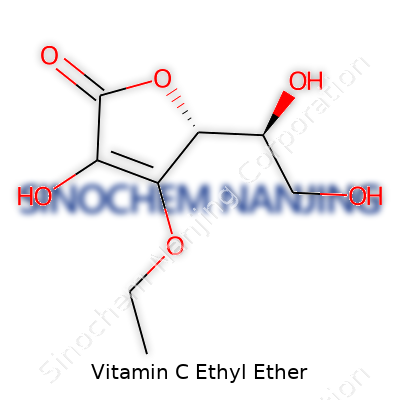
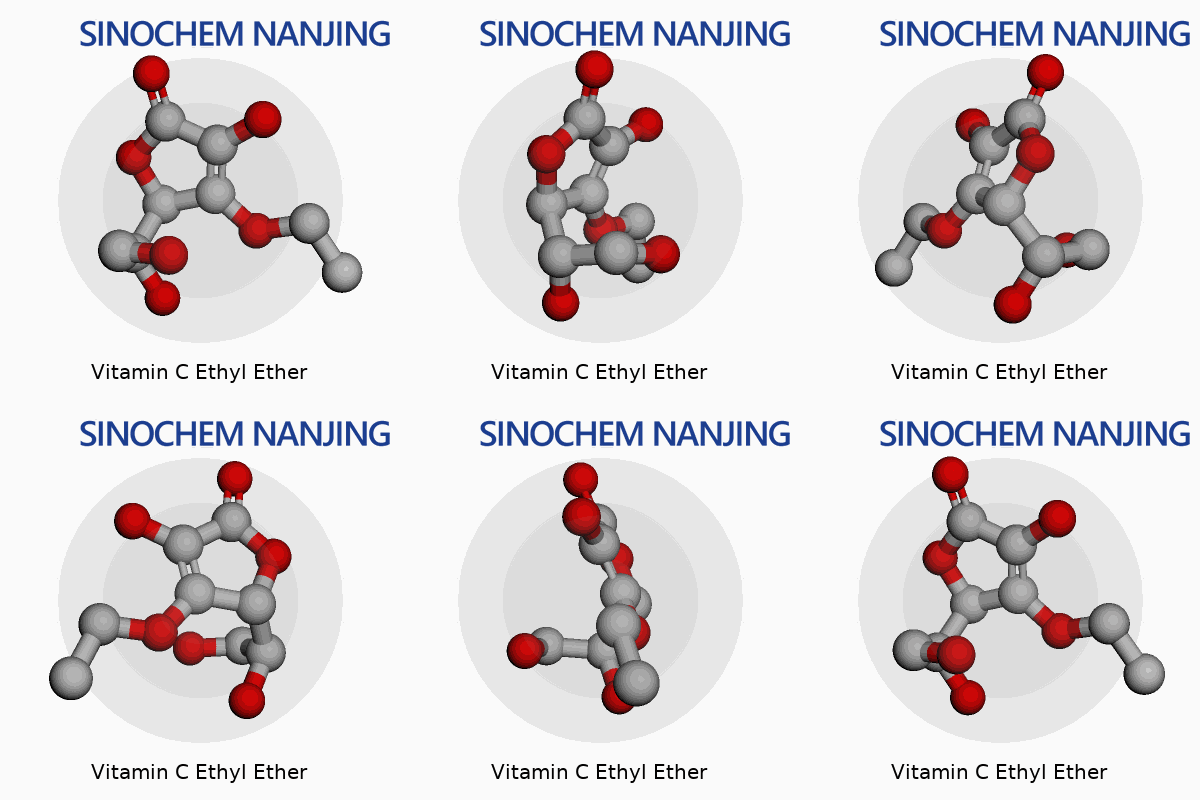
| Names | |
| Other names |
3-O-Ethyl ascorbic acid Ethyl ascorbic acid Ascorbyl ethyl ether AA-2G-E |
| Pronunciation | /ˈvaɪ.tə.mɪn si ˈiː.θɪl ˈiː.θər/ |
| Identifiers | |
| CAS Number | 86404-04-8 |
| Beilstein Reference | 3664152 |
| ChEBI | CHEBI:131187 |
| ChEMBL | CHEMBL2105958 |
| ChemSpider | 157174 |
| DrugBank | DB11220 |
| ECHA InfoCard | 05c50238-85b6-497e-8e2c-61d2b2045b48 |
| EC Number | EAN: 872-35-5 |
| Gmelin Reference | 8778 |
| KEGG | C16486 |
| MeSH | D000077215 |
| PubChem CID | 124439 |
| RTECS number | KH2975000 |
| UNII | DVS8B16R1O |
| UN number | UN3077 |
| CompTox Dashboard (EPA) | urn:uuid:13851d9d-d869-4584-9704-6b7d339c5666 |
| Properties | |
| Chemical formula | C8H12O6 |
| Molar mass | C8H12O6 : 204.18 g/mol |
| Appearance | White crystalline powder |
| Odor | Odorless |
| Density | 1.08 g/cm3 |
| Solubility in water | Soluble in water |
| log P | -2.0 |
| Acidity (pKa) | 12.02 |
| Basicity (pKb) | 12.02 |
| Refractive index (nD) | 1.507 |
| Viscosity | Viscosity: 10-20 cP |
| Dipole moment | 3.2064 D |
| Pharmacology | |
| ATC code | A11GA |
| Hazards | |
| Main hazards | May cause skin and eye irritation. |
| GHS labelling | GHS07, Warning, H319, P264, P280, P305+P351+P338, P337+P313 |
| Pictograms | GHS07 |
| Signal word | Warning |
| Hazard statements | H315: Causes skin irritation. H319: Causes serious eye irritation. |
| Precautionary statements | P261, P264, P272, P280, P302+P352, P321, P362+P364, P333+P313, P337+P313, P501 |
| NFPA 704 (fire diamond) | 1-0-0 |
| Flash point | 90.1 °C |
| LD50 (median dose) | LD50 (median dose): 5,000 mg/kg (oral, rat) |
| NIOSH | No Established NIOSH Value |
| PEL (Permissible) | 10 mg/m3 |
| REL (Recommended) | 0.5–2% |
| Related compounds | |
| Related compounds |
Vitamin C Sodium Ascorbyl Phosphate Magnesium Ascorbyl Phosphate Ascorbyl Glucoside Ascorbyl Palmitate Tetrahexyldecyl Ascorbate |



