Vitamin C: More Than Just a Supplement
History and Background
Vitamin C, or ascorbic acid, has one of those stories in science that connects both chemistry benches and dinner tables. Sailors who spent weeks at sea watched their gums bleed and wounds refuse to heal until James Lind mixed a little lemon juice into their rations. That small experiment in the 18th century charted a new course for medicine. The journey to isolating pure ascorbic acid came in the early 1930s, with Albert Szent-Györgyi pulling it from paprika and citrus, unraveling a puzzle that had haunted doctors for centuries. Today, the moment you pour a scoop of white, crystalline powder into water or grab a bottle of vitamin C tablets, you stand on the shoulders of a lot of persistent minds. Vitamin C started as a solution for sailors and grew into a global commodity, ingrained in food manufacturing and public health advice.
Product Overview
Open almost any kitchen cupboard or pharmacy cabinet and there's a good chance you'll spot vitamin C tablets, chewy gummies, or enriched drinks. Manufacturers produce it as both pure ascorbic acid powder and various salts like sodium ascorbate and calcium ascorbate. Tablets, capsules, liquid drops, gummies—they all fill different roles. The food industry fortifies juices, cereals, and baby foods not just for nutrition but also as a preservative. Beyond the supplement aisle, vitamin C solution comes ready for scientific labs and chemical industries. Each form means something slightly different for shelf life, bioavailability, and taste.
Physical and Chemical Properties
Vitamin C looks like a simple, white crystalline substance—odorless, acidic, sharp in taste. It dissolves quickly in water but not in fat, making it a staple in water-based supplements and beverages. Chemically, it’s classified as a lactone, tightly folded around a six-carbon backbone with two alcohol groups and a ketone. This structure lets it donate electrons easily; that antioxidant punch is exactly what helps protect cells from the damage of oxidation. You heat it, mix it with air, or expose it to light, and vitamin C will degrade, which means storage and manufacturing must take that fragility into account. Its melting point hovers close to 190°C, and that sensitivity shapes both industrial and home use.
Technical Specifications and Labeling
Every bottle or box comes with numbers you may not notice at a glance. Regulations set purity at no less than 99% for pharmaceutical and food-grade ascorbic acid. Labels list milligrams per serving, sometimes sweeteners or flavorings, and expiration dates since oxidation slowly chips away at potency. Beyond that, you might see international E numbers; vitamin C is E300—the food industry’s shorthand. Regulations in most countries demand clear ingredient disclosure, daily value percentages, and allergen information. Manufacturers follow GMP (Good Manufacturing Practice) to avoid contamination, check particle size for tablets, and monitor moisture levels during production and shipping.
Preparation Method
Industrial production mostly runs on a process called the Reichstein method. Factories start with glucose, usually from corn starch, and ferment it using specialized bacteria. Chemists oxidize the resulting sorbitol to create sorbose, and then twist that molecule through a chemical maze until the six-carbon framework forms ascorbic acid. In recent decades, a two-step fermentation process has replaced some chemical steps, cutting down on solvents and waste. Smaller batches for specialty or research may use slight variations, especially if non-GMO or organic certification is needed. The point remains: most commercial vitamin C shares its roots with industrial-scale glucose.
Chemical Reactions and Modifications
Vitamin C gets its power from being a strong reducing agent, meaning it gives up electrons in chemical reactions. That’s why it prevents browning in apples and potatoes and keeps meat and fish looking fresh. It reacts with oxygen in the air and, if left unchecked, turns into dehydroascorbic acid, losing some nutritional value. Chemical tweaks make possible a handful of derivative salts—like sodium ascorbate or calcium ascorbate—that adjust acidity, stability, or solubility for different uses. Ascorbyl palmitate, formed by hooking a fatty acid tail to the molecule, slips into fat-rich foods, making vitamin C’s antioxidant powers work in lipids as well as water.
Synonyms and Product Names
On ingredient lists and scientific labels, you’ll see vitamin C go by ascorbic acid, L-ascorbic acid, E300 (for food additives), sodium ascorbate, and calcium ascorbate. Pharmaceutical products sometimes list it by its chemical name—2-oxo-L-threo-hexono-1,4-lactone-2,3-enediol. Industry insiders and technical references include it as C6H8O6. Supplement bottles change up names to appeal to customers: “immune-boosting vitamin C”, “natural vitamin C”, “buffered vitamin C”. Natural food and health aisles sometimes favor “acerola vitamin C” or “plant-based ascorbate”, emphasizing the source more than the chemistry.
Safety and Operational Standards
Daily intakes usually land around 75 to 90 milligrams for adults, but many supplements contain up to 1000 mg per dose. The body excretes extra in urine, which limits risk for most people. Large volumes all at once cause gastrointestinal problems, but few healthy adults face real toxicity from food or supplements. Food and pharmaceutical companies abide by strict GMP and follow Codex Alimentarius and local safety guidelines for purity, contaminants, and labeling accuracy. Many countries have regulations covering heavy metals, pathogenic microbes, and allergens during the entire process of manufacture to packaging. Quality testing at multiple steps helps keep the final product within safe limits.
Application Area
Vitamin C reaches far beyond tablets and chewables. In the food world, it stands out as both a nutrient for fortification and a workhorse preservative in meat, fish, canned goods, and beverages. Cosmetic producers rely on it for serums and creams, where it claims to brighten skin and reduce wrinkles. Pharmacies stock bulk vitamin C blends for intravenous drips in hospitals, especially in critical care. It helps in water purification, pharmaceuticals, pet food, and even photographic chemicals. Research labs use it in cell culture and oxidative stress experiments. Demand stretches across home kitchens, hospitals, mass production lines, and research facilities.
Research and Development
The story of vitamin C research keeps evolving. Massive clinical trials have looked for proof that vitamin C shortens the common cold or strengthens immune defenses—results spark passionate debates but offer only modest clinical benefits in most healthy people. Researchers dig deep into its antioxidant properties, eyeing its role in neutralizing free radicals which can fuel everything from heart disease to cancer. Ongoing experiments focus on using vitamin C in high doses to fight infections or as an add-on in cancer treatment. Innovations in delivery methods—liposomal encapsulation, slow-release formulations—aim for better absorption and sustained effects. Scientists also invest in finding greener, more efficient manufacturing to cut environmental impact.
Toxicity Research
It takes a lot of vitamin C before real trouble starts for most people. Massive supplemental doses, far above what anyone would get eating fruit, can sometimes trigger kidney stones, especially in people with certain genetic preconditions. Studies in animals reveal few long-term hazards from realistic amounts, though extremely high doses may have pro-oxidant effects. Toxicological panels check every batch for impurities, and regulators keep a close eye on interactions with drugs and underlying health conditions. Medical practitioners pay attention when patients have kidney disease, iron overload, or rare metabolic disorders before recommending mega-dose regimens. Still, for most healthy adults, vitamin C remains low risk at everyday levels.
Future Prospects
The world’s understanding of vitamin C sits right on the edge of new discoveries and persistent myths. With nutrition science catching up to genetics and microbiome studies, future recommendations may get much more personal. Manufacturing will likely push toward more sustainable, bio-based processes. Innovators keep looking for new delivery systems—powders that better dissolve, injectable forms that target tissues, nasal and transdermal patches for kids or people who can’t swallow tablets. Emerging research hints at new roles for vitamin C in inflammation control, neuroprotection, and age-related diseases. As public health shifts toward preventive care, and as climate change nudges agriculture to change, the demand for stable, affordable vitamin C could grow even more. The aim isn’t just to avoid scurvy but to support every stage of health through life’s changes and stresses.
What are the benefits of taking Vitamin C supplements?
Why People Reach for Vitamin C
People often look to vitamin C when cold and flu season rolls around. Many keep a bottle in the medicine cabinet just in case a sniffle appears. This habit likely comes from stories passed down through families and the fact that doctors have talked about vitamin C for ages. Growing up, I remember my parents handing out those bright orange chewables, convinced it kept illness at bay. Science does back up the idea that vitamin C plays a role in immune health, but the benefits reach further than just fighting colds.
How Vitamin C Impacts Everyday Health
Vitamin C acts as an antioxidant in the body. It helps protect cells from damage caused by daily life, stress, and pollution. The body uses it for repairing tissues, making collagen (which helps keep skin, cartilage, and bones strong), and even supporting wound healing. After I started playing sports, I learned the hard way that scrapes and bruises heal better when you get enough nutrients. Studies show that vitamin C speeds up tissue repair, which means shorter recovery times for minor injuries.
Are Supplements Needed?
Fresh fruits and vegetables, especially citrus and bell peppers, pack a lot of vitamin C. Even so, busy routines or limited access to produce lead some to miss out. Diets that skip out on fruits and vegetables run the risk of vitamin C deficiency. In places where produce costs too much or seasons limit fresh choices, a supplement acts as a backup. According to the National Institutes of Health, people who smoke, those with digestive problems, and older adults face a bigger risk of not getting enough. For them, supplements give an easy way to bridge the gap.
Prevention and Long-Term Benefits
Research points to vitamin C possibly lowering the duration and severity of the common cold, though it doesn’t act as a shield from getting sick in the first place. The bigger picture shows vitamin C supplements can contribute to heart and eye health. Some large studies link higher vitamin C intake with a reduced risk of chronic illnesses, such as certain types of heart disease. The body also needs vitamin C for iron absorption; for vegetarians especially, it supports healthy iron levels and fights fatigue.
Risks and Smart Use
Taking too much can cause upset stomach or diarrhea. Most adults need around 75 to 90 milligrams daily, and doses over 2,000 milligrams cross the line for safety. Bigger isn’t better—excess vitamin gets flushed away. Quality matters as well. Dietary supplements in the U.S. don’t face the same strict regulation as medicines, so trusted brands with third-party testing gain more respect.
What Works for Most People
Vitamin C supplements play a role in covering nutritional bases, especially for those with gaps in their diet. While you can’t skip vegetables and expect a pill to do all the work, these supplements give peace of mind on busy days and in the middle of cold season. In my own life, I’ve seen a difference in energy and recovery by focusing on whole foods and rounding things out with a supplement when real-life chaos gets in the way. For most adults, acting with common sense and staying within recommended limits keeps the benefits without any downside.
How much Vitamin C should I take daily?
Understanding What Your Body Truly Needs
Standing in the vitamin aisle, you can find yourself staring at gummies, powders, giant orange pills, all promising to help dodge the next cold or boost energy. The truth is, most folks get told about Vitamin C benefits by family members who mean well or see commercials paired with smiling faces and overflowing baskets of citrus. Citrus farmers thank us for believing more is always better, but our bodies rarely demand giant doses.
The National Institutes of Health sets the recommended dietary allowance (RDA) for adults at 90 mg for men and 75 mg for women. If you smoke, another 35 mg helps defend your tissues from the increased oxidative stress. As someone who grew up in a family big on backyard gardening, I’ve eaten homegrown bell peppers that supply more than a day’s worth of Vitamin C. Turns out, it doesn’t take supplements to hit the mark. For context, a single medium orange knocks out around 70 mg. Red bell peppers can go over 100 mg in just half a cup, raw.
Too Much of a Good Thing?
I’ve talked with friends and patients who pop 1000 mg tablets each morning, thinking it’s cheap insurance. The idea took off decades ago, thanks to Nobel laureate Linus Pauling, but more recent large studies never proved that mega-dosing prevents colds. Your kidneys treat excess Vitamin C as waste; they simply flush it out. Crossing the 2000 mg mark each day often leads down an uncomfortable road of diarrhea, and, rarely, kidney stones. Taking a lot more doesn’t supercharge your immune system, it mostly creates expensive urine.
It’s easy to miss that our food supply has evolved. Grocery stores stock fresh fruit year-round. Strawberry smoothies, roasted broccoli, bowls of melon, sliced tomatoes, and potatoes all chip in. Skipping out on produce leads to low intakes, but for most people—young, old, tired, busy—it takes effort to actually become deficient.
Who Needs More?
There’s a fine line between a healthy amount and overkill. Certain groups do benefit from extra care—a doctor may suggest extra grams temporarily for those with severe absorption issues, older adults, or people with specific chronic illnesses. I’ve worked with folks after surgery or with wounds that heal slowly. In those cases, science points to short-term, slightly larger doses supporting collagen production and tissue recovery. That’s targeted use, not daily routine.
Dieticians tend to agree: supplements aren’t bad, but food remains the best way. Plants bundle Vitamin C with fiber, water, natural sugars, and hundreds of phytochemicals that a pill can’t match. Over time, building meals with more flavorful vegetables and fruit pays off much more than defaulting to tablets. For people living where fresh produce isn’t always easy to buy, fortified foods or a basic multivitamin with about 100% RDA delivers what’s needed.
Finding a Practical Approach
It’s tempting to think you need labs or an app to track your daily intake. Listening to your diet can prove just as powerful. If you’re eating something colorful—berries, leafy greens, a slice of kiwi—regularly, chances are you’ve got Vitamin C covered. If colds seem to stick around longer than normal, your doctor can help sort out whether your immune system needs extra nutritional help or if stress and lack of sleep play a bigger role.
Rather than focusing on megadoses, try building a steady, plant-rich diet. It’s less dramatic, but your cells will thank you over time.
Are there any side effects of Vitamin C?
Looking Past the Hype
Vitamin C gets a lot of love for helping the immune system and protecting cells. Most people swallow vitamin C tablets with breakfast or toss a scoop into smoothies, thinking more is always better. After all, there’s a sense that something as simple as an orange or a supplement can do no harm. But there’s another side to this story, one that usually gets brushed aside. Vitamin C does come with side effects, especially when taken in high doses.
What Too Much Vitamin C Can Do
Take too much vitamin C, and the body notices. It doesn’t store the excess — it quickly flushes it out, usually through urine. Still, this escape route isn’t perfect. Swallowing more than 2,000 milligrams a day tends to stir up trouble. Some folks find themselves stuck on the toilet with diarrhea or stomach cramps. Gas, nausea, and even heartburn can creep in, usually following big doses.
Some people discover another odd issue: a higher risk of painful kidney stones. The body breaks down vitamin C and produces oxalate. Too much oxalate can combine with calcium and create kidney stones, especially for those prone to this painful problem. No one wants to go through that agony, and there’s research backing up that risk. According to several studies, folks who push their vitamin C intake above the typical daily dose double their chances of getting kidney stones.
Prescription Interactions and Health Risks
Vitamin C also interacts with certain medicines. Take warfarin, a blood thinner. High vitamin C can change its effect, making it harder to manage the correct dosage. Cancer patients getting chemotherapy face a different issue. Some chemo drugs don’t mix well with antioxidants like vitamin C, which can weaken the treatment. People living with chronic diseases such as hemochromatosis, which causes excess iron buildup, need to watch their vitamin C intake. Too much can boost iron absorption and make their condition worse.
Pregnant women or those with medical conditions should check in with their doctor before leaping into high-dose supplements. Too much vitamin C during pregnancy might not sit well with every body. Experts at the National Institutes of Health agree: moderation works best.
Getting Enough Without Overdoing It
The daily recommended amount for adults sits around 75 to 90 milligrams. That’s an orange and a handful of spinach or bell peppers. Food sources also contain fiber and other compounds that help with absorption and health. It’s much harder to overdo it eating fruit and vegetables compared to gulping pills.
Pharmacies and online stores love to sell high-dose tablets, promising more energy and better health. Sometimes, a small dose does just fine. People curious about supplements should look at their daily meals and talk to a healthcare provider about what works for them. Paying attention to the body and reading credible sources — like the Mayo Clinic and Harvard Health — makes all the difference.
Staying Informed Matters
Too much of a good thing turns vitamin C from helpful to harmful, especially when the dose soars past daily recommendations. Getting enough through natural food handles daily needs for most people. For anyone considering supplements, it pays to learn about potential side effects and step back before reaching for the strongest tablets on the shelf.
Can Vitamin C help with colds or boost immunity?
A Familiar Remedy: Where the Idea Began
Growing up, I remember grabbing an orange whenever a sore throat showed up. My mother eagerly handed out vitamin C tabs each winter, convinced they kept us healthy. A lot of this thinking points back to Linus Pauling, a Nobel Prize winner, who kickstarted the vitamin C craze in the 1970s. He claimed big doses would not only keep colds at bay but also reduce symptoms and shorten the days spent in bed. A simple fix appealed to many, and supplement sales skyrocketed. But has science confirmed this everyday wisdom?
What Science Says about Vitamin C and Colds
Plenty of research has gone into the vitamin C question. The Cochrane Library published a large review that looked at dozens of studies with thousands of people. They found that for most people, taking vitamin C every day didn’t make them any less likely to get sick. If someone started taking big doses of vitamin C after their symptoms kicked in, sniffles and aches lasted about as long as usual.
Some exceptions turn up—athletes training hard in cold weather saw a small drop in cold frequency when using daily vitamin C. For the rest of us, the benefit looked minor at best. Most healthy people eating fruits and vegetables meet their vitamin C needs without supplements.
Why Do People Still Swear by It?
The belief in vitamin C’s power runs deep because people want to take control of their health. A simple pill feels empowering, especially against common bugs that medicines can’t cure. Advertising fortifies the myth, and a personal story always beats numbers in the minds of most.
Doctors point out a harmless placebo can boost mood and help folks feel engaged in recovery. Vitamin C’s reputation as “immune-boosting” doesn’t come out of nowhere. This vitamin supports key parts of the immune system—it helps cells target germs, and wounds heal a little better. Deficiency spells trouble for health, but most adults meet the daily 65–90 mg mark from oranges, berries, and broccoli.
Real Steps that Do Help
Big doses of supplements have downsides—upset stomach, kidney stones, or unnecessary spending. Relying on one quick fix can distract from real immune health steps. Handwashing, staying active, and sleeping enough cut infection risk more than any vitamin.
Food brings more than just vitamin C. Enjoying a variety of produce covers many plant nutrients that pills can’t match. Consider apples, leafy greens, and peppers alongside citrus for a colorful, immune-friendly plate.
Helping People Make Informed Choices
Health claims need more than good stories. Doctors, nutritionists, and journalists carry a duty to share facts that rest on strong evidence. Transparent communication builds trust and helps folks use their dollars wisely. Before stocking up on supplements, a conversation with a healthcare provider goes a long way.
Vitamin C plays a role in health, but it doesn’t act as a magic barrier to illness. Feeling run-down? Grab an orange, wash your hands well, take time to rest—and know you’re doing right by your body.
Is it safe to take Vitamin C every day?
What Daily Vitamin C Really Means
People talk about vitamin C like it's a kind of magic bullet. Grocery stores tuck colorful bottles on their shelves right next to cough drops, practically nudging you to grab some the moment you feel a tickle in your throat. I’ve lost count of how many times friends have told me, “I never get sick—I take vitamin C every day.” The popularity makes sense. Vitamin C supports immune function, helps our bodies heal wounds, and keeps skin and joints working like they should. But behind the hype, there’s a basic question: does this routine actually help or could it backfire?
The Science: What Do We Know?
Vitamin C, or ascorbic acid, is crucial because the body can’t make it on its own. We get it from foods—citrus, peppers, strawberries, even broccoli. The National Institutes of Health says adults need around 75-90 mg per day. That’s two-thirds of a cup of strawberries or a small orange. Most multivitamins or single tablets contain much higher amounts, sometimes hitting 500-1000 mg in just one pill.
Research shows that taking a moderate dose won't hurt most healthy people. The body usually takes what it needs and flushes out the rest in urine. Even so, things start to shift with higher doses. Go above 2,000 mg a day on a regular basis and digestive issues pop up—nausea, cramps, diarrhea. Kidney stones are a real risk, especially if you already have a history. As a kid in a big family, I saw an uncle end up in the ER with painful stones after pounding back huge vitamin C pills each winter. The doctor told him his kidneys couldn’t keep up.
The Placebo Effect and Cold Myths
A lot of vitamin C sales still come from the idea you can “boost” your immune system and keep colds away. Plenty of scientists have studied this, going back to Linus Pauling in the 1970s. Despite the buzz, studies show daily vitamin C might slightly shorten a cold if you’re already taking it—by about half a day—but it won’t keep you from getting sick. For most of us, eating a balanced diet covers our needs. Popping big daily pills just increases costs for little real benefit.
Who Should Consider Vitamin C Supplements?
Certain groups get a pass on needing more. Smokers burn through vitamin C faster, so they need a higher intake. People who have trouble getting enough from food—think severe allergies, limited access to fresh fruit and vegetables, or conditions like Crohn’s—may benefit from a supplement. Pregnant and breastfeeding women also need a bump. If you fall into these groups, checking with your healthcare provider makes sense. Jumping into high-dose pills without guidance isn’t wise.
Building Better Habits
It’s easy to think more is always better, but the body doesn’t work that way. Cutting up a bell pepper or throwing a few strawberries on cereal works for most people. For those considering supplements, choosing a daily dose under 500 mg and watching for side effects is key. Doctors and dietitians keep saying the basics—eat more fruits and veggies—because it works. Tracking your diet on a free app for a couple weeks can help spot any gaps before buying another bottle.
Too much vitamin C won’t give anyone superhero immunity. It can empty your wallet and, in rare cases, land you in the hospital. Most folks can stick to the produce aisle and leave the big bottles on the shelf.
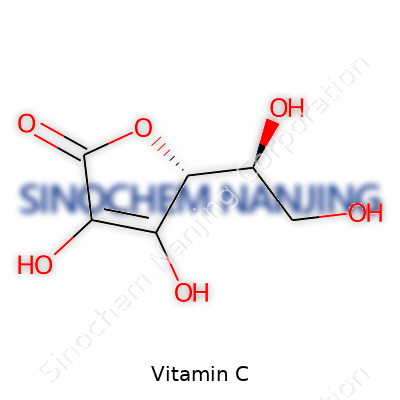
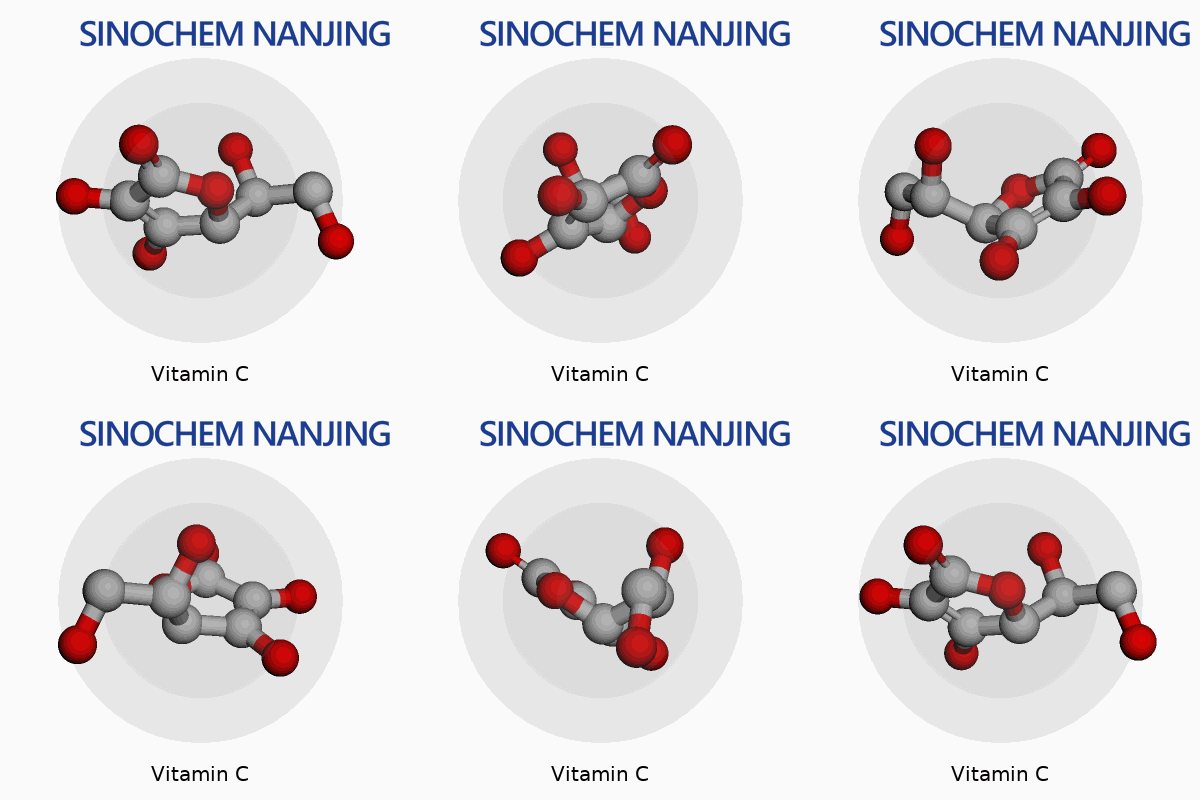
| Names | |
| Preferred IUPAC name | (5R)-[(1S)-1,2-dihydroxyethyl]-3,4-dihydroxyfuran-2(5H)-one |
| Other names |
Ascorbic Acid L-ascorbic acid Sodium ascorbate Ascorbate |
| Pronunciation | /ˈvaɪ.tə.mɪn siː/ |
| Identifiers | |
| CAS Number | 50-81-7 |
| Beilstein Reference | 3592 |
| ChEBI | CHEBI:29073 |
| ChEMBL | CHEMBL112 |
| ChemSpider | 1026 |
| DrugBank | DB00126 |
| ECHA InfoCard | 03e4a8df-1baf-44ce-8ff0-15e80b8a77c0 |
| EC Number | 3.2.1.17 |
| Gmelin Reference | Gmelin Reference: **140824** |
| KEGG | C00072 |
| MeSH | D014801 |
| PubChem CID | 54670067 |
| RTECS number | SD6800000 |
| UNII | PQ6CK8PD0R |
| UN number | UN3077 |
| CompTox Dashboard (EPA) | DTXSID5020678 |
| Properties | |
| Chemical formula | C6H8O6 |
| Molar mass | 176.12 g/mol |
| Appearance | White to almost white crystalline powder |
| Odor | Odorless |
| Density | 1.65 g/cm3 |
| Solubility in water | Soluble in water |
| log P | -1.85 |
| Acidity (pKa) | 4.2 |
| Basicity (pKb) | 8.4 |
| Magnetic susceptibility (χ) | Diamagnetic |
| Refractive index (nD) | 1.62 |
| Viscosity | Low |
| Dipole moment | 2.6038 D |
| Thermochemistry | |
| Std molar entropy (S⦵298) | 149.0 J·mol⁻¹·K⁻¹ |
| Std enthalpy of formation (ΔfH⦵298) | −467.0 kJ/mol |
| Std enthalpy of combustion (ΔcH⦵298) | -2187 kJ/mol |
| Pharmacology | |
| ATC code | A11GA01 |
| Hazards | |
| Main hazards | Not hazardous under normal conditions of use. |
| GHS labelling | GHS07: Exclamation mark |
| Pictograms | 🧴💊🍊 |
| Hazard statements | No hazard statements. |
| Precautionary statements | Keep out of reach of children. If you are pregnant, nursing, taking medication, or have a medical condition, consult your physician before use. Store in a cool, dry place. Do not use if seal is broken or missing. |
| NFPA 704 (fire diamond) | Health: 1, Flammability: 0, Instability: 0, Special: - |
| Flash point | 210 °C |
| Autoignition temperature | 660 °C (1220 °F) |
| Lethal dose or concentration | LD50 (oral, rat): 11,900 mg/kg |
| LD50 (median dose) | 11,900 mg/kg (rat, oral) |
| NIOSH | KR0350000 |
| PEL (Permissible) | PEL: Not established |
| REL (Recommended) | 90 mg |
| IDLH (Immediate danger) | No IDLH established. |
| Related compounds | |
| Related compounds |
Ascorbyl palmitate Erythorbic acid Dehydroascorbic acid Mineral ascorbates |



