Triethyl Orthoformate: A Critical Chemical for Modern Synthesis
Historical Development
Chemists started using Triethyl Orthoformate as far back as the early 20th century, not long after the development of other orthoesters. European scientists first leveraged its reactive nature during breakthroughs in organic synthesis, while academic labs worldwide built on this foundation for decades. Large-scale production kicked off with rising industrial demand in pharmaceuticals and agrochemicals through the 1960s. Factories in the US, Germany, and Japan led improvements, gradually refining process yields and lowering impurities. As techniques advanced and safety expectations grew, regulatory standards adapted. Learning from these changes helps shape how chemists approach both research-scale and industrial manufacture today.
Product Overview
Triethyl Orthoformate presents itself as a colorless liquid with a pungent, ether-like smell. It offers a versatile structure to chemists looking to introduce ethoxy groups or mask carbonyl functionalities. The simplicity in its molecular design, CH(OEt)3, belies its broad impact across synthetic and industrial chemistry. Storage involves glass or compatible plastics, as the compound reacts with moisture and many active hydrogen compounds. Standard purity for most lab or industrial purposes sits around 98%, with higher grades available for critical synthesis.
Physical & Chemical Properties
Pure Triethyl Orthoformate holds a boiling point about 143°C, making it suitable for practical distillation. Its vapor pressure at room temperature proves manageable, though workers must watch evaporation and inhalation risks. With a density close to 0.89 g/cm3, handling or measurement does not differ much from ethanol or similar solvents. The compound remains insoluble in water but mixes well with most common organic liquids. The chemical reacts vigorously with water and acids, rapidly producing ethanol and ethyl formate—a fact that shapes both its utility and necessary precautions on the bench and in the plant.
Technical Specifications & Labeling
Bottles or drums of Triethyl Orthoformate typically arrive labeled with key hazard pictograms for flammable and irritant substances. Labels detail purity percentages, production batch numbers, storage recommendations, and clear safety data in line with GHS and local regulations. Specifications cite moisture content under 0.2%, acidity as acetic acid below 0.01%, and distillation range to confirm product integrity. Companies often list UN transport numbers, signal words, and emergency handling instructions clearly, giving users essential information to manage inventory and avoid accidents.
Preparation Method
Industrial-scale processes rely on reacting chloroform or trichloroacetonitrile with a strong base, followed by ethanolysis under controlled temperature. Labs usually adopt a simpler route by heating sodium ethoxide with ethyl formate or formaldehyde in ethanol, then distilling off the product. One limitation lies in the need for strict anhydrous conditions. Water in any step splits the end product, driving down yield and requiring repeated drying or distillation steps. Technicians monitor color, acidity, and water content throughout the process because even small deviations can render the batch unfit for sensitive reactions or pharmaceutical uses.
Chemical Reactions & Modifications
Triethyl Orthoformate shines in making acetals and protecting carbonyl groups, especially aldehydes. In my work with organic synthesis, we've used it to shield sensitive intermediates, then later unmask them under acid. Researchers also count on it for introducing formyl groups into heterocycles—common in dye precursors, medications, and specialty polymers. Use as a dehydrating agent stands out, favoring reactions such as esterifications or transesterification. As a consequence of its reactivity, careful control of temperature and reaction partners limits side reactions that can create intractable byproducts and waste.
Synonyms & Product Names
Industry and scientific catalogs list Triethyl Orthoformate under several names. The most common are TEOF, Formic acid triethyl ester, and Ethyl orthoformate. Researchers should carefully cross-check registry numbers like CAS 122-51-0 to avoid confusion with similar orthoesters. Product codes vary by distributor, but experienced chemists know to verify not only the chemical’s name but also the supply source’s verification tests and traceability before ordering.
Safety & Operational Standards
Working with Triethyl Orthoformate requires well-ventilated fume hoods, rated goggles, and nitrile gloves. Splash or inhalation causes irritation, so written protocols at my former workplace always emphasized slow, deliberate transfers and sealed containers. Flammability poses real risk; static discharge or nearby ignition sources can trigger violent burns. Emergency showers and eyewash stations go in arm’s reach. Waste must be collected in appropriate, labeled cans and cannot mix with acids or oxidizers. Training and drills remain key for all staff because split seconds can separate a routine day from a reportable incident. Employers never want anyone at risk, and clear culture around chemical safety builds trust throughout the lab.
Application Area
Pharmaceutical synthesis frequently turns to Triethyl Orthoformate to build complex molecules without sacrificing functional groups. Generations of chemists in medicinal research use it during the creation of oral tablet APIs. Agrochemical designers depend on its ability to introduce ethoxy and formyl patterns, enabling new pesticides and herbicides. Dye manufacturers value the role it plays in pigment intermediate synthesis, while certain polymer industries benefit from acetal-protected monomers. Even in analytical chemistry, deuterated forms help clarify mechanisms or track isotopic movement in metabolic studies. Its effectiveness isn’t just in what it can make, but the doors it opens for exploratory research, patentable processes, and faster development timelines.
Research & Development
Academic groups publish a steady stream of papers seeking lower-waste production and greener preparation methods for Triethyl Orthoformate. Catalytic approaches using reusable solid acids or less hazardous ethanol derivatives find footing in places looking to cut volatile organic emissions. I recall literature from leading syntheses labs shifting toward continuous flow reactors to improve process control and reduce batchwise variability. Some teams investigate biodegradable alternatives or modified orthoesters with tailored stability for novel applications in polymers or electronics. The curiosity here serves both commercial needs and environmental responsibility—a balance that keeps this field energetic.
Toxicity Research
Studies agree that Triethyl Orthoformate irritates eyes, skin, and the respiratory tract. Animal models given acute high doses display central nervous system depression and moderate toxicity, leading regulatory agencies to require strict exposure controls in workplaces. Chronic exposure data stays sparse, though occupational histories point to good margins of safety with current ventilation and PPE measures. In case of spills, rapid dilution with inert absorbents and careful cleaning prevent secondary vapor hazards. There is no evidence linking typical short-term use to carcinogenic or mutagenic outcomes, but nobody recommends unnecessary direct contact. Appropriate disposal protects water sources and aquatic organisms, areas researchers monitor now more than ever with heightened community awareness.
Future Prospects
Green chemistry trends keep pressure on manufacturers and users to lower emissions and waste in producing Triethyl Orthoformate. Engineers in process development race to cut solvent loads and adopt closed-loop recovery. Digital monitoring and automation promises stronger product consistency and traceability. Ongoing medicinal chemistry innovation will likely depend on new orthoester derivatives with milder reaction profiles or enhanced selectivity. Waste valorization efforts might convert spent reactor streams into useful energy or feedstocks. Education on safe handling and sustainable synthesis elevates whole sectors—empowering smaller labs, startups, and traditional chemical plants alike. As chemical industries grow and fragment, those prepared to evolve their handling of Triethyl Orthoformate will shape tomorrow’s science, product portfolios, and regulatory landscape.
What is Triethyl Orthoformate used for?
The Role of Triethyl Orthoformate in Industry
Triethyl orthoformate sounds like an obscure chemical, but folks working in pharmaceuticals, agrochemicals, or specialty chemicals probably come across it more than you’d think. Long name, simple job: triethyl orthoformate acts as a versatile building block. I’ve heard people refer to it as a “chemist’s workhorse” because it’s such an efficient tool in the lab.
This compound brings big value in organic synthesis, especially for making complex molecules where precision matters. Chemists lean on triethyl orthoformate to introduce protective groups or change the structure of molecules without setting off a chain reaction. That fine control makes a mountain of difference at the industrial scale.
Why Pharmaceutical Companies Rely on It
In medicine, triethyl orthoformate finds a home in the early stages of drug design. It’s not showing up in your pill bottle, but it helps build the structures that make medicines work. The most recognizable task is in forming acetal groups—protective cloaks that shield parts of a drug molecule from other reactions. By protecting sensitive groups, it lets chemists focus changes only where needed. Skipping this step often results in unwanted side products, so time and money go out the window fast without reliable chemicals like this.
Triethyl orthoformate also helps make certain antibiotics (cephalosporins, for example) more efficiently. These steps shave weeks or months off development. In busy labs, time matters just as much as cost, and the industry looks for ways to keep both down. Drug approvals already move at a snail’s pace, so any advantage helps.
Its Place in Agrochemicals and Fine Chemicals
Chemists crafting crop protection products chase similar goals. Triethyl orthoformate acts as a methylating or ethylating agent—basically installing specific chemical pieces in exact spots. Tiny changes can mean the difference between a profitable crop and one wiped out by pests or mold. A smoother, more predictable process gives companies confidence in large-scale production, and farmers wind up with better products because of it.
I’ve read about its use in flavors and fragrances, too. The purists chasing unique scents or tastes sometimes use it to build up rare compounds. There’s a real art to nailing these formulations, and access to a stable building block adds flexibility. Flavor chemists want reliability so their recipes stay consistent from batch to batch.
Safety, Handling, and Environmental Issues
There’s no free lunch in chemistry. While triethyl orthoformate pays off with efficiency, its handling demands respect. The liquid poses risks, irritating eyes and skin if proper steps aren’t followed. In my time around chemical labs, I never saw anyone take shortcuts here—good lab practice means gloves, goggles, and proper ventilation every time.
The environmental piece matters, too. Triethyl orthoformate breaks down into ethanol and formic acid, which sounds tame compared to some industrial byproducts, but spills or leaks still create headaches. Companies follow strict storage and disposal rules to avoid environmental harm. Some green chemists try to cut out chemicals like this altogether, chasing new synthesis methods that do the same job with less environmental baggage. It’s a work in progress, and watching that shift happen feels like seeing the future unfold in real time.
Responsible Use Builds Trust
Anyone using triethyl orthoformate counts on quality, traceability, and safe supplies—especially in medicine or food. Trust forms a bridge from the lab to the shelf, and transparency matters. Responsible suppliers test every batch, track raw materials, and respond to recalls without delay. Without those standards, customers and the public would quickly lose faith.
Practices that put safety and transparency up front—routine audits, clear labeling, and strong supplier relationships—mean problems get caught early. In the end, this chemical reminds us that science, safety, and stewardship walk side by side. If the balance tips in any direction, someone pays the price. Working with these tools, I’ve learned that caring about process quality matters as much as chasing results.
What is the chemical formula of Triethyl Orthoformate?
Triethyl Orthoformate: Simple Formula, Big Impact
Triethyl orthoformate sits on the shelves of almost every commercial chemistry lab. Its chemical formula is C7H16O3. You don’t see folks get excited about seven carbons and three oxygens very often, but this compound walks into a room and gets things done.
From Formula to Daily Use
Other chemicals wish they could play the role this one does in organic synthesis. Triethyl orthoformate features three ethyl groups clinging to a central carbon. That setup gives it flexibility you can rely on if you ever need to protect a molecule’s functional group or drive a reaction past a sticky intermediate. If you peer into the world of pharmaceuticals, fine chemicals, or specialized polymers, this colorless liquid keeps projects moving smoothly.
Why Should We Care About Triethyl Orthoformate’s Formula?
Every bit of work in research or manufacturing boils down to controlling reactions and cutting out waste. In organic chemistry, the detail of a formula like C7H16O3 turns into real-world choices: does your process run clean, or will you end up spending hours untangling a mixture? Triethyl orthoformate owes its popularity not just to technical convenience, but to safety and cost. Most chemists trust it: the world market for ortho esters keeps rising because industries know what works.
Practical Matters: How It Gets Used
You don’t need an exotic setup or exotic conditions — working with triethyl orthoformate feels like a nod to tradition. In the lab, we use it for acetal formation, especially when making sensitive drug molecules. That versatility comes from its three ethyl groups, which provide handy levers for chemical transformations. Many researchers have stories about late nights chasing yields; in those moments, reaching for triethyl orthoformate offers the sort of results you can count on.
Risks and What We Can Do
Manufacturing and handling triethyl orthoformate brings its own set of wake-up calls. Accidents usually come from skipping steps, pure and simple. Contact with water produces ethanol and other flammable byproducts. That reaction can build up pressure fast, so using proper vented containers and reliable fire control measures isn't a suggestion — it's non-negotiable. Safety data and real training must stay front and center.
Sustainability Calls for Smarter Choices
Like most organics derived from petrochemical routes, we need to study alternative feedstocks and greener pathways. The chemical world feels pressure to reduce environmental impact, and triethyl orthoformate offers a challenge that doesn’t go away just by recycling solvents. Ongoing efforts in green chemistry suggest bio-based syntheses, but new solutions only catch on when they match performance and cost.
Balancing Science, Industry, and Safety
C7H16O3 sounds simple, but what we do with it shapes pharmaceuticals, dyes, fragrances, and much more. Compliance with safety protocols protects workers and the environment. Labs and companies owe it to their teams to stay current with best practices — and those who rethink the sourcing of triethyl orthoformate will shape the next generation of chemical manufacturing.
Is Triethyl Orthoformate hazardous to health or environment?
How Workplaces Bump Into It
Triethyl orthoformate turns up a lot in labs and chemical production. It helps build up molecules for medicines, pesticides, and specialty materials. Production crews and formulators run into it on busy factory floors, not just tucked away in test tubes. People might smell something faintly like ether in the air. Some barely notice it, but occupational safety teams don’t ignore that presence. If it spills or leaks, it can be quickly absorbed by skin, eyes, or lungs. Even folks who never pick up a flask end up relying on the safety protocols that keep those risks in check.
Human Health: More than Just an Annoyance
Some chemicals just irritate. Triethyl orthoformate isn’t in the same boat as outright poisons like cyanide, but that doesn't make it a free pass. It vaporizes at room temperature, so as people pour or handle it, fumes build up. Mild exposures may cause headaches, sore throats, or red eyes. High concentrations may overwhelm someone, leading to trouble breathing or even fainting. Skin contact leaves redness and drying. Doctors say not to take these hits lightly, even if workers seem fine at first.
Studies point out it breaks down quickly in the body and environment—so it doesn’t linger like heavy metals or polychlorinated biphenyls. Still, frequent or careless exposure may cause longer-term issues. Research on chronic effects remains limited, though animal testing shows effects on the nervous system and liver when exposure hits extreme levels uncommon in most work settings.
Fire Hazards: The Spark is Real
Flames and triethyl orthoformate do not get along. This liquid ignites easily and burns with invisible vapors that travel fast. Factories keep it away from heat sources and sparks for good reason. Flammable materials like this demand sturdy fire control plans and real practice with spill drills. People who cut corners with broken ventilation risk bigger disasters than sore lungs.
Environmental Shortcomings
Soiled rags or leaks can send this stuff into water, soil, or drains. Triethyl orthoformate runs off readily and quickly breaks down—but before it does, aquatic life may take a hit. Fish and small critters have shown signs of stress and toxicity when exposed to larger spills. Most community water plants will catch and neutralize small amounts, yet systematic leaking or dumping leads to local hotspots and ecosystem stress. Neighbors living near discharge points end up worrying about odors or groundwater safety.
Inventories tracking chemical use and regular audits cut down on careless dumping. Environmental groups and regulatory agencies urge proper reporting and containment plans. Factories discover less loss and fewer fines by treating containment as a daily routine, not an afterthought.
Good Practice: Personal and Collective Duty
People on the ground know the rules for handling known risks help everyone sleep better at night. Labeling, clear storage rules, personal protective gear, and good ventilation count for a lot. Emergency showers and eyewash stations are not just decorations. Regular drills get teams ready for real spills. Training doesn’t mean a one-off slideshow—workers pick up real habits through hands-on repetition.
Community members near chemical plants have a right to know what’s handled next door. Modern companies hold face-to-face meetings and work with first responders. Open communication beats rumors or mistrust. Environmental and health safety officers know accidents are costly. Keeping risk management at the center helps industry, workers, and neighbors share peace of mind—and keeps triethyl orthoformate where it belongs.
How should Triethyl Orthoformate be stored?
Straight Facts on Handling a Volatile Chemical
Triethyl Orthoformate shows up in labs and industries handling pharmaceuticals, agriculture, and fine chemicals. Chemists know it as a convenient reagent, but under the wrong conditions, this clear liquid brings risk. Flammability ranks high on the list. Breath in enough of the vapor, and the body protests. The eyes and skin don’t fare much better. Treating this stuff like kitchen vinegar or bleach ends badly, so thinking about storage isn’t an academic exercise. It concerns anyone aiming to do their job, go home intact, and leave no trouble for the next person on shift.
A Cool, Dry Place Is Not Just a Box to Check
High school chemistry drilled "cool, dry place" into memory, but the phrase only scratches the surface. Temperatures above 30°C boost vapor pressure. That’s a fancy way of saying fumes build up and might escape even a tightly closed cap. Low humidity helps slow hydrolysis, since Triethyl Orthoformate reacts with water. You let it sit too long in a damp storeroom, and soon you get ethanol and ethyl formate leaking into the air. Both smell sweet, both irritate, and both paint a target for health inspectors.
Keep It Sealed and Separate
The container matters. Not every bottle on the shelf stops vapors. Industrial labs choose amber glass or high-density polyethylene—never PVC. Polyvinyl chloride breaks down faster than a cardboard umbrella during a storm once this solvent gets involved. Forgetting this step invites leaks. Your senses will catch that fruity odor eventually, but by that point, the vapor’s already running loose in the storeroom.
Neighbors in storage count, too. Triethyl Orthoformate and acids, or even mild oxidizers, put on a show that no one asked for—heat, fumes, and lots of paperwork. Store separately in a cabinet labeled for flammables, away from oxidizers, acids, and direct sunlight.
Fire Isn’t Just a Distant Possibility
Triethyl Orthoformate catches fire easily. Flashpoint hits around 10°C. An open window on a cool day may push the room below that, but the reality is that storage rooms get warm and accidents happen. More than one chemical company learned the hard way that static sparks, faulty wiring, or a knocked-over beaker turn a routine afternoon into a drill for the local fire brigade.
Real fire-safe storage means steel cabinets with clear signage, self-closing doors, and enough ventilation to prevent vapor buildup. Fire suppression gear nearby gives workers a fighting chance. Letting old containers pile up near heat sources is asking for a headline, not a smooth shift.
Personal Responsibility and Good Practices
Training makes the difference between safe handling and a nightmare scenario. Teams that review procedures, label everything, and check for signs of wear or leaks spot problems early. Relying on memory gets risky. I worked once with a small lab that scribbled dates and initials on every new supply bottle. Not glamorous, but it meant knowing if something sat too long or disappeared. Keeping a chemical’s safety data sheet up to date means everyone has clear, readable rules within arm’s reach. It takes ongoing effort, not just a safety lecture during orientation.
Small Steps, Real Impact
Air purifiers, temperature monitors, and simple habits—closing the bottle, running the fan, logging the last inspection—aren’t just hoops to jump through. They save time, money, and most importantly, lives. Instead of hoping that nothing goes wrong, these habits make sure things actually go right.
Solutions That Stick
Some companies have started using automated inventory systems, which track temperature and humidity in real-time. Digital alerts catch conditions before they get out of hand. Still, these systems only work if the basics are strong. Good labeling, regular audits, and responsible disposal keep risky chemicals from turning manageable work into a crisis. Colleagues depend on it, as do families who expect everyone home for dinner. You can’t see vapor, but you can see the effects of good storage habits over months and years—empty emergency logs and teams that trust one another.
What are the safety precautions while handling Triethyl Orthoformate?
Knowing What You’re Dealing With
Watching someone unbox containers of Triethyl Orthoformate for the first time, I’m reminded how tempting it gets to treat all solvents the same. This chemical looks unassuming in a lab bottle, but evaporates quickly and catches a spark just as fast. People hear “flammable” and think of gasoline, but Triethyl Orthoformate’s vapors ignite with much less effort. Any tiny spark in the air, or static charge from a badly grounded device, sets the stage for disaster. Reading the SDS is a solid starting point, but I’ve seen folks overlook the part about how just the vapors threaten, not just the liquid. That vapor moves far in a cramped workspace, ready to find an open flame or hot plate forgotten in a corner.
Ventilation: The Overlooked Guardian
Hoods and local exhaust aren’t fancy extras for chemists seeking comfort; they prevent one bad move from turning into a lab-wide emergency. I’ve watched labs grow lax, trading a moment’s convenience for risk, cracking open an overhead window instead of using proper extraction. Some think a faint smell means the danger’s over—until plumes of fumes drift to a nearby source of ignition. Working with Triethyl Orthoformate in tight or stuffy spaces almost guarantees you’ll inhale some. That leads not just to coughing or irritation but sometimes deeper health effects. Good airflow means trouble finds the exit before it finds your lungs or the nearest heat source.
Don’t Skimp on Gear
Lab coats, gloves, and splash goggles aren’t for show. Eye exposure or skin contact leaves a sting—and that irritation can get worse with long sessions. Nitrile gloves stand up better against accidental splashes than basic latex. I’ve seen accidents where sleeves rode up unknowingly or safety glasses got left on a bench after shifting tasks. All it takes is one unnoticed droplet, and that lingering discomfort stays for hours. Simple habits, like checking gear before starting or keeping extra gloves around, cut down on mistakes. For bigger spills, chemical-resistant aprons add the protection regular lab coats can’t match.
Respecting Storage and Spill Cleanup
Leaving Triethyl Orthoformate around in cracked lids or next to heat spells trouble. I always keep it tucked away away from oxidizers, acids, or anything that could trigger a reaction. Safety cabinets built for flammable liquids aren’t optional add-ons; they’re the difference between a contained problem and a roaring blaze. Plenty of labs still stash chemicals under fume hoods or near doorways—just one slip, and the whole room’s at risk. For cleanup, using sand or vermiculite soaks up spills before spreading, and sealing waste right away limits exposure. Never pour into sinks or regular trash. Disposal companies handle this stuff for a reason.
Training and Staying Alert
Experience teaches more than any training video, but basics matter. I’ve seen newcomers overestimate what they know, skipping that quick second check of a hose, underestimating how quickly fumes build up. A five-minute drill beats hours spent handling an emergency poorly. Some tasks feel routine, yet one moment’s distraction—especially with a reactive or flammable chemical—can change everything. Working in pairs helps; there’s always someone to spot a missed step, someone to grab the extinguisher while you handle the reaction. No one likes a surprise, especially not one involving fire or toxic fumes.
It's All About Constant Respect
Triethyl Orthoformate serves a real purpose in labs and industry, speeding up reactions that would crawl otherwise. But it asks for constant attention and respect. Simple routines—adequate ventilation, reliable protection, smart storage, fast cleanup, and clear-headed teamwork—cut through complacency. The price of skipping steps rarely shows itself right away, but anyone who’s faced a lab fire, cough, or spattered burn knows the cost. Safety grows from experience and honest care, and in the end, no reaction or shortcut beats an uneventful, healthy day.
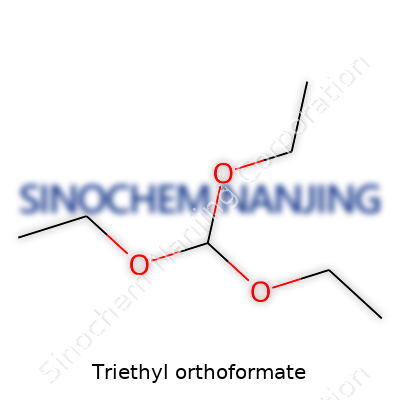
| Names | |
| Preferred IUPAC name | **Ethyl orthoformate** |
| Other names |
TEOF Triethoxymethane Formic acid triethyl ortho ester Ethyl orthoformate |
| Pronunciation | /traɪˈɛθ.ɪl ˌɔːr.θəˈfɔːr.meɪt/ |
| Identifiers | |
| CAS Number | 122-51-0 |
| Beilstein Reference | 635873 |
| ChEBI | CHEBI:39046 |
| ChEMBL | CHEMBL140906 |
| ChemSpider | 7753 |
| DrugBank | DB03531 |
| ECHA InfoCard | 11b632b8-c220-4b3b-9d3c-4edb8cdf2eb1 |
| EC Number | 203-743-0 |
| Gmelin Reference | 120093 |
| KEGG | C01734 |
| MeSH | D014276 |
| PubChem CID | 12321 |
| RTECS number | SY7170000 |
| UNII | 2K0SH3Y1FM |
| UN number | UN2524 |
| Properties | |
| Chemical formula | C7H16O3 |
| Molar mass | 162.23 g/mol |
| Appearance | Colorless transparent liquid |
| Odor | fruity |
| Density | 0.891 g/mL at 25 °C |
| Solubility in water | Soluble |
| log P | 0.98 |
| Vapor pressure | 6.3 mmHg (20 °C) |
| Acidity (pKa) | 12.7 |
| Basicity (pKb) | Triethyl Orthoformate does not have a defined pKb value as it is not a basic compound. |
| Magnetic susceptibility (χ) | -75.0e-6 cm³/mol |
| Refractive index (nD) | nD 1.383 |
| Viscosity | 2.17 mPa·s at 25 °C |
| Dipole moment | 1.21 D |
| Thermochemistry | |
| Std molar entropy (S⦵298) | 296.1 J·mol⁻¹·K⁻¹ |
| Std enthalpy of formation (ΔfH⦵298) | -667.7 kJ·mol⁻¹ |
| Std enthalpy of combustion (ΔcH⦵298) | –2095.7 kJ·mol⁻¹ |
| Pharmacology | |
| ATC code | Triethyl Orthoformate does not have an ATC code. |
| Hazards | |
| GHS labelling | GHS02, GHS07 |
| Pictograms | GHS02,GHS07 |
| Signal word | Danger |
| Hazard statements | H226, H302, H319, H335 |
| Precautionary statements | P210, P261, P280, P301+P312, P305+P351+P338, P370+P378 |
| NFPA 704 (fire diamond) | 1-3-0 |
| Flash point | 40 °C |
| Autoignition temperature | 225 °C |
| Explosive limits | Lower explosive limit: 1.5% Upper explosive limit: 9.5% |
| Lethal dose or concentration | LD50 oral, rat: 4,925 mg/kg |
| LD50 (median dose) | LD50 (oral, rat): 4,600 mg/kg |
| NIOSH | KL5775000 |
| REL (Recommended) | Recommended: ≤ 500 mL |
| IDLH (Immediate danger) | 200 ppm |
| Related compounds | |
| Related compounds |
Trimethyl orthoformate Triisopropyl orthoformate Diethyl ether Ethanol |



