Tetraethyltin: History, Science, and Path Ahead
Historical Development
Chemists in the late nineteenth century found themselves drawn to organotin compounds because of their promise in making unexplored chemical bonds and bringing new materials into the lab. Tetraethyltin, created by replacing the hydrogens on a tin center with ethyl groups, emerged soon after organotin chemistry took off. It started as a curiosity—something exotic. Early researchers noted how attaching carbon to a heavy atom like tin made molecules with unusual behaviors. The discovery became more than chemical play when the wider industrial world saw that such compounds could serve as intermediates in making plastics, pharmaceuticals, and as reagents for delicate lab syntheses. By the mid-20th century, commercial production methods matured, letting manufacturers refine processes for electronics and specialty polymers.
Product Overview
Tetraethyltin stands as a clear to pale, oily liquid with a distinctive, subtle odor. Most knuckle-deep in chemistry call it a convenient liquid source of organotin, easy to transport and dose, even for larger batch operations. Its main use cases land in serving as a precursor for making other tin-based compounds, acting as a transfer agent in specialty syntheses, and surfacing in electronic applications that require precisely doped materials. Some labs still reach for it, despite the long list of safety protocols, because it brings a stubborn tin-carbon bond to the bench—critical for some targeted routes that no other compound can accomplish as cleanly.
Physical & Chemical Properties
You will find tetraethyltin with a boiling point around 181°C, melting at about -112°C, and holding a density near 1.192 g/cm³ at room temperature. It does not dissolve in water but mixes well in organic solvents such as ether, benzene, or chloroform. Its relative stability at ambient conditions comes thanks to the strong carbon-tin bonds, but it reacts vigorously with powerful oxidizers and splits apart under sharper physical or chemical provocation. Many labs pay close attention to its volatility and vapor pressure, since spills and leaks can send toxic vapors into the air, especially as temperatures climb or ventilation slacks off.
Technical Specifications & Labeling
Suppliers ship tetraethyltin with detailed certificates that include purity levels, usually upwards of 98% by gas chromatography, maximum allowable water, and contaminants such as lead or other heavy metals. Containers carry hazard and precautionary labeling in line with GHS standards, showing skull-and-crossbones, acute toxic, and environmental hazard pictograms. Shipment documents warn recipients about the need for chemical fume hoods, use of double-gloving, and the immediate washing of spills with solvent and then soap and water. Many producers include batch numbers and traceable barcodes so customers can track exact manufacturing lots if purity issues or safety questions ever arise.
Preparation Method
Industrially, companies run Grignard reactions to put tetraethyltin together: Ethylmagnesium bromide reacts with tin(IV) chloride in anhydrous ether, forming the tin-ethyl bonds in a controlled stepwise fashion. The mixture produces magnesium salts as byproduct—filtered out, leaving behind the desired organotin oil. On smaller scales, chemists sometimes build tetraethyltin with direct alkylation routes, but the yields tend to drop off without strictly controlled moisture and oxygen-free environments. Producers focus on getting rid of unreacted starting materials, since these can poison catalysts in downstream processes or add toxic impurities.
Chemical Reactions & Modifications
In hands practiced with air-free techniques, tetraethyltin lends itself well to selective reactions. Chemists often use it for transalkylation to make organotin halides or for controlled oxidation, turning the ethyl tin moiety into new building blocks for pharmaceuticals or catalysts. The compound also reacts with halogens, acids, and organometallic species—each opening the door to derivatives needed in semiconductor processing or advanced material synthesis. It rarely acts well in water or in the presence of strong oxidizers, but other reagents can coax it into unique tin-containing polymers or complexes that conventional tin chlorides cannot reach.
Synonyms & Product Names
Tetraethyltin carries several alternate names: Tetraethylstannane, Stannane, tetraethyl-, or Ethyltin. You may find it catalogued under CAS number 597-64-8. Some commercial vendors refer to it by proprietary or abbreviated codes, though the IUPAC standard sits as tetraethyltin. Occasionally older texts use transliterations or regional spelling quirks, but they all point back to the same molecule at heart.
Safety & Operational Standards
Handling tetraethyltin is serious business. The compound brings acute toxicity, attacking the nervous system, liver, and kidneys with short-term or chronic exposure. Even a small spill in a poorly ventilated room can send enough vapor into the air to cause headaches, nausea, disorientation, or worse. Personal protective equipment, including chemical goggles and face shields, nitrile gloves, and full-length lab coats, are standard—alongside use of a chemical fume hood for all manipulations. Facilities storing large volumes install continuous vapor detection systems and maintain spill kits with adsorbents and neutralizers. OSHA and similar regulatory bodies set strict exposure limits, and regular staff training on spill drills and first aid remains non-negotiable. Medical surveillance might be routine for workers in plants handling metric tons annually.
Application Area
Electronics manufacturing claims much of tetraethyltin's market, particularly in chemical vapor deposition for thin film doping. Semiconductor makers value the compound because it brings tin into silicon structures at tightly controlled rates. Specialty plastics and polymer industries use it to generate heat- and light-stabilized products, skewing properties toward niche industrial or consumer roles. Chemical research makes use of tetraethyltin as a synthetic intermediate for medicinal chemistry and materials science, despite increasing pressure to use less toxic alternatives. The compound occasionally crops up in academic settings where fundamental research into main group chemistry breaks new ground for catalytic or photonic applications.
Research & Development
Recent R&D efforts steer toward making processing safer and lowering the environmental impact. More groups look into safer derivatives of tetraethyltin that deliver similar synthetic value with fewer health risks. New reactor designs and automation minimize direct human contact, and companies increasingly use real-time analytics to detect impurity spikes before shipping finished product. Instrumentation advances now allow for more precise vapor phase control in manufacturing, pushing the envelope on how thin, uniform, and controllable organotin-doped layers can become for demanding electronics. Meanwhile, academic research digs into the underlying toxicology and tries to map out ways to selectively break down or recycle waste streams containing tetraethyltin or its byproducts.
Toxicity Research
Scientists have dug deep into how tetraethyltin disrupts human biology. Animal models show neurotoxicity as a primary danger—symptoms include convulsions, respiratory difficulties, and organ shutdown at sub-gram exposures. Environmental scientists flag tetraethyltin as hazardous to aquatic life, warning that discharges can build up in water systems and harm more than just chemical plant workers. Regulations keep tightening on release thresholds, and companies fund studies to model the breakdown pathways and find whether bioremediation or chemical destruction approaches can neutralize its impact. Doctors stress immediate decontamination with soap and water upon skin contact and recommend that all exposures—even small ones—receive prompt medical evaluation.
Future Prospects
Organotin chemistry’s role in electronics and materials research looks far from over, but companies seeking safer replacements for tetraethyltin have their work cut out for them. Environmental and health rules will keep steering manufacturers toward greener processes, even if it means retooling syntheses or returning to costly batch testing. Automation might push human workers further from direct handling, and improved ventilation, sensors, and digital controls will shrink the margin for mistakes. Some see potential for biodegradable or short-lived tin intermediates based loosely on the tetraethyltin framework—hoping to get the same performance without the long-lived footprint. Academic research should keep leading the way, pushing boundaries on both safety and synthetic creativity—hinting that the next leap may come from tackling the compound’s risks at their chemical roots, not just controlling them at the door.
What is tetraethyltin used for?
The Role of Tetraethyltin in Modern Industry
Tetraethyltin looks almost unremarkable at first glance—just another clear, oily liquid with a tongue-twister of a name. Dig a little deeper and its role in modern technology becomes clear. Tetraethyltin, with its chemical formula Sn(C2H5)4, stands as a significant source of organic tin for many manufacturing processes.
The Semiconductor World and Tetraethyltin
Flip open any smartphone, peek inside the chips that power laptops or cars, and you start to appreciate what goes into keeping everything running. Engineers rely on materials like tetraethyltin to fine-tune the properties of certain electronic components. This compound helps deposit tin-based films onto silicon wafers, which form the backbone of integrated circuits. The reason industry sticks by it: the compound delivers a level of control and consistency that just can't be matched with older methods. Electronics makers leverage such precision in their quest for more powerful and compact devices.
More Than Just Electronics
Tetraethyltin doesn’t just sit around waiting for a call from the microchip factory. In labs that produce specialty chemicals, thin films, and nanomaterials, it pops up as a reagent and building block. Its ethyl groups let chemists create new molecules with properties tuned for cutting-edge applications. Organic tin compounds like this one support innovations in catalysis and materials science.
Safety and Environmental Concerns
Not all aspects of tetraethyltin paint such a rosy picture. Anyone who has spent time working in a chemical lab knows handling organotin compounds calls for caution. Tetraethyltin can break down into more reactive—and sometimes toxic—tin species. These breakdown products risk contaminating water or soil if accidents or improper disposal occur. Researchers have linked some organotin compounds to disruptions in aquatic life and, occasionally, human health. Workers in facilities that handle tetraethyltin rely heavily on protocols and personal protective equipment to stay safe. Companies focusing on greener chemistry research are already chasing less hazardous alternatives, looking to cut risks without sacrificing technological advances.
Balancing Need with Responsibility
Keeping pace with new technology often means managing new risks. Governments regulate tetraethyltin under chemical safety and occupational health laws. Manufacturers design closed systems and invest in scrubbers, sensors, and staff training to cut exposure. Some regions hold stricter standards and track all organotin movement to cut environmental release.
People concerned about exposure tend to ask hard questions. What happens if a spill occurs? How does the industry track waste? Can alternatives keep up with what tetraethyltin delivers in high-tech settings? My own time spent consulting for electronics firms taught me few solutions last forever. With every new gadget launch, the pressure grows to develop better materials—smarter, safer, and more responsible.
The Path Forward
Tetraethyltin won't disappear tomorrow. Its value, particularly in precise applications like semiconductor manufacturing, runs deep. Still, the chemical industry thrives on discovery and adaptation. Researchers continue to push for alternatives that deliver on performance without carrying old hazards into the future. For now, the balance between innovation and safety shapes every decision about this tin-based building block. Good stewardship and ongoing vigilance can keep progress on the right track.
What are the safety precautions when handling tetraethyltin?
Recognizing the Risks
Tetraethyltin looks harmless at first glance—a clear, colorless liquid often used in chemical synthesis and the electronics industry. Not everyone knows this compound turns dangerous fast. Growing up in a community of agricultural workers, I saw what happens when people don’t pay close attention to chemical handling. The effects seep long after the bottle gets put away. For tetraethyltin, risks include inhalation toxicity, skin absorption, and the potential to release toxic fumes under heat or fire. Reports from the National Institute for Occupational Safety and Health tie exposure to nervous system effects and severe lung reactions. Just a few drops on the skin can cause irritation and, if you’re unlucky, something far worse internally.
Personal Protective Gear Isn’t Optional
Sometimes people shrug off gloves or eye protection as a hassle, but experience says otherwise. Gloves made of nitrile or butyl rubber form a real barrier. Lab coats and non-permeable aprons go a long way. Splashing a little tetraethyltin on your jeans can seem minor, and then two hours later you realize the burning feeling means damage you can’t take back. Splash goggles prevent permanent eye injuries. A proper chemical fume hood is the difference between an ordinary day and a health emergency. Relying on cracked windows or open doors invites accidents; ventilation systems should be checked and double checked every morning.
Clear Procedures Beat Guesswork
Familiarity breeds carelessness, and skipping safety steps leads to mistakes. Training doesn’t end after the first week. Regular drills and refresher sessions keep everyone sharp. Knowing emergency exits, eye wash station locations, and spill control kits by heart matters more than memorizing the chemical’s formula. Keeping Safety Data Sheets on hand turns confusion into control when something spills. Supervisors who walk through the workspace spot hazards nobody noticed at the start of the shift. After an accident at another plant, one friend told me he would never again let anyone work alone with dangerous chemicals. That rule saves lives.
Disposal and Storage Protect Community Health
Pouring leftovers down the drain, tossing solvent-soaked rags in the trash, or leaving open containers around has poisoned more than one local groundwater supply. Tetraethyltin needs storage in tightly sealed, clearly labeled containers far from heat sources. Flammable safety cabinets aren’t just for show. Waste collection programs give workers a way to do the right thing without improvising—because improvisation invites disaster. In my town, years of bad storage practices led to permanent bans on well water use. A few extra minutes keeping chemicals locked up and labeled can save an entire community untold grief.
Clean-Up Can’t Wait
Spills demand immediate attention. Rags won’t cut it; absorbent materials designed for chemical spills lock up the toxin so it doesn’t spread. Those cleanup supplies belong right within reach—under the bench, not in a locked office across the hallway. Once a spill gets cleaned, affected people need medical checks. Breathing issues or strange symptoms sometimes show up hours later, and nobody is too tough to skip a doctor visit. Every incident makes the next one less likely if lessons learned get put on the bulletin board and discussed.
Demanding Accountability
Regulation keeps everyone on the same page. Not all companies want to slow production down for safety, so outside audits push them to do right. Workers must feel empowered to speak up without fear, since nobody else is watching their back in the moment. If management isn’t taking chemical safety as seriously as profits, find a way to get someone’s attention—unions, safety committees, or local authorities.
What is the chemical formula and structure of tetraethyltin?
Understanding Tetraethyltin
Tetraethyltin catches attention not just in the chemical lab but also across industries dealing with organotin compounds. The formula, Sn(C2H5)4, says a lot at first glance. Four ethyl groups, each made of two carbons and five hydrogens, attach themselves to a single tin atom like spokes on a wheel. You can picture it as tin sitting at the center, hugging four organic arms. Chemists refer to this as a “tetrahedral” molecular shape, where every bond spreads out to minimize crowding—a bit like the legs of a stool pointing to four corners on the ground.
Why This Matters
A lot of people overlook these compounds as mere technical trivia, but the details of chemical structure play a big role in real-world use and impact. For starters, tetraethyltin’s structure explains why it turns up as a starting point for other chemicals. Ethyl groups don’t crowd one another, and the tin center stays reactive and ready for change. There’s less risk of surprise breakdown, so people in industry trust it for consistent results.
I've seen cases where not knowing structural details of organotin molecules led to real headaches. I recall a friend working in electronics manufacturing who learned through trial and error that contamination from organotin residues messes up semiconductor performance fast. The shape of tetraethyltin makes it fairly volatile, and that volatility can sneak it into places where minute traces cause big hassles.
Industry Applications and Concerns
Tetraethyltin finds its value mostly as an intermediate in making other tin compounds. Its ability to pass along ethyl groups helps shape more advanced materials for electronics, plastics, and specialty chemicals. The molecule doesn’t stick around in consumer goods for long, but handling it at the source demands close attention.
Toxicity stands out as a concern with tetraethyltin. Just a little exposure is enough to create problems for workers, since organotins can reach deep into biological systems. Multiple studies highlight nervous system effects, and long-term exposure may have broader health risks. Rigorous protocols for ventilation and personal protection help keep workplaces safer.
Encouraging Responsible Use
Every time a company selects tetraethyltin as a raw material, safety and environmental impact both land on the table. Safe chemical handling means treating structure as more than an academic subject. Knowing where every piece of the molecule might end up, and how easily those alkyl chains pass through air or water, shifts habits in research and on the shop floor.
Part of earning trust as a supplier or lab manager today means a willingness to talk openly about chemical risks as well as benefits. Sharing safety data, encouraging better training, and investing in waste management close gaps that once got overlooked too easily. Research into greener, less toxic organotin alternatives keeps growing, but for operations that still use tetraethyltin, small improvements in awareness and process discipline bring big health and environmental payoffs.
Looking Ahead
Familiarity with chemical structure turns out to be more than rote learning. In a world where molecules cross borders and boundaries with ease, every bit of shared understanding helps protect health and ecosystems. Tetraethyltin, with its signature formula and geometry, presents an opportunity to keep science practical, responsible, and always moving toward safer outcomes.
How should tetraethyltin be stored?
What’s at Stake With Tetraethyltin
Tetraethyltin barely registers on most people’s radar, but for folks working in labs or industrial settings, this chemical raises real questions around safety. It’s used in electronics and sometimes in chemical experiments. But, as someone who’s walked through a fair share of cramped research stockrooms, I’ve seen what happens when careful storage practices get skipped: leaks, fumes, even near-misses that put workers at risk. Tetraethyltin isn’t just another clear liquid. It can ignite, and it releases toxic vapors. It comes down to treating it less like a harmless bottle and more like a material that’s earned serious respect.
Choosing Strong Containers
Any old jar from the shelf won’t do. Tetraethyltin eats through soft plastics or brittle rubber seals. Stainless steel, glass with special chemical-resistant stoppers, and thick Teflon containers give the best results. After years of watching mismatched lids and recycled bottles fail in practice, I’m firm: match the right closure with the right bottle. That means laboratory-grade glass or stainless steel built for organic chemicals, free from tiny cracks where leaks can start.
A Cool, Dry Place Out of Sunlight
Chemicals like tetraethyltin react to heat and light. Store it somewhere cool—room temperature, but never near radiators, ovens, or sunlit windows. Humidity brings corrosion, so dry air matters, too. I once saw a container left on a window ledge “just for a minute” that warped over a summer morning. That sort of shortcut doesn’t end well. Keep the bottles off the ground, away from traffic in the room, and stacked only one layer high, so nothing breaks if a shelf wobbles.
Labeling Isn’t Just a Rule—It’s a Lifesaver
Too many people assume everyone else knows what’s in each bottle. Clear warnings, hazard symbols, and bold names stop accidents before they happen. After a minor spill in a school lab, caused by someone grabbing the wrong unlabeled container, I never trust plain tape and faded writing. Use chemical-resistant labels and check them during every inventory. Details on the label—date received, hazard category, emergency instructions—help during emergencies and when training new workers.
Avoiding Bad Company
Tetraethyltin doesn’t play well with some other chemicals. Don’t stash it beside oxidizers, acids, or sources of spark. Once, I watched a minor incident blossom into a major cleanup after incompatible chemicals were shelved together. By giving tetraethyltin its own metal or fireproof cabinet, the chances of a reaction during a building-wide emergency drop sharply. I like to see these cabinets locked, not only to avoid theft or misuse but to give a pause for thought before anyone grabs the bottle.
Training Makes the Difference
It’s tempting to treat chemical storage as an afterthought. In truth, no shelf, cabinet, or lock stands a chance if people don’t understand why steps matter. Training goes beyond once-a-year safety lectures. Remind coworkers often. Bring up any reports of leaks or near-misses in weekly meetings. Share stories. Just the memory of a close call from years ago keeps people thinking twice before skipping steps. Personal accountability turns a storage rule into a protective habit.
Regular Checks Beat Regret
Inspections catch problems early. I’ve seen experienced professionals find hidden leaks or corroded seals during quick monthly walk-throughs. Write down results, set reminders, and replace storage gear before it breaks. It’s a routine worth keeping, even when things seem quiet.
Bottom Line: Safety Starts With Simple Habits
All these steps aren’t about chasing endless regulations. They come from a place of care—protecting yourself, your co-workers, and anyone who might walk into your workspace. Handling tetraethyltin thoughtfully builds habits that pay off well beyond one bottle or one shift.
Is tetraethyltin hazardous to the environment or human health?
Understanding What’s at Stake
Tetraethyltin rarely pops up in everyday conversation, but its footprint reaches into a surprising number of industrial processes. Made by combining tin with ethyl groups, this chemical gets used to make other tin-based compounds, often in electronics and plastics. The fact that it usually stays behind the scenes doesn’t mean it poses no risk. The truth is, even low-visibility chemicals can leave a lasting mark where climate, water, and public health intersect.
Environmental Impact: Tiny Amounts, Big Trouble
I once worked near a plant that specialized in specialty chemicals, so I know all too well how waste management gaps can cause headaches for local communities. A few barrels out of line can trigger real anxiety, especially if runoff finds its way into creeks or groundwater. Tetraethyltin itself might not linger for years, but it doesn’t simply vanish. Water and sunlight break it down into tin-based compounds, some of which get a lot more toxic. Take tetraethyltin’s cousin, tetraethyltin chloride, or even organotins like tributyltin—these show up in studies on marine mammals and shellfish because they stubbornly resist breaking down and mess with reproduction in aquatic life.
Researchers track these compounds because once released, they travel. I’ve spoken with folks from fishing communities who worry about “chemical ghosts” drifting through water and winding up in the things they eat. Their concerns aren’t paranoia. Swedish scientists linked organotin exposure to shell deformities in snails. These are knock-on effects that ripple through food chains, and it’s tough to put a quick stop to the spread once it starts.
Risks to Human Health
It takes experience in both chemistry and community health to see the full picture. Tetraethyltin itself doesn’t end up on grocery shelves or in children’s drink bottles, but accidents happen in transport, storage, and waste handling. People who work around raw chemicals face the biggest risks. Breathing tetraethyltin vapors may bring on headaches, dizziness, and even nausea or shortness of breath. Long-term exposure to breakdown products like organotins can get nastier, targeting the immune system and even affecting hormone function.
A major challenge for medical professionals: toxic symptoms often hide behind ordinary complaints. Someone who comes down with respiratory trouble or skin rashes might not connect it to chemical exposure until it’s too late. Studies in laboratory animals suggest links to central nervous system effects, and that’s not the sort of thing you want to take lightly. Real-world cases remain rare, but the stakes are high enough to justify serious caution.
What Can Help: Prevention and Better Rules
Most industrial plants can do more to head off leaks, accidental spills, or unsafe disposal. During my time in manufacturing, simple steps saved a lot of grief—things like routine drum inspections and having clear plans for emergency containment. Strong rules matter, but so does a workplace culture that won’t cut corners to save a few minutes.
Public health agencies track tin compounds’ movement in air, water, and soil. Nobody wants to rely on cleanup after the damage is done. Clear labeling, staff training, and strict waste controls beat expensive remediation any day. Governments could tighten monitoring for both production sites and shipping routes. Technology exists to spot leaks early, and no amount of cost savings justifies sending more hazardous byproducts into rivers or neighborhoods.
Looking Ahead
Solving chemical hazards means facing up to uncomfortable truths—like the lingering effects of careless disposal and the gaps in workplace protections. Tetraethyltin probably won’t end up in a consumer recall headline, but its trail leads to real consequences for ecosystems and human health. If the last few years have taught us anything, it’s that ignoring those risks never pays off in the long run.
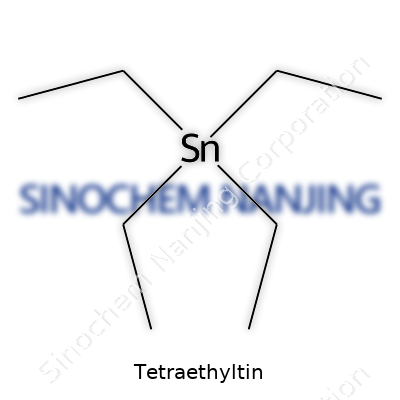
| Names | |
| Preferred IUPAC name | Tetraethylstannane |
| Other names |
Tetraethylstannane Tetraethyl tin Tetramethylstannane |
| Pronunciation | /ˌtɛtrəˈɛθaɪlˌtɪn/ |
| Identifiers | |
| CAS Number | 597-64-8 |
| Beilstein Reference | 1721449 |
| ChEBI | CHEBI:38761 |
| ChEMBL | CHEMBL572375 |
| ChemSpider | 16041 |
| DrugBank | DB01841 |
| ECHA InfoCard | 100.203.584 |
| EC Number | 214-857-4 |
| Gmelin Reference | Gm203552 |
| KEGG | C19754 |
| MeSH | D013735 |
| PubChem CID | 66202 |
| RTECS number | TY5776000 |
| UNII | 9M7B10D8H1 |
| UN number | UN1649 |
| Properties | |
| Chemical formula | C8H20Sn |
| Molar mass | 291.93 g/mol |
| Appearance | Colorless liquid |
| Odor | Odorless |
| Density | 1.092 g/cm3 |
| Solubility in water | Insoluble |
| log P | 2.89 |
| Vapor pressure | 0.54 mm Hg (20 °C) |
| Basicity (pKb) | No data |
| Magnetic susceptibility (χ) | -54.0×10⁻⁶ cm³/mol |
| Refractive index (nD) | 1.513 |
| Viscosity | 2.63 mPa·s (20 °C) |
| Dipole moment | 0 D |
| Thermochemistry | |
| Std molar entropy (S⦵298) | 354.7 J·mol⁻¹·K⁻¹ |
| Std enthalpy of formation (ΔfH⦵298) | -81.7 kJ/mol |
| Std enthalpy of combustion (ΔcH⦵298) | -6933 kJ·mol⁻¹ |
| Hazards | |
| GHS labelling | GHS02, GHS06 |
| Pictograms | GHS06,GHS08 |
| Signal word | Danger |
| Hazard statements | H228, H301, H311, H331, H373 |
| Precautionary statements | P210, P261, P280, P301+P310, P304+P340, P308+P311, P330, P370+P378 |
| NFPA 704 (fire diamond) | 2-4-3 |
| Flash point | 32 °C (90 °F; 305 K) |
| Autoignition temperature | 230 °C |
| Explosive limits | Explosive limits: 1.2–12% |
| Lethal dose or concentration | LD50 oral rat 132 mg/kg |
| LD50 (median dose) | 127 mg/kg (intraperitoneal, rat) |
| NIOSH | WE2625000 |
| PEL (Permissible) | 0.1 ppm |
| REL (Recommended) | 0.015 mg/m³ |
| IDLH (Immediate danger) | 200 mg/m3 |
| Related compounds | |
| Related compounds |
Tetraethyllead Tetraethylgermane Tetramethyltin |



