Tetraethyllead: Yesterday’s Solution, Today’s Caution
Historical Development
Tetraethyllead once turned the heads of every car manufacturer and fuel chemist. As early as the 1920s, General Motors researchers, hungry for a fix to engine knocking, landed on this four-carbon, lead-carrying molecule. Charles Kettering and Thomas Midgley Jr. pushed it into mainstream gasoline in a big way, arguing that its anti-knock properties offered drivers a smoother ride and more powerful engines. Gasoline laced with tetraethyllead shaped every corner of the motoring world through much of the 20th century. It brought about a wave in engine design, let higher compression ratios thrive, and for decades convinced industry that leaded fuels spelled progress. Even post-war, engineers doubled down rather than question health scares that trickled out of factories and city hospitals. By the 1970s, with worries about lead in children’s blood and street air, voices grew louder. Scientific panels pointed out that cities saw an explosion in neurodevelopmental delays. Regulators and automakers began the slow pivot away from the additive that made highways roar.
Product Overview
Despite the shadow it now casts, tetraethyllead found itself sold in small bottles and enormous drums throughout much of the twentieth century, destined mostly for gasoline blenders. In liquid form, it looked harmless—clear, oily, no wild color to hint at danger. Yet even a small mishap in refineries or transportation sometimes left workers sick or dead. Its intended role was narrow and specific: blend into fuel to stop engine knock, and enable smoother, higher-octane combustion. Suppliers tailored concentrations to different gasoline grades, but always warned of its potency, and distributors eventually had to maintain dedicated storage and handing standards. While some minor experimental uses existed in research labs and as chemical intermediates, road fuel dominated its application.
Physical & Chemical Properties
Tetraethyllead, with a molecular formula of Pb(C2H5)4 and a molecular weight hovering around 323 grams per mole, acts as a dense organic liquid. Its boiling point sits just above 200 degrees Celsius, but you can catch a whiff of its sweet odor far below that temperature. Insoluble in water but happy to dissolve in most organic solvents, it sneaks through oils and fuel mixtures with ease. Oiliness and volatility, combined with its colorless-to-pale-yellow appearance, made it easy to blend and difficult to spot as a contaminant. Given sunlight and air, tetraethyllead doesn’t just sit quietly—it breaks down and reacts, sometimes giving off toxic fumes, which complicated its storage and clean-up after spills. The compound’s high density left visible slicks on surfaces, and it clung stubbornly to skin, gloves, and containers without extra care in labs and fuel plants.
Technical Specifications & Labeling
Producers had to spell out details regarding concentration, purity, and storage conditions on every shipment. Labels flagged a lead content reaching 61-65 percent by mass. The product often carried warnings for flammability and acute toxicity. Guidelines insisted on air-tight, spill-proof packaging, clear hazard pictograms, and regulatory compliance marks, especially as environmental agencies worldwide ramped up scrutiny. Federal and state rules demanded paperwork tracing every kilogram from refinery to end use. Any complacency in handling got flagged in safety audits, not just as poor practice, but as a direct risk to human health and the local environment. Safety Data Sheets featured direct, blunt advice: avoid inhalation, prevent contact with skin and eyes, and call emergency services for exposures.
Preparation Method
Producing tetraethyllead called for skill, patience, and a kind of nerve. Industrial processes reacted ethyl chloride with a molten lead-sodium alloy inside pressurized vessels. Chemists bubbled ethyl chloride through the heated slurry, collecting tetraethyllead as it formed and separated from waste. Workers had to control every variable: temperature, pressure, flow rates of reactants. Even a brief misstep—say, a bit much ethyl chloride or a faulty pressure valve—risked runaway reactions or toxic leaks. Post-reaction, the mixture needed careful washing to pull out unreacted metals, before purification finishes in distillation columns. By the late 20th century, automation improved safety somewhat, but risks never fully disappeared. Every plant handling this chemistry maintained elaborate emergency plans and medical staff, especially once the full health effects of exposure became widely recognized.
Chemical Reactions & Modifications
Tetraethyllead boasts a unique structure: four ethyl groups secured to a single lead atom. This arrangement grants stability under ordinary storage but leaves it sensitive to certain conditions. Entry of air, light, or water can break it down, leading to ethyl radicals, lead oxides, and other organolead byproducts. In engines, high temperature and pressure spark rapid decomposition—turning the organic lead to inorganic lead salts that scatter through exhaust systems, spreading fine particles into city air. In labs, chemists sometimes modified it as a precursor for other organolead compounds, but these uses shrank quickly due to toxicity. Disposal, once a bland afterthought, now calls for oxidation or incineration under controlled conditions to destroy the molecule completely and capture the lead before it escapes.
Synonyms & Product Names
A parade of names trails after tetraethyllead, each reflecting industrial history. On manufacturing forms and scientific papers, you’ll see “tetraethyl plumbane”, “tetraethylplumbane”, and “TEL”. Product sheets from classic chemical suppliers listed it as “lead, tetraethyl-”, “ethyllead”, and “Plumboethyl”. In North America and Europe, distributors marked drums “ethyl lead (CAS 78-00-2)”, underscoring its legacy status as a toxic controlled substance. Military and aviation fuel blenders sometimes gave house names or coded blends, hardly hiding the same active material. ‘TEL’ stuck as the everyday shorthand among chemists and pump operators alike, even after regulation banished it from public use.
Safety & Operational Standards
Few industrial chemicals demanded more respect in day-to-day operations. Even by mid-century, companies running TEL-blending facilities knew of the acute risks: tremors, hallucinations, violent outbursts, all tied to nerve damage from even modest exposures. Safety gear—sealed gloves, full-face respirators, ventilation hoods—became standard. Facilities trained teams for fast clean-up and medical intervention. Modern standards require double containment, round-the-clock monitoring for leaks, strict access protocols, and medical screening for workers. Requirements for environmental monitoring at plant boundaries grew ever more intense, especially as studies began to show lead contamination in soil nearby. Emergency plans detailed not just standard fires or spills, but psychological support for workers accidentally poisoned. Operations now hinge on strict regulatory oversight, continuous education, and a transparent track record of incidents and remediation.
Application Area
Gasoline found its octane-star in tetraethyllead for most of the 20th century. Refineries considered it the surest route to stable, knock-resistant fuel, while race teams loved the performance edge. Beyond cars, leaded fuels filled the tanks of propeller-driven aircraft and military vehicles, which stuck with the additive even as cars phased it out. Some industrial engines—off-grid generators, high-performance machinery—got hooked as well. Research laboratories, chasing organometallic chemistry challenges, dabbled briefly but moved on as safer alternatives arrived. These legacy uses leave a surprising footprint today: classic car lovers, piston aircraft fleets, and old infrastructure needing careful cleanup.
Research & Development
The race to improve engine performance inspired a flurry of studies into how exactly tetraethyllead worked in combustion chambers. Early researchers mapped the anti-knock effect, tested blends with other additives, and sought ways to limit dangerous deposits in exhaust systems. Only decades later did the tide shift, as public health, environmental, and occupational medicine experts took center stage. Labs measured lead blood levels in urban populations, tracked dust and soil contamination, and developed air-monitoring techniques built around TEL and its residues. This research forced politicians and automakers to look for unleaded alternatives—at first with reluctance, later with real urgency. Scientists then got busy studying catalysts that could tolerate unleaded gasoline, folding their work directly into catalytic converter technology that’s now a staple of modern vehicles. Every new unleaded gasoline formula owes a debt to these long years wrestling with tetraethyllead’s legacy.
Toxicity Research
No one can talk about tetraethyllead without confronting what it did to workers, families, and city dwellers. Inhaled or absorbed through the skin, the compound turned into free lead ions inside the body, latching onto vital proteins and enzymes, especially in the brain and nervous system. Toxicologists saw a nightmare: intellectual deficits, behavioral problems, and physical disorders in children exposed to city air or household dust. Factory employees fared worst—cases of hallucinations, paralysis, and death at rates shocking even by mid-century chemical industry standards. Modern research uses biomarkers to track exposure and effects, correlating falling air and blood lead levels with improved health and cognitive outcomes in populations after bans. Epidemiologists still estimate that millions of IQ points and thousands of premature deaths tie directly to decades of tetraethyllead use. Cleaning up contaminated sites takes generations and billions of dollars, reminding every new chemist that economic miracles often demand a steeper price down the line.
Future Prospects
Bans on leaded gasoline were only the beginning. Tetraethyllead lingers in soils, sediment, and the nooks of old machinery. Governments monitor remaining sources—mostly aviation gasoline and some industrial applications—pressured by environmental groups and the best evidence from pediatric health. International treaties, like the Minamata Convention, press nations to phase out organolead chemicals completely, pushing research into substitutes for even the last niche use. Cleanup of legacy contamination continues in cities worldwide, with health agencies ramping up education and early intervention for affected communities. Chemical manufacturers invest more in green chemistry initiatives and alternative additive development, seeing both legal and image risks in touching TEL again. Each new generation learns the same lesson: short-term convenience rarely brings long-term safety, and science must find not just clever fixes for industry, but protections for everyone exposed to their byproducts.
What is tetraethyllead and how is it used?
Understanding Tetraethyllead’s Role
Tetraethyllead landed in gas tanks back in the 1920s, pitched as a fix for “knocking” in car engines. Knocking rattles engines and shortens their life, so car makers rushed to put this chemical into gasoline. This additive boosted fuel’s octane, letting engines pump out more power. For a time, it felt like progress. Neighborhoods thrummed with louder engines, long road trips grew common, airplanes flew farther, and oil companies enjoyed wider profit margins. In the rush to modernize, barely anyone stopped to check what this clear liquid did outside a test lab.
Real-Life Risks: From Factory Floor to Front Porch
Factories that mixed tetraethyllead saw poisoning show up first. Workers staggered and suffered tremors. Too often, doctors missed the mark, treating symptoms and ignoring the root cause. By the 1950s and 60s, scientists started noticing that children living near busy roads struggled in school and seemed sicker. Years later, research confirmed these suspicions. Even tiny doses of lead—from tailpipes, dust in yards, water running down gutters—slowed brain development. Grocery clerks, bus drivers, teachers, and engineers all took these risks home.
Why Lead in Gas Hit Hardest in Some Places
Cities clogged with cars and poor ventilation felt the sting the worst. In places where fuel standards moved slowly, lead levels in the air and soil stayed higher for decades. Schoolyards dusted with fumes became risky playgrounds. Poverty made things worse; old homes with lead paint and floors close to noisy roads turned into traps for the youngest kids. Not everyone had the power to move to cleaner neighborhoods or buy water filters.
Solutions We’ve Tried, and Where We Stumbled
Pressure from health experts, teachers, and local communities rose year after year. By the 1970s in the United States, and later elsewhere, regulators started phasing out leaded gasoline. People who grew up near highways in the 70s or 80s often remember public information campaigns with catchy jingles, and later, the slow march of new “unleaded” pumps at gas stations. Refineries spent millions building new equipment to swap old chemistry for safer additives. Still, that grinding, mid-century campaign left behind a mess. Lead particles stay in soil for generations, and decades later, houses built before the ban can leach dust into homes.
What Lasts After Tetraethyllead
Looking back, it’s clear how chasing short-term engine performance crowded out concerns for kid’s health and clean air. Science, when supported by honest reporting and lived experience, made all the difference. Moving forward, independent checks, community involvement, and global cooperation keep us from repeating old mistakes. No product—no matter how clever or profitable—should get a free pass when lives are at stake.
Taking Real Steps: What’s Next
Removing old fuel tanks and decontaminating soil around highways and schools helps cut down long-term risks. Doctors and teachers now get more training on the signs of lead exposure. Laws today set tighter limits on chemicals in fuels, water, and paint. Sharing information across borders, especially with lower-income countries, keeps people informed. Growing up with cleaner air starts with decisions guided by health, not quick sales.
Is tetraethyllead toxic to humans or the environment?
Tetraethyllead: A Risk Hidden in Plain Sight
Tetraethyllead, or TEL for short, doesn’t pop up much in daily conversation. Still, its reputation means plenty to anyone who cares about clean air, healthy kids, or the safety of our neighborhoods. This colorless liquid once meant faster, cheaper fuel for cars and trucks, so companies mixed it into gasoline for decades. Nobody realized—or maybe just didn’t want to see—how far the damage could reach.
The Human Cost of Faster-Paced Roads
Growing up not far from a highway meant the smell of exhaust wasn’t rare. Nobody saw the invisible threat drifting from car tailpipes or settling on playground sand. Studies show children in cities where leaded gasoline saw years of higher crime rates, poorer school performance, and more health problems. The CDC and World Health Organization both count lead as a neurotoxin which harms the brain and nerves, especially for children. There’s no safe amount. Even tiny amounts affect learning, attention, and growth for young kids.
Doctors started piecing it all together: families living close to busy streets or toxic spills all showed higher levels of lead in their blood. Families started fighting back, pushing for cleaner options at gas stations and real accountability from industries making huge profits.
Tracing the Fallout in the Environment
What cars burned, the skies received. TEL doesn’t just sit quietly in fuels—it follows every puff behind a tailpipe, every drop leaking on a garage floor. That lead dust settles into soil for decades. Kids dig and play in yard dirt, tracking it indoors. Rain carries it into streams where animals drink and fish swim. Scientists working in cities from New York to Delhi found much higher lead in urban soils years after switching to unleaded fuel.
Lead will not break down or disappear naturally. Trees, worms, birds, and even the food grown near busy roads takes in some of that leftover lead. Livestock show signs of poisoning, affecting the food chain right up to our plates. One paper in Environmental Health Perspectives showed children in urban areas still carry lead from soil even after decades without leaded gasoline.
Moving Forward: Solutions That Work
People made TEL the norm, but we can move the world in another direction. The fastest change so far came from banning lead from gasoline. Almost every country agreed over recent decades, leading to sharp drops in blood lead levels. The United Nations Environment Programme pushed governments to act when science and community voices lined up. The United States, for example, saw the average child’s blood lead fall by more than 90% since the 1970s. That equates to healthier lives, better grades, and safer neighborhoods.
Cleaning up still requires tough, long-haul work. City planners and engineers can dig out soil around playgrounds and schools, swap it with clean earth, and test regularly. Educators can help parents understand the risks hiding in old paint and dust. Health centers can run free lead screenings for children in at-risk neighborhoods, pushing for early detection so nobody falls through the cracks.
Protecting Future Generations
No shortcuts exist on the road to a lead-free world. Governments, families, and businesses can stay alert. Strong rules, honest testing, and real support for those affected matter most. Tetraethyllead might have built the highway age, but it carried a cost we don't need again. Our health, and the land beneath our feet, deserve far better than history’s mistakes.
Why was tetraethyllead added to gasoline?
A Look Back at Cars and Chemistry
Gasoline engines in the early 1900s ran rough. Drivers dealt with knocking, an annoying rattling sound coming from the engine when fuel burnt unevenly. Call it a mix of bad fuel, crude technology, and rapid growth in car use. Mechanics tried fixes, but the problem kept eating up engines and making drives less reliable.
Engine knock wasn't just a noisy inconvenience. Prolonged knocking cracked pistons, wore down valves, and put entire engines in jeopardy. This meant cars lasted less, broke down often, and sometimes left people stranded. Until the knock issue got sorted, there was no point pushing for stronger, more efficient engines. The problem showed up as people started demanding faster and more powerful cars.
General Motors Turns to Chemistry
General Motors chemist Thomas Midgley Jr. spent months testing compounds, mixing fuels, and sometimes risking personal health. He sniffed and handled everything from aniline to alcohol with gasoline, looking for something to smooth combustion. His search settled on tetraethyllead, which did the job: it stopped knock cold.
Adding a splash of tetraethyllead worked basic magic. It let engines run at higher compression, which produced more power and squeezed out more miles per gallon. This led to zippier cars, longer engine life, and a boost for the auto industry just as Americans started traveling around towns and across states.
Big fuel companies adopted tetraethyllead right away. Shell, Esso, and others saw a windfall. Not only did they get to charge extra for ‘Ethyl’ gas, but they also could keep using cheaper, low-grade gasoline and still deliver high-performance fuel. Adding tetraethyllead became a standard fix, and pretty soon most cars relied on it.
Forgot the Health Risks
Problems showed up soon after tetraethyllead became common. Factory workers in lead processing plants suffered from tremors, hallucinations, and, sometimes, death. Pediatricians started seeing kids with odd symptoms in big cities. For decades, most companies and regulators brushed off these warnings or tried to downplay them.
Lead doesn’t just vanish after combustion. It floats out the tailpipe and settles in the air, on playgrounds, and sometimes right into people. Children’s bodies pick up lead faster, which can affect brain development and behavior. The U.S. CDC found in the 1970s that a huge percentage of American kids had elevated lead levels in their blood, with sharp spikes near highways and cities.
Doctors, environmental scientists, and advocacy groups worked hard to gather public attention and push for a ban. By the mid-1980s, regulations made leaded gasoline almost extinct in the U.S. Cleaner air, fewer health problems, and smarter engines using unleaded gas followed.
Lessons for Now
The tetraethyllead story shows technology choices sometimes fix one problem and start another. The search for short-term solutions—like making cars run smoother or more powerful—can bring long-term costs if health and safety get ignored. Being skeptical, asking questions, and demanding answers from both industry and government help keep dangerous ideas from spreading.
Alternative fuels, electric vehicles, and improved emission controls offer today’s answers. Trust in experience, not just quick fixes. Regulators, scientists, and car makers need to stay open about risks and ready to try safer options right from the start.
What are the health effects of exposure to tetraethyllead?
Understanding Tetraethyllead and Its Dangers
Fuel used to carry a substance called tetraethyllead—a chemical that sounds like a mouthful but created big problems for millions. This compound went into gasoline for decades, boosting engine performance. Companies behind the push swore by its benefits, but the science on its health risks was clear even as far back as the 1920s.
The biggest danger of tetraethyllead is how the body reacts to it. Think about the nervous system—the wiring that lets people think, move, and feel. Lead attacks those wires. Children bear the greatest risk. Even low levels of exposure can shrink IQ, increase the risk of learning differences, and stir up behavioral problems. I remember covering stories where kids in neighborhoods close to highways struggled in school, and the link to airborne lead wasn’t hidden. Adults also get hurt: kidneys, blood pressure, even fertility can take a hit. Decades after leaded gasoline vanished from gas stations, medical journals still point to long-term lead exposure as a reason for higher rates of heart attack, stroke, and cognitive decline in older adults.
The Invisible Cloud
During its reign, cars and trucks spewed fine lead particles into the air. Those dust particles turned playgrounds and front yards into quiet hazards. A healthy adult body can cope with small insults over time, but lead is sneaky. It builds up in bones and organs, acting as a ticking time bomb. You won’t always notice symptoms until years later, by which point even chelation therapy can’t turn back the clock.
This chemical hurt more than just health. The cost showed up in special education budgets, medical bills, and untapped human potential. The World Health Organization and the CDC agree: no level of lead exposure is truly safe, especially for growing kids. Even a few micrograms per deciliter in the blood can carve out real differences in performance and well-being throughout a lifetime. Lead got into the air, the soil, the food grown on that soil, and even the water kids drank after lead paint and pipes added to the mix.
Real Actions That Matter
Some countries waited too long before banning tetraethyllead. The U.S. phased it out of regular gasoline by 1996, but some places lagged behind by decades. I saw parents fight for soil testing in their communities and watched advocacy groups push governments to act faster. Those fights paid off. Blood lead levels in children dropped dramatically after the bans kicked in, according to the CDC.
There’s more work to do. Soil in inner cities still carries an old legacy. Schools and homeowners have learned to ask for testing before planting a vegetable garden or starting renovations. Doctors keep screening at-risk kids for lead, catching exposure before it grows worse. It makes sense to stay focused on removing leftover sources of lead, whether from shaky pipes or peeling paint, especially in places where kids play. Supporting cleanup programs and health monitoring keeps neighborhoods safer, even long after the tailpipe smoke has cleared.
Tetraethyllead holds an important lesson: chemicals once thought necessary can outstay their welcome and damage health in ways no one can ignore. Cleaning up the mess and keeping strict standards isn’t just about following rules—it’s about protecting brains, hopes, and futures.
Is tetraethyllead still used today or has it been banned?
Looking Back: Why People Used Tetraethyllead
Tetraethyllead (TEL) used to play a big role in cars and planes. Adding it to gasoline let engines run smoother and last longer. In the 1920s, car makers and fuel companies called this stuff a modern miracle because it stopped knocking and boosted power. Back then, nobody really paid attention to health or the environment.
The Health and Environmental Wake-Up Call
Trouble started showing up fast. Kids near factories making or using TEL showed clear signs of lead poisoning. Scientists warned about brain damage, learning problems, and higher risk of heart attacks. By the 1970s, deep concern grew over soaring lead pollution in cities. Blood lead levels in American children climbed higher every year. The fact is, there’s no safe level of lead in the human body.
Moving Toward Lead-Free Fuels
Countries pushed hard to get TEL out of gasoline after a pile of health studies sounded the alarm. The US Environmental Protection Agency kicked off a phase-out in the 1970s, and car makers designed new engines that ran on unleaded fuel. Most of Europe, Canada, Japan, and many other countries did the same. In some places, unleaded gas became the only choice at the pump by the late '90s.
Does Anybody Still Use Tetraethyllead?
Almost every country banned TEL in gasoline. One exception stuck out for a long time—Algeria—where old refineries kept using it. In 2021, even Algeria stopped using leaded gas, closing out a century of pollution. Now, TEL in road fuel sits in the history books.
A few corners remain where this chemical lingers. Aviation fuel for small piston-engine planes still contains TEL in most countries. These older aircraft engines need lead to avoid knocking because nobody built enough unleaded alternatives. Leaded avgas can harm pilots, mechanics, and communities near airports. The fumes end up in soil and air.
Why Has TEL Hung Around in Aviation?
Switching from leaded to unleaded avgas isn’t simple. Unlike cars, many small plane engines need TEL to avoid losing power or suffering damage. Aircraft owners worry about parts failing, and replacing or redesigning engines isn’t cheap. Avgas sales don’t move millions of barrels every day like car fuel, so big oil companies hesitate to invest in new refineries or additives.
Progress, But Challenges Remain
Pressure keeps building to remove lead from every fuel. Groups like the US Federal Aviation Administration and environmental clean air organizations are pushing for unleaded avgas. A few airports already swapped over. Companies are testing unleaded blends that work with older engines. Pilots, mechanics, fuel makers, and regulators all need to work together to make this switch happen safely.
Looking Forward: Solutions in Sight
There’s a strong case for getting rid of the last bit of TEL. Decades of studies link high lead levels to lower IQ and shorter lifespans in children. Banning TEL in gasoline already slashed blood lead across many countries. Aviation fuel is now one of the final sources people can control. Solutions lie in developing drop-in unleaded avgas, supporting engine retrofits, and speeding up regulatory approval for new fuels.
Nobody misses TEL in car fuel today. With a bit more teamwork, cleaner skies sit within reach for everyone—on the road and in the air.
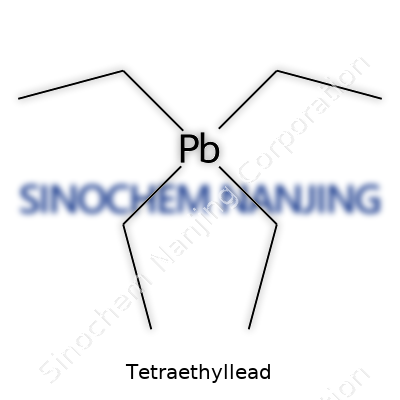
| Names | |
| Preferred IUPAC name | tetraethylplumbane |
| Other names |
Lead tetraethyl TEL Tetraethyl plumbane Plumbane, tetraethyl- Tetraethylplumbane |
| Pronunciation | /ˌtɛtrəˈɛθaɪlˌlɛd/ |
| Identifiers | |
| CAS Number | 78-00-2 |
| Beilstein Reference | 1465061 |
| ChEBI | CHEBI:35056 |
| ChEMBL | CHEMBL1082 |
| ChemSpider | 5461 |
| DrugBank | DB01154 |
| ECHA InfoCard | ECHA InfoCard: 100.004.241 |
| EC Number | 201-075-4 |
| Gmelin Reference | 67135 |
| KEGG | C01772 |
| MeSH | D013743 |
| PubChem CID | 6538 |
| RTECS number | OV9625000 |
| UNII | V7VZ0X3ET8 |
| UN number | UN1649 |
| Properties | |
| Chemical formula | C8H20Pb |
| Molar mass | 323.444 g/mol |
| Appearance | Colorless oily liquid |
| Odor | Faint sweetish odor |
| Density | 1.653 g/cm³ |
| Solubility in water | Insoluble |
| log P | 3.98 |
| Vapor pressure | 0.2 mmHg (20°C) |
| Acidity (pKa) | -0.4 |
| Basicity (pKb) | 6.27 |
| Magnetic susceptibility (χ) | -42.5·10⁻⁶ cm³/mol |
| Refractive index (nD) | 1.508 |
| Viscosity | 0.662 mPa·s (25 °C) |
| Dipole moment | 0.00 D |
| Thermochemistry | |
| Std molar entropy (S⦵298) | 504.6 J·mol⁻¹·K⁻¹ |
| Std enthalpy of formation (ΔfH⦵298) | -17.3 kJ/mol |
| Std enthalpy of combustion (ΔcH⦵298) | -12,150.0 kJ·mol⁻¹ |
| Pharmacology | |
| ATC code | T4DC000000 |
| Hazards | |
| GHS labelling | GHS02, GHS06, GHS08 |
| Pictograms | GHS02,GHS06,GHS08 |
| Signal word | Danger |
| Hazard statements | H300 + H310 + H330, H373, H410 |
| Precautionary statements | P260, P262, P264, P270, P271, P273, P280, P301+P310, P302+P350, P304+P340, P308+P311, P314, P320, P330, P391, P403+P233, P405, P501 |
| NFPA 704 (fire diamond) | Health: 4, Flammability: 4, Instability: 2, Special: -- |
| Flash point | Flash point: 93 °C |
| Autoignition temperature | 440 °C |
| Explosive limits | 1.45–11% |
| Lethal dose or concentration | LD50 oral rat 500 mg/kg |
| LD50 (median dose) | LD50 10 mg/kg (oral, rat) |
| NIOSH | TT4550000 |
| PEL (Permissible) | 0.075 mg/m³ |
| REL (Recommended) | 0.1 mg/m³ |
| IDLH (Immediate danger) | 40 mg/m3 |
| Related compounds | |
| Related compounds |
Plumbocene Tetramethyllead |



