Tert-Butyl Acrylate: A Deep Dive into a Versatile Chemical and its Real-World Impact
Historical Development
Tert-Butyl acrylate didn't spring from nowhere. The roots of this compound trace back to the boom of polymer chemistry during the mid-20th century. The industry started shifting from natural to synthetic materials, with researchers zeroing in on new acrylates that could deliver unique properties in plastics, paints, and adhesives. Interest in tert-butyl acrylate grew out of a demand for molecules that combined reactivity with enough bulkiness to tweak polymer flexibility and resistance. Today, this substance gets a nod in almost every conversation about advanced acrylate monomers, showing just how far simple ideas can reach after decades of chemical hustle.
Product Overview
Tert-butyl acrylate comes off as less flashy than some designer chemicals, yet it plays a key role in the daily business of coatings, adhesives, and specialty plastics. It contains an acrylate group attached to a bulky tert-butyl fragment. The arrangement gives it properties that set it apart from run-of-the-mill acrylates—chemists count on it as a workhorse in resin systems needing both flexibility and good weather resistance. Plenty of effort goes into designing products around this molecule mainly because it meets real-world demands in industries that need reliability against heat, water, and time.
Physical & Chemical Properties
Walk into any chemical plant where tert-butyl acrylate is used, and you’ll get a sense of its importance by how staff treat it. In its pure form, this acrylate appears as a colorless, oily liquid. It has a noticeable odor, a boiling point that lets manufacturers work with it without excessive energy input, and a volatility that must be respected for safety reasons. On the molecular level, the main draw comes from that unguarded double bond in the acrylate section, giving it the ability to jump into polymerization and crosslinking reactions. The tert-butyl group shields the structure from wild side reactions, which helps build polymers that resist degradation.
Technical Specifications & Labeling
Industry folk don’t cut corners with the specifications of tert-butyl acrylate. Purity often hovers above 99 percent to guarantee predictable performance in copolymerization. Impurities like inhibitors get monitored closely, mainly to avoid runaway reactions, because polymerization can go off the rails fast without them. Labeling spells out those inhibitor concentrations and physical hazards because this isn’t a compound where guesswork flies: clear standards from sources such as the Globally Harmonized System keep shippers and processors on the right track. From my experience, ignoring these details can lead to costly plant downtimes and scrapped product lots—a lesson learned the hard way across the industry.
Preparation Method
Producers make tert-butyl acrylate using esterification. Usually, acrylic acid and tert-butanol react in the presence of a strong acid catalyst. Tight control of temperatures and mixing prevents unwanted byproducts. Early efforts used simple glass reactors, but today’s setups run on digital controls, tracking not just temperature and agitation but also the purity of patients and reactants to squeeze out every drop from each run. Crude product doesn’t leave the floor unrefined; repeated distillation and careful inhibitor addition round out the process. Companies constantly tweak reaction conditions, searching for higher yields while minimizing waste and energy costs.
Chemical Reactions & Modifications
Tert-butyl acrylate’s biggest moments come in chain-growth polymerization, where it teams up with other acrylates or methacrylates. Stir it with the right initiators, and it races to form block and random copolymers prized in specialty coatings and adhesives. Its structure allows for further functionalization, such as introducing crosslinkers or creating tougher, impact-resistant plastics. Functional group transformations, such as hydrolysis to acrylic acid, hold particular value in the lab, especially when making pH-responsive polymers or using the tert-butyl group as a temporary protecting handle.
Synonyms & Product Names
Anyone who steps into the procurement side encounters tert-butyl acrylate under several names, thanks to decades of regional and commercial branding. Its most common synonym runs as TBA or tert-butyl 2-propenoate—these names often show up in supply chain listings and scientific publications. Sometimes, you’ll catch it under less formal tags, depending on supplier or brand, but the underlying chemistry remains a constant. This variation often leads to confusion at the receiving dock, especially with similar-sounding acrylates, so those in charge learn to double-check documentation before moving batches to production.
Safety & Operational Standards
Working with tert-butyl acrylate calls for respect. The material vaporizes enough to demand good ventilation, and it’s flammable, making open flames a no-go. Skin or eye contact leaves a mark—sometimes literally—so gloves, goggles, and standard chemical PPE line every entry point to the plant floor. Inhalation gets more than a warning: management enforces regular training so nobody ends up in the sick bay or filing incident reports over careless handling. Spill response and fire drills become monthly rituals anywhere this acrylate features in the process. Transport requires adherence to international regulations that limit risk on the road or during customs checks. Any shortcut here tends to show up in plant safety audits, and the industry’s track record improves only when workers and managers keep up rigid discipline.
Application Area
The reach of tert-butyl acrylate covers paints, adhesives, plastics, and even biomedical coatings. Its flexibility and resistance properties drive demand in automotive and construction paints, where surfaces face time in the sun and abrasive conditions. In adhesives, the compound helps form bonds that stay strong under fluctuating temperatures, something I’ve seen first-hand in everything from consumer tapes to industrial joints. Beyond these, research teams chase after applications in contact lenses and hydrogels, capitalizing on its biocompatibility and ability to tailor material performance. Market demand rises or falls based on larger trends in manufacturing and regulation, but strong core uses keep this monomer on order lists even in lean years.
Research & Development
Labs worldwide look for new tricks with tert-butyl acrylate, not only to make better products but to meet stricter environmental and performance standards. Scientists blend it with other monomers to create waterborne resins, low-VOC coatings, and plastics that defy weathering. Research into controlled polymerization, like RAFT and ATRP, opens up avenues for polymers with custom architectures. Biomedical researchers dig into its performance in drug delivery systems and scaffold materials. Investment in these R&D efforts reflects manufacturers’ need to pivot quickly when regulations shift or new competitors appear; slow movers risk being edged out by innovation.
Toxicity Research
Product safety stretches beyond standard gloves and goggles. Toxicologists have mapped out how tert-butyl acrylate affects people who work with or live near it. Direct exposure causes irritation or burns, and accidental ingestion demands immediate medical attention. Animal studies highlight limits on how much is safe in air or water, and regulatory agencies continue watching emissions and worker exposure. Even trace levels escape from factory sites, pushing companies to monitor air and wastewater closely. Industry veterans have seen cases where lax monitoring resulted in plant shutdowns, costly remediation, or legal suits. Community engagement and transparency about environmental performance stand as must-haves for any business that wants to keep its license and public trust.
Future Prospects
Market analysts write reports every year trying to forecast what’s next for tert-butyl acrylate. Trends point to steady growth, mostly due to urbanization and increasing demand for better coatings, lighter plastics, and longer-lasting adhesives. Regulatory challenges loom, especially as limits tighten on volatile organics and emissions from chemical plants. Players staying in the game must push for green manufacturing—cleaner catalysts, better containment, waste minimization, and safer alternatives. The next wave may arrive through bio-based acrylate syntheses or recycling-focused approaches, as pressure mounts to align chemical manufacturing with climate and sustainability goals. Companies willing to invest in new technology and tighter standards will likely shape the story of tert-butyl acrylate for the next generation.
What are the main applications of Tert-Butyl Acrylate?
Digging Into Real Uses
Tert-Butyl Acrylate doesn’t exactly roll off the tongue, but this compound works hard behind the scenes in plenty of products we use daily. It’s a liquid with a strong, distinct smell, and it packs a punch as a building block in the world of chemistry. I’ve seen it pop up again and again in both the lab and in factories. It’s part of what keeps industries moving forward, especially those working with resins, paints, and plastics.
Modern Paints and Coatings
Walk through any hardware store, and you’ll find walls lined with cans of paints and varnishes. Many of these coatings need to stay tough and weather-resistant. Here’s where tert-butyl acrylate earns its keep. Manufacturers use it to create copolymers, which improve scratch resistance in automotive finishes and home paints. It lets water-based paints dry faster and last longer—qualities that make a real difference for anyone sick of their porch paint peeling after only a year.
Adhesives That Actually Stick
There’s nothing more frustrating than a glue that peels off with the slightest tug. Strong adhesives give us confidence that our phone screens or footwear won’t fall apart. Tert-butyl acrylate steps in to improve flexibility and bond strength in pressure-sensitive adhesives. From labels that stay stuck on soda bottles to the tapes used on construction sites, it’s an ingredient helping adhesives tackle all sorts of jobs.
Advanced Plastics and Polymers
Manufacturers lean on tert-butyl acrylate to fine-tune the properties of plastics. In my experience working with engineers, they often need a polymer blend that performs in extreme temperatures or high-traffic environments. Adding this acrylate makes plastics softer, easier to process, and less brittle. Medical device makers turn to it for tubing, IV bags, and other flexible medical gear. In these cases, patient safety and comfort stay at the forefront.
Textiles and Leather Finishes
The upholstery in cars, as well as synthetic leathers for handbags or shoes, benefit from tert-butyl acrylate. It helps improve the surface feel and durability of these materials. It means your new sneakers look fresh longer, and the fabric in your car seats resists stains and daily wear. Textile companies keep using it to meet ever-stricter regulations while also making products that last.
Water Treatment and Specialty Uses
Tert-butyl acrylate isn’t just about consumer goods. Water treatment plants use specialty polymers to remove particulates and clean industrial runoff. Chemists design these polymers with tert-butyl acrylate, making them more efficient at grabbing fats, oils, and other gunk from water. Some labs also use it as a starting point for synthesizing pharmaceuticals and other specialty chemicals.
Keeping Innovation Safe
Like many strong chemicals, tert-butyl acrylate demands respect. Safe handling practices and proper protective equipment always come first. Mistakes can trigger irritation or worse. Industry experts, including the Occupational Safety and Health Administration (OSHA) and the European Chemicals Agency (ECHA), stress the importance of training for workers, well-ventilated workspaces, and regular exposure checks.
Looking Forward
Thanks to its key qualities, tert-butyl acrylate continues shaping products from paints to plastics. Investing in green chemistry and safer processes will make sure innovation doesn’t come at the expense of health or the planet. Many producers now search for alternatives or recycling strategies to reuse these valuable molecules while keeping emissions in check. In my own work, I’ve seen how collaboration across research, industry, and regulation leads to solutions that benefit everyone—from factory workers to families who rely on safe, durable everyday products.
What are the storage and handling requirements for Tert-Butyl Acrylate?
Understanding the Real Risks
Tert-Butyl Acrylate shows up a lot in modern manufacturing, from plastics to adhesives. Handling a chemical like this isn’t just about meeting safety checklists or ticking off compliance boxes. I remember once during a plant visit, the pungent smell in the air told me right away that ventilation fell short; the headaches among workers told the rest of the story. Poor handling doesn’t just cost productivity or fines—it risks real harm. This chemical can irritate the skin, eyes, and lungs. Longer exposure brings bigger health problems.
Storing Tert-Butyl Acrylate Without Mistake
A chemical that catches fire easily demands proper respect. You never want to stack barrels near heat sources or leave them exposed to sunlight. The liquid evaporates fast, so even small spills turn into fumes that linger. Companies must use dedicated, labeled containers that keep air out. Seals and caps matter; worn-out gaskets or loosely screwed lids invite leaks.
Tert-Butyl Acrylate reacts with strong acids, bases, or oxidizers, making accidental mixing a recipe for disaster. I’ve seen warehouses organize by hazard class, with enough distance and physical barriers. I can’t count the times folks neglect grounding or anti-static devices; one static spark near a leaky drum can spell trouble.
Keeping Workers Safe on the Job
It’s easy to hand out gloves and goggles, but real protection comes from building good habits. Trained teams spot frost on valves or piping, knowing that means a leak. Proper ventilated areas, downwind spill zones, and easy emergency showers belong anywhere this chemical is present. People should never smell that harsh odor; if they do, air handling or work methods need fixing.
I’ve spent time around those who cut corners. Maybe the supervisor says skip the face shield to save time. That’s how accidents start. Routine handling should mean double-checking storage areas, inspecting seals, and replacing worn PPE before every shift.
Smarter Solutions for a Safer Workplace
Tools exist to make things safer—modern sensors that detect low-level leaks before workers notice, regular inspections, access control for storage rooms, and real drills for spills, not just paperwork. A lot of organizations use digital logs to track container age and maintenance history, which means risks don’t get forgotten over time.
Suppliers play a big part, too. Reliable material safety data sheets clear up confusion and give specifics for safe management. Relying on trusted vendors who offer guidance keeps everyone up to date when regulatory rules shift.
What Real Leadership Looks Like
Workers take cues from the top. When management runs regular safety talks and fixes unsafe behavior on the spot, teams follow the lead. Sharing near-misses openly builds an environment where people speak up before small mistakes grow into emergencies. Leaders who invest in basic improvements—like better storage racks or faster spill kits—make a difference everyone notices.
Protecting people and property with Tert-Butyl Acrylate isn’t about fear—it’s about respect for the risks and pride in a job done right. Real safety comes down to the choices everyone makes, from the new hire to the plant manager.
What safety precautions should be taken when working with Tert-Butyl Acrylate?
Understanding What’s at Stake
Tert-Butyl Acrylate brings a punch: It gives structure to plastics, adhesives, and coatings. This liquid smells sharp and stings if it sneaks into a cut or catches you unprotected. The stuff turns vapors into an itch inside your nose and, worse, inside your lungs. I’ve seen more than one technician cough for a week because they thought a quick pour didn’t need a mask. Trust me—those days stick with you.
Personal Protection Rises Above Routine
I never handle tert-butyl acrylate without a sturdy set of gloves—nitrile or butyl rubber has never failed me. Latex folds under pressure here, so it’s not worth risking your skin, especially because this chemical cuts through cheap gloves. When splashes fly, safety goggles with side guards make a real difference—standard glasses fall short. An apron or a lab coat made from chemical-resistant material blocks spills from seeping into clothing.
Don’t brush off the power of a tight seal around your face. Even in a fume hood, I wear a face mask or even a respirator when the bottles open up. The stuff evaporates fast, so breathing can get risky quickly.
No Shortcut in Ventilation
Fume hoods exist for a reason. I’ve watched older techs skip them, thinking a cracked window means enough fresh air. Trouble comes fast: fumes build up before you know it, and then the headaches start. I always triple-check that the fans run strong and the sash sits low enough to block stray sprays. A bottle in a closed room is a recipe for trouble.
Ears Open, Eyes Sharp: Training Everyone
The best labs train people often, testing responses with real-life spills and alarms. Once I saw a young assistant panic and mix up her spill kit with the wrong neutralizer, making a bigger mess. Regular practice with the right spill pads, absorbents, and emergency eyewash keeps panic low. A posted plan near every bench shows how to get help, and tells everyone where exits, showers, and eyewash stations sit.
Storage Isn’t Just Shelving
Leave tert-butyl acrylate near heat or sunlight and expect disaster. The vapors can stress a cheap plastic cap until it quits, flooding shelves and the room below. Store it in metal or solidly-rated containers, clearly labeled, tightly sealed, and kept below 25°C. I check that the fire cabinet door closes tight. Flammability is always near the top of my mind, so grounding containers before pouring stays habits, not afterthoughts.
Knowing Regulations and Standards
OSHA says keep material safety data sheets (SDS) handy. I keep a printout near every main worksite so no one fumbles in stress. The SDS lays out which firefighting foam works, which doesn’t, how to treat exposure, and tells us about safe disposal routes. Local regulations push updates often, and skipping these can mean fines—but more than that, real risk to coworkers.
Building a Culture, Not a Checklist
Respecting chemicals like tert-butyl acrylate changes a job into a responsibility to others. I watch that everyone guards each other’s safety steps. The right habits save skin, lungs, and sometimes, careers. Speak up if something smells wrong or if PPE looks past its prime—everyone depends on everyone else. That’s what keeps a lab strong and accident reports thin.
What is the chemical formula and molecular weight of Tert-Butyl Acrylate?
Chemical Formula and Structure
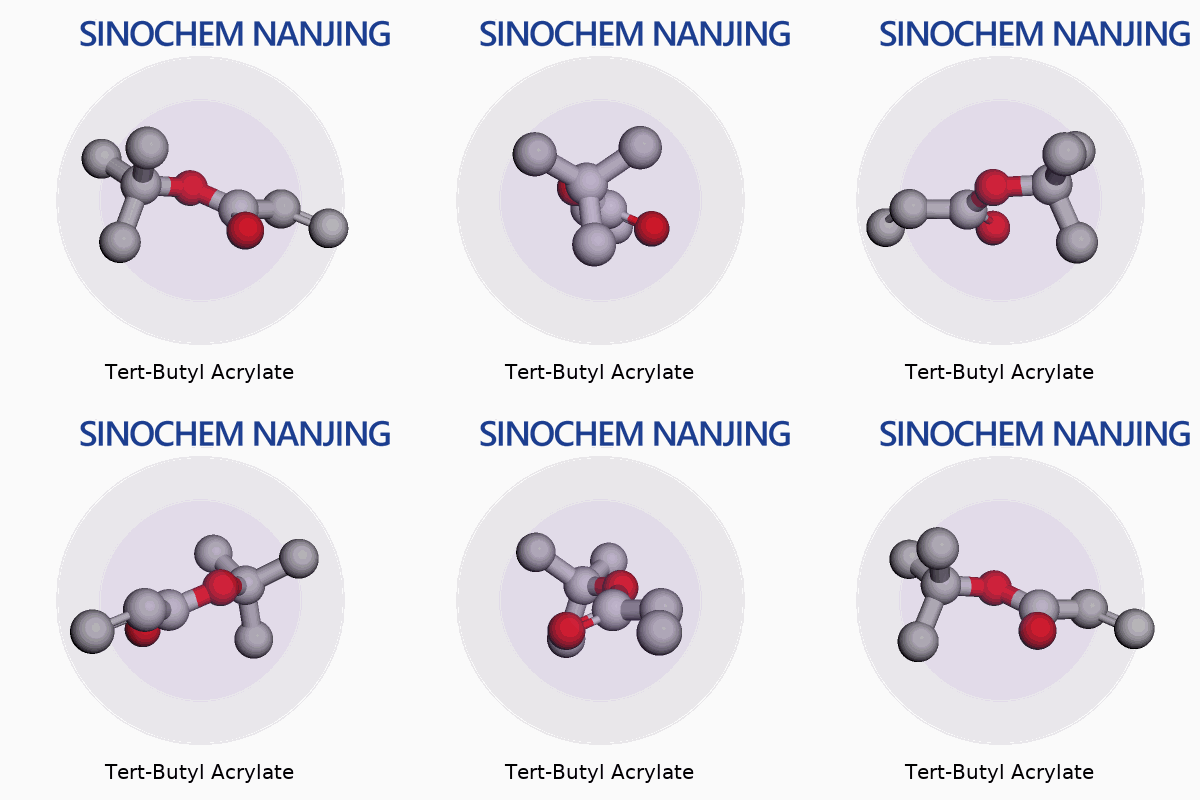
Tert-Butyl Acrylate has a formula that chemists recognize as C7H12O2. With its three methyl groups clustering around a central carbon, connected to the acrylate moiety, this structure shapes both its reactivity and its use in modern materials. Whenever I’ve handled acrylates in a lab or seen industrial production, I’m reminded that molecules aren’t just lines on a page: their shape determines how they interact, how they bond, and the products we pull from them.
Molecular Weight
The molecular weight clocks in at 128.17 g/mol. In real-world settings, every decimal counts. Misjudging the mass can throw off entire batches, impact yields, and put workers at risk. This isn’t just a figure for calculators—in manufacturing plants and research, it guides dosing, determines shipping quantities, and supports safe chemical handling protocols.
Practical Importance
Tert-Butyl Acrylate steps into a broad range of products. From pressure-sensitive adhesives to coatings, its backbone ends up in surfaces people touch every day. Anyone who’s ever stripped paint, recoated a deck, or used high-gloss nail polish has likely benefited from acrylate polymers. In my early college years, helping out in a coating lab, getting the ratios right with this monomer sometimes meant standing over old balances late at night, tweaking measurements to stop polymerization mixtures from gelling or failing.
Outside the lab, field engineers track raw material weights with precision. Too little Tert-Butyl Acrylate and you get poor film formation; too much and you might compromise flexibility or safety. I've seen small errors ripple into big production delays, especially when formula accuracy drops.
Safety and Handling
Acute awareness about chemistry pays off. With Tert-Butyl Acrylate, dermal contact causes irritation, and vapors can lead to headaches if air circulation lags. Spills require fast cleanup. Documented safety data highlights this: the acrylates often sensitize skin and cause respiratory issues under chronic exposure. I think about this each time I see operators double-checking gloves and ensuring proper hood ventilation. Without respect for these details, the costs rise—both human and financial.
Emergency planners at facilities keep protocols on hand, knowing that molecular weight factors into evacuation and neutralization strategies. Lower molecular weights can lead to higher volatility, so Tert-Butyl Acrylate—lighter than heavier monomers—demands quick response if leaks occur.
Moving Toward Safer and Sustainable Use
Managing industrial chemicals like Tert-Butyl Acrylate calls for deep familiarity, not just rote learning. In sustainable chemistry circles, minimizing waste starts at the weighing station. Proper training ensures workers respect the 128.17 g/mol figure, treating it as the foundation for both productivity and safety.
Today’s regulatory pressures push for continual improvement. Substituting hazardous chemicals with less aggressive ones or engineering closed systems pays dividends over time. Early in my career, I watched a facility manager replace an open blending area with a contained, vented system after a minor incident. Morale and output both jumped. That experience stuck with me—true chemical mastery goes beyond formulas and numbers. It’s about caring enough to sweat every detail.
Is Tert-Butyl Acrylate hazardous to the environment or health?
Looking at the Facts
Tert-Butyl Acrylate, often found in adhesives, paints, and coatings, brings up real questions about safety for people and the environment. In industrial spaces, it acts as a building block for plastics and resins. Yet, the conversation about its risks isn’t just lab talk — it taps into real-world concerns about air, water, and health.
What Happens When It Gets Loose?
If a drum tips over or a pipe leaks, Tert-Butyl Acrylate doesn’t just vanish. Liquid or vapor forms can linger. In workplaces, inhaling its fumes annoys noses and throats. Hit higher exposures, and headaches, dizziness, or even more serious symptoms can follow. Skin contact can lead to redness or irritation, pushing up the risk for workers who handle it regularly. Feeling safe at work matters, but many countries already require closed systems, solid ventilation, and protective clothing to keep danger at bay.
I once worked in a factory near a chemical storage site. The local fire department drilled for leaks every few months, making sure their teams and neighbors knew the drill. It left a mark on how tightly governed — and how risky — some chemical uses can be.
Drifting Beyond the Fence
Not every spill or emission stays inside factory fences. Runoffs can send chemicals trickling into water or soil. Groundwater near chemical plants already draws close inspection. Tert-Butyl Acrylate floats on water, slowly breaking down under sunlight and microbes, but that process takes time. Aquatic life feels the sting first. Fish and tiny water creatures, often the “canaries in the coal mine,” show stress at concentrations as low as a few milligrams per liter.
In the wider environment, breakdown products may not all vanish without a trace, adding to the headache. According to environmental agencies, Tert-Butyl Acrylate doesn’t build up in living tissues the same way as PCBs or mercury, but that doesn’t make it harmless. Its immediate effects can be toxic, and communities downstream from spills have faced real fear — not just paperwork.
Turning Worry Into Action
Pretending chemicals like Tert-Butyl Acrylate don’t come with risk just isn’t honest. Yet, industries can shift the odds. Secondary containment, routine inspections, real-time leak detection, and staff training shrink the chance of big mistakes. Using safer alternatives for certain processes may help. Government oversight — things like emission limits and community right-to-know laws — also keeps the spotlight on safety.
For regular folks, choosing paints, glues, or coatings from companies that value clean, controlled manufacturing supports those who do things right. Emergency response plans matter. After several high-profile incidents, communities living close to chemical plants have begun to demand updates, training drills, and better warning systems.
Why This Needs Our Attention
At the end of the day, chemicals like Tert-Butyl Acrylate make daily life possible — from glossy car finishes to strong adhesives. Yet, people want these benefits without risking health or environment. Experience says we can’t let our guard down, not in the design of our industries, not in the cleanup of spills, and not in the choices we make as consumers. Action, once the danger hits, arrives too late for fish and people living downstream. Watching closely, preparing for trouble, and redesigning old habits give everyone a better shot at safety.
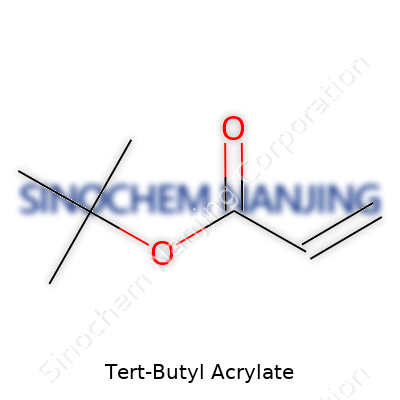
| Names | |
| Preferred IUPAC name | 2-Methylprop-2-yl prop-2-enoate |
| Other names |
TBA 2-Methyl-2-propyl acrylate Acrylic acid tert-butyl ester tert-Butyl 2-propenoate |
| Pronunciation | /ˌtɜːrtˈbjuːtɪl əˈkraɪleɪt/ |
| Identifiers | |
| CAS Number | 1663-39-4 |
| Beilstein Reference | 1720534 |
| ChEBI | CHEBI:86605 |
| ChEMBL | CHEMBL11239 |
| ChemSpider | 54688 |
| DrugBank | DB03456 |
| ECHA InfoCard | 03e4e942-2d14-4c77-973c-2c72891dbb41 |
| EC Number | 246-562-2 |
| Gmelin Reference | 8282 |
| KEGG | C01780 |
| MeSH | D017155 |
| PubChem CID | 7926 |
| RTECS number | AS3325000 |
| UNII | 10U8I679F8 |
| UN number | UN2348 |
| CompTox Dashboard (EPA) | DTXSID6020157 |
| Properties | |
| Chemical formula | C7H12O2 |
| Molar mass | 128.17 g/mol |
| Appearance | Colorless transparent liquid |
| Odor | Fruity |
| Density | 0.883 g/mL at 25 °C |
| Solubility in water | insoluble |
| log P | 1.76 |
| Vapor pressure | 3.7 hPa (20 °C) |
| Acidity (pKa) | pKa ≈ 13 |
| Basicity (pKb) | pKb ≈ 9.05 |
| Magnetic susceptibility (χ) | -7.48×10⁻⁶ cm³/mol |
| Refractive index (nD) | 1.418 |
| Viscosity | 0.8 mPa·s (20 °C) |
| Dipole moment | 2.22 D |
| Thermochemistry | |
| Std molar entropy (S⦵298) | 389.2 J·mol⁻¹·K⁻¹ |
| Std enthalpy of formation (ΔfH⦵298) | -398.6 kJ/mol |
| Std enthalpy of combustion (ΔcH⦵298) | -2918 kJ·mol⁻¹ |
| Pharmacology | |
| ATC code | Tert-Butyl Acrylate does not have an ATC code. |
| Hazards | |
| GHS labelling | GHS02, GHS07 |
| Pictograms | GHS02,GHS07 |
| Signal word | Warning |
| Hazard statements | H226, H315, H317, H319, H335 |
| Precautionary statements | P210, P233, P240, P241, P242, P243, P261, P264, P271, P272, P280, P302+P352, P303+P361+P353, P304+P340, P305+P351+P338, P312, P314, P321, P332+P313, P333+P313, P337+P313, P362+P364, P370+P378, P403+P235, P405, P501 |
| NFPA 704 (fire diamond) | 2-3-2 |
| Flash point | 62 °C |
| Autoignition temperature | 285 °C |
| Explosive limits | Explosive limits: 1.3–8.2% |
| Lethal dose or concentration | LD50 oral rat >2,000 mg/kg |
| LD50 (median dose) | LD50 (median dose): Oral rat LD50: 990 mg/kg |
| NIOSH | AS3300000 |
| PEL (Permissible) | PEL (Permissible Exposure Limit) of Tert-Butyl Acrylate: 10 ppm (35 mg/m³) |
| REL (Recommended) | 5 ppm |
| IDLH (Immediate danger) | IDLH: 250 ppm |
| Related compounds | |
| Related compounds |
Tert-Butanol Acrylic acid Methyl acrylate Ethyl acrylate n-Butyl acrylate |



