Terpinolene: A Practical Look at an Unsung Terpene
Historical Development
Terpinolene first caught chemists’ attention as far back as the late 1800s, isolated from turpentine oil by researchers who were hunting for the true nature of what gave pine trees and other evergreens their distinct aroma. Early lab notes describe a substance with a peculiar sweet and herbal scent, not quite like the famous menthol or limonene. Over the decades, terpinolene flowed through the hands of perfumers, botanists, and industrial chemists, working its way out of the forests and into flavor houses and manufacturing lines. It turned up in a string of essential oils—tea tree, rosemary, cumin, and sage all played host to this multi-talented molecule—and by the mid-20th century, terpinolene wasn’t just a curiosity. It transformed from a lab sample into a commercial additive.
Product Overview
Terpinolene works as a colorless oil, easily poured and blended, and holds a distinct place in the world of terpene hydrocarbons. Its light, piney, and slightly floral fragrance lends character to soaps, cleaning products, perfumes, and some processed foods. Producers see value in its versatility—this one molecule supports everything from flavor enhancement to insect repellent and even food preservation. Off-the-shelf terpinolene, usually derived from natural sources but sometimes synthesized, shows up in bulk, ready to be weighed, diluted, and dosed into a wide range of personal, food, or industrial products. A quick whiff signals freshness and cleanliness, an obvious draw for scent designers working on consumer brands.
Physical & Chemical Properties
This terpene takes the form of a transparent, oily liquid under normal conditions. It boils at about 186°C and melts below -60°C, highlighting surprising thermal stability for such a volatile material. With a molecular formula of C10H16 and a molecular weight close to 136.24 g/mol, terpinolene lines up as a monocyclic monoterpene—a structure that sets the stage for both its functional benefits and its reactive quirks. The density sits around 0.86 g/cm³. In practice, the substance evaporates quickly, behaving as expected for a light aromatic. It dissolves well in alcohols and most organic solvents, but not in water, which shapes both its applications and the way companies handle and store it.
Technical Specifications & Labeling
Labelling terpinolene for trade and regulatory purposes requires accuracy: the material carries UN number 2319 for transport and comes flagged as flammable under local chemical safety laws. Labels must include the bulk content (often greater than 85% purity for food or pharma grade), origin (synthetic or natural), batch, and best-use date. Purity checks usually rely on gas chromatography, and any presence of impurities like other terpenes or residual solvents must stay under tightly controlled thresholds. Safety Data Sheets (SDS) spell out its flammability and health warnings—skin contact can cause irritation, so companies require gloves and eye protection during handling.
Preparation Method
Large-scale producers typically extract terpinolene using steam distillation from turpentine oil or other botanical sources like marjoram or sage. This process isolates terpenes by heating plant material, collecting the vapor, and condensing it back to liquid. Fractional distillation separates terpinolene from similar compounds such as alpha-pinene and limonene, dialing in purity to food or fragrance industry standards. Synthetic routes exist, built around cyclization of myrcene with acid catalysis, but natural distillation remains the norm for labeled “natural flavor” status.
Chemical Reactions & Modifications
Terpinolene loves to react with oxygen. Exposing it to air over time leads to slow oxidation, producing peroxides and a handful of other breakdown products. This same reactivity means it can serve as a feedstock to create other flavor and fragrance ingredients with simple chemical tweaks—acid treatment converts terpinolene to terpineol, a widely used perfume base. Chlorination and hydrogenation modify its aroma profile further. Lab studies often target these reactions, producing novel chemicals for pharmaceutical or flavor development, although safety protocols double up due to the sometimes unstable peroxide byproducts.
Synonyms & Product Names
In global trade, terpinolene keeps company with a range of aliases. Chemists may call it “1,4-Para-Menthadiene” or “T-1, Terpinene.” Essential oil marketers and industrial suppliers sometimes opt for terms like “delta-terpinene” or simply “TPO” on product listings. These synonyms tie back to the same core substance—the essential aroma of many conifers and herbs. Manufacturers list it under a variety of brand names, often with subtle tweaks to appeal to perfumers, food scientists, or makers of green cleaning agents.
Safety & Operational Standards
Managing terpinolene demands a strong commitment to occupational safety. The material’s flammability requires strict storage away from heat or open flame, in well-ventilated chemical lockers. Workers in production or packaging wear protective gear, as skin exposure can lead to rashes and inhaling concentrated fumes brings risks of mild respiratory irritation. Occupational health agencies, including OSHA and the EU’s REACH program, call for regular air monitoring to keep vapor concentrations safe during handling. Companies train teams for spill response—absorbents, exhaust fans, and fast first-aid access cut the risks of day-to-day use.
Application Area
Industry draws terpinolene into a remarkable range of use cases. The scent keeps moths and other pests away from stored goods, so the chemical lines the shelves of some home improvement stores as a component in natural insect repellents. In food, terpinolene supports fruity and herbal notes in baked goods, snacks, and drinks; the molecule’s presence lifts otherwise flat flavor profiles, leaning on its unique herbal citrus blend. Perfume designers benefit from its ability to freshen up woody or floral compositions, giving depth without overpowering the main notes. Green cleaning brands take advantage of terpinolene for its clean, uplifting aroma, offering consumers an alternative to harsh synthetic fragrances.
Research & Development
Current R&D on terpinolene spans food science, health, and green chemistry. Academic and private labs dive deep into its antimicrobial capabilities, probing these qualities for natural preservative potential. These projects do not just look for shelf-life gains; they also address consumer demands for fewer synthetic additives in food and personal care. Some research investigates terpinolene’s effects on human biochemistry, building up a picture of how it interacts with cell membranes and enzymes. In cannabis science, terpinolene emerges as a significant minor terpene, influencing both aroma character and pharmacological effects—new strains hit the market with terpinolene content featured right on the label. Intellectual property teams race to develop new derivatives and blends, shooting for patentable ingredients in the flavor and wellness worlds.
Toxicity Research
Toxicologists have run terpinolene through a battery of tests—animal exposure studies, cell culture work, and, more recently, computational toxicology reviews. Large doses delivered to rodents by inhalation or ingestion have shown low acute toxicity, with no strong links to carcinogenicity or severe toxicity in current literature. Still, repeated high-level exposure can irritate airways and skin, so workplace exposure remains tightly regulated. The compound may also act as a mild sensitizer, causing allergic reactions in some individuals after prolonged contact. Regulators require producers to document safety protocols, keeping risks low for both workers and end consumers.
Future Prospects
Outlook for terpinolene looks strong as consumer and industrial markets push for greener, more sustainable ingredients in everyday products. Flavor houses invest in better extraction techniques, aiming for zero-residue “clean label” compliance. Tech startups file patents on terpinolene-based preservative blends, angling for a slice of the booming natural food preservation market. Environmental labs screen new formulations for reduced emissions and cleaner downstream waste, feeding into the eco-label race. With a global shift away from harsh, petroleum-based chemicals, terpinolene emerges as a versatile bridge between tradition and innovation—rooted in pine forests, but reaching far past its origins.
What is Terpinolene and what are its primary uses?
Meet Terpinolene
Take a deep breath. If you smell pine trees or ever sliced into a fresh orange, you’re likely catching a hint of terpinolene. This terpene pops up in many plants, bringing a crisp, complex scent that’s tough to pin down. Some will call it piney, others say it smells floral, a few catch citrus. Terpinolene gives more than just pleasant aromas; it works behind the scenes in many familiar items, making daily life a bit brighter and safer.
Terpinolene in Nature and Industry
I remember hiking in the Pacific Northwest, surrounded by Douglas firs and junipers. That sharp, green tang in the air? Mostly terpinolene. It’s one of the reasons essential oils from these trees feel so clean and uplifting. These same oils end up in soaps and perfumes. Terpinolene isn’t some exotic chemical whipped up in a lab. Plants create it naturally to protect themselves from bugs and fungal invaders. That built-in defense led people to harness terpinolene’s properties for household and commercial use.
Practical Uses: Fragrances, Flavors, and More
Step into any store aisle lined with cleaning sprays or laundry detergents—terpinolene plays a supporting role in many of those labels. It gives products a fresh, “outdoorsy” scent and masks harsh chemical odors. Perfume makers rely on its gentle complexity, letting them add a woodsy note that doesn’t overpower. Chewing gum and candies benefit from terpinolene’s subtle citrus kick and help balance sweet or herbal flavors.
Let’s talk safety. Terpinolene has excellent antioxidant properties, according to lab studies. Fungi and bacteria struggle to thrive in its presence, which explains its popularity in soaps and cosmetics. Some scientists are digging into possible benefits beyond just smelling good or keeping germs at bay. Studies suggest terpinolene might help fight oxidation in our bodies and keep skin healthier, though firm answers need more research.
Terpinolene and Cannabis
The cannabis world gives terpinolene a spotlight. Some strains, like Jack Herer or Ghost Train Haze, have high levels of this terpene. Its presence shapes flavor and aroma, tipping the scales toward fruit or spice rather than signature “skunky” notes. Users sometimes share that strains high in terpinolene feel more uplifting or energetic. Plenty of factors influence a strain’s effect, and terpenes like terpinolene play a small but noticeable part in the bigger picture.
Challenges and Ideas for Safer Use
Most people won’t face risks with everyday exposures, but pure terpinolene in bulk calls for caution. This compound is powerful stuff, able to cause skin irritation or allergic reactions for some. Industries keep a close eye on worker safety and include clear labeling or protective measures when handling terpenes at scale. Educating consumers helps too. People who turn to essential oils and diffusers at home benefit from knowing when to dilute and how to use these products responsibly.
Looking Ahead: Embracing the Good, Managing the Risks
As more attention shifts to natural ingredients, the profile of terpinolene keeps rising. Its mix of safety, aroma, and antimicrobial punch means we’ll see it stick around in everything from eco-friendly cleaners to artisanal candles. Responsible sourcing, honest labeling, and smart education build trust and help everyone enjoy the perks without surprises. Knowing the science, sharing real-world stories, and using products thoughtfully create a healthier experience for all.
Is Terpinolene safe for human consumption or inhalation?
Understanding Terpinolene in Everyday Life
Most people have experienced terpinolene without knowing its name. Bite into an apple, sniff a lilac bush, or open a spice jar, and that crisp, subtly piney scent might come from terpinolene. This chemical belongs to the family of terpenes—aromatic oils that give many plants their distinct smells. Food scientists and perfumers love using it for its fresh, clean profile.
Where Terpinolene Pops Up
You’ll find terpinolene not just in fruits and herbs but in personal care products, air fresheners, even soaps. The compound’s clean aroma gives household items their “green” note. Cannabis, especially certain sativa-dominant varieties, often contains terpinolene. For folks shopping for essential oils or picking out bath bombs, terpinolene is part of the everyday experience.
Research on Human Consumption
The U.S. Food and Drug Administration adds terpinolene to the list of substances “generally recognized as safe” (GRAS) for flavor use. This means researchers haven’t found strong evidence of harm in typical quantities found in food and drinks. Chemists use it in low, controlled amounts, and the body breaks it down in the liver much like other dietary terpenes.
That said, eating large doses of any isolated plant compound can unsettle the stomach. Animal studies point to mild irritation in some cases, but these use concentrations rarely seen in real-world diets. There isn’t much data showing harm at the levels someone would encounter from food or spice use.
Breathe In, Breathe Out: Terpinolene and Inhalation
People inhale terpinolene most often without realizing during aromatherapy, spa treatments or by using diffusers. Many enjoy the scent with no trouble. Problems usually crop up with much higher concentrations or long-term exposure, especially in workplaces handling terpenes by the barrel. Some sensitive individuals can get mild eye or lung irritation, but major health effects are rare in home settings.
Researchers studying vaporized terpenes advise caution with concentrated forms. Heating terpinolene may release more than fresh piney notes; it could break down into other compounds, some of which bother the lungs. That risk grows in poorly ventilated spaces or with frequent exposure. Most studies focus on occupational settings, and data remains thin on what happens with routine home use. Asthma sufferers and people with scent sensitivities may want to tread lightly.
Best Practices for Using Products Containing Terpinolene
Reading ingredient lists and using products as directed stand out as the best ways to avoid any trouble. If using essential oils or concentrates, a little goes a long way. Diluting terpinolene—a drop in a full diffuser reservoir or well-diluted in skin care formulations—keeps exposure low. Keeping rooms fresh with open windows matters more than people realize when using any strong scent in the home.
Labeling offers some layer of safety, letting users know what they’re buying. Product safety research supports the idea that for most consumers, terpinolene delivers the intended sensory boost with little worry. Those interested in vaping or inhaling strong concentrations need to do their homework and pay attention to how their body responds.
Looking Ahead
So many household staples now use plant-based aromas like terpinolene, and researchers continue to monitor their impacts. Anyone with allergies or lung conditions should stay in touch with a healthcare provider before jumping into any new product or trend.
Responsible use and good ventilation give terpinolene a solid safety record. Plant science keeps uncovering new details, and staying updated lets consumers confidently enjoy these aromatic perks.
What are the effects and benefits of using Terpinolene?
What Stands Out About Terpinolene?
Walk into any dispensary or browse wellness shops online, and terpinolene often slips under the radar. This terpene shows up in certain cannabis strains, but also wanders outside dispensary walls. Terpinolene pops up in apples, lilacs, nutmeg, and even some cleaning products. With a scent that swings from pine to floral to herbal, terpinolene brings a distinct twist many folks don’t realize they’re enjoying.
Studied Effects on Mind and Body
People have used terpenes for centuries, chasing benefits before research caught up. Terpinolene stands out for its potential to relax the body and mind. In several studies, terpinolene acted as a mild sedative in mice, easing anxious and restless behaviors. That matches the stories from some cannabis users who say certain strains — especially those high in terpinolene — help them wind down at the end of a tough day.
This terpene doesn’t only target stress. Research published in well-established journals also links terpinolene to antioxidant activity. Strong antioxidants mop up free radicals, which play a role in the aging process and illnesses linked to chronic inflammation. Healthy volunteers don’t get all their antioxidants from fruits and vegetables; terpinolene-rich herbs and spices usually land in the kitchen without much extra thought.
Pushing for Quality, Not Hype
Companies sometimes market new supplements or cannabis strains as “superior” because they contain terpinolene, but there’s a catch. No single terpene solves every problem. Many effects depend on the mix — the so-called entourage effect. That’s one reason some strains deliver strong physical relaxation, while others just make people drowsy.
Smart consumers check for lab analysis sheets that show terpene profiles. Transparency means quality, so nobody needs to guess what goes in their body. Terpinolene levels tend to be lower than more famous terpenes like myrcene or limonene. Still, for those choosing based on personal health goals, even a small percentage has value.
What’s Next for Safety and Solutions?
Most evidence supporting terpinolene comes from pre-clinical trials, not huge groups of humans. That creates a gap between early lab data and real-world outcomes. Plant research has a long history, but regulations move slow. Scientists need to expand human trials — not just looking for positive effects, but also for possible side effects if someone uses higher doses.
Changing laws around cannabis led more folks to experiment with terpene-rich extracts. Governments and universities keep funding bigger, more rigorous research now. Doctors also show growing interest in plant terpenes, especially as people seek alternatives to pharmaceutical drugs for sleep or stress.
Everyday Benefits—And Responsible Use
A whiff of terpinolene-rich essential oils can lift a room, cut through heavy odors, and bring a small moment of relaxation. Chefs, herbalists, and health-driven shoppers embrace the familiar, earthy vibe it offers. Still, self-experimentation works best with respect for limits. Mixing terpinolene with alcohol or sedatives, for example, could make someone feel groggier than planned.
Terpinolene steps out of the spotlight but keeps carving a spot in healthy living routines. My own experience blending essential oils and trying terpene-heavy cannabis confirms the difference: some aromas shift the whole mood — bring on comfort, focus, or calm. Paying attention to what works for each person leads to the best results.
Does Terpinolene have any side effects or health risks?
What Happens When Terpinolene Meets the Human Body?
Terpinolene crops up often in science discussions about terpenes, with headlines usually focusing on its woodsy, floral smell. It isn’t rare either—apples, nutmeg, lilacs, and even some cannabis strains contain terpinolene. Most folks meet this compound in a scented candle or a fruity cleaner on the grocery store shelf. But not many stop to wonder if it’s safe or if using things that contain it might eventually cause trouble.
Terpinolene is usually considered safe when it shows up in food at low levels, in fragrances, or even in natural health products. That’s not just anecdotal; scientific committees in Europe and the U.S. have reviewed terpinolene for its use in cosmetics and considered it safe at proper concentrations. But just because something grows in a plant doesn’t give it a free pass for everyone. Allergies tell that story pretty clearly. I’ve seen how sensitive skin reacts to fragrances like these—rashes, redness, even itching. In rare cases, folks say ingredients like terpinolene trigger migraines or breathing problems, though that isn’t well understood by studies yet.
Skin Risks Aren’t Just Old Wives’ Tales
People with fragrance allergies already know they need to scan labels or call companies. Terpinolene plays into this. Even a whiff of perfume or splash of lotion could make skin flare up. Data shows fragrance allergies make up to 10% of contact dermatitis cases. My own sister can barely walk down the cleaning aisle in a store without her hands drying out and turning red. The more widespread these scents get, the trickier daily life becomes for sensitive people. The fix is simple on paper: companies need honest labeling. Consumers deserve a heads up about common allergens, and regulators are nudging makers in that direction slowly.
Breath and Lungs: Less Understood Territory
Lung irritation isn’t something anyone wants, but people with asthma sometimes report problems after breathing in strong fragrances. Terpenes in general can turn into airway irritants once they break down in sunlight or mix with other chemicals. The EPA has flagged this, pointing out that even “green” cleaners and room sprays may pump more reactive chemicals into indoor air than we’d like. No one has pinned this entirely on terpinolene, but the group it belongs to has some explaining to do.
Can Terpinolene Harm You Beyond Allergic Reactions?
That question brings up toxicology studies. At massive doses (things no one outside a lab would ever swallow), rats have shown some signs of liver stress. These amounts don’t reflect real-world use, yet safety studies should keep up because people try new things—think viral wellness trends. Few folks imagine that drinking a little plant oil could backfire, but extreme diets and untested supplements make the rounds. The FDA doesn’t clear everything on health store shelves, so self-experimenters risk running into trouble by trusting “natural” too blindly.
Finding Safer Ways Forward
The safest way, from my own experience, boils down to three habits: read labels, listen to your body, and ask questions. If skin starts itching or breathing feels off, toss out the culprit and try something plainer. Doctors and pharmacists know a lot about common irritants—put that resource to use. For businesses, being clear about what’s inside a product can dodge lawsuits and build trust. Every new soap, lotion, or oil deserves a close look before deciding it belongs on your shelf or skin.
How is Terpinolene typically extracted and produced?
What Terpinolene Really Is
Terpinolene often brings up thoughts of lilacs, nutmeg, and fresh pine. It's a terpene, so it shows up in nature—mostly in the oils of trees like cypress, fir, and pine, but also in herbs like sage and rosemary. The scent usually stands out as fresh, slightly sweet, and a little spicy. That’s why folks in the fragrance and food worlds look for ways to gather it right from plants.
Steam Distillation: Leading the Way
Most producers get their supply by steam distillation. This method runs steam through plant matter—pine needles, wood chips, or whole herbs. Steam helps break the tough cells, releasing essential oil blends, which carry terpinolene along for the ride. As the steam cools, the oil and water separate, making it possible to collect the terpenes. I learned this process firsthand in a small-scale essential oil operation in Oregon, where a mix of old copper stills and modern glass tubes managed to preserve the pure scent profiles. Steam distillation sticks around because it works on a big scale and uses equipment that’s easy to handle and clean.
Solvents and Supercritical CO2
Some labs prefer using food-grade solvents like ethanol or hexane. These help pull out the compounds in a quick soak, which is handy when delicate flavors matter. Hexane works well but leaves a bigger footprint, and it needs careful purging, which can pose health and environmental risks if shortcuts are taken. On the flip side, using ethanol keeps things safer for both workers and the end user, but it's not always as efficient at picking out terpinolene from a crowded oil profile.
Supercritical CO2 extraction changes things further. This process skips risky chemicals and brings out the best by turning carbon dioxide into a liquid-like state under pressure. The CO2 flows through plant material, locking onto terpenes without heating them up. That gentle approach means brighter aromas survive the process, and the end result can show off the best parts of a harvest season—in my experience, CO2 batches always smelled closest to the real thing after walking in the woods.
Quality Risks and Sustainability Concerns
Chasing pure terpinolene also brings quality and sustainability issues. Raw material sources sometimes face overharvesting, especially forest products. Industry needs to plan around crop rotations, forest management, and decent pay for those who collect the fir needles and other botanicals. Many producers have started using certified sustainable farms or even closed-loop systems, where leftover biomass goes into compost or gets turned into energy. Labeling only works if brands and buyers ask about the origin and the treatment of workers along the chain. Without that push, big companies might keep buying from sources that cut corners or deplete woodland areas.
Moving Forward: Solutions from Farm to Lab
Traceability stands out as a fix—barcode scanning and digital certificates can now tell the story of a bottle of essential oil from site to shelf. Regulators and consumer watchdog groups need to keep an eye on labeling to back up purity claims and enforce limits on residue from solvents. Technology like real-time chromatography lets even humble producers check their oil’s makeup on-site, helping weed out contamination or dilution before anything ships out.
The market for terpinolene isn’t slowing down. As more manufacturers swap synthetic scents with those from the forest, investments in sustainable farms and green extraction tech make sense—not just for business, but for the land and the workers, too.
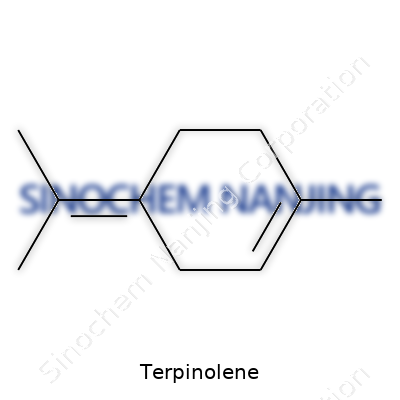
| Names | |
| Preferred IUPAC name | 1-Methyl-4-(propan-2-ylidene)cyclohex-1-ene |
| Other names |
1,4-p-Menthadiene T-1,4(8)-p-menthadiene Cymol δ-Terpinene Tetrahydroparacymene 1-methyl-4-(propan-2-ylidene)cyclohexene p-Mentha-1,4-diene |
| Pronunciation | /ˌtɜːrˈpɪnəˌliːn/ |
| Identifiers | |
| CAS Number | 586-62-9 |
| Beilstein Reference | 2040807 |
| ChEBI | CHEBI:18321 |
| ChEMBL | CHEMBL428084 |
| ChemSpider | 54683 |
| DrugBank | DB14684 |
| ECHA InfoCard | 100.014.212 |
| EC Number | 138-863-2 |
| Gmelin Reference | 5269 |
| KEGG | C09484 |
| MeSH | D013734 |
| PubChem CID | 11563 |
| RTECS number | YO8580000 |
| UNII | D3514465C6 |
| UN number | UNII873HHB0KSY |
| Properties | |
| Chemical formula | C10H16 |
| Molar mass | 136.23 g/mol |
| Appearance | Clear colorless liquid |
| Odor | Sweet, pine, floral, herbal |
| Density | 0.862 g/mL at 25 °C (lit.) |
| Solubility in water | Insoluble |
| log P | 4.38 |
| Vapor pressure | 0.183 mmHg (25°C) |
| Acidity (pKa) | 19.18 |
| Basicity (pKb) | > 15.00 |
| Refractive index (nD) | 1.475 |
| Viscosity | 0.86 cP (20 °C) |
| Dipole moment | 0.61 D |
| Thermochemistry | |
| Std molar entropy (S⦵298) | 354.8 J·mol⁻¹·K⁻¹ |
| Std enthalpy of formation (ΔfH⦵298) | -157.4 kJ/mol |
| Std enthalpy of combustion (ΔcH⦵298) | -5705.0 kJ/mol |
| Pharmacology | |
| ATC code | R05CA10 |
| Hazards | |
| GHS labelling | GHS02, GHS07 |
| Pictograms | GHS02,GHS07 |
| Signal word | Warning |
| Hazard statements | H226, H304, H315, H317, H410 |
| Precautionary statements | P210, P233, P240, P241, P242, P243, P261, P273, P280, P301+P310, P303+P361+P353, P304+P340, P305+P351+P338, P312, P331, P370+P378, P403+P235, P405, P501 |
| Flash point | 74 °C (165 °F; 347 K) |
| Autoignition temperature | 220 °C (428 °F; 493 K) |
| Explosive limits | 0.8% - 6.7% |
| Lethal dose or concentration | LD50 (oral, rat): 4720 mg/kg |
| LD50 (median dose) | LD50 (median dose) of Terpinolene: >5 g/kg (oral, rat) |
| NIOSH | KV5775000 |
| PEL (Permissible) | 100 ppm |
| REL (Recommended) | 0.085 mg/kg bw |
| IDLH (Immediate danger) | Not established |
| Related compounds | |
| Related compounds |
alpha-Terpinene gamma-Terpinene Limonene p-Cymene |



