Sulfur Monochloride: From Lab Curiosity to Industrial Tool
Historical Development
People have tinkered with sulfur and chlorine for centuries, but it wasn’t until the 19th century that sulfur monochloride started making waves. Chemists like Gay-Lussac and Thenard explored the interaction of elements, and after years of experiments, they isolated a dark red liquid that we now know as sulfur monochloride. Factories in Europe began to see real value in these discoveries by the late 1800s, especially as industries demanded novel, reactive chemicals. As someone who’s watched specialty chemicals shape entire markets, I appreciate how pivotal this early curiosity became. Once folks understood its unique properties, sulfur monochloride moved from a laboratory curiosity to a workhorse for vulcanization and synthesis.
Product Overview
Sulfur monochloride, bearing the formula S2Cl2, stands out with its deep red color and strong, suffocating aroma. It grabs a spot on chemical shelves worldwide for good reason—its reactive, intermediating power in manufacturing. Some know it by old-fashioned names like disulfur dichloride, but the uses go far beyond just a chemical label. Any plant producing rubber products, pesticides, or even lubricants depends on a regular supply of this compound. Over the years, commercial grades have shifted toward higher purity and safer packaging, as customers demand consistency and reliability.
Physical & Chemical Properties
Take a look at sulfur monochloride and you’ll find a dense, oily liquid at room temperature, holding a hefty weight for its size. Its boiling point lands around 138°C—hot enough to demand sturdy storage but low enough to handle at scale. The smell is sharp and almost metallic, and its deep red hue makes spill detection easy, which has probably prevented plenty of accidents. Water turns it into a fuming mess, releasing hydrochloric acid and elemental sulfur—definitely not something you want near open drains. The molecule splits apart easily during reactions, which is exactly what makes it so useful in synthesis.
Technical Specifications & Labeling
Manufacturers usually sell sulfur monochloride in steel drums or specialized glass containers, with concentration and purity front and center on the label. The purity usually hovers above 99% for industrial use, while laboratories might test and recalibrate stocks for precise assay values, moisture content, and absence of by-products like sulfur dichloride. Every drum needs a clear signal—hazard symbols, batch codes, date of manufacture—to meet international transport laws. Anyone storing or shipping this compound gets trained in hazard communication standards such as OSHA and GHS, which help keep workers safe and trace shipments if there’s a recall.
Preparation Method
Sulfur monochloride comes from a direct reaction between elemental sulfur and dry chlorine gas. Chemists combine excess sulfur with the right amount of chlorine in controlled, sealed vessels, keeping temperatures between 60 and 150°C. I’ve seen reactors fitted with scrubbers to catch any stray chlorine gas, because safety matters as much as yield. Technicians distill the crude mix to remove unreacted sulfur and purify the product. Some older factories used batch processes, but these days, continuous flow systems deliver larger volumes while reducing risks from leaks or thermal runaways.
Chemical Reactions & Modifications
Sulfur monochloride acts as a strong chlorinating agent, ready to hand off chlorine to organic compounds, add sulfur atoms, or even crack open double bonds. In the rubber world, it crosslinks polymers, creating more durable and heat-resistant vulcanized rubber. Organic chemists commercialize this versatility—turning acids to acid chlorides, adding sulfur bridges, or synthesizing insecticides. Its interactions with alcohols, amines, or water can lead to a spread of useful and sometimes surprising products. Sometimes, careful modifications turn it into sulfur dichloride, another industrial player, by bubbling through excess chlorine.
Synonyms & Product Names
Ask about S2Cl2 and you’ll get a catalogue of synonyms: sulfur monochloride, disulfur dichloride, sulfur chloride, and even “yellow oil” in older chemical treatises. Catalogues list it under these and more, and local names shift depending on the region. Commercial suppliers standardize the product name to match international chemical inventories, but old-timers in factories sometimes stick to whatever nickname they used in their apprenticeship.
Safety & Operational Standards
Every facility using sulfur monochloride must follow strict safety standards. Direct exposure can bring skin burns, respiratory damage, and severe eye injury. Workers gear up in acid-resistant gloves, full-face shields, and chemical suits—no shortcuts on safety. Local exhaust ventilation and gas detectors near high-use areas cut risks, while thorough emergency protocols and spill kits stay ready. Larger factories install automated dosing and closed-loop systems, so no one fiddles with the raw liquid any more than necessary. Regular audits by health and environment authorities check up on ventilation, storage, and waste handling routines. Someone who’s spent time in chemical plants knows the importance of training and regular safety drills.
Application Area
Sulfur monochloride supports critical steps across rubber, agriculture, and specialty chemical manufacturing. Its headline use is in rubber vulcanization—essential for car tires, conveyor belts, and gaskets. Pesticide manufacturers value it for making potent organosulfur chemicals that target insect pests. Synthetic lubricants and hydraulic fluids draw on its ability to forge tough sulfur-containing bonds. Dye makers use it to set colors onto textiles that resist washing and fading. Laboratory researchers use it for selective chlorination, exploiting the molecule’s oddball reactivity to build compounds faster than with slower, gentler reagents.
Research & Development
Researchers dig deep into new uses for sulfur monochloride, testing catalysts that use less energy or deliver tighter selectivity. Some focus on finding greener ways to handle or recycle byproducts—especially the acidic waste from hydrolysis. Material scientists explore sulfur monochloride as a building block for advanced polymers, battery chemicals, and nanostructured compounds with unique electrical properties. Pilot plants across Europe and Asia try to minimize emissions and improve process yields, using real-time monitoring and smart controls built from years of technical experience.
Toxicity Research
Nobody can ignore the health risks tied to sulfur monochloride. Animal studies and case reports from the past century detail its acute inhalation toxicity—causing lung irritation, edema, or delayed respiratory failure. Chronic skin exposure eats away at tissue and leaves stubborn burns. Long-term studies look for links to carcinogenicity or systemic organ effects, though clear evidence often remains hard to isolate. Toxicologists stress the value of primary prevention: avoiding exposure, sticking to proper containment, and training first responders. Data feed into environmental regulations on permissible exposure levels and guide physicians who treat accidental exposures.
Future Prospects
Industrial demand for sulfur monochloride remains steady, though health, safety, and environmental challenges force change. Green chemistry research looks to cut waste, recover solvents, and handle hazardous byproducts with minimal harm. Folks in battery and electronics development consider sulfur compounds for advanced energy storage, though regular sulfur often beats the chlorinated forms in cost. Rubber and pesticide producers continue to refine their use, favoring methods that recycle or neutralize acidic emissions. Larger corporations fund research into sensors that spot sulfur monochloride leaks fast, aiming to curb workplace injuries and environmental spills. Progress will hinge on fresh technology, smarter design, and relentless commitment to safety in every part of the lifecycle.
What is Sulfur Monochloride used for?
What’s Actually Going On With Sulfur Monochloride?
Sulfur monochloride stands out in a chemical lineup with its striking yellow color and sharp, suffocating odor. Chemists often refer to it as S2Cl2, but the average person passes by the name with no clue about where it ends up. People rarely talk about sulfur monochloride unless they're knee-deep in the worlds of industry or chemistry labs. Getting into the weeds, this compound packs a real punch as a reactant and intermediary for many essential products.
Rubber That Lasts and Why It Actually Works
Back in the day, folks struggled with natural rubber. Under heat, it turned gooey—bad news for everything from car tires to rain boots. Enter Charles Goodyear and vulcanization, a game-changer in manufacturing. Sulfur monochloride had a big role here; it gives rubber those sturdy cross-linked bonds. I’ve seen first-hand the difference between untreated and sulfur-treated rubber. Think about how your shoes hold up on a rainy day, or how tires grip the asphalt in the summer. Credit goes to chemical tweaks like this one.
Clean Gear in War and Peace
Military and first responders depend on gas mask filters for survival, and regular civilians owe something to chlorine-based disinfectants during pandemics. Sulfur monochloride acts as a building block in making chemicals like mustard gas, but also safe, modern cleaning chemicals and disinfectants. No one likes remembering the dangers, but the lesson sticks: chemistry often walks a fine line between harm and help. The fact that this chemical swings both ways makes it a regular focus for regulators, safety inspectors, and companies looking out for both profits and people.
Grease That Doesn’t Quit
Industries run on machines, and those gears need solid lubrication. Manufacturers turn to sulfurized oils for tough jobs—metalworking, heavy engines, even bikes and motorcycles run smoother because of those additives. The transformation of ordinary oils into high-performing lubricants owes much to sulfur monochloride. Personally, as someone who bikes daily, I’ve noticed how certain chain oils outperform others, especially under harsh weather. That reliability traces straight back to robust chemical modification.
Insecticides and the Food Chain
Agriculture can’t go without pest control. Sulfur monochloride helps produce compounds found in pesticides. Its use demands real care; misuse or accidental spills can harm water sources or wildlife. Farming neighbors talk about crop-saving chemicals freely, but regulations on storage and handling weigh heavily. The chemistry advances food security, yet always hangs the reminder: measure twice, act once.
Navigating the Risks and Solutions
People working with sulfur monochloride face direct risks—corrosive fumes, chemical burns, and environmental hazards top the list. Years working in environments where chemicals get stored have taught me the value of clear labels, good ventilation, and strict training. Companies should push for better protective gear and ongoing safety education. Government agencies already hold the keys to tight regulation, but they could step up oversight on smaller processors. Cutting corners invites disaster—routine inspections and real consequences for slip-ups make a difference.
The Chemistry That Touches Everyday Life
Few have handled sulfur monochloride themselves, but millions rely on the products it helps create: sturdy tires, cars that run clean, clean homes, and full pantries. Understanding the chain from chemical tank to finished good works as a powerful reminder that basic science often sits behind what keeps life moving. As demand grows for safer and greener alternatives, making sure this chemical’s use stays on the right track becomes more urgent for everyone, from chemical engineers to end consumers.
What are the safety precautions when handling Sulfur Monochloride?
Why Respect Matters with Sulfur Monochloride
Sulfur monochloride sits among the nastier chemicals on any shop’s shelf. My own time working in a university lab showed me how fast routine can turn risky with a single misstep. This chemical offers no room for errors. Just a whiff can scratch your throat, and a spill leaves more than just a mess—it can tear through your clothes and skin. So, precautions aren’t just policy; they’re what keep hands, lungs, and eyes out of trouble.
Personal Protective Equipment: The Real MVP
Too many people think gloves and goggles are optional, especially when they’re in a hurry. That shortcut catches up fast. For sulfur monochloride, skipping gear is asking for trouble. Chemical-resistant gloves—the thick, gauntlet kind—block splashes. Lab coats or aprons built for chemical work stop the unpredictable. One day in the lab, a few drops leapt off a beaker and hit a student’s sleeve; the fabric held up, but the lesson stuck with everyone. Safety goggles shield eyes from those invisible vapors, and in tight quarters, a face shield does even more for peace of mind.
Working in the Right Space
No matter how tempting it gets to cut corners, open space and good ventilation matter. Fumes creep across a lab quicker than expected and don’t care who’s breathing nearby. Fume hoods aren’t fancy extras—they’re the first defense. Sulfur monochloride vapor stings. A few moments breathing it in and your eyes water uncontrollably. Always run reactions or open containers inside a fume hood, with the sash pulled low enough to protect your face.
Handling and Storage: No Room for Guesswork
People sometimes underestimate how reactive sulfur monochloride gets with water. Even a trace can let loose clouds of choking gas. That reaction won’t slow down for anyone. Keep all containers tightly sealed, away from anything moist. Dry, cool storage cabinets are the only real option. I’ve seen humidity ruin seals, and once air sneaks in, that’s a new hazard altogether. Only use containers made from glass or special plastics; anything else might not last. Always check caps and labels—never assume the person before you did it right.
Dealing with Spills and Accidents
Reacting fast makes the difference between a minor scare and a trip to the hospital. Don’t grab paper towels or run for water if there’s a spill—water only triggers more toxic gas. Specialized absorbents, like dry sand, can help contain it without a chemical reaction. Emergency showers and eyewash stations need clear, uncluttered access. After one minor chemical burn on a colleague’s hand, we reevaluated our spill cleanup kit and retrained the whole team.
Training and Teamwork
Nobody handles sulfur monochloride alone. Good habits start with proper training, and honest conversations about past close calls save more injuries than any rulebook. Labels, clear procedures, and regular safety drills set the tone. If someone’s unsure, they should feel encouraged to ask—not leave it to fate. A culture where everyone feels responsible for safety works much better than fear of mistakes.
The Real Payoff: Going Home Safe
After all the steps, routines, and drills, the real win comes from finishing the day healthy. Sulfur monochloride carries risks everyone can manage with attention and respect. Whether it’s for research or production, every standard and practice is written in lessons learned the hard way. Let’s keep it that way, so no one writes the next story from the wrong side of a chemical accident.
What is the chemical formula of Sulfur Monochloride?
Getting to Know Sulfur Monochloride
Sulfur monochloride carries the chemical formula S2Cl2. It isn’t a household name for most people, but anyone involved in chemistry, agriculture, or heavy industry has probably crossed paths with it. I remember seeing its deep yellow color in the lab, giving off a pungent, chlorine-like smell that warned me to treat it with care. This stuff wasn’t in the curriculum for fun—it stands out as a crucial piece of industrial chemistry.
Why Chemical Formulas Matter
Learning about S2Cl2 might feel like school trivia, yet these details have practical weight. With carelessness or a mix-up, sulfur chloride’s reactivity creates dangerous situations. If you’ve ever handled it, you know that keeping formulas straight prevents a bad day in the lab, a waste of money on the factory floor, or worse. A solid understanding of chemical identity forms the backbone of safe work. The formula tells chemists exactly what they’re using, where hazards begin, and which reactions to expect.
Everyday Uses and Benefits
Sulfur monochloride goes beyond textbooks. It feeds into industries that touch everyday life, sometimes in surprising ways. Anyone riding on tires, flicking a switch, or biting into a potato has probably felt its impact. The rubber vulcanization process runs better and safer when sulfur monochloride steps in to lock in those cross-links. Farmers count on certain pesticides that rely on it as a key ingredient—though good stewardship keeps use in check and workers protected.
Ballpoint pen ink? S2Cl2 helps create the dyes and pigments that roll off the tip of your pen at work. Even oil refineries find value in this chemical for cleaning up and refining processes. If you ever wondered why squeaky refinery equipment lasts so long or what keeps industrial systems humming, sulfur compounds like this one deserve some credit.
Risks and Solutions: Lessons from the Lab and Beyond
The moment S2Cl2 spills in a lab or plant, everyone snaps to attention. It reacts easily with water, sending out hydrogen chloride gas—no one wants that cloud indoors. My own early mistake, dropping the wrong beaker into a sink, ended in a brief evacuation and a strong lesson. Since then, I’ve seen safety evolve. Chemical databases now flag risks instantly, and smart storage, good ventilation, and regular training all cut down on incidents.
Problems pop up when regulations lag or workers go without the right gear. Perhaps the simplest fix is making sure everyone, from student to supervisor, knows what S2Cl2 actually is and how it behaves. Plant managers investing in thorough hazard training, clear labeling, and up-to-date emergency protocols can limit exposure and avoid dangerous accidents. Avoiding shortcuts and reading the label before pouring from a bottle have become second nature after a few near misses.
Supporting Safe Chemistry
Chemists and industry leaders now turn to organizations like OSHA and the ACS for fresh guidelines on handling tricky substances. Thanks to digital tracking and recipe verification, mistakes with sulfur monochloride drop off. That’s not just luck. It’s a commitment to science, responsible stewardship, and ordinary people staying curious and cautious. These small choices protect not only chemists, but food, water, and the environment.
How should Sulfur Monochloride be stored?
Up Close With Sulfur Monochloride
Sulfur monochloride doesn’t grab headlines, but it plays a big role in many industrial applications. Its sharp smell and yellow-red color hint at the risks it brings to any workspace. Get a drop on your skin and you know it. Breathe fumes in, and your lungs quickly protest. This isn’t something to take lightly.
Why Safe Storage Matters
Anyone who has worked around chemicals knows that mistakes don’t just ruin equipment—they jeopardize health, lives, and the environment. Sulfur monochloride especially demands careful planning. It reacts violently with water, forming corrosive and toxic byproducts, including hydrochloric acid and sulfur dioxide. These compounds endanger both humans and the local ecosystem.
A decade ago, I spent time at a small manufacturer where shortcuts around chemical storage became more common as margins grew thinner. Management often considered these “just-in-time” movements to free up warehouse space, but this habit meant containers crowded corners, sometimes exposed to temperature swings and stray moisture. It didn’t take long before a drum of sulfur monochloride developed pressure issues. We caught it early, but one crack or faulty seal could’ve brought disaster. That experience burned into my memory the importance of solid safeguards.
Best Practices for Real-World Storage
Temperature Control: Tanks and drums stay safest in cool, dry places. Heat speeds up reaction rates and increases pressure inside the container, so storage rooms should keep temperatures below 30°C. In warm climates, this means a dedicated, well-ventilated building, not a metal shed out back.
Moisture Exclusion: One drop of water can set off a release of dangerous gases. Dry, sealed environments, with regular checks for leaks or condensation, reduce this risk. Desiccants and air-dried nitrogen filling gaps above the liquid offer extra peace of mind.
Compatible Containers: Certain metals react badly with sulfur monochloride. Steel with a protective lining or glass-lined vessels work best. Over years of maintenance, I’ve replaced my fair share of containers that wore thin from poor material choices early on. Taking shortcuts with drum quality only increases costs and risk over time.
Clear Labelling and Access Control: Proper labels on every drum, with warnings written out, stop confusion. Only trained staff handle transfers or open containers. Locks and keycard systems on the storage room can feel strict, but they keep newcomers from stumbling into danger.
Spill Management: No matter the precautions, accidents slip through. Spill kits should stick close to the storage zone, with dry sand or lime for neutralizing leaks. Staff need training to handle even a minor release without panicking.
Building a Culture of Vigilance
Big accidents rarely come from one error—more often, layers of tiny oversights build up. Real safety means regular audits, honest hazard drills, and listening to the people who work closest to the chemicals. Labels, alarms, containment, and proper documentation matter every single day.
In the end, storing sulfur monochloride safely reflects how seriously a team takes all chemicals, not just the headline grabbers. Respect for the substance, a stubborn eye for detail, and steady investment in prevention combine to keep people and their communities out of the news.
What are the hazards associated with Sulfur Monochloride?
What Sulfur Monochloride Brings to the Table
Sulfur monochloride looks yellow and oily at a glance, but that’s about where the simplicity ends. The stuff packs a nasty punch in labs and industry, and I’ve seen seasoned workers take extra care around it for good reason. Besides a sharp, choking odor that warns you to steer clear, even a small leak fills a room with harsh, acidic fumes.
Handling Risks Straight On
This chemical reacts instantly with water, forming hydrochloric acid and sulfur dioxide. I’ve had a whiff when a careless lid left it open in a storeroom once, and my throat reminded me about it the rest of the day. A few drops in a wet spot can cause a sudden, violent reaction—hissing, heat, nasty vapors. Direct skin contact leaves serious burns and eye exposure brings on long-term damage or even blindness. It doesn’t take much: even tiny splashes drill through gloves if they’re not up to spec.
Factories use sulfur monochloride for treating rubber and synthesizing pesticides, but storage tanks and transfer lines need meticulous sealing. Equipment corrosion is another worry—metal pipes and gaskets corrode fast, raising the risk of leaks or spills. In my work, I always made double sure containment trays sat under containers and signs clearly marked storage areas.
Breathing in Trouble
Breathing in these fumes causes lung irritation right off the bat. Symptoms start with coughing, sore throat, and sometimes chest tightness. Prolonged exposure ups the stakes—fluid in the lungs or chemical pneumonia have shut down entire work crews before. The American Conference of Governmental Industrial Hygienists lists a tight exposure limit for good reason; this isn’t the kind of hazard you tackle with a basic dust mask.
Workplace Precautions That Actually Do the Job
Any operation working with sulfur monochloride owes its team airtight safety systems. From my own runs, full-face respirators with acid-resistant cartridges kept airways out of harm’s way. Emergency showers and eyewash stations don’t gather dust; workers use them in the real world. Protective suits and gloves must be made for acids—not just anything from the shelf. Keeping the stuff in cool, dry storage far from water lines, firefighting sprayers, and steam pipes reduces ugly surprises.
Spill cleanup can’t rest on paper towels or disposable rags. Trained emergency teams with chemical suits and neutralizing agents draw the line between a minor event and an ER visit. I’ve seen fire marshals conduct surprise drills, and teams who lag behind always paid in overtime, learning from every sweaty minute.
Looking for Better Ways Forward
It pays to ask, “Why use it at all?” Newer rubber treatments and greener chemical routes are on the horizon, promising safer work and less environmental hazard. Some companies in the EU and U.S. already experiment with alternatives, partly from regulation and partly from workers pushing for change.
Until something new truly takes over, the risks tied to sulfur monochloride require respect, vigilance, and strong safety habits. Every accident story I’ve heard starts with a shortcut or slip—good training and real investment in safety tech keep these stories from repeating.
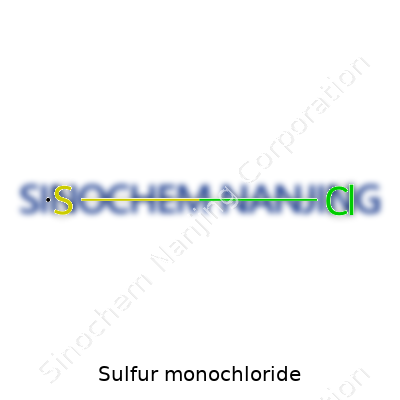
| Names | |
| Preferred IUPAC name | Disulfanediyl dichloride |
| Other names |
Disulfur dichloride Sulphur monochloride Sulfur(I) chloride Sulphur chloride |
| Pronunciation | /ˈsʌlfə maɪˈnɒklaɪd/ |
| Identifiers | |
| CAS Number | 10025-67-9 |
| Beilstein Reference | 1209317 |
| ChEBI | CHEBI:30170 |
| ChEMBL | CHEMBL1201617 |
| ChemSpider | 22116 |
| DrugBank | DB16089 |
| ECHA InfoCard | 100.029.181 |
| EC Number | 232-246-5 |
| Gmelin Reference | 82101 |
| KEGG | C16236 |
| MeSH | D013439 |
| PubChem CID | 24501 |
| RTECS number | WN6650000 |
| UNII | LTG8374425 |
| UN number | UN2394 |
| Properties | |
| Chemical formula | S2Cl2 |
| Molar mass | 102.52 g/mol |
| Appearance | Red to yellow fuming liquid |
| Odor | Choking sulfurous odor |
| Density | 1.68 g/cm³ |
| Solubility in water | decomposes |
| log P | 2.54 |
| Vapor pressure | 2.5 kPa (at 20 °C) |
| Acidity (pKa) | -3.0 |
| Magnetic susceptibility (χ) | -22.8·10⁻⁶ cm³/mol |
| Refractive index (nD) | 1.631 |
| Viscosity | 2.54 cP (20 °C) |
| Dipole moment | 2.95 D |
| Thermochemistry | |
| Std molar entropy (S⦵298) | 94.6 J mol⁻¹ K⁻¹ |
| Std enthalpy of formation (ΔfH⦵298) | -56.2 kJ/mol |
| Std enthalpy of combustion (ΔcH⦵298) | -134.5 kJ/mol |
| Hazards | |
| Main hazards | Toxic if swallowed, in contact with skin or if inhaled; causes severe skin burns and eye damage; reacts violently with water. |
| GHS labelling | GHS02, GHS05, GHS06, GHS08 |
| Pictograms | GHS05, GHS06, GHS08 |
| Signal word | Danger |
| Hazard statements | H301 + H311 + H331, H314, H410 |
| Precautionary statements | P260, P261, P264, P271, P273, P280, P301+P330+P331, P303+P361+P353, P304+P340, P305+P351+P338, P310, P361, P363, P405, P501 |
| NFPA 704 (fire diamond) | 3-0-2-W |
| Flash point | > 31°C (88°F) |
| Autoignition temperature | 190 °C |
| Lethal dose or concentration | LD₅₀ (oral, rat): 205 mg/kg |
| LD50 (median dose) | LD50 (median dose): Oral-rat LD50: 154 mg/kg |
| NIOSH | SQ8575000 |
| PEL (Permissible) | 1 ppm (3 mg/m³) |
| REL (Recommended) | 3 mg/m³ |
| IDLH (Immediate danger) | 3 ppm |
| Related compounds | |
| Related compounds |
Disulfur dichloride Sulfur dichloride Chlorine Sulfur tetrachloride |



