Sodium Valproate Hemihydrate: Looking Back and Looking Forward
Historical Development
Sodium valproate hemihydrate comes from a story of scientific curiosity and relentless effort in neurology and psychiatry. Folks have searched for better options to manage epilepsy for over a century. In the early 1960s, researchers stumbled upon valproic acid when they noticed that it calmed down seizures in laboratory animals. Over time, chemists developed sodium valproate and its stable hemihydrate form to make dosing easier and improve shelf life, all while offering reliable results for real-world therapy. As someone who has seen epilepsy’s impact on families, and the nervous watchfulness it brings, the arrival of valproate changed the picture—suddenly, there was a tool that brought genuine relief.
Product Overview and Application
This compound sits on many formularies, primarily because people depend on it for chronic care. It helps keeps seizures in check, especially for generalized epilepsies that don’t always respond to older drugs. Psychiatrists choose it for mood stabilization in bipolar disorder. Emergency medicine sometimes brings it in for specific cases of acute mania where speed matters. Sodium valproate hemihydrate offers flexibility for oral and injectable use, which gives clinicians room to tailor therapy. In my time talking to patients, the flexibility in dosing, forms, and speed of action gave people a fighting chance to live outside the hospital, attend school, or hold down a job.
Physical and Chemical Properties
The solid sodium salt of valproic acid appears as a white, crystalline powder. It absorbs water from the air, so it demands dry storage. It dissolves in water quite well; this characteristic helps pharmacists prep reliable liquid suspensions and contributes to predictable absorption once ingested. The hemihydrate version, containing one water molecule per two sodium valproate molecules, has stabilized its place in pharmaceutical manufacturing because it resists unpredictable clumping and does not break down in regular conditions.
Preparation Methods and Chemical Modifications
The manufacturing process for sodium valproate hemihydrate requires careful chemical control: start with valproic acid, react it with sodium carbonate or sodium hydroxide, and control temperature and humidity until the hemihydrate form precipitates. Chemists tinkered with this process for years to avoid impurities that could reduce safety or make tablets inconsistent. Over decades, some explored derivatives by attaching different chemical groups to the valproate backbone. Only a handful of these reached the clinic. Many proved either too toxic, or no better than the real thing. Today's industry sticks to tight preparation standards because patients can't gamble on batch variability.
Technical Specifications and Labeling
Pharmaceutical labels must spell out the content as sodium valproate hemihydrate, sometimes providing the equivalent amount of valproic acid. Whether in tablets, syrups, or injectable solutions, this detail matters because dosing hinges on the active sodium valproate content. Drug leaflets list not only the chemical name but also suitable doses, storage conditions, compatibility warnings with other drugs (like phenytoin or carbamazepine), and blunt warnings about the risk of birth defects and liver problems. Clear, accurate labeling has saved lives and prevented countless dosing mishaps.
Synonyms and Product Names
In medicine, one chemical often hides behind many names. Sodium valproate hemihydrate shows up in paperwork as “sodium dipropylacetate hemihydrate,” or simply as “valproate sodium.” Local regulations and drug company branding add even more options. Over my years in research, this maze of names sometimes confused ordering or reporting, especially in cross-border collaborations or when switching suppliers. Pharmacists, researchers, and health workers must remain vigilant, double-checking labels and documentation every step of the way.
Safety and Operational Standards
Using sodium valproate hemihydrate calls for a high bar of operational discipline. Accidental over-dosing or combination with other liver-stressing drugs ramps up the risk of acute liver injury—a serious worry in kids and anyone with metabolic issues. Regulatory agencies require manufacturers to document every batch for purity, level of hydration, and absence of residual solvents. Health workers trained on the early signs of toxicity (bad stomach pain, sudden jaundice, unusual tiredness) can catch complications sooner. In hospital settings, locked medication cabinets, bar-coded dispensing, and mandatory double checks keep errors rare.
Toxicity Research
Hundreds of studies tackled sodium valproate’s toxic effects head-on. One fact no one sidesteps: exposure during pregnancy sharply raises the risk of neural tube defects and developmental delays in newborns. The science is conclusive enough that many countries flag sodium valproate with red warnings for women of childbearing age. Toxicologists also dug deep into dosing thresholds—narrowing down the blood levels linked to safe seizure control without tipping into liver failure or pancreatitis. People with rare enzyme flaws, or those taking other drugs that slow valproate clearance, still run higher risks, which complicates care. Years in hospital settings showed me how multidisciplinary teams—doctors, pharmacists, nurses—must watch labs and symptoms closely. Protocols around liver function testing and dose adjustment are not bureaucracy; they're guardrails built from real crises.
Research and Development
The story of sodium valproate hemihydrate doesn’t stand still. Basic scientists track its action across neurons, looking for ways to separate the helpful anticonvulsant or mood-stabilizing features from unwanted side effects. Ongoing trials explore lower or targeted dosing, sometimes pairing valproate with other compounds to reduce harm. I’ve met families in clinical research programs, staying hopeful that novel forms or precision dosing might one day mean fewer side effects—or more predictable results after each refill. Big data tools match patient genetics with adverse reactions, teasing apart who gains most from valproate and who faces unacceptable risk. It's a continuous process, and every published study or reported adverse event slightly refines the next round of product improvement.
Future Prospects
The future of sodium valproate hemihydrate likely includes both targeted innovation and better patient education. On the scientific front, new delivery methods—such as extended-release patches or formulations absorbed through the cheek—may one day help people who can’t swallow or keep pills down. There is also hope that smarter genetic screening will help personalize (and sometimes avoid) starting sodium valproate in people most likely to run into trouble. In parallel, public health systems work to fill information gaps so patients understand fertility and pregnancy risks long before trouble starts. Living and working with patients, I’ve learned that true progress blends scientific rigor, careful manufacturing, and patient-centered care—all built on a foundation of open communication and relentless fact-checking.
What is Sodium Valproate Hemihydrate used for?
Understanding the Medicine
I remember meeting a family whose son had his childhood shaped by epileptic seizures. They told me how the days once revolved around the fear of those unpredictable episodes. Then, the doctor put him on sodium valproate hemihydrate. Life changed for that family. This drug didn’t quite “fix” everything, but it gave them breathing room. The son could go to school, join family outings, live closer to the life he wanted. That story sits at the center of what this medicine means for so many.
Uses in Epilepsy
Sodium valproate hemihydrate is a common sight in neurology clinics, mostly because it curbs several types of seizures. Doctors trust it for complex and simple absence seizures, tonic-clonic seizures, and sometimes for others like myoclonic or atonic patterns. One fact stands out: this drug doesn’t just dampen seizure intensity; for many, it can keep months seizure-free. Parents talk about returning to work, children get to sleepovers, and daily life can finally climb out from under a cloud.
Bipolar Disorder: Mood Stabilization
The reach of sodium valproate hemihydrate stretches into psychiatry. Plenty of people with bipolar disorder run into stretches of severe highs and lows. Some mood swings derail jobs, school, or relationships. For manic episodes, especially, psychiatrists often turn to this medication. It is not a magic wand; not everyone responds. But many people finally have a shot at steadying the ups and downs that can otherwise be so destructive. Science backs this up: several studies and real-world results show fewer relapses, especially as part of a wider treatment plan involving therapy and support.
Migraine Prevention
For people with frequent, disabling migraines, sodium valproate hemihydrate lands on the options list. This isn’t about treating headaches as they come; it is about prevention. The FDA and several national guidelines point to this drug for adults who need serious, regular help. I’ve met teachers and nurses who swear by it—not because migraines disappeared, but because being able to plan a day without the constant fear of a sudden attack made a real difference. Less sick days, more presence with family, fewer lost opportunities.
Balancing Benefits and Risks
No treatment comes without a cost. Weight gain, tiredness, and stomach problems can trouble patients. The biggest concern centers on pregnancy. Valproate carries a serious risk of major birth defects, so doctors nearly always recommend something else for people who might become pregnant. This isn’t something swept under the rug. Public health agencies and advocacy groups campaign hard to make sure anyone who gets sodium valproate hemihydrate knows about the risk well before starting.
Focusing on Solutions
Patients should not carry all the burden for monitoring these risks. There is better education on side effects now than a decade ago. Still, I see gaps, especially in community clinics. Making space for proper counseling and regular review visits could cut down on preventable problems. Pharma companies and regulators need to keep pushing for safe packaging, clearer instructions, and longer-term studies that match the challenges real families face.
Sodium valproate hemihydrate gives people a shot at a normal life, or at least something much closer to it than untreated epilepsy or bipolar disorder. That doesn’t mean it works for everyone. Honest conversations with patients and loved ones, easy access to informed medical care, and practical support shape the biggest difference for those who need this medicine the most.
What are the common side effects of Sodium Valproate Hemihydrate?
Understanding What It Does
Sodium valproate hemihydrate finds its place in many medicine cabinets because it helps control seizures, stabilizes mood in bipolar disorder, and treats some types of migraine headaches. Plenty of people I’ve spoken with, including family members and patients, have seen real improvements in their quality of life after starting this medication. This benefit comes with trade-offs, because like most medicines, it can trigger a variety of side effects. Knowing what to look out for helps people make better choices about what they put in their bodies.
Common Body Responses
One of the things many folks notice first is a sense of nausea or an upset stomach. It’s not rare for new users to also experience diarrhea or, on the flip side, constipation. Stomach pain and changes in appetite often tag along, making it tricky to keep up regular healthy eating. Weight gain creeps up in a lot of people using sodium valproate for more than a couple of months. Data from studies suggest weight gain happens in as many as one out of three users over the long haul. Since extra weight can lead to further health problems, it’s something to keep an eye on and talk over with a doctor.
Mood and Brain Fog
Feeling tired hits a good number of folks — sometimes in a way that catches them off-guard. Day-to-day chores or work can get tough due to sleepiness or dulled alertness. There’s also a well-documented fogginess that can settle in, leading to memory hiccups or trouble concentrating. Doctors and patients have noticed that even though sodium valproate can balance wild mood swings in some, others report feelings of irritability or confusion. For someone who values mental sharpness, bringing up any changes as soon as they appear makes sense.
Impact on Hair and Skin
Hair loss draws a lot of concern — thinning or shedding hair can rattle anyone. Most see this side effect settle down over time or even reverse after stopping the medicine. Breakouts, rashes, or itching come up less often, but still crop up enough that users need to watch their skin for anything unusual. Sensitive skin or allergic responses can signal a bigger problem underneath, like liver irritation, which needs attention and usually a switch in treatment.
Liver Worries and Regular Checks
One place sodium valproate hits hard is the liver. Young children and those with other health problems face higher risk. Liver enzymes can spike, and in rare cases, the medication can cause lasting liver harm. Blood tests help spot trouble before it gets worse. Keeping on top of regular check-ups lets people continue using sodium valproate with fewer surprises.
What Can Help
Doctors suggest taking the medicine with food to soften stomach side effects. Eating balanced meals, getting regular exercise, and watching for weight changes matter too. If tiredness or mood swings get tough, reporting them quickly leads to proper adjustments. Family support goes a long way, especially when subtle symptoms slip by.
Sodium valproate hemihydrate offers relief for many, but it takes teamwork between healthcare providers and patients to manage its side effects. Open conversations, early reporting, and simple lifestyle changes help tip the scales in favor of better health outcomes.
How should I take Sodium Valproate Hemihydrate?
Understanding the Role of Sodium Valproate Hemihydrate
Doctors often prescribe Sodium Valproate Hemihydrate to control epilepsy and, in some cases, to treat mood disorders. This medicine lowers the chance of seizures and stabilizes mood swings for many people. It’s not just another tablet to wash down; it carries hefty responsibility. Each dose shapes a person’s day, their ability to drive, work, and even remember whether the stove got switched off.
Taking the Dose: Matters of Routine
Years ago, I watched my friend juggle her daily routine around epilepsy medication. She set alarms on her phone since the timing mattered. Skipping a dose put her at risk of a seizure. With Sodium Valproate Hemihydrate, keeping a regular schedule does more than make the doctor happy—it protects daily life. Swallow the tablets whole with a full glass of water, usually with or after food to avoid stomach upset.
Chewing or crushing tablets could change how the medicine works. The body’s supposed to process it slow and steady, not all at once. If a dose gets missed, don’t double-up. Just take the next dose on time and move on. That keeps blood levels smooth, which cuts down the chances of sudden symptoms.
The Big Reason: Preventing Harm to Your Body
Sodium Valproate Hemihydrate is no vitamin supplement. Its whole purpose is to balance signals in the brain, but it does this with serious tools that demand respect. Liver checks and blood tests play a regular part of life for people using this medicine. The body’s chemistry gets monitored before trouble finds its way in. Children, teenagers, and women who could become pregnant need to have extra conversations with doctors. There’s plenty of data out there on fetal risk and birth defects. In the UK, doctors only prescribe this medicine for women of child-bearing age if no other treatment works and there are strong safeguards in place.
Looking Out for Side Effects
Nobody likes dealing with side effects. Nausea, tiredness, weight gain—these are real stories from people who want to feel steady. I’ve seen families tackle these side effects as a team, swapping recipes that offset appetite changes or helping each other cope with tiredness. Reporting anything new—rash, confusion, yellowing eyes—to a doctor makes all the difference.
Alcohol makes the medicine work less reliably. I’ve seen friends cut back on drinking just to keep things predictable. Reading the leaflet feels tedious, but it lists the warning signs and the reasons they matter.
Medication Belongs to a Plan
Personal experience and research agree: no one should stop taking Sodium Valproate Hemihydrate without talking to a doctor. Sudden withdrawal is dangerous. Regular review visits with a healthcare specialist help set the right dose and reduce risk. These meetings build trust and understanding, especially when life gets complicated or other medicines come into play.
Empowering Decisions, Finding Support
Families, teachers, and employers all play their part. Support goes a long way in making medicine work for the person and not the other way around. Having that conversation with the pharmacy team, picking up repeat scripts, or reading a patient forum can shine a light when things look uncertain.
Taking Sodium Valproate Hemihydrate is not just about avoiding another seizure. It’s about living well, knowing the facts, and working as a team with doctors and loved ones. Knowledge and support turn a prescription into a plan for getting more out of life every day.
Are there any precautions or interactions with Sodium Valproate Hemihydrate?
Recognizing the Risks
Sodium valproate hemihydrate can help control seizures for many people struggling with epilepsy or bipolar disorder, but it’s not a simple “take and forget” medicine. In my experience talking with families and patients, many come in worried about side effects and drug interactions. These aren’t trivial fears. The impact stretches from common nuisances like nausea or upset stomach to more serious risks such as liver trouble, birth defects, or dangerous reactions with other medicines.
Let’s start with the liver. Valproate demands attention to liver health. Children under two years old or people with a family history of liver disease have a higher risk of liver failure. One boy under my care started developing jaundice and stomach pain a few weeks after beginning treatment. Bloodwork flagged liver enzymes off the chart. Once his doctors stopped sodium valproate, his liver numbers dropped back to normal levels. Older adults also face extra risk, as their bodies can’t clear medications as efficiently. Regular blood tests help catch these problems before real harm occurs.
Women and Pregnancy Concerns
Pregnancy adds a whole new set of complications. Valproate ranks among the riskiest medicines for unborn children. Babies exposed in the womb run a high risk of birth defects, slower mental development, and lower IQ. The European Medicines Agency and the FDA both warn against its use in pregnancy unless absolutely necessary. Women taking valproate need detailed counseling and effective birth control. A few patients in my circle have faced heart-wrenching choices about continuing the drug or seeking safer options. For those who depend on sodium valproate, close coordination with obstetricians and neurologists can’t be skipped.
Interactions with Other Medicines
I’ve sat in clinics watching clinicians pour over medication lists. Valproate has a reputation for interacting with many drugs. Aspirin, other antiepileptics, and mood stabilizers often show up on red-flag lists. Aspirin and some antibiotics can raise blood levels of valproate, increasing the risk of side effects. Drugs like carbamazepine or phenobarbital may lower valproate’s effectiveness, or vice versa. Warfarin, a common blood thinner, has its potency increased by valproate—raising the chances of serious bleeding. A patient switching to valproate from lamotrigine, another seizure medicine, once saw her seizures stop, only to develop a skin rash that quickly worsened; the culprit was a drug interaction ramping up lamotrigine levels.
Food, Supplements, and Lifestyle
Even grapefruit and herbal supplements can interfere. Grapefruit components slow the body’s breakdown of many medicines. Supplements with St. John’s Wort, sometimes sold for mood, put patients at risk because they can affect how fast medicines break down. Valproate also increases the risk of bone loss, so a balanced diet with enough calcium and vitamin D supports long-term health. Reducing alcohol intake and staying hydrated can prevent extra strain on the liver.
Helping Patients Stay Safe
Patients need to keep a current medication list and share it with every new doctor or pharmacist they meet. Regular liver checks—especially early in therapy—give a safety net. Pharmacists and doctors should discuss possible side effects, including mood changes, confusion, or tremor. Many issues start small but grow big if ignored. In my experience, open conversation about symptoms and a willingness to ask questions often leads to better outcomes.
Modern medicine offers good treatment—but it also relies on everyone staying informed and vigilant. Trusted communication between patients, doctors, and pharmacists makes a world of difference with sodium valproate.
Can pregnant women take Sodium Valproate Hemihydrate?
Why Doctors Worry About This Drug
Pregnancy already brings stress, but it gets even heavier when epilepsy sits in the picture. Many women rely on sodium valproate hemihydrate to keep seizures in check. This drug has a track record for working well against seizures, and sometimes doctors see few options that control certain types as effectively. Still, this medication casts a big shadow for anyone pregnant or planning to start a family. The risks are serious, and families deserve clear facts.
The Real-World Data: Birth Defects and Developmental Risks
The amount of research done here shouldn’t be ignored. Large population studies show that babies exposed to valproate during pregnancy face a much higher risk for birth defects — up to 10% according to the European Medicines Agency. To picture it, that’s one baby out of every ten. Spina bifida, facial malformations, heart problems, and hand or leg abnormalities land on the list. It doesn’t stop at physical changes. Kids whose mothers took sodium valproate during pregnancy face a much bigger risk of learning difficulties. Trouble in language, memory, and lower IQ show up far more often, sometimes in as many as four out of ten exposed children. This risk is much higher compared to children whose mothers used other anti-seizure medicines.
Weighing Up: Seizures or Side Effects?
No pregnant woman takes a medicine like valproate lightly. For some women, other epilepsy medications just don’t work. Stopping treatment cold turkey can cause uncontrolled seizures, which puts both mother and baby at immediate risk, even leading to loss of life. This dilemma gets deeply personal, and fear and guilt can start to feel heavier than any side effects list. Still, guidelines from the UK’s National Institute for Health and Care Excellence draw a firm line: sodium valproate should not be prescribed to women of childbearing age except as a last resort, and only if every other option fails to control seizures.
Clear Solutions Do Exist
Doctors stress birth control for any woman using valproate, sometimes even signing risk acknowledgment forms to make sure everyone understands the stakes. Folic acid supplements might lower certain risks, but don’t come close to erasing the dangers tied to valproate. The best solution always starts with planning. Doctors look to swap sodium valproate for other anti-epileptic drugs with lower risk profiles well before pregnancy. Medications like lamotrigine or levetiracetam rarely carry the same heavy risks. Preconception counseling matters a lot — not just for the patient, but also for doctors, pharmacists, and family. We’re talking about a team effort, with regular discussions long before a positive test.
Taking Charge With Trusted Voices
Misinformation spreads too easily, especially online, turning real anxiety into panic. Women need to speak with neurologists or epilepsy nurses who deal with these situations regularly. Medical decisions should not come from headlines or forums. Instead, connecting with patient groups and counseling services set up by epilepsy charities in your area can fill in the gaps with lived experience and reliable advice. Real support, rooted in science, often makes the difference between despair and confidence. No one should have to walk through pregnancy feeling alone in these choices.
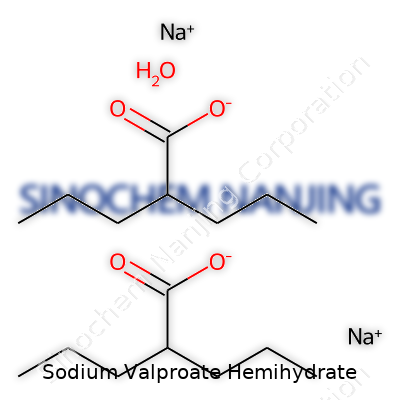

| Names | |
| Preferred IUPAC name | sodium 2-propylpentanoate hemihydrate |
| Other names |
Epilim Depakote Valproic acid sodium salt hemihydrate Valproate sodium hemihydrate Sodium 2-propylpentanoate hemihydrate |
| Pronunciation | /ˌsəʊdiəm vælˈprəʊeɪt ˌhɛm.iˈhaɪdreɪt/ |
| Identifiers | |
| CAS Number | 1069-66-5 |
| 3D model (JSmol) | `data="Na.OC(=O)C(CCC)CC.[H2O]"` |
| Beilstein Reference | 1307032 |
| ChEBI | CHEBI:9425 |
| ChEMBL | CHEMBL1201197 |
| ChemSpider | 88515 |
| DrugBank | DB00313 |
| ECHA InfoCard | 100.011.329 |
| EC Number | 246-379-0 |
| Gmelin Reference | 87154 |
| KEGG | C07128 |
| MeSH | D017382 |
| PubChem CID | 23673570 |
| RTECS number | YV7870800 |
| UNII | J4D7D97REA |
| UN number | UN 0349 |
| CompTox Dashboard (EPA) | DJ5MQ7Z4F1 |
| Properties | |
| Chemical formula | C8H15NaO3·0.5H2O |
| Molar mass | 166.17 g/mol |
| Appearance | White crystalline powder |
| Odor | Odorless |
| Density | 1.22 g/cm³ |
| Solubility in water | Freely soluble in water |
| log P | -0.46 |
| Acidity (pKa) | 4.8 |
| Basicity (pKb) | 7.8 |
| Magnetic susceptibility (χ) | Diamagnetic |
| Viscosity | Viscous liquid |
| Dipole moment | 1.94 D |
| Thermochemistry | |
| Std molar entropy (S⦵298) | 368.58 J·mol⁻¹·K⁻¹ |
| Std enthalpy of combustion (ΔcH⦵298) | No standard enthalpy of combustion (ΔcH⦵298) value found for Sodium Valproate Hemihydrate. |
| Pharmacology | |
| ATC code | N03AG01 |
| Hazards | |
| Main hazards | Harmful if swallowed. Causes serious eye irritation. May cause damage to organs through prolonged or repeated exposure. |
| GHS labelling | GHS05, GHS07 |
| Pictograms | GHS05,GHS07,GHS08 |
| Signal word | Warning |
| Hazard statements | H302, H318, H361fd |
| Precautionary statements | P210, P233, P280, P305+P351+P338, P337+P313, P403+P235 |
| NFPA 704 (fire diamond) | 2-1-0 |
| Flash point | > 86 °C |
| Autoignition temperature | > 500°C |
| Lethal dose or concentration | LD₅₀ (oral, rat): 1,580 mg/kg |
| LD50 (median dose) | LD50 (median dose): Rat (oral): 1680 mg/kg |
| NIOSH | NIOSH: WV6050000 |
| PEL (Permissible) | PEL (Permissible Exposure Limit) for Sodium Valproate Hemihydrate: Not established |
| REL (Recommended) | 500 mg daily in 1–2 divided doses |
| IDLH (Immediate danger) | Not established |
| Related compounds | |
| Related compounds |
Valproic acid Valpromide Divalproex sodium Sodium valproate Valnoctamide |



