Sodium Methoxide: An Editorial Commentary on a Quiet Catalyst in Chemistry and Industry
A Look Back: How Sodium Methoxide Became Essential
Sodium methoxide didn’t spring up as a modern marvel overnight. Before it played a behind-the-scenes role in pharmaceuticals and biodiesel, chemists in the late 1800s realized that mixing sodium metal with methanol created a powerful nucleophile. People started exploring it for simple lab syntheses, noticing that it could turn out methyl esters and launch condensation reactions, jobs that acids and other bases often fumbled. By the mid-20th century, its talents as a strong base with a reliable output caused producers to scale up manufacturing, especially as demand for pharmaceutical intermediates grew after World War II introduced more advanced organic synthesis. Now, sodium methoxide is not just another shelf compound—it’s an unsung workhorse in both labs and bulk industry.
Understanding Sodium Methoxide: Physical and Chemical Character
This compound might look unassuming—often appearing as a white or slightly yellowish powder or as a colorless solution in methanol. But there’s a lot packed into those particles. Its chemical formula, CH3ONa, spells out a tight combination of sodium and methoxide ions. Exposed to air, sodium methoxide doesn’t just sit around. It reacts vigorously with water and carbon dioxide, breaking down into sodium hydroxide and methanol or sodium carbonate, depending on what’s in the environment. The result: it needs serious attention to storage. It’s flammable, corrosive, and releases heat in water or moist air, making proper handling the first lesson in any lab or plant relying on it. This chemical kicks off reactions without much prompting, so small mistakes can lead to big trouble, especially in warm, humid settings.
Labeling and Technical Details: Rules That Protect People
Anybody involved with sodium methoxide needs to pay close attention to labeling and technical specifications. Its purity can affect the success of a synthesis or batch process, so rigorous quality checks run daily in most manufacturing settings. Proper packaging must shut out moisture and air, with labels that alert users to its flammability and corrosiveness front and center. Safety pictograms signal high stakes—this isn’t a compound for the casual or untrained. Even the United Nations has weighed in, classifying it under hazardous goods regulations for transport. These global standards help prevent the sort of mishap that could cause injuries, fires, or toxic exposures during shipping or handling. Experience in chemical plants shows that missing a single labeling step has led to panicked evacuations and costly downtime more than once.
How Sodium Methoxide Comes Together: Preparation Insights
Preparation usually starts with metallic sodium and anhydrous methanol. Here, keeping things dry isn’t just a preference—it’s a rule. Dripping sodium into methanol creates a rapid, exothermic (heat-releasing) reaction. The process gives off hydrogen gas, which is itself explosive if mixed wrong with oxygen. Technicians need strong ventilation, spark-proof equipment, and nerves of steel. In some places, automated and closed systems handle the job, but anywhere corners get cut, accidents quickly follow. Every batch demands careful control, both to protect people and guarantee that the finished product meets the standards of reactivity needed for use downstream.
Chemical Reactions and Why Chemists Value Sodium Methoxide
Sodium methoxide isn’t a show-off, but it drives crucial reactions almost everywhere in synthetic chemistry. No big-time pharmaceutical synthesis, biodiesel production, or large-scale esterification gets far without it. It’s the preferred base for transesterification, where fats or oils meet methanol to make methyl esters, the backbone molecules of biodiesel. Organic chemists lean on it for condensation reactions, such as Claisen and Aldol, helping form complex rings and chains from humbler starting materials. Fun fact from one old mentor: in making certain anti-inflammatory drugs, nothing moves the reaction along as smoothly as sodium methoxide. And it’s not just limited to known reactions—it keeps popping up in novel research for greener Chemistry and next-gen materials.
The Many Faces of Sodium Methoxide: Synonyms and Product Names
Sodium methoxide goes by several names depending on the context. Sometimes people refer to it as sodium methylate, or NaOMe in shorthand. In German literature, “Natriummethylat” pops up. Out in the marketplace, chemical supply companies stamp different brand names on sodium methoxide, whether delivered as a powder, flakes, or dissolved in methanol. No matter the alias, the compound inside serves the same critical function, and anyone handling it learns quickly to check both the label and the paperwork before using it in any process.
Safety and Getting the Job Done: Setting a Responsible Standard
Every year brings reports of sodium methoxide mishaps—spills, fires, health scares—and these events share a common root: skipped safety measures. My time in chemical production reinforced a simple truth: treating sodium methoxide with respect saves lives. Handling this compound demands chemical-resistant gloves, goggles, and full skin coverage. No shortcuts exist for proper ventilation or using spark-proof and grounded tools. Fire extinguishers must sit close by, especially class D units, since standard options barely touch a sodium fire. Training is continuous, with annual drills that stress not only procedure but the reasons behind it—because it only takes one lapse for an accident to set a new rule in stone.
Where Sodium Methoxide Makes a Difference: Industry and Research
Modern industry would slow to a crawl without sodium methoxide. Biodiesel plants keep tanks of it on hand to convert vegetable oils, tackling the global push to decarbonize transport. Pharmaceutical companies lean on it for building complex molecules—nonsteroidal anti-inflammatories, antibiotics, and antivirals often start their synthetic journey with a critical sodium methoxide step. It also finds work in dye and pigment production, flavor and fragrance synthesis, and crafting nutrasweet-like sweeteners. Universities and startups use it in green chemistry projects, exploring new, safer solvents and more sustainable catalysis, hoping to replace older, dirtier technologies. In these circles, sodium methoxide is less about brand prestige and more a trusted, proven tool that lets researchers chase safer and more efficient reactions.
Digging Into Toxicity: Risk and Responsibility
No one should overlook sodium methoxide’s risks. Inhaling even small amounts of dust or mist irritates the lungs, while direct skin contact burns and corrodes immediately. Accidental spills on flesh can require hospital trips within minutes. Swallowing it is especially dangerous; just a few grams can cause severe internal burns. Workers learn to mop up small spills with plenty of dry, inert material and treat larger ones as major emergencies. I remember one incident where a new technician ignored protocol and suffered a second-degree chemical burn to the forearm—fast and proper use of the safety shower likely saved them from permanent injury. Researchers studying sodium methoxide’s long-term effects look for chronic toxicity or potential cancer risks, though acute effects remain the most widely recognized hazard. Regulations set strict exposure limits and require ongoing training to remind everyone what’s at stake.
Looking Ahead: Where Sodium Methoxide Could Go Next
More eyes turn to sodium methoxide with every swing toward green energy, cleaner manufacturing, and sustainable chemistry. Biodiesel might be the most recognizable example, but new projects aim to use sodium methoxide in making biodegradable plastics and safer pharmaceuticals. Advances in reactor technology hope to cut down on the risks of handling, adopting closed systems that let sodium methoxide flex its reactivity without exposing workers to raw hazards. Meanwhile, scientists keep searching for less hazardous alternatives or additives that strip out some of the danger while preserving the core chemical action. Research teams wonder whether sodium methoxide could find work in recycling complex polymer waste or streamlining the production of fine chemicals used in electronics. Some approaches investigate immobilizing sodium methoxide on solid supports, making it easier to separate and recycle after reactions. The future for this compound runs through a mix of old-school caution, fresh innovation, and a steady drive to make chemistry safer, cleaner, and just as productive as past generations demanded.
What is Sodium Methoxide used for?
Getting to Know Sodium Methoxide
Sodium methoxide doesn’t usually make the news, yet it powers some pretty big changes behind the scenes. This white powder or solution keeps many industries ticking. Its main job? Acting as a strong chemical player that helps drive reactions which otherwise need a lot more push. For example, in the world of pharmaceuticals, sodium methoxide helps piece together medicines by speeding up reactions and breaking tough chemical bonds.
I remember talking to a friend who works at a small pharma research lab in the Midwest. He always mentioned how sodium methoxide made some drug syntheses simpler and cleaner, cutting out unnecessary steps. Production becomes faster, waste falls, and costs drop—live proof of smart chemistry making a real difference.
Fueling Cleaner Energy
One place where sodium methoxide really shines is biodiesel production. Making biodiesel isn’t magic—it takes a chemical reaction to turn plant oils or animal fats into something an engine can digest. Sodium methoxide acts as a catalyst in this process, known as transesterification. Without it, we’d need more energy and produce more leftovers nobody wants. It’s not just good for cutting pollution; it brings more affordable fuel options to rural spots like those I visited in Iowa, where farmers look for ways to turn crops into profit.
The Dark Side: Handling and Safety Risks
None of this is just good news. Working with sodium methoxide always calls for caution. I’ve handled enough chemicals in undergrad labs to know that basic safety—goggles, gloves, fume hoods—can’t get skipped. Sodium methoxide reacts strongly with water, sometimes violently, and can eat away at skin or lungs in a hurry. Some industrial accidents, like a 2022 case in China, show how skipping steps or ignoring proper storage ends in explosions or toxic leaks. Using this compound on a large scale means workers need solid training and companies must invest in tried and true safety systems.
The Waste Question
Sodium methoxide doesn’t just vanish after use. In biodiesel plants, leftover chemicals turn up as waste streams, some caustic and tough to treat. If they seep into soil or water, they damage ecosystems and mess with drinking water supplies. That problem isn’t rare, especially for smaller facilities without strong waste treatment.
I’ve watched communities face fallout when nearby factories don’t manage their waste right. It isn’t fair for those living downstream to pay for industry’s shortcuts. Clean-up costs run high and the legal fights can last years. Following up on news stories, I’ve noticed that working with local environmental programs—often funded by state grants—provides real hope. Small biodiesel plants see positive changes when they install secondary containment tanks and monitor local water for signs of contamination.
Moving Forward: Responsible Use
Innovation makes chemistry indispensable, but it brings responsibility. Companies using sodium methoxide need to balance the benefits with honest planning for safety and waste. Regulators have a role here: regular inspections and strong penalties for violations keep everyone on their toes.
Sodium methoxide may seem hidden, but its impact touches our roads, jobs, and health. Paying attention to both the promise and the pitfalls leads to smarter decisions that don’t sacrifice safety for speed.
What are the safety precautions when handling Sodium Methoxide?
Why Sodium Methoxide Deserves Real Respect
Sodium methoxide stays strong on the list of chemicals that can turn a regular day upside down. Working in a lab for several years taught me to avoid shortcuts around strong bases like this one. A grain of forgetfulness or an assumption that “nothing will happen” invites big trouble. Sodium methoxide brings fire risk, causes chemical burns, and reacts fiercely with water. Reading these dangers in a data sheet and facing them in person are not the same at all.
Personal Protective Equipment: No Room for Laziness
Gloves—make sure they resist alkalis. Nitrile is no good here; go for butyl rubber or neoprene. Eyes, face, and most of your skin, they all need sturdy shields. Standard lab coats get eaten up by spills, so I put on a full-length chemical apron if there’s even a slight chance of a splash. Safety goggles turn into a must every single time, not just for mixing or pouring. Skip open shoes; chemical spills don’t care if you “just ran in for a second.” I keep work clothes and street clothes separate. This chemical can settle into fibers and tag along after your shift.
Safe Spaces, Smart Storage
Clean, dry air makes a difference. Humidity and sodium methoxide create heat, giving off methanol vapors and even starting fires. Store it in tightly sealed containers made for caustics, away from sinks and anything wet. Steel drums, if rusted, lead to leaks and more exposure. I open the container in a fume hood or well-ventilated area, because methanol vapor creeps up on you—one faint whiff can bring on headaches or dizziness. Label each bottle clearly, and never use a food container or even a recycled solvent jar.
Handling: Not a Task to Rush
Sodium methoxide powder drifts easily. Spills seem small until you realize the dust sticks to skin, gear, and shoes. Long ago, I saw a student try to sweep it up with a dry towel—bad call. The only way to handle spills: gently cover with mineral oil, then scoop into a chemical waste bin. For mixing, always add the powder to the solvent, not the other way around. Pouring too fast kicks up dust and makes splashes. Keep fire extinguishers rated for chemical fires close at hand. Water will not help and can make things worse, so use class B or class D extinguishers.
Training and Emergency Know-How
Nobody learns respect for sodium methoxide from a poster. Direct training saved me more than once. I ask coworkers to review procedures together, especially before a big batch run. SDS sheets must sit within arm’s reach. If a spill happens on skin, rinse with water for 15 minutes and call medical help. If the chemical gets in someone’s eyes, use an eyewash station and seek immediate care. Methanol inhalation goes straight to the nervous system, so make time to understand the symptoms and keep emergency drills real and regular.
Smarter Substitutes, Constant Attention
In scale-up or industry work, alternatives like potassium methoxide can ease some risks, but nothing comes totally safe. Automation and closed systems lower the chances of exposure. For now, listening closely to seasoned colleagues and sharing near-miss stories keeps everyone a little sharper. Sodium methoxide’s risks are big, but a crew that takes precautions seriously keeps the lab safe—and makes sure everyone walks out in the same shape they came in.
How should Sodium Methoxide be stored?
The Real-World Challenge of Sodium Methoxide
Sodium methoxide shows up in lots of labs and manufacturing plants. It’s easy to overlook just how quickly it reacts with both air and water, and how a few missteps create real hazards. I’ve seen new technicians brush aside the warnings—until that sharp, irritating smell of methanol hits the air or white fumes escape after a cap gets left loose. Trust me, storage mistakes turn into emergencies in no time.
The Science Behind Proper Storage
Chemical manufacturers and universities highlight the instability of sodium methoxide outside controlled conditions. It reacts aggressively with moisture, forming caustic sodium hydroxide and releasing pure methanol fumes. Left exposed, fire risk isn’t just a theoretical warning; this compound actually has a history of igniting. The safety data from the Occupational Safety and Health Administration shows just how serious these risks get. In my experience, no sense trying to cut corners here—every shortcut comes back to bite.
Container Choice Makes a Big Difference
Metal drums tempt some folks because they seem secure, but sodium methoxide eats away at certain metals in damp spaces. Glass bottles work in some labs, but breakage risk rises with volume or transport. For real peace of mind, stainless steel or high-density polyethylene containers with tight seals beat the alternatives. Some plants rely on one-way valves to keep air out after every withdrawal. Those few extra seconds end up saving hours of cleanup and lost material down the line.
Environment and Location Matter
Keeping sodium methoxide cool, dry, and in the dark turns out essential—not convenient, but necessary. Moisture in the air spells disaster, so a dry storage room with reliable climate control stays at the top of my list. I’ve worked places where humidity drifted above 60% and witnessed containers sweat, corrode, and leak. Now, every storage setup goes in a space where temperature and humidity are tracked and alarms trigger if something drifts out of range.
Minimizing Human Error and Spill Response
Spills and improper handling lead to bigger problems than most expect. In my first job, I saw a spill set off the building’s fire alarm and call in the hazmat crew. From then on, training stuck with me. Workers get clear, direct instructions: open containers only inside vented enclosures, prep for splashes, and store every tool dry. Safety goggles and gloves always come out, and an eyewash station sits close by. Extra absorbent material and neutralizing agents should stay in arms’ reach; thinking you’ll fetch them later usually backfires in a hurry.
Supply Chain and Regulatory Oversight
OSHA, EPA, and local fire codes all spell out storage requirements, but real safety comes from consistent habits. Third-party audits sometimes catch what on-site teams overlook. I advise running self-inspections monthly, even if no one’s looking over your shoulder. Check for dry crusts around caps, changes in bottle weight, or odd odors that hint at leaks. Remember, sodium methoxide’s shelf life plummets after even brief air contact, so tracking inventory age and turnover reduces both waste and risk.
Looking Forward: Practical Solutions
I’d like to see more facilities adopt automated humidity sensors that link directly to emergency shut-offs or alert systems. Smaller sites could share resources for proper waste disposal, since sodium methoxide never belongs down the drain. Companies can sponsor refresher training frequently—not once a year—keeping safe habits at the top of every worker’s mind. Anyone around reactive chemicals benefits from a culture shift: treat storage as a priority, because consequences come fast and hard for those who treat it as an afterthought.
What is the chemical formula of Sodium Methoxide?
Getting the Formula Right: Sodium Methoxide Explained
I remember the first time I worked with sodium methoxide in the lab. Everyone treated it with a certain kind of respect, which made me take notice. This isn’t just any salt. Sodium methoxide comes with the chemical formula CH3ONa. It’s a simple compound, but that little formula packs a punch in both industry and research, from pharmaceuticals to biodiesel.
Understanding How Sodium Methoxide Works
Sodium methoxide is born when sodium metal touches methanol. That reaction fizzes up hydrogen gas and leaves behind a strong base, sodium methoxide. The structure—one sodium atom bonded to a methoxy group—seems straightforward, but if you mix up so much as a letter, you’re talking about something else entirely.
Why Correct Chemical Formulas Are Not Just for the Classroom
Small mistakes in chemistry come with big consequences. If someone uses the wrong chemical, mislabels a container, or stumbles on the composition, whole batches of medicine or biofuel throw up red flags. In one of my university projects, a classmate mixed up sodium methoxide and sodium ethoxide. It was a headache sorting out that mess because nobody wants an unexpected reaction in a lab—or worse, in a manufacturing plant. That’s the real world: accuracy doesn’t just protect data; it protects people and money. Just in pharmaceuticals alone, one wrong molecule can ruin a run and force a total shutdown. No company wants that.
Backing Up with Real Numbers and Risks
Sodium methoxide takes its place as a key catalyst in making biodiesel. The transesterification process, which turns vegetable oils or animal fats into fuel, relies on this chemical. According to the U.S. Department of Energy, errors in chemical identification result in over $1 billion of wasted resources each year, not counting safety incidents. If the wrong base makes its way into biodiesel production, the end product may fall below fuel quality standards, causing engine problems and even voiding warranties for fleets depending on that biofuel.
Practical Steps for Avoiding Mix-Ups
I keep my labels clear and double-check everything with colleagues—no shortcuts. Some labs now use QR codes tied to precise inventory databases, making mistakes less likely. There’s a growing trend toward digital verification, but nothing replaces that moment of pause to compare the bottle in your hand with the formula in your notes.
Training new chemists means drilling home the importance of correct notation. Not just what the formula looks like, but what it means—how one sodium, one carbon, three hydrogens, and one oxygen teamed up the way they do in sodium methoxide create something powerful and useful—dangerous too, in the wrong hands or when confusion enters the picture.
Moving Toward a Culture of Accuracy
People in chemistry can take cues from fields like aviation: checklists, clear communication, no stigma over asking a simple question. After all, the chemical formula for sodium methoxide, CH3ONa, represents more than blackboard material. It’s a test of attention in a field where details aren’t just details—they’re everything.
Is Sodium Methoxide hazardous to health or the environment?
Navigating Health and Environmental Hazards
Sodium methoxide often gets overlooked unless you work in manufacturing or chemistry labs. This white, powdery substance shows up a lot in making pharmaceuticals, biodiesel, and even certain foods. Outside these industries, most people have never heard of it. But dig into its background, and there’s plenty to talk about—especially on the health and environmental front.
My own experience around facilities making biodiesel put me in direct contact with sodium methoxide. I've watched how workers suit up—rubber gloves, goggles, even respirators in some cases. They don’t do all this for show. A little slipup, like a spill or inhaling the dust, can send people rushing for the eyewash station or the emergency shower. Contact with skin burns fast, and just breathing in its fumes may cause headaches, difficulty breathing, and coughing. Get it in your eyes, and there’s a real threat of serious injury.
The dangers come from how sodium methoxide reacts with water—even skin moisture. The result is sodium hydroxide, which burns on contact, and methanol vapor that can mess with the nervous system. If you’ve ever worked around strong bases, you know the impact: redness, pain, blisters. Methanol brings its own risks, including blindness and toxicity. The American Conference of Governmental Industrial Hygienists recommends strict exposure limits, and for good reason. Each year, reports come in from labs and plants where an accidental release sends people to the hospital.
The Environmental Side
Managing waste gets trickier. Sodium methoxide, released into waterways or soil, breaks down to methanol and sodium hydroxide. Methanol in the environment becomes toxic to fish and aquatic life before it ever hits concentrations dangerous to humans. Even small, undiluted spills wreck delicate habitats. Sodium hydroxide alters water chemistry fast, driving up pH and harming animals and plants living downstream. My neighbor working for a municipal wastewater plant once described the rush after an industrial spill—dead fish, disrupted treatment equipment, time spent figuring out how to neutralize the contamination.
Cleanup isn’t simple. This isn’t like sweeping up sawdust. Hazmat training and specialized neutralizing chemicals come out. Disposal runs under strict regulations since both the chemical and its byproducts threaten groundwater and soil. The EPA and OSHA both watch industries handling sodium methoxide, laying out standards and penalties for those who cut corners or mishandle waste.
Looking Forward
Pushing for safer alternatives stands out as a top solution. Some companies now test catalysts or other agents that can do the same job without the risk. Until those options become mainstream, transparency stands as the bare minimum. Communities need real access to chemical safety plans for plants working with sodium methoxide. On a smaller scale, labs and factories can cut harm by strict labeling, regular safety drills, and real investment in spill containment technology.
Taking sodium methoxide for granted just doesn’t fit the facts. Prioritizing training, strong protocols, and environmental monitoring puts real safeguards in place. Mistakes cost more than just dollars—they shape health outcomes in ways that linger long after a spill gets cleaned up.
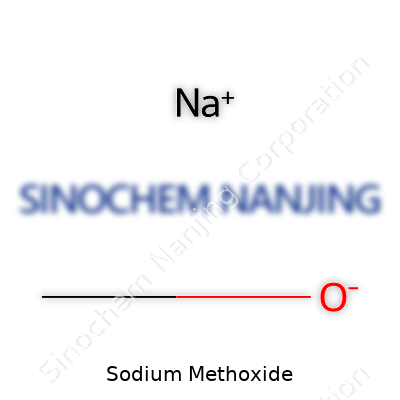
| Names | |
| Preferred IUPAC name | sodium methanolate |
| Other names |
Sodium methylate Methanolate Sodium methanolate Methyl sodium oxide |
| Pronunciation | /ˈsəʊdiəm mɛˈθɒksaɪd/ |
| Identifiers | |
| CAS Number | 124-41-4 |
| Beilstein Reference | 3539227 |
| ChEBI | CHEBI:41440 |
| ChEMBL | CHEMBL137884 |
| ChemSpider | 5765 |
| DrugBank | DB09462 |
| ECHA InfoCard | String: 03-2119457551-48-0000 |
| EC Number | 262-567-6 |
| Gmelin Reference | 689 |
| KEGG | C01784 |
| MeSH | D013487 |
| PubChem CID | 2735133 |
| RTECS number | PB2450000 |
| UNII | V1I25R330D |
| UN number | UN1431 |
| CompTox Dashboard (EPA) | DTXSID6040625 |
| Properties | |
| Chemical formula | NaOCH3 |
| Molar mass | 54.02 g/mol |
| Appearance | White or slightly yellowish crystalline powder |
| Odor | Odorless |
| Density | 0.544 g/cm³ |
| Solubility in water | Very soluble |
| log P | -2.1 |
| Vapor pressure | Negligible |
| Acidity (pKa) | 15.5 |
| Basicity (pKb) | pKb ≈ -0.5 |
| Magnetic susceptibility (χ) | -36.0·10⁻⁶ cm³/mol |
| Refractive index (nD) | 1.352 |
| Viscosity | 10-15 cP (25°C) |
| Dipole moment | 1.70 D |
| Thermochemistry | |
| Std molar entropy (S⦵298) | 93.1 J·mol⁻¹·K⁻¹ |
| Std enthalpy of formation (ΔfH⦵298) | -395.6 kJ/mol |
| Std enthalpy of combustion (ΔcH⦵298) | -477.0 kJ/mol |
| Hazards | |
| GHS labelling | GHS02, GHS05, GHS06, GHS08 |
| Pictograms | GHS02, GHS05, GHS07 |
| Signal word | Danger |
| Hazard statements | H225, H260, H314 |
| Precautionary statements | P210, P222, P260, P264, P280, P301+P330+P331, P303+P361+P353, P304+P340, P305+P351+P338, P310, P321, P330, P370+P378, P403+P233, P405, P501 |
| NFPA 704 (fire diamond) | 3-1-2-W |
| Flash point | 79 °C |
| Autoignition temperature | 140°C |
| Lethal dose or concentration | LD50 (oral, rat): 152 mg/kg |
| LD50 (median dose) | LD50 (oral, rat): 152 mg/kg |
| NIOSH | WH6650000 |
| PEL (Permissible) | PEL: 15 mg/m³ |
| REL (Recommended) | Gloves, lab coat, eye protection, use in well-ventilated area, avoid moisture |
| Related compounds | |
| Related compounds |
Sodium Ethoxide Potassium Methoxide Lithium Methoxide Sodium Hydroxide Methanol Sodium Methylate |



