Sodium Iodide: More Than Just a Chemical Compound
Historical Development
For well over a hundred years, sodium iodide has played an outsized role in daily life and industry, stretching far beyond pure chemical curiosity. Back in the nineteenth century, scientists unlocked the process to combine sodium carbonate or sodium hydroxide with elemental iodine, paving the way for large-scale production. Hospitals soon turned to it for treating iodine deficiency, and manufacturers used it in everything from salt to industrial catalysts. During the Cold War, there was a burst of research into sodium iodide’s role in radiation detection, thanks to its ability to pick up gamma rays when dissolved in solutions and later in its crystalline form. The need for better radiology tools set sodium iodide apart from less sensitive materials, making it the workhorse of scintillation counters—tools that shaped nuclear medicine and research for decades.
Product Overview
Sodium iodide typically comes as a white, odorless powder or in colorless crystalline chunks, almost resembling table salt at first glance. Retailers and suppliers keep tight controls, as quality changes how it acts in labs and clinics. Scientists and pharmacists lean heavily on its purity, and you can spot it in both analytical-grade and pharmaceutical forms. You’ll also find sodium iodide packed with stable isotopes, meant for calibration standard solutions or medical tracing, especially for thyroid treatments.
Physical & Chemical Properties
This salt dissolves fast in water, picking up moisture from the air if left uncovered—a classic sign of hygroscopic material. Its melting point sits around 661°C, and once molten, it conducts electricity much like other alkali halides. Under UV or gamma radiation, pure sodium iodide crystals light up, producing strong luminescence. The chemical makeup is straightforward: a 1:1 ratio of sodium ions to iodide ions, but environmental air can turn it slightly yellow over time as trace iodine forms by slow oxidation. For labs and industry, that yellowing signals impurity or exposure, rather than a problem with the base structure.
Technical Specifications & Labeling
Packagers and distributors pay close attention to labels because impurities such as bromide, chloride, or sulfate ions quickly change how it behaves—especially for sensitive detectors or pharmaceuticals. Labels must show batch number, purity grade, water content, and whether gamma rays or other contaminants were detected during production. Some countries also require traceability to ensure pharmaceutical-grade sodium iodide came from approved sources. In regulated settings, the U.S. Pharmacopeia monograph or similar international standards set specific limits for arsenic, heavy metals, and loss on drying for each lot sold.
Preparation Method
You can create sodium iodide using a reaction between sodium hydroxide and elemental iodine, or by bubbling hydrogen iodide gas through sodium carbonate solution. Most large-scale processes lean on direct reaction between sodium carbonate and hydriodic acid, with careful temperature control to drive purity. Purification comes through recrystallization as the compound cools and the solution evaporates. Manufacturers filter, dry, and grind the crystals to offer powders fit for dissolving in saline or mixing with feed or tablets.
Chemical Reactions & Modifications
Sodium iodide steps into organic chemistry as a trusty source of iodide ions, promoting substitution reactions like Finkelstein’s, swapping out halides in alkyl halide compounds. It supports synthesis of radioisotopes and catalyzes certain reduction reactions. Injecting sodium iodide into a solution containing silver ions quickly produces silver iodide precipitate, a standard step in analytical labs measuring halide presence. In radiation detection, sodium iodide crystals absorb gamma rays, which then trigger light emission for sensitive photomultiplier tubes. Attempts to stabilize the material with trace thallium create delicate shifts in how efficiently it responds to incoming radiation, setting performance standards in medical imaging and nuclear physics experiments.
Synonyms & Product Names
Chemists and pharmacists reach for sodium iodide under a handful of labels, including Natrii Iodidum, sodium monoiodide, and in medicinal circles, just plain "NaI." You’ll see it in radiological supply catalogs as sodium iodide (Tl) when doped with thallium, and as a reagent it goes by several catalog numbers tied to purity or packaging type.
Safety & Operational Standards
Sodium iodide demands solid storage practices. It thrives in airtight, moisture-proof containers, far from strong acids and oxidizers. Overexposure through dust inhalation or skin contact brings mild irritation, but the real hazard comes from ingesting large doses—something that can disrupt thyroid balance or cause acute poisoning. Most workplace safety guidelines match those used for other soluble salts, focusing on gloves, goggles, and prompt cleanup of spills. The U.S. Occupational Safety and Health Administration and counterparts in Europe call for proper labeling, routine checks of storage conditions, and disposing of unused stock following hazardous waste protocols if radioactive isotopes or pharmaceutical lots are involved.
Application Area
Few chemicals slip quietly into so many corners of modern life. Medical imaging relies on sodium iodide days in and days out, using commercial tiles and rods in gamma cameras and thyroid uptake studies. Doctors prescribe it in small doses to patients with overactive or underactive thyroid glands, especially using radioactive isotopes to kill rogue cells or trace metabolic flow. Food technologists blend it into iodized salt to prevent deficiency disorders, a public health success story that cut goiter cases worldwide. Animal feed producers count on sodium iodide to prevent similar deficiencies in cattle or poultry. In environmental and forensic studies, sodium iodide solution provides a handy tool for separating minerals or isolating evidence by density gradient. Even in niche electronics, sodium iodide starts conversations about creating faster, brighter scintillation counters.
Research & Development
In the research world, sodium iodide brings value through precision and predictability. Developers work on purifying crystals to improve light yield for detection—especially for experiments demanding clarity at extremely low temperatures or wide energy ranges. There’s a push to tailor sodium iodide crystals for portable radiation detectors or combine with other materials like caesium iodide to catch particles at different sizes or energies. Meanwhile, pharmaceutical researchers explore ways to improve absorption and minimize side effects, like pairing sodium iodide with slow-release binders or designing analogs that work faster or more safely during thyroid scans. Every year, I see journals publish tweaks to preparation, detection mechanism, or analytical calibration using sodium iodide as a core reference point.
Toxicity Research
Sodium iodide toxicity sits at the crossroads of chemistry and medicine. Low doses support life, but overexposure—acute or chronic—throws the thyroid into chaos, leading to hypo- or hyperthyroidism and triggering headaches, rashes, or even more severe systemic reactions. Scientists use animal models to define safe exposure limits, and reviews in toxicology journals help guide public health decisions about how much to blend into foods or medicines. Monitoring blood levels and urine excretion after accidental ingestion or therapeutic dosing helps regulators set target safety margins across different groups, from infants to the elderly.
Future Prospects
Looking ahead, sodium iodide stands to hold its position because scarcity of iodine persists in corners of the world, and medical imaging never stops advancing. The growing demand for sharper, more portable radiation detectors pushes suppliers to define better standards for crystal growth and purity. In drug development, new forms of sodium iodide or delivery systems that target tissues more specifically could shape thyroid disease treatment. Public health agencies continue adjusting recommendations as our understanding of long-term iodine exposure deepens. With every new application or innovation, sodium iodide keeps proving that even enduring compounds have new roles to play.
What is Sodium Iodide used for?
Sodium Iodide: More Than a Chemistry Textbook Entry
Sodium iodide lands on lab shelves, in hospital storerooms, and on farm supply lists every single day. I remember seeing a bottle stashed in a clinic’s supply closet and wondering how something so plain could be so useful. Its story starts with two common elements—sodium and iodine—but it doesn’t end there. Knowledge and trust in products like sodium iodide follow from seeing its work in real life instead of only on a chemical formula sheet.
Protecting Human Health: Medical Uses of Sodium Iodide
Radioactive sodium iodide, known as I-131, gets used in hospitals to treat thyroid problems. Doctors pick I-131 because the thyroid gland grabs iodine from the bloodstream, soaking up this specific medicine. Hospitals treat conditions like hyperthyroidism and thyroid cancer with this approach. In my experience, working with families going through cancer care, I saw the relief that comes from having a dependable treatment that targets the problem with precision. Radiologists depend on sodium iodide because it leaves most of the body untouched, side-stepping some of the rougher effects of other treatments.
Medical laboratories also use sodium iodide for scanning and imaging. Patients looking for quick, accurate diagnoses don’t have weeks to wait, and the ability to track how the body handles iodine helps spot issues rapidly. This timely detection can mean less invasive surgery or shorter hospital stays. You can’t overstate the value of early, accurate diagnosis for someone facing a possible thyroid disorder.
Keeps the Food Chain Healthy
Sodium iodide finds its way into farm supply networks as a feed supplement for livestock. I’ve walked past countless barns where bags of feed guaranteed a boost of minerals, iodide included. Cows, sheep, and goats need iodine for their metabolism, just like humans do. Without enough, animals can develop goiters and reproductive problems. Rural veterinarians and farmers look for reliable feed ingredients, and sodium iodide has a long track record meeting that need. Healthy livestock, in turn, means safer milk, meat, and dairy products for human tables.
Safeguarding Public Wellbeing During Emergencies
Emergency planners recognize sodium iodide as a tool during nuclear accidents. If a nuclear plant releases radiation, non-radioactive sodium iodide tablets can “block” radioactive iodine from being taken up by the thyroid. Distribution plans for potassium iodide, a close cousin to sodium iodide, became headline news after the Fukushima disaster. Immediate access to iodide tablets offers real, practical peace of mind to communities worried about fallout, and it’s another reason this compound deserves attention.
Industry Relies on Sodium Iodide Too
Industrial labs use sodium iodide as a reagent for making other chemicals or purifying compounds. From my time as a laboratory assistant, I learned how much reliability workers expect from basic chemicals. Sodium iodide delivers consistency batch after batch, which matters in fields like pharmaceuticals and material science. It’s part of several testing kits, including those for detecting metals and toxins.
Solving Challenges and Ensuring Safe Use
Too much iodine—just like too little—brings trouble. Medical teams dose sodium iodide carefully, weighing benefits against risks for every patient. On farms, government guidelines double-check that animals meet nutritional needs without overdosing. Public health agencies suggest close supervision when distributing iodide tablets in emergencies, balancing readiness with safety. Solutions rely on education, trustworthy supply chains, and constant monitoring. These approaches echo my own belief that everyday chemicals turn powerful only in the hands of people who use them wisely and with experience.
Is Sodium Iodide safe for human consumption?
Why Sodium Iodide Appears in Food
Ask people about table salt, most will mention sodium chloride. Few realize salt can carry more than just flavor—it can deliver nutrients. In many countries, public health pushed for adding microscopic amounts of sodium iodide to salt, hoping to tackle the problem of iodine deficiency. Without enough iodine, thyroid glands struggle. A sluggish thyroid leaves kids at risk for intellectual disabilities and creates health setbacks for adults, too.
Real Safety Questions
Everything in the kitchen deserves respect. Sodium iodide offers the body a trace mineral that rarely gets much headline space. Mainstream health authorities—World Health Organization, FDA, CDC—all support its careful addition to everyday salt. Too little iodine in a diet leads to problems; too much does, too.
You’ll hear stories about toxicity, but those usually result from consuming forms of iodine used in industry, not the tiny doses of sodium iodide sprinkled into food. Your local grocery store stocks iodized table salt, typically designed with margins of safety so wide that someone would have to eat absurd amounts, daily, to reach trouble.
Understanding the Dose Makes All the Difference
People crave simple answers, but safety with minerals lives in the details. Adults require about 150 micrograms of iodine a day, give or take. Children and pregnant women call for slightly different amounts. In the U.S., the recommended iodine limit lands at about 1,100 micrograms per day for adults. A teaspoon of iodized salt contains roughly 250 micrograms. Even with salty diets, almost everyone stays within the safe range.
Problems sometimes pop up in places where manufacturers fail to regulate the dose, or where supplement fads push tablets containing many times the recommended intake. Thyroid issues can result, but these stories often come from misuse rather than routine diet.
Benefits Outweigh the Risks
Growing up in a small town, thyroid problems were more common among older neighbors who avoided “added” anything in their diet. In parts of the world where governments haven’t managed to get enough iodine into food, kids can suffer for life. Lack of iodine causes goiters, learning trouble, fatigue that drags on for years. Where sodium iodide supplements the diet, lives often get better.
It’s striking to read about entire villages where school scores climbed after iodized salt first appeared at the market. Health journals and food safety offices keep an eye on intake levels, and scandals rarely come from properly regulated food salt—usually, risk arises from untested supplements shipped over the internet.
Ready Solutions for the Future
Better public education makes a clear difference. Teaching shoppers that moderate, regulated iodized salt is not a villain takes pressure off families worried about “chemicals.” Local health offices can publish easy guides, explaining how much salt contains the right amount for daily needs. Meanwhile, food producers need firm oversight to make sure sodium iodide gets added at levels scientists have found safe. Carrying out regular checks stops occasional mistakes from turning into health problems.
Keeping the public healthy means staying flexible as diets change and new data arrives. As eating trends shift, nutrition experts adapt salt formulas, always tracking the tiny numbers. Sodium iodide, in proper hands, continues to do more good than harm.
What are the storage requirements for Sodium Iodide?
Direct Experience in Handling Chemicals
I still remember my first encounter with sodium iodide in a college chemistry lab. The instructor reminded all of us to keep that white, crystalline powder tightly closed and clearly labeled. Reflecting back, those habits keep everyone safe not just in the classroom but also across the larger world of research, manufacturing, and even medicine. Sodium iodide draws attention not because it’s rare, but because it decomposes over time, especially if left exposed to the air. This isn’t just a hassle—it can ruin purity and cause extra risks if not managed carefully.
Why Moisture and Light Make Storage Tricky
Sodium iodide pulls water right out of the air. Leave it in a humid room with the lid loose, and it grows damp, sticky, and clumpy. A chemical that grabs moisture creates trouble for workers who expect predictable results during experiments. I learned fast that the desiccator cabinet, packed with drying agents, felt like an old friend. That extra step—making sure jars stayed in those sealed, dry spaces—stopped lots of headaches down the road.
Light sparks another kind of trouble. Sodium iodide loses its punch under bright or sustained lighting; it starts breaking down and can turn yellow or violet, signaling contamination. The usual solution comes down to keeping it shaded, often inside amber glass bottles. Pharmacies and labs use this trick all the time for light-sensitive supplies, and the practice works as well today as it did decades ago.
Consulting Science for Safe Practices
Safety regulations don’t just exist on paper. Organizations like OSHA and the CDC back up their guidelines with evidence. For sodium iodide, this means storing it at room temperature, away from acids, bases, and oxidizing agents. That includes keeping it well apart from bleach, strong cleaning supplies, or even some basic laboratory reagents. People sometimes forget that chemical incompatibility drives many small-scale accidents. From personal experience, double-checking shelves and keeping an accurate inventory goes a long way.
Labeling should always include hazard symbols and expiry dates. Cross-contamination happens faster than most realize, especially in shared facilities. Keeping clean scoops and pouring tools for each container reduces surprises and protects the next person who needs to use it.
What Problems Come Up and How to Solve Them
Improper storage finds its way into busy spaces, from schools to small clinics. Short staffing, old habits, or tight budgets all play a part. At times, poorly ventilated storage rooms let humidity creep in, undoing careful preparation. Automatic climate control costs money, but it cuts down losses and extends chemical shelf life. For smaller labs or pharmacies, using portable desiccants, clear signage, and routine training has real impact. A fresh set of eyes—sometimes as simple as an annual safety audit—keeps everyone alert and aware of the risks.
Transportation deserves just as much attention. Sodium iodide travels in sealed, padded containers, never loose or unlabeled, and always accompanied by proper shipping records. Requirements tighten up if the material meets certain purity standards or ends up tagged for use in radioactive tracing—then every step gets tracked.
Simple Fixes Make a Difference
Sodium iodide shows why discipline and respect for the details matter. Dry, dark storage along with good labeling and thoughtful separation from other chemicals creates a foundation for safety. My time in academic and professional labs taught me these guidelines make life easier, whether mixing solutions for diagnostics or prepping classroom demonstrations. Regular reviews, careful handling, and honest respect for risks turn storage requirements from a checklist into everyday habits.
What is the chemical formula of Sodium Iodide?
The Basics: Chemical Formula of Sodium Iodide
Sodium iodide comes with a straightforward formula: NaI. On the periodic table, sodium pairs up with iodine, and together, they form this simple salt. In school, I learned that sodium sits among the alkali metals, always ready to offer up its single outer electron. Iodine lingers at the other end, looking to fill a gap in its own shell. The attraction between the two creates NaI, a bond found all over the world, far beyond just textbooks and science labs.
Why Sodium Iodide Shows Up Everywhere
Growing up near the coast, I’d heard about iodized salt helping keep people healthy. Sodium iodide steps into this role, delivering iodine to the body. Without enough iodine, the thyroid can’t make important hormones, and that causes real health problems. Simple chemistry—one dose of sodium and one of iodine—protects whole communities from thyroid disease.
Hospitals and labs use sodium iodide too. Radioactive sodium iodide helps doctors trace, diagnose, and treat thyroid disorders, including cancer. The world saw this up close during the mid-1900s, when researchers tracked radioactivity in the body using this very substance. As scary as the word "radioactive" can sound, sodium iodide—in the proper dose and handling—can give doctors life-saving information. My neighbor once worked in a hospital nuclear medicine department and described how this single powder proved critical for entire teams of patients. These are not distant stories; they're local and personal.
Sodium Iodide’s Impact in Industry
Beyond hospitals and kitchens, sodium iodide shows up in chemical processing and environmental work. During oil drilling, I learned from a field engineer that sodium iodide brine balances pressure downhole, helping control drilling fluids in complex wells. Its ability to boost fluid density supports equipment safety and efficiency, especially at depth. The oil and gas sector relies on predictable, stable compounds. The science behind sodium iodide might sound basic, but the safety of entire job sites rests on its shoulders.
Risks and Responsible Use
No chemical comes without some risk. Small amounts of sodium iodide keep us healthy, but too much iodine over time causes harm. Chronic exposure can damage the thyroid, just as not enough does. At home, iodized salt is safe for most people, but those with thyroid conditions or kidney disease often need to watch their intake. I once watched a family member carefully read ingredient labels, counting every milligram as part of a doctor-directed diet. Rules for safety matter on both the industrial and home fronts.
In labs, sodium iodide demands careful storage. Exposure to air and moisture can lead it to absorb water and clump up, and on rare occasions, even become slightly yellow. Proper containers and dry conditions keep it in usable shape. Anyone handling chemicals learns early just how important these steps are—avoiding mistakes comes down to habit, not just training.
Building Trust in Chemistry
Reliable facts shape public health choices. Authorities, including the World Health Organization, base recommendations for iodine intake on clinical research—epidemiology, biochemistry, and decades of straightforward case studies. It cost real time and human effort to prove sodium iodide’s value, just as it takes steady regulation to maintain both supply and safety. Broader trust rests on this kind of evidence, tested not just once, but over and over in communities like mine and yours.
How should Sodium Iodide be handled and disposed of?
More Than Just Salt: Why Sodium Iodide Demands Care
Sodium iodide might look like just another white powder, but treating it like table salt steers you into trouble. This stuff pops up in labs, medical settings, and some industrial processes. Its uses stretch from thyroid treatment and nuclear medicine to the odd chemical reaction in a teaching lab. Sooner or later, someone faces the question: what happens to the leftovers or the spill nobody noticed until it's too late?
The Risks Outweigh Laziness
People who shrug off sodium iodide’s risks probably haven’t read the safety sheet. While it isn’t as hazardous as strong acids or lead compounds, sodium iodide still packs problems for both your health and the environment. Swallow it or absorb enough, and you’re looking at issues like thyroid malfunction, skin irritation, and respiratory trouble. Dump it without thought, and it can pollute water sources, mess with aquatic life, and stick around a lot longer than many realize.
I spent a year as a lab tech. My first close look at chemical storage introduced me to broken glassware with crystalline leftovers, labels peeled off, and a broom sweeping things into the trash. That sort of shortcut might save a minute, but it loads up unseen costs. Schools and small labs often skip training, which leads to casual attitudes—trusting that “safe enough” works. It doesn’t.
Clear Steps Anyone Can Follow
Two rules guided my work: respect the chemical, and respect the people who will be here after me. With sodium iodide, that means storing it in tightly sealed, labeled glass or plastic—no cross-contamination, no shortcuts. Keep it dry, since sodium iodide likes to clump and react if it pulls water from the air.
Wear gloves—nitrile does the trick—and eye protection. Clean up every spill, even a pinch. You’ll never regret overdoing caution, but you might regret ignoring it after the exposure shows up months down the line.
Disposal: The Right Way, Not the Easy Way
Waste management staff and hazardous waste programs exist for a reason. The responsible route always includes checking in with them. If you’re in a place with strict rules (like a hospital or university), sodium iodide waste gets marked and segregated. It doesn’t end up in the drain or regular trash.
Professional disposal companies know which landfill or incineration options match state and federal guidelines. For small amounts, schools and community programs often arrange chemical take-back days. Pouring it down the sink avoids cost and paperwork, but every environmental agency will say that route poisons waterways.
If you work in a home lab, call up your local hazardous waste authority; they help citizens do the right thing. Bottling up leftovers and waiting for a collection saves local rivers—the science backs this up. I saw too many people hedge, dump, and then calculate the odds of getting caught. It’s not just about fines. It’s about what people downstream and down the road will inherit.
No Room for Guesswork
Every person in a lab, classroom, or industry using sodium iodide needs training worth the name. Cutting corners means risking more than just a citation—it’s about preventing avoidable harm. Policies exist for a reason, and real responsibility is in following through, every single time.
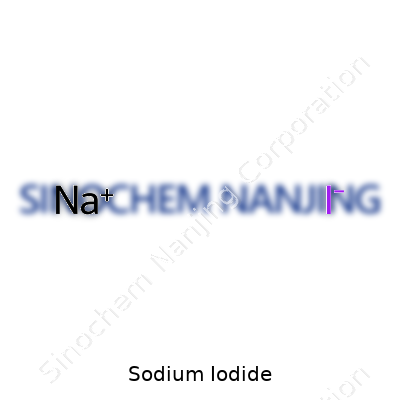
| Names | |
| Preferred IUPAC name | sodium iodide |
| Other names |
Sodium iodide NaI Iodure de sodium Iodeto de sódio Ioduro di sodio |
| Pronunciation | /ˌsəʊdiəm ˈaɪ.ə.daɪd/ |
| Identifiers | |
| CAS Number | 7681-82-5 |
| Beilstein Reference | 3539906 |
| ChEBI | CHEBI:26710 |
| ChEMBL | CHEMBL1357 |
| ChemSpider | 6767 |
| DrugBank | DB09424 |
| ECHA InfoCard | DTXSID3023880 |
| EC Number | 231-679-3 |
| Gmelin Reference | 41212 |
| KEGG | C01780 |
| MeSH | D017379 |
| PubChem CID | 24857 |
| RTECS number | WN3675000 |
| UNII | F5WR8N145C |
| UN number | UN1846 |
| Properties | |
| Chemical formula | NaI |
| Molar mass | 149.89 g/mol |
| Appearance | White crystalline powder |
| Odor | Odorless |
| Density | 3.67 g/cm³ |
| Solubility in water | 184 g/100 mL (25 °C) |
| log P | -3.21 |
| Vapor pressure | Negligible |
| Basicity (pKb) | pKb: 6.40 |
| Magnetic susceptibility (χ) | −31.6·10⁻⁶ cm³/mol |
| Refractive index (nD) | 1.85 |
| Dipole moment | 0 Debye |
| Thermochemistry | |
| Std molar entropy (S⦵298) | 146.4 J·mol⁻¹·K⁻¹ |
| Std enthalpy of formation (ΔfH⦵298) | −288.23 kJ·mol⁻¹ |
| Std enthalpy of combustion (ΔcH⦵298) | -287.8 kJ/mol |
| Pharmacology | |
| ATC code | V09CA01 |
| Hazards | |
| Main hazards | Harmful if swallowed, causes serious eye irritation, may cause respiratory irritation. |
| GHS labelling | GHS07, GHS09 |
| Pictograms | GHS07,GHS05,GHS09 |
| Signal word | Warning |
| Hazard statements | H315, H319, H335 |
| Precautionary statements | P223, P231 + P232, P280, P370 + P378 |
| NFPA 704 (fire diamond) | 2-0-0 |
| Autoignition temperature | 1004 °F (540 °C) |
| Lethal dose or concentration | LD50 Oral Rat 4340 mg/kg |
| LD50 (median dose) | LD50 (median dose): Oral (rat) 4340 mg/kg |
| PEL (Permissible) | PEL: 10 mg/m³ |
| REL (Recommended) | 200 mg |
| IDLH (Immediate danger) | 250 mg/m3 |
| Related compounds | |
| Related compounds |
Potassium iodide Sodium chloride Sodium fluoride Sodium bromide Lithium iodide Hydrogen iodide |



