Sodium Ethoxide: A Living Pillar in Organic Chemistry
Historical Development
People have used sodium ethoxide for well over a century. Laboratory pioneers recognized its power to spur organic reactions back in the late 1800s, just as synthetic chemistry began transforming medicine and industry. Chemists, hungry for ways to create new bonds and modify carbon skeletons, soon found that sodium ethoxide could drive key transformations faster and more cleanly than old alkali metals or harsh mineral acids. As folks sought efficient ways to make pharmaceuticals, flavors, or agricultural chemicals, this reagent earned a permanent spot on the chemist’s shelf. Teaching the next generation always starts with core tools, and since sodium ethoxide offered utility at reasonable cost, it became a dependable old friend in both college labs and big synthesis plants.
Product Overview
Sodium ethoxide, usually labeled as C2H5ONa, shows up as a white or faintly yellowish powder. Most laboratories buy it in tightly sealed bottles, sometimes in ethanol solution to avoid air and moisture. You can spot it in old lab notebooks or bulk shipment containers at chemical warehouses. People buy this stuff because it delivers consistent, predictable results, and it mixes easily with other common solvents. You find both pure grades for research and technical grades for large-scale manufacturing. Despite fancier reagents on the market today, its staying power boils down to reliability, clear results, and availability.
Physical & Chemical Properties
This compound stands out for reacting briskly with water, breaking down into sodium hydroxide and ethanol. It dissolves nicely in alcohols but not much in most hydrocarbons. In dry form, it sits as white powder, but exposure to air quickly leads to degradation, so jar lids always stay tight. Melt it, and you’ll find it decomposes at just over 260°C. Its basicity shines in all sorts of classical organic transformations, making it a go-to choice for anyone needing strong, non-nucleophilic base action. Storing it away from humidity keeps it potent, otherwise the active content slips as it picks up water and carbon dioxide from open air.
Technical Specifications & Labeling
Most suppliers offer sodium ethoxide in concentrations ranging from 18% to 21% (w/v) in absolute ethanol, although solid forms are available for people who prioritize purity or special handling techniques. Supply chains include a clear breakdown of sodium content, ethanol content, moisture levels, and any color changes. Labels always warn about flammability, moisture sensitivity, and potential health hazards. Product listings include batch numbers, expiration dates, and storage instructions, making it easier for professionals to track quality and stability over time. Users expect certificates of analysis with purity levels and any trace contaminants, so regulatory compliance stays tight whether the material ships to research, teaching, or manufacturing sites.
Preparation Method
Folk wisdom in chemistry circles says “keep it dry,” and nowhere is that more true than in making sodium ethoxide. The main method uses absolute ethanol and metallic sodium. Dropping sodium shavings or cut pieces into dry ethanol, a steady fizz appears as hydrogen gas bubbles off. Some labs introduce the sodium slowly, with constant stirring, to limit runaway reactions or dangerous splashes. Filtering out any excess metal, folks then either distill the solvent for solid sodium ethoxide or dilute it to reliable concentration. Scale-up for industry tweaks the process with mechanized handling and improved ventilation to manage hydrogen gas. No matter the scale, the basics stay the same: start with dry reagents, keep out moisture, and label the finished product clearly so no one forgets how reactive it stays.
Chemical Reactions & Modifications
Every organic chemist has reached for sodium ethoxide when working on reactions like Claisen condensations, Williamson ether synthesis, or transesterifications. Its knack for deprotonating esters or alcohols speeds up bond-making in countless carbon skeletons, offering fast routes to new ethers or elongated chains. In more advanced work, folks use sodium ethoxide to build pharmaceuticals, agrochemicals, and fragrances—anywhere a strong base is needed but where water would spoil the results. Some researchers try to pair it with other non-aqueous bases to tune selectivity or lower costs, sometimes even making mixed-alkoxide blends for added control. In green chemistry, recent groups experiment with capturing the hydrogen gas for safer plant operations, or optimizing solvent recovery to minimize waste.
Synonyms & Product Names
People often use names like sodium ethylate, ethanol sodium salt, or just “EtONa” shorthand. Catalogs sometimes shuffle between these or highlight trade names in bulk commercial offerings. Old chemistry texts might call it “sodic ethoxide” or group it under “alkoxide bases.” Whatever name suppliers choose, the active ingredient and its quality specifications remain almost unchanged. For clarity, most companies now insist on both IUPAC and common names on labeling and safety documents, so both veterans and newcomers recognize what’s inside each container.
Safety & Operational Standards
Handling sodium ethoxide takes respect and good habits. Folks learn early that open bottles suck up moisture and carbon dioxide, making the product fizzle out and even catch fire in humid air. Direct skin contact can burn, and dust irritation is real. Most labs insist on gloves, goggles, chemical-resistant aprons, and fume hoods. People store it in tightly sealed, labeled containers and segregate it from acids, oxidizers, or water-rich chemicals. Spills need careful cleanup with dry sand or spill kits, never with water. Exhaust fans keep hydrogen buildup low, especially in prep areas or where workers handle bigger batches. Training materials and data sheets emphasize all these points, and regulatory bodies push for regular review of storage standards to stop accidents before they happen.
Application Area
You run into sodium ethoxide almost anywhere complex molecules matter. Drug firms rely on it for steps in antihypertensive synthesis or to build custom side chains in antibiotics. Flavors and fragrance processors count on predictable alkylation results. Agrochemical companies harness its speed for herbicide intermediates. Research teams return to it for classic undergraduate teaching or high-end catalysis. Tech transformation has not ousted it—instead, even as new solvent systems and automation come along, this old workhorse maintains a following. People value its role in scalable, repeatable, and relatively clean transformations, making it a hidden backbone for industries that bridge the lab and real-world products.
Research & Development
Scientists keep digging into new uses and side reactions. As industries think about greener chemistry, researchers study ways to contain gas emissions, recover used ethanol, and recycle by-products. Analytical chemists keep fine-tuning tests to confirm sodium ethoxide purity, since trace contaminants cause surprises in tight synthetic work. A few teams experiment with flow reactors to control temperature and pressure, trying to make handling safer at larger scales. Some university groups also look for more sustainable sodium sources or bio-ethanol in the initial step, aiming to lower the carbon footprint for pharmaceutical intermediates.
Toxicity Research
People working with this compound respect its hazards. Inhalation or direct ingestion brings sharp burns, nausea, or pulmonary distress. Research on acute toxicity dates back decades, showing low but real risk with skin, eye, or mucous membrane contact. Long-term exposure brings little evidence for chronic diseases, but even moderate amounts can scar tissues or aggravate respiratory conditions. Safety data sheets lay out exposure limits, emergency procedures, and antidotes. New animal studies remain limited, since most researchers focus on limiting all toxic exposure at the workplace, not testing it anew. Training, good labeling, and procedural reviews top the list for keeping risks low.
Future Prospects
Trends in specialty chemicals and pharmaceuticals go through cycles, but sodium ethoxide stands its ground as long as industries need robust alkoxide chemistry. Green chemistry has started influencing suppliers, with more companies switching to renewable ethanol for production and investing in advanced packaging that limits air exposure. Academic researchers continue to chase variants that might offer selectivity for special transformations, yet none has proven cheap, predictable, and scalable enough to replace the old standard. Digitalization may bring better monitoring, tighter inventory, and predictive analytics for risk, helping producers and users alike cut down waste. So long as chemistry draws from strong bases for clean, sharp reactions, sodium ethoxide will keep a seat at the table—perhaps a bit safer and greener year by year.
What is Sodium Ethoxide used for?
The Workhorse of Organic Synthesis
Sodium ethoxide often looks like a jar of white powder you’d find in the back of a storeroom. Don’t let the appearance fool you. This compound plays a vital role in making everyday products, from medicines to fuel additives. In a chemistry lab, sodium ethoxide works as a base, meaning it helps rearrange the carbon backbone in all kinds of molecules. Its usefulness stretches beyond textbooks into real factories, including the ones responsible for making some of the world’s most trusted pharmaceuticals.
Why It Matters
Many drugs we use today—including basic pain relievers—owe their creation to reactions powered by sodium ethoxide. Take the well-known Bayer process in the production of aspirin. Chemists rely on sodium ethoxide to craft chemical bonds in the exact places where they’re needed. That level of control opens the door to safer, more effective treatments.
Aside from medicine, sodium ethoxide also plays a part in biodiesel production. Refineries depend on it to strip fat molecules from glycerol. Without this reaction, renewable fuel would stall out at the starting line. That’s cleaner-burning fuel supporting farmers and drivers alike.
Keeping It Safe
Sodium ethoxide doesn’t mix well with water or the moisture in air. Anyone working with it learns fast that spills can turn dangerous. It reacts violently when exposed to moisture, releasing ethanol and sodium hydroxide. That combination burns skin and eyes. In the labs I’ve worked, the storage rules keep everyone on high alert. Tightly sealed bottles, handled only inside fume hoods. Researchers suit up with gloves and goggles—there’s no shortcut here. Just a few careless minutes could mean a trip to the emergency room.
An accident in a chemical plant makes national headlines, which means the industry carries strict regulations for shipping and storing sodium ethoxide. DOT guidelines restrict large shipments to certain containers. Training helps, but there’s always a risk when humans take shortcuts. That’s one reason automation now runs so many large-scale organic syntheses. Using robots for hazardous steps keeps workers out of harm’s way and prevents costly shutdowns.
What Could Change?
Safer alternatives have started to gain ground in niche chemistry circles. Some labs turn to potassium tert-butoxide for similar reactions, since it’s not quite as reactive with moisture. But sodium ethoxide’s cost keeps it in play for large operations. Education remains a driving force for reducing chemical accidents. I remember supervisors drilling us on proper disposal—never pour waste down the sink, always use labeled bins, and double-check all connections before starting a batch reaction.
The industry already works with government agencies like OSHA and NIOSH to fine-tune best practices. More public funding could help universities develop less hazardous reagents. If synthetic chemistry keeps innovating the way it has, newer and safer options will likely reshape the way we make many drugs and fuels.
A Backbone of Modern Chemistry
No substitute fits every purpose just yet, and sodium ethoxide keeps its spot on lab shelves. The balance between progress and safety touches everyone, not just chemists. Sitting in doctors’ offices or filling up at the gas station, most people won’t ever see what goes on behind the scenes. Sodium ethoxide’s importance runs much deeper than its chemical formula—it powers the links between research, manufacturing, and the smoother parts of everyday life.
How should Sodium Ethoxide be stored?
Everyday Chemistry, Everyday Risks
Sodium ethoxide doesn’t get the spotlight like some chemicals, but anyone who’s worked in a chemistry lab knows that mishandling it can bring more trouble than most students realize. I remember the sense of tension whenever someone fetched the sodium ethoxide bottle: it wasn’t just about making sure the experiment worked but also about keeping people safe. That tension is justified, since sodium ethoxide brings together sodium metal’s pyrophoric nature with the volatility of ethanol. Mess around, and you’ll sooner get burnt fingers—or worse—than answers in your research notebook.
Why Moisture Becomes a Problem
If you keep sodium ethoxide in a damp environment, it reacts with water and grabs at the nearest bit of moisture in the air. That reaction isn’t a quiet one. It creates sodium hydroxide and ethanol, which raises the risk of fire. In fact, storing it anywhere but an airtight container felt irresponsible during my university days. A cracked seal means your chemical stash will degrade and, under the right conditions, spark up without warning. That’s why every bottle I ever used came with a stern warning: Keep it dry or prepare for a nasty surprise.
Air Is No Friend
Oxygen is another enemy. It doesn’t take much for sodium ethoxide to oxidize. Not only does this cut into the purity chemists count on, but the byproducts only add extra hazards. Powders could clump, clogs form, and accidental exposure becomes more likely. Most experienced lab workers have heard stories of fire alarms and hasty evacuations caused by just a small lapse in attention.
Safe Storage Methods That Actually Work
Storage in a tightly sealed glass or metal bottle kept away from light gives sodium ethoxide the best shot at longevity and safety. Amber glass bottles work best in my experience—they block light, stay resilient, and make it easy to spot damage or label wear. I’d never rely on plastic: solvents attack it, seals fail, and you’re left hoping someone does a daily shelf check.
A wise chemist also stores this chemical with desiccants in the container. Silica gel packets really pull their weight here, keeping any stray moisture from ruining the stash. I’ve seen some labs use glove boxes filled with nitrogen; that’s the gold standard if you store a lot or keep it for extended periods. Still, most academic labs stick with dryness, a good seal, and steady temperature away from sunlight or heat.
Rules Built on Hard Lessons
I’ve heard plenty of horror stories about compromised containers and careless labeling. Chemical storage incidents often turn into pages in lab safety manuals because people didn’t respect the material’s reactivity. National standards back up this personal experience: the Occupational Safety and Health Administration (OSHA) and National Fire Protection Association offer clear-cut guidance, not out of bureaucracy but because the hazards are real. These organizations recommend dry, cool storage and away from acids, oxidizing agents, and flammable materials.
Technology Helps, but Diligence Still Wins
Infrared temperature monitors, digital trackers, and proper training all help keep sodium ethoxide out of the incident reports. Still, no amount of technology fixes basic carelessness. Only constant attention—a habit I learned early—keeps the risks to a minimum. For students, hobbyists, or pros, safe storage of sodium ethoxide isn’t optional or negotiable. It marks the difference between safe progress and a trip to the emergency room.
What are the safety precautions when handling Sodium Ethoxide?
Why Respecting the Hazards Matters
Working in a lab comes with its fair share of risks, but sodium ethoxide takes things up a notch. This strong base doesn’t ask for much before it kicks off a nasty reaction. I’ve watched a beaker start to smoke when a careless bit of water dripped in during cleanup. Instantly, the smell of ethanol filled the air and everyone scrambled to ventilate the space. This isn’t a scare story — it’s daily reality if you don’t treat sodium ethoxide the right way. Its reaction with water can get violent, enough to start a fire or launch caustic sprays onto your skin or into your eyes.
Personal Gear is Not Optional
Forget glancing at a fume hood or skimping on goggles. Direct contact with sodium ethoxide really does cause burns, both chemical and thermal. Safety goggles that fit well, not just hanging on the bridge of your nose, matter. Nitrile gloves work better than latex since they hold up against strong alkalis. I always throw on a lab coat with cuffs covered, sleeves rolled down. Anyone handling sodium ethoxide without a face shield or proper splash protection in a busy workspace is asking for trouble.
Why Dry Surroundings Make a Difference
It only takes a small amount of moisture in the air to trigger sodium ethoxide’s volatility. Small spills can escalate if the benchtop isn’t bone dry. I’ve seen it fizz and sizzle from humidity alone, especially during rainy seasons. Store it in a desiccator, not on an open shelf. Always reseal bottles tightly and keep them away from sinks or wet workspaces. A fellow researcher once had to evacuate half a floor because a cracked lid let in moisture over a weekend.
Don’t Treat Waste Casually
Any leftover sodium ethoxide or rinse solution needs real attention during disposal. Pouring it down the drain isn’t just sloppy; it’s against safety codes for a reason. Neutralize with ice-cold alcohol, not water directly, to avoid a runaway reaction. Add it dropwise — never dump it in at once. Collect the neutralized waste in a heavy-duty container, clearly labeled. At some institutions, like the ones where I’ve worked, the environmental safety team picks these up to guarantee nothing slips through the cracks.
Ventilation and Emergency Measures
Fume hoods can’t play a supporting role; they have to be used from start to finish. A tiny spill outside the hood can fill a room with vapor in seconds. I always check that the fan runs strong before uncapping anything. Eye-wash stations and emergency showers should be within arm’s reach, not hidden behind boxes or down the hall. I remember having to guide a panicked colleague to the nearest shower — every second lost increased the risk of permanent damage.
Work With Knowledge, Not Assumptions
The right attitude about sodium ethoxide makes every bit of difference. Talking openly about near-misses or new precautions doesn’t show weakness; it improves the whole team’s safety. Everyone learns from mistakes. Being willing to pause and ask for a check before starting a transfer or cleanup saves more than face — it might save a life. Using real examples from the lab, not just technical bullet points, helps everyone picture exactly what’s at stake.
What is the chemical formula of Sodium Ethoxide?
Getting to Know Sodium Ethoxide
High school chemistry class brought out a lot of strange smells and bubbling beakers, but one thing stuck with me—the importance of understanding the actual formulas behind the names. Sodium ethoxide sounds like a mouthful, yet it holds a big role in both science labs and industry. Its formula is straightforward: C2H5ONa.
Why This Formula Matters
C2H5ONa doesn’t just mark a box on a quiz. It unlocks a world that connects basic compounds to big solutions. This compound comes from the reaction of sodium metal with ethanol. The sodium atom replaces the hydrogen in the ethanol's hydroxyl group, turning a common alcohol into a strong base. You end up with sodium ethoxide, clear in formula but valuable in function.
Hands-On Applications
I spent a summer as a research intern in an organic chemistry lab, where sodium ethoxide felt like a right-hand tool. Its formula makes clear that it's packed with potential, mostly as a base in making medicines or in creating flavors and fragrances. In the pharmaceutical world, sodium ethoxide starts reactions that build critical molecules. It helps shape esters—compounds that appear in everything from artificial banana scent to actual prescription drugs.
It plays a part in the Claisen condensation, a classic reaction in organic chemistry textbooks where two ester molecules join together with help from a strong base. Sodium ethoxide's C2H5ONa shows up in countless experiments across the world, saving chemists time and effort because of its reliability.
Sodium Ethoxide and Safety
My first brush with sodium ethoxide also taught me about lab safety—its formula means it’s nothing to mess around with. In contact with water or air, this compound reacts fast and furiously. It makes sodium hydroxide and ethanol, and gives off heat. That’s the kind of reaction you don’t want to ignore. Burns, fires, or toxic exposures are not worth the shortcut. In school or industry, respect for this formula matches respect for safety itself.
Responsible Use and the Road Ahead
Working in today’s chemical industry means balancing utility with care for the environment and human health. Sodium ethoxide doesn't come without challenges. Controlling storage so it doesn’t absorb water from the air, preventing spills, and ensuring proper disposal all need thoughtful procedures. Lab managers and plant supervisors should set up clear standards, and new workers deserve real-world training—talking about the formula means recognizing both its utility and its risks.
Modern researchers keep searching for greener alternatives, especially when large amounts of sodium ethoxide get handled on an industrial scale. Some turn to milder reagents, others look at enclosed systems to cut down on accidents and waste.
Real Impact From a Simple Formula
Long before we get deep in scientific jargon, sodium ethoxide offers a reminder: every formula stands for more than just letters and numbers. C2H5ONa links to everyday products, advanced treatments, and the need for responsible science. Facts, safety, and respect go hand in hand, and the journey from sodium and ethanol to sodium ethoxide proves the point.
How is Sodium Ethoxide typically synthesized?
The Basics of Making Sodium Ethoxide
Sodium ethoxide doesn’t land on lab shelves by magic. Chemists usually prepare it by reacting solid sodium metal with absolute ethanol. The reaction produces sodium ethoxide and hydrogen gas. Na (sodium) swims in ethanol under an inert atmosphere, usually nitrogen or argon. Tossing sodium metal into alcohol isn’t friendly chemistry, either—sodium reacts with water and can light up if you’re careless, which means keeping moisture and air away is a must. This seems manageable in a lab, but scaling it for larger batches calls for extra respect and tight safety procedures.
Practical Details from Hands-On Chemistry
In school, the shining, silver sodium blocks were sliced under oil and scrubbed free of the oxide crust before use. Folks in industry don’t stray much from this technique. The sodium gets sliced and dropped piece by piece into a cooled flask with dry ethanol, stirred slowly. Once the bubbling (from hydrogen gas) slows, that’s the clue sodium has bonded with the ethanol, making the ethoxide. Chemists usually filter the gritty bits and remove the solvent, often under reduced pressure. White, powdery sodium ethoxide is the reward—highly flammable and, if not kept airtight, it goes bad fast by reacting with air’s moisture or carbon dioxide.
Why Does This Matter?
Sodium ethoxide isn’t some chemical curiosity. It’s essential in organic synthesis. The compound acts as a strong base, kicking off reactions like Claisen condensations or forming new carbon-carbon bonds. Pharmaceutical companies lean on it to build drug building blocks, making chemistry efficient and predictable. Without easy access to sodium ethoxide, industries slow down, medicines may cost more, and research loses momentum.
Safety becomes a big talking point here. Runaway hydrogen from the synthesis can lead to explosions if it’s not funneled away or the workspace doesn’t have proper venting. In smaller labs I’ve been in, even a few careless moments—improperly sealed bottles or damp glassware—spelled disaster or ruined hours of prep. That lesson sticks, whether prepping a gram or a kilo.
Pitfalls and Risks
It’s tempting to overlook safety steps, especially for speed or cost-cutting. Stories float around about fires from sodium leftovers or powder that caught moisture and heated up unexpectedly. Statistics from chemical safety boards highlight dozens of yearly lab incidents worldwide directly tied to alkali metal handling routines gone wrong. Aside from those dangers, exposure to sodium ethoxide dust or solutions can burn skin or eyes. Personal experience taught me that even tiny amounts spill trouble: a single drop of wet sodium ethoxide on a bare hand feels like an immediate warning to suit up and pay attention.
Solutions for Safer Production
I’ve seen containment and automation improve safety records. Sealed reactors with remote controls let chemists make larger quantities without direct exposure. Continuous monitoring and gas exhaust systems turn risky steps into controlled processes. Good training—repeated over and over, not just at onboarding—shapes attitudes and habits, so mistakes are caught early. Labs investing in glove boxes and dry storage keep their sodium and ethoxides away from trouble. Basic checklists and careful labeling add an extra barrier between curiosity and catastrophe.
Final Thoughts on Responsibility
Modern science relies on chemicals like sodium ethoxide, but there’s nothing routine about its preparation. Knowledge and experience matter. Paying close attention during each step, respecting the chemical’s hunger for water and air, and never rushing—real world safety depends on it. Every time a new batch is made, those old lessons ring true.
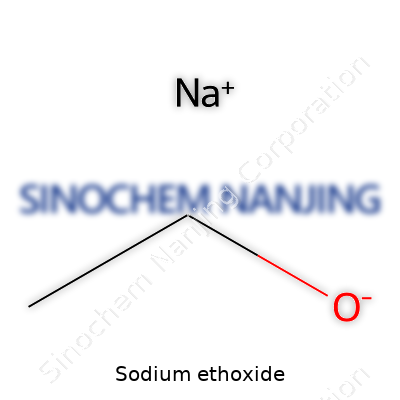
| Names | |
| Preferred IUPAC name | sodium ethanolate |
| Other names |
Ethyl sodium Sodium ethylate Ethanol, sodium salt Sodium ethyloxide Sodium ethyl alcoholate |
| Pronunciation | /ˈsəʊdiəm ɪˈθəʊksaɪd/ |
| Identifiers | |
| CAS Number | 141-52-6 |
| Beilstein Reference | Beilstein Reference: **3566586** |
| ChEBI | CHEBI:31337 |
| ChEMBL | CHEMBL1350 |
| ChemSpider | 6828 |
| DrugBank | DB13156 |
| ECHA InfoCard | 100.005.807 |
| EC Number | 206-276-9 |
| Gmelin Reference | 12636 |
| KEGG | C13928 |
| MeSH | D013007 |
| PubChem CID | 2723916 |
| RTECS number | KK7075000 |
| UNII | RO5W1D7FNM |
| UN number | UN1175 |
| Properties | |
| Chemical formula | C2H5ONa |
| Molar mass | 68.05 g/mol |
| Appearance | White to yellowish powder |
| Odor | Alcohol-like |
| Density | 0.868 g/cm³ |
| Solubility in water | Soluble |
| log P | -1.8 |
| Acidity (pKa) | 15.5 |
| Basicity (pKb) | pKb ≈ 0.5 |
| Magnetic susceptibility (χ) | -36.0e-6 cm³/mol |
| Refractive index (nD) | 1.364 |
| Viscosity | Viscous liquid |
| Dipole moment | 1.66 D |
| Thermochemistry | |
| Std molar entropy (S⦵298) | 95.2 J·mol⁻¹·K⁻¹ |
| Std enthalpy of formation (ΔfH⦵298) | -379 kJ/mol |
| Std enthalpy of combustion (ΔcH⦵298) | -1007 kJ/mol |
| Hazards | |
| GHS labelling | GHS02, GHS05, GHS07 |
| Pictograms | GHS02,GHS05,GHS07 |
| Signal word | Danger |
| Hazard statements | H225, H260, H314 |
| Precautionary statements | P210, P223, P231+P232, P280, P305+P351+P338, P310, P370+P378, P402+P404, P501 |
| NFPA 704 (fire diamond) | 3-4-2-W |
| Autoignition temperature | \~370°C |
| Lethal dose or concentration | LD50 Oral - rat - 2,150 mg/kg |
| LD50 (median dose) | LD50 (oral, rat): 2000 mg/kg |
| NIOSH | WH8225000 |
| PEL (Permissible) | PEL (Permissible Exposure Limit) for Sodium Ethoxide: "PEL: 15 mg/m³ (total dust), 5 mg/m³ (respirable fraction) as Particulates Not Otherwise Regulated (PNOR), OSHA |
| REL (Recommended) | 2-8°C |
| Related compounds | |
| Related compounds |
Sodium methoxide Potassium ethoxide Sodium hydroxide Ethanol Sodium tert-butoxide |



