Sodium Cyanide: History, Chemistry, and the Road Ahead
The Story Behind Sodium Cyanide
Sodium cyanide stands out as one of those substances that changed industrial chemistry in ways people rarely stop to think about. The journey begins in the late 19th century. The search for efficient gold extraction pushed chemists and engineers alike to look for a reagent that could break down rocks cheaply and work in big batches. The MacArthur-Forrest process, launched in the 1880s, harnessed sodium cyanide’s ability to dissolve gold, making large-scale ore mining both practical and profitable. Over the decades, chemical plants around the globe crafted new synthesis routes and storage methods, balancing output with the ever-present risk of handling something so dangerous. The legacy runs deep: many economies, especially in mining-dependent regions, tie their histories directly to the rise of sodium cyanide production and its impact on local policies and labor movements.
What is Sodium Cyanide?
Sodium cyanide comes as a white powder or in solid briquettes. Folks often think of it as just another chemical, but, in reality, it shows up in gold mining, chemical manufacturing, and plenty of labs. The formula is NaCN, and inside that tiny package hides power and danger. With a sharp, bitter-almond smell—or none at all for those genetically unable to detect it—sodium cyanide dissolves easily in water, creating a solution capable of leaching gold and silver from ores that wouldn’t be touched otherwise. Its role doesn’t stop at mining, though. Chemists use it to synthesize a whole portfolio of chemical intermediates, pharmaceuticals, and specialty plastics.
Getting to Know the Chemistry
This salt doesn’t put on a flashy display. At room temperature, sodium cyanide is stable in dry air but breaks down fast in moist conditions, forming hydrogen cyanide gas—a notorious poison throughout history. In chemical terms, it’s the cyanide ion, CN-, that steals the show. Small, mobile, fiercely reactive, it binds to metals and enzymes alike, leading to both its industrial value and toxic risk. Its reactivity with acids pumps out hydrogen cyanide gas, which carries a legacy from war zones to forensic files. Yet, in alkaline conditions, sodium cyanide remains workable and controlled, making it the preferred choice for gold plant operators and organic chemists around the world.
Inside the Factory: Making Sodium Cyanide
The blueprint for production hasn’t drifted too far from its early roots. Traditional methods depend on reacting hydrogen cyanide with sodium hydroxide, taking place in closed systems to manage toxic emissions. Some older processes relied on a fusion of sodium with carbon and nitrogen sources at high temperatures, but the modern approach focuses on safety and speed. Factories now prioritize automation, airtight handling, and scrubbing systems that capture any stray vapors or dust before they can put workers at risk. Product purity plays a big part, since industrial buyers rarely tolerate contamination, especially in gold leaching or pharmaceutical synthesis. From my years working alongside process chemists, constant vigilance and process checks shape the backbone of any facility that produces or stores this chemical.
Reactivity and Tweaking the Molecule
Sodium cyanide interacts fast with a host of chemicals. Its main claim to fame lies in forming complexes with metals—especially gold, silver, and nickel. These reactions open up doors in refining, electroplating, and organic chemistry. In the hands of creative chemists, template reactions with sodium cyanide lead to nitriles, isonitriles, and specialty compounds. The molecule’s basic structure doesn’t leave much room for modification on its own, but combinations with transition metals or organic groups drive the creation of pharmaceuticals and agrochemicals. Even small changes in conditions—temperature, pH, or counterions—can redirect the output, which means labs depend on experience and precision in designing new syntheses.
Other Names on the Label
Sodium cyanide never travels without its collection of aliases. In trade circles, it appears as “white cyanide,” “cyanide of sodium,” and occasionally simply “NaCN.” Language barriers and regional habits drive alternative names, but nobody in mining or chemistry mistakes what’s in those drum barrels. These names highlight a shared history and a legacy that stretches across a century of chemistry textbooks, industry reports, and news headlines. Behind each synonym stands a wealth of regulations, shipping codes, and handling instructions that reflect the seriousness reflected in every facet of its use.
The Lab and Beyond: Setting Safety Standards
Handling sodium cyanide takes more than a warning on the door. Companies align their operations to globally recognized standards like OSHA, EU REACH, and GHS labeling conventions. Strict access control, real-time gas detection, and regular training make a difference—one missed protocol could cost lives. Factories install special emergency showers and cyanide antidote kits, and government inspectors drop in unannounced to ensure compliance. Lessons from incidents past linger in the air, reminding everyone that cost-cutting, shortcuts, or missing safety gear have no place in this business. Working with sodium cyanide isn’t about eliminating risk—it’s about controlling every variable that can put people or the environment in harm’s way.
Where Sodium Cyanide Shows Up
Gold mining takes the prize for volume, swallowing over a million tons of sodium cyanide worldwide each year. No other chemical rivals its efficiency in extracting gold from stubborn ores. In electroplating, the ability to deposit precise layers of metals like silver or copper makes it a staple in electronics and jewelry. Then there’s the quiet but crucial role in making organic chemicals—pesticides, medicines, and specialty plastics rely on intermediate steps where sodium cyanide builds crucial bonds. Some researchers look to it in forensic science or as a reagent in academic labs, although bans on certain uses have narrowed its reach over the years.
What New Research Tells Us
Academic groups and industry R&D teams stay on alert for safer, greener, and more effective ways to use—and someday replace—sodium cyanide. Advances in chemistry have sparked exploration into plant-based leaching agents and closed-loop recovery systems. Efforts to develop sensors for low-level cyanide detection, faster response antidotes, and improved training materials continue to show progress. The economic importance of sodium cyanide means researchers keep one foot in the lab and one in the field, learning from spills, near-misses, and evolving regulations. The recent focus on circular economy thinking pushes for recycling of cyanide from tailings and the search for less persistent alternatives that can still match sodium cyanide’s unrivaled chemical punch.
Digging Into Toxicity
Toxic doesn’t quite capture the story behind sodium cyanide’s danger. Exposure—through the lungs, skin, or by accident—can shut down vital cell functions in minutes. The cyanide ion blocks cytochrome c oxidase, halting energy production in every cell it reaches. Decades of research have mapped out the lethal doses and symptoms. Fast diagnosis and swift action are the difference between life and death. Scientists continue to chart out antidote pathways, refine protective gear, and support medical teams with new protocols shaped by hard-won experience on the frontlines. Despite every effort, accidents do happen. The push for transparency, incident reporting, and public awareness gains traction as more communities recognize the risks of living near mines or chemical plants.
Where Do We Go From Here?
Looking ahead, sodium cyanide faces more questions than ever. Environmental activists, regulators, and communities near mining hotspots keep the pressure high, asking the industry to prove its commitment to safety and sustainability. Researchers chase breakthroughs in bioleaching, biodegradable reagents, and new recycling tech, all aiming to ease the world’s reliance on a chemical both practical and perilous. My own time tracking regulatory changes and technological shifts reminds me that nothing stands still; companies that adapt stay in business, while those that cut corners or ignore the public’s concerns risk disaster, both for their operations and their neighbors. In the scramble to claim the next ounce of gold or shape the next polymer, sodium cyanide’s story keeps building—a stubborn reminder that chemistry always carries consequences, good or bad, far beyond the walls of the lab.
What is sodium cyanide used for?
The Real Story Behind Its Use
Sodium cyanide, a chemical with a reputation that sends a chill down the spine, draws attention for reasons both practical and troubling. The gold mining industry runs on this compound. Miners pour sodium cyanide into heaps of crushed ore, and it pulls gold out of the rock. I’ve seen firsthand how companies in mining towns depend on shipments of this white powder. Ask anyone who works in those areas, and they’ll tell you: without sodium cyanide, gold recovery slows to a crawl. No one’s panning in rivers anymore, looking for flakes — they chase every crumb buried deep underground, and cyanide gets it out.
The numbers add up. Roughly 80% of the world’s mined gold comes out of ore using cyanide-based processes. The pressure on mining communities is huge. Jobs swing with gold prices, and people living nearby are often caught between wanting economic growth and fearing what leaks or spills might mean for their water and health. Sodium cyanide doesn’t play nice; just a small amount can poison rivers. Over my years following mining news, I’ve seen stories about fish kills and water warnings. It’s a reminder: mining wealth comes with a price if companies cut corners or environmental oversight slips.
Daily Life and Lesser-Known Roles
Outside gold fields, sodium cyanide pops up in smaller roles. Some chemical plants use it to make plastics or synthetic fibers. Silver miners run similar cyanide leach methods to capture metal from ore. Even electroplating shops—where workers dip metal parts to coat them—sometimes need sodium cyanide as a part of their recipes. These uses don’t grab headlines, but they keep industrial equipment running and help produce goods that end up in homes and stores. Working with cyanide requires steady nerves and sharp training—accidents happen when people get sloppy or skip steps.
Concerns and Community Voices
The uproar over sodium cyanide isn’t just a headline problem. In towns built around gold, you’ll hear parents worry about playgrounds near tailings dams. In my experience, real concerns come back to trust. People want clear answers: What’s coming out of the pipes? Is local water safe? It’s tough to find common ground when the chemical in question is infamous for its lethality. A leaky truck or storm overflow sparks fear and protest in places already on edge. Some stories stick with me—such as residents demanding better spill response teams or local leaders insisting on more thorough testing after an accident.
Paths Forward
Industry won’t give up sodium cyanide soon. Gold prices drive demand, and right now, no cheaper substance pulls gold from ore as efficiently. Still, that doesn’t mean safer approaches should get ignored. Some mining companies work with “closed-loop” water systems that reuse liquid and cut down on leak risks. Other firms run pilot trials with alternative methods—like thiosulfate leaching—which don’t pose the same threats if they spill. Accountability matters, too. Open records on spills, tough regulations, and independent water testing help give worried locals a voice. If mining companies know the community’s watching, they pay closer attention to safety drills and emergency plans.
I’ve talked to people who live near gold mines and others who work in plants handling sodium cyanide. Their stories remind me that chemical safety isn’t just technical—it's personal. Every safe workday, every clean river, proves oversight and strong rules protect everybody. The future may bring new victories in gold recovery or safer processes, but until then, using sodium cyanide demands respect, openness, and grit from everyone involved.
Is sodium cyanide dangerous or toxic?
Toxicity Isn’t Just a Buzzword Here
Sodium cyanide rarely pops up in everyday conversation, but its dangers are well worth talking about. Anyone who’s spent even a little bit of time around industries like gold mining knows safety signs with skulls and the word “cyanide” get your attention immediately. That stuff isn’t for the faint-hearted. It only takes a tiny amount to cause big problems for people and the environment. Sodium cyanide blocks the cells in your body from using oxygen. Just a gram or two can prove fatal for an adult. Even touching or breathing the dust it produces poses a real risk. Workers don’t just wear thick gloves and masks for show. That gear can mean the difference between another day at work and a trip to the emergency room.
Lessons from the Gold Rush
Gold mining companies rely on sodium cyanide to extract gold from ore. The method works and it’s cheaper than older ways of doing things. But cost savings for companies sometimes leave others cleaning up the mess. Back in the 2000s, the Baia Mare spill in Romania turned the Tisza and Danube rivers toxic overnight. Dead fish floated downstream and drinking water wasn’t safe. All of this from a single accident at a gold extraction site. The unlucky folks downstream never signed up for cyanide in their water. These stories pop up every few years across different countries. The lesson? Trust in fortune and luck rarely pays off when the chemicals in question can cause major harm.
Everyday Use, Everyday Risks
Industries outside of mining use sodium cyanide as well. The chemical helps make plastics, dyes, and even some pharmaceuticals. Like many harsh chemicals, it’s not always avoidable. But safe use should never mean just getting by. Storage calls for strong containers and locked rooms that don’t leak. Transport brings its own problems. Truck spills and leaky freight cars have happened over the years. Cleanup becomes tricky, expensive, and dangerous for people living near these accidents.
Why This Matters for Everyone
This chemical doesn’t just vanish once it serves its purpose. If it finds its way into rivers, lakes, or wells, it can linger long enough to harm fish, birds, and people. Small doses in water, over time, stack up with ugly results. An EPA report highlights that cyanide kills aquatic life at less than one milligram per liter. Protecting communities, wildlife, and drinking water can’t just be a paperwork ritual. It needs eyes on the ground and regular inspections by people who know what to look for and aren’t afraid to speak up about unsafe practices.
Raising the Bar on Safety
It’s past time to call for stronger rules and better oversight. Technology already exists to monitor leaks and spills in real-time. Adding these systems to mining operations and transport routes stops problems before they grow. Training helps frontline workers recognize hazard signs, not just for themselves but for the whole community. The goal is simple: stop accidents before they start, and deal swiftly with the ones that do slip through. Government inspectors should have the power and resources to shut unsafe practices down, not just file reports nobody reads. People living near plants and mines deserve clear updates about risks and what to do in case of emergencies.
Prevention and Responsibility
After seeing firsthand what one spill can do, it’s easy to understand why caution isn’t wasted effort. No gold nugget or product price tag matches the value of safe water and healthy food. Companies, governments, and ordinary people all have a role to play here. Supporting science-based regulations, insisting on independent inspections, and demanding emergency plans that cover the people most likely to be affected count for more than any statement about “industry best practices.” Safety, for lives and lands, is worth more than rolling the dice with cyanide.
How should sodium cyanide be stored and handled?
Experience Teaches Respect for Danger
Sodium cyanide carries a reputation that nobody who has worked with chemicals can ignore. I remember walking into a mining site for the first time, watching crew members double-check everything before reaching for a bag of this stuff. The air hung heavy with the sense that one small slip could mean disaster. This chemical plays a huge role in gold extraction, but its toxic profile puts a spotlight right on the storage shed and habits of workers more than any other compound I know.
Secure Storage Begins with Smart Choices
Keeping sodium cyanide safe starts with the right container. Air-tight, corrosion-resistant drums made out of steel or high-density plastic keep the powder dry and away from all possible contamination. Even small mistakes here can lead to tragic consequences, because contact with moisture forms hydrogen cyanide gas, a true killer at very low concentrations.
Think back on that warehouse. Everyone checked the seals twice, kept bags far from doors, vents, or windows. No glass containers ever showed up in the storage area. You want to keep water out at all costs — even a leaky roof could turn a routine day into chaos.
Isolation and Labeling Protect More Than Rules Ever Could
People sometimes underestimate how easily mistakes happen. Clear labels keep guesswork far from these chemicals. Brightly marked “poison” signs and easy-to-read cyanide warnings beat out faded or generic markings every time. You want anyone — even someone new or half-awake — to know what they’re looking at.
Separation from acids or anything with moisture proves necessary, not just suggested. Acids lying around raise the risk in shocking ways: just a splash could trigger deadly gas. In the places I’ve worked, we put physical barriers and space between sodium cyanide and anything remotely dangerous. No shared shelves, no “just for a minute” attitude.
Training: The Only Way to Avoid Complacency
Rules in a booklet help, but hands-on training changes the culture. Everyone handling sodium cyanide wore personal protective equipment—thick gloves, long sleeves, safety goggles, and face masks. We drilled spill responses every few months, so if something did happen, panic wouldn’t creep in. People talk about regulations (OSHA, EPA), but real safety comes from the crew that respects the rules, not just follows them.
I saw how even experienced workers got caught off guard once pressure built up in a drum. Training covered venting drums outdoors, facing away, with slow, controlled release. Unplanned shortcuts have no place in this environment.
Disposal and Emergency Response Save Lives
In practice, sodium cyanide waste never gets tossed without neutralization. Alkaline solutions—like a strong bleach mixture—render cyanide safe. Anything else leaves a ticking time bomb for whoever opens the trash later. Specific drums for neutralized waste stood in locked cabinets, double-checked at every shift’s end.
Emergency showers, basins, and first aid kits remain close by, not gathering dust in some back room. We kept antidote kits on site, too. The facts bear this out: prompt medical response makes a difference between a scare and a tragedy.
Solutions Rooted in Responsibility
Working safely with sodium cyanide means thinking ahead. Secure storage, good labeling, serious training, and solid emergency protocols offer real protection. Experience teaches that nature doesn’t give second chances with toxins of this scale. The best solution draws from a mix of proven facts, mindful habits, and never cutting corners—even for a single day.
What precautions are necessary when transporting sodium cyanide?
Understanding the Stakes
Sodium cyanide doesn’t show up in most people’s daily routine, yet its presence runs deep in gold mining and some chemical industries. This compound can kill quickly, even in small amounts. Exposure risks range from severe environmental damage to threats to workers or first responders. It deserves the kind of respect given to explosives or toxic gases. Growing up near a mining town, I heard stories about freight trains with hazmat placards rolling through at night, and the local buzz about the “cyanide rules” made it clear people knew the risk lingered each shipment.
Packing and Labeling for Real-World Challenges
Strong packaging is not just regulation—it’s non-negotiable. Solid, sealed drums or boxes must handle impacts and moisture, since sodium cyanide reacts dangerously with water. Improper containers raise the risk of leaks or contamination, especially if a pallet tips over at a busy freight terminal. Each package needs unmistakable warnings, both text and graphic, so people down the line recognize the danger instantly and don’t try to open or tamper with a drum out of curiosity.
Transporting by Road, Rail, or Ship: Each Method, Its Own Risks
Driving trucks loaded with sodium cyanide means planning the route with care. Heavily populated areas, schools, and important water supplies should stay off the map when possible. In some countries, vehicles use trackers so teams can keep an eye on their journey—no surprises if a truck stops where it shouldn’t. Rail lines pose their own risks, and derailments aren't as uncommon as news headlines suggest. I remember a derailment near my grandparents’ farm, and neighbors didn’t learn for hours what the train carried. This lag in communication left people scared and angry, a lesson in why full transparency really counts.
Training That Goes Beyond the Minimum
Sending drivers out with nothing but a manual sets everyone up for failure. Real training gives them tools to react under stress—a fire, a spill, or a breakdown on a lonely highway. Workers should know what happens if accidental mixing with water occurs and carry the proper gear to contain or neutralize leaks. During my own safety training in a warehouse job, hands-on drills built actual confidence. Drills make all the difference compared to just reading a rulebook.
Emergency Response: Planning Ahead
First responders don’t need extra guesswork in an emergency. Routes and shipment times should be known in advance, with details shared among police, fire departments, and local medical teams. Spill kits stocked with cyanide antidotes belong at hand, and communication lines should run both ways, so responders can warn neighborhoods if evacuation becomes necessary. During community safety meetings, the practical focus always turned to knowing which chemicals moved on local roads and how to react if alarms sounded.
The Role of Oversight and Accountability
Companies tempted to cut corners must face real penalties, not just paperwork. Regular third-party audits and inspections help keep everyone honest. In countries with stronger enforcement—like Australia, where sodium cyanide makes frequent trips to mines—records and compliance checks show stronger safety records. Neighbors feel safer knowing oversight isn’t just a promise but part of everyday business. Trust grows from consistency, not from luck or hope that nothing will go wrong.
Looking at the Future
Better containment technology, stricter monitoring systems, and community engagement do more than tick boxes on a regulatory form. They protect lives and land, and bring peace of mind to workers, families, and anyone living near shipping routes. That sort of responsibility never grows out of style, especially with substances that don't forgive even the smallest mistake.
What steps should be taken in case of sodium cyanide exposure?
Why Sodium Cyanide Raises Alarms
Sodium cyanide isn’t just another industrial chemical—it’s notorious for its dangers. This stuff pops up in gold mining and some chemical plants. If it leaks, spills, or gets close to people, it can kill within minutes. My background in community health means I look at this from more than a safety handbook. Even the tiniest lapse can mean the difference between life and death.
Immediate Actions: No Time to Waste
Direct contact with sodium cyanide—through breathing, skin, or swallowing—can shut down organs in record time. Anyone nearby needs to focus on fresh air first: get out of there fast, upwind or to higher ground. Emergency teams should grab self-contained breathing gear before helping because inhaling vapors puts their own lives on the line.
If someone’s skin or eyes get splashed, rip off contaminated clothing and rinse them under running water for at least 15 minutes. Skip the fancy soaps—just lots of water, right away. Don’t waste time searching for gloves or masks if bystanders aren’t protected. It’s better to hustle everyone away and call the experts.
Swallowing cyanide presents a crisis. Don’t give them anything to eat or drink, and don’t make them vomit. The poison goes right for the bloodstream, so delaying even a few minutes can mean serious trouble.
Medical Help Takes Over
On-the-ground workers can only do so much. Paramedics need to hit the scene with a cyanide antidote kit—usually a mix like amyl nitrite, sodium nitrite, and sodium thiosulfate. Not every paramedic unit keeps one around, so this should push hospitals and factories to audit their kits and train staff regularly. According to a 2022 CDC report, two-thirds of American emergency rooms lack fast access to cyanide antidotes. That number tells a story of gaps that haven’t closed.
Every second counts, so anyone exposed should ride to a hospital ASAP. Don’t try to “tough it out.” Symptoms can look like a heart attack, stroke, or heavy breathing—but even alert-looking people can collapse if they don’t get true medical help immediately.
Prevention and Education Still Matter Most
Factories keep sodium cyanide for legitimate reasons, but safety rules only work if people know them inside-out. Training shouldn’t feel like just a yearly box to tick. In my own work, running unannounced drills got better results than any lecture. Employees remembered the right steps because they practiced them, not because they read about them.
Having antidote kits nearby and in plain sight, not locked away, changes outcomes, too. Workers deserve clear signs telling them where to find these supplies in case nerves take over during a panic. Swapping stories about near-misses does more to change culture than thick manuals ever could.
Building Stronger Safeguards
Communities living close to sites using sodium cyanide deserve insider knowledge. Plant tours, open doors on emergency planning, and real-time alerts help break the mystery. If residents know what the alarms mean and have a printed map of evacuation routes taped to the fridge, they won’t freeze up if something goes wrong.
Lessons from every accident—even the small ones—should travel fast to other sites. Full transparency builds trust and makes it less likely mistakes will repeat. In cases involving deadly chemicals, saving one life is never enough; the goal is to prevent all avoidable disasters. No shortcut makes up for being ready when danger shows up.
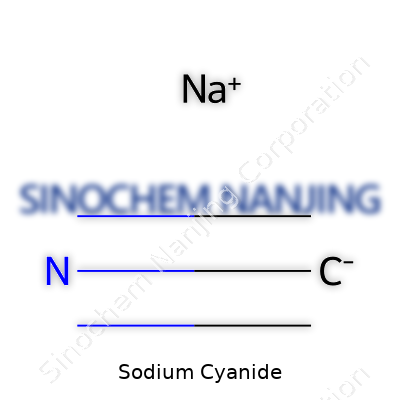
| Names | |
| Preferred IUPAC name | sodium cyanide |
| Other names |
Cyanide of sodium Sodium salt of hydrocyanic acid Hydrocyanic acid, sodium salt Sodcy White Cyanide RCRA Waste Number P106 |
| Pronunciation | /ˌsəʊdiəm saɪˈənaɪd/ |
| Identifiers | |
| CAS Number | 143-33-9 |
| 3D model (JSmol) | ``` Na([−]C#N) ``` |
| Beilstein Reference | 353754 |
| ChEBI | CHEBI:62842 |
| ChEMBL | CHEMBL1433 |
| ChemSpider | 21513 |
| DrugBank | DB09122 |
| ECHA InfoCard | 03fd6bb3-2e04-4b6d-afef-0c852e2c7c9d |
| EC Number | 205-599-4 |
| Gmelin Reference | 7317 |
| KEGG | C01702 |
| MeSH | D002509 |
| PubChem CID | 8893 |
| RTECS number | VZ7525000 |
| UNII | 7X0A068WTT |
| UN number | UN1689 |
| Properties | |
| Chemical formula | NaCN |
| Molar mass | 49.01 g/mol |
| Appearance | White crystalline solid |
| Odor | almond-like |
| Density | 1.6 g/cm³ |
| Solubility in water | soluble |
| log P | “-3.87” |
| Vapor pressure | Negligible |
| Acidity (pKa) | 11 |
| Basicity (pKb) | 11.08 |
| Magnetic susceptibility (χ) | +0.8e-6 |
| Refractive index (nD) | 1.421 |
| Viscosity | Low viscosity |
| Dipole moment | 2.72 D |
| Thermochemistry | |
| Std molar entropy (S⦵298) | 113.0 J·mol⁻¹·K⁻¹ |
| Std enthalpy of formation (ΔfH⦵298) | -164.89 kJ/mol |
| Std enthalpy of combustion (ΔcH⦵298) | -480.6 kJ/mol |
| Pharmacology | |
| ATC code | V03AB04 |
| Hazards | |
| Main hazards | Toxic if swallowed, inhaled or in contact with skin; releases toxic hydrogen cyanide gas on contact with acids; environmental hazard, very toxic to aquatic life. |
| GHS labelling | GHS02, GHS06, GHS09, Danger, H300, H310, H330, H410 |
| Pictograms | GHS06,GHS09 |
| Signal word | Danger |
| Hazard statements | H300 + H310 + H330: Fatal if swallowed, in contact with skin or if inhaled. |
| Precautionary statements | P260, P264, P270, P273, P280, P301+P310, P304+P340, P320, P330, P361, P363, P391, P403, P405, P501 |
| NFPA 704 (fire diamond) | 3-3-0-Acidity |
| Autoignition temperature | 801 °C (1,474 °F) |
| Explosive limits | Not explosive |
| Lethal dose or concentration | LD50 oral rat: 6.4 mg/kg |
| LD50 (median dose) | 6.4 mg/kg |
| NIOSH | SK2800000 |
| PEL (Permissible) | PEL: 5 mg/m³ |
| REL (Recommended) | 30 mg/m³ |
| IDLH (Immediate danger) | 25 mg/m³ |
| Related compounds | |
| Related compounds |
Potassium cyanide Calcium cyanide Hydrogen cyanide Sodium thiocyanate |



