Sodium Hydroxide: More Than Just a Caustic Chemical
From Soap Making to Heavy Industry: The Historical Arc
Long before so many chemicals carried warning labels, sodium hydroxide found its place in daily life. Old soap makers, as far back as the ancient world, relied on what they called lye. Potash and ashes in a wood fire meant homemade cleaning agents for every household. In the nineteenth century, the chemical world shifted with the Leblanc and later the Solvay processes, letting factories churn out large quantities of caustic soda. The modern era depends on the chloralkali process, where electricity splits brine, giving us sodium hydroxide alongside chlorine and hydrogen. With every step forward, the availability of pure sodium hydroxide grew, and its uses multiplied.
What You’re Looking At: Sodium Hydroxide Up Close
Whether you run an industrial plant or unclog drains at home, sodium hydroxide pops up under many names: caustic soda, lye, soda lye. In solid form, it’s often a white, waxy pellet or flake, quick to grab water from any surface it touches. It dissolves easily, releasing heat and producing a slick, slippery feel. Once in water, it gives a high pH solution that means serious business for cleaning, processing, or chemistry. Its presence means control, breaking down tough stains, or reacting with fats to make soap in the same way families did ages ago, only now with more precision.
Reactivity: Simple Formula, Endless Possibilities
Chemists know sodium hydroxide’s formula—NaOH—is basic in every sense. It breaks down strong bonds in organic molecules, and it’s never shy about doing the heavy work in reactions. Engineers, manufacturers, and researchers trust it because it dissolves grease, neutralizes acidic waste, and strips old paint. When you pour it into water, it heats things up fast, a sign of its strong affinity for molecules to break apart. In labs, sodium hydroxide neutralizes acids, refines petroleum, processes bauxite into aluminum, and helps manage countless pH adjustments from paper mills to food processing. The story doesn’t end with just its basic reactions; researchers constantly look into ways to pair sodium hydroxide with other materials, push boundaries in chemical synthesis, and create novel materials.
Making It Right: Modern Preparation and Technical Specs
These days, brine electrolysis stands as the backbone for most industrial sodium hydroxide. In a nutshell, electric current flows through saltwater, sodium ions hitch a ride to one side, chlorine bubbles off, and what’s left behind gets scooped up as a highly concentrated and quite pure sodium hydroxide solution. Factories often ship the solution, then evaporate it to form solid flakes or beads once on site or further down the supply chain. Specs can get strict: water content, sodium chloride traces, heavy metals—all closely monitored to avoid safety problems or process failures. Labels echo this vigilance, listing concentration and hazard statements, nudging users to respect the product’s strength.
The Many Faces of a Strong Base
Nobody in chemistry circles calls this stuff by just one name. Lye, caustic soda, and sodium hydrate all point back to the same basic powerhouse. Depending on where you buy it or what industry you work in, packaging changes: sometimes a drum of pearls, sometimes a tightly sealed bottle of 50% solution designed for bulk handling.
Safety Isn’t Optional
Too many horror stories start with folks underestimating sodium hydroxide. Unprotected hands or eyes, and the results sting for a lifetime. Coming into contact causes chemical burns, and getting it in your eyes can mean lasting damage. You need gloves, goggles, and plenty of ventilation. Anyone working with it in industry has backup plans: emergency eyewash stations, neutralizing agents, and strict protocols on how to handle spills. It pays to respect both its power and the risks, treating every step with care. Safety data sheets matter here as real guides, not just paperwork.
Everyday and Extraordinary Applications
You might catch sodium hydroxide at work stripping paint, cleaning ovens, unclogging stubborn drains, or zapping fat from cooking surfaces. Specialty chemical jobs include textile bleaching, dyeing, and paper pulping. In oil refining, it tackles impurities, prepping crude oil for cleaner-burning fuels. The food industry—at its most technical—leans on sodium hydroxide for washing and peeling fruit, chocolate making, and thickening ice cream emulsifiers. Less obvious roles turn up in the creation of biodiesel, water purification, and breaking down the stubborn bonds in old organic waste streams.
Toxicity and Environmental Realities
Talk to anyone in environmental health, and sodium hydroxide’s not just another tool in the shed. Sure, it biodegrades, reacting to neutralize acidic waste and help purify water. But dosing too much or poor disposal stirs trouble, harming aquatic life and burning plant roots. Inhalation or skin splashes count as occupational hazards. Overexposure means breathing trouble, eye damage, and corrosive injury. Health agencies worldwide line up recommended workplace exposure limits, and regulatory agencies keep tabs on discharge levels.
On the Frontline: Research, Development, and Future Steps
Most people don’t see the size and scope of current sodium hydroxide research. Chemistry teams search for ways to bring down the energy footprint tied to brine electrolysis—an industry-wide headache looking for next-generation cell membranes and catalysts. Other work goes on in cleaner, greener lye production through solar or wind-powered electrolysis and pilot projects using less energy or renewable sources. Demand still climbs thanks to needs in plastics, batteries, and the push for more environmentally friendly manufacturing.
What Comes Next for Sodium Hydroxide?
The world won’t stop using sodium hydroxide anytime soon. Its chemistry offers options few substances match—effective, direct, reliable, and endlessly adjustable to process needs. New challenges push for more sustainable production, less pollution, and safer handling both at home and at scale. Technology and regulation will probably guide its next steps: safer packaging, real-time exposure tracking, and breakthroughs in recycling and resource recovery. That old jar of lye under the sink sits in good company with the sprawling tanks feeding modern megaprojects. There’s no going back, only forward—toward smarter use, safer processes, and lower environmental impact.
What is sodium hydroxide used for?
Sodium Hydroxide in Cleaning and Industry
People run into sodium hydroxide far more often than they might expect. Sitting under the sink or out in the garage, there’s a bottle of drain cleaner—a heavy-duty liquid for stubborn clogs. That’s sodium hydroxide in action. Plumbers and homeowners count on its power to dissolve the toughest grease, soap, and hair blockages without breaking a sweat. Living in an older house, I’ve pulled out the plunger on more than one occasion before grabbing the sodium hydroxide to clear a pipe. It cuts through muck in minutes where nothing else seems to work.
The story stretches beyond clogged pipes. Many industries rely on sodium hydroxide as a core player. Oil refineries use it to remove acidic contaminants from their products. Paper factories lean on it while breaking down wood into pulp. Without sodium hydroxide, it’s hard to picture cost-effective paper products stacking up on store shelves. In my own garage, I’ve used lye—another word for sodium hydroxide—to strip paint from old furniture. The stuff bites through old coatings fast, saving hours of sanding and scraping.
Food Preparation and Everyday Products
It surprises most people to discover sodium hydroxide pops up in food processing, too. There’s no pretzel with that glossy, chewy crust unless bakers dunk the dough in a water and lye bath first. That outer shine comes from the way sodium hydroxide changes the surface sugars when heat hits them in the oven. Olives straight off the tree taste bitter and harsh; producers soak them in sodium hydroxide brine to mellow out their flavor. The cure transforms them into something you’d actually want on your pizza or salad plate.
Soapmakers swear by sodium hydroxide. Modern soaps—liquid or bar—are the product of a straightforward reaction between fats and sodium hydroxide. That’s saponification, a process with roots stretching centuries back. Think of every household that stocks up on soap for the bathroom and kitchen. Those little bars trace their clean and fresh sparkle to sodium hydroxide. Hospitals and clinics demand high standards for hygiene, so the need for safe and effective soap remains high.
Risks and Turning to Safer Choices
Sodium hydroxide, helpful as it is, does raise health and safety questions. Skin contact leaves burns. Breathing in dust or mist irritates noses and throats. People end up in the emergency room every year because they underestimate its bite. More than once, I’ve worn heavy gloves and goggles mixing it for a home project and learned fast to mix it slowly—add the lye to water, never the other way around, unless you’re looking for a nasty chemical splash.
Kids and pets can suffer if products aren’t properly stored. Companies put warnings all over their packaging, but not everyone takes them seriously. Clear safety training and better packaging could cut down on accidents. People who want a lighter touch around their house have turned to alternative cleaners for simple messes. Vinegar, baking soda, and hot water don’t have the punch of sodium hydroxide but can handle lighter cleaning tasks without the hazard. Manufacturers continue researching less harsh substitutes for some uses, aiming to shrink risks without losing cleaning power.
Weighing Out the Uses
Sodium hydroxide doesn’t get much attention, but it sits at the roots of products and services we count on daily. As people look for greener and safer ways to get things done, there’s a push for better safeguards, smart ingredient choices, and honest information on the label. Anyone reaching for sodium hydroxide ought to respect its muscle and keep it where it belongs—solving problems, not causing harm.
Is sodium hydroxide dangerous to handle?
Getting Real About a Common Chemical
Sodium hydroxide pops up in all sorts of places—factories, schools, even under your kitchen sink if you keep a drain cleaner around. Folks call it lye or caustic soda. Many people don’t give it a second thought, but get a splash of this stuff on your skin and you’ll never forget it. There’s a reason painters, plumbers, and plant workers respect sodium hydroxide: it burns like you wouldn’t believe.
Personal Experience Matters
Plenty of us remember the first time something caustic touched our fingers. For me, it was a high school chemistry lab. The tiniest drop left a red, stinging mark. That pain leaves an impression. Forget gloves just once and skin peels quickly in white little patches. Mix sodium hydroxide into water and it heats up fast, turning something harmless-looking into a real hazard. Water on sodium hydroxide flakes feels deceptively safe, but soak your hand and you could be rushing to the eyewash station.
I’ve met people who’ve had much worse. One friend worked at a soap plant. They handled sodium hydroxide all day, five days a week. A bit splashed onto his forearm once. He waited too long to wash it off and came home with a blister that took weeks to heal. His story stuck with me.
Shortcuts Don’t Cut It
Many workers and even DIYers feel tempted to skip goggles for “quick jobs” like pouring drain opener. No one wants safety talks or PPE lectures, but the truth is simple: sodium hydroxide isn’t forgiving. Direct contact wrecks skin, but the eyes take the worst hit. Permanent blindness happens faster than most think. Statistics back it up. The Centers for Disease Control and Prevention (CDC) lists thousands of chemical burn injuries every year—sodium hydroxide ranks high among the causes.
Not just skin or eyes, either. Breathing dust or fumes can burn airways. Mix sodium hydroxide with acids and toxic gases result. In homes, accidental poisonings happen when a curious child gets into strong cleaning products. Hospitals see the aftermath all too often.
Knowledge and Respect Go Together
So why do we keep using it? Sodium hydroxide works wonders for making paper, soap, even some medicines and food. It cleans out stubborn pipes, breaks down grease, and helps separate silver from ore. Getting rid of it because of danger doesn’t make sense—using it wisely does.
Nobody expects a factory worker or homeowner to become a chemist. Simple steps go a long way. Good gloves, face shields, proper storage, and plenty of water for rinsing off splashes all help. Reading labels and recognizing that a clear, odorless liquid can maim in seconds keeps people honest and healthy. Following work safety rules and keeping caustic products locked up at home cut down on accidents. Teaching kids why some bottles have skull-and-crossbones labels can save them a world of pain.
Solutions Aren’t Fancy
Local governments have a role too. Labels in everyday language, proper disposal plans for old chemicals, and easy access to first aid guidance make a huge difference. Medical pros need to keep chemical burn treatment fresh in their minds, not buried under paperwork. I’ve seen workplaces run “worst-case scenario” drills and it’s obvious who gets home safe after a spill—the ones who take training seriously.
At the end of the day, sodium hydroxide is a bright example of a double-edged tool. It’s mighty useful, but it demands respect. Mistakes hurt. Preparation and attention to detail keep people out of trouble.
What safety precautions should be taken with sodium hydroxide?
Reliable Facts, Real Risks
Sodium hydroxide shows up in drain cleaners, soap making, and industries from textiles to paper. People often call it lye or caustic soda. Touching or inhaling it by accident can spell trouble—serious burns, eye injuries, and breathing problems are all on the table. Hospitals have treated many workers and DIY hobbyists who underestimated this chemical’s bite. Experience has shown that one small spill, a single puff of dust, means pain and damage that can last a lifetime.
Skin, Eyes, Lungs—The Danger Zones
You can’t “tough it out” with sodium hydroxide. Direct contact on skin or in eyes can cause deep, painful burns. Without goggles and real gloves—not dollar store plastic, but heavy-duty nitrile or neoprene—you’re asking for trouble. Drips land on exposed wrists or arms even faster than you think. Some folks assume cheap rubber gloves or sunglasses get the job done, until they hear the sizzle or feel the sting. Getting sodium hydroxide in the eyes can lead to blindness within minutes; doctors push for an immediate thirty-minute eye rinse, and even then you might lose vision.
Good Ventilation Isn’t Optional
Sodium hydroxide won’t gas you like carbon monoxide, but dust or fumes rise up easily, especially when mixing with water or acids. Anyone who’s dumped lye into a container on a hot day remembers the sharp, burning cloud that forces you to back away. Gritty, white dust doesn’t need long to irritate your lungs or throat. Keeping a good fan or fume hood running, and avoiding any cramped, steamy workspace helps stop dangerous air from gathering. Simple practices—a window open, a mask rated for chemicals—keep you upright instead of coughing or worse.
Preparation Means Safety
Before you ever crack open a bottle or lift a bulk bag, have your safety gear set out. Full-seal eye shields, those thick gloves, a chemical-resistant apron, and a splash-resistant container matter more than doubling up towels. Make sure water for rinsing sits nearby, and have a proper neutralizer, such as vinegar, ready in case of spills. Label every jug, bottle, or tub clearly. Kids and pets can stumble into bad situations in seconds if you leave things lying around. “I only turned my back for a moment” has led to too many emergency calls.
Mixing and Storage—No Shortcuts
Always add sodium hydroxide slowly to water, never the other way around. Pouring water onto the flakes or beads creates heat fast—steam, splatter, and a runaway reaction can shoot up out of the container. I recall one local plumber’s story: small splash, big burn, and a ruined countertop in the blink of an eye. Choose containers made for chemicals—no reused food jars or cracked plastic. Tight-fitting lids and dry hands help keep air and moisture out. Keep your supplies away from acids and anything made of aluminum, since these react with sodium hydroxide.
Know What to Do If It Goes Wrong
Mistakes still happen, even if you follow every step. Flush skin and eyes immediately with lots of running water, and forget ice or ointments. Chemical burns move fast. Seek medical help without delay, especially after any eye contact or severe burns. Everyone in the workspace should know the emergency plan. Numbers for poison control and local clinics belong on the wall, not buried in a drawer.
Thinking Ahead Saves a Lot of Pain
Using sodium hydroxide safely means more than just reading labels. It takes hands-on thinking, learning from those who’ve seen accidents, and staying ready for the worst. As with any strong chemical, respect and preparation lead to good outcomes. People have learned the hard way; there’s no reason to be next on that list.
How should sodium hydroxide be stored?
Looking Beyond the Textbook: Real-World Storage Choices
Sodium hydroxide, often called caustic soda or lye, pops up in all sorts of places. It helps clean drains, treat water, and make paper or soap. A lot of people might know the basics from chemistry class, but storing this chemical safely becomes something else entirely on the job. It’s not just about keeping a canister on a garage shelf—it’s about protecting people, equipment, and even the air we breathe.
Why Getting Storage Right Pays Off
Take it from anyone who’s had a caustic soda spill on their hands: that burn feels real fast. The crystals or pellets suck up water, pulling it right out of the air and off your skin. Left open, the solid turns into a puddle of thick liquid, even when nobody touches it. Even the fumes can cause trouble for eyes and lungs. Every year, accidents from poor storage lead to emergency calls in labs and factories. Sometimes, the damage to gear or property sticks around a lot longer than the burn on your hand.
What Works in Practice: Materials and Placement
Metal shelves may look sturdy, but sodium hydroxide attacks metals like aluminum and zinc. Rust spreads, shelves crumble, and even stainless steel can show pitting after enough time. Most chemical storerooms I’ve worked in use heavy-duty plastic drums or containers lined with HDPE. These resist the caustic sting, stay sealed, and block out moisture in humid air. Lids and labels stay tight, fastened with metal-free fasteners. Leaks turn up faster when secondary trays or spill pallets rest underneath those main containers.
Why Location Influences Safety
Storage needs an out-of-the-way, dry spot where only trained people go in and out. Some newcomers think, ‘Why not just use a supply closet?’ but it takes just one whiff of caustic fumes for someone to realize that’s not a good setup. Away from acids matters most—sodium hydroxide and strong acids like hydrochloric produce explosions or toxic clouds if they mix. Closed cabinets, clear warning signs, and locked doors stop accidents like these before they even get started. Keeping the room below 25°C reduces vapor formation, too—so climate control isn’t a luxury in these environments.
Personal Experience: What Routine Looks Like
On the ground, most teams check containers at least once a month for corrosion, leaks, or loose caps. Nobody waits for odors or spills to tip them off. I’ve seen managers snap photos of inventory logs, making it possible to catch if someone’s moved a drum or if levels drop unexpectedly. Gloves and face shields sit within reach, not hanging on a far wall. Spill kits—simple absorbent pads, baking soda for neutralizing, and a good mop—sit near the entryway. These steps make the difference between a small cleanup and a medical emergency.
Fixing Common Slip-ups
The biggest mistakes show up with improper labeling or ignoring the expiration of containers. Labels should stick well and explain what’s inside in big print—not just a faded sticker. In multi-user workplaces, a bulletin board displays the last inspection and main hazard rules right by the door. Training refreshers every few months help even seasoned workers spot rust, jars turning weird colors, or signs of container swelling from heat or blocked vents.
Making Storage Smarter for the Long Term
Smart storage of sodium hydroxide doesn’t mean building a fortress, but it does demand respect and routine. By choosing durable plastic over metal, using secondary containment, and putting the right eyes on inspections, workplaces keep people safe, tools protected, and avoid costly downtime. Drawing on real experience and local safety data goes further than simply following the manufacturer’s blurb.
What are the common household products containing sodium hydroxide?
Behind the Label: Sodium Hydroxide at Home
Most of us don’t give a second thought to the science in our cleaning cupboards. Sodium hydroxide, known to science teachers and careful label-readers, packs a serious punch in everything from drain openers to oven sprays. I once struggled with a stubborn clog in the kitchen and reached for a name-brand drain opener. Sure enough, sodium hydroxide showed up high on the list—right under water. It’s no secret why: this ingredient breaks down grease and hair fast, turning tough blocks into liquid you can rinse away. Plumbing bills don’t stand a chance when you get the mix right.
The Unexpected Places You’ll Find Sodium Hydroxide
It’s not just in drain cleaners. Many oven cleaners use sodium hydroxide, blasting away at baked-on goo no steel wool could tackle. Spraying one of those cans in a warm oven once taught me how well it strips away burnt fat, but also how tough it can be on bare skin. That caustic bite really works through kitchen messes.Laundry boosters sometimes list sodium hydroxide, too. Old-school detergent powder often adds it for stain removal. If you remember seeing soap flakes and “lye” on old grocery lists, you’re seeing the long history of this chemical at work. Homemade soap recipes, the kind my grandmother swore by, used sodium hydroxide in measured amounts to turn fats into something gentle for the skin. Without the right technique and respect for its strength, accidents happened—her hands bore the scars of early batches.
Hidden Helpers: Less Obvious Uses
Toilet bowl cleaners often turn to sodium hydroxide for their cleaning muscle. It scours away residue and leaves surfaces looking almost new.Less commonly discussed, some hair relaxers for textured hair rely on sodium hydroxide to chemically break down hair’s protein bonds, making it smoother. My cousin, always adventurous with hairstyles, discovered this the hard way. Without careful timing, these treatments caused burns and irritation.Even certain types of paint removers and heavy-duty degreasers, found in many garages, count on sodium hydroxide. Anyone knee-deep in a home renovation project can tell you these products mean business, so gloves and goggles aren’t optional.
Why This Ingredient Matters
Household staples use sodium hydroxide because it works. Yet, the power it brings means families must use care. Poison control centers see calls every year from accidental contact—mostly from children or adults who learn about "caustic" the hard way.Reading product labels before buying or using cleaners isn’t just smart—it’s essential. If a label includes phrases like “lye," “caustic soda,” or sodium hydroxide, safe storage and smart usage come next. Wear gloves. Keep products high and out of reach. Teach anyone in the house to respect what these chemicals can do, long before spills or splashes force the lesson on their own.
Safer, Smarter Solutions
Not every cleaning job requires maximum strength. Vinegar and baking soda can often handle smaller messes, keeping the bigger guns for big problems. If you must go with sodium hydroxide-based products, ventilation matters. Open a window, run a fan, and never mix cleaners. My own experience taught me that trusted brands often provide clear instructions. It’s tempting to skip a step or double the amount, but short cuts turn into long problems.For anyone clearing out cabinets or starting spring cleaning, taking time to understand what’s behind each product label makes every home a bit safer and every clean-up a little smarter.
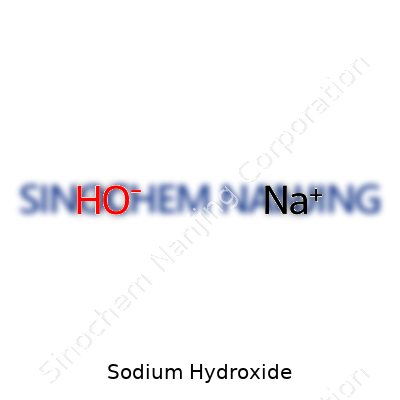
| Names | |
| Preferred IUPAC name | Sodium hydroxide |
| Other names |
Caustic soda Lye NaOH Sodium hydrate |
| Pronunciation | /ˌsəʊ.di.əm haɪˈdrɒk.saɪd/ |
| Identifiers | |
| CAS Number | 1310-73-2 |
| Beilstein Reference | 3587154 |
| ChEBI | CHEBI:32145 |
| ChEMBL | CHEMBL1201197 |
| ChemSpider | 14116 |
| DrugBank | DB09210 |
| ECHA InfoCard | 100.001.001 |
| EC Number | 215-185-5 |
| Gmelin Reference | Na-O-2 |
| KEGG | C01341 |
| MeSH | D010514 |
| PubChem CID | 14798 |
| RTECS number | WB4900000 |
| UNII | YXH7ZZ4VYN |
| UN number | UN1824 |
| Properties | |
| Chemical formula | NaOH |
| Molar mass | 39.997 g/mol |
| Appearance | White solid |
| Odor | Odorless |
| Density | 2.13 g/cm³ |
| Solubility in water | Freely soluble in water |
| log P | -3.88 |
| Vapor pressure | Vapor pressure: 2.4 mmHg (20°C) |
| Acidity (pKa) | pKa ≈ 15.7 |
| Basicity (pKb) | 13.0 |
| Magnetic susceptibility (χ) | -15.0·10⁻⁶ |
| Refractive index (nD) | 1.378 (20 °C, 50% aq. soln.) |
| Viscosity | Viscous liquid |
| Dipole moment | 2.33 D |
| Thermochemistry | |
| Std molar entropy (S⦵298) | 69.91 J·mol⁻¹·K⁻¹ |
| Std enthalpy of formation (ΔfH⦵298) | –425.6 kJ/mol |
| Std enthalpy of combustion (ΔcH⦵298) | –477.0 kJ·mol⁻¹ |
| Pharmacology | |
| ATC code | D08AX |
| Hazards | |
| Main hazards | Causes severe skin burns and eye damage; may be corrosive to metals |
| GHS labelling | GHS05: Corrosion, Danger; Causes severe skin burns and eye damage. |
| Pictograms | GHS05,GHS07 |
| Signal word | Danger |
| Hazard statements | H314: Causes severe skin burns and eye damage. |
| Precautionary statements | P280, P305+P351+P338, P310, P301+P330+P331, P303+P361+P353, P304+P340 |
| NFPA 704 (fire diamond) | Health: 3, Flammability: 0, Instability: 1, Special: - |
| Explosive limits | Non-explosive |
| Lethal dose or concentration | LD50 Oral Rat: 140 - 340 mg/kg |
| LD50 (median dose) | LD50 (oral, rat): 325 mg/kg |
| NIOSH | SW2550000 |
| PEL (Permissible) | 2 mg/m³ |
| REL (Recommended) | 10 mg/m3 |
| IDLH (Immediate danger) | 10 mg/m³ |
| Related compounds | |
| Related compounds |
Potassium hydroxide Lithium hydroxide Calcium hydroxide Magnesium hydroxide Barium hydroxide Sodium carbonate Sodium oxide |



