Silver Bromate: A Straightforward Account
Historical Development
Silver bromate has a story reaching back to the heyday of chemistry labs in the nineteenth century. Chemists handled it in their hunt for reliable oxidizers and sources of silver, finding use in photographic processes and analytic chemistry. Mining companies once eyed silver compounds for extraction and ore testing. Universities cataloged it along with dozens of similar salts, but not every substance found its way into the mainstream. Silver bromate earned a spot on the periodic shelf largely because researchers respected its unique blend of reactivity and stability. Even as industries shifted to digital imaging and greener chemistry, this compound never quite left the chemistry toolkit. Chemists trialed it for its reactivity, and isolation methods kept getting tweaks as lab standards changed.
Product Overview
What you get with silver bromate (AgBrO3) is a white, crystalline powder. You won’t often see it in everyday manufacturing sites or medical settings because it’s highly specialized and not cheap to pump out in bulk. A bottle might find a home in a research lab’s oxidizer section or on a shelf next to other silver salts. Producers usually ship it sealed and labeled for lab use, since rough handling or improper storage risks breaking down the compound. Most labs don’t buy huge barrels at once; instead, they keep small amounts on hand for experiments where reliability rules out less stable alternatives.
Physical & Chemical Properties
This substance has a molar mass of 235.77 g/mol and pops up as a sparingly soluble solid. It carries a white-to-colorless appearance, standing still and odorless on the bench, with small needle-like crystals under the lens. Toss some in water and you’ll see mediocre solubility compared to other common silver salts. Start heating and above 140°C, you risk decomposing it—hardly surprising for a compound loaded with both heavy metal and oxidize-friendly bromate ions. Its oxidizing character means it reacts with reductants—especially organic materials or metals—with ease, often with heat or visible decomposition.
Technical Specifications & Labeling
Chemicals like silver bromate land in bottles marked with hazard labels: oxidizer warnings and toxicity symbols show up on the packaging. Barcode tags might track the inventory for regulatory reporting. Purity ratings on commercial samples usually exceed 98%, since even minor impurities can corrupt test results or alter its oxidizing punch. Typical suppliers catalog the batch number, molecular formula, lot analysis, and expiration date. Since it sits in a group of hazardous oxidizers, legal shipping documents must show compatibility, handling instructions, and emergency contact sheets for the transporters.
Preparation Method
Chemists go for a straightforward route to make silver bromate: treat a silver nitrate solution with a soluble bromate like potassium bromate. The two combine in water, and silver bromate comes out as a white precipitate. Lab workers wash it thoroughly, pulling out stray ions or leftover starting chemicals, then dry it under minimal heat. Some academic chemists hunt for purer yields by tweaking temperature or filtering through modern membranes—simple but surprisingly effective in preventing stray contaminants. The key is patience: let the solids settle, then extract carefully to avoid waste or contamination.
Chemical Reactions & Modifications
Silver bromate gets noticed for its predictable reactivity with reducing agents. Drop in glucose, sulfur, or thiosulfate and brown-black silver metal forms alongside the reduction of bromate to bromide. Some organic chemists tried using it in oxidizing alcohols or splitting sulfur bonds, especially in older synthesis methods before new catalysts entered the scene. If you try to fuse it with heat or acids, hazardous bromine and unstable residuals show up—so trained specialists manage any thermal experiments with this compound. Attempts to modify the basic molecule mostly revolve around swapping the silver cation or playing with the crystal form to control solubility or reactivity.
Synonyms & Product Names
On commercial and academic paperwork, you might see "silver(I) bromate" or the older label "bromic acid silver salt." International registrations log it under EC 232-168-2 and UN numbers linked to oxidizers. It rarely gets a catchy trade name, as the market for modified silver bromate compounds stays niche and academic papers prefer formal IUPAC naming for clarity and safety.
Safety & Operational Standards
This compound hits the oxidizer list and brings toxic metal ions to boot. Any employer using silver bromate will train staff in chemical hygiene and spill control—think acid-resistant gloves, closed shoes, and goggles. The dust irritates skin and eyes, so lab coats and good ventilation matter more than usual. Inhalation risks aggravate asthma or lung conditions. Containers stay locked in dry, cool storerooms, far from flammable chemicals or food. Disposal means calling certified hazardous waste services, since silver and bromate both threaten local water if poured down regular drains. Shipping goes according to DOT and IATA guidelines, with containers triple-sealed against breakage or leaks.
Application Area
Most uses for silver bromate hover around research and analysis. Analytical labs once turned to it for specific tests, including oxidizing-agent titrations. Chemistry students sometimes encounter it in coursework exploring classical silver salt chemistry, where unusual oxidizers still earn a place in textbooks. Efforts to use it in large-scale imaging faded with the rise of digital tech, but the compound sometimes shows up in patent applications for niche inorganic syntheses or pilot-scale chemical transformations. Its cost and hazards mean almost no one uses it outside scientific or testing settings.
Research & Development
Scientists in universities and private labs keep poking at silver bromate’s hidden potential. Some eco-focused chemists study it for advanced oxidation processes to treat pollutants or split persistent organics. Others toy with it as a silver source for forming novel electronic materials or experimental catalysts, though so far its high price and safety issues keep it off the main stage. Metallurgists in academic circles have floated it as a standard for silver content titration, given its predictable reactions, but cheaper and less dangerous testing methods win out for routine use. Still, research into safer handling, new reaction mechanisms, or targeted applications keeps small sales alive worldwide.
Toxicity Research
Toxicologists gave silver bromate a long look for good reasons. Both silver and bromate ions harm humans at moderate dose. Exposure links to kidney, skin, and gastrointestinal injuries, with chronic silver absorption causing argyria—a slate-blue skin pigmentation that never quite fades. Bromate’s toxicity stands out; even a few milligrams per kilogram body weight start to damage kidneys, hearing, and the nervous system. Animal studies show clear risks, and case reports document accidental poisonings from exposure to similar bromate salts. Regulators caution schools and training sites not to let students handle this compound without proper PPE and teacher supervision. Water safety tests strictly forbid bromate over low microgram-per-liter quantities, partly based on evidence drawn from silver bromate and similar substances.
Future Prospects
Silver bromate won’t see mass-market revival any time soon, since safer oxidizers and cost-effective testing kits dominate both industry and environmental labs. Research teams still explore its unique chemistry in catalytic studies or for benchmarking oxidizing strength. Novel applications in waste treatment or green chemistry could spark periodic spikes in demand—but each new use case faces the same hurdles of high cost, strict regulation, and workplace safety. Digital technology deals a steady blow to all photographic silver salts. Future improvements in handling, recycling, and targeted synthesis might occasionally boost the profile of this compound, but for most folks in science and industry, silver bromate remains a specialized tool for special cases—which says a lot about the evolution of chemical safety and innovation pressures in modern labs.
What is Silver Bromate used for?
What Silver Bromate Brings to the Table
Silver bromate flies under the radar compared to more familiar compounds, yet it plays a role in science and industry worth talking about. The white, crystalline powder doesn’t seem like much at a glance, but inside the lab, it finds its place in analytical chemistry. From my own lab days, I remember seeing tiny vials of this material tucked away on the shelves, often overlooked but never unnecessary. Even though most folks outside the world of chemistry don’t run across it, silver bromate holds a reputation as a trusted tool for chemical analysis.
Analytical Chemistry Gets a Reliable Ally
Chemists lean on silver bromate to help determine how much of other substances are in a sample. You’ll find it used in titrations, especially for figuring out how much chloride exists in a given mix. The process relies on the fact that it reacts predictably with certain substances. Testing water quality, for example, isn’t just about safety; it protects the reputation of a local supplier and ensures public health. Knowing exactly how much chloride is in a sample can tilt decisions on treatment methods or trigger further investigation if numbers rise beyond set limits.
Supporting Education and Standards
Schools, colleges, and research labs keep silver bromate around for teaching or calibration. Students often learn essential skills using it in classic endpoint titrations, getting a feel for chemical reactions and sharp observation. I remember my early days in a crowded undergraduate lab, with everyone stronger on theory than technique. The blunder of over-titration stuck with me much longer than any textbook explanation. Lab exercises built around proven reagents like silver bromate prepare new scientists for larger, more complex tasks out in the world.
Safety and Environmental Factors
Anyone handling silver compounds should treat them with care. Silver bromate, like its relatives, sits under regulatory watch because of the potential health and environmental effects. Disposal after experiments requires thought, not just convenience. Dumping excess down the drain threatens water systems, and exposure in large amounts risks health issues. Good lab practice, like careful container labeling and responsible disposal plans, limits any downside and shows respect for future chemists who share the same benches and workspaces.
Finding Paths Forward
A shift is happening in labs everywhere—a push towards green chemistry. Institutions look at alternative reagents that can provide the same accuracy in analysis but create less waste and fewer hazards. Groups like the American Chemical Society push for updated protocols and greener approaches. Silver bromate still stands as a reliable performer, but research pushes for safer or more sustainable choices that don’t leave safety and the environment as afterthoughts.
Weighing Value in Changing Times
Silver bromate’s story speaks to a broader point: behind almost every lab result and every water quality report stands a chain of decisions. Trusted chemicals earn their spot on those shelves for a reason. But awareness and innovation push the field forward, aiming for results that not only answer scientific questions but also respect the welfare of everyone who comes into contact with these materials. In science—and in daily life—awareness and responsibility walk hand-in-hand, even with something as unassuming as silver bromate.
Is Silver Bromate hazardous or toxic?
Looking Closely at Silver Bromate
Plenty of chemicals don’t raise eyebrows till it’s time to dispose of them, Silver Bromate included. On the shelf, it looks harmless—a white, powdery solid, often tucked away in a corner of a chemistry lab or used for specialty photographic processes. But that sense of safety isn’t what the science says. Based on my own years in laboratories and handling chemical inventories, Silver Bromate does not belong on the list of substances anyone can treat casually.
Why Toxicity Matters
Experts classify Silver Bromate as toxic. Blocked-off safety datasheets highlight its risk for human health. Inhalation or ingestion of Silver Bromate isn’t just an unfortunate mistake; it can cause severe damage, especially to the gastrointestinal system and kidneys. Studies note that silver salts, if allowed to accumulate, can lead to a condition called argyria—permanent skin discoloration. That may sound mild, but toxic effects can include irritation, serious internal distress, and—in rare cases—systemic toxicity if a large dose enters the bloodstream.
Bromate ions bring a whole different layer of concern. Other bromates have caused cancer in animals and are suspected human carcinogens. The World Health Organization doesn’t spare bromates from their toxic lists, pointing to genotoxic properties. That’s a big deal. Whether working in a school lab or a commercial facility, accidents are more common than storybooks suggest. Every spill, every bit of dust, can turn into a real hazard.
Environmental Impact Isn’t Small Potatoes
Silver Bromate doesn’t only care about people. Silver compounds in water systems poison aquatic life. Once they reach rivers or lakes, they don’t pack their bags quickly. Fish and tiny organisms in the food web suffer. On the bromate side, water tests show even low doses can harm plants and disrupt soil function. Countries with strict waste rules don’t do this for fun; it’s a response to what happens after careless disposal.
Everyday Handling and Real-World Solutions
Proper storage and use of Silver Bromate call for more than gloves and goggles. Fume hoods, full-body protection, spill kits—these deserve a spot on every lab checklist. One minor moment of forgetfulness multiplies cleanup costs and consequences. Having supervised students and junior chemists, I’ve seen firsthand how a lax approach breeds accidents and waste. In one case, a broken container meant an entire room had to shut down till an environmental health crew came in.
On the regulatory side, chemical inventories need updating, with records for who buys, uses, and disposes of materials like Silver Bromate. Many countries require hazardous waste permits before you toss even a gram. Local governments crack down after seeing cleanup bills zoom past six figures, especially with groundwater contamination. Community outreach helps, too—public schools and university labs benefit when local chemical safety officers hold training and explain safe waste practices in plain language.
Better Chemical Choices
Sometimes, people reach for Silver Bromate out of habit, not necessity. Photographic science and certain types of analysis might have safer, modern substitutes on the market. Even minor substitutions, where possible, provide a double win: less exposure, easier waste handling. In my lab experience, replacements often mean fewer accidents and less stress for everyone involved.
Responsible use relies on a mix of education, regulation, and practical alternatives. Silver Bromate earns its spot among hazardous materials. Treat it as a chemical worth extra attention, because personal health and environmental safety leave no room for shortcuts.
How should Silver Bromate be stored?
Real Risks & Simple Precautions
Anyone who's handled chemicals remembers certain names for good reason. Silver bromate doesn’t just come with a fancy label; it carries a real punch. This stuff stands out not only as an oxidizer but also throws off sparks—figuratively and literally—if treated lightly. In college, I had a close call during an inorganic lab. The lesson stuck: respect the material, respect the risks.
Temperature and Light Issues
The main enemy of silver bromate is light. Like most silver salts, even modest amounts of daylight start a reaction you don’t want inside storage. The salt can break down, leaving brownish streaks, which you should always treat as a red flag. Store it in an amber glass bottle. If glass isn’t on hand, opaque plastic comes next, but you lose a bit of chemical compatibility.
Heat brings surprises. Silver bromate likes stability, and any tinkering with temperature—either from a sunbeam through a lab window or an old refrigerator losing its seal—opens the door to hassle. Chemicals should never be stacked near hot pipes or radiators, and silver bromate fits solidly in this category.
Physical Containment & Compatibility
Mixing chemical types in storage leads straight to trouble. I’ve seen new lab techs line up oxidizers right next to reducers or even flammable organics, and all it takes is a leaky cap or accidental spillage for that lineup to explode—sometimes literally. Silver bromate sits with other oxidizers, far from solvents and acids. I always recommend a marked secondary containment tray. Even a shoebox-sized plastic bin will stop a spill from spreading, giving you control if something tips over.
Labeling and Handling
Sloppy labeling turns a safe spot into a guessing game. Everyone working the stockroom needs to see clear hazard labels showing oxidizer warnings. I’ve come back after vacation to find someone replaced faded tags with a black marker. Bad idea; always use the original manufacturer’s label if possible, or print out a new one with clear chemical names and hazard pictograms.
Regulatory Rules Matter
Silver bromate often falls under strict regulations—especially because of its oxidizing strength and environmental impact. Look up local and federal chemical storage guidelines before you even order a bottle. The Environmental Protection Agency and OSHA both set rules that carry real penalties. Ignoring them isn't just risky for you; it brings headaches for your workplace and the folks in charge of safety.
Personal Protective Equipment and Emergency Gear
People talk procedures, but sometimes skip basic gear. Always use safety glasses and nitrile gloves even for basic handling. Keep a spill kit nearby—absorbent pads, neutralizing powders, and a dustpan. If silver bromate lands on a surface or your person, don’t vacuum—use water and avoid spreading the dust.
Practical Storage Checklist
- Keep the bottle in a cool, dry, and dark cabinet dedicated to oxidizers
- Only trained personnel access the storage area
- Check inventory at least twice a year and look for signs of decomposition
- Always keep a written log of who uses or checks the chemical
Silver bromate teaches thoroughness in the lab. Get the basics right—shield it from light, heat, incompatible chemicals, and untrained hands. That’s what keeps your work running safely, every day.
What is the chemical formula of Silver Bromate?
Getting to Know Silver Bromate
Silver bromate sounds like something that might only show up in a dusty textbook, but this compound shows just how much goes into even the simplest formula. Its chemical formula is AgBrO3. That breaks down to one atom of silver (Ag), one atom of bromine (Br), and three atoms of oxygen (O). A piece of real-world chemistry, not just symbols and numbers—there’s some thoughtful reasoning and research behind how those numbers fit together.
The Building Blocks: A Closer Look
Silver sits in the periodic table’s group 11, showing off its single positive charge as a transition metal. Bromate brings in a little more complexity; bromine bonds with three oxygens to form this anion, giving bromate a negative one charge. To get a neutral compound, one silver ion with a plus one charge meets one bromate ion with a minus one charge. No extra atoms, no leftover electrons floating around. I remember the first time I drew out ionic bonding diagrams in chemistry class—it really hit home how these charges have to balance. It’s not just theory; this is the rulebook elements have to follow.
Silver Bromate in Practice
Most people don’t walk down to the store and see silver bromate on sale. Still, labs and industry depend on this and related compounds because of their reactivity and properties. It’s a white crystalline solid, sparingly soluble in water, which means you don’t see it fizzing away or dissolving instantly. That stability sits at the heart of why it gets attention for certain chemical reactions, often out of the public eye.
Health and Environmental Aspects
Safety plays a major role anytime silver compounds come up. Silver ions can disrupt biological systems—an issue I learned during an environmental project in college. Trace amounts in water can have bigger effects than people often expect, especially on aquatic life. Bromates bring their own risks. Some bromate salts have earned strong warnings from researchers about possible health hazards. Any handling requires gloves, face protection, good ventilation, and knowledge of disposal rules so nothing leaks into groundwater. Laboratories have strict protocols, knowing that even small spills or improper disposal can cause headaches later.
The Importance of Clear Chemical Knowledge
Mixing up formulas—or not knowing what a formula really means—causes mistakes in the lab. In chemistry, those mistakes do more than break an experiment; they can spark a chain of events leading to dangerous outcomes. Mislabeling something like silver bromide (AgBr, used in old-school photography) for silver bromate invites confusion and risk. Chemistry students and workers stay on their toes by learning these distinctions, double-checking formulas and methods before beginning any process. It’s a discipline built on detail and awareness.
Better Systems for Safer Handling
Stronger labeling and real-time digital cataloging could help labs and classrooms avoid mix-ups. Clear training programs keep people aware of new findings about chemical safety and regulatory changes. I’ve seen the difference a simple labeling upgrade can make on a busy lab bench—mistakes drop, and people work with more confidence. Routine checks and a culture where it’s easy to ask questions about chemical identity matter more than any sophisticated new technology.
The Value of Learning the Formula
Knowing AgBrO3 as the chemical formula for silver bromate means more than passing a quiz. It prepares students, researchers, and industry workers to make smart decisions, protect their health, and respect the power of what looks like “just another white powder.” Chemical formulas open the door to understanding not only how things work, but why we all need to work safely and thoughtfully with every material that crosses our path.
How can Silver Bromate be safely disposed of?
The Real Trouble with Silver Bromate
Silver bromate isn’t something most folks keep in the kitchen cupboard. Labs and certain chemical manufacturing lines encounter it more often. This compound may sound like simple chemistry, but it’s far from harmless. It triggers headaches for environmental managers mainly because it lands in the “highly toxic” camp. Both the silver and bromate parts create separate problems. Silver pollutes soil and groundwater, while bromate goes after the kidneys and can even put tap water at risk if someone mishandles it.
Growing up in a family where environmental safety mattered, the idea of skipping protective steps for hazardous waste never sat right with me. Think of the town tap. Nobody wants leftover chemistry experiments leaking into it. Stories from waste facility workers stick in my mind—old tales of hospital dumps getting into rivers, people paying the price with their health decades later. This is not an ancient issue. It’s today’s worry if toxic materials go down the drain or into the regular trash.
Why Tossing Silver Bromate is a Big Deal
The US Environmental Protection Agency (EPA) calls silver bromate a hazardous waste. Dumping it in a landfill or flushing it down a sink loads the environment with toxic metals and dangerous ions. Silver, usually known for jewelry and electronics, harms living things at pretty low doses. Bromate, which shows up as a water disinfection byproduct, counts as a possible cancer-causer. Both hit aquatic life hard. The law counts, but everyday safety should guide us too.
Safe Disposal Looks Like a Team Effort
Getting rid of silver bromate starts with sealed, labeled containers—no one should guess what’s inside. Chemical safety coordinators I’ve worked with swear by this simple rule. Proper labels protect janitors, lab techs, and garbage staff from nasty surprises. Next comes storage. Keeping these containers in secured areas away from sunlight and drains spares everyone trouble.
Once the waste piles up, professionals step in. Licensed hazardous waste contractors collect it and transfer it to facilities able to handle the compound. These folks often break down silver bromate through reduction reactions using iron or other reagents. That turns the toxic stuff into far safer silver metal and common salt, which they can separate or recycle. Plants that do this need plenty of checks and reliable equipment, sometimes costing serious money, but the investment removes long-term risk.
What Schools, Labs, and Factories Can Change
Many accidents happen from shortcuts or misunderstanding the rules. Regular safety training helps workers and students spot the dangers of hidden waste. Posting up-to-date disposal guides in storerooms or science classrooms closes knowledge gaps. Digital tracking of hazardous waste flows gives supervisors a better grip on what leaves the door—it acts as a paper trail and supports better habits in the future.
Across the board, I’ve seen open conversations between lab staff, janitors, and management set the right tone. If someone feels ready to speak up about odd smells or leaking bottles, everyone gains. Making it normal to ask “Does this go here?” can be enough to prevent the kind of mistake that pollutes water or puts someone in the hospital.
Responsible Choices Lead the Way
Proper disposal of silver bromate isn’t just lab bureaucracy—it protects families, neighborhoods, and ecosystems. Anyone handling hazardous chemicals owes it to the next generation to stop sloppy habits and push for smarter systems. A little extra care now means cleaner water, safer soil, and one less health crisis months or years down the line.
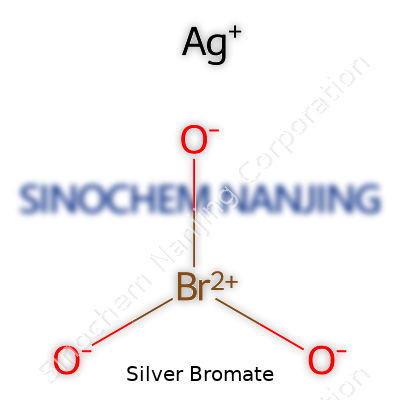
| Names | |
| Preferred IUPAC name | Silver(I) bromate |
| Other names |
Bromic acid silver salt Silver(I) bromate |
| Pronunciation | /ˈsɪl.vər ˈbroʊ.meɪt/ |
| Identifiers | |
| CAS Number | 7783-89-3 |
| Beilstein Reference | 3564227 |
| ChEBI | CHEBI:84953 |
| ChEMBL | CHEMBL1201572 |
| ChemSpider | 170654 |
| DrugBank | DB15704 |
| ECHA InfoCard | 100.889.369 |
| EC Number | 232-166-7 |
| Gmelin Reference | Gm. 1144 |
| KEGG | C18718 |
| MeSH | D013896 |
| PubChem CID | 24657 |
| RTECS number | LC3850000 |
| UNII | 1U8C3T1J1Z |
| UN number | UN1476 |
| Properties | |
| Chemical formula | AgBrO3 |
| Molar mass | 235.77 g/mol |
| Appearance | White powder |
| Odor | Odorless |
| Density | 6.474 g/cm³ |
| Solubility in water | 4.39 g/100 mL (20 °C) |
| log P | -1.42 |
| Vapor pressure | Negligible |
| Magnetic susceptibility (χ) | +98.0e-6 cm³/mol |
| Refractive index (nD) | 1.982 |
| Dipole moment | 0 D |
| Thermochemistry | |
| Std molar entropy (S⦵298) | 146.3 J·mol⁻¹·K⁻¹ |
| Std enthalpy of formation (ΔfH⦵298) | -65.3 kJ/mol |
| Pharmacology | |
| ATC code | V03AZ04 |
| Hazards | |
| Main hazards | May cause fire or explosion; strong oxidizer. Harmful if swallowed, inhaled, or absorbed through skin. Causes irritation to skin, eyes, and respiratory tract. |
| GHS labelling | GHS02, GHS07, GHS09 |
| Pictograms | GHS06, GHS09 |
| Signal word | Danger |
| Hazard statements | Hazard statements: "May cause fire or explosion; strong oxidizer. Harmful if swallowed. Causes serious eye irritation. May cause respiratory irritation. |
| Precautionary statements | P210, P220, P221, P264, P280, P370+P378, P371+P380+P375, P501 |
| NFPA 704 (fire diamond) | 2-0-3-OX |
| Explosive limits | Not explosive |
| Lethal dose or concentration | LD50 (oral, rat): 1500 mg/kg |
| LD50 (median dose) | LD50 (median dose): Oral rat LD50: 210 mg/kg |
| NIOSH | ST3225000 |
| PEL (Permissible) | PEL (Permissible Exposure Limit) for Silver Bromate: 0.01 mg/m³ (as Ag) |
| REL (Recommended) | 0.1 mg/m³ |
| Related compounds | |
| Related compounds |
Silver nitrate Silver bromide Potassium bromate Sodium bromate |



