Selenium Dioxide: Past, Present, and Future in Industry and Research
Historical Development
Selenium dioxide speaks volumes about how chemistry has both shaped and responded to evolving industries. In the early twentieth century, scientists stumbled across selenium compounds while poking around for better ways to produce glass with specific hues and to address unwanted coloring in glass batches. Selenium itself joined the list of elements only after the industrial revolution took off, coaxing new discoveries out of laboratories across Europe. As curiosity shifted toward refining and controlling chemical processes, selenium dioxide grabbed the attention of manufacturers not only for its effect on glass but also for its unique reactivity. Its journey through the annals of chemistry carries stories of innovation; chemists quickly realized its potential to serve as a key oxidant, a role that transformed approaches in everything from pigment production to organic synthesis.
Product Overview
Selenium dioxide enjoys a notorious reputation among those who have worked with it in chemical labs. Appearing most often as a white to off-white crystalline solid, it can sometimes take on a pale hue if impure or exposed to air. In practice, it stands out as a significant oxidizing agent—a role that puts it at the crux of various syntheses. The smell, sharp and acrid, signals caution more strongly than most other lab reagents. Despite being less recognized outside industrial and research circles, selenium dioxide punches well above its weight across multiple sectors, staking its claim in applications where precision matters.
Physical & Chemical Properties
Looking at selenium dioxide from a chemist’s point of view reveals several clear traits. Its crystal structure breaks easily, allowing it to form fine powders or small transparent needles. Selenium dioxide only moderately dissolves in water, producing selenious acid, which further enables its role as a chemical intermediate. Heating prompts it to subliminate instead of melting—a rare behavior that demands respect when prepping reactions or storing the material. The solid handles oxygen atoms much like its cousins in the dioxide family, lending it a distinct set of reactivity patterns useful for oxidation. It reacts without hesitation with strong reducing agents, setting off transformations that are both predictable and robust.
Technical Specifications & Labeling
Chemicals like selenium dioxide don’t tend to hide their nature. Labels typically warn about its toxicity, volatility, and need for solid handling protocols. Storage bins in any serious lab lock it away from humidity and direct sunlight, stamped with familiar hazard icons and clear labeling. Precision weighs heavy in this world—quantities measured to the milligram matter when experimenting or producing on a semi-industrial scale. The best protocols rely on accurate labeling, safeguarding anyone handling it and ensuring quality control down the line.
Preparation Method
Producing selenium dioxide steers clear of needless complexity. Most laboratories and factories turn to direct oxidation of elemental selenium. A controlled introduction of oxygen, often in the form of air or diluted nitric acid, transforms selenium metal into the dioxide, leaving little room for byproducts if conditions are dialed in precisely. This process reflects the backbone of chemical manufacturing: keep steps limited, reduce side reactions, capture the desired output. In some cases, impure feedstocks demand extra purification, either through sublimation or crystallization, streamlining the solid for sensitive applications.
Chemical Reactions & Modifications
Selenium dioxide inspires a kind of respect in organic synthesis labs because of its predictable, selective oxidation of methylene groups and allylic alcohols. Run-of-the-mill reactions with sulfur dioxide and halogenated agents often get a boost from selenium dioxide, improving yields and selectivity. Chemists prize it in the Riley oxidation, a transformation that converts certain organic groups with a sense of elegance rare in standard oxidizers. Modifications, especially those involving ligands or co-reactants, sometimes temper its aggressive nature, tailoring it for specific needs in complex multi-step syntheses. Its volatility and readiness to take part in redox processes keep it valuable in the toolkit of any advanced synthesis chemist.
Synonyms & Product Names
Language in chemistry can get confusing fast. Selenium dioxide answers to several synonyms: selenious oxide, selenium(IV) oxide, and the less common ‘anhydrous selenic acid’ in older literature. Shops list it by these various names, but the chemical formula SeO₂ quickly clarifies any confusion. Researchers, manufacturers, and suppliers lean toward the more precise IUPAC naming in technical language, but everyday lab slang still defaults to 'selenium dioxide.'
Safety & Operational Standards
Working with selenium dioxide stops being just chemistry the moment safety comes up. The dust irritates eyes, skin, and lungs on contact, and the acrid fumes cling to hair and clothing. In my own experience, even small spills called for prompt cleanup and a run to the fume hood. Labs handling this compound keep clear MSDS sheets on hand, and any experiment above the gram scale means extra gloves, face shields, and a good fit on the respirator. Rules aren’t up for debate in these settings. Stringent disposal methods become non-negotiable, both to safeguard workers and to avoid environmental release—selenium compounds don’t play nice with local water systems. In any setting, strict adherence to safety protocols remains the line between creativity and catastrophe.
Application Area
Industrial chemistry tapped selenium dioxide’s unique features long ago. Glass manufacturing remains its best-known use, both as a decolorizer and as an agent for imparting a rich red hue to specialty glass and enamels. Its power as an oxidant lends itself to producing dyes, pigments, and in some regions, as a catalyst in organic cardiovascular drugs. In the laboratory, it acts as a workhorse for selective oxidations, refining processes that make pharmaceutical and fine chemicals production more effective. Environmental tests sometimes rely on selenium dioxide for specific trace analysis, navigating the gray area between utility and hazard.
Research & Development
Academic chemists still dig for new uses and improved handling of selenium dioxide. Recent years saw a push for greener oxidation methods and more selective reaction conditions, with selenium dioxide standing out for its performance and reliability. Advanced material scientists experiment with selenium-based compounds for electronics, energy storage, and even solar cell development. Ongoing research seeks ways to limit waste and reduce worker exposure, blending traditional process chemistry with modern green principles. Some groups look for catalysts that mimic selenium dioxide’s selectivity, borrowing the best traits while aiming to sidestep its toxicity.
Toxicity Research
Selenium dioxide’s edge sharpens when toxicity enters the discussion. Researchers across the world scrutinize its biological impact, with evidence showing acute and chronic exposure risks. Selenium sits in a narrow window between essential micronutrient and dangerous contaminant. Short-term exposure causes irritation and respiratory distress, but the bigger worry builds up over time—selenium compounds bioaccumulate, posing risks that ripple through ecosystems. Toxicological studies push for stricter limits and better monitoring, both to protect workers in industrial settings and to safeguard environmental health. Efforts pour into tracing its movement through waste streams and understanding long-term effects, aiming to keep its benefits in balance with its hazards.
Future Prospects
Looking ahead, selenium dioxide sits at an intersection between tried-and-true industrial chemistry and the challenges of a safer, greener future. A wider adoption of environmental controls and improvements in personal safety gear open the door for more sustainable use. Researchers continue to seek substitutes or evolve new oxidation agents that retain selenium dioxide’s strengths while blunting its risks. Growing awareness of environmental and health issues will likely shift regulations, prompting industry and academia to rethink legacy processes. If breakthroughs arrive—whether in waste treatment, novel syntheses, or better containment—the reach of selenium dioxide could grow, or at least become less fraught with risk. The march of science rarely halts for one compound, but selenium dioxide’s long track record and unique abilities guarantee its place in the ongoing story of chemical development.
What are the main uses of Selenium Dioxide?
The Loyal Helper in Glassmaking
Selenium dioxide rarely makes the headlines, but folks in the glassmaking world have trusted it for generations. Anyone who's watched a glassblower work might not realize the chemistry happening behind the scenes. Glass often carries a natural green tint from iron impurities; some people love it, but clear or subtly colored glass calls for something extra. Here’s where selenium dioxide enters. Just a dash helps neutralize that green, shifting the color toward a warm, inviting pink or even the rich red we see in art glass and signal lighting. These colors have a practical side, too—red and amber glass blocks specific wavelengths, providing protection in scientific and industrial settings. Every time you see the ruby tail light on a vintage car or a warning light in a lab, selenium’s been hard at work.
A Reliable Oxidizing Agent in Chemistry
My years in the lab taught me to appreciate humble compounds that drive reactions forward. Selenium dioxide acts as a powerful oxidizer—chemists value it for transforming organic molecules in ways that open new research frontiers. One big draw comes from its ability to convert specific alcohols into ketones or aldehydes with precision. This isn’t just lab magic. Drug companies use these transformations to create pharmaceutical building blocks. Anyone who’s taken medicine that needed fine-tuned molecular shapes has likely benefited from a step involving this compound.
Adding Color to Ceramics and Paints
Ceramic artists, whether in craft studios or big factories, know bright red glazes are tough to achieve without the right chemistry. Selenium dioxide combines with cadmium compounds to provide red colors that hold up at kiln temperatures. The tradition runs deep—these glazes have decorated homes and public spaces, adding warmth to everyday life. In the paint industry, it shapes certain pigments, making vibrant, stable tones that last through rain and sun. Parents whose children draw on the sidewalk with red chalk might not know the story behind the color, but it often traces back to selenium dioxide.
Environmental Benefits and Challenges
People often worry about heavy metals and their impact on health. Selenium sits in a strange spot: our bodies need small amounts, but too much can harm plants, animals, and water supplies. Industries using selenium dioxide follow strict guidelines, aiming to capture and recycle waste. I’ve talked with engineers who monitor emissions in real time and double-check factory outflows—no one wants to risk contaminating a river or soil. Solutions for managing these risks start with solid regulations and careful design, including scrubbers on smokestacks and closed-loop systems that reclaim selenium for reuse.
Room for Innovation
Resource scarcity gets more attention these days. Selenium comes mostly from anode mud in copper refineries, so supplies link directly to mining and metals demand. Some research groups look for ways to reclaim selenium from used glass, electronics, and even power plant ash. The payoff would bring new life to what most people see as waste. I’ve met students working on these problems, driven by the chance to support both high-tech manufacturing and cleaner production methods.
Selenium dioxide performs a quiet, steady service in glass, chemistry, ceramics, and beyond. There’s no glamour in a white powder, but the ways it helps shape the world touch every household, every city—often in ways we barely notice, until we look just a bit closer.
Is Selenium Dioxide toxic to humans or animals?
The Real Risks of Selenium Dioxide
People often dismiss the hazards of chemicals like selenium dioxide until an accident lands someone in the hospital. The truth hides in plain sight: selenium dioxide carries real toxicity for both people and animals. Breathing in its dust or vapors, eating contaminated food, or even handling it without proper care can lead to serious problems.
My own brush with chemicals came during college. A lab mate spilled a small amount of selenium dioxide on the bench. Within minutes, a sharp, sulfur-like smell filled the air, and those nearby started to cough. The slight exposure wasn't enough for lasting harm, but the fear in the room set a lesson for life. Simple mistakes can have tough consequences with compounds like selenium dioxide.
How Selenium Dioxide Hurts the Body
After entering the body, selenium dioxide quickly turns into selenite, a form that moves through tissues and disrupts normal cell function. In humans, the first hits target the respiratory tract. Even low exposures irritate the nose and throat. Larger doses touch deeper parts—the lungs, the gut, the blood. Symptoms rarely hide: a metallic taste, upset stomach, trouble breathing, tiredness, and, at higher levels, nerve problems. In rare and extreme cases, it can attack internal organs and endanger life.
The risk grows for workers in glassmaking, pigment production, or metal refining, where selenium dioxide shows up most. Without masks or proper exhaust, regular exposure can build up over time. Animal studies show similar toxicity, especially in smaller creatures. Birds and fish take on selenite from polluted water. Instead of serving as a trace nutrient, selenium flips into a toxin at higher doses, damaging the liver, kidneys, and nervous system.
The Line Between Nutrient and Poison
Selenium plays a part in health, but the gap between helpful and harmful stays razor thin. Health authorities set the recommended daily selenium intake for adults at about 55 micrograms. Just ten times that amount, taken over weeks, risks chronic poisoning. With selenium dioxide, the stakes rise because of its potent, quick-acting nature. Misusing it in supplements or mishandling in the workplace closes that safety window even further.
Fixing the Problem
One key mistake is downplaying the risk. Companies must put proper training in place for anyone handling selenium dioxide. This means safety gear—masks, gloves, exhaust fans—and clear rules about what to do if something spills. Regular air testing in workplaces can pick up low-level exposures before health gets hit.
Out in the wider world, environmental rules matter. Strict standards for industrial discharge, detailed labeling on chemicals, and clear disposal instructions help guard local ecosystems. Farms near manufacturing plants need to watch water sources, since runoff can leak selenium into rivers and ponds, poisoning fish and birds. Research continues in making less hazardous alternatives for industries that rely on selenium dioxide, but until those catch up, strict respect for the rules gives the only real protection.
Looking Ahead
No one wants another chemical scare that could have been avoided. Awareness, equipment, and the discipline to check and double-check each step stop problems before they start. Treating selenium dioxide with the same caution given to other workplace hazards protects both people and wildlife down the line.
How should Selenium Dioxide be stored and handled safely?
Understanding Selenium Dioxide’s Risks
Selenium dioxide draws attention not just for its use in chemical synthesis and glassmaking but for its reputation as a toxic and corrosive compound. Anyone who’s worked in a lab knows how just a little mishandling can ruin a productive day. The white or off-white solid releases a sharp, unpleasant odor that easily irritates the nose and throat. You can’t ignore the health risk. Inhalation and skin contact bring danger, and the dust can travel from one bench to another if you aren’t careful. Keeping these facts in mind, safety starts with clear, grounded habits.
Choosing Safe Storage Spaces
Chemical safety lessons hammer home one point: always separate incompatible materials. Selenium dioxide deserves its own shelf in a dry, cool, and well-ventilated space. Humidity triggers it to form corrosive vapors. Storing it near acids could set off a hazardous reaction, risking personal injury and equipment damage. I’ve seen corrosion on shelf liners that came from vapor leaks, and that sight locks the lesson inside your mind. Only sealed, chemically resistant containers provide a real barrier. Avoid glass stoppers that might fuse with the chemical’s vapors. Stick with screw-cap plastic or lined metal containers—check for tightness every month.
Keeping Exposure in Check
Anyone handling this compound should use a chemical fume hood. A standard bench setup just won’t protect you or your colleagues. The hood’s airflow removes stray vapors that can hurt your lungs or eyes. Some might think goggles alone do the job, but you need well-fitting safety goggles and gloves made of nitrile or neoprene. Loose sleeves can catch on containers, so wear a lab coat with gathered cuffs. I always keep a box of disposable gloves within arm’s reach and replace them at the first sign of wear.
Accident Response Means Preparation
Spills happen—sometimes late in the day or after a long experimental session. Quick thinking reduces harm. For small spills, scoop up the solid with a plastic spatula, never metal, and sweep the residue into a designated waste container. Don’t use water, as it creates corrosive acid. Ventilate the area and change your gloves before returning to any other task. After clearing the spill, clean the area with a damp towel soaked in sodium bicarbonate solution, then store that as hazardous waste. Emergency eyewash stations and showers should remain unobstructed. Staff must know where these are.
Smart Disposal and Regular Training
Labs collect waste fast, but improper disposal of selenium compounds can threaten both people and the environment. Chemical waste buckets must be properly labeled with contents and hazard class. This isn’t just policy—it keeps hazardous errors at bay. Waste pickups should happen regularly to avoid container buildup. I’ve seen accidents where an overfilled container leaked, raising exposure risk for everyone around. Regular staff training drives down these accidents. Walk through storage areas once a week, check labels, and make sure everyone’s up to date on safe practices.
Building a Culture of Respect for Hazardous Materials
Safe handling of selenium dioxide comes from a strong culture of respect—respect for the risks, respect for one another’s health, respect for the environment. This isn’t about fear; it’s about good habits and teamwork. If you spot an issue, speak up. Keep material safety data sheets close, refresh your memory often, and make safety discussions a normal part of lab routines. The wrong shortcut with selenium dioxide can change lives, sometimes forever. Routine diligence brings peace of mind and keeps science moving forward.
What is the chemical formula and appearance of Selenium Dioxide?
Chemical Makeup of Selenium Dioxide
Selenium dioxide carries the chemical formula SeO2. Each molecule holds a single selenium atom bonded to two oxygen atoms. As a chemist, I’ve pulled more than a few samples of SeO2 from the shelf, careful to note the fine, white, and sometimes off-white crystalline powder form. SeO2 might remind people of powdered sugar at first glance, but its sharp, acrid aroma quickly clears up any confusion.
Physical Characteristics
This compound shows up as a white to slightly gray crystalline solid. Left open, it tends to absorb moisture from the air, so labs often keep it sealed tight. You’ll notice that when heated, it releases a pungent vapor, an experience I won't soon forget from a lab mishap: the strong, irritating smell lingers. It dissolves well in water and forms selenous acid, SeO2 + H2O → H2SeO3. The ease of dissolution makes it popular for chemical reactions, especially in oxidation processes.
Real-World Uses and Concerns
SeO2 finds a home in several chemical and industrial applications. It acts as an oxidizing agent in organic synthesis: carboxylic acids, aldehydes, and ketones often rely on its capabilities. I’ve used it to convert certain hydrocarbons to cyclic ketones during my graduate work. The substance’s crystalline structure gives it a long shelf life, as long as moisture stays out.
Glassmakers add SeO2 to get rid of color caused by iron impurities. This creates clear glass, an essential in optics and food containers. Its color-removing power beats many alternatives. In electronics, selenium’s unique properties come into play in rectifiers and photocells. Although selenium metal is more well-known for electronics, SeO2 supports the production process.
Hazards and Handling
Working with SeO2 brings health risks not to be ignored. The dust can cause respiratory tract irritation, and skin or eye contact needs a trip to the eyewash or shower station. The vapor irritates and carries a sharp odor at even low concentrations. People exposed over long periods risk selenosis, marked by hair loss, fatigue, and digestive issues. The compound’s toxicity demands gloves, goggles, and good ventilation—lessons learned during my early internships.
Chemical spills of SeO2 require careful cleanup: dry methods trump wet ones to avoid selenous acid formation. Labs and plants storing it can’t cut corners. Secure, moisture-proof containers are essential, and waste gets labeled and shipped for hazmat disposal.
Looking Ahead: Responsible Chemistry
Demand for safer, greener processes has led researchers to explore alternatives where possible. A few labs try catalytic systems to replace SeO2 in oxidation. Others look at improved ventilation and better protective equipment in workplaces handling selenium compounds. For those in chemistry and manufacturing, training and strict adherence to safety guidelines help keep negative health impacts at bay.
Understanding selenium dioxide means paying close attention to its uses, appearance, and health effects. SeO2 serves a vital role—yet always with a side of respect and caution.
Can Selenium Dioxide be used in laboratory or industrial applications?
Hard Science and Real Risks
Selenium dioxide stirs up strong opinions in chemistry labs. Anyone who has worked with this sharp-smelling solid knows it demands respect. Experienced chemists reach for it when oxidizing organic compounds or chasing after that clean conversion in synthesis. The stuff works because it converts certain molecules to valuable products with less hassle than some heavier oxidizers. It doesn’t waste time or resources, and that sets it apart in tough situations where precision matters.
Chemical Reactions and Product Quality
Back in grad school, I used selenium dioxide in the lab to prepare aromatic aldehydes. Persistent challenges came from side reactions, waste, and hard-to-separate byproducts when using alternatives like chromium-based reagents. Selenium dioxide slotted into the process and delivered a cleaner reaction with less environmental baggage. That said, the tradeoff involves real toxicity; a little mistake can push a routine experiment toward an emergency. Stories circulate about folks coping with headaches or worse after poor ventilation or careless handling. Nobody wants an accident, but it happens faster than most expect.
Industrial-Scale Decisions
Scaling from benchtop to factory floor changes everything. Chemical makers consider cost, reliability, and safety all at once. Selenium dioxide attracts attention for its role in coloring glass and as a catalyst in certain reactions. Glass manufacturers use small amounts to give a deep red or to remove green tints caused by iron. This specialty lets them fine-tune the look of tableware or specialty products. Companies also use selenium dioxide for oxidizing and reforming petroleum products, showing its range outside the classroom or small lab.
Handling Hazards Head-On
Nobody should gloss over the health risks tied to selenium dioxide. Repeated exposure leads to serious lung, liver, and nervous system problems. Anyone around its dust or vapors needs strong safeguards—think proper airflow, sealed containers, and gloves every time. The industry has learned hard lessons about worker safety and regulatory fines in the past. Following rules set by OSHA and EPA brings extra cost, but companies that cut corners usually miss out in the long run. Chemical disposal also remains a sticking point; selenium-based waste cannot follow normal trash routes. Firms pay specialists to neutralize leftovers, adding another layer to the expense sheet.
Alternatives and Greener Chemistry
A growing crowd in research looks for replacements that offer similar benefits without the baggage. Oxidants like TEMPO or hydrogen peroxide give softer options for the planet and workers. The field keeps moving, and universities now focus on green chemistry even in entry-level classes. Young scientists look for ways to keep tradition alive while shrinking the danger in the workplace.
Keeping Perspective
Selenium dioxide finds its home in both remarkable breakthroughs and tight safety guidelines. Factories and labs continue using it where its unique properties really shine. That said, as new solutions appear, the most forward-thinking organizations ask tough questions about every material they use. From personal experience, nothing focuses the mind like balancing a breakthrough against the well-being of those making it happen. Solutions rarely look perfect, but regular, cautious review keeps work safer and smarter for everyone involved.
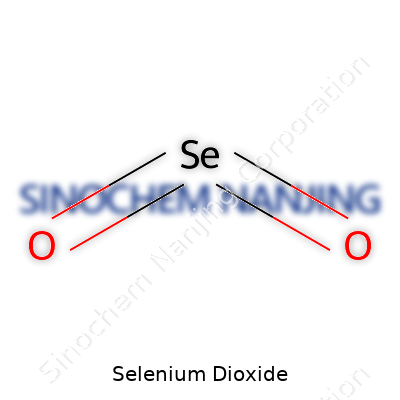
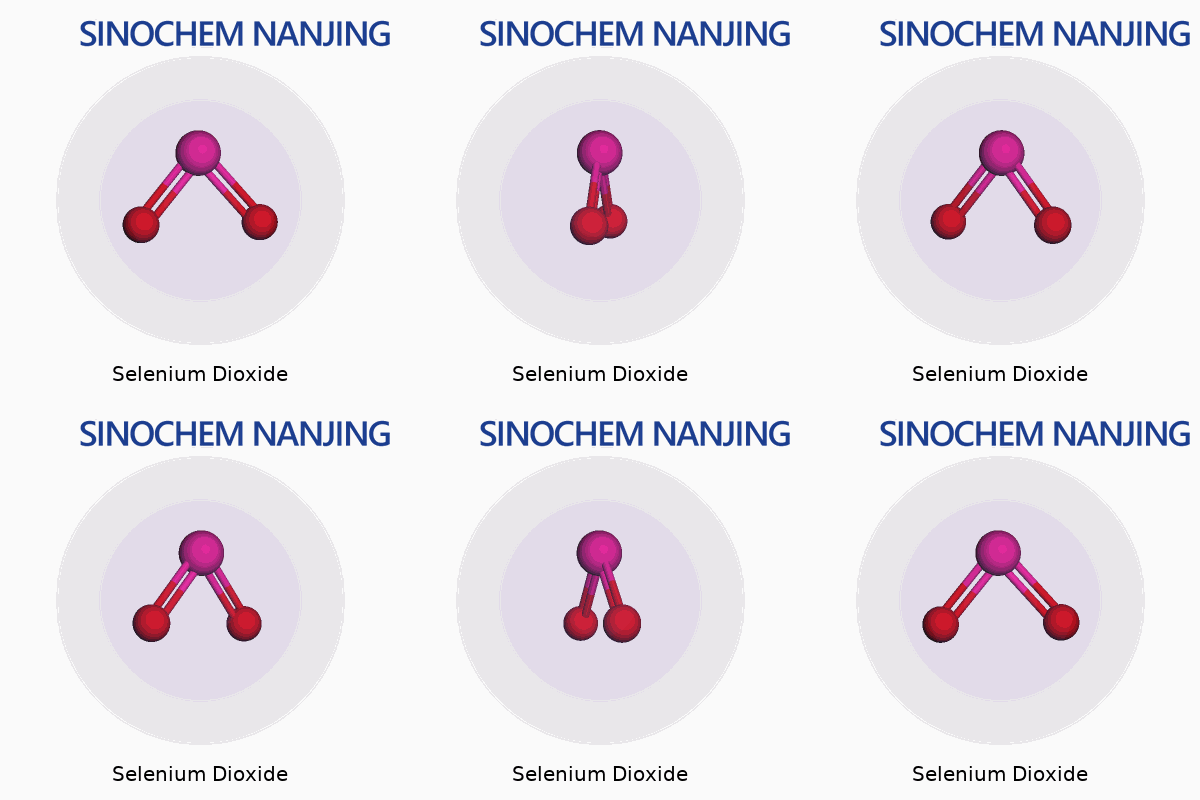
| Names | |
| Preferred IUPAC name | seleneone |
| Other names |
Selenium(IV) oxide Selenium dioxide Selenium oxide Selenium(4+) oxide |
| Pronunciation | /siˌliːniəm daɪˈɒksaɪd/ |
| Identifiers | |
| CAS Number | 7446-08-4 |
| Beilstein Reference | 1203072 |
| ChEBI | CHEBI:29768 |
| ChEMBL | CHEMBL1231230 |
| ChemSpider | 2050101 |
| DrugBank | DB11136 |
| ECHA InfoCard | 100.029.208 |
| EC Number | 231-958-4 |
| Gmelin Reference | 82248 |
| KEGG | C01009 |
| MeSH | D017670 |
| PubChem CID | 24015 |
| RTECS number | VS7850000 |
| UNII | 8K48PH04PY |
| UN number | UN3283 |
| Properties | |
| Chemical formula | SeO2 |
| Molar mass | 110.96 g/mol |
| Appearance | White to colourless crystals |
| Odor | pungent |
| Density | 3.95 g/cm3 |
| Solubility in water | Soluble |
| log P | -2.0 |
| Vapor pressure | Negligible |
| Acidity (pKa) | 3.18 |
| Basicity (pKb) | 1.76 |
| Magnetic susceptibility (χ) | -28.0e-6 cm³/mol |
| Refractive index (nD) | 1.792 |
| Viscosity | Low viscosity |
| Dipole moment | 2.62 D |
| Thermochemistry | |
| Std molar entropy (S⦵298) | 60.0 J·mol⁻¹·K⁻¹ |
| Std enthalpy of formation (ΔfH⦵298) | -245 kJ mol⁻¹ |
| Std enthalpy of combustion (ΔcH⦵298) | -241 kJ/mol |
| Pharmacology | |
| ATC code | A12CE02 |
| Hazards | |
| Main hazards | Toxic if swallowed, inhaled or absorbed through skin; causes burns; may cause fire when in contact with reducing agents. |
| GHS labelling | GHS02, GHS05, GHS06, GHS08 |
| Pictograms | GHS02, GHS06 |
| Signal word | Danger |
| Hazard statements | H301 + H331: Toxic if swallowed or if inhaled. |
| Precautionary statements | P210, P220, P221, P260, P264, P280, P301+P330+P331, P303+P361+P353, P304+P340, P305+P351+P338, P310, P370+P378, P403+P233, P501 |
| NFPA 704 (fire diamond) | 3-2-0 |
| Autoignition temperature | 490 °C (914 °F; 763 K) |
| Lethal dose or concentration | LD50 oral rat 68 mg/kg |
| LD50 (median dose) | 68 mg/kg (rat, oral) |
| NIOSH | NIOSH: WW5600000 |
| PEL (Permissible) | 0.2 mg/m3 |
| REL (Recommended) | 5 mg/m³ |
| IDLH (Immediate danger) | 1 mg/m3 |
| Related compounds | |
| Related compounds |
Selenium trioxide Selenous acid Selenic acid Sulfur dioxide Tellurium dioxide |



