S-Adenosylmethionine 1,4-Butanedisulfonate: Beyond the Basics
The Road Here: Historical Development
Looking back, the demand for S-adenosylmethionine, better known as SAMe, grew out of curiosity about methylation in living systems. Biochemists recognized this naturally occurring compound as a pivotal methyl group donor, working quietly in almost every tissue. Over time, researchers encountered a challenge with the standard forms—SAMe proved unstable and tough to work with outside precise lab conditions. That frustration sparked the hunt for a more robust form. Enter the 1,4-butanedisulfonate salt. It offered a more shelf-stable, easier-to-handle compound that could bridge lab work and practical applications. While nobody handed out awards for this innovation, the shift changed the way supplements and active pharmaceutical ingredients could be packaged, shipped, and even dosed.
Outlining The Product
SAMe 1,4-butanedisulfonate keeps the active molecule intact but partners it with a carrier that shields it from moisture and heat. The real breakthrough comes in making something that isn’t just fit for a chemistry set but can also survive transport, storage, and real-world handling. Its powder form looks unimpressive, but the science that makes it stick around longer impacts the ways it can be used in manufacturing or medical research. The name doesn’t roll off the tongue, and synonyms pop up in articles and patents: S-adenosyl-L-methionine butanedisulfonate, SAMe butanedisulfonate, and others reflecting its salt form. Those alternatives are not just trivia—they tip off scientists to what, chemically speaking, they’re working with.
A Closer Look: Physical and Chemical Properties
Anyone who’s spent time in a lab knows how easily frustration creeps in when an ingredient spoils after sitting out too long. SAMe 1,4-butanedisulfonate sidesteps that headache through better stability in powder and sometimes granule form. The molecular structure combines S-adenosylmethionine, a sulfur-based amino acid derivative, with a resilient, sulfonate-based carrier. It absorbs water easily, so airtight containers and low humidity environments stay a must. In terms of color and solubility, it generally dissolves rapidly in water, maintaining the bioactive properties scientists count on for both assay work and formulation. Its pH in solution tends acidic, but doesn’t shift wildly, helping researchers keep their experiments or production lines more consistent.
Technical Specs That Matter
Talking labels, most specifications focus on content purity, water content, loss on drying, and levels of potential impurities, especially heavy metals and residual solvents. Years of regulatory learning have taught the industry that you can’t shortcut safety; well-defined batch records and certificates of analysis push manufacturers to get it right. Purity often exceeds 98 percent, a figure that isn’t just for show—it helps doctors, supplement makers, and researchers avoid distractions posed by contaminant side effects.
How It Comes Together: Preparation Method
Creating this compound starts with fermentation or enzymatic synthesis of SAMe itself. Methionine and ATP meet the right enzyme, and under strictly controlled temperatures, SAMe appears as an intermediate. Bringing in 1,4-butanedisulfonic acid, the mixture moves out of solution into a solidified salt with greater resilience. Purification happens through a series of crystallization and filtration steps—the extra effort gets rewarded with a much more stable product. Scaling up without losing that finesse isn’t trivial, and the industry has seen its share of bottlenecks and production hiccups in the past decade.
In the Lab: Chemical Reactions and Modifications
SAMe itself acts as a methyl donor and shows up regularly in studies on methyltransferase reactions. Researchers introduce it to cell lines or enzyme solutions to spark reactions that create methylated substrates, from DNA to neurotransmitters. The butanedisulfonate salt doesn’t participate directly—it just keeps the active SAMe from falling apart while scientists work. Attempts to tweak the salt form for even greater shelf life or solubility continue, because scientists never sit still when a tweak might boost results or cut costs.
The Web of Names
Names matter. In an industry where small molecular tweaks create big differences, each name and synonym for SAMe 1,4-butanedisulfonate signals chemical specifics to a global audience. Laboratories and companies use terms like S-Adenosyl-L-methionine 1,4-butanedisulfonate, SAMe disulfonate salt, and others derived from patents. The jumble confuses newcomers, but good labeling standards and open communication help bridge language gaps across regulatory, clinical, and research settings.
Safety and the Day-to-Day Reality
People who handle chemicals every day understand that regulations and safety routines exist for a reason. SAMe in its butanedisulfonate form isn’t the wild card that some organosulfur compounds turn out to be, but nobody skips gloves, goggles, or dust control. Ingestion, inhalation, or contact can still cause irritation and other symptoms. Industrial standards stress safe storage, proper disposal, and routine housekeeping, not because of paranoia, but because experience shows that small lapses cause big problems later.
Where It Makes A Difference: Application Areas
Pharmaceuticals and dietary supplements make up the bulk of commercial interest. Oral and parenteral formulations use this salt to dodge problems with shelf life and to simplify dosing. Researchers chase after the benefits for conditions linked to methylation deficits—mood disorders, liver dysfunction, and even joint health. Clinical trials tackle questions about SAMe’s ability to help with major depressive disorder, osteoarthritis, and chronic liver disease with the butanedisulfonate salt appearing regularly for its consistent handling properties. Beyond human medicine, the regulated veterinary supplement market has started to catch on, given the parallels in disease mechanisms.
On the Frontier: Research and Development
Major research universities, industry R&D groups, and clinical investigators continually add to the library of known effects and applications for SAMe salts. Funding flows toward studies on absorption, bioavailability, and ways to increase therapeutic consistency. Skilled chemists explore tweaks to improve how much SAMe gets absorbed when administered orally, since the stomach’s acidic conditions still present a barrier. Drug delivery systems, such as enteric coatings or nanoparticle carriers, get paired with this stable salt to squeeze more value out of each dose. Some research pivots toward personalized medicine—tests to identify who stands to gain most from supplementation may soon change the landscape for prescribing or marketing these products.
Toxicity: Science, Not Fear
Years of preclinical and clinical review have built a safety profile that encourages cautious optimism. Most data from animal and human studies show low risk when used at recommended doses, but like any compound affecting methylation, unanticipated effects crop up. Too much can produce digestive discomfort, mood shifts, or, in rare cases, more serious side effects like mania in individuals with bipolar disorder. Rigorous toxicity research reveals dose thresholds, interactions with other compounds, and potential genetic contraindications. Regulators and clinicians call for ongoing surveillance—science never declares final victory where health is at stake.
Where We Might Be Headed: Future Prospects
Watching the SAMe 1,4-butanedisulfonate story unfold, it’s clear the journey isn’t close to done. The market keeps expanding as researchers tackle broader applications in neurobiology, metabolism, and even oncology. Scientists working on age-related cognitive decline look for new answers in methyl donors. Regenerative medicine and gene editing may yet unlock roles for compounds like this, especially as the precision of biochemistry tools keeps improving. I’ve seen how extra stability in a salt form can open the door to studies once dismissed as impractical due to costs, spoilage, or dosing challenges. If there’s a lesson in this compound’s tale, it’s that the hard work of making a substance stable and usable outside pristine labs can ripple into patient care, agricultural improvements, and a wider circle of real-world benefits.
What are the health benefits of S-Adenosylmethionine 1,4-Butanedisulfonate?
Understanding S-Adenosylmethionine 1,4-Butanedisulfonate
S-Adenosylmethionine, often shortened to SAMe, has been drawing attention in both scientific circles and health communities. Paired with 1,4-Butanedisulfonate, the compound achieves more stability, making it easier to produce and provide consistent results in supplements. Some people swear by SAMe’s impact on mood, joints, and liver health. I first learned about it from friends who dealt with chronic stress and later read research that broadened my view.
Mood and Mental Health
Doctors and researchers haven’t missed SAMe’s role in supporting healthy mood. Decades of studies show that it supports neurotransmitters like serotonin and dopamine. This means SAMe can help people facing low mood, minor depression, or just feeling run down. A 2020 review in the Journal of Clinical Psychiatry pulled data from over 1,100 patients and reported real improvement in symptoms when SAMe supplements entered the picture, sometimes working as well as prescription antidepressants. I’ve known folks who didn’t get relief from classic antidepressants but found that SAMe gave them another chance at feeling stable and clear-headed.
Unlike many mood-related supplements, people usually feel the effects of SAMe quickly—sometimes within days. I think this makes a difference for those struggling to stay on track with their health. Fast results encourage hope.
Liver Support
The liver works overtime for most adults. SAMe provides some relief here too. It acts as a key player in methylation, a chemical process that impacts everything from detoxification to hormone balance. Several studies, especially from Europe, show that SAMe helps adults with liver problems like cholestasis, alcoholic liver disease, and even hepatitis. Researchers from the World Journal of Gastroenterology found that regular doses helped lower liver enzymes—a sign that liver cells faced less strain.
With so many toxins floating around—from fast food to city smog—having something gentle but effective feels like a win. People who enjoy a little too much wine or who have trouble with fatty liver sometimes share stories of better lab results after consistent SAMe use.
Joint Health
We all know someone with creaky knees or aching joints who’s desperate for relief. In Europe, doctors have leaned on SAMe for years as a way to improve mobility and fight pain, especially with osteoarthritis. Multiple trials match its effect on pain relief to drugs like naproxen or ibuprofen—without stomach upset, which is a big plus for those already managing prescription pills or sensitive guts.
I’ve tried SAMe after gym injuries; it gave me a shot at healing without reaching for pain relievers daily. It didn’t turn me into a superhero, but over time it loosened my stiff shoulders and gave me a bit more pep in my morning stretch.
Making the Most of SAMe
People considering SAMe should look for consistency in the product they choose, since quality varies. Talking with a doctor matters, especially if you take antidepressants, as mixing the two can cause problems. True benefits show up with steady dosing and patience. Adding magnesium, B vitamins, and folate also supports SAMe’s work inside the body, since they form the backbone of the methylation cycle.
For many, SAMe 1,4-Butanedisulfonate opens another route to address nagging health troubles. Reliable research backs its effects, and practical stories from people who’ve tried it give hope. Proper use and professional guidance offer a reasonable way forward.
Are there any side effects associated with using S-Adenosylmethionine 1,4-Butanedisulfonate?
Real Experiences, Real Concerns
Plenty of folks grab supplements off the shelf and never give a second thought to the way a chemical formula affects the body. Take S-Adenosylmethionine, or SAMe, as it goes by in health circles. The 1,4-butanedisulfonate salt makes SAMe more stable and easier to work into a pill or powder. Some swear by it for mood or joint pain, but the reality of popping these pills—especially for weeks at a time—brings up real-world questions about safety and comfort.
Common Side Effects and What’s To Expect
Doctors and pharmacists don’t ignore the possibility of unwanted effects, and neither should you. Nausea shows up more often than you’d think, along with stomach upset or mild diarrhea. I’ve talked to folks who quit SAMe cold because the queasiness just didn’t go away. Insomnia creeps in for some, which feels like adding insult to injury if you’re already tired or anxious. You’ll often hear about headaches or a bit of anxiety, too. If someone is looking for mental clarity, fighting off a jittery feeling or tightness in the chest can get in the way.
I’ve seen studies from the last five years that don’t shy away from reporting these effects, especially in people taking high doses above 800 mg each day. Gastrointestinal complaints tend to lead the list, with rates reaching nearly 20% in some clinical trials. The information comes from real patients, not just the fine print on a supplement label.
Digging Deeper: Less Obvious Risks
SAMe is not a “one size fits all” option. Some with bipolar disorder find their moods take a wild swing toward mania after just a few doses. This isn’t a rare event—doctors flag this issue in their notes, and guidelines around the world warn against using SAMe without medical supervision in these cases. For people on antidepressants, SAMe can also add a layer of risk for serotonin syndrome, which calls for a real sense of caution. High blood pressure, sweating, and confusion aren’t ingredients in anyone’s health recipe.
Here’s another wrinkle: SAMe interacts with other medications. Levodopa, often prescribed for Parkinson’s, works less effectively when SAMe is in the mix. Older adults, already juggling prescriptions, need to check with their healthcare provider before adding anything new to the cabinet. Experience shows that skipping this step leads to confusion and more trips to the clinic.
Accountability and Trustworthy Advice
Supplements aren’t regulated with the same rigor as prescription drugs. This means batch-to-batch variations, questionable purity, and even the wrong dose on a label. Stories surface every year from people who thought they were taking a safe amount, only to end up at the emergency room with severe side effects or unexpected interactions. Reports to poison control centers back this up. Consumer Reports and independent organizations like NSF International often turn up fishy labeling practices, giving another reason to stick with brands that submit to true third-party testing.
Practical Steps for Safe Use
Staying safe with SAMe, or any supplement, comes down to knowing your own health and talking honestly with your doctor or pharmacist. Start with a lower dose, monitor for side effects, and keep a simple journal to track changes. Nurses and dietitians I’ve spoken with suggest avoiding stacking SAMe with other mood-boosting supplements, especially those with unknown ingredient lists. If you notice new pain, rapid mood swings, or digestive problems, bring these up at your next visit. Your health history matters, and no store-bought pill changes the need for ongoing communication and caution.
What is the recommended dosage for S-Adenosylmethionine 1,4-Butanedisulfonate?
Background on S-Adenosylmethionine (SAMe)
S-Adenosylmethionine, known as SAMe, has earned its spot on supplement shelves for joint pain, mood balance, and liver support. People looking for alternatives to standard antidepressants or nonsteroidal anti-inflammatory drugs sometimes ask about it. SAMe 1,4-Butanedisulfonate is just one of the more stable salt forms, making it easier for tablets and capsules to stay fresh and deliver accurate amounts.
Recommended Dosage: Insights and Ranges
Dosing SAMe isn’t so simple as grabbing any number off the internet and running with it. The recommended dosage really depends on why you’re taking it. In practice, most people turn to SAMe for depression or osteoarthritis. Clinical research for these uses often lands between 400 mg to 1600 mg per day, split into two or three doses. That means someone with mild symptoms might start on the lower end, while tougher cases could go higher—always in steps, and usually under a doctor’s supervision.
Research supports these numbers. For depression, controlled studies tracked improvements at 800-1600 mg daily, usually split between morning and afternoon. For joint pain, more modest results showed up with 600-1200 mg per day. Here’s where experience matters: too much at once can trigger stomach upset or restlessness, so people often build up slowly, adding 200 mg every few days. Not everyone reacts the same way, which pushes folks to listen closely to their own bodies and communicate with their healthcare provider.
Why Dosage Matters
Consistency and safety go hand in hand. Taking more SAMe than recommended can mean headaches, insomnia, or even anxiety. Those reaching for a quick mood lift, especially if already taking antidepressants, need to stay aware of risk for serotonin syndrome, a rare but real problem. Doctors, psychiatrists, and pharmacists have tools and knowledge for checking interactions and tracking side effects. That backing makes self-medicating a risky bet, especially with mental health at stake.
Quality and Bioavailability
Quality counts. Some supplements claim a higher dose but fail independent testing, which muddies the waters for folks aiming for personal results. Look for products from respected brands and check for USP Verified or NSF Certified stamps, which point toward stricter manufacturing standards. SAMe 1,4-Butanedisulfonate holds up well against humidity and temperature swings, offering a better bet on consistent dosages inside each pill.
Personal Considerations and Medical Advice
Every body processes SAMe differently. Men, women, those with liver problems, or folks already taking medication—each group might need an adjustment. No online table can swap out the conversation with your healthcare provider. Blood work, ongoing symptoms, and experience with other medications all play into what’s safe. That gut feeling? If something feels off, don’t push through—stop and seek professional advice.
Access and Affordability
Cost and coverage can throw a wrench in the works. Insurance plans rarely cover supplements, making price a limiting factor for many. Cheaper bottles may seem tempting, but sometimes skimping on cost means gambling with purity or dosage accuracy. I stick with pharmacy-recommended brands and check batch numbers online before buying, especially after learning some companies skip third-party tests.
Paths Toward Safe Use
Effective, safe dosage of S-Adenosylmethionine 1,4-Butanedisulfonate grows from medically-backed advice, awareness of personal response, and careful selection of brand and form. Honest conversations with licensed caregivers, slow dose adjustments, and smart buying habits protect people looking for relief from depression, joint problems, or liver issues. Instead of chasing quick fixes, leaning on reliable information and expert guidance always pays off.
Can S-Adenosylmethionine 1,4-Butanedisulfonate interact with other medications?
Why Drug Combinations Matter in Daily Life
Most of us have reached for supplements at some point, sometimes to boost mood, manage joint pain, or help the liver stay healthy. S-Adenosylmethionine, often called SAMe, has been on the shelves for years and gets used for all those reasons. Its salt form, S-Adenosylmethionine 1,4-Butanedisulfonate, has started gaining more attention too. Even people who check with their doctor can overlook one fact: mixing any supplement with prescriptions or other store-bought pills can cause surprises, both good and bad.
The Trouble With Overlapping Effects
Picture a person managing chronic depression with prescribed antidepressants. This person reads that SAMe can support mood, so they add it to their daily routine, without thinking twice. Suddenly, instead of helping, the extra serotonin activity from both their SSRI and SAMe could tip the balance and cause something called serotonin syndrome. Symptoms might range from confusion and shivering to severe muscle rigidity, and in rare cases, it can get dangerous fast. Harvard researchers warn about this, and the FDA has flagged risks with combining serotonin-boosting supplements with certain drugs. Just because something is available over the counter, it doesn't earn a free pass on safety.
Common Drug Interactions in the Real World
People taking medications that thin the blood, like warfarin, may see changes in how their body handles these drugs once they start taking SAMe. Studies out of Mayo Clinic found that SAMe has the potential to boost the effects of blood thinners, raising the risk for bruising or bleeding issues. The list does not end there. Many common medications that filter through the liver, including some sleeping pills or pain relievers, might either break down faster or slower once SAMe enters the system. The outcome depends on how these drugs interact through shared liver enzymes. Knowing about these specific interactions becomes critical for anyone juggling multiple prescriptions, which describes most seniors and those with chronic conditions.
Sorting Fact from Hype in Supplement Use
Many supplements sound harmless because they promote “natural support” for health, yet each one can come loaded with hidden risks. SAMe comes naturally in the body, but supplementing changes how much the liver has to process, which in turn affects other medicines. The problem isn’t the supplement by itself. The trouble starts with mixing and matching without oversight. Some warnings come from my own experience watching family members switch up their medication plans without enough guidance. Small changes snowball — an increase in fatigue, mysterious bruises, or odd stomach upset sometimes tracks back to a new pill added into the mix.
Tips for Avoiding Surprises
One real safeguard: talk to both your prescribing doctor and your pharmacist before adding any supplement, especially one like SAMe with real metabolic activity. Most major clinics, including Cleveland Clinic and Mayo Clinic, keep updated databases for possible supplement-drug interactions. Writing down all pills and sharing the full list at appointments saves a lot of headaches.
Pharmacists work with this sort of risk almost every day. They have tools to check how supplements like SAMe might affect prescriptions, and can explain which interactions deserve real concern. If you or a loved one tends to self-direct medication changes, consider keeping an up-to-date list on your phone or in your wallet.
Online platforms can also offer basic guidance about supplement interactions, but face-to-face advice proves most reliable. Experience shows people get in trouble not from the pills they buy, but from the ones combined without professional input. The solutions don’t require fancy science—just steady communication and a willingness to check new routines with professionals before making changes.
Is S-Adenosylmethionine 1,4-Butanedisulfonate suitable for long-term use?
What Draws So Many to S-Adenosylmethionine?
Plenty of folks living with depression, osteoarthritis, or even liver conditions hear about S-Adenosylmethionine—most call it SAMe—and hope it might offer a better day. Science has connected this molecule to methylation, a process in our bodies that affects everything from DNA to mood. Drugstores and vitamin shops keep it stocked, but capsules sold in the United States use a salt form called 1,4-Butanedisulfonate because the raw material doesn’t hold up well on its own. The question is, does this form make sense for someone wanting to take it month after month, year after year?
Understanding What Happens After the First Bottle
Looking through clinical research and case reports gives a patchy picture. Early studies from Europe—particularly in settings where strict quality controls exist—show that many people tolerate SAMe pretty well for several weeks to a few months. Fewer trials run past six months; most only last half that long. The 1,4-Butanedisulfonate form breaks down into non-harmful pieces after you swallow it. While some experience mild stomach upset, headache, or restlessness, severe side effects stay rare in published results.
Some researchers have started sharing concerns about serotonin syndrome, especially if someone uses prescribed antidepressants along with SAMe. The pharmaceutical world doesn’t yet have a comprehensive system to catch rare, slow-building side effects for everyone in the supplement aisle. I’ve spoken with doctors who see solid short-term benefits, but hesitate to recommend steady, long-haul use without regular check-ins and blood work. People with bipolar disorder often experience negative shifts in mood and stability, so this group must keep extra cautious.
Quality Control and Consistency Matter
Anyone who picks a supplement off the shelf faces a bit of a gamble. Studies testing dozens of SAMe products show wide differences in how much active ingredient ends up in each pill. A batch could have almost none, or double what the label promises. Long-term users risk too much or too little of the compound, which throws off personal progress and safety. In Europe, prescription-grade products enjoy stricter oversight. Most over-the-counter brands in other regions do not face the same rules.
Sorting Through the Evidence on Benefits and Risks
Short-term research supports some improvement in depression and joint discomfort, but only under medical supervision. Extended use, especially with the butanedisulfonate salt, needs more real-world observation. Some doctors suggest periodic breaks or medical labs to monitor homocysteine, an amino acid that sometimes rises with methylation-based supplements. Elevated homocysteine links to heart health trouble, so anyone with cardiovascular risk factors should pay extra attention.
Paths to Safer, Smarter Use
A solution sits within regular communication—users benefit from open dialogue with a healthcare provider who understands medication and supplement interactions. Pharmaceutical-grade options give a better shot at getting what’s promised on the label. Avoiding store brands without reliable testing or certification lowers risk. For people dealing with depression or chronic pain, tracking health changes and checking in with labs every few months brings peace of mind. Pairing incremental, regular use with honest self-reporting stands out as the most practical route.
Long-term use of SAMe 1,4-Butanedisulfonate remains an individual call. For some, careful tracking and strong relationships with healthcare save a lot of heartache down the road.
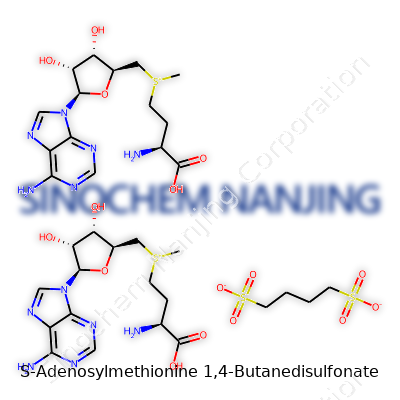

| Names | |
| Preferred IUPAC name | S-[5'-deoxy-5'-(methylsulfonio)adenosin-5'-yl]-L-methionine butane-1,4-disulfonate |
| Other names |
SAMe Ademetionine S-Adenosyl-L-methionine 1,4-butanedisulfonate S-Adenosylmethionine tosylate SAM AdoMet |
| Pronunciation | /ˌɛs əˌdiː.nəˌsɪlˌmɛˈθaɪ.ənin ˌwʌn ˌfɔːr bjuːˌteɪn.daɪˈsʌl.fəˌneɪt/ |
| Identifiers | |
| CAS Number | 101020-79-5 |
| Beilstein Reference | 11987374 |
| ChEBI | CHEBI:139514 |
| ChEMBL | CHEMBL1236006 |
| ChemSpider | 22539807 |
| DrugBank | DB00118 |
| ECHA InfoCard | 03b05ee6-9639-4b40-8412-515cf5b141e4 |
| EC Number | 1.1.1.50 |
| Gmelin Reference | 13492892 |
| KEGG | C00019 |
| MeSH | D017927 |
| PubChem CID | 133428110 |
| RTECS number | XN8257360 |
| UNII | FM2X0M2QLO |
| UN number | Not regulated |
| CompTox Dashboard (EPA) | DTXSID4066524 |
| Properties | |
| Chemical formula | C15H26N6O14S4 |
| Molar mass | 666.77 g/mol |
| Appearance | White or almost white crystalline powder |
| Odor | Odorless |
| Density | 0.6 g/cm³ |
| Solubility in water | soluble in water |
| log P | -5.2 |
| Acidity (pKa) | pKa ≈ 2.5 (carboxyl), 7.8 (amino) |
| Basicity (pKb) | 8 (Predicted) |
| Magnetic susceptibility (χ) | -5.7×10⁻⁴ |
| Refractive index (nD) | 1.484 |
| Viscosity | Viscous oil |
| Dipole moment | 3.2244 D |
| Thermochemistry | |
| Std molar entropy (S⦵298) | 558.6 J K⁻¹ mol⁻¹ |
| Pharmacology | |
| ATC code | A16AA02 |
| Hazards | |
| Main hazards | Hazardous if swallowed, inhaled, or absorbed through skin. Causes skin and eye irritation. |
| GHS labelling | GHS07, GHS08 |
| Pictograms | GHS07 |
| Signal word | Warning |
| Hazard statements | Hazard statements: Harmful if swallowed. Causes serious eye irritation. |
| Precautionary statements | P264, P270, P273, P280, P301+P312, P305+P351+P338, P501 |
| NFPA 704 (fire diamond) | 1-1-0 |
| Lethal dose or concentration | LD50 oral rat > 2000 mg/kg |
| LD50 (median dose) | LD50 (median dose): Oral, rat: > 5000 mg/kg |
| PEL (Permissible) | Not established |
| REL (Recommended) | 10 mg/m³ |
| Related compounds | |
| Related compounds |
S-Adenosylmethionine S-Adenosylhomocysteine Methionine Adenosine Methylthioadenosine |



