Pyridoxal Hydrochloride: A Commentary on the Backbone of Vitamin B6 Chemistry
Historical Development
Long before the age of vitamin supplements at grocery stores, biochemists puzzled over how people used tiny molecules to keep every cell in their bodies running. Back in the early twentieth century, scientists found that removing certain factors from diets triggered nervous disorders in animals. Through years of lab work and nutritional detective stories, the compound we now call pyridoxal hydrochloride entered the scene as a major player in what became known as vitamin B6. Nobel laureates and tough-minded postdocs hammered out its structure, mapped its chemical quirks, and proved that the stuff had its fingers in everything from muscle health to nerve function. This story isn't about overnight eureka moments. It's about generations figuring out that life depends on micronutrients, and learning to build them from scratch after seeing so many suffer when they are missing.
Product Overview
Pyridoxal hydrochloride forms the laboratory-friendly version of pyridoxal, which itself is just one form of vitamin B6. Out of the several B6 vitamers, pyridoxal holds special favor among researchers and technicians for its stability and handling characteristics under regular lab conditions. Unlike everyday dietary supplements, this chemical gets packed in drums or jars for pharmaceutical, analytical, and industrial use. Manufacturers supply it to labs working on diagnostic kits, formulations, or food fortification as it dissolves smoothly and keeps long on dusty shelves. If you’ve ever been in the back rooms of a pharmaceutical plant or a research biochemistry lab, you know how prized substances like these become for the people whose job it is to help make others healthy.
Physical & Chemical Properties
The hydrochloride salt of pyridoxal brings a granular, crystalline texture—fine but not dusty, bright yellow without being harsh on the eyes. It dissolves easily in water, which matters when each batch must meet tough purity and yield targets. Chemically, its molecular formula weighs in at C8H10NO3·HCl, with a molecular weight that allows precise dosing in critical pharmaceutical and clinical directions. Pyridoxal hydrochloride packs a pKa around 4.1, signaling a strong acid mode in solution. Its melting range sits over 200°C, so you won’t see it fall apart in the heat of manufacturing, but a humid storeroom spells trouble as moisture can promote slow breakdown. These material quirks shape every step from container design to transport conditions.
Technical Specifications & Labeling
A solid, lab-tested batch of pyridoxal hydrochloride needs a minimum assay above 98.5% by HPLC, with heavy metals holding to near zero. Makers check for the smallest hint of related impurities with chromatography, as even a trace throws off the sensitive formulations it goes into. Each container from reputable sources must declare batch numbers, manufacture date, best-before window, and storage temperature, reflecting regulated international standards. True compliance doesn’t cut corners. The best suppliers enclose safety data sheets, detailed origin records, and quality certifications. Those details aren’t bureaucracy; they’re everyday shields for technicians blending vitamin premixes for kids or QC staff keeping pharmaceutical lines pure. Mislabeling or relaxed acceptance thresholds turn into multi-million dollar setbacks and worse, patient harm.
Preparation Method
The chemical journey sets off from pyridoxine and similar starting rings, transformed by careful oxidation or fermentation. In the bulk chemical industry, fermentation ramps up from bacteria swimming in stainless steel tanks, pushed by glucose, vitamins, and tightly managed pH. Skilled process engineers fine-tune airflow, time, and feed to tip yields above commercial break-evens. In classical chemical synthesis, oxidizing agents swap electrons to snip away hydrogen and bolt on the required oxygens, which builds pyridoxal’s reactive aldehyde group. Here, batch isolation and purification can stretch over days, with each round of solvent washes or crystallization steps weeding out by-products. At the final stretch, hydrochloric acid locks the salt form, shrinking variability and boosting storage shelf life. Every step is tested. Factories keep their methods close to the chest, not for secrecy, but to protect investment after decades of scaling recipes from gram-level to metric tons.
Chemical Reactions & Modifications
The functional core of pyridoxal hydrochloride, its reactive aldehyde group, plays with amines and other nucleophiles in many standard lab reactions. This chemistry forms the basis of its biological activity—forming Schiff bases with amino acids inside the body is what lets B6 do its job in enzyme reactions. In the lab, modifications aim to boost water solubility, tailor metabolism profiles, or link the molecule to carrier molecules for targeting in drug delivery. Using mild reducing agents, you’ll shift pyridoxal to pyridoxine, or if further oxidation strikes, push on to pyridoxic acid. Such transformation chemistries don’t stay locked in charts; pharmaceutical chemists constantly search for new forms that deliver better bioavailability, steadier pharmacokinetics, or longer shelf life in finished tablets and injection solutions.
Synonyms & Product Names
Pyridoxal hydrochloride pops up in catalogues and research papers under several other names: 3-hydroxy-5-(hydroxymethyl)-2-methyl-4-pyridinecarboxaldehyde hydrochloride, Vitamin B6 aldehyde hydrochloride, or Pyridoxal HCl. These synonyms reflect either its molecular structure or its pharmaceutical classification. Researchers looking up assay protocols or clinical literature quickly figure out the language differences, as journals and national pharmacopeias sometimes use different names for the same compound, depending on the audience. For product managers and import/export teams, recognizing these labels avoids regulatory and customs confusion, and helps sidestep delays in critical medical supply chains.
Safety & Operational Standards
Handling pyridoxal hydrochloride in the real world calls for routine safety discipline. Even when a compound ranks as low-toxicity, those who measure, blend, or weigh out powders day in and day out avoid direct skin and eye contact through gloves, goggles, and dust masks. High-concentration dust can irritate airways; accidental spills on the skin shouldn’t go ignored. In regulated labs and factories, all storage stays dry, cool, and light-shielded, in tamper-proof containers. Spill kits and routine hazard training keep minor mishaps from turning into major issues. Emergency protocols, data sheets, and close monitoring of air quality (even if the powder barely floats) reinforce a strong safety-first culture, which pays off when you count long-term occupational health and keep insurance premiums in check.
Application Area
Pyridoxal hydrochloride finds its way into many corners of industry and research. Pharmaceutical folks rely on it for crafting B6 poultry shots, neurological health drugs, and parenteral nutrition products where stability and accurate dosing matter. Diagnostic labs use it as an assay reagent, measuring key metabolic markers in blood and urine. The food sector looks to fortified cereals, instant formula blends, and nutrition bars to bridge B6 shortfalls in populations relying on processed staples. In animal feed, technicians add it to balance, boost, and standardize vitamin intake. Beyond typical places, this compound stars in cell culture media and biotechnological reactors, where even small changes in supplement profile shift productivity and cell health. Few biochemicals land on as many workbenches, touching projects in health, nutrition, agriculture, and clinical diagnostics without much fanfare.
Research & Development
Year after year, fresh research churns out new findings about how B6 vitamers like pyridoxal hydrochloride shape biochemical pathways. Scientists crunch data linking different forms of B6 to disease risk, metabolism, and nutrient interaction in ways that push the boundaries of nutritional science. The hunt for synthetic routes with smaller waste footprints and better atom efficiency keeps industry labs busy. Advanced analytics dig into how minor impurities impact safety in high-dose treatments, and which salt forms work best with evolving drug delivery tech. Funding in this field supports efforts to map population deficiencies, try novel therapeutic angles for neurodegenerative diseases, and signal when food supply chains need reformulation to keep public health steady. No matter how far technical sophistication climbs, demand for reliable, pure, and well-characterized pyridoxal hydrochloride remains as basic as bread and butter in lab work.
Toxicity Research
For all its crucial role in metabolism, overdoing pyridoxal hydrochloride isn’t risk-free. Animal studies and clinical data point out limits to safe use: high doses taken for long periods strain nerves and can trigger sensory neuropathy. Regulatory agencies constantly revise safe intake guidelines based on fresh experiments, patient case reviews, and better understanding of genetic variability in metabolism. Most workplaces handling the powder enjoy generous safety margins, but clinical teams prescribing high-dose therapies for rare metabolic disorders rely on accurate blood monitoring. The lesson stays the same: more isn’t always better, even for nutrients. Safe handling directions and public health communications—backed by strong research—help educators, practitioners, and industry pros avoid both overtreatment and indifference to deficiency.
Future Prospects
Advances on the horizon point to smarter manufacturing processes that lower costs, trim environmental impact, and push up purity. Synthetic biologists lean on engineered microbes to ferment vitamin intermediates, sidestepping chemical hazards and waste streams. Clinical researchers, drawing on genetic testing, tailor B6 interventions to those with specific inborn metabolic challenges or those at risk for diseases tied to impaired B6 metabolism. On the supply side, international shifts in demand in nutritional products and animal feeds propel investment in scale, efficiency, and quality. Policymakers push for greater traceability and transparency, holding suppliers and food formulators to tougher reporting and quality standards. Even as the chemistry matures, the story of pyridoxal hydrochloride continues to be written in the studies, clinics, and factory floors where dedicated people turn molecules into practical care for millions.
What is Pyridoxal Hydrochloride used for?
What Stands Behind Pyridoxal Hydrochloride
Walking through the vitamin aisle in any pharmacy, I notice that vitamin B6 often gets less attention compared to vitamin C or D. Yet this vitamin, in the form of pyridoxal hydrochloride, keeps turning up on supplement bottles, prescription lists, and even in food fortification. Pyridoxal hydrochloride stands as one of the three active forms of vitamin B6, and this form shows up for a reason.
Pyridoxal Hydrochloride in Health
Our bodies cannot make vitamin B6 from scratch. Every day, we rely on food or supplements to meet our needs. Vitamin B6 affects dozens of processes, starting with protein metabolism. Without it, the body can’t convert the food we eat into energy or build the neurotransmitters running our moods, memory, and sleep cycles. Pyridoxal hydrochloride helps close that gap for people at risk of deficiency — such as pregnant women, older adults, or those with kidney issues.
Doctors and nutrition experts often recommend vitamin B6 for people who experience anemia not linked to iron deficiency. Pyridoxal hydrochloride doesn’t just sit in supplements. It appears in multivitamins, prenatal formulas, and even treatments for neurological conditions or certain types of epilepsy. There’s a long-standing role for it in managing homocysteine levels, which links back to heart health. Raised homocysteine can damage blood vessels and increase risk for cardiovascular disease. Studies show that enough vitamin B6, along with B12 and folate, helps keep those levels down.
Beyond Human Nutrition
I worked for a food company years ago, and I remember how strict regulations demanded reliable fortification of cereals and snacks. Pyridoxal hydrochloride gave us an easy route to reach required vitamin B6 content, since it blends well, resists breakdown during processing, and dissolves quickly during digestion. The food industry values this stability — and consumers benefit without even thinking about it.
Research circles experiment with pyridoxal hydrochloride for more than nutrition. I once came across a diabetes study where researchers explored B6 to reduce nerve damage over time. Scientists connect active B6 to hundreds of enzyme reactions, including creation of red blood cells and neurotransmitter modulation. Its role might grow in fields studying cognitive decline and depression.
Challenges and Potential Solutions
Too much B6 poses its own problems. High, long-term doses sometimes damage nerves, causing numbness or tingling. I often hear from people who think “more is better,” but overshooting with supplements makes little sense if a well-balanced diet already covers your needs. Regulations set a daily upper limit — for adults, that’s 100 mg from both food and supplements combined.
Healthcare providers can take a stronger lead in talking through supplement choices with their patients, especially those on long-term therapy or special diets. Public education about vitamin B6’s functions, signs of deficiency, and sources from food could help. Availability of lab testing for vitamin B6 levels has improved. People with chronic health issues, pregnant women, or older adults might benefit from targeted screenings to catch problems early.
Supporting Well-being with Knowledge
Each time I swallow a multivitamin, I remind myself of what’s behind each nutrient. Pyridoxal hydrochloride keeps its spot in the lineup because it works across many health problems and everyday wellness. Doctors, nutritionists, and product developers have reasons for choosing this form. When used wisely, it supports our bodies and brains in ways we notice over the long haul.
Is Pyridoxal Hydrochloride the same as Vitamin B6?
A Close Look at What Ends Up in Your Supplements
Vitamin B6 often pops up in the health aisle, sometimes listed as pyridoxine, sometimes as pyridoxal hydrochloride. People pick up their daily multivitamin and trust that the science has been sorted out. On a jacket label, these names blur together. In the body, they each carry a unique identity.
Pyridoxal hydrochloride is a manufactured form of Vitamin B6. Vitamin B6 itself isn’t a single chemical, but a group. This family includes pyridoxine, pyridoxal, and pyridoxamine, each with their own role in human chemistry. The body doesn’t use these forms as they come from a bottle. It must convert them to their active state, pyridoxal 5’-phosphate (PLP). PLP jumps into action in over a hundred enzyme reactions. These reactions help with everything from making the feel-good chemical serotonin to breaking down protein. Mood, energy, even hormone balance, lean on B6.
The Science, the Labels, and the Gaps
Over half a century ago, companies found that pyridoxine hydrochloride stores easily and keeps well on shelves. That made it the go-to for supplements and fortifying foods. Pyridoxal hydrochloride, like pyridoxine, is a salt form. The body sees it and goes to work, stripping away the hydrochloride to access the vitamin. This process works, but it isn’t perfect for everyone. Some folks may have trouble converting certain forms due to genetics, medical conditions, or even long-term medication use. That can mean plenty of B6 showing up in blood tests with little actually doing its job.
Food sources provide B6 in all its forms, nestled in meats, fish, chickpeas, potatoes, and many vegetables. The body can often convert these more smoothly. Over-reliance on a single manufactured form means we might miss out on nature's variety and balance. Studies point out that while supplements help correct clear deficiencies, they rarely offer the same comprehensive benefit that whole food nutrition does.
Why This Matters for Everyday Health
I once tracked my nutrient intake while training for a marathon and paid close attention to B vitamins. Even with a perfect diet, stress and hard exercise burned through B6 stores fast. Lab work helped confirm what I felt: fatigue, brain fog, and mood ups and downs. I realized then, quality and source of vitamin B6 mattered. Many share a similar story, reaching for a bottle and hoping for a quick fix—only to learn later that not every form works for every body.
The FDA and research communities call for clearer labeling and more education. Big health agencies acknowledge the difference between natural and synthetic forms, urging caution with high-dose supplementation. Reports link high intakes of certain B6 supplements to nerve issues, especially over time. It makes sense to get blood work done, discuss supplements with a doctor, and focus on a varied diet for daily needs.
Navigating the Choices
Smart supplement decisions start with understanding what’s inside the bottle. If you see pyridoxal hydrochloride or pyridoxine hydrochloride, know these are manufactured forms of B6. They serve a helpful purpose but don’t fully replace the complex package delivered by foods. For most healthy people, focusing on a mix of B6 sources — whole grains, legumes, fish, poultry, and certain fruits and vegetables — supports better long-term health than high single-dose pills.
Knowledge helps prevent both shortages and excess. Learning the difference builds trust in what supports our bodies, making the supplement aisle a little less confusing and our choices more grounded in real health science.
What are the recommended dosages of Pyridoxal Hydrochloride?
Looking Beyond Labels and Package Inserts
People searching for information about Pyridoxal Hydrochloride—a form of vitamin B6—usually want two things: clear dosage guidance and a sense of safety. This isn’t some obscure compound; it’s a vitamin that most folks rely on from food, but some might need as a supplement. Dosage isn’t about guesswork. Getting it right means looking to recognized authorities and careful science, not just what you read on the back of a bottle.
Daily Needs and the Reality of Supplements
Most healthy adults get enough B6 through foods like chicken, fish, potatoes, and bananas. The National Institutes of Health sets the Recommended Dietary Allowance (RDA) for vitamin B6 at 1.3 mg for adults aged 19 to 50, with women over 50 needing 1.5 mg and men of that age needing 1.7 mg. These numbers include all sources—food and supplements together. Many multivitamins land below 2 mg per serving, which keeps intake close to that target for most people.
Doctors sometimes suggest more for certain conditions. For example, folks with kidney disease or malabsorption problems don’t always process nutrients the usual way. They might need supervised doses that go above the standard RDA. In these cases, picking a dose is up to the physician—not online opinion or supplement marketing. Too much B6 can actually do harm: taking over 100 mg per day, the upper safe limit set by the NIH, runs a real risk of nerve damage—numbness, tingling, or trouble with movement.
Special Cases: Pregnancy, Seniors, and Chronic Illness
Doctors pay attention to B6 intake in pregnancy. The RDA for pregnant women rises to 1.9 mg, for lactating women up to 2 mg. These numbers come from years of research and tie into both baby and mother’s needs. Older adults sometimes don’t absorb B6 as efficiently, so nutritionally-focused doctors track their intake as well. Using supplements should still mean sticking close to set targets, unless medical supervision says otherwise.
Some chronic illnesses use B6 as part of a treatment plan. For instance, certain anemia types or rare metabolic issues might benefit from higher doses of Pyridoxal Hydrochloride. These cases are exceptions, guided with frequent lab tests and clinical monitoring.
Facts Over Fads: Sources that Matter
Trustworthy advice comes from the Centers for Disease Control, NIH, and the Institute of Medicine. Reputable health organizations agree that taking high-dose B6 supplements “just in case” doesn’t bring extra benefit—sometimes it creates new problems. Stories about B6 “boosting mood” or “supercharging energy” float around social media, but the evidence for taking more than your body needs falls flat.
Practical Steps: What People Can Do
Checking with a doctor or registered dietitian makes sense, especially before starting a new supplement, raising the dose, or making up for a perceived food gap. Tracking dietary intake for a week or two often reveals you’re getting what you need from food alone. If a supplement does seem necessary, looking for brands with USP or NSF verification can help avoid contamination or dosage errors.
Paying attention to genuine health needs, not hype, helps folks avoid the headaches that come from self-prescribing vitamins. Pyridoxal Hydrochloride has its place, but just like with any nutrient, moderation provides benefits without unnecessary risk.
Are there any side effects associated with Pyridoxal Hydrochloride?
Everyday Uses Meet Everyday Concerns
Vitamin B6 holds an important place in most multivitamin bottles and nutrition charts. Pyridoxal hydrochloride, one of its main forms, pops up in both supplements and medicines. It sometimes helps folks manage nerve issues or support their metabolism. Plenty of people take it without a second thought, but that makes it easy to forget: even routine vitamins come with risks if you don’t pay attention.
Common Side Effects: Mild But Noticeable
Pyridoxal hydrochloride usually doesn’t cause big problems for most healthy adults at normal dosages. Some folks notice mild stomach upset—nausea, maybe a touch of heartburn, sometimes gas. I’ve taken B6 supplements myself; a few days of an unsettled stomach told me I needed to dial back my dosage. Doctors see this pattern: milder, digestive complaints at lower or average levels.
Skin reactions sometimes show up—rashes, a tingling feeling, even a bit of flushing. Folks with sensitive skin tell me they react faster. These side issues tend to settle down once people either cut the dose or stop taking the supplement altogether.
Big Risks: High Doses or Long-Term Use
Sticking to the recommended daily allowance keeps most people out of trouble. Problems show up at higher doses or when someone takes B6 for months at a stretch. That might mean 200 milligrams per day or more. At that point, the risk for nerve problems kicks in. Doctors have documented cases where people developed numb hands and feet, trouble walking, and awkward muscle movements. I’ve met one patient in a primary care practice who lost feeling in her toes, which took months to improve—even after she stopped the pills.
The damage usually reverses after stopping heavy doses, but lingering symptoms happen, according to research published in the New England Journal of Medicine and Mayo Clinic Proceedings. This is not common, but it’s real: some who take megadoses for months struggle to use their hands for fine tasks, a tough setback if you sew, cook, or play guitar.
Special Precautions: Not for Everyone
People with certain medical conditions run higher risks. Anyone dealing with kidney problems finds it harder to clear extra B6 from their system. Folks with allergies sometimes react to B6 supplements, breaking out in hives or swelling. Pregnant women and breastfeeding moms need to talk with their doctor first; too much B6 can cross the placenta or pass into breast milk, and the effect on infants isn’t always clear.
Choosing the Smart Route: Talk and Track
Pharmacy shelves overflow with vitamin pills, but that doesn’t make them harmless. The best way to use pyridoxal hydrochloride is to keep things simple. Stick to the dose on the bottle or, better yet, get advice from a doctor or registered dietitian. I’ve seen folks chase extra energy with high-dose vitamins, only to land in the clinic with numb fingers. Food sources—like chickpeas, salmon, and potatoes—cover nearly every adult’s needs without pills.
Anyone thinking about B6 supplements because of a health issue should talk openly with a healthcare provider. Measuring B6 blood levels sometimes makes sense for people with ongoing symptoms or those on long-term supplementation. If any new symptoms pop up—numbness, tingling, weird skin reactions—it’s worth reevaluating those supplements right away.
Tuning In To Body Signals
Paying attention to your own body never goes out of style. If your stomach feels off, your skin starts itching, or your feet tingle, take it as a sign to look closer at your supplements. More isn’t always better, especially with vitamins. Pyridoxal hydrochloride plays an important role, but respect for recommended limits—and a willingness to talk with medical professionals—keeps trouble at bay.
Can Pyridoxal Hydrochloride be used during pregnancy or breastfeeding?
Personal Take on Vitamin B6 in Pregnancy
Over the years, I’ve watched family members, friends, and community health programs approach vitamins during pregnancy with real caution. Pyridoxal hydrochloride, widely known as a form of vitamin B6, sits among the list of supplements that provoke many questions from expectant and nursing parents. Pregnancy and breastfeeding demand a lot from the body, and talk around vitamins often shifts into overdrive. Ask any mother, provider, or supportive partner — it’s not just a box to check, it’s about protecting both mom and baby.
Why Vitamin B6 Matters During These Stages
Pyridoxal hydrochloride gives the body access to vitamin B6 — a nutrient people need for brain development and keeping the nervous and immune system healthy. Pregnant people get told to watch for morning sickness and low energy. Years of public health advice suggest vitamin B6 can help ease mild nausea, a common dilemma in early pregnancy. The CDC and the World Health Organization both highlight the importance of B vitamins, noting how folate and B6 play key roles in early fetal development.
Too little vitamin B6 can leave someone feeling tired, irritable, or dealing with low appetite. Some studies highlight how a mild deficiency can lead to complications during pregnancy or lower nutrient levels in breast milk. But the conversation also gets complicated: more isn’t always better. There’s a world of difference between getting enough of the vitamin from your meal — beans, poultry, bananas, potatoes — and grabbing bottles of supplements without much thought.
What Experts Say: Safety and Risks
Trusted health bodies — the American College of Obstetricians and Gynecologists (ACOG) and the FDA — point to decades of research showing most people do just fine getting vitamin B6 from a regular, balanced diet. Prescription-strength doses, which show up in some anti-nausea medications, have been considered safe under medical supervision. Health Canada and the NHS in the UK both echo this view. While studies haven’t tied modest supplemental doses to birth defects, taking doses far beyond daily recommendations for a long time looks risky. Too much vitamin B6 can cause nerve problems and numbness in the hands and feet.
Doctors often recommend limits: roughly 1.9 mg per day for pregnant women and 2.0 mg for those breastfeeding. Problems rarely crop up at these levels. The trouble usually begins with mega-doses — numbers way north of what you’ll see in most prenatal vitamins. Pharmacy shelves carry supplements with wildly different strengths, and not every bottle makes it clear how much the body absorbs or if it’s needed at all.
Smart Steps for Pregnant and Nursing Parents
Any supplement decision starts best with a real conversation with a provider. Dietitians and midwives can help sort through blood levels, medical history, and the reality of someone’s eating patterns. My experience tells me judgment matters more than hype. If vitamins come prescribed by a professional, the risk of getting it wrong drops. Food usually gives a steady, safe supply of nutrients. Supplements fill the gaps only where real deficiencies show up, or where symptoms like nausea demand more focused help.
In any case, reading labels, keeping track of all vitamins and medicines, and refusing to self-dose beyond what a provider recommends will avoid most pitfalls. That’s how parents lean on trusted, science-backed information — not rumors or one-size-fits-all tips pulled from the internet.
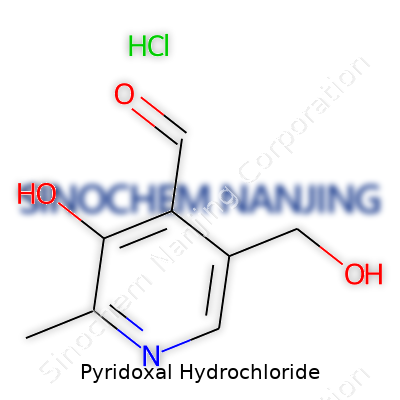

| Names | |
| Preferred IUPAC name | pyridoxal;hydrochloride |
| Other names |
Pyridoxal Hydrochloride Pyridoxal HCl 3-Hydroxy-5-(hydroxymethyl)-2-methyl-4-pyridinecarbaldehyde hydrochloride |
| Pronunciation | /paɪˌrɪd.əksˈæl haɪˌdrɒk.ləˌraɪd/ |
| Identifiers | |
| CAS Number | 41447-08-3 |
| Beilstein Reference | 1638484 |
| ChEBI | CHEBI:9625 |
| ChEMBL | CHEMBL1201472 |
| ChemSpider | 10820 |
| DrugBank | DB00114 |
| ECHA InfoCard | 100.025.016 |
| EC Number | 3.1.3.74 |
| Gmelin Reference | 9826 |
| KEGG | C00250 |
| MeSH | D010873 |
| PubChem CID | 123704 |
| RTECS number | UR8400000 |
| UNII | S7V92N8K74 |
| UN number | UN2811 |
| CompTox Dashboard (EPA) | DTXSID8068099 |
| Properties | |
| Chemical formula | C8H10ClNO3 |
| Molar mass | 187.63 g/mol |
| Appearance | White crystalline powder |
| Odor | Odorless |
| Density | 1.42 g/cm³ |
| Solubility in water | Soluble in water |
| log P | -2.1 |
| Acidity (pKa) | 6.2 |
| Basicity (pKb) | -4.28 |
| Magnetic susceptibility (χ) | -64.0×10⁻⁶ cm³/mol |
| Refractive index (nD) | 1.570 |
| Dipole moment | 4.10 D |
| Thermochemistry | |
| Std enthalpy of formation (ΔfH⦵298) | −534.5 kJ/mol |
| Std enthalpy of combustion (ΔcH⦵298) | -1679 kJ/mol |
| Pharmacology | |
| ATC code | A11HA02 |
| Hazards | |
| Main hazards | May cause eye, skin, and respiratory tract irritation. |
| GHS labelling | GHS02, GHS07 |
| Pictograms | GHS07 |
| Signal word | Warning |
| Hazard statements | H302: Harmful if swallowed. |
| Precautionary statements | Precautionary statements: P264, P270, P301+P312, P330, P501 |
| Flash point | > 253°C |
| Autoignition temperature | 230 °C |
| Lethal dose or concentration | LD50 Oral - rat - 4,900 mg/kg |
| LD50 (median dose) | LD50 (median dose): Rat oral 4 g/kg |
| NIOSH | SD2450000 |
| PEL (Permissible) | Not established |
| REL (Recommended) | 5 mg |
| Related compounds | |
| Related compounds |
Pyridoxal Pyridoxal phosphate Pyridoxamine Pyridoxine Pyridoxine hydrochloride |



