Potassium Permanganate: Unraveling an Old Substance's Ongoing Story
Historical Development
Potassium permanganate’s roots lead back to the 1850s, when Johann Rudolf Christian Böttger brought the world its first glimmer of this vivid purple compound. Back then, folks needed a quality disinfectant and strong oxidant, and this crystal fit the bill. Early on, chemists liked the stuff for water purification. As industries moved through the Industrial Revolution, potassium permanganate found its way into medicine chests, municipal water plants, photography labs, and even textile shops that relied on its strong staining and bleaching tendencies. It’s wild to think something so striking in color could see use in places as varied as rural health clinics and large-scale chemical factories.
Product Overview
This compound doesn’t fit the mold of a forgotten relic. Today, potassium permanganate serves a range of needs — water treatment, organic synthesis, skin disease treatments, and sometimes fish tank care. Walk into a hardware shop in a major city or a pharmacy in the countryside, odds are you'll spot a small bottle of crystals or a big drum sitting behind locked doors, depending on the context. As much as people might talk up newer chemicals, none have quite pushed it aside for some jobs. Its trademark purple color warns the layperson to keep their hands off, while making chemists feel right at home.
Physical & Chemical Properties
Anyone who’s handled potassium permanganate remembers the deep purple or almost black, shiny crystals. They leave decent stains on skin and paper. Toss a pinch in water, and the liquid goes magenta. This dramatic change hints at one of its strongest features—its oxidizing power. The compound doesn't give off much scent, but even in small doses, it breaks down a range of organic substances. Heat ups the ante, breaking it down and sending off oxygen and manganese dioxide. If there’s one thing that sticks, it’s how unapologetically messy it can be, as anyone who's ruined a good shirt would tell you.
Technical Specifications & Labeling
Every serious chemical supplier lists potassium permanganate with its clear, proper label. The bottle or drum will warn anyone nearby about its oxidizing power and potential hazards. In plain text or some color-coded band, the packaging will yell out safety warnings. Safety data sheets explain it won’t hesitate to react with reducing agents, acids, or flammable stuff. Regulations exist to spell out purity grades, with high-end synthesis needing ultra-pure product and general water treatment often getting by with a cheaper grade. The stuff doesn’t stick around on the shelf forever, and regulations require labeling expiry dates. From my experience, the more warning symbols on the label, the more people stop to think before they open it.
Preparation Method
Normally, potassium permanganate gets made by treating manganese dioxide with potassium hydroxide under heat, then blowing air or another source of oxygen over the mixture. The resulting potassium manganate dissolves in water and gets oxidized further, forming permanganate. A series of crystallizations purify it. Any chemist with a strong background has probably run across this transformation, and it’s almost like watching a magic trick. With care, the right heat, and proper oxidizers, crude ores become these famous, sharply-colored crystals. Large-scale production keeps the old-school roots, just with bigger drums and stricter safety vibes.
Chemical Reactions & Modifications
Science teachers love to show permanganate’s color change during redox reactions. As it goes from purple to colorless (or brown, if you overshoot the mark), students catch a firsthand glimpse of strong oxidizing reactions. In acid, potassium permanganate turns into manganese(II) ions. In alkali, it drops back to a green manganate. Folks in organic chemistry put this power to work—breaking double bonds, cleaning up impure compounds, and toughening up lab results. Its knack for cutting through tough molecules, chewing up everything from odor-causing chemicals in water to the gunk clogging old pipes, gives it a reputation as a reliable fixer in chemical reactions. Modifications—dilution for application, binding to solids, blending with other oxidants—get rolled out to make use in particular industries safer or more manageable.
Synonyms & Product Names
Most chemical books and catalogs call it potassium permanganate, but around the world and across various trades, it answers to other names. Condy’s crystals rings a bell with folks in older medical texts. Some water treatment guides simply call it “permanganate” or “KMnO4.” In gardening or animal care stores, it pops up labeled as a pond disinfectant or foot bath additive. This naming dance often causes novice users to buy the wrong thing, so it pays to double-check the scientific label, not just a trade name.
Safety & Operational Standards
Working with permanganate calls for common sense and strict safety. It eats through organic matter, including skin, if someone gets careless. Good gloves and protective eyewear offer basic defense. Its powders hang in the air, so proper ventilation or a respirator matters in larger facilities. Keeping it away from acids, peroxides, paper, sawdust, or other flammable stuff is basic common sense. If you store it in a warm, humid space, crystals can cake or break down, raising safety concerns. Accidental spills stain floors forever and trigger wearisome cleanup jobs. Municipal treatment plants face tough regulations on its use and disposal. Most standard operating procedures require keeping detailed logs, proper tough containers, and quick access to clean-up and first-aid supplies.
Application Area
Potassium permanganate’s work portfolio still runs wide. In water treatment, it goes after iron, manganese, and organic odors better than many alternatives, which is why remote waterworks in small towns buy it in bulk. Hospitals pull it in for skin conditions—eczema, fungal infections, and ulcers—where its mild corrosive touch helps clean and disinfect. Fish farmers—and even aquarists at home—trust it to control parasite outbreaks without decimating whole tanks. Industrial plants use the compound to clean gas streams and repair polluted soils. Folks who do site remediation reach for it to break down toxins that resist most other treatments. Take a walk through a university’s organic chemistry building, and you’ll find a bottle lurking in a side cabinet, called on to test the resilience of double bonds in molecules or prep a specific alcohol or acid.
Research & Development
Labs and companies keep pushing to harness permanganate’s oxidizing strength smartly. Research tuned for water purification still looks at how low, continuous doses might cut through contaminants without causing byproduct headaches. New filtering systems blend permanganate with other materials, aiming to boost efficiency and cut costs. Medicine trails behind, trying to find the sweet spot where it’s strong enough to sanitize but gentle enough not to harm healing tissue. Designer catalysts and modified surfaces, often built to last through many reaction cycles, build off permanganate’s behavior, giving pharmaceutical and specialty chemical plants new tools. No one’s calling the compound “cutting edge” anymore, but plenty of smart minds work hard making it fit in next-generation solutions.
Toxicity Research
The toxic side of permanganate comes up often in safety meetings. Swallowing, inhaling, or contacting concentrated material leaves real damage—burns, ulcers, and system-wide complications if absorbed through open wounds. Animal studies show it moves through tissues, and improper use in aquaculture or medicine can kill smaller organisms outright. Regulatory agencies flag it as hazardous—proper disposal and first-aid responses stay a top concern. Companies and public health agencies spend considerable effort to study safe exposure levels and to monitor wastewater containing breakdown products. As a chemical that earned both trust and caution over its long history, permanganate keeps safety scientists on their toes.
Future Prospects
Unlike some old mainstays that fade away, potassium permanganate looks likely to stick around. Its ease of storage, track record, and flexibility keep it relevant, even as stricter safety laws arrive. More research targets making its use safer and reducing unwanted byproducts. Engineers work to fit it into closed-loop, recyclable systems that minimize environmental impact. Water management, especially in areas facing new contaminants, keeps permanganate in the tool kit. Though some labs chase silver bullets, smart integration of proven tools usually gets the job done in the real world. Potassium permanganate promises to remain a fixture for those who balance old wisdom with new approaches.
What are the main uses of Potassium Permanganate?
Cleansing Water, Saving Lives
Growing up, I spent summers in a village where clean water wasn’t guaranteed. Locals trusted a purple pinch of potassium permanganate to treat buckets hauled from the well. For them, it offered peace of mind against microbes. Potassium permanganate acts as a powerful oxidizer, killing bacteria and viruses in drinking water. The World Health Organization includes it on lists for emergency water purification, especially where boiling isn’t possible. When heavy rainfall cuts electricity or floods clog municipal pipes, a rural family can still disinfect water using a well-known teaspoon-and-bucket recipe passed down generations.
Wound Care in Rural Clinics
Old wounds and fungal infections met their match in small towns thanks to potassium permanganate. Nurses would dilute crystals in water to make a light purple solution, then use it to soak ulcers or rinse skin conditions. In parts of Africa, Asia, and South America, clinics often rely on this affordable antiseptic when expensive creams run out. There’s science to back up that trust: researchers note its ability to break down proteins in the cell walls of germs, keeping chronic wounds clean long enough for the body to heal.
Safeguarding Produce and Food
Potassium permanganate finds work in kitchens and warehouses far from the lab. Fruits like mangoes, bananas, or avocados give off ethylene gas, ripening and rotting on the way to market. Place a small satchel of potassium permanganate granules near a crate of produce, and it soaks up ethylene, delaying the process. Data shows this method increases shelf life by several days, making a real difference for farmers and traders trying to transport food across hot, humid regions.
Environmental Cleanup
Turn to news from industrial zones, and you’ll see stories of polluted rivers where colorful chemicals spill from factories. Here, potassium permanganate takes on a different job: breaking down organic contaminants. Engineers inject it into soil or water where it reacts with toxic chemicals like trichloroethylene, breaking them into safer compounds. In the US, the Environmental Protection Agency lists it as a treatment in brownfield clean-up. It’s not perfect — overuse can harm aquatic life — but for certain sites, oxidation by potassium permanganate means cleaner land for future use.
Everyday Household Uses
People use potassium permanganate outside the clinic and farm. In fish tanks, it helps fight algae and gill parasites. Gardeners wash tools and seeds with it to stop fungal spores from spreading. Sometimes, it gets used to control odors in latrines and pit toilets in remote areas. Studies conducted in India report noticeable drops in mosquito breeding when potassium permanganate is sprinkled in stagnant water.
Looking at Hazards and Better Practices
Misusing potassium permanganate can burn skin or poison animals. Teachers and parents explain the difference between a disinfectant solution and a dangerous dose. Governments regulate how it’s sold, and doctors issue guidelines for wound care. Alternatives like advanced filtration and new antimicrobials grow in popularity, but cost keeps potassium permanganate relevant in many corners of the world.
Meeting Needs Worldwide
In my experience and in health studies, low-cost solutions like this keep communities resilient and resourceful. With a bit of know-how, potassium permanganate remains a staple in first aid kits, food storage sheds, and clean-up teams. It connects the work of old village wisdom with the needs of a crowded, modern world.
Is Potassium Permanganate safe for drinking water treatment?
What is Potassium Permanganate Used For in Water?
Potassium permanganate shows up at water treatment plants where it acts as a powerful oxidizer. Operators use it to control certain taste and odor problems. It tackles iron and manganese effectively by changing these dissolved metals into particles that can be filtered out. Utility workers often count on it to get rid of hydrogen sulfide, the rotten egg smell that turns stomachs. The chemical shows up sometimes in homes with private wells where homeowners run into contamination issues.
Does Potassium Permanganate Stay in Treated Water?
With the right process, potassium permanganate works fast and doesn’t linger. Most systems run the chemical through water just long enough to oxidize the target stuff, and then remove any leftover with filtration or letting it settle. The finished water usually gets tested for any trace before it heads down the pipe. Yet, slip-ups can happen, and sometimes a pink tint shows up. This color warns that some residue made it through, a sign the dosing wasn’t right or the filter needs attention.
Is Potassium Permanganate Safe at the Right Dose?
Government agencies set clear limits for how much potassium permanganate can end up in tap water. The World Health Organization considers levels below 0.02 milligrams per liter as not harmful. In the United States, utilities follow EPA guidance, which tells them to avoid any trace that would cause color or leftover chemicals in delivered water.
Medical experts know that tiny doses, such as in properly managed drinking water, don’t pose real threats to health. Drinking even a couple glasses of water with safe levels isn’t linked to any lasting harm. Overdoses end up causing burns or nausea, but getting to that point from treated water basically never happens unless there is a serious mistake in the plant.
Concerns and What Can Go Wrong
Problems almost always come down to human error. System operators need to measure carefully and check their filters regularly. Dose too much, and people notice strange taste, color, or stomach discomfort. Potassium permanganate acts as an irritant and can mess with the digestive tract if it isn’t dosed right. Some folks worry about long-term exposure, but evidence ties actual harm to rare events where the process runs out of control—such as bursts of bright purple water coming from the tap after a mishap.
Consumer trust takes a hit if people see pink or purple water coming out of their faucets. Public reporting and accountability hold water suppliers to strict standards. Regular monitoring offers the best shield from mistakes, and water plant staff receive training to handle the compound with respect. For those on private wells, test kits can reveal if anything made it through and allow for adjustment.
What Makes Sense for the Future?
Advances keep pushing the industry toward safer, more foolproof dosing systems. Modern water plants use monitoring sensors that pick up traces of permanganate in real time. Operators catch problems before they hit homes. Regulators encourage constant review of dosing practices and push for backup plans if anything goes off track.
Potassium permanganate sticks around because it solves real problems that other treatments miss. As with any strong chemical, it calls for respect, vigilance, and routine checks. Households and local authorities need open channels to sort out concerns. Reporting issues right away—such as water changing color—remains the surest way to keep the supply safe for families.
Water matters more than almost any other resource. Choosing the right treatment, using science and common sense, keeps both the water clean and communities healthy.
How should Potassium Permanganate be stored?
Recognizing the Risks
Potassium permanganate lands on the shelf as a crystal or powder with a deep purple hue. It’s a powerful oxidizer, so more than a few warehouse workers have learned, sometimes the hard way, that even a small spill can stain, catch fire with the wrong substances, or wreck equipment. I remember my own college lab days, knocking over a jar and scrambling for the soda ash and water rinse—purple fingertips for a week. Beyond the mess, things can get dangerous if this compound touches certain other chemicals or is left in damp or sunny spots.
Keep it Cool, Dry, and Shaded
Moisture spells trouble for potassium permanganate. Add some water, the crystals break down, react with whatever else is lying around, and suddenly you've got heat and sometimes even combustion. In places with humidity, I've seen clumped granules and thick, stubborn cakes form in jars because the seal wasn't tight. Hot rooms can speed up its decomposition: an air-conditioned storeroom or a cool, dry cabinet can extend shelf life and keep safety headaches down.
Stay Away from Trouble-Makers
It won’t play nice with many common substances—think glycerin, alcohol, concentrated mineral acids, or strong reducing agents like sugar dust. Stories pop up of cleaning closets going up in smoke after someone made the mistake of leaving potassium permanganate near cleaning supplies. Basic safety means signing off on a strict “no neighbors” rule: keep this compound away from anything organic, flammable, or reactive. Metal bins or even glass containers with solid lids work best. It takes just a few loose grains on a countertop to trigger a reaction, so checking the area before restocking is crucial.
Childproof Storage and Proper Labeling
Despite the setbacks I’ve witnessed, the majority of mishaps happen in shared spaces—labs, community workshops, even homes—where someone left the container within a child’s reach or failed to label it clearly. A big, clear label with warnings, hazard symbols, and the right name helps everyone stay alert. Tall shelves work, though lockable storage is the gold standard. I’ve seen too many mixing mistakes because someone thought it was just colored salt.
Work Clean, Gear Up
Handling potassium permanganate without gloves and eye protection led me to regret it early on. It dyes skin and clothes, and snorting even the faintest dust from a careless scoop brings a burning sensation. Regular checks for leaks or residue, along with dedicated scoops and cleaning supplies, cut down on cross-contamination. Spill kits should include plenty of water, absorbent material, and proper containers for disposal. Walking into a supply closet and seeing stains or caked flakes around the rim tells you somebody's cutting corners.
Disposal Demands Respect
Tossing leftovers or waste down the drain risks environmental fines or more. A call to local hazardous waste services gets rid of old stock safely. At the very least, dilute small amounts heavily and neutralize before disposal. Pouring it out in a rush spells disaster for plumbing, soil, and anyone working downstream.
Clear Training and Accountability
Too often, staff or volunteers just get handed a job and a key. Proper storage starts with real training and regular reminders. Labels, sharp rules about segregation, and spot checks make sure everybody stays safe—whether they’re handling a handful of crystals or a drumful. Playing it safe with potassium permanganate isn’t just about ticking boxes; it’s about avoiding real chaos. Safety here gets everyone home with clean hands and clear lungs.
What are the side effects or hazards of Potassium Permanganate?
A Powerful Chemical, Not Without Risks
Potassium permanganate carries a reputation for “cleaning” power. In hospitals, it tackles wounds or fungal infections. It pops up at home for water treatment and keeps fish tanks clear. Its deep purple color makes it feel impressive, almost reassuring. The thing is, potassium permanganate doesn’t play nice if you overlook the hazards.
Contact Dangers
I remember working with this stuff at school. Spilling even a speck on your finger meant a stain that hung around for days. Potassium permanganate is an oxidizer; it goes after skin and mucous membranes quickly. If you put powder or a strong solution on your hands, you’re likely to get a brown burn. Serious accidents cause painful blisters or even black, dead tissue. Getting it in your eyes can end with permanent vision damage.
Breathing Trouble and Ingestion Woes
Let’s talk about fumes. If you’re using it in poorly ventilated rooms, breathing in the dust or droplets can irritate your nose, lungs, and throat. Even one misstep— sniffing too close to a container— can lead to coughing, difficulty breathing, or, after heavy exposure, severe lung injury.
Swallowing potassium permanganate is much worse. Ingesting even small amounts burns your mouth, throat, and stomach. There are cases of children drinking contaminated water or adults accidentally ingesting solutions, sometimes needing emergency surgery. Organ damage, shock, and even death have shown up in severe poisoning reports. It’s no exaggeration to say you should never keep this chemical anywhere near food or drink.
Fire and Explosion Hazards
As an oxidizing agent, potassium permanganate can make other materials burn fiercely. Mixing it, even by accident, with sugar, glycerin, or a handful of cleaning products can spark a fire or explosion. I saw a demonstration once with potassium permanganate and antifreeze—flames burst out in seconds. Disaster can follow if you store it near flammable stuff or forget to clean up properly.
Environmental and Long-Term Effects
Potassium permanganate doesn’t just vanish after a spill. Pouring leftover solutions down drains harms fish and aquatic insects. The EPA considers it hazardous for wildlife in high doses; water-treatment plants watch their handling closely. Even trace contamination in well water causes concern for people living near places using it in bulk, like industrial laundries or mechanics.
Prevention: Simple Steps Matter
Training helps, but so does changing habits. I always keep gloves, safety glasses, and plenty of water ready when mixing potassium permanganate. Labeling bottles clearly and storing them away from flammable materials lowers the risk of surprise reactions. Never mix it “by eye”— using a digital scale or pre-dosed tablets avoids dangerously strong solutions. After use, never pour leftovers onto soil or down household drains; instead, check local instructions for safe disposal.
Why It Matters
With antibiotics losing ground, tools like potassium permanganate don’t seem old-fashioned—they seem smart when used with care. Remembering the dangers pushes us to protect children, pets, and ourselves. Serious accidents with this chemical almost always boil down to rushed decisions or a gap in knowledge. Using respect and caution can keep potassium permanganate powerful for the right reasons, not the wrong headlines.
Can Potassium Permanganate be used for wound care or skin conditions?
A Glance at the Purple Crystals in the Medicine Cabinet
Potassium permanganate, with its deep purple color, sits on the shelf of many pharmacies around the world. Some folks recall their parents reaching for it to soak infected toes or to ease itchy skin conditions. Ask older doctors, and they’ll share stories of purple-stained hands after treating stubborn ulcers. Over time, newer creams and liquids have crowded it out of daily use, but every so often, someone wonders if those old-school remedies still hold water.
Why People Reach for Potassium Permanganate
Potassium permanganate acts as a strong oxidizer. When diluted in water, it helps dry out weepy skin, strip away bacteria, and reduce odor. Some dermatologists prescribe it for eczema that has gotten infected or for wounds that seem slow to heal. The solution’s cleansing effect can prevent wound complications if infection threatens. These properties explain its spot in wound care, though only in certain situations.
Balancing Usefulness and Safety
Safety always takes the front seat. Getting the concentration right makes a big difference; a solution that’s too strong burns skin, too weak and it just turns the water purple without any benefit. Most guidelines suggest a pale pink solution—deep color signals trouble. Cases of skin burn and irritation pop up when folks mix too much powder into a bath or leave compresses too long. There’s no room for guesswork, which is why most modern doctors hand out instructions in detail or offer alternatives if there’s any doubt.
Modern Wound Care: Where Old Meets New
Antibiotic creams, special wound dressings, and gentle cleansers have changed basic wound management. These newer options reduce risks linked with older remedies like potassium permanganate. Most clinics use potassium permanganate as a backup option. For conditions with a lot of drainage—such as infected eczema, athlete’s foot, or superficial ulcers—a short course of dilute potassium permanganate packs can help get the healing started. After that, the best practice is to switch to less irritating choices.
Weighing Advice from Real Experience
Experience shapes opinion. In a rural clinic some years ago, access to modern wound care products was limited. Those purple soaks brought relief when patients had persistent skin infections. Still, it became clear that careful instruction was key. Without clear directions, people ran into itching, irritation, or dark-stained linens. The best results came when a nurse or pharmacist walked patients through each step and checked back within days.
Better Outcomes with Education and Access
Knowledge builds confidence in both patients and health professionals. Anyone reaching for potassium permanganate benefits from simple, clear instructions—use a pale pink solution, apply it briefly, and avoid contact with eyes and mouth. If pain or discomfort sets in, stop right away. Health workers keep a watchful eye for signs of skin damage.
More access to up-to-date medical supplies makes wound care safer and more effective for more people. Potassium permanganate has value as a niche tool for certain infections or rashes, but it doesn't replace the wider toolbox of creams, bandages, and antibiotics that most clinics use today.
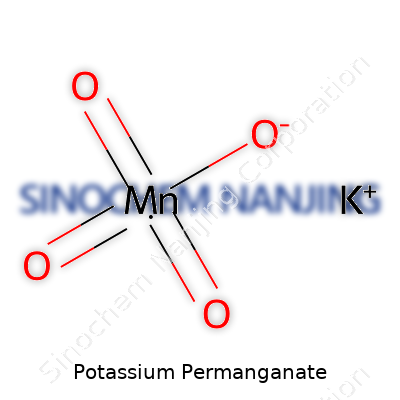
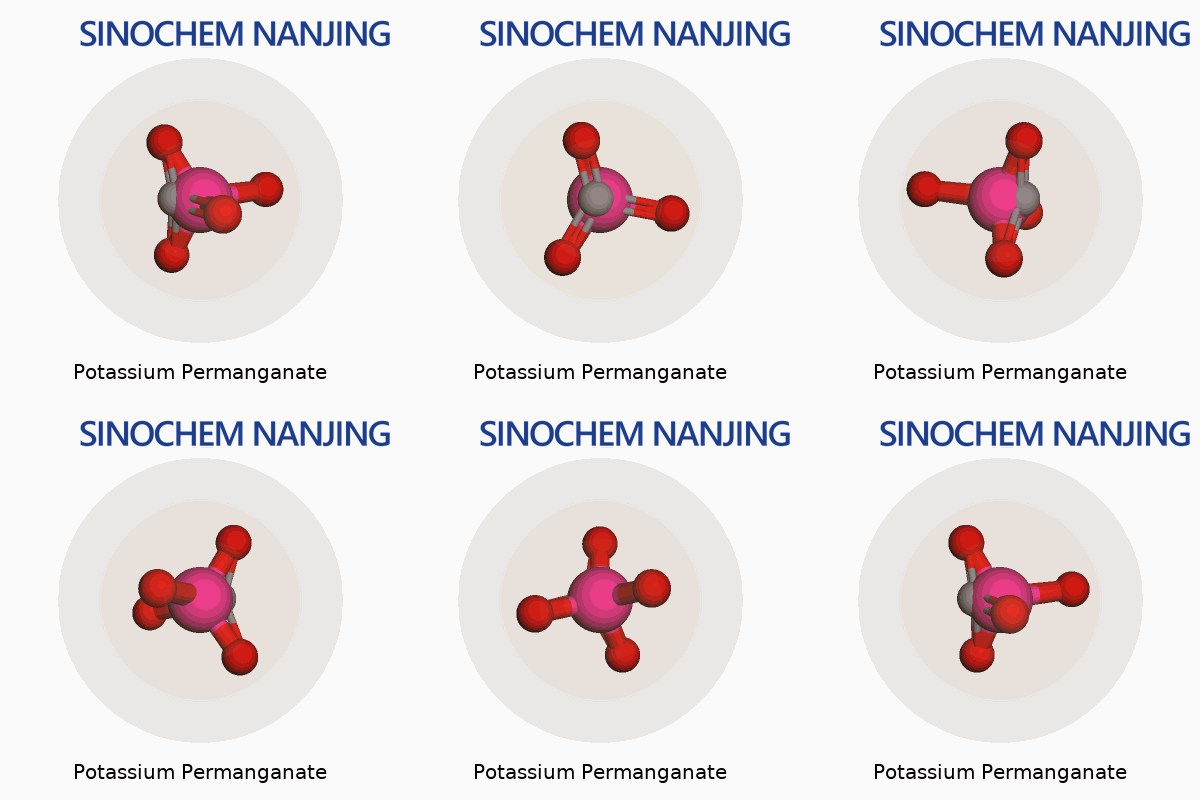
| Names | |
| Preferred IUPAC name | Potassium manganate(VII) |
| Other names |
Permanganic acid (HMnO4), potassium salt Condy’s crystals Permanganate of potash Chameleon mineral PP KMnO4 |
| Pronunciation | /pəˌtæsiəm pərˈmænɡəneɪt/ |
| Identifiers | |
| CAS Number | 7722-64-7 |
| Beilstein Reference | 1204193 |
| ChEBI | CHEBI:48681 |
| ChEMBL | CHEMBL1070458 |
| ChemSpider | 5691 |
| DrugBank | DB11015 |
| ECHA InfoCard | 100.009.212 |
| EC Number | 231-760-3 |
| Gmelin Reference | Gmelin Reference: 2088 |
| KEGG | C14353 |
| MeSH | D011135 |
| PubChem CID | 516875 |
| RTECS number | SD9625000 |
| UNII | 23GM5XSE2K |
| UN number | UN1490 |
| Properties | |
| Chemical formula | KMnO4 |
| Molar mass | 158.034 g/mol |
| Appearance | Dark purple or bronze-colored crystalline solid |
| Odor | Odorless |
| Density | 2.703 g/cm³ |
| Solubility in water | 6.38 g/100 mL (20 °C) |
| log P | -2.6 |
| Vapor pressure | Negligible |
| Acidity (pKa) | 7.2 |
| Basicity (pKb) | pKb ≈ 7 |
| Magnetic susceptibility (χ) | +2200·10⁻⁶ cm³/mol |
| Refractive index (nD) | 2.41 |
| Dipole moment | 0 D |
| Thermochemistry | |
| Std molar entropy (S⦵298) | 143.1 J·mol⁻¹·K⁻¹ |
| Std enthalpy of formation (ΔfH⦵298) | -813 kJ/mol |
| Pharmacology | |
| ATC code | D08AX01 |
| Hazards | |
| GHS labelling | GHS02, GHS06, GHS08, GHS09 |
| Pictograms | GHS03,GHS07,GHS09 |
| Signal word | Danger |
| Hazard statements | H272, H302, H314, H410 |
| Precautionary statements | P210, P220, P221, P280, P305+P351+P338, P337+P313, P370+P378 |
| NFPA 704 (fire diamond) | 3-0-1-OX |
| Lethal dose or concentration | LD50 oral rat 1090 mg/kg |
| LD50 (median dose) | Oral rat LD50: 1090 mg/kg |
| NIOSH | MN9000 |
| PEL (Permissible) | PEL: 5 mg/m³ |
| REL (Recommended) | 99.0% |
| Related compounds | |
| Related compounds |
Manganese dioxide Potassium manganate Manganese(II) sulfate Potassium nitrate |



