Potassium Chlorate: Lessons from History, Safety Realities, and Why It Still Matters
Looking Back at Potassium Chlorate’s Journey
Stories about potassium chlorate go back more than two centuries. It carried Europe’s matchstick industry, kept old oxygen masks working, and sparked fireworks displays on countless holidays. Chemists in France cracked the preparation code in the late 1700s, using a mix of chlorine gas and hot potash. Before that, ignition for matches was inconsistent and frankly dangerous. That discovery changed things overnight: a stable, affordable oxidizer turned up everywhere from matchbooks to blasting caps. It also showed up in early oxygen generation, long before people had the luxury of bottled O2. Old textbooks tell you the stuff was known for both promise and peril. Sometimes the same spark that gave a clean flame also set off tragedies in match factories or mining towns. Today’s potash industry still tips its hat to those roots.
What Sets Potassium Chlorate Apart
Potassium chlorate, KClO3 for short, stands out among oxidizers for being both available and potent. It’s a white, crystalline compound with a sharp, cooling taste—though no one in their right mind samples it, since eating even a gram or two risks real trouble. It will decompose when heated, releasing oxygen, which means it helps other chemicals burn much more freely than air alone. That's a big reason matches can flare so reliably, and why fireworks crews trust it for bright flashes. Potassium chlorate's low solubility in cold water (compared with sodium chlorate) keeps it from caking or breaking down quickly in humid air. You won’t often see it sold over the counter anymore, not with tighter regulations. But it’s still churned out in industrial plants and research labs that take precautions.
Detailed Properties: Chemist’s View on KClO3
Pure potassium chlorate comes as shiny, colorless crystals with a melting point near 356°C. Drop it in water, and it dissolves slowly—faster if you warm the water up, but it never totally matches the more soluble family members like sodium chlorate. Its oxidizing impact rises from how easily it gives up oxygen, especially with heat or a strong catalyst like manganese dioxide. The compound reacts violently to many common fuels or even fragments of organic matter. What seems mundane in one context—a bit of wooden debris swept into a pile—can kick off an explosive situation in a workshop handling chlorates. Store it away from anything oily, sulfurous, or finely powdered. There’s no safety in casual handling.
How Production Methods Shape Quality and Risk
Most industrial potassium chlorate comes straight from the marriage of potassium chloride and sodium chlorate, set off by electrolysis. Chemists run electric currents through brine, separate the unwanted byproducts, and crystallize out KClO3. Temperature, current density, and even tiny impurities dictate the outcome. A slip in controls, it turns out, can leave unwanted contaminants, which could affect both safety and performance. Older methods used open tanks, but modern producers favor closed systems and constant monitoring. In small-scale labs, the process feels fussy and risky—an accidental mix with the wrong organic powder can be disastrous. As with many strong oxidizers, safe prep isn’t just a rule, it's a must for anyone keen on leaving the lab in one piece.
Recognizing KClO3 by Its Many Names
Ask a chemist about potassium chlorate and chances are they’ll toss out a few synonyms: Chlorate of potash, Berthollet’s salt, or just “K-chlorate” in a hurry. On shipping labels and research notebooks, you’ll see CAS number 3811-04-9. That kind of clarity helps prevent mix-ups, considering mistakes in chemical identity can prove expensive, even deadly. The universe of industrial chemicals is crowded with similar-looking crystalline powders; unmistakable product labeling and compound names keep accidents at bay.
No Hiding from the Safety Concerns
You can’t walk into potassium chlorate work lightly. The stuff turns everyday mistakes—an oily rag, a stray spark—into full-blown disasters. Chemical safety bulletins have tracked occupational accidents in poorly ventilated matchstick factories and stories of impromptu home chemists losing fingers. Add friction, heat, or incompatible substances, and you might see unplanned combustion. Regulations require full labeling, dry storage, and bans on mixing with organic or sulfide materials. Most countries ban potassium chlorate from consumer fireworks, allowing it only in strictly monitored events. Responsible shops decline to stock it for casual sales, knowing the harsh risks involved, and chemical suppliers now enforce more robust tracking and purchasing limits.
What the World Still Does with Potassium Chlorate
Despite safety headaches, potassium chlorate keeps a foothold in a few zones. Pyrotechnics professionals use it for brilliant white flashes and as a staple in certain colored flame formulas. Educators performing classic oxygen generation demos know KClO3 reliably releases O2 when heated with manganese dioxide. Paper and dye manufacturers sometimes dip into stockpiles for bleaching or oxidizing tasks, though environmental rules squeeze this down year by year. Some agricultural setups relied on its weed-killing abilities, but stricter controls on groundwater contamination forced the switch to safer alternatives. It’s a classic case of a useful tool needing respect, not just reliance.
Modern Research and Push for Safer Substitutes
Universities and research groups still tinker with potassium chlorate, probing for cleaner production processes and safer decomposition routes. There’s fresh interest in finding ways to recycle or neutralize it after industrial reactions, aiming to limit waste streams headed for rivers or fields. Analytical chemists put effort into detecting trace KClO3 in soil and water, trying to set exposure thresholds. Some technical teams push for substitution in labs and fireworks, replacing it with potassium nitrate or other oxidizers that don’t pack the same bang. But formulas that bridge the performance gap without raising new risks remain tricky to develop.
Digging Into Toxicity and Environmental Worries
Researchers know potassium chlorate isn’t just hazardous on a physical level—its toxicity poses genuine health worries. Swallowing a modest amount can cause severe stomach irritation, kidney failure, and blood cell damage. Animals exposed to KClO3-laced water face similar effects. Lab trials tie high doses to methemoglobinemia, where blood loses much of its oxygen-carrying power. Waste management crews must prevent runoff from old match plants and fireworks shops from seeping into aquifers, since rural water supplies have few defenses against slow, chronic chemical buildup. Tightening regulations reflect growing evidence—sometimes brought to light by citizen activists or small-town doctors—about the dangers of even low-level exposure over the long term.
Potassium Chlorate’s Path Ahead: Limits, But Not Obsolescence
As global regulators get stricter on oxidizing chemicals, potassium chlorate’s commercial use likely shrinks to ever-narrower niches. Fireworks design, lab demos, and specialized industrial reactions may continue, but each new restriction drives the search for safer alternatives. Companies invest in process tweaks and protective gear, and training runs deeper to prevent accidents. Younger generations of chemists grow up with stories about the “bad old days” of unregulated chlorates. Still, there’s stubborn interest in keeping this compound around for teaching, for engineering challenges, and for honoring the balance between risk and value. Long after its golden age, potassium chlorate asks tough questions about safety, necessity, and the pressure to invent something better—reminding us that chemistry, like life, doesn’t offer easy answers.
What is Potassium Chlorate used for?
Everyday Chemistry at Work
Potassium chlorate doesn’t pop up on a regular grocery list, but this white crystal has shaped much of our modern world. Right through high school science labs, many remember mixing it with sugar to show how quickly things can go up in flames. That’s only a surface-level glimpse. Potassium chlorate has a seat on the workbenches of both industry and research outfits. Some folks never hear about it unless they’re deep into science or work in factories where people wear lab coats instead of suits.
Old and New Uses
Long ago, potassium chlorate built its reputation in match factories. Without it, matches couldn’t produce that quick strike and flame. The firework industry leans on it heavily too, packing it into formulas that deliver vivid colors and the right kind of bang. This stuff picks up oxygen all too well—a trait that makes it reliable in pyrotechnics and explosives when handled with care.
Beyond the flashy light shows, this compound pulls its weight in agriculture. Farmers and orchardists once sprayed diluted solutions on fruit trees to control budding. Chemical weed killers have also used it because it’s effective at stopping plant growth in unwanted places. Health and safety rules have grown stricter, so that kind of use keeps shrinking, but it hasn’t vanished everywhere.
Hidden in Plain Sight
Most folks overlook potassium chlorate’s role in oxygen generation. Medical oxygen tanks and some underwater breathing systems bank on chemical reactions involving this compound to supply breathable air in tight situations. Where hospitals can’t rely on heavy or bulky equipment, the right mix releases lots of oxygen in a pinch. Soldiers and emergency workers in difficult conditions have found this approach matters when lives depend on portable, stable oxygen sources.
Laboratories, especially those focused on analytical chemistry or manufacturing, use potassium chlorate to analyze and test materials. It helps burn samples cleanly—useful for examining tiny traces of chemicals. This may sound dry, but it means safer, better food, medicine, and products land in people’s hands.
Potassium Chlorate and Safety Concerns
I once watched as a chemistry teacher almost lit a desk on fire, all because potassium chlorate met a dusty old spatula with a drop of oil. It’s easy to forget how reactive this stuff is. Many accidents in fireworks factories have been traced back to not respecting just how quickly it can turn a small spark into a full-blown disaster.
Rules force companies to keep potassium chlorate away from anything that burns easily or might bump or grind and create friction. Training helps lower the risk. In my experience, no one who experiences even a minor potassium chlorate mishap jokes about it later on. The stories stick, and they impact safety routines.
Striking the Balance: Access and Control
Because potassium chlorate holds both promise and risk, authorities in many countries limit how much individuals can buy. Paperwork and permits slow down illegal or unsafe handling. In my view, education trumps restriction in the long run. If more people understood why potassium chlorate can help and why it demands respect, safety would improve not only in labs and factories but wherever this compound finds use.
Research keeps searching for safer alternatives—especially in areas like matches, fireworks, and agriculture. Yet for now, potassium chlorate keeps showing up because its properties deliver results that are hard to beat. It’s a reminder that science in everyday materials shapes the world more than most people realize.
Is Potassium Chlorate dangerous or explosive?
What Is Potassium Chlorate?
Potassium chlorate goes way back in chemistry classrooms, science demonstrations, and the making of matches and fireworks. It’s a white, crystalline powder that barely grabs attention by just sitting in a jar. On the surface, it doesn’t look different from sugar or salt. Still, a lot comes packed in those small crystals.
Is It Dangerous or Explosive?
Yes, potassium chlorate carries real risks. It’s a strong oxidizer. That means it supplies oxygen, which makes fire burn hotter and faster. Just mixing it with something as ordinary as sugar or sulfur can make it a recipe for disaster. Those mixtures can ignite from the slightest heat, a bump, or even friction. If you’ve ever seen a classroom volcano or a demonstration where a gummy bear suddenly bursts into a bright, roaring flame, potassium chlorate probably played a part.
It’s not just laboratory tricks. People making homemade fireworks have suffered serious burns and even lost limbs because they underestimated what this chemical can do. In 2003, a fireworks accident in China involving potassium chlorate killed dozens and destroyed an entire village. The U.S. Department of Transportation labels mixtures of potassium chlorate with combustible materials as “explosive.” That label stays in place for a reason.
The Line Between Use and Misuse
Potassium chlorate proves useful in industry. Paper manufacturers once depended on it to bleach pulp. Safety matches—the kind you strike only on the box—use it as the key ingredient that makes them spark. Many chemistry teachers keep it for experiments showing chemical reactions. Yet, none of these uses removes the risks. Keeping it on hand demands strict controls, careful training, and respect for its explosive properties.
A little carelessness—leaving it near heat, storing it in a damp spot, or letting dust collect—can trigger disaster. I learned this firsthand during my time in a university chemical storeroom. We had to double-check every week for cracks in the containers and any loose powder. Once, we had to dispose of a batch that seemed off, just to be safe. Even a tiny mistake with this stuff can ruin lives.
How to Reduce the Dangers
It makes sense to limit retail sales. Most reputable suppliers only sell potassium chlorate to those who provide proof of professional or educational need. At schools and factories, locked cabinets and detailed safety rules aren’t just red tape—they’re survival strategies. The National Fire Protection Association (NFPA) urges storing it away from anything flammable and never letting it touch organic material.
Education needs to catch up, too. Teenagers watch online stunts with explosive mixtures using match heads—the kind packed with potassium chlorate—and try to copy them at home. Many don’t realize how one simple mistake, like using a metal spoon to mix, can set off a violent reaction. I’ve seen too many accident reports from ER visits linked to “experiments gone wrong” and most come with long-term scars.
Looking Ahead
Knowing how dangerous potassium chlorate is, careful rules and real-world education give people their best line of defense. Any use outside of controlled settings still courts disaster. Instead of treating it like an ordinary household chemical, treating it with the seriousness it deserves keeps people safe. There’s no shortcut or clever workaround with a compound this reactive—just experience, clear rules, and the courage to toss out questionable batches before something goes wrong.
How should Potassium Chlorate be stored safely?
A Chemical with a Reputation
Potassium chlorate often pops up in chemistry labs and certain industries. Anybody who’s worked with it understands its power—a compound that gives off oxygen and turns almost anything into fuel ready to ignite. That brings real responsibility for safe storage. Years back, I handled potassium chlorate during high school experiments. Even as teenagers, we’d heard the stories—minor spills that led to major fires. One day, a small bit got mixed with a speck of sugar and the lesson burned itself into my memory.
Separate from Combustibles and Organics
Those near-misses hammered home one fact. Potassium chlorate can’t share a shelf with paper, wood, solvents, acids, or even simple dust. Storage near flammables or sources of friction is asking for trouble. In more than a few industrial accidents, potassium chlorate’s role comes down to its neighbors on the shelf. The U.S. Occupational Safety and Health Administration spells it out: put it in a dry, cool space far from anything reactive or combustible.
Proper Containers Matter
Years in the field taught me never to trust thin bags or cardboard for strong oxidizers. Sealed, airtight containers cut down on moisture—the enemy that makes potassium chlorate clump and break down. Humidity sparks a chain of chemical changes, weakening containers and releasing irritants. Polyethylene bottles or glass jars with tight lids work, provided they’re kept clean and never reused for other substances.
Smart Labeling and Immediate Cleanup
Imagine you reach for a jar marked “KCLO3” and hesitate—is that a faded label or somebody’s cryptic shorthand? Clear, permanent labeling avoids mistakes. Write out “Potassium Chlorate,” include a hazard warning, and mark the date it entered storage. Accidents often start with shortcuts. Spilled powder should get scooped up right away—never brushed or vacuumed, since friction creates heat or sparks. I've seen a neglected spill set off an unexpected fire months later.
Access Controls and Oversight
Storing hazardous chemicals without oversight leads to trouble. Lock potassium chlorate inside a dedicated cabinet, accessible only to those trained in its risks. In schools and factories, theft or unauthorized use sometimes leads to disaster. I remember a case where a janitor, curious about “that white powder,” accidentally contaminated a mop. That small mistake shut down an entire wing for days. Regular inspections keep inventory accurate and storage conditions under control.
Emergency Preparedness
Even the best precautions can’t rule out every risk. Facilities storing potassium chlorate need up-to-date safety protocols, from basic fire extinguishers to chemical spill kits. Water extinguishers won’t help with oxidizer-fueled fires—class D combustible material extinguishers work best. Fire drills and real training for staff take safe storage beyond simple rules. I’ve seen employees freeze when an alarm sounds, not out of carelessness but uncertainty.
Ongoing Education Works
The science changes, and so do best practices. Relying on old habits creates blind spots. Workshops, updated manuals, and visits from safety experts keep everyone sharp. In my early years, I took part in lab-audit days. Reviewing storage together, we spotted weak seals, worn labels, even a forgotten stash of potassium chlorate behind a supply cart. Peer review and open discussion created a safer work culture—a lesson that’s stuck with me ever since.
Can Potassium Chlorate be used in fireworks and pyrotechnics?
A Firework Staple With Risks
Potassium chlorate pops up in old firework recipes and still sparks debate among pyrotechnics enthusiasts. Its job in fireworks is simple: it delivers oxygen, which lets things burn fast and bright. Affordable and easy to find, potassium chlorate turned into an industry favorite for decades. Just about anyone working with small-scale fireworks recipes, from colorful stars to loud salutes, stumbles across it at some point.
Those early lessons on safety hit hard the first time a bit of static causes a batch to flash when you least expect it. Mixing potassium chlorate with certain fuels—like sulfur, sugar, or red phosphorus—can set up a disaster waiting to happen. Static electricity from a sweater, a little bump of friction, or even accidental contamination with the wrong dust can lead to accidental ignition. Firework shops around the world have cleared out by chemical accidents involving potassium chlorate. It’s not just theory—it’s happened often enough that most large firework outfits switched to safer chemicals decades ago.
What Science Says
Chemists don’t argue with the facts. Potassium chlorate oxidizes at lower temperatures than potassium nitrate, which gets used in modern firework manufacturing. The difference between 400°C and over 600°C doesn’t just sound big; it makes the workspace a lot riskier. Literature on chemical incidents and occupational health repeatedly calls out potassium chlorate for accidental fires, spontaneous ignition, and massively powerful explosions when mixed with the wrong substances.
Environmental and health agencies point to even bigger problems. Potassium chlorate’s byproducts hang in the air and stick around on the ground. After a massive display, run-off leaches chlorates into water, which can mess up local plants and even end up in drinking supplies. Medical journals have reported chlorate poisoning cases, affecting blood cells and organs, especially in poorly regulated places where fireworks are blended at home or in garages.
Why Tradition Sticks Around
In some countries, cost and habit keep potassium chlorate alive in firework shops. Parents may not realize their backyard celebration relies on a chemical that regulators recommend phasing out. Even the brightest burst in a night sky brings risk if rules aren’t respected. That makes education critical. One summer, I saw a friend lose part of a finger to a homemade salute packed with chlorate. No safety goggles. No gloves. Just the excitement of recreating a festival spark—until the cost came due.
Building Toward Safer Celebrations
Switching to potassium perchlorate or even back to potassium nitrate doesn’t shut down creativity. Firework developers now have safer ways to create vivid colors and powerful effects. In regulated countries, chemistry classes and firework licensing teach clear steps: keep incompatible chemicals apart, store oxidizers in dry, cool spaces, and never experiment in a garage or basement. Retailers and communities work together to educate buyers, stamping out dangerous recipes widely shared online.
Celebrating isn’t about ignoring tradition. It’s about making sure each show ends with cheers, not a trip to the ER. Potassium chlorate played a big part in pyrotechnics history, but safe hands and smart substitutions protect both the artist and the crowd. If a sparkler or a star can shine just as bright with fewer risks, it makes sense to switch, not just for legal compliance, but because everyone deserves a safe place under the fireworks.
What are the health hazards of Potassium Chlorate exposure?
Everyday Risks with a Common Chemical
People might not think twice about potassium chlorate until there’s a lab accident or a workplace warning pops up. This chemical finds its way into schools for science demonstrations, certain disinfectants, even some fireworks. Despite regular encounters, there’s a big gap between how familiar it feels and how dangerous it actually is.
How Potassium Chlorate Enters the Body
Most folks don’t realize that just touching or inhaling potassium chlorate starts a chain reaction in the body. The compound gets absorbed through the skin, lungs, or digestive tract. I’ve seen colleagues dismiss a dust cloud as a minor mess, but that fine powder can aggravate the lungs in moments. The real risk hits harder during accidents in places that store large quantities.
In the Lungs and Blood: Direct Threats
One of the scariest dangers I’ve come across comes from inhaling its dust. Potassium chlorate irritates airways and can lead to coughing, shortness of breath, even chemical pneumonia in the worst cases. Once in the blood, it turns hemoglobin into methemoglobin, which cuts down the oxygen delivered to vital organs. This effect shows up fast — headaches, blue lips, confusion. Repeated exposure raises the possibility of anemia and kidney injury.
Skin Contact and Eye Exposure
Just splashing potassium chlorate on the skin causes inflammation — redness, swelling, sometimes blisters. It’s not uncommon for workers handling the chemical to underestimate the pain. If the eyes take a hit, there’s a real risk of serious irritation, up to vision loss in extreme cases.
Accidental Ingestion and Systemic Damage
Swallowing potassium chlorate can send a person straight to the ER. It damages the lining of the mouth, throat, and stomach, bringing nausea, vomiting, severe abdominal pain. In some people, it triggers acute kidney failure, liver damage, and in rare cases death. The worst outcomes often come from ingesting concentrated forms, which children and curious adults may mistake for harmless powders.
Explosion and Fire Danger
Potassium chlorate stands out as a potent oxidizer. It doesn’t just burn; it accelerates combustion in ways most people don’t expect. I remember a local warehouse fire that grew out of control because mixing potassium chlorate with sugar made for a deadly accelerant. The resulting cloud contained toxic fumes, endangering firefighters and nearby residents.
Protecting Ourselves: Steps That Work
Prevention beats treatment. Even basic safety measures, like gloves and face masks, slash risks in school labs or factories. Good ventilation deals with airborne dust. If an accident happens, getting out of the area and flushing skin or eyes saves tissue and buys crucial time. Some of my former students now work in processing plants, and strict rules around storage and proper cleanup keep them out of harm’s way. Regulations exist for a reason. Calling poison control early can make all the difference for someone exposed by accident.
Why Awareness Matters
Potassium chlorate seems innocuous, especially compared to stronger industrial chemicals. Yet, behind that innocent powder hides the power to wreck the body’s oxygen supply and spark fires that can’t be put out with a garden hose. I’ve seen fear in the eyes of people who never realized they were at risk. Spreading accurate information and building habits around careful handling save lives. Knowledge—backed by firsthand experience and solid science—means one less emergency, one less empty chair in a classroom.
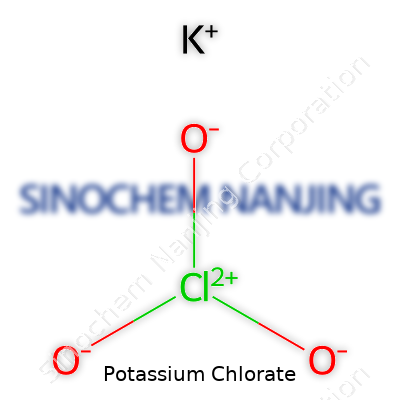
| Names | |
| Preferred IUPAC name | Potassium trioxidochlorate(1-) |
| Other names |
Pelkhlorate Fertichrome Chlorate of potash Unichrome Potassium salt Potash chlorate |
| Pronunciation | /poʊˈtæsiəm ˈklɔːreɪt/ |
| Identifiers | |
| CAS Number | 3811-04-9 |
| Beilstein Reference | Beilstein Reference: 3587171 |
| ChEBI | CHEBI:48693 |
| ChEMBL | CHEMBL1082775 |
| ChemSpider | 6198 |
| DrugBank | DB11362 |
| ECHA InfoCard | 100.007.736 |
| EC Number | 231-100-4 |
| Gmelin Reference | Gmelin Reference: **828** |
| KEGG | C07252 |
| MeSH | D011073 |
| PubChem CID | 24507 |
| RTECS number | XO5900000 |
| UNII | VZ8U15A51S |
| UN number | UN1485 |
| Properties | |
| Chemical formula | KClO3 |
| Molar mass | 122.55 g/mol |
| Appearance | White crystalline powder |
| Odor | Odorless |
| Density | Density: 2.32 g/cm³ |
| Solubility in water | 7.32 g/100 mL (20 °C) |
| log P | -1.229 |
| Vapor pressure | Vapor pressure: Negligible |
| Basicity (pKb) | 11.7 |
| Magnetic susceptibility (χ) | +36.0·10⁻⁶ |
| Refractive index (nD) | 1.49 |
| Dipole moment | 0 D |
| Thermochemistry | |
| Std molar entropy (S⦵298) | Full S⦵298 = 143.1 J·mol⁻¹·K⁻¹ |
| Std enthalpy of formation (ΔfH⦵298) | -397.7 kJ/mol |
| Std enthalpy of combustion (ΔcH⦵298) | −391.7 kJ/mol |
| Pharmacology | |
| ATC code | V03AB17 |
| Hazards | |
| GHS labelling | GHS02, GHS03, GHS07, GHS09 |
| Pictograms | GHS03,GHS07 |
| Signal word | Danger |
| Hazard statements | H272, H302, H319, H335 |
| Precautionary statements | P210, P220, P221, P280, P370+P378, P501 |
| NFPA 704 (fire diamond) | 3-0-1-OX |
| Autoignition temperature | 400 °C (752 °F) |
| Lethal dose or concentration | LD50 (oral, rat): 1870 mg/kg |
| LD50 (median dose) | LD50 (median dose): Oral rat 1870 mg/kg |
| NIOSH | SN018 |
| PEL (Permissible) | PEL: 10 mg/m³ |
| REL (Recommended) | 10 mg/m³ |
| IDLH (Immediate danger) | 250 mg/m³ |
| Related compounds | |
| Related compounds |
Potassium perchlorate Sodium chlorate Potassium chloride Potassium hypochlorite |



