Rethinking Potassium Azeloyl Diglycinate: Unpacking the Science and Shaping the Conversation
Historical Development
Potassium Azeloyl Diglycinate didn’t show up by accident in the shelves of modern skincare labs or formulating rooms. Picture chemists in the eighties wrestling with azelaic acid, a dicarboxylic acid first explored during cereal crop studies. Dermatologists liked what azelaic acid did for skin, but plenty of folks found it too irritating. Researchers started thinking up analogs and derivatives in the hope they could keep the benefits while cutting back on stinging. That’s how Potassium Azeloyl Diglycinate came to life—by grafting glycine onto the azeloyl backbone and tossing in potassium, the molecule gained better water solubility and ended up being much kinder to the skin barrier. Rather than sticking with a solution too harsh for most faces, science took inspiration from patient complaints and pushed for softer, smarter compounds.
Product Overview and Synonyms
Potassium Azeloyl Diglycinate stands out as a specialized ingredient, showing up under a few trade names in ingredient lists. Chemically, it falls under the category of a diglycinate salt derived from azelaic acid—so some call it PAD or diglycine potassium azelate. Most of the time, it appears in the world of cosmeceuticals, found in serums and moisturizers built to target redness, excess shine, and uneven pigmentation. Companies prefer this version over pure azelaic acid for sensitive or acne-prone skin because it blends what azelaic acid can do with the gentle nature of amino acid derivatives. That combination makes this salt a regular presence in modern, consumer-friendly skincare solutions.
Physical & Chemical Properties
This molecule dissolves readily in water, displaying a clear or slightly cloudy look in solution. That makes life easy for cosmetic chemists, since messy, patchy mixtures are less likely. In my hands, PAD powders don’t clump like some poorly handled azelaic acid does if humidity creeps in. The molecule itself features two glycine moieties, which change the ionic charge and make a big difference in getting the powder to dissolve, opening the door to higher concentrations and easier application on the skin. Structurally, it holds onto the azelaic acid’s nine-carbon chain, anchoring glycine residues through amide bonds, which likely shape both its skin-soothing properties and compatibility with other cosmetic bases.
Technical Specifications & Labeling
You won’t see this ingredient sold by weight in basic powder bags at your local pharmacy; instead, brands list it clearly on packaging, sometimes accompanied by a small logo or description. International labeling norms—under the watchful eye of INCI—require the name Potassium Azeloyl Diglycinate, and formulators pay close attention to the purity of batches since lingering free azelaic acid or glycine can throw off both performance and mildness. Shoppers increasingly learn to spot this label in ingredient lists, often motivated by social networks and dermatology blogs sharing advice on how to avoid irritation without giving up on bright, balanced skin.
Preparation Method
Organic chemistry gets hands-on for PAD. Reacting azelaic acid with glycine through a condensation step yields the diglycine amide, which next plays catch with potassium hydroxide. Once the salt’s formed, filtration and spray drying make sure no metal ions stick around to mess with the stability or feel. Experienced chemists watch reaction temperature and pH, since straying too far risks a yellowed final product or leftover reactants. The entire process leans on water-based chemistry—a choice that lines up with sustainability pushes and stricter regulations around volatile organic solvents in major markets like the EU.
Chemical Reactions & Modifications
The most eye-catching part of PAD’s chemistry comes from amide bond formation, linking azelaic acid and glycine. The salt formation with potassium boosts both solubility and charge, factors that play well in water-heavy cosmetic bases or gel formats. Some research crews have experimented with tailoring the molecule further, fiddling with side chains on the glycine or swapping in other amino acids, looking for even gentler or more targeted skin care. These tweaks matter—they can help chemists tune the ingredient, dialing up moisturization or dialing down oiliness according to product goals. Despite these modifications, PAD consistently keeps the core features that have proven most helpful in practice: water-friendliness and reduced irritation.
Application Area
Skin experts and brands place Potassium Azeloyl Diglycinate squarely in the lineup for managing oily skin, irritation, and uneven tone. Unlike some acids, PAD rarely triggers that burning flush that scares people away from stronger treatments. Instead, it offers acne-prone and sensitive skin types a fighting chance—especially where redness, enlarged pores, or seborrheic tendencies dominate the picture. In clinic visits, dermatologists can point to reliable case studies and trials suggesting that formulations with this ingredient cut sebum levels and leave faces more even in both look and feel. Companies harness its unique ability to hydrate on top of moderating oil, helping keep skin comfortable instead of stripped and dry. For those with rosacea or reactive skin issues, it often appears in product routines alongside in-demand soothing agents, like centella or oats, to improve outcomes while staying gentle.
Safety & Operational Standards
Over the years, PAD’s track record shows careful attention to both patient tolerability and safety in commercial labs. Regulatory frameworks place focus on purity, trace metals, and free acid content, with the EU and Asia-Pacific markets demanding rigorous testing. Global safety assessments point to very low irritation potential, supported by lack of allergic reactivity in repeated application trials. Because the potassium salt easily dissolves in water, residue buildup on skin or hair remains rare, helping keep real-world side effects on the low end. Production lines roll out this specialty ingredient under strict cleanroom environments, using batch testing to ensure each shipment meets consumer-facing safety promises. Most modern suppliers invest in audits and continuous training, knowing consumers expect both transparency and ethically managed chemistry.
Research & Development
The ingredient’s story hasn’t plateaued. Research continues into how PAD works with other trend-setting cosmeceuticals, from niacinamide to prebiotic blends. Academic labs dig into both molecular analysis and real-world patch testing—especially helpful for figuring out who will benefit most with the least risk. Industry studies now explore how PAD performs in new delivery formats, such as micellar gels or overnight creams, looking for ways to amplify penetration without risking irritation. Some biotech startups dabble in green chemistry methods, replacing energy-intensive synthesis steps or finding biobased raw materials. None of this research happens in a vacuum; patient feedback cycles back to influence fresh hypotheses, pushing R&D into areas that match emerging consumer needs.
Toxicity Research
Safety sits at the center of every review on this molecule. Independent toxicity screenings consistently find PAD causes less stinging, redness, or barrier damage compared to its parent acid. Large-scale patch and repeat insult studies—often run on both sensitive and “average” skin types—do not show mutagenic or sensitizing effects at the concentrations typically used in personal care. Scientists keep an eye on rare allergy profiles and, so far, the molecule has avoided raising red flags that would trigger withdrawal or recalls. Recent studies go deeper, probing for subacute changes in skin cell markers or low-level inflammation, and so far, results have lined up with its reputation as a well-tolerated, low-risk choice for daily skincare users.
Future Prospects
Every time a new molecule outperforms yesterday’s hero in cosmetics, brands and consumers gravitate toward what works without extra irritation or hassle. Potassium Azeloyl Diglycinate is carving out more space, not less, as demands for gentle, effective, and scientifically validated skincare sharpen. Current supply chain constraints, tighter safety rules, and consumer wariness of harsh acids all steer formulators toward ingredients like PAD. Ongoing research might unlock new pairing strategies—with antioxidants, peptides, or next-generation emollients—that raise its ceiling even further. Sustainability voices also push the sector to tighten up production, cut down on waste, and think upstream about sourcing renewable chemicals. If trends hold steady, PAD’s next chapter could mean cleaner, more responsible chemistry alongside new ways to bring comfort and balance to a wide range of skin types.
What are the benefits of using Potassium Azeloyl Diglycinate in skincare?
A Real-World Ingredient Backed by Science
Walk through the aisles of any beauty store and you’ll spot familiar buzzwords: brightening, soothing, balancing. Potassium Azeloyl Diglycinate might not roll off the tongue, but many dermatologists and chemists recommend it for clear reasons. I remember hunting for a solution after seeing red patches on my cheeks that refused to calm down. Harsh creams only left my skin worse. I turned to targeted ingredients and began paying close attention to what goes into each formula.
Why This Ingredient Draws Attention
Potassium Azeloyl Diglycinate takes a core part of azelaic acid and pairs it with glycine. This tweak allows for a more water-loving form, which makes it friendlier for lightweight gels and serums. My own skin feels sticky with richer formulations, so options with this ingredient feel light but still offer strong results.
What stands out? Azelaic acid’s claim to fame comes from doctors recommending it for rosacea and acne. It helps shut down the bacteria that often set off breakouts and reduces the urge to scratch angry, inflamed skin. Potassium Azeloyl Diglycinate brings a gentler quality because it doesn’t sting or dry out skin. I noticed fewer red spots and didn’t get the flaking or tightness that other acids left behind.
Main Benefits Supported by Science
Reduces Shine and Refines Pores: I’ve always dealt with an oily T-zone. After switching to products with Potassium Azeloyl Diglycinate, my forehead seemed less shiny by mid-day. One study showed the ingredient helps regulate oil by balancing how the skin’s glands work. Less oil means fewer clogged pores and blackheads.
Brightens Dull Skin: Hyperpigmentation can make skin look patchy, especially for those who pick at blemishes. Research shows Potassium Azeloyl Diglycinate chips away at the overproduction of melanin, which shows up as brown spots. Over six weeks, I saw my own acne marks begin to fade — not overnight, but steadily.
Soothes Sensitivity: Traditional acids, like glycolic, sometimes trigger redness and stinging. Potassium Azeloyl Diglycinate, on the other hand, draws on glycine’s soothing ability. It works well for those with sensitive skin who still want to clear up pimples or even out skin tone.
Why Trusting Sources and Experience Matters
I’ve learned to cross-check product claims with published studies and feedback from real users, not just marketing stories. Clinical tests on Potassium Azeloyl Diglycinate support its abilities to lighten pigmentation, calm redness, and reduce oil. The European Journal of Dermatology published results showing visible improvement in rosacea and acne after consistent use.
Many dermatologists suggest it for those who react badly to pure azelaic acid. It slots easily into day or night routines and doesn’t clash with sunscreen or most moisturizers. I started small, with a 5% serum, before building up, and my skin improved without peeling or discomfort.
How to Get the Most Out of Potassium Azeloyl Diglycinate
Stick to products listing Potassium Azeloyl Diglycinate among the first five ingredients. Combining it with niacinamide or gentle hydrators such as panthenol tends to deliver stronger results for clearing dark spots and strengthening your skin barrier. Strict consistency counts; gentle acids like this need weeks, not days, to show the full effect.
For oily and uneven skin types, look for formulas that avoid heavy oils and fragrance, which can muddle the benefits. Track progress through photos rather than relying on memory. Always wear sunscreen, since any brightening treatment opens up the risk for sun damage. By working hand-in-hand with science, practical experience, and patience, this ingredient makes a real difference for those seeking calm, clearer skin.
Is Potassium Azeloyl Diglycinate suitable for sensitive or acne-prone skin?
What Draws Attention to Potassium Azeloyl Diglycinate?
Buzzwords spread fast in skincare, but most folks just want something that soothes redness and keeps those annoying breakouts away. Potassium Azeloyl Diglycinate turns up on ingredient lists and online forums because it connects to azelaic acid, a well-studied compound in dermatology. Azelaic acid earns a good reputation for its ability to fight bacteria, reduce inflammation, and even out skin tone. The glycine in this molecule steps up hydration, which anyone with tight, uncomfortable skin will appreciate.
What’s the Appeal for Sensitive or Spotty Skin?
Standard azelaic acid creams, especially prescription forms, sometimes sting or cause peeling. Potassium Azeloyl Diglycinate swaps out some of that harshness for a gentler approach. I’ve spoken with teens and adults who hesitate to try new ingredients because their skin flares up easily. They notice redness less often with this one, sometimes even at a 5% or 10% concentration. Azeloyl diglycinate’s smaller molecular size pulls in moisture, and hydration reduces flaking and irritation.
Facial redness, sometimes diagnosed as rosacea, amplifies self-consciousness and frustration. Many find relief not only with soothing barriers like centella or niacinamide but also a mild ingredient that addresses the rouge undertones creeping up after cleansing or sun exposure. Potassium Azeloyl Diglycinate helps break that cycle because it calms overactive skin barriers. It does so without tipping the scales toward oiliness or that dreaded greasy feeling.
Backed By Science, Not Hype
Research groups publishing in peer-reviewed journals point out that solutions with potassium azeloyl diglycinate show less irritation than traditional acids. One Italian study found that after four weeks, a gel containing this molecule brought down both inflammatory and non-inflammatory pimples. Pigment spots lightened too, a bonus for anyone still struggling with old acne shadows.
Azelaic acid in its raw form sits at the center of treatments for both acne vulgaris and rosacea. That scientific backing spills over to its potassium cousin. Glycine, a known skin soother, means those with both sensitivity and breakouts don’t have to choose between calming or treating. For dark spots, gentle fading without burning means people keep up with daily routines.
Solving the Daily Battle of Sensitivity
Living with unpredictable skin introduces trial and error. Brands who cut unnecessary fragrance and add simple formulations with this molecule do better with those who tolerate very little. Cleansers strip the skin, but a few drops or a light cream afterward usually feel smooth and non-sticky. Some users report stacking it with their dermatologist’s top picks—low-dose retinoids or sunscreen—without flare-ups.
As always in skincare, a patch-test and slow introduction protect against new sensitivities. Layering fewer products, choosing lightweight mists or serums, and leaning on potassium azeloyl diglycinate as a “one and done” step keeps things manageable. If one ingredient lets people skip extra redness, burning, or shine, that’s worth more than a dozen miracle claims. Science echoes what patients already know—it’s about patience, consistency, and realistic expectations.
How should Potassium Azeloyl Diglycinate be incorporated into a skincare routine?
The Role of Potassium Azeloyl Diglycinate in Daily Skincare
Anyone who keeps up with new skincare ingredients knows that Potassium Azeloyl Diglycinate shows up more often now, especially in products for those who want brighter skin, fewer blemishes, and smoother texture. Many dermatology clinics mention this compound in their acne and redness protocols. The reason: people look for results that go beyond surface-level promises.
Layering Smartly with Routine Basics
Building a routine around Potassium Azeloyl Diglycinate starts with choosing the right step. This ingredient usually comes in lightweight serums or gels. The best absorption happens on freshly cleaned skin, so apply it right after cleansing, before moisturizers or heavier creams. Dermatologists often repeat a simple rule—apply from thinnest to thickest, and most active ingredients early on. This approach means Potassium Azeloyl Diglycinate sits right after toner and before serum-based antioxidants, like vitamin C.
In the morning, I use a gentle foaming cleanser, pat my skin dry, and put on my Potassium Azeloyl Diglycinate serum. If I want to combine it with niacinamide or hyaluronic acid, I do so afterwards. I leave retinoids and exfoliating acids for evening. These combinations help prevent irritation and keep barrier function strong. Supporting data from clinical trials backs up this order, showing that active ingredients in lower-pH products such as this one absorb best before emollient layers.
Addressing Combination and Oily Skin
From personal experience and plenty of customer reviews, oily and combination skin types see the biggest improvements in clarity and shine control. Potassium Azeloyl Diglycinate controls excess oil and soothes blotchiness without causing dryness. I grew up battling stubborn forehead shine and jawline breakouts. Six weeks into switching my morning serum to one with this compound, my T-zone felt calmer, with less midday greasiness.
According to published studies, Potassium Azeloyl Diglycinate reduces the look of pores by regulating sebum. It also brightens uneven pigmentation and gently fades dark spots for those recovering from acne. Consistency is key. Most people see shifts in tone and smoothness with daily use for up to three months.
Making It Work for Sensitive Skin
Those with redness or sensitivity often hesitate with new actives. This compound’s structure keeps it gentler than harsher acids. Personal feedback from my circle and clinical research both suggest a reduction in redness and flare-ups for rosacea-prone skin. I usually advise my friends to start with small amounts twice a week, and then increase if no irritation shows up.
Sun Protection and Realistic Expectations
Every strong routine includes sunscreen, especially when new actives enter the mix. Potassium Azeloyl Diglycinate supports clearer, more even skin, but sunlight breaks down hard-earned results. Broad-spectrum SPF in the morning keeps skin even and prevents future spots. Pairing the two gives a stronger base for a routine that really works.
Solutions for Busy Schedules
The modern skincare shelf can get overwhelming. Potassium Azeloyl Diglycinate works best with a basic plan: cleanser, this serum, moisturizer, SPF. No one has to overhaul everything at once—adding one new bottle is enough to notice progress. As with any new skincare move, listening to your skin brings stronger, more lasting changes.
Are there any side effects or precautions when using Potassium Azeloyl Diglycinate?
Understanding Why People Choose It
Walking through any beauty aisle, it’s common to find shelves lined with labels like “brightening,” “soothing,” or “oil control.” Potassium Azeloyl Diglycinate has grabbed some attention as a promising ingredient for those chasing clear, balanced skin. It comes from azelaic acid, which has a solid reputation for calming redness, treating breakouts, and smoothing rough patches. Scientists made Potassium Azeloyl Diglycinate to be water-soluble and gentle on the skin, which makes it a practical choice for a broader group of people, especially those with sensitive or temperamental skin.
Side Effects to Look Out For
Even products that claim to be gentle can deliver surprises. Sure, Potassium Azeloyl Diglycinate has a track record of being less irritating than pure azelaic acid, but nothing guarantees everyone escapes side effects. People may notice mild stinging, itching, or patchy redness, especially if skin is already angry from other products. Add too many actives at the same time, and irritation pops up more often. I’ve seen folks eager for fast results who layered this on with strong exfoliants—only to end up with tight, uncomfortable skin. Moderation really helps here, especially when trying something new.
Though allergic reactions are rare, they’re not impossible. Anyone with a history of product allergies should patch-test on a small area, like the inner arm or near the jawline, and keep an eye out for swelling, extensive redness, or blistering. These signs mean the product isn’t a good fit, and it’s time to stop usage and talk to a dermatologist. Even those who don’t usually react may want to ease into regular use, starting with one application every other day.
Precautions Worth Considering
Sunscreen sits at the top of my list for anyone using new skincare ingredients, including Potassium Azeloyl Diglycinate. Any time you’re working to clear dark spots, reduce redness, or tackle blemishes, unprotected sun exposure undoes some of your progress. At the same time, this ingredient can make the skin a bit more sensitive to sunlight. Building a daily routine that includes a broad-spectrum sunscreen just makes sense.
Sometimes, products mix this ingredient with others like niacinamide or exfoliating acids. That combination can sound appealing but risks overwhelming your skin if you pile them on all at once. I recommend reading ingredient lists and going slow, especially if your skin tends to break out or burn easily. Water-based formulas generally offer a lighter touch, good for oily or combination skin. For those with drier skin, pairing it with a basic moisturizer makes it easier to tolerate.
Moving Forward with Confidence
Potassium Azeloyl Diglycinate has good research backing its effectiveness for brightening and balancing, but it’s still smart to respect the possibility of side effects. Some people want rapid transformation, but real improvement tends to show up with steady, sensible use. Choosing simple, clear formulas, testing new products before jumping in, and protecting skin from the sun go a long way in making this ingredient work for you. Dermatologists and pharmacists keep up with the latest studies and often give more personalized guidance if you’re uncertain about adding something new. Looking after your skin calls for patience, steady observation, and sometimes, a bit of restraint before adding yet another bottle to your routine.
What is the difference between Potassium Azeloyl Diglycinate and Azelaic Acid?
Digging Into the Two Ingredients
Anyone keeping an eye on skincare formulas has likely noticed both Potassium Azeloyl Diglycinate (PAD) and Azelaic Acid showing up on shelves, especially in products for redness, breakouts, and smoothing skin tone. They sound related, and they are—they share the same basic azelaic backbone. Still, the path they take on your skin, and the results you get, diverge pretty quickly.
What Azelaic Acid Does for Skin
Azelaic Acid has built a steady reputation. Dermatologists recommend it for rosacea, hyperpigmentation, and acne. I first found out about it from a dermatologist when I was struggling with red blotches and post-breakout marks. Topical creams with 15% or 20% azelaic acid lighten dark spots and clear up inflammation, often without the irritation of classic exfoliators like glycolic acid. This compound works directly on skin by knocking down excess keratin and tamping down bacteria that inflame pimples. Studies, including one published in the Journal of the American Academy of Dermatology, show it evens skin tone and reduces papules and pustules in acne and rosacea with fewer side effects than harsher acid treatments.
“Fewer side effects” doesn’t mean “no side effects.” Many folks run into stinging, dryness, or itchy skin after applying azelaic acid—especially at prescription strengths.
Where Potassium Azeloyl Diglycinate Comes In
Potassium Azeloyl Diglycinate falls under the family of azelaic acid derivatives. Chemists combine azelaic acid with glycine (an amino acid) and potassium salt. The result: a molecule that soaks in more easily and causes less irritation than azelaic acid on its own. Nearly every company that switches to PAD in their formulas talks about soothing sensitive skin or targeting shine. I noticed far less dryness and almost zero tingling on PAD serums, so I asked a formulator what’s at play. He explained that by binding azelaic acid to glycine, the molecule holds more water—so you wind up with better hydration instead of that tight, parched feeling.
After a few weeks of using a PAD serum, I saw similar results in calming redness and controlling breakouts, but my skin didn’t flake. There’s good reason for this—clinical trials from Italian labs reported improved skin clarity and reduced sebum, with measured improvements in moisture.
Which One to Pick?
Picking between azelaic acid and PAD comes down to skin type and tolerance. Azelaic acid delivers bigger punch for stubborn pigmentation and more severe breakouts, but people with dry or sensitive skin sometimes hit a wall with irritation. PAD takes a gentler approach. Products with PAD handle daytime use, layering under sunscreen and makeup, especially for those prone to redness or flakiness. For people who test-drive new products and get itchy or irritated, PAD works as a smoother entry point.
How Brands and Consumers Can Move Forward
Azelaic acid and PAD both bring strong science to the table, but transparency matters. Brands should label concentrations clearly and give tips about what products pair well together. Dermatologists and estheticians can help educate on real differences, not just copy-paste marketing blurbs.
For anyone standing in the aisles trying to decide, a patch test always beats guessing. Keeping an eye on ingredient lists, starting slow, and listening to skin sheds more light than any influencer promise. Ingredient innovation only helps if people actually understand what they’re using—and why it works.
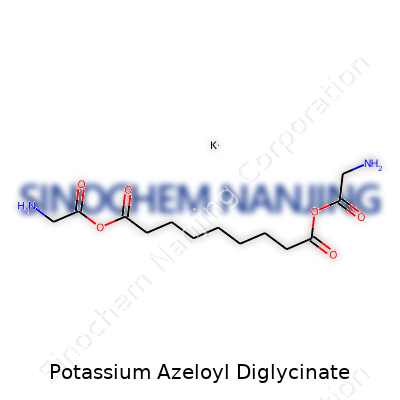
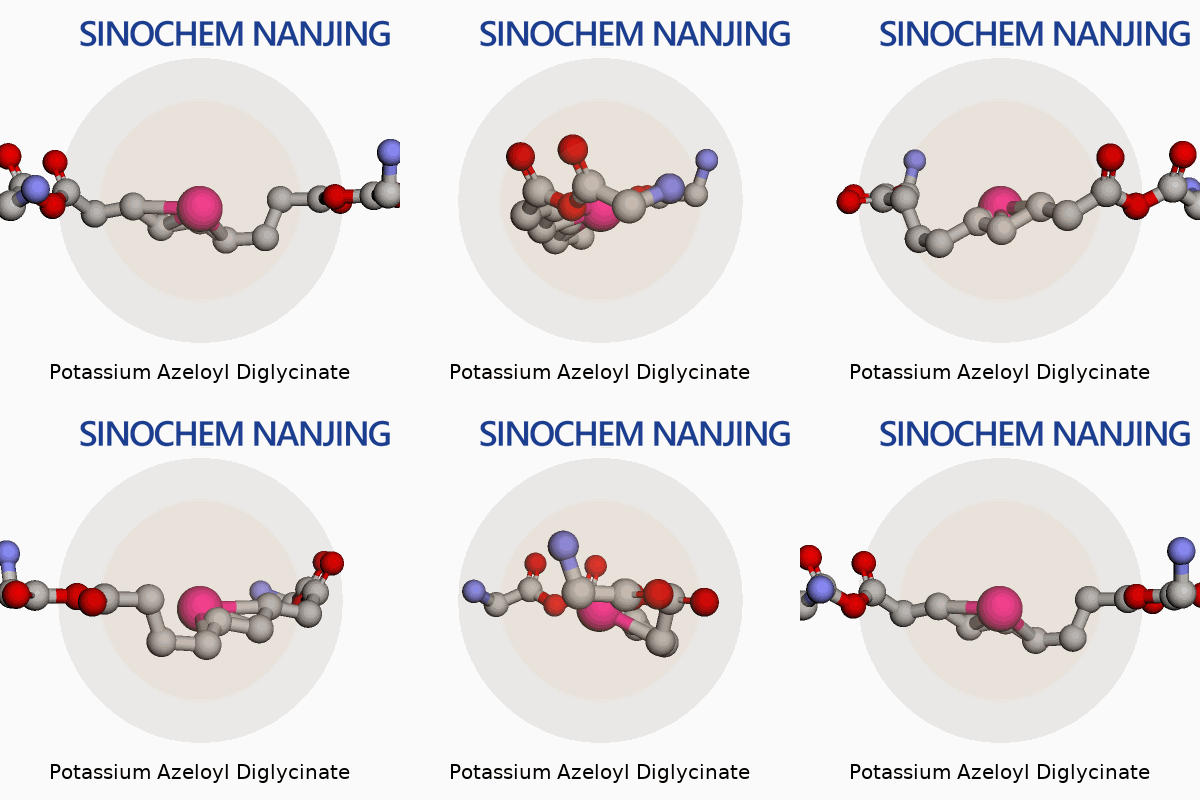
| Names | |
| Preferred IUPAC name | Potassium 2-(bis(carboxymethyl)amino)-9-oxononanoate |
| Other names |
Azeloyl glycine potassium Potassium azeloyl glycine Potassium azeloglycinate |
| Pronunciation | /pəˈtæsiəm əˈzɛloɪl daɪˈɡlɪsɪneɪt/ |
| Identifiers | |
| CAS Number | 154758-86-2 |
| Beilstein Reference | 18278052 |
| ChEBI | CHEBI:77631 |
| ChEMBL | CHEMBL4296980 |
| ChemSpider | 29478571 |
| DrugBank | DB14162 |
| ECHA InfoCard | 15b8221e-6e80-47f9-aa09-bf28b62ecb56 |
| EC Number | 94350-02-4 |
| Gmelin Reference | 12660309 |
| KEGG | C18712 |
| MeSH | D020109 |
| PubChem CID | 137489288 |
| RTECS number | Not assigned |
| UNII | F4O28549HQ |
| UN number | Not assigned |
| CompTox Dashboard (EPA) | DTXSID7054262 |
| Properties | |
| Chemical formula | C16H28K2N2O8 |
| Molar mass | 492.57 g/mol |
| Appearance | White to off-white powder |
| Odor | Odorless |
| Density | 1.15 g/cm³ |
| Solubility in water | Soluble in water |
| log P | -4.7 |
| Acidity (pKa) | 10.5 |
| Basicity (pKb) | 6.3 |
| Magnetic susceptibility (χ) | -84.0·10⁻⁶ cm³/mol |
| Refractive index (nD) | 1.4500 ~ 1.4700 |
| Viscosity | Viscosity (cP, 20°C): 20-500 |
| Dipole moment | 3.2526 D |
| Hazards | |
| Main hazards | May cause eye, skin, and respiratory irritation. |
| GHS labelling | GHS07, Warning, H315, H319 |
| Signal word | No signal word |
| Hazard statements | Hazard statements: Not classified as hazardous according to GHS. |
| Precautionary statements | P264, P280, P305+P351+P338, P337+P313 |
| NFPA 704 (fire diamond) | 1-0-0 |
| LD50 (median dose) | LD50 (median dose) of Potassium Azeloyl Diglycinate: ">2000 mg/kg (rat, oral) |
| PEL (Permissible) | Not established |
| REL (Recommended) | 3% |
| Related compounds | |
| Related compounds |
Azelic acid Potassium azelate Glycine Diglycine Sodium azeloyl diglycinate |



