Piperazine Citrate: A Deep Dive Across Science and Industry
Historical Development
Piperazine citrate first emerged as a medicinal compound in the early 20th century, riding the wave of chemical innovation. Chemists began experimenting with piperazine, a simple cyclic organic compound, to treat parasitic infections in humans. Medical professionals across Europe grabbed onto its ability to combat roundworm and pinworm infestations without the severe side effects older remedies often brought. Over the decades, standardization of synthesis, purification techniques, and delivery forms increased its reliability, giving physicians a relatively safe weapon against common intestinal worm infections. In many communities that lacked access to advanced health infrastructure, piperazine citrate’s simple oral administration marked it as a practical choice during mass deworming campaigns.
Product Overview
Piperazine citrate comes as a white, crystalline powder, typically formulated into tablets or suspensions for easier dosing, particularly for children. Pharmaceutical suppliers offer it at various strengths, often aligned to national treatment guidelines for helminth control. Drug manufacturers include specific excipients to improve taste and stability—an important factor, since most patients are young or otherwise sensitive to medicinal flavors. The compound falls under the class of anthelminthics and competes against modern treatments like mebendazole and albendazole, though in certain resource-limited settings the cost and storage stability of piperazine citrate keeps it in use.
Physical & Chemical Properties
This compound melts at around 190°C and dissolves well in water, a critical feature for oral suspension forms. The non-hygroscopic, odorless crystals mean it stores well in standard pharmaceutical packaging without caking or breaking down. Its pH in solution leans slightly basic, making it easier on the stomach than some older remedies. Chemically, piperazine citrate is a salt formed from piperazine base and citric acid; this combination knocks out worms through a neural mechanism, paralyzing the parasite and letting the patient’s body flush it out naturally.
Technical Specifications & Labeling
Drug monographs describe a typical preparation as containing 500 mg of piperazine citrate per tablet or 5 mL of suspension, dosed according to patient weight. Labels flag dosing instructions, potential interactions with other medications, and contraindications—especially for individuals with kidney impairment, a group at higher risk for complications. Product labels also include lot numbers, manufacturing dates, and expiry details, designed to give clinics confidence about supply chain integrity. Regulatory agencies also call for warnings about rare side effects such as nausea, headaches, or neurological symptoms, pushing producers to adopt tight batch controls and transparent documentation to earn or keep market approvals.
Preparation Method
Chemists synthesize the base piperazine by reacting ethylenediamine with sodium hypochlorite or by reducing diethanolamine. Citric acid—harvested from fermentation of sugar or molasses—adds the acid portion, and controlled crystallization forms the citrate salt. Industrial-scale production demands high-purity raw materials to avoid unwanted residuals, and careful temperature control keeps yields consistent. Extra steps filter out impurities, with final drying under vacuum to prevent moisture absorption.
Chemical Reactions & Modifications
Piperazine rings act as important scaffolds for synthetic chemists, making this compound a jumping-off point for medical chemistry research. On exposure to strong acids or bases, piperazine citrate maintains chemical stability, which means it can survive mixing with other active ingredients in multicomponent pharmaceuticals. Specific derivatization, like oxidation or alkylation, creates analogs that hold promise for wider anti-parasitic or anti-inflammatory effects. These modifications keep the field moving forward, as scientists try to wring new therapeutic uses out of familiar old molecules.
Synonyms & Product Names
Across regions, manufacturers sell piperazine citrate under a long list of names: Antepar, Vermizine, and Entacil pop up on pharmacy shelves in various countries. Bulk suppliers sometimes use chemical shorthand like 1,4-diethylenediamine citrate, but health care professionals usually rely on the simpler product names. That variation sometimes complicates international procurement for aid agencies, since identical ingredients might look very different on customs paperwork. Over time, harmonized naming conventions from groups like the WHO’s Essential Medicines List have helped cut confusion in global health campaigns.
Safety & Operational Standards
Workplace safety guidelines cover both lab-scale and industrial piperazine citrate use. Direct skin or eye exposure can cause irritation, urging the use of gloves and goggles in handling. Production lines invest in dust control systems, so workers don’t breathe in fine particulate. Transport and storage involve sealed, food-grade containers, kept away from acids or oxidizers that might spark unwanted reactions. Companies must train staff on spill response—even though the environmental impact for small releases remains limited. Hospitals track doses to prevent accidental overdose, which at high levels can trigger seizures or muscle weakness in rare cases.
Application Area
The classic use case for piperazine citrate sits in pediatric and adult anti-parasitic treatment. Rural clinics in South Asia, Africa, and Latin America dispense it by the millions of doses every year. Veterinarians also turn to it for similar parasitic problems in livestock, especially in horses and dogs. Research settings see it crop up in bioassays where scientists trace out nerve signaling effects across a range of species. Humanitarian organizations appreciate its low price and modest refrigeration requirements, making it a practical pick in places that lack advanced logistics setups.
Research & Development
Recent research continues exploring both safety profiles and potential new indications for piperazine-based drugs. As parasites develop resistance to standard treatments, scientists revisit older molecules like piperazine citrate, looking for clues that might support new combinations or improved formulations. Academic labs in biochemistry departments often use it to probe neuromuscular biochemistry, thanks to its unique mode of action. There’s also interest in tweaking the molecule to create more potent versions or link piperazine cores to broader-spectrum anti-infectives, leveraging both old chemistry skills and new computational modeling. For regions with lingering worm burdens, these efforts could offer improved approaches to stubborn public health problems.
Toxicity Research
Decades of safety studies give clinicians strong data about dosing thresholds and rare risk factors. At standard levels, most people tolerate piperazine citrate without long-lasting issues—upset stomach, mild headaches, or dizziness sometimes pop up, but usually don’t require medical care. Larger doses carry risk, especially for small children or those with kidney disorders. Studies in lab animals and humans show that toxicity comes from overstimulation or blockade of the nervous system, and high doses can produce tremors or loss of coordination. Regulators keep a close watch on manufacturing quality to stop accidental overdosing, and global health organizations update treatment guidelines as new data rolls in. Vigilant pharmacovigilance supports ongoing safe use in crowded public health campaigns.
Future Prospects
Looking ahead, piperazine citrate’s future will depend on two big trends: drug-resistance and pharmaceutical innovation. As worms start to dodge older treatments, the demand for new combos will increase—and this time-tested compound still has a part to play. Researchers aim to optimize formulations for field use, reduce dosing frequency, and minimize side effects. On the manufacturing front, green chemistry methods promise to cut the waste stream and improve supply chain resilience. Some chemists imagine new modifications could unlock uses beyond anti-parasitic care, such as neuroactive medicines or biotechnological applications yet to be fully imagined. The long run depends on patient need, cost pressures, and the ability of scientific teams to adapt familiar chemical building blocks for a new generation of challenges.
What is Piperazine Citrate used for?
Dealing with Intestinal Worms in Real Life
I remember my first encounter with bellyaches caused by something more than an undercooked meal. As a kid growing up in a town where kids ran barefoot outside and hand-washing sometimes got skipped, worm infections weren’t rare in the neighborhood. It didn’t take long before a visit to the local clinic meant learning about piperazine citrate. Hearing the doctor explain it in simple words made it less frightening. This medicine serves a critical job in ridding the body of nasty parasites that make life miserable for far too many children and adults.
How Piperazine Citrate Helps
This medication is a tried-and-true remedy against roundworms and pinworms, which are among the most common intestinal parasites worldwide. These worms do a number on the digestive system, rob nutrients from meals, and can even stunt growth in kids. Piperazine citrate works by paralyzing the worms so the body can naturally flush them out with a bowel movement. It’s hard not to appreciate a solution that helps end itchiness, discomfort, and embarrassment all at once.
The Impact on Communities Without Luxuries
Dealing with parasitic infections hurts school attendance, energy, and overall wellness. In places where sanitation lags or tissue-paper luxuries do not exist, such infections can spread fast. The World Health Organization notes that hundreds of millions deal with these parasites, especially in developing countries. Having access to affordable treatments like piperazine citrate can mean kids aren’t distracted by constant itching in class or forced to stay home due to illness. I’ve spoken with teachers in rural clinics who described the direct transformation after deworming drives: kids show up, pay attention, and even start putting on healthy weight. It’s hard to put a price on that kind of turnaround.
Common-Sense Use and Safety
With any medicine that ends up in so many homes, being clear about how and when to use it matters. Piperazine citrate comes as a syrup or tablet and usually only needs a short treatment run—often a couple of days. It is important not to dose on a whim, since medical guidance helps avoid harming the gut or causing side effects like nausea. One thing folks often forget is that some family members might have health conditions that do not mix with certain medications, so checking in with a health worker helps sidestep trouble.
Education and Prevention Go Hand in Hand
Relief from worms shouldn’t start and end at the medicine cabinet. Clean hands, short fingernails, and proper toilets make just as much difference as pills. Prevention does not offer profit, but it saves a lot of pain. Community education campaigns can shake up bad habits that let parasites thrive in the first place. It almost always comes back to simple solutions: clean water, soap, and a little common sense.
Choices for the Future
Looking at the big picture, global health groups and local leaders need to keep working together. Regular deworming programs, health education in schools, and improved infrastructure beat parasites before prescriptions are needed. Until everyone has safe water and sanitation, piperazine citrate keeps providing important relief—sometimes as the first and only option for vulnerable families.
How should Piperazine Citrate be taken?
The Role Piperazine Citrate Plays in Treating Intestinal Worms
Piperazine Citrate steps in as one of the trusted medicines for treating pinworm and roundworm infections. These tiny worms may sound trivial, but anyone raising kids or working closely with young children probably knows the hassle and discomfort they bring. Untreated infestations can interrupt sleep and affect health. What matters is not just using the right medicine, but taking it correctly to kick out these unwelcome guests for good.
Clear Steps for Taking Piperazine Citrate
Doctors often recommend Piperazine Citrate in liquid or tablet form. Most people swallow it on an empty stomach, followed by a drink of water. Hunger makes it easier for the drug to attack the worms before food slows it down inside the gut. Like any medicine, getting the dose right means looking at body weight and age. For example, younger children and adults won’t follow the same dosing plan.
I remember giving this medicine to my own child after a pinworm diagnosis. Measuring out the syrup exactly as the label described felt crucial. Eyeballing isn’t the way—using the dosing spoon or cup avoids mistakes. Missing doses or stopping halfway makes the treatment less effective. Worms put up a fight and leaving them half-heartedly tackled means they come back for round two.
Side Effects and How to Avoid Trouble
Piperazine Citrate won’t usually stir up trouble, but some people report mild nausea or stomach pain. Drinking a good amount of water can soften these effects, and a light snack helps settle the stomach if queasiness strikes. If skin rashes, confusion, or severe vomiting appear, medical help makes sense right away. I always found it helps to scan the leaflet or ask a pharmacist instead of playing a guessing game.
One thing people overlook: this medicine targets worms, not the eggs. Washing hands carefully and cleaning under fingernails keeps new infections at bay. Changing bed linens and pajamas after every dose made a big difference in my own experience. Eggs like to linger on surfaces, so a good clean-up shuts down reinfection and keeps everyone in the household protected.
Common Pitfalls and Best Practices
Mixing medicines without advice causes more harm than good. Some other drugs, especially ones for epilepsy, don’t get along with Piperazine Citrate. In my own family, checking with the doctor saved us from problems. Pregnant or breastfeeding women should talk to their doctors, as safety always comes before convenience.
People sometimes assume the work is done after a single round, but follow-up doses ensure every last worm disappears. With pinworms, a repeat dose after two weeks can sweep up any new hatchlings. Skipping this step means the infection might circle back.
Sticking With Expert Advice
Listening to the advice of medical professionals never goes out of fashion, especially when dealing with something as contagious as intestinal worms. Following instructions, measuring doses carefully, and keeping hygiene top-notch lays the groundwork for a smooth recovery. From personal experience, the comfort that comes when the itching stops and sleep returns makes every careful step worthwhile.
What are the possible side effects of Piperazine Citrate?
Understanding the Risks Beyond the Label
Piperazine Citrate comes up pretty often in conversations about treating intestinal worm infections, especially in kids. It’s not a new medicine, so many people—including my own relatives—grew up with it as the go-to choice for roundworm or pinworm. People trusted it because it seemed straightforward and did its job. Still, just because a medicine is familiar doesn’t mean it works the same for everyone. No one wants side effects, but it’s smart to recognize them before starting treatment.
Short-Term Side Effects
Whether taken as syrup or tablets, stomach discomfort shows up the most—nausea, vomiting, and loose motions tend to be the main complaints. Many children and even adults talk about feeling gassy or crampy after a dose. It’s not just vague grumbling, either. Several studies across Asia and Africa back up these details, with digestive upsets topping the list of reported issues. I remember my younger cousin struggling to finish a meal after her medication; she just lost her appetite for a few days.
Nervous System Reactions
In rare cases, nervous system trouble can make symptoms much more serious. Dizziness, drowsiness, and an odd tingling feeling might show up. These reactions seem to hit harder in people who already have kidney trouble or take the drug in higher amounts. Seizures have cropped up in medical literature, though not commonly. I recall one community health worker in a rural setting talking about a child who had trouble walking straight after a higher dose. These neurological problems don’t happen to most people, but ignoring the risk can lead to bigger problems, especially if the prescribed dose is wrong or if someone already has health issues that affect the brain.
Allergic Responses People Overlook
A rash, swelling, or hives hint at an allergy, and like with any medication, piperazine citrate isn’t off the hook. Difficulty breathing, tightness in the throat, or sudden swelling in the face are real emergencies. While some write these off as mild irritations, real-world cases can turn dangerous pretty fast. My neighbor discovered he was allergic after just one dose, so it’s not a risk to brush aside.
Impact on the Liver and Kidneys
Doctors often ask about liver or kidney issues because medicines like piperazine citrate get processed there. If either organ works less efficiently, the drug can build up. That buildup sometimes leads to confusion, mental fog, or muscle twitching. People with a history of liver problems have talked about feeling weaker or more confused after taking it. Doctors urge caution for good reason, especially for those healing from a recent illness or who already take other liver-straining medicines.
Who Faces Extra Risks?
Younger kids, people with epilepsy, or those with kidney disease get flagged as higher risk. Nurses and family doctors often screen for these specifics before giving piperazine citrate. Our own family doctor always asked about any mysterious fainting spells or seizure history before writing a script. Pregnant women get even closer scrutiny; their bodies process medicine differently, and the risks to a developing baby aren’t always predictable.
Safer Choices and Moving Forward
No single medicine works perfectly for everyone, and piperazine citrate doesn’t stand alone on the pharmacy shelf. Alternatives—like albendazole—sometimes fit better, depending on the infection and patient history. The smartest game plan starts with patient history, checking for allergies, and understanding the limits for doses. If side effects show up, stopping the medicine and talking to a doctor right away still beats gambling with your health.
Is Piperazine Citrate safe for children and pregnant women?
Understanding the Basics
Piperazine citrate treats roundworm and pinworm infections. It shows up on pharmacy shelves and in medicine cabinets, often prescribed when kids pick up those stubborn parasites from playground sandboxes or shared classrooms. People tend to trust it because it’s been around for a long time, even longer than many antibiotics that dominate today’s prescriptions. At face value, this medication offers hope for an itchy problem. But behind every effective drug sits a series of important safety questions—especially when little ones or expectant mothers come into the picture.
Children’s Safety Profile
Doctors lean on research and their own experience before handing out a prescription. With piperazine citrate, studies point to a solid safety record in kids, as long as dosing instructions are followed. The World Health Organization actually lists it as an essential medicine for children. Most side effects turn out mild: stomach discomfort, nausea, or an upset belly. My own child has taken it for pinworms. He complained about the taste and felt a little queasy one afternoon, but after a meal and a nap, he bounced right back.
The bigger concern crops up with overdosing. Kids sometimes think medicine is candy, or parents confuse milliliters and teaspoons. Piperazine can trigger muscle weakness or neurological symptoms if way too much enters the system. I remember a case in my community where an overdose landed a toddler in the ER with shivering and vomiting. Thankfully, the child recovered because the parents reacted quickly and called poison control. The medicine itself works—what causes trouble is losing track of the right dose.
Pregnancy: A Tougher Call
Pregnant women face another layer of complexity. Many parasites don’t care if a woman is expecting; they march in all the same. So far, reliable studies in humans during pregnancy just aren’t there—a major gap that means more unknowns than concrete answers. Animal tests hint at some risks, but these don’t always match human outcomes. Both the FDA and global health agencies suggest steering clear unless the benefits truly outweigh the risks.
Pregnant women often ask whether it’s safe to wait and treat after birth or if an infection absolutely requires immediate attention. A healthcare provider who knows the patient’s overall health—along with the severity of infection—usually gets involved in that decision. Some doctors turn to safer alternatives like mebendazole or albendazole, especially during the second and third trimesters. Others just monitor and manage symptoms until treatment feels safe. This shows why one-size-fits-all solutions can backfire in pregnancy.
Supporting Facts and Seeking Solutions
Piperazine citrate’s track record in children feels fairly strong—with proper supervision and clarity at dosing time. The World Health Organization, UNICEF, and the American Academy of Pediatrics all discuss it as a practical choice for pinworm headaches in kids. With pregnant women, the tone shifts. Most experts recommend caution, waiting until safer antiparasitic treatments fit the picture. Patients and doctors need honest conversations about risks—guesswork has no place at this stage of life.
One move toward safety: package instructions in plain language, with diagrams or pictures for caregivers. Emergency lines and pharmacies can post clear signs reminding families about accidental overdoses, which still happen all over the world. Expectant mothers should get routine screening for parasites if they live anywhere risk is high, and doctors need fast access to the best available research to make decisions. Trust builds when people know what to do, who to call, and what to expect if something goes wrong. Real-world experience, up-to-date science, and careful communication form the backbone of keeping families safe—whatever the treatment on hand.
Can Piperazine Citrate interact with other medications?
Why Drug Interactions Matter
Anyone who has ever picked up a prescription knows the long lists of warnings and possible drug interactions printed on the leaflet. Doctors and pharmacists don’t include these warnings just for paperwork’s sake—they appear because drug interactions can bring real risks. With Piperazine Citrate, which often treats intestinal worm infections, most folks might not give much thought to how it works with other meds. But plenty can happen once medicine enters the bloodstream. Medications don’t just work alone; they change how the liver, gut, and even kidneys process them, which means it’s smart for people to consider what else they’re taking with Piperazine Citrate.
The Reality of Combining Medicines
Piperazine Citrate changes nerve signaling in worms, which paralyzes and flushes them out. While that sounds pretty straightforward, it’s a reminder this drug acts on more than just the parasites. Mixing Piperazine Citrate with certain medications sometimes results in side effects or reduced effectiveness. For instance, some common anti-epileptic drugs, like phenobarbital, can affect how Piperazine works. People taking those medicines might not get the results they expect or could see increased side effects like dizziness.
On a personal note, caring for kids with worm infections meant attention to every over-the-counter cold syrup or fever medicine in the house. Even simple pain relievers or sedating antihistamines could add fuel to the fire, causing more drowsiness. After one round of confusion with a tired, groggy child, we learned how easy it was to overlook these overlaps.
Piperazine and Alcohol or Antipsychotics
Mixing Piperazine Citrate with alcohol seems like an obvious no-go, but people underestimate how common risky combinations happen. Alcohol acts as a depressant. Piperazine also slows some nervous system activity, so drinking while medicated often lands people drowsy, unsteady, or nauseous.
In rare instances, Piperazine may interact with antipsychotic or antidepressant drugs. These combos have produced tremors or involuntary muscle movements in unlucky patients. Such reactions sound rare, but in busy clinics, it only takes one case for everyone to sit up straight.
Managing the Risk of Interaction
Doctors today rely on electronic prescription software that tries to catch risky combinations. Still, patients carry the heaviest load—telling health professionals about every vitamin, supplement, or medicine in use. Even a simple herbal remedy can throw a wrench in the works. Missing the chance to mention a supplement at a doctor’s visit once led to a family member battling a week-long migraine rather than a quick recovery from a minor illness. That lesson stuck.
The World Health Organization lists Piperazine Citrate as a medicine for kids in areas with high worm infection rates. Even in resource-constrained places, health workers now receive training on asking about other drugs before treating families. It’s a simple measure, but it cuts down on the biggest risks.
What Can Help
Keeping an up-to-date list of every medicine at home, including herbal teas and vitamin drops, saves headaches—literally and figuratively. At pharmacies, making a habit of double-checking even for routine medications can flag odd interactions and avoid trouble. Mobile apps now track and cross-check medication lists to show real-time alerts, a tool both patients and doctors find useful.
Clear and honest conversation, a bit of vigilance, and respect for every warning pamphlet make for safer days, especially when Piperazine Citrate stands alongside other pills in the medicine cabinet.
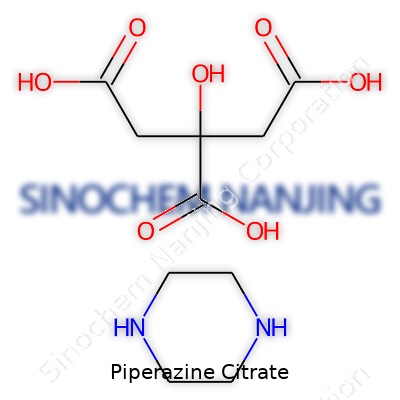
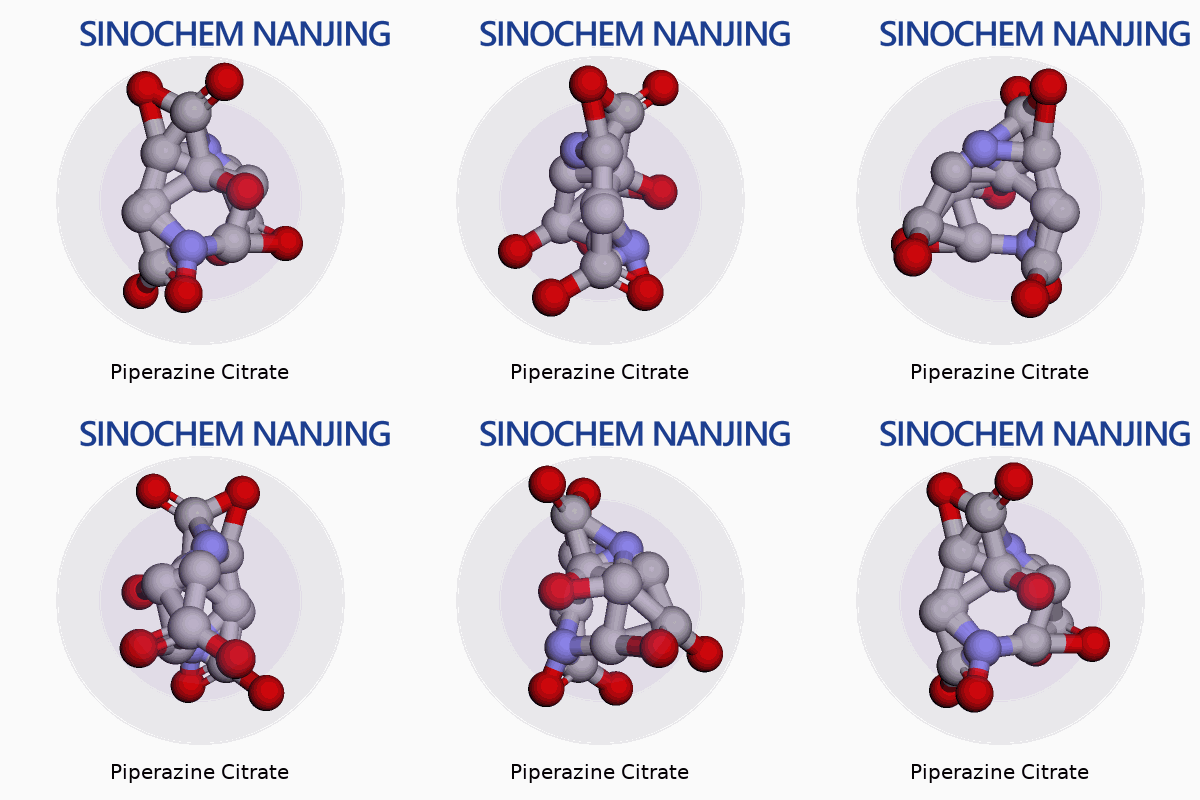
| Names | |
| Preferred IUPAC name | 1,4-Diazaniumcyclohexane 2-hydroxypropane-1,2,3-tricarboxylate |
| Other names |
Piperazine Hexahydrate Piperazine citrate hexahydrate Piperazine dihydrate citrate Entobex Anthelmintic salt Citric acid, compound with piperazine (2:1) |
| Pronunciation | /paɪˈpɛrəˌziːn ˈsɪtreɪt/ |
| Identifiers | |
| CAS Number | 144-29-6 |
| 3D model (JSmol) | `JSmol.search('Piperazine Citrate')` |
| Beilstein Reference | 3572304 |
| ChEBI | CHEBI:8508 |
| ChEMBL | CHEMBL1201255 |
| ChemSpider | 21442320 |
| DrugBank | DB00542 |
| ECHA InfoCard | 100.230.776 |
| EC Number | 613-815-9 |
| Gmelin Reference | 8668 |
| KEGG | C01745 |
| MeSH | D010900 |
| PubChem CID | 175187 |
| RTECS number | TK7870000 |
| UNII | DJ1R4R1Q84 |
| UN number | UN2810 |
| Properties | |
| Chemical formula | (C4H10N2)3·2C6H8O7 |
| Molar mass | 564.6 g/mol |
| Appearance | White or almost white crystalline powder |
| Odor | Odorless |
| Density | DENSITY: 1.23 g/cm³ |
| Solubility in water | Freely soluble in water |
| log P | -3.05 |
| Vapor pressure | Negligible |
| Acidity (pKa) | 5.6 |
| Basicity (pKb) | 2.8 |
| Magnetic susceptibility (χ) | -72.7×10⁻⁶ cm³/mol |
| Refractive index (nD) | 1.493 |
| Viscosity | Viscous liquid |
| Dipole moment | 2.06 D |
| Thermochemistry | |
| Std molar entropy (S⦵298) | 285.5 J·mol⁻¹·K⁻¹ |
| Pharmacology | |
| ATC code | **"P02CA01"** |
| Hazards | |
| Main hazards | Harmful if swallowed. Causes skin and eye irritation. May cause respiratory irritation. |
| GHS labelling | GHS07, GHS08 |
| Pictograms | GHS07 |
| Signal word | Warning |
| Hazard statements | H302: Harmful if swallowed. |
| Precautionary statements | Keep out of reach of children. If swallowed, seek medical advice immediately and show this container or label. Store in a cool, dry place. Do not use after the expiry date. For oral use only. Use only as directed by a physician. |
| NFPA 704 (fire diamond) | Health: 2, Flammability: 1, Instability: 0, Special: - |
| Lethal dose or concentration | LD50 oral rat 1,470 mg/kg |
| LD50 (median dose) | LD50 (median dose): 4,570 mg/kg (oral, rat) |
| PEL (Permissible) | PEL: Not established |
| REL (Recommended) | 1.5–4 g daily in divided doses |
| Related compounds | |
| Related compounds |
Piperazine Piperazine adipate Piperazine phosphate Piperazine hexahydrate Piperazine dihydrochloride |



