Phosphorus Pentafluoride: A Critical Glance at a Reactive Giant
Historical Development
Phosphorus pentafluoride found its roots in the world of chemical synthesis in the 19th century, when scientists noticed the powerful reactivity between phosphorus and fluorine. Early chemists faced serious risks working with both phosphorus and elemental fluorine, a testament to how driven the field was even in the face of danger. Since that first rudimentary synthesis, the path grew clearer through incremental discoveries: better handling equipment, the rise of fluorine generation by electrolysis, and safer containment systems. Today, pure phosphorus pentafluoride production happens in controlled plants, yet it bears the legacy of those hazardous early days. In research, no one overlooks the stories of flawed glassware or the time someone tried to use rubber tubing with fluorine—mistakes paid for in shattered apparatus and flying shards, teaching a generation to respect this fiercely reactive chemical.
Product Overview
Phosphorus pentafluoride stands out in the chemical lineup for its volatility and strong Lewis acid character. Picking up a cylinder or seeing its familiar “PF5” marking triggers a sense of involvement in projects ranging from basic inorganic exploration to cutting-edge semiconductor etching. Companies source the material by ton, labeling drums in labs, and researchers spot its use cases in synthesis, catalyst support, and unique organic transformations. Its presence means scientists are either dealing with fluorination, etching complex materials, or exploring how to manipulate phosphorus-fluorine bonds for something truly transformative.
Physical & Chemical Properties
Most people running a lab bottle of phosphorus pentafluoride recognize the substance by its colorless, pungent gas form. With a boiling point near minus 84 degrees Celsius and a notable density that keeps the vapor settling low, leaks create immediate alarm. The molecule carries five highly electronegative fluorine atoms around a phosphorus center, bent in a trigonal bipyramidal shape—tough to model, harder to control. Hot atmospheres and inadequate venting almost always spell trouble, since PF5 hydrolyzes in humid air, producing toxic byproducts like hydrogen fluoride and phosphorus oxyfluoride. Handling PF5 involves thick-walled pressure vessels, strict humidity controls, and hands that never leave gloves.
Technical Specifications & Labeling
Suppliers ship phosphorus pentafluoride in high-pressure metal cylinders, with product tags noting purity, water content, and trace acid impurities. Researchers and industries alike scan for those numbers, wary of contaminants that could ruin a reaction or corrode equipment. Exposure controls, batch tracking, and tamper-evident seals form part of every cylinder’s journey. Often, one sees DOT, UN, or EU hazard markings stacked beside pictograms for corrosivity, acute toxicity, and environmental hazard—the sort of universal warning that pulls attention during storage and use. Regulatory compliance links directly to safety for buyers and handlers, with no room for shortcuts.
Preparation Method
In factories, phosphorus pentafluoride forms by the direct combination of elemental phosphorus with fluorine gas, run under tight temperature and pressure regimes. For lab-scale work, chemists reach for alternatives: using phosphorus pentachloride’s reaction with anhydrous hydrogen fluoride. That second method keeps things a bit gentler, skipping harsh conditions but raising concerns about chlorine and unreacted HF. Regardless of the scale, operators stay vigilant, monitoring temperature surges and vent lines for any hint of excess fluorine or uncontrolled side reactions. Preparation requires both solid grounding in engineering and chemical insight—anyone familiar with industrial accidents knows, cutting corners here risks both product loss and personal harm.
Chemical Reactions & Modifications
Phosphorus pentafluoride reacts as a strong fluorinating agent, ready to convert oxides, sulfides, and nitrogen compounds. In organic synthesis, chemists use it to introduce phosphorus, create new fluorinated materials, or to serve as a dry, powerful acid catalyst. Its reaction with water tells the cautionary tale: PF5 hydrolyzes rapidly, spewing out hydrogen fluoride, a notoriously harmful acid, and phosphorus oxyfluoride. Anyone working on modifications knows the balance: high reactivity delivers new molecules, but only under fine-tuned control and with up-to-date protective measures.
Synonyms & Product Names
Phosphorus pentafluoride appears under several synonyms in catalogs: PF5, Phosphoric fluoride, and Pentafluorophosphorane. Reading through research papers or supplier lists reveals these variants, sometimes confusing, always referring to the same pressing need for hazard awareness. Globally, regulations and labeling requirements differ, so operators check not just the chemical name, but UN numbers and local disposal rules to stay above board.
Safety & Operational Standards
Dealing with phosphorus pentafluoride means following rules set out by OSHA, the European Chemicals Agency, and local industrial hygiene bodies. Labs and plants invest in advanced ventilation, gas detectors, and self-contained breathing apparatus, and only allow trained personnel to handle PF5. Spill kits sit ready, along with neutralization agents and clear evacuation plans. Annual safety training drills into every worker the perils of exposure: acute inhalation can damage lungs, cause burns, or lead to lasting harm. Process safety management runs deep in organizations that survive decades in the chemical manufacturing game, with PF5 providing a prime example of risk management in action.
Application Area
Industrial users draw on phosphorus pentafluoride for specialized fluorinations, etching semiconductors, and preparing unique fluorinated intermediates. Microchip fabrication plants, battery research labs, and defense contractors encounter PF5 routinely, often driven by the need for high-purity, well-defined products with minimal contamination. Scientists working on organofluorine chemistry or high-performance polymers know the molecule’s upsides and downsides—unmatched reactivity, paired with tough safety and waste handling requirements. Each application pushes teams to improve containment, minimize releases, and chase greater efficiencies without sacrificing workplace safety.
Research & Development
On the frontier of R&D, phosphorus pentafluoride features in pushes for greener fluorination agents and recyclable fluorine sources. Chemists explore catalysts that temper its reactivity, seeking selective, low-waste fluorination for pharmaceuticals and next-generation electronics. In some groups, the challenge of controlling PF5-based chemistry leads to inventive containment setups, microreactors, and new sensor arrays to track minute leaks. Pioneers in this space contribute to safer work environments, publishing their findings and driving the field forward. In academic circles, PF5 remains a benchmark of chemical finesse—handle it well, and the door opens to advanced materials and complex molecular architectures.
Toxicity Research
Toxicologists studying phosphorus pentafluoride find the compound attacks the respiratory system, mucous membranes, and skin with efficiency unique to fluorinated reagents. Even short-term exposure at moderate concentrations damages tissues, demanding strict engineering controls. Studies of industrial incidents reveal that breaches in containment or outdated safety systems cause severe, sometimes fatal, harm. Long-term, chronic exposure shows signs of bone damage, a consequence of fluoride ions absorbing into the body over time. Medical support teams at chemical plants routinely review procedures based on recent toxicology findings, reinforcing the need for constant vigilance and improvement.
Future Prospects
Looking down the road, phosphorus pentafluoride’s story shifts toward sustainable handling and improved process integration. Engineers and researchers invest in closed-loop systems, minimizing emissions, and developing breakthrough neutralization methods. The search for cleaner, more selective fluorination chemistry continues, with PF5 sitting at the crossroads of tradition and innovation. Advances in leaks detection, remote handling, and automated controls promise a safer future, yet never remove the core challenge: balancing powerful reaction chemistry with the duty to protect workers, communities, and the environment.
What is phosphorus pentafluoride used for?
Diving into a Niche Chemical
Phosphorus pentafluoride (PF5) doesn’t turn up on household shelves, but it plays a quiet role in chemical labs and industrial operations. I spent my early years in research chemistry, so a gas like this always brings to mind lab benches and safety training. This substance often goes overlooked by the public, though its uses touch on fields from electronics to medicine.
Tough Chemistry Behind the Curtain
PF5 stands out as a strong fluorinating agent. In a research setting, chemists use it for creating complex fluorinated organic molecules. Why is this important? Adding fluorine atoms can change the way a molecule behaves, and some drugs wouldn’t exist without these transformations. For instance, certain cancer medications rely on precise fluorination only possible with help from compounds like PF5.
Electronics and materials science wouldn’t be where they are today without phosphorus pentafluoride, either. During the production of semiconductors, companies use it to control etching processes. PF5 helps shape the tiny, detailed circuits carved into the silicon chips sitting inside everyday devices. These chips now drive machines from pacemakers to cars and keep factory lines running.
Real-World Risks and Safety Measures
Most folks would never want to get close to phosphorus pentafluoride. I remember the strict storage and ventilation rules every time we worked with it. It’s toxic, and inhalation can lead to severe health problems. Safety isn’t just a suggestion, it’s a requirement. Industrial users have the tools and training for keeping leaks and accidents rare. Regulators like OSHA and the EPA keep an eye on how these materials move through plants and labs. Their rules come from past lessons, often written in the aftermath of workplace incidents.
Handling Waste and Environmental Concerns
Phosphorus pentafluoride transforms quickly in air and water, turning into acids that can corrode metal and harm aquatic life. I always felt the weight of environmental responsibility when disposing of any waste. Chemical companies set up systems for capturing vented gases or scrubbing them from exhaust. The fines for improper handling aren’t small, but the real headache comes from lost trust and ruined ecosystems.
Searching for Alternatives and Better Solutions
Researchers keep looking for better options. The drive for green chemistry pushes the industry to develop safer alternatives to compounds like PF5. Labs now experiment with reagents that carry less risk or break down into friendlier byproducts. It’s a slow shift, but pressure from both inside and outside the industry keeps it moving. Sharing best practices, funding safety upgrades, and ongoing training for staff all help cut risk.
Looking Ahead
Phosphorus pentafluoride won’t disappear from chemical supply lists anytime soon, but with new technologies and a focus on safety, we can keep its benefits without losing sight of the risks. It’s a reminder that progress and caution often walk hand in hand in the world of chemistry. With diligence, those small cylinders marked “PF5” can keep fueling innovations without causing harm beyond their intended use.
Is phosphorus pentafluoride toxic or hazardous?
What Makes Phosphorus Pentafluoride Concerning?
Phosphorus pentafluoride catches attention in chemical plants because it brings both utility and risk. People tend to forget that this colorless gas poses hazards beyond its unassuming appearance. Breathing in even a little can damage the lungs, etch the skin, and burn the eyes. I remember walking into a facility that once stored cylinders of it—just a faint sour, pungent smell in the air hinted at its presence. Even the seasoned engineers there showed caution, keeping their respirators handy.
Exposure to phosphorus pentafluoride usually comes through inhalation, which can happen quickly if cylinders leak or piping fails. The gas reacts with moisture in the eyes, nose, and throat, generating hydrofluoric acid and phosphoric acid. Both acids eat away at living tissue, causing pain and sometimes permanent injury. You can’t always see the damage start. Trouble begins with coughing or a scratchy throat, sometimes hours before harsher symptoms like chest tightness or fluid in the lungs appear. If nobody acts fast, phosphorous pentafluoride exposure kills.
The Science Behind the Hazard
Phosphorus pentafluoride, PF5, sees regular use in specialized industrial settings—mostly in the production of organofluorine compounds or as a catalyst. It’s reactive and releases toxic vapors at room temperature. That makes it difficult to handle, especially without expertise or the right gear. The United States Centers for Disease Control and Prevention notes its ability to harm people with very low-level exposure, labeling it a “highly toxic” substance. The acute toxicity matches that of more famous chemicals, like phosgene and chlorine gas.
I looked through incident reports dating over the past decade. Most accidents link to poor ventilation, faulty valves, or unfamiliarity during maintenance. A few years ago, in Europe, two workers got caught by a surprise leak during routine cylinder replacement. They both needed extended hospitalization, recovering from chemical burns and persistent lung issues. These realities stick with you, especially in industries where “just another day” can take a sharp turn if safety steps get skipped.
Why Vigilance Beats Regret
Many chemical plants operate with ever-shrinking budgets, yet I never met someone who regretted spending more on safety measures for this stuff. Hazard signs, clear labeling, and regular training speak louder than any written policy. Proper storage sits high on the list—PF5 cylinders require cool, dry, and well-ventilated rooms, with leak detection systems primed and tested. It’s not only about protecting workers. This is about preventing environmental contamination too. Letting the gas loose outside can harm wildlife and pollute water.
A strong safety culture fosters better habits. I’ve seen companies run live drills and let new hires handle “dummy” cylinders before touching the real thing. They use real stories and facts, not just rules on paper. Regulatory agencies keep a close watch, demanding permits, routine reporting, and fast incident responses. They’re right to be strict about phosphorus pentafluoride.
Better Practices for a Safer Tomorrow
Reducing risk comes down to a few basic commitments—constant monitoring, equipment checks, and healthcare plans ready for exposure cases. On top of that, presenting up-to-date information helps everyone understand the risks, including the wider public in communities near factories. Newer sensor technologies and smarter containment systems help limit accidents. Adopting them early keeps more people out of harm’s way.
Phosphorus pentafluoride remains necessary for certain industries, but respect for its hazards keeps tragedy at bay. By respecting its dangers and acting on real-world lessons, we make sure the only stories told about it are those of smart prevention and safe return home.
What are the physical properties of phosphorus pentafluoride?
A Clear Look at an Unfamiliar Gas
Open up a textbook, and you’ll spot a lot of chemicals with big names and even bigger reputations. Phosphorus pentafluoride may not be the celebrity of the shelf, but in the world of industrial chemistry, it turns heads for a reason. I remember visiting a lab in my college days — crisp air thick with a medley of strange scents — and catching my first glimpse of this stuff behind sturdy glass in a dedicated fume hood. Some chemicals come bottled in neat liquids or easy-to-scoop powders. Not this one.
Appearance and Texture: What You See… and Don’t See
Ever crack open a bottle of club soda and watch the fizz escape? Phosphorus pentafluoride moves through a lab in a form best described as sneaky: a colorless, invisible gas at room temperature. No smell alerts your brain, no warning cloud lingers. There’s a danger in that. Safety goggles and good ventilation don’t just keep the rules satisfied; they matter. My experience taught me to respect colorless chemicals most because you don’t always know when you’re in trouble.
Boiling and Melting Points
It doesn’t take much heat for phosphorus pentafluoride to leave the liquid world behind. At about -84 degrees Celsius, it starts to boil. On the flip side, chills down far deeper than winter’s worst, around -93.7 degrees Celsius, will get it to freeze. Imagine hauling around tanks with a substance this volatile at room temperature — such logistics keep engineers and shippers on their toes.
Weight and Pressure: Knowing the Numbers
Phosphorus pentafluoride weighs in at a molecular mass of roughly 127.97 grams per mole. I used to watch senior lab techs check pressure gauges before even opening a tank. Gaseous phosphorus pentafluoride gets compressed for storage, usually in heavy-duty steel cylinders, since it wants to escape into the air. At room temperature and atmospheric pressure, it's there as a gas, but press down the pressure and it takes on a liquid form.
Solubility and Reactivity
Any chemist with a beaker of water would be surprised by how this gas acts. It refuses to dissolve much. It reacts instead, giving off hydrofluoric and phosphoric acids. Years back, a lab-mate mishandled a wash bottle after an experiment with phosphorus pentafluoride, and the cloud that hissed up got us hustling for the eyewash. The product of this reaction isn't something you want close to bare skin.
Handling Risks: Not Just a Technical Detail
With a density of about 6.3 grams per liter at 0°C, it’s heavier than air and can collect in low spots, a detail you can't ignore in an enclosed workspace. Its corrosive action and toxic effects mean even a short, accidental exposure can do harm. Regulators around the world keep strict rules on how it's stored, shipped, and used. Proper ventilation saves lives, not just lab coats.
Building a Safer Work Culture
Plenty of training programs boost awareness on this front, but those only stick when the culture makes safety a daily habit. Chemical handling, in my book, should come with the same focus we put on food hygiene or traffic laws — clear, enforced, and always front of mind. Reliable gas monitoring and routine inspection of storage containers go a long way.
Using Science to Drive Solutions
Working with hazardous gases like phosphorus pentafluoride shouldn’t mean risking health. Strong hardware, better ventilation, and regular drills lift more than compliance; these steps return workers and researchers home at the end of the day. Nobody needs to gamble with their lungs to push industry or science forward.
How should phosphorus pentafluoride be stored and handled?
The Real Dangers of Careless Handling
Anyone who's worked in a lab understands the gut-check that comes with certain chemicals. Phosphorus pentafluoride doesn’t mess around. It's toxic, it stings if you even get a whiff, and it eats away at your lungs faster than most folks appreciate. Breathing it in, even for a moment, can land a person in the hospital. The stories aren’t pretty, and those who’ve ignored the warning labels sometimes never come back to their routine. Too many people trust goggles and gloves like they’re magic shields, but this substance forces you to look at every link in the safety chain.
Storage Isn’t Just an Afterthought
Years of work with industrial reagents have shown that sloppy storage causes half the trouble. Phosphorus pentafluoride responds poorly to moisture. Tanks made of carbon steel or regular plastic won’t last. Expect corrosion, gas leaks, or violent reactions if you go with the cheap option. People in the business use high-grade stainless steel or nickel alloys for cylinders and fittings. Leaky valves or corroded seals do not get second chances—this compound escapes with pressure and finds cracks nobody knew existed. Even the best seals wear out. Pressure rises with temperature, so cool, dry storage means fewer headaches.
Solid Ground on Ventilation and Containment
In my own shop, I’ve watched managers shortcut ventilation systems. Folks paid the price with coughing fits and safety shutdowns. Strong local exhaust matters. Only trust systems with constant monitoring—those handheld sensors are worth every penny. I’ve seen close calls when gas built up in corners of the warehouse. Ignoring ventilation turns a minor release into an all-hands emergency. Engineers do well to design storage with full enclosures, automatic shut-off valves, and good drainage for scrubbing any accidental leaks.
Training Isn’t Just Paperwork
Years in the field taught me that many people skim the training slides as if they’re homework. The best shops make drills routine. Full PPE, like face shields with gas-tight goggles, heavy gloves, and coveralls—those save lives, not just compliance points. Supervisors who actually stand with the team during drills send the message that safety really counts, not just glossed-over compliance. I've witnessed people freeze during emergencies before their first real spill. Only hands-on training burns in muscle memory—you can’t expect someone to read their way through a gas leak.
Smart Solutions from Simple Changes
Technology makes a huge difference. Automatic leak detectors with alarms stop small problems before they become disasters. Vacuum lines rather than pressure-fed systems lower the risk of accidental releases. Just as in my own early days in the industry, establishing a system for labeling and logs reduces mix-ups. It sounds obvious, but freshly labeled cylinders, date-checks, and regular equipment inspections work far better than trust in memory or routine. Even the best worker gets tired; a checklist never forgets.
Industry Can Do Better
Facts show regulatory fines rarely push companies into real change. The inconveniences of careful storage and handling never outweigh a single hospital stay, lawsuit, or worse, a fatal accident. Smart companies build a culture where respect for dangerous substances outruns cost-cutting. Watching teams grow into that mindset has meant fewer accidents in every job I’ve held—a lesson every facility can apply without waiting for tragedy.
What safety precautions are required when working with phosphorus pentafluoride?
Why Treating Phosphorus Pentafluoride with Respect Matters
Phosphorus pentafluoride has never been the sort of thing you handle lightly. I’ve spent enough time around chemical plants to recognize the fear that comes with some substances. Every single person entering a lab or industrial space where this gas might show up ought to know its reputation. We’re not talking about a mild irritant—exposure can damage your lungs and eyes, and even a few drops in the wrong place spell trouble. I still remember my old supervisor telling me, “In chemistry, confidence comes after respect.” He was talking about phosphorus pentafluoride.
Personal Protective Equipment Isn’t Optional—It’s Essential
Anyone who has actually worked with phosphorus pentafluoride understands there’s no room for shortcuts. Splash-goggles, chemical-resistant gloves, and a fitted face shield form the base set for lab work. These aren’t overreactions—they’re practical choices. A standard lab coat can’t stand up to chemical attack from powerful gases, so investing in heavier aprons or gear built for corrosive environments isn’t up for debate. One whiff of the stuff, and your throat tells you loud and clear: those stories about respiratory distress aren’t exaggerated.
Proper Ventilation Makes All the Difference
Once, a fume hood malfunctioned in a lab next to mine, and the panic that spread taught everyone a hard lesson. Phosphorus pentafluoride's vapors threaten more than the person holding the container; they spread quickly and make enclosed work downright dangerous. Modern labs lean on well-ventilated areas for good reason—airflow keeps concentrations low enough that any accidental release doesn’t force a mass evacuation. From that day on, nobody in our department ever skipped a ventilation check before starting a reaction with any toxic gas.
Handling and Storage Require Careful Planning
Leaving cylinders or sealed containers where foot traffic runs high invites trouble. This chemical has an aggressive reaction with water, releasing corrosive fumes. Someone in my team once set a cylinder down near a mop bucket—thankfully, cleanup happened before a leak occurred. Storing it dry and upright in cool spaces, far from any open water source, keeps everyone safer. I see a lot of value in secondary containment, like trays or cabinets with sensitive gas sensors and alarms. Simple, layered prevention reduced accidents on our site year after year.
Training and Emergency Plans Save Lives
You get used to safety drills, but phosphorus pentafluoride demands more than memorized routines. Anyone with hands-on responsibility should be familiar with the substance’s properties. We ran through real-world releases using simulation gas, so mistakes happened in safe contexts, not “when it counts.” Equipped with eyewash stations, showers, and clear exit routes, we developed muscle memory. Quick, decisive response reduces injuries, keeping a bad situation from turning tragic.
Continuous Vigilance and New Solutions
Some accidents come from shortcuts and complacency. Technology, like continuous air quality monitors and digital alerts, helps keep safety top-of-mind. Regular refresher courses don’t just tick regulatory boxes—they help workers internalize real risks and share new information. Investing in gear, training, and maintenance has an obvious cost, but every safe shift means more people go home healthy.
Working with phosphorus pentafluoride in my experience means bringing your full attention, every day. Respect for the chemical, respect for your coworkers, and the discipline to prepare for the worst—that’s what real safety looks like.
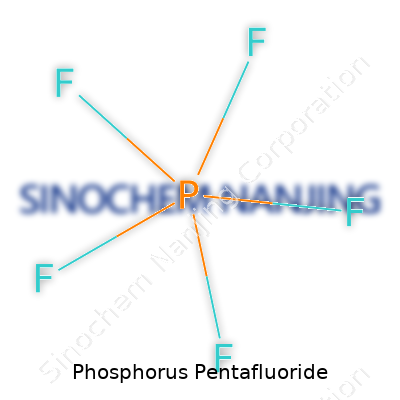
| Names | |
| Preferred IUPAC name | Phosphorane, pentafluoro- |
| Other names |
Phosphorus fluoride Phosphoric fluoride Phosphorus(V) fluoride |
| Pronunciation | /ˌfɒsˈfɔːrəs ˌpɛntəˈfluːraɪd/ |
| Identifiers | |
| CAS Number | 7637-07-2 |
| Beilstein Reference | 358850 |
| ChEBI | CHEBI:30255 |
| ChEMBL | CHEMBL3341192 |
| ChemSpider | 9988 |
| DrugBank | DB11372 |
| ECHA InfoCard | echa-info-card-100.030.229 |
| EC Number | 207-334-9 |
| Gmelin Reference | 1846 |
| KEGG | C14387 |
| MeSH | D010754 |
| PubChem CID | 24552 |
| RTECS number | SC8925000 |
| UNII | E313RS9B8G |
| UN number | UN2199 |
| CompTox Dashboard (EPA) | DTXSID2020257 |
| Properties | |
| Chemical formula | PF5 |
| Molar mass | 125.966 g/mol |
| Appearance | Colorless gas |
| Odor | Pungent |
| Density | 3.91 g/L |
| Solubility in water | Reacts violently |
| log P | -0.5 |
| Vapor pressure | 5170 mmHg (20°C) |
| Acidity (pKa) | -10.0 |
| Basicity (pKb) | ~24.3 |
| Magnetic susceptibility (χ) | -51.5e-6 cm³/mol |
| Refractive index (nD) | 1.0005 |
| Viscosity | Gas: 0.0124 cP (at 17°C) |
| Dipole moment | 0 D |
| Thermochemistry | |
| Std molar entropy (S⦵298) | 282.7 J·mol⁻¹·K⁻¹ |
| Std enthalpy of formation (ΔfH⦵298) | -1636 kJ/mol |
| Std enthalpy of combustion (ΔcH⦵298) | -1640.6 kJ·mol⁻¹ |
| Pharmacology | |
| ATC code | V03AB38 |
| Hazards | |
| Main hazards | Toxic if inhaled, causes severe burns, reacts violently with water. |
| GHS labelling | GHS02, GHS05, GHS06 |
| Pictograms | GHS04,GHS05,GHS06 |
| Signal word | Danger |
| Hazard statements | H300 + H330: Fatal if swallowed or inhaled. H314: Causes severe skin burns and eye damage. |
| Precautionary statements | P260, P264, P271, P304+P340, P305+P351+P338, P310, P321, P330, P363, P405, P501 |
| NFPA 704 (fire diamond) | Health: 4, Flammability: 0, Instability: 2, Special: - |
| Autoignition temperature | 650 °C |
| Lethal dose or concentration | LD₅₀ (rat, inhalation): 660 mg/m³/1h |
| LD50 (median dose) | LD50 (median dose): 676 mg/m³ (rat, inhalation, 1 h) |
| NIOSH | TT4230000 |
| PEL (Permissible) | 0.1 ppm (as F) |
| REL (Recommended) | 0.1 ppm (0.7 mg/m³) |
| IDLH (Immediate danger) | 50 ppm |
| Related compounds | |
| Related compounds |
Phosphorus trifluoride Arsenic pentafluoride Antimony pentafluoride Nitrogen trifluoride Phosphorus pentachloride |



