Octadecanoyl Chloride: An In-Depth Look at a Key Chemical
Historical Development
Octadecanoyl chloride didn’t just pop up overnight. Chemists started making similar fatty acid chlorides back in the early 1900s during a time when organic synthesis was exploding and the demand for custom chemical building blocks soared. Interest ramped up once industries discovered long-chain acid chlorides could help build up molecules with water-repellent surfaces, flexible plastics, and surfactants. Once the petrochemical age kicked off, research groups dialed in their techniques to extract, refine, and tweak long-chain acids from animal fats and plant oils. This paved the way for more consistent, higher-purity octadecanoyl chloride, which now forms a backbone for making everything from lubricants to active pharmaceutical ingredients.
Product Overview
Known in many chemistry labs as stearoyl chloride, octadecanoyl chloride acts as a go-to acylating agent. Chemists use it to attach an octadecanoyl group onto molecules, creating products with completely different behaviors than their starting ingredients. It’s a favorite for surface modification—think anti-stick coatings on non-stick pans—or specialty surfactants that let oil and water mix for cleaner detergents. The stuff comes in thick, colorless to yellow liquids that throw off a pungent, acrid smell, demanding careful handling. With the right set-up, labs and factories can wield this compound to push the boundaries of what chemistry can do for modern life.
Physical & Chemical Properties
Octadecanoyl chloride features a straight, 18-carbon backbone attached to a highly reactive acid chloride group. At room temperature, it shows up as a heavy liquid or waxy solid. It melts around 32–34°C, making it easy to pour in a warm lab or process plant. Its density stays close to 0.9 g/cm3. This compound won’t dissolve in water—instead, it reacts with it, turning into octadecanoic acid and giving off corrosive hydrogen chloride gas. It dissolves in common organic solvents: benzene, chloroform, and ether stand out. Moisture changes its shelf life; even a little bit can ruin a batch.
Technical Specifications & Labeling
Suppliers grade octadecanoyl chloride by purity, usually guaranteeing at least 98 percent via gas chromatography or titration. Physical state, melting point, and acid chloride content show up on the certificate of analysis. Labels call out danger warnings for corrosivity, recommended storage at low humidity, and sealed containers—polyethylene bottles work best since glass can etch. Shipping documents reference UN codes for hazardous organochlorides since spills mean risks to workers and the environment. Tracking batch numbers, lot data, and even the source of starting stearic acid is standard in quality-conscious sectors, especially pharmaceuticals and electronics.
Preparation Method
Chemists most often make octadecanoyl chloride by treating stearic acid with thionyl chloride or oxalyl chloride. The process needs dry, controlled setups because moisture means lost yield and excess hydrogen chloride gas. The reaction throws out sulfur dioxide and hydrogen chloride as gases, so labs and plants have to vent by-products safely. Once the fumes settle and the mixture cools, distillation or recrystallization purifies the acid chloride. Some factories have switched to phosphorus trichloride or triphosgene for green chemistry reasons, but thionyl chloride remains widespread for its efficiency and cost.
Chemical Reactions & Modifications
Octadecanoyl chloride stars in making esters and amides—chemists mix it with alcohols or amines, then control temperature and pH to trap those acyl groups onto new molecules. These reactions, known as acylations, prove invaluable for pharmaceuticals, where tweaking molecular “tails” changes absorption or activity. Octadecanoyl chloride also reacts with water, bases, and nucleophiles, making it both versatile and touchy. In surface science, it modifies glass, silicon, or cellulose for new textures or water-repellent states. The compound’s long, greasy chain gives these new materials friction resistance, low reactivity, and a strong barrier to moisture.
Synonyms & Product Names
In catalogs and safety sheets, the names stack up: octadecanoyl chloride, stearoyl chloride, n-octadecanoyl chloride, or C18:0 acyl chloride. Common product numbers include CAS: 112-76-5. Some chemical giants brand it under trade names attached to their line of fatty acid derivatives, but most users look for the core chemical identity to match their protocols. The naming confuses new staff, but long-timers lock in on the C18 stearoyl chain for recognition.
Safety & Operational Standards
People who work with octadecanoyl chloride know the word "danger" on the label isn’t there for show. Splashing a few drops causes serious burns and strong fumes jam up unventilated spaces. Labs outfit workers with gloves, chemical goggles, and fume hoods—scrubbing gear and ventilation top the safety checklist. Facilities record the precise volume on hand and train staff in spill cleanup with dedicated neutralizing agents for acid chlorides. Transport follows HazMat standards, with containers double-sealed and tracked all the way to the factory’s back door or the research bench. Annual audits back up these routines since one mistake puts everyone around at risk.
Application Area
This chemical finds a place in almost every corner of the chemical industry. Chemists in pharma labs use octadecanoyl chloride to build prodrugs or tweak old actives for better absorption. The coatings sector uses it to make hydrophobic layers for electronics, cookware, or precision lenses. The surfactant world values it for its ability to anchor long carbon chains onto molecules, turning simple detergents into complex emulsifiers. Textile and paper industries employ it to add water resistance and preserve material, and plastics factories use it to make specialty additives. In biotechnology, researchers use this acid chloride to tailor cell culture surfaces or link up biomolecules for diagnostics.
Research & Development
Academic teams and industrial groups keep pushing the limits of this molecule. They test new synthesis routes using greener reagents and aim for less waste at every step. Some focus on coupling efficiency—trying catalysts or alternative solvents to raise yields and lower the use of hazardous helpers. Others design custom polymers or nanoparticles using octadecanoyl chloride-modified surfaces for precise bio-imaging, drug delivery, or electronic devices. Real-world advances often depend on shrinking the process’s ecological footprint without losing quality or scalability, a challenge that rounds up funding and cross-border collaborations.
Toxicity Research
Serious toxicity research started once widespread use kicked off in the 1950s and 60s. Incidents with inhaled hydrogen chloride or chemical burns pushed teams to document dangers. Studies confirmed the expected: direct skin or eye contact can trigger immediate burns and chronic exposure to fumes damages lungs. Tests on lab animals at different doses flagged clear thresholds for safe versus dangerous exposure. Modern studies shift to the environmental side, checking whether runoff or residue breaks down in soil and water, and if it impacts aquatic life. The field leans hard on substitute reagents and safer operating procedures because nobody wants to repeat the mistakes of early industrial chemistry.
Future Prospects
Octadecanoyl chloride isn’t fading from use—industries keep asking for higher purity, more specialized grades, and greener manufacturing. Companies experiment with biosourced stearic acid and closed-loop processes to trim environmental loads, playing into the wider trend toward sustainable chemistry. New frontiers pop up in fields like biomaterials and drug delivery, where this compound’s unique balance of length, reactivity, and hydrophobicity solves technical problems other molecules can’t touch. Teams exploring microelectronics or nanotech count on this acid chloride for precision modifications, often leading to device breakthroughs or next-gen coatings. Regulatory pressures add hurdles, but the pace of innovation suggests stearoyl chloride—and the creative minds who wield it—will stay critical to science and industry’s next chapter.
What is Octadecanoyl Chloride used for?
Octadecanoyl chloride sounds complicated at first glance. In chemistry, it goes by another name—stearoyl chloride. Think of it as a building block for making things stick, coat, or react. Factories and research labs call on it for the traits that come from its 18-carbon backbone and reactive chlorine group. Stearoyl chloride typically finds a home in projects that tweak molecules, waterproof surfaces, or enhance the feel and stability of products, especially in areas where details like texture, strength, and resistance really matter.
Essential Chemistry in Action
This compound plays an important role in making esters and amides. These reactions help companies move from raw fat-like acids to specialty chemicals that end up in everyday products. Paint pioneers, plastics manufacturers, and even scientists in pharmaceuticals see value here. The reactive nature means it grabs hold of other small molecules and joins them together. The process doesn’t aim for drama, but it quietly lays the groundwork for advances in everything from surface treatments to synthesized drugs.
The coating industry looks for ways to repel water, dirt, or chemicals. Here, octadecanoyl chloride steps in to give surfaces that slick, stain-resistant finish. Think of a rain jacket where water beads and rolls off, or a medical device that doesn’t attract bacteria. That same principle works for keeping sensitive electrical parts safe or lending durability to packaging materials. This is chemistry that serves a purpose, not just science for its own sake.
Textiles, Pharmaceuticals, and More
Clothing makers and textile processors use the compound to create fibers that stay dry and resist stains. The change isn’t just cosmetic. Durable, water-repellent uniforms and outdoor gear boost comfort, extend product lifespan, and cut cleaning worries. Pharmaceuticals lean on octadecanoyl chloride to make drugs that rely on custom-made molecules. By pairing the compound with the right partner, scientists can build medicines that dissolve better, last longer, or work more gently in the body.
Soaps, shampoos, and other personal care products often rely on well-chosen fatty acid derivatives for a soft touch or stable foam. Stearoyl chloride makes it possible to craft these molecules in the lab, instead of extracting them inefficiently from plants or animals. The focus is on purity and reliability. Shoppers might never notice, but these choices help avoid inconsistencies that used to spoil whole batches.
Sustainability and Safety
Strong chemicals can bring their own baggage. The use of stearoyl chloride requires care. It reacts quickly and can irritate eyes, skin, or lungs, and it releases hydrochloric acid during reactions. Workers need good training and protective gear. Looking for greener, safer alternatives gets attention from both the companies that use the compound and from regulators. Some startups test biobased replacements, hoping to deliver the same performance without the hazard labels.
Many countries enforce responsible handling and disposal rules. This brings peace of mind, but also drives up costs. Chemical recycling, safer transportation, and real-time monitoring allow the industry to keep using useful compounds like octadecanoyl chloride without repeating past mistakes that hurt communities or the environment.
Pushing for Smarter Solutions
Behind every product that resists stains, stays dry, or delivers precise results in the lab sits chemistry that demands both respect and insight. Working directly with chemists and suppliers who share information and care about their impact helps. There’s momentum to shift away from harsh reagents, but practical progress depends on research, transparency, and learning from each other’s success stories. The story of octadecanoyl chloride reflects the ongoing challenge in modern manufacturing: create more, waste less, and keep people safe.
What is the chemical formula of Octadecanoyl Chloride?
The Basics of a Chemical Formula
Octadecanoyl chloride goes by the chemical formula C18H35OCl. This simple combination packs quite a punch in labs and industry. With 18 carbons, 35 hydrogens, one oxygen, and a chlorine atom, it belongs to the family of acid chlorides, which chemists know for their sharp reactivity. The backbone of this compound starts with stearic acid, a fatty acid found in animal and plant fats. By swapping out the acid’s typical –OH group for a –Cl, you get octadecanoyl chloride—a building block for more complex molecules.
Real-World Use and Impact
In my years dabbling in labs and speaking with colleagues in pharmaceuticals and materials science, octadecanoyl chloride usually comes up around discussions of making new medications, surfactants, and coatings. Synthesizing this molecule brings strong excitement (and careful respect). Exposing it to water or alcohols leads to quick, sometimes dramatic, chemical reactions. These reactions release stearic acid or various esters and hydrochloric acid gas, which isn’t something you want drifting around.
Out in the field, people use octadecanoyl chloride for modifying surfaces, especially in nanotechnology. It helps create thin, hydrophobic layers. Think of glassware or electronics components that repel water—this molecule sits on those surfaces, blocking everything from fingerprints to moisture. Teams in drug labs tap its reactive nature to stitch together large, complex structures from smaller ones. By attaching this “fatty” tail, pharmaceutical scientists can fine-tune the way a drug moves through the body, adjusting how quickly it dissolves or how it targets certain cells.
Safety and Environmental Attention
With any acid chloride, safety habits become automatic. I’ve learned it’s smart to suit up properly—goggles, gloves, proper ventilation. The hydrolysis that follows any careless exposure to air or water isn’t just academic. Hydrochloric acid eats through tissue and ruins tools. Reports show that acid chlorides can cause burns or breathing issues when mishandled, so training and respect really matter. Chemical spills in industrial settings have, on rare occasions, led to release of toxic fumes, so sensors and containment remain a top priority. Responsible processors recycle or neutralize waste, limiting harm to workers and the environment.
While octadecanoyl chloride plays a key role in specialty chemistry, its creation isn’t without problem spots. Most suppliers rely on thionyl chloride or phosphorus trichloride to swap out that oxygen for chlorine, and both byproducts need careful disposal. I’ve seen some chemists shift toward greener routes—finding milder reagents, working at lower temperatures, and re-using any leftover chemicals when possible. Regulatory agencies continue nudging industries to limit chlorinated waste and keep emissions down. Most large facilities now sign onto international safety and environment frameworks. Regular audits and surprise inspections push everyone to keep their operations safe, not just for workers but for the wider community.
Why Formula Knowledge Matters
Understanding the chemical formula of octadecanoyl chloride isn’t only for textbook exercises. Scientists, students, and workers need clear knowledge to do their work responsibly. Labs depend on accurate labels; mistakes in formula or storage can lead to serious setbacks—or tragedy. Sharing accurate information helps keep everyone informed. Chemists can spot reactions that might go wrong, and regulators can track compounds of concern more effectively. As supply chains grow global and regulations change, reliability and traceability of data keep the system trustworthy.
How should Octadecanoyl Chloride be stored?
Understanding the Risks
Any chemist who has worked with reactive acyl chlorides knows the discomfort of a whiff gone wrong. Octadecanoyl chloride isn’t just another long-chain chemical quietly sitting in the storeroom. Take its fuming, corrosive nature lightly, and you’re inviting headaches—literally and figuratively. Spilled on a benchtop, or reacting with stray moisture, it doesn’t waste time causing trouble. So, appreciating where and how it waits between uses can mean the difference between a routine day and a dangerous one.
The Right Kind of Container Keeps You Safe
Most glass bottles aren’t ready for something this aggressive. Octadecanoyl chloride can chew through some plastics or even corrode metal caps. Having worked in labs where cut corners led to leaky bottles and unexpected fumes, I always recommend high-quality, airtight glass containers, like borosilicate, with chemically-resistant stoppers or Teflon-lined caps. No one wants to deal with a warped container, or worse, a slow, undetected escape of corrosive vapor.
Storing Away From Heat and Moisture
Stability takes a dive as temperature rises. A well-ventilated, cool chemical storeroom with humidity under control beats a hot shelf every time. Direct sunlight isn’t just a cosmetic issue—light and warmth speed up decomposition, making even unopened bottles risky. In my early lab days, an over-warm storage space nearly ruined a batch before anyone could even run an analysis. A simple digital thermometer giving daily readouts caught the problem before it cost us months of work.
Label Everything—Clearly
With acyl chloride derivatives, clear labeling turns into more than just good habit. I’ve seen colleagues mistakenly open bottles because writing faded or caps lacked sodium tags. Permanent ink on a chemical-resistant label avoids confusion. Adding date of receipt and opening, as well as clear hazard symbols, lowers the chance of someone reaching for the wrong bottle or storing in the wrong spot. In the race of daily work, clear warnings slow things down long enough to prevent accidents.
Dedicated Storage Means Fewer Surprises
Acid chlorides should not bunk up next to alcohols, amines, or water-reactive materials. One shelf for aggressive reagents, apart from bases, alkalis, and water sources, blocks runaway reactions before they start. Simple shelf dividers and regular checks saved my team more than once from a shelf full of sticky residues and, worse, a lost inventory. Mixing incompatible chemicals goes hand-in-hand with unnecessary risk, and nobody wants to file that incident report.
What to Do About Spills and Leaks
Even airtight containers can fail, and you find out fast if they do. I keep calcium chloride drying agents in those storage areas and neutralizing agents like sodium bicarbonate close by. Training everyone to use spill kits and work quickly in case of fuming means emergencies get handled before they grow. It goes beyond formal protocol—it’s about mutual safety.
Addressing the Bigger Picture
Smart storage doesn’t just check off regulatory boxes. It protects researchers, preserves valuable reagents, and makes sure lab operations run smoothly. Regular training, strict inventory management, and updated storage logs create a safer environment for everyone. We can’t control every variable in chemistry—reactivity and risk come with the territory—but smart decisions in storerooms lower the odds of costly or dangerous mistakes.
What are the safety precautions for handling Octadecanoyl Chloride?
What’s the Deal with Octadecanoyl Chloride?
Octadecanoyl chloride, a long-chain fatty acid chloride, shows up a lot in research and industrial labs, especially when making specialty chemicals, surfactants, and pharmaceuticals. Behind the fancy name sits a chemical that reacts fiercely with water, releasing toxic fumes. Treating it like any other bottle of lab powder gets folks into trouble pretty fast. I’ve watched even seasoned chemists pay the price—red faces, burning noses, and, in rough cases, trips to the emergency room.
Protecting Yourself Starts with Respect
Nobody enjoys breathing in fumes that burn the throat or feeling what looks like a harmless drop of liquid catch fire on the skin. Skin contact leads to painful burns. Eyes get damaged easily—just a splash can create lasting problems. Tiny amounts in the air cause brutal coughing and choking. Just about every chemist can recall some close call that makes you realize: the stuff you can’t see, and sometimes can’t even smell right away, does the most harm.
Personal Protective Equipment MattersBefore opening any bottle, gear up. I never skip thick nitrile gloves because the thinner latex stuff eats away under acid chlorides. Splash goggles protect better than safety glasses since vapors go for the eyes. A lab coat needs long sleeves and snaps, not Velcro. Closed shoes only, always. A fume hood isn’t just a suggestion. One time in grad school, my group ignored that rule out of laziness; the stench alone chased us out in seconds.
Storage: Locked, Dry, and Out of Direct Sunlight
Octadecanoyl chloride breaks down with moisture, generating hydrogen chloride gas. That means even air humidity starts a reaction. I keep bottles in tightly sealed containers, away from acids, alkalis, and especially water. Dry, cool cabinets labeled clearly prevent other people from grabbing the wrong bottle. I learned that lesson after seeing someone put a reagent back near a water bath—bad mix, even if nothing spilled right away. Always keep things organized and tidy because distractions pile up when stuff gets misplaced.
Handling Spills and Accidents
Even with careful planning, spills happen. If that bottle tips or drips, I don’t rush for paper towels. Plenty of lab fires start because someone smothered a spill without neutralizing it first. Use absorbent pads meant for corrosives, then neutralize with solutions like sodium bicarbonate—never just water, since the vigorous reaction sprays the stuff everywhere. If something splashes on skin, speed trumps modesty: head for the nearest safety shower, pull the handle, and strip coats and gloves. It feels embarrassing, but having watched others hesitate, I can say acting fast always limits the harm.
Training and Documentation Save Lives
Working with octadecanoyl chloride safely relies on preparation. Training sessions might feel routine, even boring, but every time someone at my lab skipped them or didn’t put labels on new stock, mistakes followed. Safety Data Sheets sit in a binder on the wall, never buried in emails. I keep emergency numbers posted where everyone can grab them. No one regrets extra reminders in a crunch.
Choosing Responsibility
Octadecanoyl chloride rewards careful, patient work and tends to punish shortcuts. Treating it with respect, gearing up, keeping things tidy, and relying on what worked for those before us keeps the lab safe and productive. There’s no glory in cutting corners when people’s health is on the line.
Where can I purchase Octadecanoyl Chloride?
Getting Smart with Chemical Purchases
Octadecanoyl chloride isn’t the kind of thing you can pick up at the local supermarket. This compound, often used in the manufacturing of surfactants and specialty chemicals, belongs to a group of reagents handled mostly by labs and industry professionals. Before anyone goes looking for it, it helps to know that strict regulations surround the sale and use of lab chemicals like this one. That’s for good reason: The risks tied to improper handling go beyond personal safety, especially since this chemical releases toxic fumes under certain conditions.
Why Purchase Control Exists
As an industrial chemist, I’ve seen how mishandling chemicals can spell disaster. Octadecanoyl chloride reacts vigorously with water and produces hydrochloric acid vapor. In one case, a fellow researcher ignored the right protective gear and wound up with a hospital visit—and a ruined project. Safety rules aren’t just for show. Vendors have a duty to restrict sales to qualified buyers. Online chemical supply houses ask for proof of credentials, shipping addresses that match institutions, and sometimes even signed declarations about intended use. This protects both the buyer and people nearby.
Where Qualified Buyers Turn
Well-known laboratory suppliers like Sigma-Aldrich, TCI America, and Fisher Scientific carry Octadecanoyl chloride. They require buyers to set up verified business or academic accounts, submit documentation, and agree to site terms. Rushing through these steps rarely gets results. Buyers often have detailed paperwork to complete, especially for chemicals classified as hazardous.
No one should trust offers from unknown websites or online marketplaces promising quick delivery. Regulatory agencies track shipments of controlled chemicals, and illegal importation brings serious penalties. I’ve seen research projects delayed or cut entirely after teams tried skipping official channels.
Staying on the Right Side of the Law
Each country treats specialty chemicals differently. In the US, the DEA and EPA set rules for importing, shipping, and using certain classes of reagents. The EU uses REACH regulations. Most vendors provide clear guidelines about what paperwork is necessary; some even walk buyers through regulatory hoops. Still, researchers sometimes stumble because local requirements don’t match up with national ones. That confusion can result in confiscated shipments and investigations.
Chemical safety officers (CSOs) in universities or companies keep records on incoming reagents. I always coordinate with our safety team before making a purchase—one missing form can stall a whole order. For those new to chemical procurement, reaching out to a CSO or compliance officer saves time and headaches. Sometimes, knowing a local distributor who understands regional law smooths the process.
Solutions for Safer, Faster Procurement
Building relationships with reputable suppliers helps. They remember regular buyers, keep stock ready, and streamline repeat orders. Marketplace websites linked directly to manufacturers—such as VWR or ScienceLab—often clarify regulatory requirements and provide clear shipping timelines. Direct phone calls to supplier sales reps shed light on what documents they expect ahead of time.
A final piece of advice: never cut corners with safety or legal compliance just to save time. Chemists who take the extra step—updating records, reviewing safety data sheets, consulting compliance experts—keep their teams safe and their work on track.
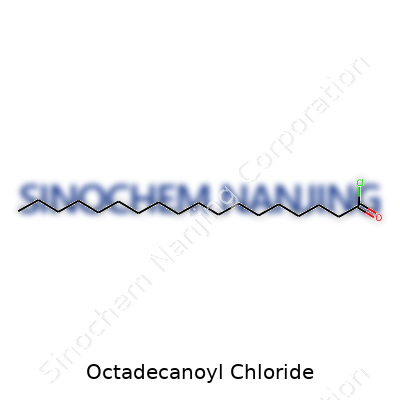
| Names | |
| Preferred IUPAC name | Octadecanoyl chloride |
| Other names |
Stearoyl chloride Octadecanoic acid chloride Stearic acid chloride n-Octadecanoyl chloride |
| Pronunciation | /ɒkˈteɪdəˌkeɪnɔɪl ˈklɔːraɪd/ |
| Identifiers | |
| CAS Number | 112-76-5 |
| Beilstein Reference | 1903414 |
| ChEBI | CHEBI:36457 |
| ChEMBL | CHEMBL1433371 |
| ChemSpider | 21106401 |
| DrugBank | DB03656 |
| ECHA InfoCard | ECHA InfoCard: 100.013.788 |
| EC Number | 204-708-2 |
| Gmelin Reference | 1241032 |
| KEGG | C14656 |
| MeSH | D017338 |
| PubChem CID | 8155 |
| RTECS number | RG3850000 |
| UNII | S2F45GN4G2 |
| UN number | UN3261 |
| Properties | |
| Chemical formula | C18H35ClO |
| Molar mass | 339.00 g/mol |
| Appearance | Colorless to pale yellow liquid |
| Odor | penetrating |
| Density | 0.87 g/mL at 25 °C |
| Solubility in water | Reacts with water |
| log P | log P = 8.2 |
| Vapor pressure | 0.005 mmHg (25°C) |
| Acidity (pKa) | pKa ≈ -7 |
| Basicity (pKb) | Octadecanoyl Chloride has a basicity (pKb) of approximately -7.2 |
| Magnetic susceptibility (χ) | −7.44 × 10⁻⁶ cm³/mol |
| Refractive index (nD) | 1.4400 |
| Viscosity | Viscous liquid |
| Dipole moment | 2.456 D |
| Thermochemistry | |
| Std molar entropy (S⦵298) | 531.9 J·mol⁻¹·K⁻¹ |
| Std enthalpy of formation (ΔfH⦵298) | -436.0 kJ/mol |
| Std enthalpy of combustion (ΔcH⦵298) | -11122.6 kJ/mol |
| Pharmacology | |
| ATC code | No ATC code |
| Hazards | |
| GHS labelling | GHS05, GHS07 |
| Pictograms | GHS06,GHS05 |
| Signal word | Danger |
| Hazard statements | H314: Causes severe skin burns and eye damage. |
| Precautionary statements | P261, P264, P271, P280, P301+P330+P331, P303+P361+P353, P305+P351+P338, P310, P363 |
| NFPA 704 (fire diamond) | 3-1-1-W |
| Flash point | 178 °C |
| Autoignition temperature | 225°C |
| Lethal dose or concentration | LD50 (oral, rat): 2610 mg/kg |
| LD50 (median dose) | LD50 (median dose): 2,210 mg/kg (rat, oral) |
| NIOSH | RD1450000 |
| PEL (Permissible) | PEL: 0.5 mg/m3 |
| REL (Recommended) | 0.98 |
| IDLH (Immediate danger) | Unknown |
| Related compounds | |
| Related compounds |
Stearoyl chloride Stearic acid Octadecanol Stearyl amine Octadecanoyl bromide |



