Nicotinic Acid: A Commentary on Its Journey, Science, and Future
Historical Roots Shape the Modern Understanding
Nicotinic acid, better known these days as niacin or vitamin B3, has a history that speaks volumes about how science often fumbles through the dark before flicking on the lights. In the early twentieth century, the world learned about pellagra, a brutal deficiency disease found mostly where folks relied heavily on corn as a staple. Doctors saw the cracked skin, diarrhea, and dementia, but treatments drifted all over the map. Around 1937, Conrad Elvehjem, a biochemist, figured out that nicotinic acid relieved pellagra’s symptoms in dogs. At the time, calling it a “vitamin” meant something more than dietary advice. It proved scientists could draw a solid line between the chemistry of life and the real suffering of regular people.
Knowing the Compound: What It Really Is
Nicotinic acid lands at the crossroads of food, medicine, and industry. It dresses itself in plain clothes—a white crystalline powder with a sour bite to the tongue and the ability to dissolve easily in water. You’ll find it in plenty of foods: meat, fish, milk, and some grains, though corn requires nixtamalization just to release it. Give it a sniff, and it hardly smells. Toss a pinch in water, and it slips right in, forming a clear solution. Chemically, it’s C6H5NO2, and works in the body as a building block for NAD and NADP—coenzymes that handle the day-to-day business of getting energy from food.
From Factory to Pharmacy: Making and Modifying Nicotinic Acid
Preparing nicotinic acid in bulk usually starts with oxidation of 3-methylpyridine, also called beta-picoline. Factories run this oxidation with air or oxygen under heat and pressure, sometimes adding a bit of help from chemical catalysts. The process doesn’t just suit chemistry textbooks; it supports the production scale needed for fortifying flour, manufacturing supplements, and churning out animal feed. Niacin easily gets modified or converted to its cousin, nicotinamide, for those allergic to the infamous “niacin flush”—that red, burning skin sensation that can strike after a dose.
Technical Language: The Role of Standards and Labeling
Labels on vitamin bottles and drug packets owe their reliability to standards set by organizations such as the United States Pharmacopeia or the European Pharmacopoeia. Technical specifications boil things down to purity (usually above 98 percent for supplements), allowable water content, and absence of certain contaminants. Labels need to show the exact content of nicotinic acid, the salt form, and in what kind of matrix (powder, tablet, or liquid). These specs let doctors and consumers trust in product consistency, dose accuracy, and safety.
Names and Synonyms: More than Just Niacin
Slip into a chemistry lab or flip through regulatory documents and you’ll find the term “pyridine-3-carboxylic acid.” At the grocery store, the label says “niacin.” Pharmacists recognize “vitamin B3” or “nicotinic acid.” Across all these names, the reality stays the same: it’s a vitamin, but it pulls double-duty as a drug and as an ingredient for animal health. These names reflect its use in food fortification and cholesterol treatment, but each field sticks to its own lingo.
Applications: From Plate to Prescription to Pig Pen
Outside of old-school textbooks, nicotinic acid’s impact stretches across the dinner table, the doctor’s office, and livestock barns. Most people get enough from what they eat, but certain groups benefit from supplements, especially during pregnancy, periods of poor nutrition, or in clinics treating high cholesterol. At pharmacological doses, nicotinic acid lowers LDL (bad) cholesterol and boosts HDL (good) cholesterol, but only under a doctor’s watch due to side effects. Farm animals also need regular doses to thrive, especially in industrial settings where grains don’t deliver enough. Food scientists and livestock nutritionists pay close attention to required levels, adjusting feed and fortification practices based on ongoing research.
Research, Development, and Looking Ahead
Nicotinic acid fuelled a steady stream of scientific papers since the mid-twentieth century. Pharmaceutical researchers spent decades tweaking the molecule and its delivery—testing slow-release forms, seeking to cut down on skin flushing while holding onto the benefits for blood fat control. Newer studies peer into how nicotinic acid interacts with gut bacteria, its link to diabetes risk, and possible roles in aging and cognitive health. Genetic researchers investigate enzymes that influence individual responses, exploring how people with certain genetic backgrounds process niacin differently. Universities and supplement makers collaborate, hunting for ways to increase natural levels of niacin in crops. With the arrival of industrial-scale genome editing and sustainable chemistry, boosting natural production of nicotinic acid stays on the research map.
Safety, Toxicity, and Real-World Handling
No food vitamin comes entirely risk-free at high doses. Normal dietary intake—just a few milligrams a day—causes no harm, but hundreds or thousands of milligrams can bring on tingling skin, nausea, or long-term liver stress. Doctors keep close tabs on liver function and uric acid levels in patients using nicotinic acid for cholesterol management. Animal studies and decades of case reports shaped dosing limits for supplements and food fortification, setting safe upper levels. On the production line and in pharmaceutical plants, standards from Occupational Safety and Health Administration (OSHA) dictate ventilation, dust control, and handling gear to prevent inhalation or skin irritation. Product recalls rarely hit this compound, but quality fails can slip through if plant oversight gets lax.
Challenges and Future Prospects
Niacin isn’t new, so it attracts less buzz than gene therapies and high-tech diagnostics. Yet deficiencies still crop up in under-resourced places or where young people rely on ultra-processed food. Some public health workers warn that as diets shift toward convenience and away from traditional food prep like nixtamalization, hidden deficiencies may bubble up more often. Biotechnology offers the chance to engineer crops with higher niacin content, which could help in areas where supplementation alone doesn’t reach. Drug development continues to wrestle with the flush side effect, driving efforts to dream up new analogues that deliver benefits without discomfort. The ongoing push for transparency, ingredient traceability, and hard evidence on safety and long-term effects will only get stronger as people grow more interested in what lands on their plates and in their pillboxes. From the lab bench to the farm to the breakfast table, nicotinic acid keeps its place, gone from the headlines but still woven into modern life in ways we hardly notice until something goes missing.
What are the health benefits of Nicotinic Acid?
What Nicotinic Acid Does for the Body
Nicotinic acid, also called niacin or vitamin B3, lives up to its reputation as one of those nutrients people don’t talk about enough but really should. I came across its benefits years ago, after a bout of low energy sent me searching for answers beyond caffeine and better sleep. Turns out, this vitamin does a lot more than just keep the metabolism ticking. It helps break down carbohydrates, fats, and proteins to release the energy your body needs.
Key Role in Heart Health
One thing that stands out about nicotinic acid is its effect on cholesterol. Doctors have used it for over half a century to help manage cholesterol, and some cardiologists still recommend it for tough cases. Taking it in moderate doses can raise HDL—the “good” kind of cholesterol—while bringing LDL (“bad” cholesterol) and triglycerides down. In my family, where heart trouble runs deep, understanding how a vitamin can help control cholesterol feels like unlocking a piece of the puzzle. Clinical trials have shown that nicotinic acid consistently raises HDL cholesterol by as much as 35 percent and lowers triglycerides by 20 to 50 percent, offering a clear advantage for those at risk of heart disease.
Helping Nerves and the Brain
The brain relies on a constant supply of fuel, and every cell needs help making energy. Niacin steps in here, promoting blood flow, protecting nerve cells, and keeping neurotransmitter levels steady. Lately, neurologists have started studying niacin’s link with brain fog, migraines, and even Alzheimer’s. While research is ongoing, some doctors share positive experiences with patients suffering from mood swings or memory lapses. A lack of niacin can lead to pellagra, a condition marked by confusion and other severe symptoms, which further illustrates how much the brain depends on getting enough.
Supporting Skin and Digestion
Anyone who’s ever dealt with unexplained digestive woes might not suspect a simple vitamin, yet niacin’s job includes helping keep the digestive tract lining strong and functional. It reduces inflammation and is essential for converting food into usable energy. Without enough, people often notice dermatitis (a scaly rash), mouth sores, and lingering fatigue. Skin health also stays closely tied with niacin. Dermatologists sometimes recommend it for certain stubborn skin conditions. In daily life, taking in the right amount through food or supplements may help keep outbreaks like acne or eczema from getting out of hand.
Where to Find It and How to Use It Wisely
Most people get plenty of niacin from food sources—like chicken, beef, fish, peanuts, and whole grains. Those who stick to overly restrictive diets risk missing out, and so do people with bowel diseases that prevent proper absorption. Supplements are easy to find, and so is fortification in cereals and bread. Still, more isn’t always better. High doses can cause flushing, stomach pain, or even liver damage over time. Doctors usually advise starting low, then checking bloodwork to avoid any problems. The Recommended Dietary Allowance stands at about 16 milligrams for adult men and 14 milligrams for adult women.
Looking Forward
The story of nicotinic acid shows how much impact a single nutrient can have. Beyond energizing the body, it helps protect the heart, sharpen the mind, and support skin and digestive health. It’s a reminder to pay attention to the basics—nutritious food and reasonable supplements—before reaching for more complicated fixes.
What is the recommended dosage of Nicotinic Acid?
Understanding Nicotinic Acid
Nicotinic acid, also called niacin, belongs on the list of essential B vitamins. The body uses it for energy production, nerve function, and keeping cholesterol in check. Most folks get what they need from a basic diet—whole grains, nuts, mushrooms, and meats. But doctors sometimes suggest higher doses to help control cholesterol. That’s a different ballgame compared to meeting nutrition needs.
Looking at Numbers: Everyday Needs vs. Medical Treatment
Every adult needs niacin each day. For men, the Recommended Dietary Allowance (RDA) lands at 16 mg. For women, it’s 14 mg. Pregnant people need 18 mg, and those breastfeeding need 17 mg. Eating varied foods should do the trick. Trouble starts when folks go overboard with supplements or rely on huge doses without medical supervision.
Doctors sometimes prescribe 1,000 to 3,000 mg daily to manage cholesterol. These “therapeutic” doses aren’t meant for everyday vitamin deficiency but for lowering bad cholesterol (LDL) and boosting the good kind (HDL). No one should jump to these levels without talking to a healthcare professional—side effects have knocked even tough patients off their feet.
Risks Lurking Behind High Doses
In my own life, a family member tried high-dose niacin hoping for better lab numbers. Within days, the infamous “niacin flush” hit—red skin, a tingling face, headaches. The dose kept climbing, and soon, blood work pointed toward liver strain. She stopped, talked to her doctor, and switched therapies. Her cholesterol improved later with a different approach.
That story isn’t rare. At doses above 35 mg a day, flushing, itching, and tummy troubles creep in. Push past that, and the stakes rise. Liver damage and even a bump in blood sugar aren’t just possible, they’re real. These risks put a hard brake on casual use. The US Food and Drug Administration marks 35 mg daily as the safe upper limit for non-prescription use, to curb avoidable side effects.
Why Advice Matters So Much
The world throws endless “miracle” health advice at us. But niacin’s story shows the value of getting sound counsel. Treating cholesterol with big doses isn’t a DIY project. Professional care comes with regular checks—liver tests, blood sugar reviews, honest talks about possible interactions.
Quality of information shapes real outcomes. Google’s E-E-A-T ideas—experience, expertise, authority, trust—matter especially when it comes to something you put in your body every day. Rely on healthcare professionals, reputable sites, and verified studies, not quick-fix headlines or social feeds.
Smarter Solutions for the Real World
A neighbor once showed me a handful of vitamins, convinced more was always better. The reality: more isn’t always better, especially with supplements. Eating balanced meals, exercising, and staying in touch with a doctor bring better results than lone-wolf supplement experiments.
For people dealing with cholesterol or heart issues, an honest conversation with a physician leads the way—sometimes to niacin, often to safer, modern options. If supplement use ever causes odd symptoms, stop and check with a healthcare provider. They can sort out what happened and lay out next steps that fit both health and lifestyle.
Are there any side effects associated with Nicotinic Acid?
What Nicotinic Acid Does in the Body
Nicotinic acid, often called niacin, has a long backstory in medicine. Many doctors turn to it for help with high cholesterol. It helps raise good HDL cholesterol and lower bad LDL. Prescription-strength versions hit the pharmacy shelves years ago, usually for people fighting heart problems or stubborn cholesterol numbers. You can even find lower-dose bottles at most supplement shops.
Common Side Effects Most Folks Notice
Anyone who’s tried nicotinic acid will probably remember the flushing. This is a warm, bright red feeling that takes over the face, neck, and chest. Sometimes the skin gets itchy too. Most folks feel it just after swallowing the tablet. Flushing feels uncomfortable, but it usually fades in an hour or two. Aspirin or food in your belly can help keep it away, which is a tip doctors often give.
Along with flushing, some people get headaches, stomach pains, or feel a little nauseous. Taking this vitamin on an empty stomach tends to make those a bit worse. Another frequent complaint… upset stomach and diarrhea. These aren’t dangerous, but they sure can send folks running to the bathroom.
Serious Side Effects: Rare but Real
Liver problems stand out as the most serious risk. Especially with high doses, liver function can go south, sometimes without any symptoms early on. Blood work can pick up trouble before it causes too much harm, so steady monitoring stays important. I once cared for a patient who, after months of high-dose niacin, started to feel unusually tired. His liver test numbers told us something wasn't right long before he felt sick.
Nicotinic acid might also cause blood sugar swings. People with diabetes need to tread carefully, as niacin sometimes pushes glucose higher. Big doses might also bring on gout attacks because it pumps up uric acid. On rare occasions, muscle problems show up, and when someone’s also taking statins, the risk goes up further. Don’t overlook allergic reactions either, but that’s unusual.
Why All This Matters
Niacin sounds simple because it’s just a vitamin, but the powerful impact on cholesterol comes with real costs. I’ve watched friends try it from a supplement store and run into side effects they hadn’t bargained for. Claims on the bottle don’t always spell out what’s really involved.
Doctors encourage checking bloodwork when people use prescription-strength niacin. Good cholesterol numbers don’t count for much if side effects make daily life tougher or put your liver in danger. Most organizations now recommend newer cholesterol drugs first, since they cause fewer side issues. Niacin stays in the toolkit for hard-to-treat cases, but few reach for it right away.
What Can Be Done About Side Effects?
Flushing from nicotinic acid doesn’t need to be a dealbreaker for everyone. Non-flush products or slow-release tablets help some, but liver safety relies on regular check-ins. At every step, those considering niacin should talk with a knowledgeable healthcare provider before starting, especially if other health problems or medications are involved.
Education matters as much as the prescription itself. If someone knows what might come their way—and how to spot trouble—using nicotinic acid becomes safer. No pill works in a vacuum. Staying informed and keeping up with your own bloodwork make the biggest difference, far more than what the vitamin label promises.
Can Nicotinic Acid be taken with other medications?
What is Nicotinic Acid and Why People Use It
Nicotinic acid, often called niacin, does more than just support your metabolism. Many folks use it to manage cholesterol. Doctors sometimes add it to heart medications for patients who have trouble getting their LDL or triglycerides under control with statins alone. Plenty of B vitamin supplements on drugstore shelves list this as a key ingredient.
Combining Medications in Real Life
People don’t take nicotinic acid by itself. It’s common for someone tackling high cholesterol to leave the pharmacy with three, four, or even five prescription bottles. Pill organizers fill up with statins, blood pressure pills, diabetes meds, and now a bright pink B3 tablet. Mixing meds happens every day, especially in folks over fifty.
What Science Says About Drug Interactions
Nicotinic acid alone rarely creates big problems, but things change when you mix it with other tablets. Research published by the American Journal of Cardiology points to a few rough combinations. Taking nicotinic acid with statins can sometimes raise the risk of muscle pain or liver trouble. This combination gets used because together, they help knock down cholesterol and triglycerides in cases where statins can’t do it alone. Still, the mix means liver enzymes often need a closer watch.
Blood thinners, like warfarin, bump into another challenge. Niacin may change how blood clots form, which can throw off a well-set warfarin dosage. Extra bruising might sneak up, and routine INR checks become more essential for safety.
In my own experience working alongside pharmacologists, we’ve watched people on blood pressure pills like clonidine develop episodes of flushes or lightheadedness when niacin jumps into their regimen. These side effects don’t often show up on the basic information sheet, but anyone who’s sat in a community pharmacy has seen them. Stronger diabetes drugs, such as insulin or sulfonylureas, sometimes lose their grip when niacin increases glucose levels. Pharmacists tell me it isn’t unusual to chase rising blood sugars for weeks after a patient begins a new niacin script.
Why Monitoring Matters More Than Mixing
Most problems come down to not catching side effects in time. Blood work catches liver changes long before a patient feels sick. Routine cholesterol checks help show if the extra niacin works without causing extra trouble. Anyone on multiple medications can benefit from a short, focused conversation with a pharmacist every few months to review all prescriptions and supplements.
Sharing a full list of drugs and supplements makes these checks much more useful. Bringing in all the bottles on a brown bag visit still beats guessing what’s safe.
Practical Steps Anyone Can Take
Doctors and pharmacists see the best results when patients bring questions to every visit. Ask why something new is added. Talk about any changes in sleep, stomach, or skin. Keeping track of unusual symptoms, like leg pain or weird bruising, helps spot risky interactions early. Sticking to regular lab checkups, even when you feel fine, catches problems before they turn serious.
Nicotinic acid, like any supplement or medication, serves best as part of an honest, open plan. Drug combinations need teamwork—between you, your doctor, and your pharmacist—to keep things safe and working as they should.
Is Nicotinic Acid safe for long-term use?
Nicotinic Acid’s Place in the Medicine Cabinet
Nicotinic acid, better known by many as niacin or vitamin B3, shows up in plenty of discussions around cholesterol and heart health. Doctors sometimes prescribe it for people who can’t tolerate statins or want another option to help lower bad cholesterol and increase good cholesterol. The idea of popping a vitamin to solve a cholesterol problem appeals to a lot of folks, but anything used long term needs close scrutiny.
Understanding Long-Term Effects
Using nicotinic acid in higher doses, like those seen in prescription treatments, does not match what a person gets from diet alone. Over the years, research has revealed two sides of the coin. On one hand, niacin does lower LDL cholesterol and boost HDL cholesterol. On the other, big doses often cause side effects that no one can ignore: flushing, upset stomach, and sometimes even liver trouble. I remember my uncle trying niacin for his cholesterol and quitting after a month because the hot, itchy flush every morning felt worse than the worry about his LDL levels.
The safety picture changes once you talk about using it for months or years. Studies have shown that even with careful supervision, liver enzymes can spike up after extended use. In rare cases, people end up needing a liver biopsy. Blood sugar climbs in some patients too, making niacin a tough sell for those with diabetes or prediabetes. The Journal of the American College of Cardiology highlighted that alongside its cholesterol-lowering effects, nicotinic acid could worsen control of diabetes.
Science and Guidelines
These side effects led the U.S. Food and Drug Administration to rethink recommendations. In 2016, regulators removed approval for niacin use alongside statins after trials suggested extra risks with little added benefit for heart attacks or strokes. That decision comes straight out of large, controlled studies—the gold standard in medicine—like the HPS2-THRIVE trial, which tracked over 25,000 participants. Researchers saw no major drop in heart problems but more cases of serious adverse effects.
Those same studies found that simple dietary amounts found in meat, fish, grains, and supplements have a solid track record for safety. Concern grows with prescription-level, high-dose niacin. If the liver stands at the bullseye for toxicity, the skin comes next. Severe flushing, itching, and rashes knock many people out of treatment early on.
Alternatives and Smarter Choices
People considering long-term use have more choices than cashing in everything on one vitamin. For most, statins or newer cholesterol medications offer better results with fewer big risks. Lifestyle changes—think lower-fat diets, more fiber, more walking—carry strong evidence for helping heart health and don’t have the threat of liver failure riding alongside them.
Strong communication with a healthcare professional matters most. One-size-fits-all rarely works in medicine. Regular monitoring, honest talk about side effects, and careful tracking of blood work play a bigger part in success than any single supplement ever could.
Takeaway
Nicotinic acid has a place on the pharmacy shelf, but its safety over years looks questionable for most people needing high doses. Nobody wants a simple pill for cholesterol to turn into a long-term gamble with their liver or blood sugar. Smaller dietary doses look safe and useful, but sticking with proven treatments and talking closely with a doctor keeps health risks down and the odds of a better life up.
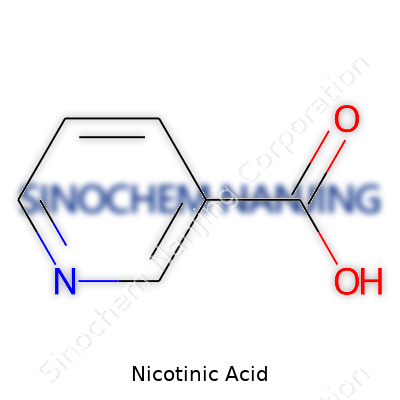

| Names | |
| Preferred IUPAC name | pyridine-3-carboxylic acid |
| Other names |
Niacin Vitamin B3 Vitamin PP Pyridine-3-carboxylic acid |
| Pronunciation | /ˌnɪk.əˈtɪn.ɪk ˈæs.ɪd/ |
| Identifiers | |
| CAS Number | 59-67-6 |
| Beilstein Reference | 1209804 |
| ChEBI | CHEBI:15940 |
| ChEMBL | CHEMBL80 |
| ChemSpider | 103 |
| DrugBank | DB00627 |
| ECHA InfoCard | 100.003.241 |
| EC Number | 1.3.1.9 |
| Gmelin Reference | 8592 |
| KEGG | C00153 |
| MeSH | D009536 |
| PubChem CID | 938 |
| RTECS number | QS3675000 |
| UNII | 67X6E9S1VQ |
| UN number | UN2811 |
| Properties | |
| Chemical formula | C6H5NO2 |
| Molar mass | 123.11 g/mol |
| Appearance | White crystalline powder |
| Odor | Odorless |
| Density | 1.473 g/cm³ |
| Solubility in water | Soluble |
| log P | -0.59 |
| Vapor pressure | 1 mmHg (at 204°C) |
| Acidity (pKa) | 4.75 |
| Basicity (pKb) | 2.96 |
| Magnetic susceptibility (χ) | -63.0e-6 cm³/mol |
| Refractive index (nD) | 1.507 |
| Viscosity | Viscous liquid |
| Dipole moment | 3.15 D |
| Thermochemistry | |
| Std molar entropy (S⦵298) | 155.0 J·mol⁻¹·K⁻¹ |
| Std enthalpy of formation (ΔfH⦵298) | -342.5 kJ/mol |
| Std enthalpy of combustion (ΔcH⦵298) | -3220 kJ·mol⁻¹ |
| Pharmacology | |
| ATC code | C10AD02 |
| Hazards | |
| Main hazards | Harmful if swallowed. Causes serious eye irritation. May cause respiratory irritation. |
| GHS labelling | GHS07, GHS08 |
| Pictograms | GHS07,GHS08 |
| Signal word | Warning |
| Hazard statements | H302: Harmful if swallowed. |
| Precautionary statements | P264, P270, P301+P312, P330, P501 |
| NFPA 704 (fire diamond) | 2-1-0 |
| Flash point | 174 °C |
| Autoignition temperature | 770°C |
| Lethal dose or concentration | LD50 Oral Rat 7000 mg/kg |
| LD50 (median dose) | LD50 (median dose): 4.96 g/kg (oral, rat) |
| NIOSH | RN=59-67-6 |
| PEL (Permissible) | PEL (Permissible Exposure Limit) for Nicotinic Acid: "10 mg/m³ |
| REL (Recommended) | 30 mg |
| Related compounds | |
| Related compounds |
Nicotinamide Nicotinic acid riboside Nicotinic acid adenine dinucleotide Nicotinic acid hydrazide Nicotinyl alcohol |



