Nickel Sulfate: Unpacking the Journey and Real-World Impact
Tracing the Road from Discovery to Modern Demand
Nickel sulfate might not turn heads on a daily basis, yet this green-blue salt tells a story that trails back to the 19th century, sandwiched between industry booms and scientific curiosity. Early chemists got their hands dirty separating and purifying nickel compounds, matching the scale and mess of those early days. They weren’t thinking about lithium batteries or electric vehicles—just about pulling out metals to drive the printing, plating, and pigment industries. Fast forward a century, and nickel sulfate has shifted from metallurgy’s workhorse to a key ingredient tucked away in the tech powering our electric roadways and solar ambitions. This historical shift is more than academic interest—it mirrors society’s wrestle with clean energy and manufacturing impatience.
A Snapshot of Nickel Sulfate’s Place in Industry
Coming in forms like hexahydrate crystals, nickel sulfate stands out with its bold, almost unnatural color, not to mention a reputation for reliability in production. Standard chemical reference books describe it as NiSO4·6H2O for the hydrated version, but calling it straightforward does the complexity a disservice. Its use goes well beyond simple colorant or solution work. In our tech-heavy times, almost everyone holding a smartphone or looking at an electric car owes something to this chalky compound, even if the connection is invisible. It acts as a critical link in producing nickel-based cathodes for lithium-ion batteries, which power up daily life on a global scale.
Getting to Know the Stuff Itself
Nickel sulfate hexahydrate doesn’t try to hide. The striking green crystals form when the solution evaporates, and you can smell a sour, metallic scent up close—reminders that chemistry is messy and real. It dissolves into water with little resistance, making it easy to handle in processing, but this also means it can spread in water streams if things go wrong. The compound is stable under normal storage but reacts fast under heat or with incompatible substances. These properties drive its broad adoption in manufacturing and recycling. Nickel sulfate shows intense color under laboratory lights, responding to gentle heating by losing its water molecules, shifting color, and morphing into anhydrous forms—a staple move in many chemical transformations.
Chasing Higher Standards: Technical Specs and Labelling
Growing demand for pure, well-characterized nickel sulfate means producers measure every decimal of nickel, sulfate content, and impurity. Safety data sheets stack up with warnings, guidelines, and shipping codes—responding to regulations shaped by past spills and worker exposure. Product purity isn’t just a bragging right; it directly influences everything from electroplating surface finish to the lifespan of those high-tech battery cells. Missteps in handling or mistaken labeling can lead to expensive recalls or, worse, safety hazards in the workplace. The pressure for traceability grows year after year, driven by both supply chain transparency expectations and tightening battery industry regulations.
Making Nickel Sulfate—The Work Behind the Chemistry
Factories turn to two main routes for nickel sulfate production. One route processes nickel metal or nickel oxides with concentrated sulfuric acid, leaning into the classic acid-base reaction. Another approach pulls nickel sulfate out of ore or scrap, matching the steady hands of hydrometallurgists with modern environmental controls. Both methods share the same risk: exposure to corrosive acids and heat, blending old-school dangers with the new-day urgency for safe, efficient processing. In the lab, making a small batch is deceptively simple—dissolve, heat, crystallize—but scaling up means wrestling with dust, fumes, and waste management, every step scrutinized by regulators and safety inspectors.
The Messy World of Chemical Reactions
In industry, nickel sulfate takes on a chameleon role. React it with sodium hydroxide, and nickel hydroxide falls out—one of the main precursors for rechargeable batteries. Blend it with other salts in plating baths, and it gifts metal surfaces their corrosion resistance and sheen. The compound transforms when exposed to high temperatures or when reacting with powerful reducing agents, shifting oxidation states and colors. These transformations don't just animate chemistry textbooks—they drive the inventions that many engineers and scientists champion every day. Modifications and tweaks are ongoing, looking for better yields, fewer byproducts, and ways to cut environmental impact.
What’s in a Name? Synonyms and Industry Jargon
Depending on context, folks call nickel sulfate by all sorts of names. Nickel(II) sulfate, Nickel monosulfate, or even the older double salt names, sometimes throw newcomers off track. The chemistry community tends to see these naming conventions as necessary evils: scientific enough to tell you which nickel compound you’re getting, but confusing enough to trip up communication across borders and industries. This isn’t just semantics—wrong names on shipping manifests or inventory lists can cause headaches for logistics teams and legal departments, especially under globalized trade and strict customs checks.
Playing it Safe: Operational and Safety Practices
Nickel sulfate’s track record carries a mixed bag. On one hand, it plays a crucial role in producing everything from coins to batteries. On the other, it comes with serious occupational risks. Prolonged skin exposure leads to allergic reactions and rashes, while inhalation of dust creates long-term health consequences. The push for safety doesn’t end at the factory door. Strict containment, ventilation, and personal protective equipment rules safeguard workers, but with rising use in recycling and battery manufacturing, the number of people potentially exposed keeps climbing. I’ve seen safety culture slip when new hires underestimate the risks, assuming that common compounds are harmless. Strict, routine training and accessible safety data stand as the only way forward.
Where Nickel Sulfate Earns Its Keep
Nickel sulfate landed much of its modern stardom through rechargeable batteries. Now, with the electric vehicle market gaining steam, the compound’s demand has galloped ahead. Beyond batteries, it underpins industries ranging from electroplating and textiles to specialized catalysts. In college, every materials science lab seemed to have a dusty bottle on the shelf, hinting at the compound's role as a teaching staple. Today, global firms hunt for recycling methods to extract nickel sulfate back out of spent batteries, looking to close the loop and slash environmental costs. The diversity in its uses is matched by how easily nickel sulfate can slip through the cracks if not handled with care.
Ongoing Research and New Frontiers
Research into nickel sulfate zeroes in on cleaner production, more robust recycling, and new battery chemistries. Universities and commercial labs slice apart every aspect—from solubility and lattice structure to new salt forms intended to improve battery performance. The growing wave of green-tech investments has sparked collaboration between environmental scientists and electrochemists. A shared goal: cut emissions, recover useful metals from waste streams, and find tweaks in crystal structure that can push batteries past today's energy limits. Progress is slow and expensive, but breakthroughs matter far beyond scientific journals. I’ve seen research teams burn late-night hours seeking tweaks that trim even a fraction of a percent in battery capacity fade, because in markets measured in millions of cars or gigawatt-hours, that small change transforms industries.
Toxicity: Real Risks in Real Life
Nickel sulfate doesn’t sit on the hazard scale quietly. The World Health Organization, OSHA, and similar bodies list it as a potential carcinogen. Airborne dust, chronic exposure, and unsafe disposal all contribute to a shadow of risk that grows as the market expands. Downplaying exposure means endangering worker health, while regulating it too tightly can drive costs through the roof. Waterways contaminated with nickel sulfate report ecosystem stress, with fish and plant species suffering drops in population and diversity. Balancing industry appetite with environmental stewardship draws sharp debate, but ongoing investment in monitoring and containment shows that forward-thinking companies recognize risk isn’t just a line on a spreadsheet.
Looking Down the Road: Where Nickel Sulfate Goes from Here
With battery demand showing no signs of ebbing and more players jumping into the electric vehicle and grid storage races, nickel sulfate’s role seems locked in. Companies chase new extraction and synthesis routes, keen to drop reliance on traditional mining and sketchy supply chains. The mounting push for battery recycling signals both a business opportunity and a regulatory nudge, especially in regions newly acutely aware of resource security. The compound’s reputation will track alongside society’s commitment to sustainable practices—innovators pressing for less hazardous versions, engineers weaving recovery systems into old and new factories, regulators scribbling updates to exposure limits. Nickel sulfate stands as a reminder that industrial progress and safety, economic growth and environmental caution, can’t be separated without consequences playing out somewhere down the line.
What is Nickel Sulfate used for?
Nickel in Our Everyday Lives
Nickel sulfate helps power up a surprising chunk of the world. Most folks rarely stop to think about what happens behind the scenes when they plug in their phones or step onto a city bus. This chemical compound fuels a wave of new technology, especially in electric vehicles and rechargeable batteries. I remember swapping out AA batteries as a kid for my cassette player. Now, lithium-nickel batteries drive whole cars—something that shows how far technology has pushed the need for specialized compounds.
Nickel Sulfate and Electric Mobility
The electric revolution depends heavily on nickel sulfate. Anyone who follows car trends has heard automakers talk about range anxiety and the hunt for better, longer-lasting batteries. Nickel sulfate supplies nickel for cathodes inside those batteries, giving cars the stamina for hundreds of miles per charge. The International Energy Agency reports EV sales topped nine million last year. As those numbers climb, the demand for battery-grade nickel sulfate shoots up right beside it.
Not Just for Cars: Plating and Pigments
On top of batteries, nickel sulfate plays a key role in electroplating. This process gives everything from kitchen faucets to zippers that shiny finish and extra strength against corrosion. Walking through a hardware store, it’s easy to spot hundreds of plated items made more durable and attractive thanks to nickeling solutions, where nickel sulfate shines as the main ingredient.
Manufacturers also use this compound in pigments and dyes. It brings out vivid colors in ceramics or glass, and textile companies rely on it for certain shades of green and blue—ones you could spot on summer patio cushions or cookware in a home goods aisle.
Environmental and Health Considerations
Handling nickel sulfate brings serious health questions. Long exposure or improper disposal can cause harm—from skin irritation to long-term respiratory problems for workers and communities. I’ve read about regions where pollution from battery and plating factories led to water quality issues, affecting whole neighborhoods. That reminds me these industries can’t take shortcuts. Industrial users need strict ventilation systems, well-documented handling protocols, and solid training for anyone working near it.
Disposal and recycling deserve attention too. As battery waste grows, so does the risk of toxic runoff or soil contamination. Several countries push stronger rules for battery recycling, aiming to pull useful nickel back into industrial loops and keep waste out of landfills. It makes practical sense: recycled nickel uses less energy than mining, cuts environmental impact, and lowers prices for manufacturers.
Building a Sustainable Nickel Supply
Looking ahead, nickel sulfate’s role in clean transportation only grows. Industry experts say miners and refiners should pursue cleaner extraction methods, such as water-based mineral processing or new solvents with lower emissions. Battery firms can pay close attention to sourcing—opting for producers with tighter environmental standards.
End users, from automakers to everyday drivers, can push for clear supply chain information. If folks buying EVs realize the story behind each battery—how it’s made, where the raw nickel comes from, whether recycling supports the next generation of gadgets and vehicles—they can put greater pressure on companies to choose better materials and safer processes.
Conclusion
Nickel sulfate stands behind the shine and charge we take for granted, linking complex technology with the daily grind. A closer look reveals a whole network—from miners to engineers to factory workers—keeping everyone moving and plugged in, while global efforts try to keep that progress clean and fair.
What is the chemical formula of Nickel Sulfate?
Nickel Sulfate: A Closer Look
Nickel sulfate isn’t something most folks think about day to day, but it plays a huge part in the world around us. The chemical formula for nickel sulfate is NiSO4. A lot rides on those four elements—nickel, sulfur, and oxygen—especially for people who work with batteries, electronics, or even jewelry.
Why Should We Care About Nickel Sulfate?
The green revolution riding on the back of electric vehicles leans heavily on nickel sulfate. Manufacturers use this compound to produce cathodes in lithium-ion batteries, which power everything from family cars to laptops. More demand for electric vehicles fuels greater need for nickel sulfate, plain and simple.
Beyond batteries, older industries rely on this pink salt, too. Nickel plating uses it for a shiny, corrosion-resistant finish on nuts, bolts, and cutlery. Walk through a hardware store, handle a wrench at home, or check kitchenware, and it’s likely nickel sulfate played a role in making those items last longer.
Health and Safety: Learning from Experience
Personal experience working in a chemistry lab brings a real respect for safety whenever nickel compounds come up. Direct contact or inhalation isn’t just uncomfortable—it carries real risks. Nickel sulfate can cause skin allergies, breathing trouble, and long-term exposure has links to cancer. Handling it with gloves and keeping good ventilation isn’t just good practice—it's essential for anyone’s health.
This isn't just lab talk. Nickel sulfate winds up in soil and water from industrial waste. People who live near factories face more risk from chronic exposure. The World Health Organization ranks nickel compounds, including nickel sulfate, among possible human carcinogens. That’s why stricter industrial controls matter. Monitoring emissions, treating wastewater, and switching to cleaner technologies protect workers and communities alike.
Looking at Environmental Impact
Mining nickel ore uses a lot of energy and leaves behind waste. Places that process and refine nickel often see problems with contaminated water, especially where regulations fall short. Those problems call for big changes. Companies and governments have started looking at ways to reuse and recycle nickel from old electronics and battery packs, kicking off a market for reclaimed metal.
Push for sustainability comes from many corners—consumers want greener products, regulators put new rules in place, workers want better protections. Sweden, for example, has invested in cleaner hydrometallurgical plants and strict emission standards. These changes make nickel sulfate production less harmful while meeting demand for battery materials.
Staying Informed and Moving Forward
Understanding what goes into a battery or a piece of hardware means looking at the full life cycle, all the way from mine to recycling bin. Nickel sulfate, with its plain chemical formula NiSO4, shows how chemistry links to everyday life. Better information, smarter regulations, and responsible sourcing keep workers, communities, and the environment safer as demand for this compound continues to grow.
Is Nickel Sulfate hazardous or toxic?
Understanding the Risks
Nickel sulfate has become part of daily life in more ways than most people realize. It helps power electric car batteries. It finds its way into alloys, coins, and even electronics. With this chemical playing such a big role behind the scenes, questions about safety and health cannot be brushed aside.
What Exposure Looks Like
Even tiny amounts of nickel can trigger skin problems. Years ago, I learned the hard way: after handling coins and certain metal tools, itchy red patches showed up on my hands. Nickel allergy is widespread, and nickel sulfate makes it worse—a quick touch can set off eczema for some. For factory workers in battery manufacturing or electroplating, breathing in nickel sulfate dust adds another layer of risk. Chronic exposure over months or years can cause itching, nasal problems, and even asthma-like symptoms.
Inhaling or swallowing even low doses of nickel sulfate poses health issues. The International Agency for Research on Cancer classifies it as carcinogenic to humans. Soaking up nickel through the skin or breathing in metal dust can raise the chances of developing lung or nasal cancers. My background in environmental health taught me that early symptoms can feel like nothing more than a persistent nosebleed or cough—easy to ignore, but never wise to overlook.
Environmental Spillover
Nickel sulfate does not simply disappear after use. Spills at manufacturing sites can work their way into local water supplies and soil. Plants take up the metal, which then moves up the food chain into fish, livestock, and back to people. Long-term accumulation poisons water life and puts pressure on farming communities struggling to keep crops safe from contamination.
Communities and Worker Safety
Not every workplace gives equal attention to safety protocols. Where companies respect occupational health standards, workers wear gloves, masks, and use well-maintained ventilation. Regular health check-ups and air quality monitoring keep the risks of long-term exposure at bay. I have visited battery factories where strict rules about nickel dust go into effect, and the difference is clear: lower absenteeism, better morale, and far fewer health complaints among staff.
Some places cut corners or lack oversight. Employees end up exposed daily to the chemical, usually with little understanding of what long-term consequences might look like. Strict training, clear warning labels, and stiff penalties for violations can keep risky behavior in check.
Solutions Worth Pursuing
Better education helps the most. Few people outside battery plants know about nickel sulfate’s dangers, but public health campaigns could highlight allergic reactions and cancer risks. Schools and local clinics sharing practical tips—like how to spot a nickel allergy early or how to safely clean up spills—make a big difference.
Stronger environmental regulations raise the bar for companies. Mandating closed-loop recycling for battery production curbs pollution. Farms and communities near nickel plants need real-time monitoring systems alerting them to leaks or spikes in metal levels. Empowering workers to flag unsafe working conditions—without the threat of retaliation—keeps companies honest.
Modern life depends on chemistry, but those gains should never come at the cost of health. A combination of vigilance, education, and clear rules offers the best path forward for anyone facing regular contact with nickel sulfate.
How should Nickel Sulfate be stored?
Respect the Risks in Every Sack
Nickel sulfate grabs attention for a reason—it’s handy in batteries, plating, and a bunch of industrial work. At the same time, this green, crystalline powder is a health hazard. From working through a university lab to chatting with folks in metal shops, no one shrugs off the risk of improper storage. Allergies, toxicity, pollution—those words mean something real for people, and you can bet that stories of accidental spills or burns spread fast in shop talk.
The Role of Good Storage Habits
What do safe practices look like, really? Well, I’ve seen workers keep nickel sulfate far from walkways and food prep spots. A concrete floor, a cool and dry corner—these basic choices become lifesavers. Humidity spikes encourage this powder to clump or even leak, so that’s something folks fight by placing desiccants nearby and checking containers monthly. From my time organizing storerooms, I’ve learned that dusty shelf corners and half-sealed bags cause headaches down the line, especially in older factories.
Ventilation stands out as another must-have. Breathing in nickel dust or fumes messes with your lungs and skin. Everyone I know who works with it prefers rooms with plenty of airflow, pulling fumes away to avoid any cloud of trouble. Fumbling without proper personal protective gear—masks, gloves, goggles—only piles on the risk.
Why Storage Containers Matter
Storing nickel sulfate asks for tough, corrosion-resistant containers—usually HDPE drums or similar plastic bins. Metal boxes, especially if scratched or thin, end up rust-stained and ruined by moisture in the air. I’ve seen more than one business regret using dented containers when leaks put workers or groundwater in harm’s way.
Sealed lids change everything. Without them, stray powder drifts on the shelf. Keeping containers labeled cuts confusion, prevents dangerous mix-ups and keeps regulations off your back during surprise audits. OSHA keeps a clear line here: unmarked drums or improvised packaging set up companies for big fines or worse if inspectors walk through.
Solving the Human Problem—Not Just Paperwork
You can draft rules, order big warning stickers, and run annual safety meetings, but the real change lives in routine behaviors. From what I’ve observed, teams that talk openly about accidents—even near-misses—build a culture stronger than the best-written manual. Rotating audits and buddy checks, where one person double-checks another’s storage set-up, stop trouble before it starts.
In places with storm risk or heavy rainfall, workers store drums on spill pallets away from drains. That one extra step made the difference during a flood at a plating shop I once visited—no chemicals hit the soil. Waste management firms haul away unneeded nickel sulfate, with clear chain-of-custody logs.
Staying Ahead of Trouble
Medical workers stay sharp about nickel allergies and track any changes in skin or breathing among team members. Health surveillance catches symptoms early. Anyone who brushes off small symptoms can blow open a bigger issue for themselves and everyone nearby.
Protecting people and the environment comes down to shared responsibility and simple diligence—not just storage room locks or sealed drums. Trust builds through clear training, honest stories, and respect for every worker’s well-being. Nickel sulfate rewards safe handling, and mistakes never go unnoticed.
What precautions should be taken when handling Nickel Sulfate?
Guarding Health and Safety
Nickel Sulfate pops up in plating shops, labs, and battery factories more than most folks would guess. Skin, eyes, and lungs won’t thank you for careless handling. Many in the trades have learned the hard way that the dust can itch, burn, or raise a rash that refuses to disappear. At some point, news gets around: nickel compounds can lead to allergic contact dermatitis, and sometimes asthma kicks up in folks around too much of the stuff.
Putting on gloves, long sleeves, and a face mask protects skin and lungs. Splash goggles or a face shield block spray. Anyone mixing powders or pouring solutions should keep a hand-washing station close by. Even a short exposure can bother people, and the risks run higher for those with nickel allergies or a chronic cough.
Clean Air Counts
Plating workshops or battery factories sometimes let a haze settle around work benches or tanks, especially if the ventilation runs out-of-date or someone blocks the fans with a stack of boxes. Nickel Sulfate dust and mist travel fast on a cross breeze, so air controls—vent hoods, extractor fans—pull nasty stuff away before it floats across the room. Old-timers will tell you not to sweep up dry spills, since a small broom’s just going to stir dust into your nose.
It pays to use a HEPA filter vacuum and mop wet, so every sweep pushes the nickel into slurry with less risk of breathing it. Always test filters around tanks and re-check fan direction if smells hang in the air. Even seasoned workers find that cold air stratifies dust, so air checks should fit every shift, not just after installation.
Watching for Contamination
Nickel Sulfate settles on door handles, work boots, and even lunchboxes when people move between benches and break rooms without cleaning up. Every nicotine stain or chemical patch on a worker’s hands risks carrying metal away from the bench into places where nobody expects it. Over the years, surface wipes and skin checks highlight new “hot spots.” Any work involving powder transfers or solution mixing belongs near a spill kit—a pail of water, gloves, and chemical binder ready to grab.
Don’t eat or drink around open containers. Take off gloves before grabbing a sandwich or canned drink. Simple steps like changing shirts before heading home mean nickel dust stays out of family cars and kitchens. Trainers love to share that one story about a worker who ignored these habits, only to find out at his doctor’s office that a persistent cough could have been avoided if he’d changed shoes after each shift.
Training and Good Habits
Companies hold annual refreshers and keep posters above the wash sink, but the most important changes come from workers asking questions and watching out for one another. Anyone who feels tingling, rash, or odd cough after a shift needs to step up and say something—early reports save more days off than toughing it out. As experience proves, good habits spread: one coworker grabbing their mask before cleaning encourages the next person to do the same. It starts with respecting the material and never assuming a little exposure won’t add up.
Practical Steps and Ongoing Checks
No magic fix shields every worker perfectly. Progress comes from tracking exposure, using the best available protective gear, and swapping stories between shifts. Eye wash stations work best with weekly checks, and gloves only help if fingers stay inside. Steady diligence means fewer sick notes and less worry heading home, knowing that the shop floor’s taken every reasonable step to keep people healthy.
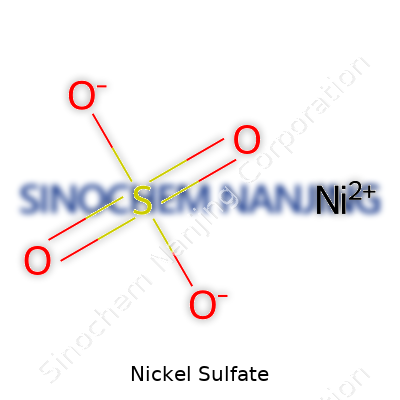
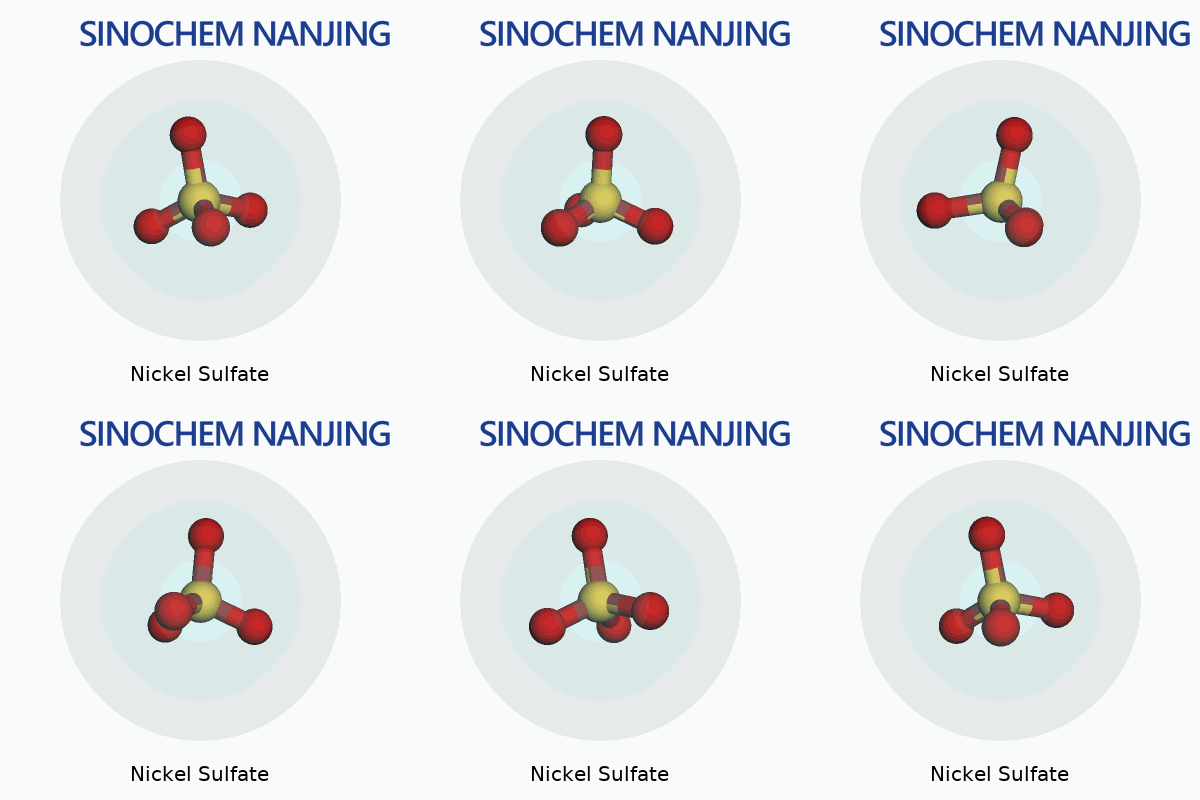
| Names | |
| Preferred IUPAC name | nickel(2+) sulfate |
| Other names |
Nickel(II) sulfate Nickel monosulfate Nickelous sulfate Nickel sulphate |
| Pronunciation | /ˈnɪk.əl ˈsʌl.feɪt/ |
| Identifiers | |
| CAS Number | 7786-81-4 |
| Beilstein Reference | 3852749 |
| ChEBI | CHEBI:32599 |
| ChEMBL | CHEMBL1200692 |
| ChemSpider | 10703 |
| DrugBank | DB14538 |
| ECHA InfoCard | ECHA InfoCard: 100.028.765 |
| EC Number | 232-104-9 |
| Gmelin Reference | 626 |
| KEGG | C14879 |
| MeSH | D009589 |
| PubChem CID | 24586 |
| RTECS number | QR9600000 |
| UNII | WFN0OER3XG |
| UN number | UN3076 |
| Properties | |
| Chemical formula | NiSO4 |
| Molar mass | 262.85 g/mol |
| Appearance | Green or blue-green crystals or crystalline powder |
| Odor | Odorless |
| Density | 2.07 g/cm3 |
| Solubility in water | highly soluble |
| log P | -0.57 |
| Vapor pressure | Negligible |
| Acidity (pKa) | 5.3 |
| Basicity (pKb) | 6.01 |
| Magnetic susceptibility (χ) | +466.0e-6 cm³/mol |
| Refractive index (nD) | 1.505 |
| Dipole moment | 0.00 D |
| Thermochemistry | |
| Std molar entropy (S⦵298) | °82.7 J·mol⁻¹·K⁻¹ |
| Std enthalpy of formation (ΔfH⦵298) | -930.2 kJ/mol |
| Pharmacology | |
| ATC code | V07AS03 |
| Hazards | |
| Main hazards | Harmful if swallowed, causes skin and serious eye irritation, may cause an allergic skin reaction, may cause cancer, suspected of damaging fertility or the unborn child, may cause respiratory irritation, toxic to aquatic life with long lasting effects. |
| GHS labelling | GHS07, GHS08, GHS09 |
| Pictograms | GHS05,GHS06,GHS07,GHS09 |
| Signal word | Danger |
| Hazard statements | H302, H317, H334, H341, H350, H360D, H373, H410 |
| Precautionary statements | P260, P264, P273, P280, P302+P352, P304+P340, P305+P351+P338, P308+P313, P314, P321, P332+P313, P337+P313, P362+P364, P405, P501 |
| NFPA 704 (fire diamond) | 2-0-0 |
| Explosive limits | Not explosive |
| Lethal dose or concentration | LD50 oral rat 264 mg/kg |
| LD50 (median dose) | LD50 (median dose) Oral - rat - 361 mg/kg |
| NIOSH | QR6475000 |
| PEL (Permissible) | 1 mg/m3 |
| REL (Recommended) | 0.1 mg Ni/m³ |
| IDLH (Immediate danger) | 250 mg/m3 |
| Related compounds | |
| Related compounds |
Nickel chloride Nickel nitrate Nickel carbonate Nickel hydroxide Nickel oxide |



