N-Methylpiperidine: Chemistry, Safety, and the Road Ahead
Historical Roots
Scientists have relied on nitrogen heterocycles for decades. Amid them, N-Methylpiperidine stands out in medicinal chemistry and industrial synthesis. Back in the 19th century, the broader piperidine family got noticed after being found in black pepper and then isolated in a lab. As synthetic techniques matured, modifying piperidine’s ring system brought forth a crowd of derivatives, including N-Methylpiperidine.
Product Overview
N-Methylpiperidine looks like a simple chemical. In reality, it plays an outsized role in fine chemical synthesis, pharmaceuticals, and specialized organic reactions. Its six-membered ring, one nitrogen atom, and methyl branch may not sound dramatic—but try running certain alkylation or deprotonation reactions without it and see how far you get. Folks in chemical research keep bottles of this compound close by; a reliable base like it makes difficult transformations possible. In practice, I’ve seen it serve as a backbone for building more complex molecules and working as an efficient acid scavenger.
Physical and Chemical Properties
N-Methylpiperidine’s clear, colorless liquid form and distinctive, fishy odor stand out right away in a lab stockroom. At room temperature, it remains stable—nobody needs fancy fridges for storage, but proper ventilation is non-negotiable because of the strong smell. Its boiling point hovers at a moderate level, usually below 110 degrees Celsius, making it fairly volatile compared to less agile amines. It mixes easily with polar solvents like water and ethanol. In the flask, its basicity is robust—this makes it a regular pick when stronger, more dangerous inorganic bases feel like overkill.
Technical Specifications and Labeling
On the shelf, each bottle usually appears with labels showing its purity—often above 98 percent for lab use. The CAS number typically sits on the main label, alongside hazard statements that warn about its corrosive edge and flammability. Proper labeling isn’t just a regulatory box to check; it’s practical, since N-Methylpiperidine can eat through gloves and leave burns on bare skin. Over the years, I’ve learned that missing or faded hazard warnings are a fast track to accidents, so clear signage really does matter.
Preparation Method
In practice, most chemists synthesize N-Methylpiperidine by reacting piperidine with methylating agents such as methyl iodide or dimethyl sulfate under basic conditions. The process isn’t exotic but it requires care because methylating agents pose real health hazards. Industrial routes seek to minimize waste and streamline solvent use, reducing costs and environmental burden. It’s more than a lab bench issue: tracking the environmental release of byproducts matters if you work anywhere involved in chemical manufacture. I’ve seen regulatory changes drive real improvements in greener synthesis pathways over the last decade.
Chemical Reactions and Modifications
N-Methylpiperidine gets called upon as a non-nucleophilic base in alkylation, acylation, and condensation reactions. Its structure gives it low steric hindrance yet enough nucleophilicity for certain substitution reactions. The methyl group increases its hydrophobic character and imparts a different reactivity compared to parent piperidine. In practice, I’ve found certain Grignard reactions work more efficiently with this compound, giving better yields than with bulkier or more reactive amines. Researchers also turn to it when they need a reagent that won’t outshine or interfere with more sensitive functional groups.
Synonyms and Product Names
Anyone who has run a literature search knows that N-Methylpiperidine pops up as 1-Methylpiperidine across academic articles. Chemical suppliers rarely settle on a single naming convention, so don’t be surprised to see “N-Methylhexahydropyridine” or even “1-Methyl-hexahydropyridine.” These aliases may sound clunky, but they save confusion in international supply chains where naming errors spawn delays or regulatory headaches.
Safety and Operational Standards
Experience in the lab has proven that careless handling of N-Methylpiperidine ends badly. It stings eyes, irritates skin, and its vapors burn the nose and throat. Using proper gloves, splash goggles, and a functioning fume hood isn’t a suggestion. It’s standard practice to limit direct contact, because I’ve seen even small spills cause discomfort. In line with global safety regulations, the compound’s storage keeps it away from heat sources and out of sunlight. Training staff on emergency response and spill procedures always pays off—cutting corners only invites trouble. Each country mandates its own exposure limits, so users need to keep up with both workplace safety advisories and any changes in permissible exposure standards.
Areas of Application
The range of uses for N-Methylpiperidine stretches from pharmaceuticals to industrial catalysts. Medicinal chemists build complex drugs using it because the methylpiperidine motif features in antihistamines, painkillers, and muscle relaxants. Beyond medicine, it steps up in making agrochemicals and polymers, especially as a catalyst or intermediate. In fine chemical manufacturing, its value lies in its reliability—many processes grind to a halt without an alkylating agent with its profile. The compound also shows up in dye production and in research involving heterocycle synthesis. My own experience tells me that exploring the tweaks to its ring system leads to entirely new classes of bioactive molecules, a field that continues to grow as researchers seek new leads in drug development.
Research and Development Frontiers
The last decade brought fresh energy to studying the reactivity of substituted piperidines. With precision synthesis in high demand, N-Methylpiperidine’s role as a base, building block, and nucleophile keeps getting reevaluated. Researchers keep probing ways to decrease its environmental burden—there’s a real push to use renewable feedstocks or develop enzymatic synthesis routes. Teams also look for safety improvements that can cut down toxic waste, prevent accidental exposure, and streamline purification steps. Journals keep reporting its presence in early-stage anti-infective drug screens and in catalyst design for emerging green reactions. Even in my corner of the field, students test new variations for enhanced biological activity or easier downstream processing.
Toxicity Insights
N-Methylpiperidine, like most small organic amines, requires respect and planning for safe use. Inhalation can cause respiratory irritation, dizziness, or headaches. Direct skin contact leads to redness or chemical burns. Chronic exposure data remain less comprehensive but point toward liver and central nervous system effects in animals at high doses. Toxicology studies show it’s not a highly persistent pollutant, but acute spills endanger aquatic life and cause regulatory scrutiny. Adoption of closed-system reactors and thorough air monitoring has lowered worker exposure in many industrial settings. As a best practice, safety data sheets form the first checkpoint, but in real-world use, clear communication among chemistry teams keeps danger at bay. Ongoing toxicity testing will shape future workplace rules and environmental standards.
Looking to the Future
Efforts to make N-Methylpiperidine safer, greener, and more accessible keep accelerating. Better process engineering, renewable inputs, and the development of biodegradable alternatives continue changing commercial and research practices. Scientists make progress in figuring out ways to eliminate hazardous byproducts or replace them with safer alternatives, following regulatory trends and community health concerns. A future where this compound sees broader use hinges on marrying technical performance with lower risk, both in the workplace and for the environment. With sustained investment in synthesis and toxicology, new discoveries remain within reach, especially where the demand for high-performance, tunable heterocycles keeps rising in health, agriculture, and advanced materials research.
What is N-Methylpiperidine used for?
The Short Story Behind N-Methylpiperidine
Many folks outside of chemical and pharmaceutical circles haven’t heard of N-Methylpiperidine, but this compound touches more lives than people realize. Chemists know it well. It crops up in labs, medicine manufacturing, and sometimes even in fields you wouldn’t expect. From making new drugs to helping create better coatings or smart polymers, N-Methylpiperidine is one of those ingredients that keeps moving in the background.
A Closer Look at Its Place in Chemistry
Working in a pharmaceutical lab, I often saw N-Methylpiperidine come out of storage when we worked on creating new molecular structures. It's popular with researchers as a building block—kind of like LEGO for grown-ups—because its nitrogen ring adds flexibility during drug synthesis. Many modern medicines rely on this kind of scaffold to help bind molecules together and tune how the drug behaves in the body. According to chemical supply databases and peer-reviewed literature, it plays a big part in forming antihistamines, antidepressants, and even some cancer drugs.
Its Supporting Role in Industrial Processes
Industries that deal in paints, coatings, and polymers rely on N-Methylpiperidine to make things run smoother. The chemical acts as a catalyst or stabilizer in polymerization reactions—sort of like a traffic cop guiding cars through a busy intersection, making sure that raw ingredients link up at the right spots for the final product to work as planned. Without it, certain specialty plastics and coatings just wouldn’t be possible.
Challenges and Why Oversight Matters
Not every use brings positive consequences. The chemical’s ability to build bigger, more complex molecules makes it attractive outside legitimate industries too. Illicit labs sometimes seek out N-Methylpiperidine as a reagent in making restricted substances, which puts it on government watchlists. Regulatory bodies in the U.S. and Europe keep tabs on its sale and transport, making sure buyers and users are legitimate. Having seen regulatory audits up close, I know controls can slow down research, but those rules protect communities from dangerous misuse.
Health and Safety in Handling
Every time I worked with N-Methylpiperidine in the lab, the smell stood out. It’s powerful and penetrating, which signals how careful you need to be. Direct contact can irritate skin and airways. The National Institute for Occupational Safety and Health (NIOSH) names it as a substance that needs gloves, eye protection, and good ventilation. That’s not just red tape—one careless accident can send someone to the hospital. Proper training and protective equipment go a long way.
Supporting Safer and Smarter Uses
Chemical companies and research organizations often partner to improve traceability for compounds like N-Methylpiperidine. Some use barcoding and digital inventories to reduce risk of theft or misuse. Sharing best practices across labs helps keep people safe and fosters careful stewardship of powerful materials. As science marches forward, responsibility follows close behind.
Moving Forward
N-Methylpiperidine won’t ever get as much attention as headline-grabbing breakthroughs. Yet it remains a reliable workhorse in chemical research and manufacturing. By staying aware of its uses and challenges, chemists, regulators, and communities protect both scientific progress and public safety. Its story matches the quiet but essential work happening in labs everywhere.
What are the safety precautions when handling N-Methylpiperidine?
Clear Hazards, Real Consequences
N-Methylpiperidine isn’t something you want to treat lightly. This chemical has a strong ammonia-like smell and evaporates fast, which means vapors spread quickly if you spill it or work in a stuffy room. Anyone who's accidentally uncapped a bottle in a closed lab knows the throat and eyes start burning almost at once. It’s a real irritant. Exposing yourself even briefly can bring on headaches, coughing, watering eyes, and a scratchy throat that lingers long after you leave work. Watching colleagues scramble for fresh air after a careless pour stays with you. No surprise, the Material Safety Data Sheet highlights good ventilation as essential, not optional.
Ventilation Isn’t a Bonus
Fume hoods always help, and from experience, one with solid airflow pulls the worst of the vapor away. Sometimes people forget to check those little air velocity indicators, thinking they’re ornamental, until the sting in their nose tells them otherwise. Gloves and lab coats have saved plenty of hands and arms from rough chemical burns, but nitrile gloves matter the most here. Latex breaks down and gets sticky fast—nitrile holds up far better. Splash goggles stay on for a reason. Just rinsing your face after a near-miss doesn't cut it if some of this gets close to your eyes.
Storage Doesn’t Forgive Sloppiness
N-Methylpiperidine can eat through soft plastics and even chews at certain paint finishes. It prefers cool, dry spots away from direct sunlight and far from acids or oxidizers. A tight cap on a glass bottle—nothing fancy—keeps the odor down. No one wants to walk into a storage room that stings the nose before you see the bottle. Once you smell it, it’s probably been stored too long or not well enough. Keeping emergency spill kits nearby, with sand and absorbent pads, makes a big difference. There’s a learning curve if you’re stuck cleaning a spill with paper towels—those just spread things around, and next thing you know, the tables are sticky and unsafe.
Don’t Forget Training and Labels
In every decent lab, hazmat training hits hard on the dangers of organic bases like this one. Labels do more than check a compliance box. They give everyone a fighting chance to know what they're holding. People get cocky after a few months of working with the same chemicals, but the stories about emergency room visits for splash injuries or bad inhalation spells don't come out of nowhere. Good safety grows from regular team conversations, clear signage, and not skipping the safety data sheets just because you’ve ‘used it before.’
Best Practices, Not Optional Extras
Sometimes the best investment isn’t the fancy glassware but a solid supply of gloves, fresh goggles, and regular safety drills. Anyone thinking about skipping steps only has to witness the aftermath of a small accident to understand the reality. Chemical burns from bases heal with scars, and lungs don’t always bounce back from repeated irritation. Real care with N-Methylpiperidine starts with respect for the risks, not shortcuts or bravado.
Focus on Health Beyond the Lab
It only takes one day of hacking coughs and watery eyes at home to realize those split-second decisions in storage and handling reach far beyond the lab. Treating each bottle like it matters keeps the work space safer and the people in it a lot healthier. The science gets better, and everyone keeps their vision clear—literally and figuratively—when careful habits shape every interaction with chemicals like this one.
What is the chemical formula and structure of N-Methylpiperidine?
Understanding N-Methylpiperidine
N-Methylpiperidine stands out in organic chemistry, especially for anyone diving into pharmaceutical or fine chemical work. The chemical formula is C6H13N. Think of it as piperidine—a six-membered ring made up of five carbon atoms and one nitrogen—but with a methyl group (CH3) tacked onto the nitrogen. This small tweak makes a big difference in how it behaves and what roles it plays.
Painting the Structural Picture
N-Methylpiperidine’s structure starts with the piperidine ring: a basic, slightly puffy hexagon. Swap out one of the hydrogen atoms attached to the nitrogen for that methyl group, and you end up with a bicyclic look, even though there’s only one real ring. This arrangement creates a seven-atom system, counting the extra carbon. The nitrogen's lone pair sticks out into space, often leading to strong, sometimes sharp, amine odors that I’ll never forget from old lab days.
Why Structure Matters
The ring structure brings stability, but adding the methyl group changes things. In my experience, even minor alterations like this alter boiling points, solubility, and—crucially—how the molecule reacts as a base. A methyl group attached to the nitrogen boosts the molecule's ability to accept protons. In practice, this means N-Methylpiperidine serves as a handy base and catalyst in organic reactions, which makes life easier for chemists making new molecules. Chemical suppliers keep it in stock because research labs regularly call for it while building bigger, more complex compounds. Its availability speeds up real-world innovation in drug discovery and the development of new materials.
Safety and Practicality
Having worked with both piperidine and N-Methylpiperidine, the latter’s increased volatility and odor catch your attention. Handling it in a fume hood remains the only responsible choice, as exposure can irritate eyes, skin, and lungs. Workplace training and solid safety data sheets go a long way, but gloves and good ventilation matter most. It’s worth pointing out that some regulatory bodies keep a close eye on piperidine derivatives, largely for good reason. Their core structure shows up in both legitimate and illegal chemical recipes, so oversight brings accountability.
Growth and Innovation: Chemical Building Blocks
Chemists look to N-Methylpiperidine not just as a laboratory curiosity but as a building block. I’ve seen it pop up in projects exploring everything from antihistamine synthesis to advanced material design. Its clear formula and predictable structure help teams map out next-generation drugs. Patent filings often mention N-Methylpiperidine as a cornerstone molecule for products fighting pain or infection.
Room for Improvement and Responsible Use
Accessibility also presents potential problems. Streamlining supply and implementing tighter inventory controls in both academic and industrial settings can prevent misuse. Open access to chemical databases and clear labeling by suppliers leads to safer, smarter research. The chemical’s straightforward structure makes it easy to modify or track, so modern tracking solutions provide an extra layer of oversight for those concerned with safety and compliance.
Future Focus
Across industries, responsible use and accurate knowledge of compounds like N-Methylpiperidine support better health outcomes and stronger compliance. For anyone working with it, respect for both the potential and the risks builds trust in science and ensures progress continues in the right direction.
What is the boiling point and melting point of N-Methylpiperidine?
Understanding Its Physical Properties
N-Methylpiperidine, familiar to many chemists and chemical engineers, brings specific physical properties that shape how folks use it in the lab and industry. Its boiling point sits at around 106°C, a figure that draws attention for more than one reason. The melting point drops below the freezing mark, close to -60°C. These numbers might seem dry, but they steer safety and utility in real-world settings.
Why These Points Matter
Lower melting points typically signal a liquid state at room temperature. Such a trait comes with benefits for transport and handling, especially in places where cold storage isn’t available. For N-Methylpiperidine, the low melting point marks it as a true liquid for nearly any daily use. People don’t need to warm it up or worry about it freezing during average lab work. That’s a plus in a field where time and safety matter.
The boiling point at just above a hundred degrees Celsius matters in a different way. This trait sits squarely in a range where ordinary heating equipment can vaporize the compound. Distillation or purification steps take little effort compared to compounds that need much higher temperatures. The relative ease of moving N-Methylpiperidine between its liquid and vapor phases simplifies recovery and reuse. In solvent recycling schemes, this saves money and energy, a practical win for laboratories focused on efficiency and sustainability.
Health and Safety Considerations
The boiling point shapes how vapor escapes from a container, particularly in warm conditions. N-Methylpiperidine’s tendency to evaporate quickly can lead to inhalation risks in poorly ventilated spaces. Personal experience in a teaching lab taught me fast how quickly a liquid sample can turn to vapor, filling the air with a pungent smell that stubbornly clings. This highlights the need for solid fume hoods or workplace controls. Studies from chemical safety boards confirm vapor exposure can irritate mucous membranes and cause headaches, so proper storage and handling rules must follow the science behind these seemingly simple numbers.
Industry and Research Applications
Chemists often use N-Methylpiperidine as a base in organic synthesis. Its liquid state at room temperature and modest boiling point enable precise dosing and rapid mixing with other solvents. These features speed up routine synthesis and clean-up in medicinal chemistry labs. Anyone who has tried to use a solid base that clogs glassware appreciates the value of a stable liquid like this.
Beyond academic labs, industries turning out pharmaceuticals and specialty chemicals depend on reliable reagents to keep their manufacturing consistent. Problems from fluctuating melting or boiling points can spell costly shutdowns or quality control headaches. Published studies from industrial journals show strict checks on raw material specifications, including N-Methylpiperidine, to sidestep such pitfalls.
Potential Solutions and Improvements
Handling risks tied to its low boiling point spark calls for better training and tighter storage protocols. Spill kits, compatible containers, and safe waste management habits factor into many companies’ standard operating procedures. Technology can go further with real-time air quality monitors, which alert staff to unexpected vapor releases long before smells or symptoms become obvious.
As demand rises for safer, greener chemistry, people look for substitutes that match N-Methylpiperidine’s performance while bringing down toxicity or volatility. Some new derivatives are under review, but few compete on both the physical and practical fronts. The science behind these melting and boiling points pushes researchers to find creative solutions without rewiring whole workflows.
Reliable Knowledge for Anyone Working with Chemicals
Knowing the melting and boiling points of N-Methylpiperidine doesn’t just serve trivia buffs. It guides laboratory safety, shapes industrial strategy, and inspires new research. Everyday experience tells me the true mark of expertise sits in connecting basic data to hands-on decisions and safer workspaces. People stay safe, research moves forward, and manufacturing runs smoother when basic science backs up every step in the process.
How should N-Methylpiperidine be stored and disposed of?
N-Methylpiperidine: Handling Matters
N-Methylpiperidine pops up across various chemical syntheses and, like many chemicals, it brings certain handling headaches. A transparent look at storage and disposal helps keep people safe, property intact, and the environment protected. In labs where I have handled volatile organics, a deep respect for proper storage started early. Those who have ever experienced a corroded shelf or an accidental fume exposure know it’s more than just following rules—it’s about keeping colleagues healthy, preventing fires, and avoiding expensive clean-ups.
Safe Storage: No Room for Shortcuts
This compound is highly flammable. Even a small spark in the wrong place can trigger chaos. Every time I reach for a volatile solvent in a crowded cabinet, those stories of workplace accidents come to mind. Store N-Methylpiperidine in a purposely designed, airtight container; plastics often degrade so I stick with glass or metal, capped securely. A slow leak due to a cracked lid or unsuitable material just builds up risky vapors.
Use a flammables cabinet with ventilation if possible, away from direct sunlight and heat sources. High temperatures turn that risk dial up. I’ve seen ordinary storage rooms double as disaster zones after someone decided to stash solvents somewhere “just for now.” Keep oxidizers, acids, and other reactive chemicals out of the zone—it only takes a splash to create intense fumes or, worst-case, a flash fire.
Label every vessel clearly. I once spent an afternoon chasing down a mislabeled solvent. That confusion can escalate if exposure occurs and medical responders scramble to figure out what’s in play. MSDS (Material Safety Data Sheets) belong nearby so anybody—not just supervisors—can reach critical safety info in seconds.
Disposal: Responsibility Doesn’t End at the Door
Flushing this chemical down the drain or tossing it in a regular trash bin means environmental damage and possible fines. In one university where I trained, improper disposal caused groundwater contamination, affecting local farms. No one wants to be the reason for a mass fish die-off or persistent drinking water warnings.
Collect all waste N-Methylpiperidine in clearly labeled, chemical-resistant containers. Double-check those lids; even minor leaks mess with air quality and trigger major headaches for janitorial or waste staff. Rely on licensed hazardous waste contractors. It’s tempting to make shortcuts if budgets run thin, but community safety demands thoroughness here.
Never mix with other chemicals unless a specialist approves it. Unintentional reactions in the waste container can produce toxic vapors or even explosions. In every facility I’ve worked, staff training on incompatible waste saves lives, since one forgotten lesson can end up as headline news.
Looking Forward
People handling N-Methylpiperidine need clear protocols, accessible safety gear, and regular waste pickups. I’ve seen what happens when these basics fall through the cracks—minor exposures, ruined equipment, and at least one fire that nearly emptied a whole building.
Emergency procedures must stay simple and visible. Keep spill kits ready, eyewash stations functional, and check fire extinguishers monthly. Handling chemicals like this shouldn’t feel like walking a tightrope, but careless lapses turn a routine day into a crisis. On a wider level, pushing for safer alternatives and smarter procedures always proves cheaper and safer compared to dealing with a mess after the fact.
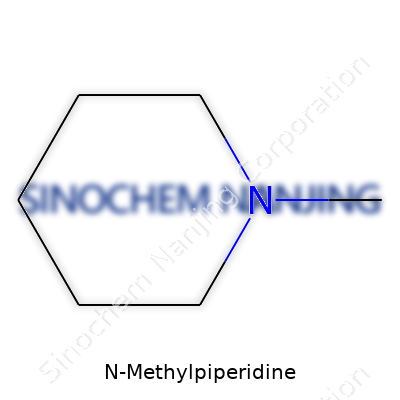
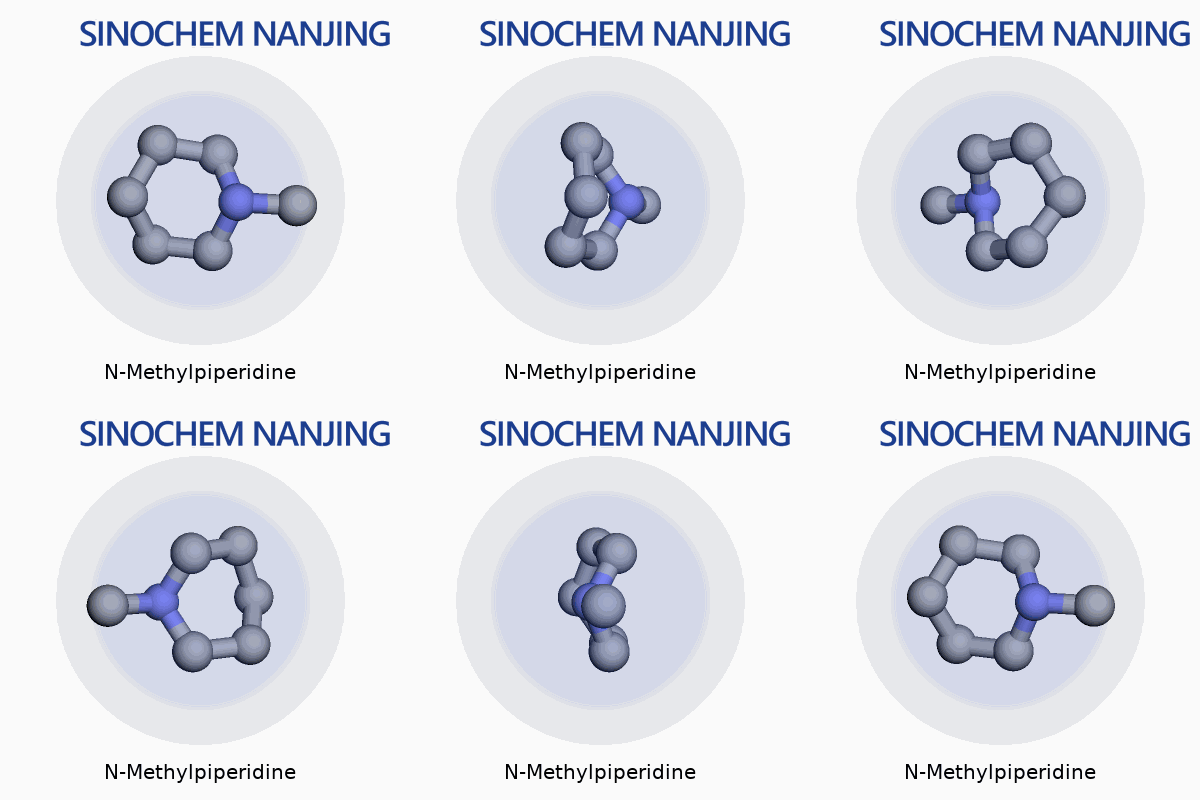
| Names | |
| Preferred IUPAC name | 1-Methylpiperidine |
| Other names |
1-Methylpiperidine N-Methyl-piperidine Piperidine, N-methyl- |
| Pronunciation | /ɛn-ˈmɛθɪl-paɪˈpɛrɪˌdiːn/ |
| Identifiers | |
| CAS Number | 626-67-5 |
| Beilstein Reference | 60373 |
| ChEBI | CHEBI:35746 |
| ChEMBL | CHEMBL15371 |
| ChemSpider | 12266 |
| DrugBank | DB08797 |
| ECHA InfoCard | 07e6068e-bf51-4525-8da5-1364046c697f |
| EC Number | 203-121-0 |
| Gmelin Reference | 7370 |
| KEGG | C06321 |
| MeSH | D009639 |
| PubChem CID | 7906 |
| RTECS number | TL9275000 |
| UNII | V6386K6L3P |
| UN number | UN2389 |
| Properties | |
| Chemical formula | C6H13N |
| Molar mass | 101.19 g/mol |
| Appearance | Colorless liquid |
| Odor | amine-like |
| Density | 0.861 g/mL at 25 °C |
| Solubility in water | Miscible |
| log P | 0.64 |
| Vapor pressure | 3.5 kPa (20 °C) |
| Acidity (pKa) | 11.2 |
| Basicity (pKb) | 2.84 |
| Magnetic susceptibility (χ) | Magnetic susceptibility (χ) of N-Methylpiperidine: -68.5 × 10⁻⁶ cm³/mol |
| Refractive index (nD) | 1.409 |
| Viscosity | 0.763 mPa·s (20 °C) |
| Dipole moment | 1.59 D |
| Thermochemistry | |
| Std molar entropy (S⦵298) | 242.55 J·mol⁻¹·K⁻¹ |
| Std enthalpy of formation (ΔfH⦵298) | -12.3 kJ/mol |
| Std enthalpy of combustion (ΔcH⦵298) | -3829 kJ/mol |
| Pharmacology | |
| ATC code | N04BC07 |
| Hazards | |
| GHS labelling | GHS02, GHS05, GHS07 |
| Pictograms | GHS02,GHS07 |
| Signal word | Danger |
| Hazard statements | H226, H302, H314 |
| Precautionary statements | P210, P233, P260, P264, P271, P280, P301+P312, P303+P361+P353, P304+P340, P305+P351+P338, P312, P330, P337+P313, P405, P403+P235, P501 |
| NFPA 704 (fire diamond) | 2-3-0 |
| Flash point | 11 °C (closed cup) |
| Autoignition temperature | 215 °C |
| Explosive limits | 1.3-8.4% |
| Lethal dose or concentration | LD50 (oral, rat): 290 mg/kg |
| LD50 (median dose) | LD50 (median dose): Oral rat LD50 = 394 mg/kg |
| NIOSH | RN0188000 |
| PEL (Permissible) | PEL: Not established |
| REL (Recommended) | 10 ppm |
| IDLH (Immediate danger) | 100 ppm |
| Related compounds | |
| Related compounds |
N-Methylpyrrolidine Piperidine N-Methylmorpholine |



