N-Methyl-N-Butylamine: Balancing Chemistry, Industry, and Public Safety
Historical Development
N-Methyl-N-Butylamine didn’t make headlines during the golden age of organic chemistry, but over time, it carved out a role in specialty chemicals, pharmaceuticals, and organic synthesis. Decades ago, chemists relied mostly on simple amines derived from ammonia or basic alkyl halides, exploring different alkyl chains and functional groups in search of custom-tailored compounds. N-Methyl-N-Butylamine grew out of that experimental spirit. It drew attention as the value of secondary amines with unique side chain combinations started to become clear. As laboratories shifted from mere curiosity toward targeted industrial processes, this compound joined the ranks of substances delivering flexible chemistry for manufacturers and researchers. The push toward better solubility, milder reactivity, and more predictable outcomes in organic synthesis opened doors that N-Methyl-N-Butylamine was able to walk through by virtue of its stability and accessibility.
Product Overview
I’ve encountered N-Methyl-N-Butylamine most often described as a clear, colorless liquid with a characteristic amine odor. It tends to find itself in the midst of industrial workbenches, often acting as a building block or an intermediate. Over time, as chemical manufacturing scaled up, companies started prioritizing compounds that balance versatility with manageable toxicity. This amine ticked enough boxes—cheap to make, easy to store, and useful as a reagent or solvent. Rather than remaining a textbook example or a niche lab tool, it started filling roles in fine chemicals, crop protection products, and coatings. Its performance, both as a raw material and as a part of synthesis schemes, speaks for itself in the number of patents and publications referencing its inclusion as a key step or modulator.
Physical & Chemical Properties
In practice, N-Methyl-N-Butylamine holds up as a low-boiling, water-soluble liquid. Its molecular makeup puts one methyl group and one butyl group on a nitrogen atom—a structure that avoids extremes of volatility or density. Standard handling environments (room temperature, atmospheric pressure) rarely challenge its stability, but its flammability remains a concern. Its basicity places it in a familiar spectrum with other aliphatic amines, though its odor and reactivity serve as a constant reminder of its organic heritage. Measuring physical attributes like density, boiling point, and vapor pressure gives a snapshot that helps chemists and safety staff predict everything from storage conditions to potential reaction outcomes. My experience with such compounds underscores the importance of respecting not only theoretical hazard ratings but also real-world risk—those vapors aren’t just numbers on a safety sheet.
Technical Specifications & Labeling
From every batch produced to each shipping container, N-Methyl-N-Butylamine demands fair labeling and tight adherence to regulatory rules. Chemical suppliers usually tag drums with hazard codes, concentration details, and batch data to meet laws governing handling and transport. Standard technical sheets spell out purity levels (typically above 98 percent for labs), with clear notes on moisture content, color threshold, and identities of trace impurities. Such details aren’t for the benefit of legal checkboxes alone—they have real impact in downstream processing, research reliability, and public safety. In one setting, a tiny contaminant can ruin a pharmaceutical intermediate; in another, mislabeling could start a fire or lead to accidental exposure. Direct experience in labs has driven home that good documentation and labeling aren’t extras—they’re cornerstones of reliable industrial chemistry.
Preparation Method
Simple amines like N-Methyl-N-Butylamine often trace their roots to age-old alkylation reactions. Most commonly, manufacturers prepare it by reacting N-methylamine with n-butyl halides or alcohols under conditions that encourage substitution on the nitrogen atom. Depending on the scale, this might mean using pressure vessels, phase transfer catalysts, or simply mixing and heating two liquids. Yields, purification, and waste management throw up challenges not always captured in textbooks. You start with cheap feedstocks, but by the last stage, solvent recovery, product extraction, and impurity removal require serious skill. I’ve watched seasoned synthetic chemists spend just as much effort on creative separation as on perfecting their main reaction, because real-world chemistry brings byproducts and residues even under ideal conditions.
Chemical Reactions & Modifications
Reacting or modifying N-Methyl-N-Butylamine quickly shows why it finds supporters among both academic and industrial groups. It takes on acyl groups for amidation reactions, teams up with alkyl halides in further substitution, and undergoes basic condensation when the right carbonyl partners appear. In my own lab work, switching between similar amines yielded striking differences in reaction speed and product selectivity. N-Methyl-N-Butylamine’s profile of nucleophilicity and basicity means it participates in synthesis both as a direct actor and as a useful moderator, much like triethylamine or diisopropylethylamine in some settings. At times, it’s less about starring as the main reactant and more about “adjusting” a reaction environment, scavenging acids, or stabilizing intermediates. The take-home for chemists: versatility matters as much as brute reactivity.
Synonyms & Product Names
Depending on the context, N-Methyl-N-Butylamine answers to several synonyms. Trade literature, chemical catalogs, and regulatory systems all have their favored designations. In lab books, it might appear as N-butylmethylamine or butyl(methyl)amine. Regulatory records often list CAS numbers to cut through confusion, but that doesn’t help much in casual lab conversations. Names rarely matter—until you order the wrong compound, misread a formula, or have to clarify a hazardous shipment. My own run-ins with chemical ordering mishaps have left me cautious, always cross-referencing product names against structural diagrams and regulatory identifiers before finalizing any purchase.
Safety & Operational Standards
N-Methyl-N-Butylamine walks a tightrope between industrial convenience and safety risk. It irritates skin, eyes, and mucous membranes. Its vapors can spark headaches—or worse—without proper fume extraction. Like its many relatives, it feeds flammable atmospheres, making spark control and storage segregation nonnegotiable. Occupational guidelines call for gloves, goggles, and careful ventilation, not as scare tactics but as standard practice. I recall one incident involving a minor spill, where prompt cleanup and personal protective equipment stopped an annoying odor from becoming a health incident. Small lapses—no gloves, a cracked bottle cap, a poorly labeled drum—can escalate rapidly, so it pays to instill a culture of caution from top to bottom. Regulatory standards and workplace practice align most closely when everyone understands the stakes.
Application Area
Beyond the technical, applications of N-Methyl-N-Butylamine stretch across chemical synthesis labs, coatings and adhesives factories, and certain pharmaceutical routes. It anchors itself in production chains—becoming a stepping stone to harder-to-make amines, functioning as a solvent, or acting as a modulator in pesticide synthesis. I’ve watched it play both lead and supporting roles in the construction of agrochemical intermediates, and sometimes it acts as a stabilizer or neutralization agent in resin formulations. Its alkyl groups give it a balance of hydrophobic and hydrophilic properties, making it valuable where phase behavior must be tuned with care. Use cases spread wherever chemists reach for secondary amines with clear reactivity and manageable toxicity. For anyone developing next-generation coatings, or streamlining synthetic methodology, this compound continues to show up in reaction schemes and patent literature.
Research & Development
Research focus drives new efforts to harness or modify the utility of N-Methyl-N-Butylamine. With interest in “green” chemistry, process intensification, and synthesis efficiency, both academic and industrial chemists look for better reaction conditions, safer catalysts, and less wasteful routes beginning with this compound. Studies dig into its reactivity profile, solvent applications, and modification potential—sometimes tweaking its structure for new drugs or functional materials. The research mindset pairs old chemistry with fresh goals, looking for more precise results and leaner production chains. The reality of chemical progress involves re-examining even “mature” compounds to extract every ounce of performance, reduce energy use, and prevent dangerous byproducts.
Toxicity Research
Toxicological data on N-Methyl-N-Butylamine highlight the same mix of risks and tolerability seen with many low-molecular-weight amines. Acute exposure brings immediate irritation, while longer-term data draw focus to chronic effects or environmental persistence. Regulatory agencies and toxicologists spend huge energy mapping out exposure risk, occupational limits, and biological pathways of amines that are structurally similar. In my years interacting with safety professionals, the lesson has become clear—do not get complacent with so-called “routine” chemicals. Even secondary amines with moderate hazard profiles can present major issues if misused or left uncontrolled in waste streams. Worker training, exposure monitoring, and emergency planning form the backbone of a responsible program balancing productivity with health safeguards.
Future Prospects
Chemicals like N-Methyl-N-Butylamine don’t always grab attention in a world focused on the next miracle compound or zero-carbon process. Yet, reliable, well-understood intermediates help bridge the gap between current industry needs and tomorrow’s technologies. Trends favoring closed-loop synthesis, cleaner production lines, and more sustainable materials shine a spotlight on feedstocks and reagents that deliver performance without creating outsized risk. Innovations in catalysis, biotransformation, and digital process monitoring all have the potential to squeeze further value out of simple amine chemistry. Pushing for better safety, sharper selectivity, and greener handling starts from a place of hard-earned experience with “workhorse” molecules. For N-Methyl-N-Butylamine, that means more than just sticking around; it opens the door for smarter, safer, and more integrated roles in the chemical future.
What is N-Methyl-N-Butylamine used for?
Digging Into What N-Methyl-N-Butylamine Means for Industry
N-Methyl-N-Butylamine, known in industrial circles for its use as an intermediate, plays a unique role in the world of specialty chemicals. Most people don’t walk into a grocery store thinking about where their cleaning sprays get their punch, or how herbicides on crops break down after a rainy season. Yet, the backbone of many everyday solutions starts with compounds like this one. My journey through industrial labs and the agricultural sector exposed me to how closely tied these chemicals are to our daily routines, even when they stay invisible behind the scenes.
Breaking Down Its Applications
Manufacturers look to N-Methyl-N-Butylamine for its strong basicity and chemical reactivity. In agriculture, it finds its way into the development of plant protection products, including herbicides and certain pesticides. By helping to fine-tune the chemical structure of these agents, this amine supports control over weeds that might otherwise strangle crops, improve yields, and keep food prices from jumping up for everyone. You feel the difference at the checkout counter and on your dinner table, even if you never see the stuff.
Then, take a step into the world of fine chemicals. Pharmaceutical companies work with this compound during synthesis. Its ability to shift reactions in the right direction means new medicines can be made with better precision. While the compound itself rarely ends up in pills or creams, its fingerprint can show up in the necessary steps along the production line. The end user might never see the chemistry at play, but patients looking for results often depend on these behind-the-curtain processes.
Nuanced Role in Cleaning and Surfactants
Most households stock some kind of cleaning agent, whether under the bathroom sink or in the garage. N-Methyl-N-Butylamine serves in the manufacture of surfactants, where its properties help break down oils and dirt. Surfactants lower the tension between substances that don’t mix easily, like grease and water. By playing a supporting role in these products, the compound adds value for manufacturers aiming for powerful, cost-effective cleansers. Clean clothes, clearer kitchen counters, and less elbow grease owe a debt to these molecular interactions.
What Should Be Watched
Sensible safety practices always matter with chemicals this reactive. Safety data points to a need for proper storage and handling—protective gloves, good ventilation, and attention to spills aren’t optional. My hands-on experience taught me that habits in the lab or plant often shape the difference between a minor hiccup and headline news. While regulators such as the Environmental Protection Agency and REACH in Europe keep tabs on how products are used and made, people on the ground set the everyday standards. Community training, strong company policies, and transparent reporting foster responsible chemical stewardship.
Looking for Solutions and Sustainable Alternatives
Some folks ask whether these compounds can be swapped for greener options. The conversation has started. Several research groups hunt for renewable amine sources or more biodegradable alternatives, especially when end-use spills or runoff could threaten waterways. Large companies have a chance to lead by investing in safer synthesis and new blends that do the job with a lower footprint. The move toward sustainability keeps pressure on manufacturers and promises better outcomes for both industry workers and those who live downstream from production facilities.
What is the chemical formula of N-Methyl-N-Butylamine?
Understanding the Structure
N-Methyl-N-Butylamine might sound like something reserved for a chemist, but break it down and you find a straightforward structure. The name gives away its blueprint — a methyl group and a butyl group both anchored to a nitrogen atom. Chemically, that translates to the formula C5H13N. The pieces come together simply: the butyl chain stretches out with its four carbons, the methyl brings one more, and nitrogen ties them together.
Why the Molecular Formula Matters
It’s easy to treat chemical formulas as trivia until you find yourself needing those details for real-world tasks. I’ve spent time in university labs, where wrong formulas cost not just time but safety. Getting the formula means researchers can predict reactions, check compatibility, and figure out potential hazards. One missing hydrogen or one extra carbon changes the game—or worse, the risks. For N-Methyl-N-Butylamine, the formula tells you it’s a simple amine, so expect properties like flammability, a noticeable amine odor, and solubility in typical organic solvents.
Applications and Real-World Impact
Speaking from experience, chemicals like N-Methyl-N-Butylamine often act as building blocks. In chemical manufacturing, they pop up in places from rubber accelerators to pharmaceutical intermediates. The formula informs engineers about volatility, reactivity, and storage needs, long before any actual test runs. For example, its small size and single nitrogen mean fast evaporation and quick reactivity with acids. Industries avoid trial-and-error by leaning on accurate chemical labeling. Even a small mistake—throwing a butylamine with no methyl group into a drug synthesis route—could sink a project or raise regulatory red flags.
Safety and Environmental Responsibility
Anyone who’s worked around amines understands the importance of safety. N-Methyl-N-Butylamine’s formula alerts safety managers about handling and exposure risks. Amines often trigger strong skin and respiratory reactions. The law requires clear labeling in workplaces for chemicals just like this, and the formula C5H13N sits front and center on every safety data sheet. These protocols protect workers and prompt companies to invest in good ventilation and spill containment, reducing harm before it lands in the headlines. It reminds me of a summer I spent auditing lab safety in a small plastics facility; overlooking the amines on a shelf meant risking evacuation more than once.
Building Better Knowledge Through Chemistry
Clarity in chemical formulas isn’t academic nitpicking — it’s practical. Companies depend on these details for compliance, workers need them for safety, and teachers rely on them to nurture future scientists. The right answer, C5H13N for N-Methyl-N-Butylamine, steers far more than paperwork. It keeps factories running, research moving, and people safe.
Solutions: Better Education, Safer Workspaces
More chemistry education, even at the high school level, builds a workforce ready to handle compounds like N-Methyl-N-Butylamine. Plant managers who set aside time for safety refreshers and invest in clear, well-marked labels see fewer accidents. Regular reviews and up-to-date chemical inventories go a long way. Clean, accurate communication about what’s in a bottle — not just numbers but meaning — keeps everyone on track, whether it’s a big producer or a small lab down the street.
Is N-Methyl-N-Butylamine hazardous or toxic?
Understanding the Chemical
N-Methyl-N-Butylamine lands on a long list of chemicals with practical uses, from pharmaceuticals to specialty labs. Its structure tells you it belongs to the group of alkylamines, those ammonia relatives used for making other chemicals or testing reactions in controlled spaces. There’s much less glamour compared to bigger names in chemistry, but that doesn’t excuse ignoring the risks.
Toxicity and Hazards
Plenty of us have handled chemicals that come with more bark than bite, but N-Methyl-N-Butylamine doesn’t offer guaranteed safety. Reports from chemical safety data sheets flag its toxicity. Skin, eyes, and even the lungs all come under threat if this compound slips out of its bottle or gets loose at work. Contact can cause burns or deep irritation. People working with it in tight, poorly ventilated rooms face real danger—fumes enter the body through the lungs, not just the skin.
The science behind these warnings isn't guesswork. Studies in similar alkylamines reveal the outcomes: quick exposure causes inflammation, lasting exposure risks worse outcomes, like nerve or organ impairment. The chemical’s vapor catches fire easily. Ignition sources—sparks, static, a hot plate forgotten under a beaker—create risk where most workers least expect it.
Real-World Accounts
Years in labs have taught me to read the details before ever touching a new bottle. Colleagues who brushed against even a drop of N-Methyl-N-Butylamine struggled with red, itchy patches for days. An incident in my own team included a minor spill—nobody ended up in the hospital, but days of deep cleaning and persistent chemical odors reminded us just how careful we needed to be. Small mistakes, like putting on gloves after handling other bottles, spread traces where others could get hurt.
Regulatory Standpoint
Regulators in most countries classify N-Methyl-N-Butylamine as hazardous. The European Chemicals Agency marks it for skin and respiratory irritation. U.S. OSHA standards point to the fast ignition risk and the need for strict containment and ventilation. Factories and suppliers provide a safety data sheet with every canister, picturing ungloved hands crossed out and faces hidden behind goggles. Most universities and pharmaceutical companies don’t allow the substance to leave fume hoods, and their protocols get enforced with regular safety drills.
Steps Toward Safer Use
Knowledge only matters when put to use in the right way. Workers benefit from gloves that don’t rip, goggles that fit snugly, and lab coats made for chemical splashes instead of coffee stains. Good ventilation pulls dangerous vapors away before they build up. Emergency eyewash stations and showers don’t sit just for decoration, either. Workplaces providing training and monitoring encourage responsible habits.
Safe disposal stays just as vital. Poured carelessly, waste containing N-Methyl-N-Butylamine can ruin water sources and sickens local wildlife. Waste handling protocols cover neutralization and segregation from common trash. Cities with reliable hazardous waste collection services reduce the risk that this chemical ever leaves the place it was designed for: the controlled lab.
Final Thoughts
Trust for science doesn’t grow in a vacuum; it builds with respect for risks, proven advice, and shared lived experience. N-Methyl-N-Butylamine isn’t a horror story, just another chemical requiring care. Its dangers should prompt respect—informed decisions, good habits, and clear rules. Safety grows from a willingness to listen, learn, and not cut corners.
How should N-Methyl-N-Butylamine be stored?
Why Storage Practices Shape Outcomes
Working in a chemical lab over the years teaches a thing or two about respect – for the work, but even more for the tools and substances that make safety a constant concern. N-Methyl-N-Butylamine is a good example. It's a simple enough amine, but ignoring basic precautions can turn a dull Wednesday into a nightmare. This stuff isn’t just corrosive — it gives off strong, irritating vapors that test your patience and your lungs. The only way to keep it from causing trouble is to treat it right from the start.
Don’t Skip the Right Container
Plastic jugs from the supermarket don’t cut it here. High-density polyethylene or glass containers with airtight, chemical-resistant lids get the job done. Corroded caps or old, cracked bottles spell disaster, especially if stored near moisture. Any leak, even a small one, lets those noxious vapors escape and turns a storage cabinet into a minor hazard zone. That strong odor isn’t just unpleasant; it signals an immediate health risk.
Cool, Dry, and Away From Trouble
A lesson straight from the lab: never underestimate what moisture does. N-Methyl-N-Butylamine reacts with water, raising pressure and possibly causing container rupture. To dodge this, stash the chemical in a dry area with low humidity and away from direct sunlight. A dark, cool cupboard at floor level, or even better, a climate-controlled cabinet, works reliably. Not once did I find storing it near heat sources or plugging it into crowded bench space helpful; just risk.
Separate and Label—Ignore at Your Own Risk
Mixing chemicals with incompatible neighbors is asking for trouble. Years ago, a colleague mixed up a storage protocol and set a container near oxidizers. The fright lasted only a moment, but it felt longer. Store N-Methyl-N-Butylamine far from acids, acid chlorides, strong oxidizers, and bases. Clear, bold labeling stands out as more than bureaucracy here; it’s a lifeline for anybody handling or moving containers, especially during busy hours when mishaps seem to multiply.
Ventilation Makes a Marked Difference
After smelling the unmistakable scent that meant something had gone wrong, I became a believer in chemical fume hoods and well-designed ventilated storage. Chemicals like this don’t belong in a stuffy closet or under a poorly ventilated sink. Proper airflow keeps concentrations of vapor low, lowering risk to health and equipment.
Timely Checks and Training as Preventative Medicine
Complacency breeds risk. Containers that once seemed fine suddenly show stress cracks. Small spills near lids can dry invisible but still carry fumes. Regular inspections and up-to-date recordkeeping stop bad situations from getting worse. Teaching new team members the reasons behind protocols keeps corners from getting cut. I once watched a veteran chemist pull a rookie aside, explain the basics of ventilation and compatibility, and save everyone a lot of worry.
Solutions Put Into Practice
The science isn’t complicated: keep N-Methyl-N-Butylamine in sealed, chemical-resistant containers, stored separately from incompatible chemicals, in cool, dry, and well-ventilated spaces. Routine checks and real training go a long way. Good habits build trust and safety. Experience doesn’t just teach the theory—it proves why the basics matter every day.
What are the safety precautions for handling N-Methyl-N-Butylamine?
Why Extra Care Pays Off
N-Methyl-N-Butylamine pops up in labs and certain manufacturing settings. Standing in a lab coat with the bottle in hand, you notice the sharp smell right away. It doesn’t take much to sense why this compound calls for strong caution. The fumes irritate noses, eyes, and even skin. After watching a colleague react quickly to a tiny spill—red, itchy hands, watery eyes—I learned not to skip safety basics for any reason.
Personal Protection Goes Beyond Gloves
Handling this chemical safely means gearing up. I don’t stop at gloves. Nitrile or neoprene work better than latex, which can break down fast. Goggles protect eyes from splashes. A proper lab coat keeps accidental sprays off regular clothes. Respirators step in if ventilation lacks punch or deals with bigger amounts—an open window doesn’t offer enough protection.
Ventilation Isn’t Optional
Good airflow matters, not just for comfort but for safety. Strong fume hoods or local exhaust keep the air clean. Relying on fans to push fumes away never works well—vapors find their way into the room. One time in a shared workspace, poor ventilation let vapors build up and two folks started coughing within minutes. Lesson learned: check that hoods work before opening a bottle.
Know the Hazards—Don’t Guess
Every time someone asks if a chemical is “really that bad,” I point to the safety data sheet. For N-Methyl-N-Butylamine, the sheet warns about flammability—this stuff catches fire easily. Sparks, static, or even hot surfaces can set it off. Skin burns and breathing trouble can sneak up fast after short exposure. Once, a minor leak got out of hand because no one realized how quickly the fumes fill a space.
Spill Response: Fast and Thorough
Spills stay fresh in my mind because they test how well people listen during training. Grabbing absorbent pads and neutralizer beats grabbing paper towels. Working from the outside in, scooping up all contaminated materials, and double-bagging them for disposal adds just a few minutes but drops exposure risk to almost nothing. It’s smart to keep a kit nearby instead of hunting around while the chemical spreads.
Storage Makes a Difference
Leaving N-Methyl-N-Butylamine on an open shelf never ends well. I keep it far from acids and oxidizers, stored in sturdy containers made for chemicals. A cool, dry cabinet with good airflow keeps vapors from building up and stops the container from swelling. A well-marked bottle saves headaches down the line too—no one wants to ask, “What’s in here?” while the clock ticks.
Training and Practice Matter
No one should walk into a lab or plant and guess their way through handling this compound. Practicing spill drills, reviewing the material’s hazards, and talking through how things could go wrong makes the rules stick. You remember friends and coworkers who missed a step—and how those accidents still come up in safety meetings.
Reducing Risk Is a Group Effort
The best practices never land on one person alone. Sharing experiences, updating procedures, and speaking up about close calls help build a safer environment. Some workplaces post reminders next to storage cabinets or tape spill response steps on the wall. These reminders underline that one careless moment could affect everyone nearby.
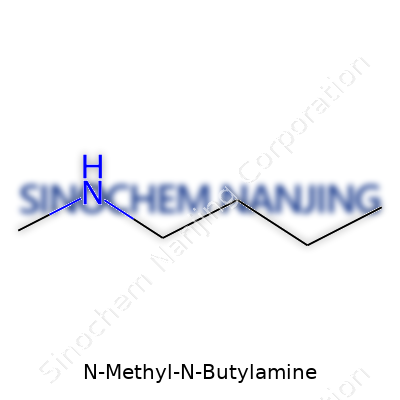
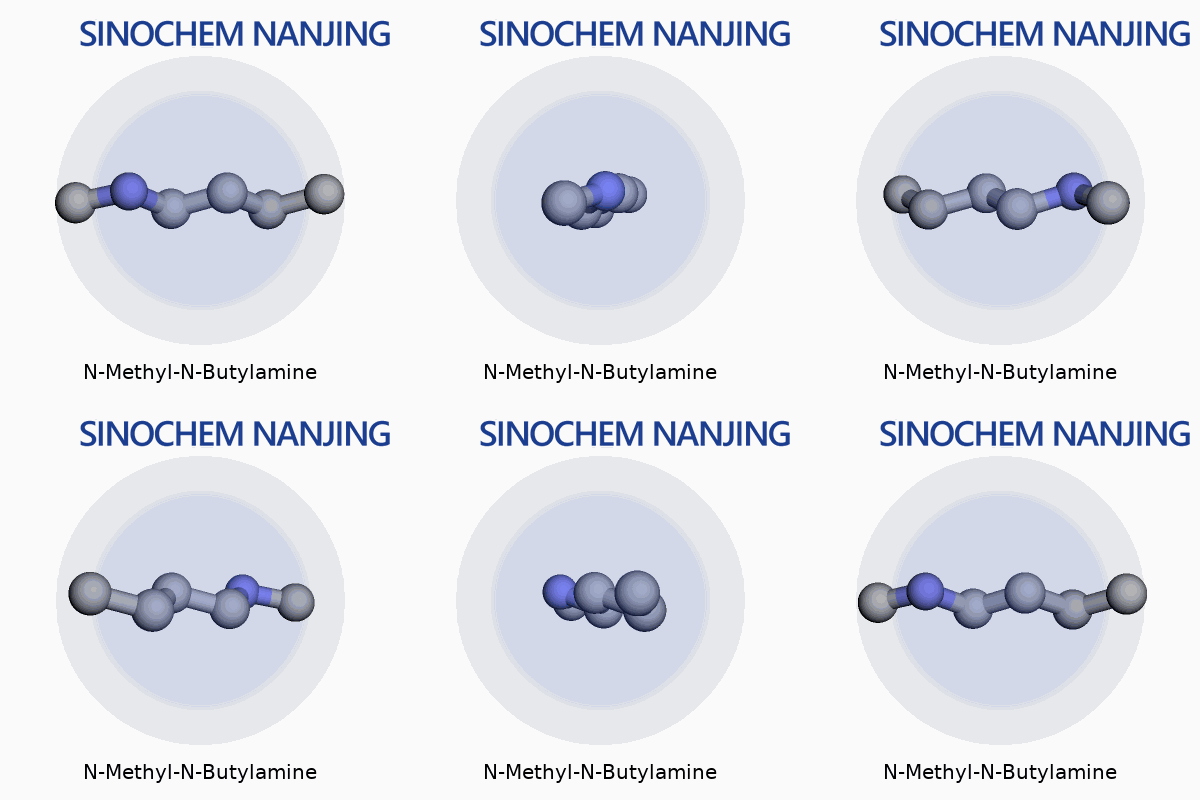
| Names | |
| Preferred IUPAC name | N-butyl-N-methylamine |
| Other names |
N-Butylmethylamine N-Butyl-N-methylamine Methylbutylamine N-Methyl-1-butanamine |
| Pronunciation | /ɛn-ˈmɛθɪl-ɛn-ˈbjuːtɪl.əˌmiːn/ |
| Identifiers | |
| CAS Number | 110-68-9 |
| Beilstein Reference | 1718736 |
| ChEBI | CHEBI:51757 |
| ChEMBL | CHEMBL143086 |
| ChemSpider | 11340 |
| DrugBank | DB14096 |
| ECHA InfoCard | ECHA InfoCard: 100.011.597 |
| EC Number | 202-876-1 |
| Gmelin Reference | 8214 |
| KEGG | C21121 |
| MeSH | D017751 |
| PubChem CID | 12313 |
| RTECS number | BU8400000 |
| UNII | 3BXF7P0G6C |
| UN number | UN2733 |
| CompTox Dashboard (EPA) | DTXSID8049154 |
| Properties | |
| Chemical formula | C5H13N |
| Molar mass | 87.18 g/mol |
| Appearance | Colorless to light yellow liquid |
| Odor | ammonia-like |
| Density | 0.74 g/mL at 25 °C (lit.) |
| Solubility in water | Soluble |
| log P | 0.89 |
| Vapor pressure | 6.8 mmHg (20 °C) |
| Acidity (pKa) | 10.7 |
| Basicity (pKb) | 3.29 |
| Magnetic susceptibility (χ) | \(-24.0 \times 10^{-6} \ \text{cm}^3/\text{mol}\) |
| Refractive index (nD) | 1.405 |
| Viscosity | 2.98 mPa·s (25 °C) |
| Dipole moment | 4.523 D |
| Thermochemistry | |
| Std molar entropy (S⦵298) | 201.2 J·mol⁻¹·K⁻¹ |
| Std enthalpy of formation (ΔfH⦵298) | -49.5 kJ/mol |
| Std enthalpy of combustion (ΔcH⦵298) | -3946.7 kJ/mol |
| Pharmacology | |
| ATC code | N01AX15 |
| Hazards | |
| GHS labelling | GHS02, GHS05, GHS07 |
| Pictograms | GHS02,GHS07 |
| Signal word | Danger |
| Hazard statements | H225, H302, H314, H332 |
| Precautionary statements | P210, P260, P280, P301+P312, P303+P361+P353, P304+P340, P305+P351+P338, P310 |
| NFPA 704 (fire diamond) | 2-3-0 |
| Flash point | 44 °C |
| Autoignition temperature | 300°C |
| Explosive limits | 1.3% - 10.4% |
| Lethal dose or concentration | LD50 (oral, rat): 240 mg/kg |
| LD50 (median dose) | LD50 (median dose): 140 mg/kg (oral, rat) |
| NIOSH | KN1182000 |
| PEL (Permissible) | PEL (Permissible Exposure Limit) for N-Methyl-N-Butylamine: **Not established** |
| REL (Recommended) | 5 ppm (16 mg/m³) |
| IDLH (Immediate danger) | 100 ppm |
| Related compounds | |
| Related compounds |
N-Methylamine N-Butylamine N,N-Dimethylbutylamine N-Ethyl-N-methylamine Di-n-butylamine |



