N-Butyl N-Butyrate: Beyond the Laboratory Bench
Historical Development
Curious minds started working with esters like N-Butyl N-Butyrate back in the early 20th century. At the time, the focus sat mainly on finding new flavors and safer solvents for industrial growth. Those researchers didn’t have fancy chromatographs or digital scales; decisions came from nose, tongue, and practical experience. The smooth, fruity aroma of N-Butyl N-Butyrate soon caught on in flavor and fragrance labs. Success didn’t show up overnight. Organic synthesis dragged through decades of trial-and-error, tinkering with catalysts and purity, trust in method over hype. The path from early petrochemical endeavors to today’s tightly regulated manufacturing says a lot about how curiosity, safety, and industry walk hand in hand.
Product Overview
If you open a small container of pure N-Butyl N-Butyrate, that fruity, sweet scent escapes right away. This colorless liquid doesn’t look special, yet it crops up wherever someone seeks clean-tasting flavor or gentle solvency in coatings. Originally, specialty esters came as luxury chemicals. As chemical engineering matured, prices dropped, production scaled up, and today it’s part of many standard blends. You see it listed under several product names on supplier websites, though savvy buyers know to confirm purity and grades. No single product defines N-Butyl N-Butyrate—the spectrum runs from USP for ingestion to technical for paint and polish.
Physical & Chemical Properties
N-Butyl N-Butyrate carries a boiling point close to 167°C, making it suitable for both open-vessel work and controlled distillation in a plant setting. The liquid clings to a refractive index near 1.422 at 20°C, and it mixes smoothly in organic solvents, though it repels water. Its chemical formula, C8H16O2, reflects a clean esterification between n-butanol and butyric acid. It won’t corrode most stainless steel or glass, but aggressive bases or acids can chop up the molecule. Its vapor can build up indoors if ventilation runs weak, which people should pay attention to during transfer or blending. Flash point sits at 40°C—higher than some ethers or ketones—but still calls for grounded equipment to avoid ignition.
Technical Specifications & Labeling
Manufacturers detail the purity, water content, and absence of unwanted byproducts on every barrel. Purity usually shows above 98% for food or fragrance applications, dropping closer to 95% for paint and coating. Labels often indicate batch numbers, hazards, storage temperature, and compliance marks for regional transit. Labels go beyond hazard symbols—they also alert workers to the distinct, volatile odor and the need for gloves or splash goggles during filling. As regulations tighten, suppliers move to more transparent documentation, including third-party test results and full traceability back to source. I’ve seen how tight labeling prevents slipups, especially in crowded warehouses.
Preparation Method
A classic route to N-Butyl N-Butyrate uses Fischer esterification. In practice, this means slow heating of n-butanol and butyric acid under an acid catalyst, often sulfuric acid, in glass or steel reactors. Water forms during the reaction and needs removal—sometimes by simple distillation, sometimes using molecular sieves. The crude ester undergoes washing, phase separation, and vacuum distillation for highest purity. Large plants favor continuous systems, cutting down on waste and energy spikes. Over time, tweaks like solid acid catalysts and semi-continuous water removal made for less downtime and higher yields. Old-timers talk about how careful temperature control trims nasty byproducts—even a few degrees off might double the effort at purification later on.
Chemical Reactions & Modifications
As an ester, N-Butyl N-Butyrate stands ready for both acid and base hydrolysis. Strong basic solutions snip the molecule, regenerating n-butanol and butyrate salt. Acidic hydrolysis does the same, but often at a slower rate. Other chemists play with transesterification, swapping butanol for other alcohols to produce designer aromas or tailor volatility for various industries. Under reducing conditions, the ester resists attack, staying stable compared to carbonyl-heavy molecules. Direct oxidation isn’t common, owing to the compound’s already saturated carbon skeleton, but free radicals or high-temperature work can crack it down to small acids. In coatings, chemical stability keeps the surface gloss as solvents evaporate, a critical aspect my colleagues in the paint industry often highlight.
Synonyms & Product Names
N-Butyl N-Butyrate rolls off the tongue for chemists, but the chemical has many faces in commerce. Sometimes it appears as Butyric acid n-butyl ester, butanol butyrate, or just Butyl butyrate on product sheets. Food and fragrance makers often call it “artificial pineapple oil” due to its popular use in candy and beverage applications. Each sector clings to its preferred label, so buyers outside their comfort zone can find the landscape confusing. Logistics departments quickly learn the value of double-checking CAS numbers before ordering, as similar names often conceal big differences in purity and intended use.
Safety & Operational Standards
Working with N-Butyl N-Butyrate demands respect for both its volatility and flammability. Standard PPE—nitrile gloves, lab coats, goggles—protects against splashes, but even brief exposure to the vapor brings on nose and eye irritation for sensitive folks. Good air exchange and explosion-proof equipment remain non-negotiable, especially when pumping drums or handling open vessels. The chemical doesn’t persist in the environment, breaking down under sunlight and microbial action, yet spills indoors require attention. The fruity scent, though pleasant to some, provides an effective warning for leaks. Fire departments mark the flash point and vapor density, since vapor trails hug the floor, collecting in low spots before visible signs of trouble. Industry-wide codes, such as GHS and OSHA standards, set baseline procedures, making it easier for teams to train new staff with confidence.
Application Area
Manufacturers ship N-Butyl N-Butyrate in tankers to flavor and fragrance companies, who use it to add fresh, fruity notes to sweets, drinks, and perfumes. The same molecule finds a home with paint and coating makers, cutting viscosity yet evaporating slowly for smooth, high-gloss finishes. In plastics and adhesives, it rounds out solvent blends, enhancing wetting or drying performance. I’ve seen researchers use it as a model compound in ester hydrolysis studies, given its clear, predictable breakdown and abundant safety information. Some agricultural products rely on its gentle solvency, though demand spikes most from food, fragrance, and furniture finishers. Sometimes overlooked: the importance of knowing both end-use and disposal requirements, such as local restrictions on volatile organic compounds or requirements on flavoring agents by health agencies. In all these cases, experience with both the pleasant aroma and the real fire risks stays front-of-mind.
Research & Development
Researchers haven’t stopped probing N-Butyl N-Butyrate’s limits. Green chemistry teams target new catalysts, aiming to boost yields and cut waste—both saving money and shrinking a company’s environmental footprint. Projects sometimes bend toward alternative feedstocks, such as sugarcane-based butanol, in a push to cut ties with fossil fuels. University labs dig into esterification kinetics, hoping to better predict impurities and optimize purification steps. Analysts keep searching for trace contaminants, working to keep flavor products pure. In coatings, R&D focuses on ways to improve film formation and durability while lowering solvent emissions, a sweet spot for sustainability metrics. I’ve spoken with a few chemists who look for ways to tailor this molecule into more complex derivatives, expanding its application in niche polymers and designer scents.
Toxicity Research
Toxicologists have spent years piecing together a safety profile for N-Butyl N-Butyrate. Acute oral toxicity stands low—the substance doesn’t pack much punch compared to aggressive industrial solvents. Inhaled vapors, though, can bother airways if concentration rises, making workplace monitoring absolutely essential. Most data point toward fast metabolism and excretion in mammals, meaning it doesn’t stick around inside us or the environment. Long-term studies in rats show very limited chronic effects, but as with most esters, the wisdom rests on using the right limits—safe thresholds for ingestion and exposure set by regulatory bodies like the EPA and ECHA. I’ve learned that it pays to keep up with evolving research, as global harmonization sometimes shifts the margin of acceptable risk without much warning. Some labs push for more refined inhalation studies, keeping up with changing application patterns.
Future Prospects
N-Butyl N-Butyrate could carve out a bigger slice in sustainable chemistry as bio-based production catches up with industrial scale. Interest grows in new routes from plant-based alcohols and acids, driven by pressure to slash emissions and secure renewable supply chains. As regulations phase down volatile solvent emissions, formulators look hard at possibilities to blend this ester with low-impact alternatives, balancing user performance against air quality mandates. In the world of flavors and fragrances, demand trends follow consumer taste for “natural” impressions—clean esters like this one fit the bill, provided producers maintain transparency about origin and processing. Companies will keep chasing purity and safety, investing in smarter process controls and digital monitoring tools. If recent years taught us anything, it’s that industries willing to rethink old processes often find the most resilient and profitable futures.
What is N-Butyl N-Butyrate used for?
The Hidden Ingredients Shaping Everyday Experiences
People don't look twice at the label on a bottle of apple juice or a jar of candy, but a closer look sometimes reveals a long-winded name: N-Butyl N-Butyrate. While it doesn’t sound like something you’d eat, it plays a real role in some of those foods and drinks we reach for. It’s not about preservation or color; this compound brings out flavors and fragrances that often convince the nose and tongue that something is fresh or fruity.
Walk into any food processing plant, and it becomes obvious just how competitive and challenging nailing the ‘right’ taste is. It’s not easy to capture a certain fruitiness naturally – it's expensive, and supply chains for fresh flavoring ingredients are fragile. N-Butyl N-Butyrate gets used because it solves that problem. It smells like pineapple, gives a sweet, juicy scent, and doesn’t linger with a chemical residue. Used responsibly, it enhances beverages, candies, and baked goods, tricking our brains with a stronger memory of ‘real’ fruit than raw ingredients alone might achieve.
Life Beyond Food
Some may be surprised to find out that this same compound influences other senses too. After a tough shift or a long drive in a sealed car, that “fresh” scent from air fresheners or cleaning sprays can perk up a tired afternoon. What’s behind that lift? Sometimes, it’s N-Butyl N-Butyrate. Manufacturers leverage its pineapple-like kick to build up or round out fragrance blends in air fresheners, laundry products, and even some personal care items. It clings to the air just long enough to do its job.
In the paint aisle or at a printer’s shop, the story shifts. Solvents need to do heavy lifting: break down, thin out, evaporate at the right speed, and not overpower the finished product with an unpleasant odor. N-Butyl N-Butyrate’s chemical structure makes it good at dissolving resins and helping inks lay evenly. Unlike stronger-smelling alternatives, it fades away, leaving less behind for customers or workers to inhale. From firsthand experience preparing art prints, the choice of a mild solvent sometimes means less lingering smell in the workspace, without sacrificing performance.
Is It Safe and What Are the Challenges?
Using chemicals in food and consumer goods raises honest questions. Most people—my family included—care about what goes into their diets and their homes. N-Butyl N-Butyrate is approved by agencies like the US Food and Drug Administration for use as a flavoring, but it still comes down to how much and how often people are exposed. According to available toxicology reports, it presents minimal risk at the low levels present in foods or household products. Still, those working directly with concentrated forms need protection and ventilation, since inhalation or skin contact on the industrial scale causes irritation.
As someone who’s toured flavor houses and worked in small printing shops, I’ve noticed the industry’s slow push for better transparency and safer practices. Manufacturers can support better labeling and stricter workplace standards to keep risks down. Consumers benefit from open access to information and direct answers from brands willing to disclose their ingredient choices.
Looking Ahead
Alternatives, especially those made by fermenting natural sources, are being explored. Pushing for these bio-based methods can take some pressure off petroleum supplies and answer environmental concerns linked with synthetic chemicals. Small steps like backing companies that share sourcing details or choosing products with clearer ingredient lists could make a difference over time.
For many, N-Butyl N-Butyrate impacts their days without them realizing it. Recognizing these connections—a chemical filling out a fruit flavor or streamlining industrial work—brings a broader understanding of what truly shapes experience, taste, and comfort in modern life.
What are the physical and chemical properties of N-Butyl N-Butyrate?
The Basics: What Sets N-Butyl N-Butyrate Apart
N-Butyl N-Butyrate carries a fruity, banana-like scent, so perfumers and flavor makers notice it right away. This clear, colorless liquid comes with a molecular formula of C8H16O2 and a molar mass of 144.21 g/mol. Its structure, two four-carbon chains linked by an ester bond, packs in flexibility and volatility unusual for compounds with a similar carbon count. Its boiling point sits near 166°C, no surprise for a compound acting as a moderate solvent. It freezes near -80°C, so it flows even in the cold. Specific gravity runs at about 0.87, putting it lighter than water, and it doesn’t dissolve in water well. It floats, forms droplets, and separates neatly from an aqueous layer.
Chemistry in Action
N-Butyl N-Butyrate emerges from a classic esterification—mixing n-butanol with butyric acid, a process often done with a bit of acid to nudge the reaction along. This reaction mirrors organic lab exercises I’ve done; the sharp smell disappears, replaced by sweet, fruity notes. In the lab, esters like this bridge two worlds: they dissolve oils, resins, and some polymers, but remain stubbornly resistant to mixing with water. You can wash a wound with water, but this compound stays on the surface, thanks to that nonpolar backbone.
In air, vapors catch fire easily. Flash point scores about 43°C, which means in a warm room, vapors threaten ignition if a spark flies. This makes safety gear and good ventilation a must in places where N-Butyl N-Butyrate gets mixed or stored. Its vapors can irritate eyes, skin, and the throat, similar to handling other volatile esters or ketones. My time around paints and solvents taught me that a sweet smell doesn’t mean harmless; in fact, it often signals the opposite.
Practical Uses and Environmental Cautions
Industrial users reach for N-Butyl N-Butyrate in paint and coating formulation. It spreads easily and evaporates slow enough to let paint layers level out, which cuts down on visible brush marks. This characteristic tailors it for automotive finishes and high-gloss furniture coatings. Its mild, pleasant odor works in its favor; nobody wants their new car or cabinets reeking of harsh chemicals.
Perfumers and food scientists draw on its flavor and aroma contributions. A trace in fruit flavors deepens profiles in candies, baked goods, and beverages. Professional experience with flavorists taught me how just a few parts per million can transform a bland mix into something mouthwatering.
Careless handling, though, finds this compound leaching into the environment. Aquatic organisms show toxic reactions at surprisingly low levels. It resists breaking down quickly under normal conditions, so spills can hang around, tainting waterways and soils if left unchecked. Companies working with N-Butyl N-Butyrate should put effort into leak prevention, vapor capture systems, and worker protections. Where I’ve seen strong controls—like solvent recovery and closed-process systems—environmental discharges drop and work quality improves.
Paths Forward
Switching to biodegradable solvents or scaling down to safer concentrations helps, but not every application has a simple swap. Improving ventilation, using personal protection, and maintaining storage standards prevent the biggest risks to employees. Waste treatment—through incineration or advanced oxidation—shrinks its environmental footprint. Investments here pay off in regulatory compliance and healthier communities.
Is N-Butyl N-Butyrate hazardous or toxic?
Getting Familiar with N-Butyl N-Butyrate
N-Butyl N-Butyrate shows up in labs, perfumeries, and even some food flavoring processes. The chemical brings a sweet, fruity smell, which draws companies to use it for making things smell cleaner or tastier. Most folks rarely think about these compounds; they’re behind the scenes, doing the heavy lifting in everyday products. The big question comes up once you step into a lab or a workplace dealing with these chemicals: how dangerous is it, and does it threaten health or the environment?
Health Effects You Should Know
Plain facts: inhaling N-Butyl N-Butyrate vapors will irritate your nose and throat. Spend too long around high concentrations, you’ll probably start to cough. Maybe you’ll get a headache. If the vapors hang in the air at the workplace, sore throat and dizziness aren’t far behind. Splash the liquid on your skin and you’ll notice redness or a burning feeling. Eyes get watery fast if direct contact happens. Swallowing it causes stomach pain and vomiting.
OSHA and the CDC haven’t published deeply detailed limits for N-Butyl N-Butyrate exposure. That doesn’t mean it’s harmless. Most chemical safety sheets flag this compound as an irritant—they use clear warnings about inhalation and skin contact. The smell might attract attention, but its ability to sneak into the body through the lungs or skin means workers must use gloves and proper ventilation.
Long-Term and Chronic Concerns
Chronic exposure hasn’t grabbed serious headlines since large-scale poisonings are rare. That said, the solvent nature of this compound means working around it for months or years could lead to dry skin, rashes, or a lingering cough if safety practices slide. Few long-term studies exist, but many chemicals with similar structures have caused problems in factories that let fumes build up.
The risk isn’t limited to the person handling a drum of the stuff. Happens too often—a spill in a warehouse leads to poor air quality for everyone, not just the worker wearing a lab coat. Small companies running on tight budgets sometimes skip on exhaust fans or safety training. Risk climbs fast in those situations.
Keeping Communities and Workers Safe
Basic steps go a long way. Ventilation stands at the top of the list. Fume hoods, extractor fans, open windows—these controls pull vapors away before they linger in breathing space. Gloves, goggles, and lab coats or aprons eliminate most skin contact problems.
Training matters just as much. Most accidents happen because someone new doesn’t understand what a leak or a whiff of fragrance can mean in terms of danger. OSHA hasn’t set a hard limit, but companies owe it to workers to treat strong-smelling organics with respect. I’ve seen workplaces rely on a “smell test”—if you smell something fruity, turn up the fan and leave the room. That’s no substitute for sensors and regular safety inspections.
Environmental Impact
A spill can create trouble for soil, water, and wildlife. The chemical floats on water, evaporating to become an air pollution source. Biodegradation takes time. Municipal water systems or storm drains provide a quick route from a warehouse floor into local rivers. Small releases might not draw a crowd, but repeated carelessness adds up.
Companies using this solvent can help the environment by collecting spills with absorbent pads and keeping storage tanks tightly sealed. Treating waste and giving employees authority to call out unsafe practices helps stop leaks before they leave the building.
Smart Solutions and Common Sense
Limiting risk comes down to paying attention and accepting that “low toxicity” doesn’t mean zero danger. Proper labeling, decent exhaust, personal protection, and a trained workforce keep both people and neighbors safer. I’ve watched places lose good workers to avoidable exposure—lessons you don’t forget.
How should N-Butyl N-Butyrate be stored and handled?
Understanding N-Butyl N-Butyrate Risks
N-Butyl N-Butyrate gets used in many industrial settings, often as a solvent or flavoring agent. Anyone who has worked with esters knows they come with a strong fruity smell, but that doesn't make them any less hazardous. People hear "pleasant odor" and sometimes underestimate the health and fire risks. Skin contact, breathing vapors, or letting the liquid spill all set up unnecessary trouble. Typical reactions range from eye or throat irritation to headaches and dizziness if vapor builds up. The larger problem comes from flammability. All it takes is one stray spark for fumes to catch fire, putting everyone nearby at risk.
Safe Storage Starts with the Basics
One of the biggest lessons I picked up on the shop floor: keep chemicals where they can’t hurt anybody who isn’t prepared. For N-Butyl N-Butyrate, that means putting it in cool spots, far from heat, open flames, or sparks. I remember a coworker once tossed a solvent jug behind an autoclave. Someone spotted it barely in time before the heat turned it into a safety report waiting to happen. Flammable liquid storage cabinets exist for a reason—use them every time.
Tight-sealed containers prevent leaks and vapor buildup. Metal or chemical-resistant drums and cans work best. Make sure every container features clear hazard labels and expiration dates, with legible writing. Galvanized metal reacts badly with this compound, so leave those out of the plan. Dedicated areas help limit foot traffic and keep unauthorized people away. I've found that well-marked zones and lockable cabinets reduce careless handling much better than a simple “keep out” sign.
Handling: Real World Practices that Protect
Moving and measuring N-Butyl N-Butyrate should never just be routine. Even seasoned workers can get complacent after seeing hundreds of containers, but all it takes is one slip with a broken glove or a torn apron to cause a chemical burn or a ruined day. Gloves made from nitrile or neoprene keep splashes away from skin much better than latex. Splash goggles and face shields block accidental spurts. Long sleeves, aprons, and closed shoes add another layer if something goes wrong.
Working under a fume hood or with good cross-ventilation saves everyone from inhaling vapors. Simple fans rarely provide enough protection; mechanical exhaust or localized extraction setups pull fumes out quickly. Spills—no matter how small—call for absorbent pads and spill kits, kept close and in plain sight. After any cleanup, everyone must wash hands and arms thoroughly.
Team Training and Ongoing Awareness
Everyone on site should know the hazards and understand emergency steps. I saw real improvement only after our shop ran regular safety drills covering everything from small spills to fire response. Safety data sheets work best as living documents, discussed in staff meetings instead of gathering dust in a filing cabinet. Listing emergency phone numbers and procedures on the wall and reviewing them, say once a month, keeps the team sharp. Anyone who starts to feel dizzy, short of breath, or develops a rash should stop work and check with a supervisor, not tough it out until after shift.
Better storage and handling protect more than inventory or bottom lines—they keep workers confident and healthy. It takes some attention upfront, but after years around solvents, I can say the investment always pays off.
What industries commonly use N-Butyl N-Butyrate?
A Hidden Star in Flavor and Fragrance
N-Butyl N-Butyrate rarely shows up in big headlines, but it’s busy behind the scenes in day-to-day products. Whenever you bite into a fruit-flavored candy or open a bottle of juice that smells like it just came from an orchard, there’s a good chance this compound played a part. Food and beverage companies reach for it to add that crisp, apple-like or pear aroma that stands out in artificial flavors. The flavor industry faces constant pressure to mimic nature as closely as possible using safe, stable substances. This ester does just that, helping give processed foods a tastier and more appealing character, without relying on natural extracts that may be expensive or inconsistent in quality or availability.
Key Ingredient in Fragrance Creation
Fragrance developers love how easily N-Butyl N-Butyrate blends into perfumes and cosmetics. It carries scents well and delivers brightness to fruity or tropical notes. As someone with a background in artisanal skincare, I’ve watched perfumers pair this compound with other esters to round out a fragrance’s top notes, creating scents that tease the nose without becoming overpowering. Cosmetic chemists want raw materials that won’t overpower delicate blends or make a product turn sour after a month on a store shelf, and that means looking for substances with gentle, stable aromatic profiles. This ester delivers that bright fruitiness in everything from shampoos to soaps and body creams.
Role in the Solvents and Coatings Sector
The paint and coatings industry has always been on the lookout for safer, more effective solvents. N-Butyl N-Butyrate dissolves a wide range of resins and is less toxic than many older solvent options, making it useful in industrial paints, inks, and surface coatings. Anyone involved in manufacturing or automotive repairs knows that finding the right solvent can shave hours off a job, help finishes dry evenly, and reduce dangerous fumes. As regulations on workplace safety and emissions get tighter, firms move toward substances like this ester that strike a balance between performance and worker safety.
The Push for Sustainability and Safer Alternatives
With consumers pushing for greener products, industries keep experimenting with biodegradable solvents and natural alternatives. N-Butyl N-Butyrate is made through processes that often use renewable feedstocks, helping manufacturers tread a bit lighter on the environment. This is more than just a marketing move—it can lower a company’s waste disposal costs and shrink its environmental footprint. Changing how pharmaceuticals, agrochemicals, and cleaning products are made isn’t easy, but every step toward safer raw materials makes a difference.
Looking at Challenges and the Road Ahead
Nothing used at industrial scale comes without concerns. Exposure limits matter, both in workplaces and down the pipeline in wastewater. Labs and factories need robust protocols to handle these chemicals, train staff, and prevent spills. The best solutions go beyond simply swapping one compound for another; they come from investing in better ventilation, personal protection, and continuous research into less toxic replacements. N-Butyl N-Butyrate finds a place in diverse sectors not because it is perfect, but because it strikes a workable middle ground between safety, cost, and performance.
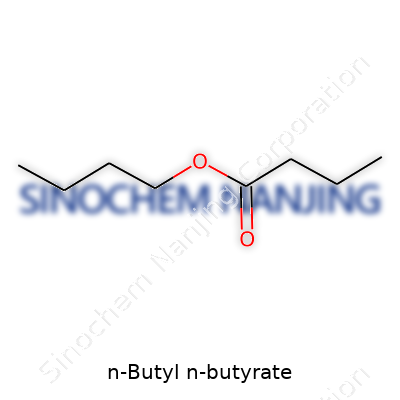
| Names | |
| Preferred IUPAC name | N-butyl butanamide |
| Other names |
Butyl butyrate Butanoic acid butyl ester Butyric acid butyl ester n-Butyl butanoate |
| Pronunciation | /ɛn-ˈbjuːtɪl ɛn-ˈbjuːtəˌreɪt/ |
| Identifiers | |
| CAS Number | 109-21-7 |
| Beilstein Reference | 1102204 |
| ChEBI | CHEBI:86951 |
| ChEMBL | CHEMBL3194850 |
| ChemSpider | 15723 |
| DrugBank | DB14060 |
| ECHA InfoCard | 100.007.887 |
| EC Number | 203-735-3 |
| Gmelin Reference | 81186 |
| KEGG | C00788 |
| MeSH | D017348 |
| PubChem CID | 12369 |
| RTECS number | EO9625000 |
| UNII | Z09QXV5RW2 |
| UN number | UN1126 |
| CompTox Dashboard (EPA) | DTXSID1020219 |
| Properties | |
| Chemical formula | C8H16O2 |
| Molar mass | 144.21 g/mol |
| Appearance | Colorless liquid |
| Odor | fruity |
| Density | 0.871 g/mL at 25 °C (lit.) |
| Solubility in water | Insoluble |
| log P | 0.97 |
| Vapor pressure | 0.27 mmHg (20°C) |
| Acidity (pKa) | 14.0 |
| Magnetic susceptibility (χ) | -7.68 × 10⁻⁶ cm³/mol |
| Refractive index (nD) | 1.408-1.410 |
| Viscosity | 1.29 mPa·s (25 °C) |
| Dipole moment | 1.79 D |
| Thermochemistry | |
| Std molar entropy (S⦵298) | 340.7 J·mol⁻¹·K⁻¹ |
| Std enthalpy of formation (ΔfH⦵298) | -390.7 kJ/mol |
| Std enthalpy of combustion (ΔcH⦵298) | -2870.0 kJ/mol |
| Pharmacology | |
| ATC code | N07AX |
| Hazards | |
| GHS labelling | GHS02, GHS07 |
| Pictograms | GHS02,GHS07 |
| Signal word | Warning |
| Precautionary statements | P210, P233, P240, P241, P242, P243, P280, P303+P361+P353, P304+P340, P305+P351+P338, P312, P337+P313, P370+P378, P403+P235, P501 |
| NFPA 704 (fire diamond) | Health: 1, Flammability: 2, Instability: 0, Special: "- |
| Flash point | Flash point: 43 °C |
| Autoignition temperature | 385 °C (725 °F; 658 K) |
| Explosive limits | Explosive limits: 0.7% (LEL) - 7.5% (UEL) |
| Lethal dose or concentration | LD50 rat oral 7900 mg/kg |
| LD50 (median dose) | LD50 (median dose): Rat oral 7900 mg/kg |
| NIOSH | WN8400000 |
| PEL (Permissible) | PEL (Permissible Exposure Limit) for N-Butyl N-Butyrate: 150 ppm (710 mg/m3) TWA |
| REL (Recommended) | 5 ppm |
| IDLH (Immediate danger) | 800 ppm |
| Related compounds | |
| Related compounds |
Butyl acetate Butyl propionate Butyl valerate Ethyl butyrate Methyl butyrate Isobutyl butyrate |



