N-Acetyl-D-Glucosamine: The Backbone Sugar Under the Microscope
Historical Development
N-Acetyl-D-glucosamine, or GlcNAc, has roots that run deep in the history of biochemistry and medical research. Researchers dug into the study of this amino sugar in the early twentieth century, after figuring out that it forms the building block for chitin, a substance found in the shells of crustaceans such as crabs, shrimp, and lobsters. Over decades, GlcNAc moved from being just a curiosity among marine biologists to becoming a focus for chemists and clinicians searching for compounds that the human body recognizes as its own. Later research connected GlcNAc to hyaluronic acid in the extracellular matrix, as well as to glycoproteins in cell membranes. This discovery opened doors in both the food and pharmaceutical industries. Pharmaceutical companies began isolating and purifying GlcNAc years before the dietary supplement boom, often using crab shells and other seafood byproducts, eventually introducing it to broader markets for joint health and cosmetics.
Product Overview
Off-white to pale crystalline powder, N-Acetyl-D-glucosamine usually comes packed in moisture-proof containers for the sake of stability. It sports a subtle sweetness and mild solubility in water, holding a chemical structure that appeals to both nutritionists and formulation chemists: C8H15NO6. Because the human body already encounters this sugar as part of its encounter with chitin and glycoproteins, it fits well in health and wellness products, topical creams, and even in the growing nutraceutical segment. Food and supplement manufacturers leverage GlcNAc’s functional profile to build everything from joint support tablets and skin-brightening lotions to more complex pharmaceutical and veterinary applications.
Physical & Chemical Properties
Pure GlcNAc stands solid at room temperature with a melting point ranging from 190°C to 205°C on clean, dry surfaces. It dissolves readily in water but resists alcohol and ether. Its molecules show up under the microscope as colorless needles, with a molecular weight of 221.21 g/mol— not a heavyweight, but substantial enough to make a difference in both molecular biology research and day-to-day manufacturing. Chemically, this amino sugar gives way to both acidic and basic reactions due to its acetylated amino group and multiple hydroxyls, which open up a range of possibilities in downstream processing.
Technical Specifications & Labeling
Standard grade GlcNAc for commercial and food use often requires over 98% purity as determined by HPLC or GC. Moisture content usually stays below 1%-2%, with heavy metal limits set under 10 ppm, and microbiological content (such as E. coli or Salmonella) absent in every tested batch. Product labels must include full molecule name, country of origin, net weight, and a clearly stated expiration date for food and supplement applications. Many major brands now specify CAS number (7512-17-6), providing traceability and meeting regulatory requirements in North America, Europe, and East Asia. Labels on cosmeceuticals frequently list GlcNAc alongside supporting actives such as hyaluronic acid, serving both ingredient disclosure and marketing goals.
Preparation Method
Most commercial GlcNAc comes from natural chitin sources. The method starts with demineralization and deproteinization of ground shrimp or crab shells, followed by acid hydrolysis to remove impurities and isolate chitin. Chemists then introduce concentrated hydrochloric acid or other strong acids to hydrolyze chitin to N-acetylglucosamine monomers. Post-hydrolysis, extensive neutralization, decolorizing, recrystallization, and filtration produce a purified crystalline product. Enzymatic processes offer an alternative with more selectivity and fewer harsh chemicals, although these routes require high investment in bioreactors and microbial strains. Some experimental approaches use fermentation with engineered bacteria, a route that could lower costs once improvements offer competitive yields.
Chemical Reactions & Modifications
Laboratories often modify N-acetyl-D-glucosamine for purpose-built applications. The acetyl group at the C2 position can be removed to produce glucosamine, which bears its own uses in cartilage repair and dietary supplements. Sulfation, phosphorylation, and oxidation create derivatives for research into signal transduction or for use as standards in carbohydrate analysis. Combining GlcNAc with hyaluronic acid through enzymatic catalysis produces bio-polymers valuable for injectable therapies. Oxidized forms sometimes find use in dermatology creams, targeting skin pigmentation and wound healing. These chemical tweaks depend on reagent quality, reaction timing, and expertise, which means consistent results prove tricky outside controlled manufacturing labs.
Synonyms & Product Names
This compound answers to several names. On scientific papers, it turns up as 2-Acetamido-2-deoxy-D-glucose. Supplement markets rarely use these technical terms, opting for NAG, Acetylglucosamine, or simply GlcNAc. Additives and cosmetic ingredient labels often call out chitin-derived GlcNAc, signaling its natural origin. In some pharmaceutical applications, the moniker “N-Acetylglucosamine” appears in combination with sodium hyaluronate or collagen. International markets, particularly in Japan and South Korea, rely heavily on GlcNAc in both topical and ingestible formats, giving rise to branded derivatives and trademarked blends.
Safety & Operational Standards
Clinical trials and years of real-world use suggest a reassuring safety profile for most populations. The U.S. Food and Drug Administration and European Food Safety Authority both classify GlcNAc as generally recognized as safe (GRAS) in foods, with proper levels and labeling in place. Factories producing GlcNAc stick to rigorous Good Manufacturing Practices (GMP) so every batch meets microbial and chemical safety limits. Handling protocols demand dry, cool storage away from oxidizers and acids, as even small amounts of moisture or contaminant can degrade purity. Workers on production lines wear gloves and masks to avoid prolonged skin or inhalation exposure, not because GlcNAc is acutely toxic, but because production byproducts can irritate skin and lungs. In my experience, upholding these operational standards builds trust with both regulators and consumers, ensuring products stay consistently safe and reliable.
Application Area
Pharmaceutical and dietary supplement companies lead the way, selling GlcNAc as a therapeutic for joint discomfort and osteoarthritis. Academic labs often reach for the compound during glycosylation pathway studies and as a precursor in specialized bioplastics. Cosmetics startups formulate with GlcNAc in concentrations up to 4%, banking on its long-standing reputation for skin-brightening and hydration—two qualities many consumers chase. Food and beverage developers stir low doses of GlcNAc into health drinks and fortified snacks, seeking links to gut health and anti-inflammatory effects. In veterinary circles, GlcNAc finds its place in supplements for horses and aging pets. These practical uses draw from a robust base of real-world evidence, demonstrating versatility far beyond lab benches.
Research & Development
GlcNAc’s ongoing research program crosses borders and disciplines. In clinical science, investigators explore anti-inflammatory and chondroprotective effects, running randomized controlled trials on osteoarthritis and inflammatory bowel conditions. Biochemists study the role of GlcNAc-modified proteins in diabetes and neurodegenerative disease, particularly focusing on O-GlcNAcylation—a reversible protein modification affecting cell signaling. Researchers in agricultural science look for ways to convert crustacean waste to GlcNAc more efficiently, while bioengineers tweak microbial fermentation to possibly reduce reliance on seafood-derived chitin. Collaborative papers keep raising new questions: Can GlcNAc supplementation moderate immune activity in autoimmune patients? Does combining GlcNAc with other nutrients amplify effect? Every year, conferences and journals deliver a stream of new findings, expanding the body of knowledge and pointing the way to smarter applications.
Toxicity Research
Toxicological studies point to a high degree of safety in mammals at doses used in foods and supplements. Rodent studies show no observable adverse effect levels above normal intakes, though researchers caution against very high dosages (several grams per kilogram) in long-term use. Some studies probe allergenicity, especially for preparations sourced from shellfish, yet true allergic reactions almost always relate to protein traces not removed during processing. In human trials, reported side effects stick to mild digestive complaints like bloating or soft stools, even at doses above the standard range. Regulatory bodies also keep tabs on the presence of heavy metals, solvent residues, and microbial contamination, tightening controls year after year. Reviewing these papers and audits over time, I have seen that any mishap typically signals a breakdown in manufacturing quality controls, not a problem with the molecule itself.
Future Prospects
N-Acetyl-D-glucosamine seems poised for more breakthroughs, shaped by rapidly changing consumer attitudes toward natural and sustainable products. Advances in green chemistry and bioengineering could soon shift production away from seafood waste toward microbial fermentation or even cell-culture methods, making the product more accessible to vegans and people with shellfish allergies. Dermatologists and cosmetic chemists are following clinical evidence for topical GlcNAc in skin barrier repair, pigmentation, and atopic dermatitis, expecting to launch next-generation creams and serums that lean on real science rather than simple moisturization claims. Pharmacies may soon offer new fixed-dose combination products linking glucosamine, N-acetyl-glucosamine, and chondroitin, especially as more insurers in Asia and Europe begin to reimburse these therapies. Further, biohackers and sports nutrition formulators show keen interest in GlcNAc’s capacity to modulate immune and joint responses, unlocking wellness benefits still untapped. The momentum in R&D, combined with safety and regulatory paths already well-paved, gives this amino sugar a bright horizon—one where it does not just patch up old joints or brighten skin, but supports varied roles across health, food technology, regenerative medicine, and beyond.
What are the health benefits of N-Acetyl-D-Glucosamine?
Gut Health and Inflammation
N-Acetyl-D-Glucosamine isn’t something most people hear about at the doctor’s office, but it deserves more of the spotlight. Found in the hard shells of shellfish and present in human cartilage, this compound plays an important role in gut health. I’ve known folks with inflammatory bowel diseases, like Crohn’s and ulcerative colitis, who are always searching for relief. Research points to N-Acetyl-D-Glucosamine as a natural shield for the intestinal lining, helping some to patch up the damage caused by inflammation. The body uses it to build the mucous layer in the digestive tract, which works like a soft blanket for troubled guts. Some studies from the last decade show that a daily supplement can ease symptoms in children and adults, with fewer reported side effects than many prescription drugs.
Joint Support and Cartilage Health
My own knees started making noises in my early forties, long before I imagined I’d be reading the fine print on joint care supplements. N-Acetyl-D-Glucosamine, together with other forms of glucosamine, strengthens cartilage and reduces joint discomfort, backed by years of clinical research. Cartilage wears thin as people age or put their bodies through the ringer from sports. Glucosamine helps build and repair that cushion. The unique thing about the N-acetyl version is that it doesn’t trigger shellfish allergies as often, making it more widely accessible. Arthritis sufferers have reported reduced pain, better mobility, and sometimes a break from the cycle of inflammation when they make it part of their long-term routine.
Blood Sugar and Metabolic Effects
Some folks shy away from anything with the word “sugar” in the title, worried about blood sugar spikes or diabetes. N-Acetyl-D-Glucosamine breaks that stereotype. Unlike glucose, it won’t raise blood sugar levels or fuel cravings, because it moves through the body in a different way. A few small studies have even suggested it could support healthy blood sugar by reducing inflammation, which affects how insulin works. People watching their numbers still need to talk to a health professional, but this compound offers a promising path that sidesteps the risks of sweeteners and simple carbs.
Skin Health and Healing
Dry skin and stubborn wounds are a headache for a lot of folks, especially anyone dealing with eczema or psoriasis. N-Acetyl-D-Glucosamine has been added to creams and lotions in an effort to heal and smooth skin. These products work by boosting hyaluronic acid production, helping the skin lock in moisture and recover faster. Dermatology research has documented less redness, improved texture, and occasional fading of age spots with regular use. Doctors agree this approach deserves more clinical trials, but the results so far point to better skin resilience and stronger healing.
Safe and Trusted for Most
A supplement’s reputation runs on more than just word of mouth. N-Acetyl-D-Glucosamine boasts a robust track record for safety. Health agencies in the US and Europe recognize it as safe for most people. Mild digestive upset can crop up, but so can interactions with certain blood thinners, so it pays to keep your regular doctor in the loop. Pregnant or breastfeeding women should be extra cautious, since there isn’t enough solid data yet.
Looking Toward the Future
The world of supplements keeps growing, sometimes crowded by wild claims and short-lived trends. N-Acetyl-D-Glucosamine has built a reputation the old-fashioned way: through decades of study, hands-on experience, and cautious optimism from the medical community. Combined with advice from healthcare professionals, it stands out as a promising aid for joints, gut, and skin.
Is N-Acetyl-D-Glucosamine safe to use?
Looking Closer at N-Acetyl-D-Glucosamine
Walk into any health store, or scroll through nutrition threads online, and you’ll see N-Acetyl-D-Glucosamine (often shortened to NAG) listed as a quiet hero for joints, skin, and guts. People drawn to supplements get curious about it for good reason. NAG pops up in conversations about osteoarthritis, inflammatory bowel conditions, and even skin hydration. Based on what’s floating around in forums and in clinical studies, there’s clear interest, but the bigger question is: is it safe?
What Science Says About Safety
The U.S. Food and Drug Administration sees NAG as “generally recognized as safe” (GRAS) for use in foods. That speaks to decades of researchers analyzing it, noticing that it comes from sources like crab shells and fungi, and observing how the human body handles it. Folks with shellfish allergies should think twice, though, since NAG can be a byproduct of shellfish. Besides that, most studies report few problems when people use typical supplement doses—usually up to 1500 mg per day.
In my own questions to doctors and dietitians—folks who see the fine print—none flagged any consistent danger with NAG for healthy adults. Peer-reviewed research backs this up. For example, a randomized trial from 2013 looked at osteoarthritis patients taking NAG and didn’t spot concerning side effects. Some people noted mild bloating or discomfort, but nothing worse than what happens with many other oral supplements.
Who Should Use Caution
There’s an important wrinkle for anyone pregnant, breastfeeding, or giving NAG to children: long-term safety data don’t give a green light. Medical experts advise skipping it until more evidence shows it won’t cause harm. People with diabetes also need to tread carefully. Since NAG has a molecular link to glucose, blood sugar changes could be possible, especially in large doses or with regular use. Reliable sources, including the National Institutes of Health, mention this as an area calling for more study.
Can It Replace Other Treatments?
Some see NAG as a natural option for joint pain or gut troubles. From conversations I’ve had with rheumatology specialists, they still lean on prescription drugs, tried-and-true therapies, and consistent physical activity. The evidence so far doesn’t show NAG can single-handedly replace standard care for arthritis, Crohn's disease, or ulcerative colitis. Instead, it sometimes appears as an add-on—possibly saving the day for a small fraction of people, but no miracle cure.
Making Informed Decisions
Any time you think about adding something like NAG, talking with a health professional comes first. They look at medication interactions, health history, allergy risk, and the latest solid research. Online anecdotes and word-of-mouth stories push a product like this into the spotlight, but facts matter more.
To sum this up through my research and those real-life chats with clinicians: NAG doesn’t set off major alarm bells for healthy adults at standard doses. But it’s not a magic bullet either, and specific groups—those with shellfish allergies, pregnant women, diabetics, and kids—should use more caution, or skip it completely. For anyone chasing better joint comfort or digestive health, steady habits like movement, balanced meals, and regular check-ins with your doctor provide much sturdier ground.
What is the recommended dosage for N-Acetyl-D-Glucosamine?
Understanding Why Dosage Matters
People often look for a silver bullet in supplements. N-Acetyl-D-Glucosamine (NAG) often surfaces in health circles, particularly among those with gut or joint concerns. I remember sitting at my kitchen table scanning labels after a bout of digestive trouble, realizing that so much advice skips over one fact: dosage depends on far more than just what the back of the bottle says. Our bodies, health goals, and even the companies behind the pills all play a role in what actually helps.
What Science Offers, Not Just What Fads Say
On paper, doses in clinical research usually fall between 500 to 1500 mg a day for adults. These numbers aren’t pulled from thin air. Rheumatologists and gastroenterologists have used NAG in that range for patients with inflammatory bowel disease and osteoarthritis, based on studies published in outlets like the Journal of Pediatric Gastroenterology and Nutrition and Arthritis Research & Therapy. These studies, while not perfect, at least offer a starting point rooted in something beyond marketing hype.
Still, a generic target can lead people astray. Body size, age, and the health of the digestive tract all shape how someone responds. For someone with mild joint aches, 500 mg might support cartilage health. For people grappling with gut disorders, doses sometimes reach 3 grams in clinical settings. Doctors often proceed with caution, splitting doses across the day and watching for side effects.
The Reality at the Counter
Walk into any supplement store, and the confusion starts. Some bottles list 250 mg per capsule, others jump straight to 750 mg. Manufacturers don’t always agree because regulations around NAG lag behind those set for more mainstream supplements. I’ve seen different brands make claims without much scientific backing. That’s why sticking to products that follow Good Manufacturing Practices (GMP) matters—and why talking to a skilled healthcare provider trumps guessing or copying strangers online.
NAG comes from shellfish, so people with allergies need to tap the brakes or look for vegan sources, which are often produced via fermentation. No one wants to swap knee pain for an allergic reaction.
Why Personal Experience Shapes the Answer
One year, after getting advice from my doctor, I tried 1000 mg split over two doses during a flare-up of colitis. It brought some comfort, though I had to pair it with other steps—no supplement works in isolation. A friend with mild hand joint pain started low, at 250 mg daily, and slowly increased to 750 mg. She noticed less morning stiffness with steady use, but found that skipping days brought her right back. Both experiences highlight what rarely shows in news stories: Each person’s body demands a unique approach.
On safety, NAG seems well-tolerated at suggested doses. Mild stomach upset sometimes pops up, and people with kidney disease get flagged for caution. Mixing NAG with other glucosamine products or anti-inflammatories remains a grey area. Open conversations with a doctor can help avoid surprises.
Taking Steps Toward Smarter Supplement Use
There’s no shortcut to making supplements work. Start at the lower end of the researched dosage range. Watch for improvements and side effects, then adjust in consultation with a healthcare provider. Look for peer-reviewed studies—relying only on online reviews or anecdotal social media posts often misleads more than it helps.
Building health takes more than a capsule. Diet, movement, and regular check-ins with trustworthy health professionals lay the foundation for any real progress, NAG included.
Are there any side effects of N-Acetyl-D-Glucosamine?
Understanding What It Is
People talk about glucosamine a lot, whether for joint pain, gut health, or even for skin creams. N-Acetyl-D-Glucosamine, or NAG, lands in that same family. It naturally exists in the body, helping build cartilage and play a part in connective tissue health. Folks often take it in supplement form, hoping to ease osteoarthritis symptoms or support gut lining. There’s no lack of buzz around its possible benefits, but every supplement deserves a closer look—particularly when side effects creep into the mix.
Common Reactions and What Folks Notice
Most people handle NAG just fine. For those who do react, digestive problems pop up first. Stomach aches, nausea, heartburn—none are life-threatening, but they’re enough to warrant a break from the supplement. Some report loose stools or mild diarrhea. The risk seems a little higher when someone takes bigger doses. If anyone has experienced gut trouble after a seafood-heavy meal, that feeling often overlaps with how a sensitive person might react to NAG, since companies tend to source it from shellfish.
Allergic Responses and Medical History
Allergy to shellfish isn’t rare. Since NAG usually comes from crab or shrimp shells, anyone with that allergy faces a genuine risk, and their doctor needs to know before starting a new regimen. Allergic reactions can show up as rashes, swelling, or even difficulty breathing. Those symptoms demand immediate medical care. I’ve seen friends with shellfish allergies study supplement labels with eagle eyes. Any uncertainty should be enough reason to leave that bottle on the store shelf.
Other Concerns and Drug Interactions
The science here isn’t deep, but existing research does highlight a few flags. High blood sugar has popped up in some studies, so diabetics and prediabetics need to stay alert. Anyone taking blood thinners like warfarin should pause before mixing the two. One Canadian study observed changes in how blood clots during simultaneous use. The FDA doesn’t regulate supplements with the same strictness as prescription drugs, and that leaves the door open for unpredictable reactions depending on manufacturing quality.
Who Should Think Twice
Pregnant women, children, and those with chronic medical conditions fit that group that needs to check with a healthcare professional before adding new supplements, especially one like NAG with potential allergenic sources. Just because a product shows up on a pharmacy shelf doesn’t mean it’s right for everyone. Sometimes the trust built into a product by years of anecdotal use falls apart when someone’s body pushes back.
Practical Steps and Staying Safe
Reading labels becomes a habit worth building, and talking with a doctor always tops the list before trying anything new. Tracking symptoms after starting a supplement gives useful feedback—ignoring discomfort rarely pays off. Sticking to recommended dosages reduces the odds of unwanted side effects. Companies can do their part, too, by disclosing sources and potential allergens clearly on packaging.
Looking Ahead
People crave better answers for joint support and gut health, and N-Acetyl-D-Glucosamine attracts attention for a reason. The best path blends curiosity with caution—keeping both benefits and risks on the table. Transparency from supplement makers and honest conversations with doctors help everyone make safer choices.
Can N-Acetyl-D-Glucosamine be taken with other supplements or medications?
Navigating Supplement Stacks
Standing in front of a shelf lined with vitamins and herbal boosters, it’s easy to wonder how all these capsules get along once they’re inside the body. N-Acetyl-D-Glucosamine (GlcNAc) pops up on more supplement lists these days, especially among those looking to support joint function or manage certain gastrointestinal issues. The big question for many isn’t just “Does it work?”—it’s whether GlcNAc plays nicely with other pills in the daily lineup or interacts with prescription meds.
What Science Tells Us
Decades of research have focused on glucosamine and its relatives for joint health, but GlcNAc stands apart from shellfish-based forms thanks to its slightly different chemical structure. That chemical tweak gives it interest in the world of gut health, and even immune system support. Based on peer-reviewed studies, GlcNAc hasn’t set off too many alarm bells for dangerous interactions. No major “do not mix” warnings show up in the literature, and its profile looks fairly mild compared to more aggressive medications or herbal extracts.
Still, nobody pops supplements in a vacuum. People often take GlcNAc with classic joint helpers like chondroitin or MSM, and with multivitamins. No evidence points toward problems in those combinations, and in practice, folks report fewer GI side effects compared to some other forms of glucosamine. Researchers spot rare allergic responses, especially for those with shellfish allergies, but plant-based versions sidestep that risk. As for mixing with prescription drugs for blood pressure, diabetes, or mood, high-quality studies haven’t turned up evidence for GlcNAc causing big drops or spikes in blood markers. That doesn’t mean interactions never happen. Twenty years working in a pharmacy hammered home that rare doesn’t mean never.
Lessons from Real Lives
I’ve spoken with many people managing complicated regimens—three pills for the heart, two for the joints, one for the gut. They want relief, not surprises. I’ve seen someone start a new supplement believing it would be a quick fix for sore knees, only to discover it delayed the absorption of their thyroid medicine, or seemed to upset a careful blood sugar balance. While GlcNAc hasn't shown these issues often, the truth is that supplements can shift the way a body absorbs or processes other medications, especially in people with sensitive digestive systems or damaged kidneys.
An Approach Rooted in Experience
People thinking about adding GlcNAc to their routine benefit the most from the basics: list out every supplement and medication currently in use—no skipping that occasional cough syrup or nighttime sleep aid. Bring it all to a doctor or pharmacist who stays up to date on supplement research. These professionals spot overlooked risks, sometimes just by knowing what families of drugs share the same breakdown pathways in the liver or kidneys.
Starting slow also helps. GlcNAc, like any new addition, often shows its effects on digestion or mood before anything else. If a stomachache or weird fatigue pops up after adding it in, paying attention pays off. Tracking this info, maybe in a notebook or an app, gives you a pattern that a health pro can interpret.
The Value of Ongoing Learning
Following supplement headlines can be dizzying. Claims swing from miracle cures to dire warnings, sometimes in the same week. GlcNAc so far stands out as a low-drama option for most adults who use it short-term for joints or gut health. That doesn’t let it off the hook for careful monitoring, especially with complex medication regimens. Trust builds more on watchful use and communicating with care providers than on sweeping promises found on a supplement label. For anyone starting a supplement like GlcNAc, the real safety net comes from curiosity, honesty, and a willingness to adapt if things feel off.
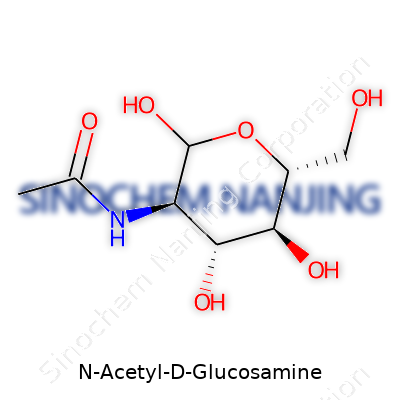
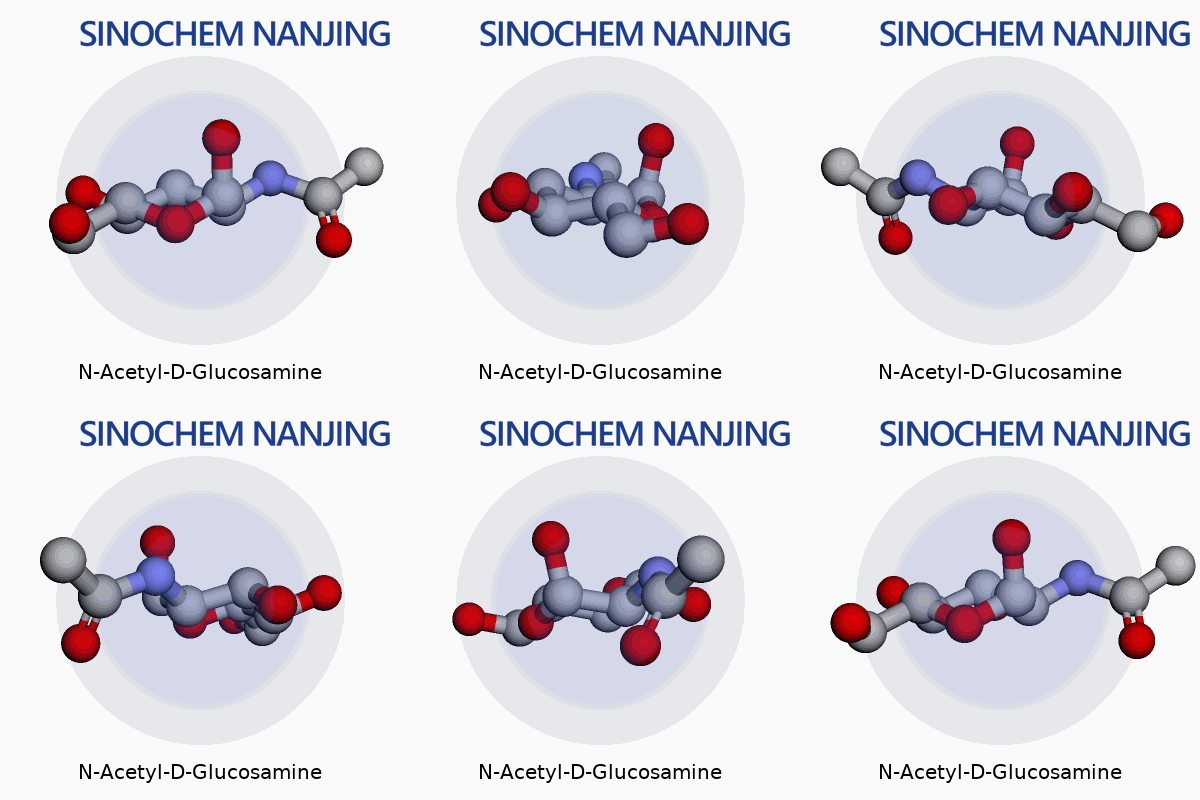
| Names | |
| Preferred IUPAC name | 2-(Acetylamino)-2-deoxy-D-glucopyranose |
| Other names |
GlcNAc N-Acetylchitosamine 2-Acetamido-2-deoxy-D-glucose N-Acetylglucosamine |
| Pronunciation | /ɛn-əˈsiː-tɪl diː ɡluːˈkəʊsəˌmiːn/ |
| Identifiers | |
| CAS Number | 7512-17-6 |
| Beilstein Reference | 1105024 |
| ChEBI | CHEBI:28009 |
| ChEMBL | CHEMBL1231311 |
| ChemSpider | 54627 |
| DrugBank | DB00808 |
| ECHA InfoCard | 03e3b293-36ee-4623-a96e-e78a3e0a247e |
| EC Number | 2.7.1.173 |
| Gmelin Reference | 82748 |
| KEGG | C00140 |
| MeSH | D009504 |
| PubChem CID | 439174 |
| RTECS number | RV0426000 |
| UNII | M94E048Y91 |
| UN number | Not regulated |
| Properties | |
| Chemical formula | C8H15NO6 |
| Molar mass | 221.21 g/mol |
| Appearance | White crystalline powder |
| Odor | Odorless |
| Density | 1.75 g/cm³ |
| Solubility in water | Soluble in water |
| log P | -2.2 |
| Acidity (pKa) | 12.08 |
| Basicity (pKb) | 11.17 |
| Magnetic susceptibility (χ) | -7.3×10⁻⁶ |
| Refractive index (nD) | 1.578 |
| Viscosity | Viscosity: 7.9 cP (20°C, 50% aqueous solution) |
| Dipole moment | 9.5977 Debye |
| Thermochemistry | |
| Std molar entropy (S⦵298) | 367.6 J·mol⁻¹·K⁻¹ |
| Std enthalpy of formation (ΔfH⦵298) | -1518.8 kJ/mol |
| Std enthalpy of combustion (ΔcH⦵298) | -3832.7 kJ/mol |
| Pharmacology | |
| ATC code | A16AX05 |
| Hazards | |
| Main hazards | Not a hazardous substance or mixture. |
| GHS labelling | GHS labelling: Not a hazardous substance or mixture according to the Globally Harmonized System (GHS) |
| Pictograms | GHS07 |
| Signal word | No signal word |
| Hazard statements | Not a hazardous substance or mixture according to the Globally Harmonized System (GHS). |
| Precautionary statements | Wash hands thoroughly after handling. |
| Autoignition temperature | NA |
| LD50 (median dose) | LD50 (median dose): >16 g/kg (rat, oral) |
| NIOSH | NA7900000 |
| PEL (Permissible) | Not established |
| REL (Recommended) | 750 mg |
| IDLH (Immediate danger) | No IDLH established. |
| Related compounds | |
| Related compounds |
Glucosamine Chitosan Chitin N-Acetylglucosamine-6-phosphate Hyaluronic acid Galactosamine |



