Menthol: A Deep Dive Into Its Development, Properties, and Role in Modern Industry
Historical Development
Menthol traces its roots back to ancient times, long before extraction labs and chromatography columns became standard fare. People crushed peppermint leaves, inhaled the cooling aroma, and used the plant for its soothing qualities. Menthol didn’t appear in isolation until the late 1700s, with Japanese scientists crystallizing pure menthol from peppermint. By the late 1800s, German chemists refined menthol extraction methods, setting the stage for marine-sized production and widespread industrial adoption. Soldiers in World War I carried menthol lozenges for coughs and congestion, and menthol’s presence in tobacco and pharmaceuticals followed. This compound, born from folk tradition and practical chemistry, quietly slipped into all kinds of daily routines.
Product Overview
Menthol’s reputation as a cool, minty agent often overshadows its complexity. Chemically, it falls into the monoterpenoid alcohol family. Most folks recognize it as the “cold” in peppermint, the tingle in throat sprays, and the clean rush in topical balms. Its reach spans way beyond flavoring; it shows up in ointments, cosmetics, and even oral hygiene products. Demand for synthetic menthol now rivals its natural counterpart, driven by strict quality standards and cost controls. Companies typically design the product for purity levels above 98%, given the stringent regulations around ingestible and topical goods. Large pharmaceutical groups and flavor houses source menthol as a core ingredient every day, so any disruption in its production chain ripples right through entire sectors.
Physical & Chemical Properties
Menthol arrives in clear, colorless crystals, shaped like tiny needles or plates, exuding a sharp and unmistakable mint scent. Its melting point usually sits between 41 and 44°C, quickly shifting to a slick liquid at skin temperature, which makes it perfect for rubs and creams. As a monoterpene, menthol holds the formula C10H20O, with isomers like d-menthol and l-menthol influencing flavor and therapeutic outcomes. It dissolves easily in alcohol and chloroform but mostly resists water, a property that shapes everything from cough drops to topical liniments. Anyone who’s spilled concentrated menthol knows it evaporates with a nose-tickling sharpness, a volatile trait that manufacturers must respect and control in every step of production and transport.
Technical Specifications & Labeling
Pharmaceutical and food-grade menthol follows strict technical specifications. Purity above 99% comes as a baseline for most applications, while manufacturing standards call for low limits on impurities, like isomenthone or heavy metals. The European Pharmacopoeia, United States Pharmacopeia, and other regulatory bodies define exacting chemical profiles for menthol, including optical rotation and melting point windows. Labels display all sources and grades, as regulatory audits rarely show leniency on clarity. With synthetic menthol flooding segments of the market, product sheets must declare origin: “natural” or “synthetic.” Packaging uses tamper-proof containers, often opaque, keeping quality intact across months of storage and transit.
Preparation Method
Steam distillation remains the backbone of extracting menthol from peppermint oil, where temperature control and purity hold sway over yield. Technicians chill the oil, coaxing menthol crystals to separate, and filter out the solid product. Large-scale chemical plants also synthesize menthol from myrcene—a component found in turpentine—using catalytic hydrogenation and selective crystallization. Modern methods may blend natural and synthetic techniques, striking a balance among sustainability, cost, and supply chain resilience. Each approach demands deep technical skill, close process management, and unforgiving hygiene standards, with plenty of oversight from both internal auditors and external agencies.
Chemical Reactions & Modifications
Menthol lends itself to simple yet powerful chemical conversions. Its alcohol group tolerates esterification, oxidation, and halogenation. Converting menthol into menthyl esters produces compounds for perfumery, while oxidation yields menthone, a lesser-known but valuable fragrant chemical. Hydrogenation and reduction can modify menthol’s structure, expanding its use in organic synthesis or as a chiral auxiliary in pharmaceuticals. Researchers routinely experiment with new derivatives, hoping to boost potency or discover fresh applications for menthol analogs. Each reaction calls for vigilant controls since unintended byproducts can introduce risks if they creep into pharmaceuticals or food.
Synonyms & Product Names
On the lab bench, menthol wears countless aliases: hexahydrothymol, peppermint camphor, and 5-methyl-2-(1-methylethyl)cyclohexanol, to name just a few. In trade, labels frequently read “Natural Menthol,” “L-Menthol,” “D-Menthol,” or “Racemic Menthol,” each name tied tightly to flavor, scent, and regulatory acceptance. Pharmaceutical and personal care companies also rely on standardized codes—such as FEMA 2665—to simplify tracking and safety documentation. In industrial documents, clear, unmistakable naming protects against substitution or mislabeling, safeguarding product integrity and patient health.
Safety & Operational Standards
Menthol has earned a reputation for safety, but improper handling or concentration can trigger skin irritation, eye discomfort, or breathing trouble. The Occupational Safety and Health Administration lists menthol with permissible exposure limits around 10 mg/m³. Facilities train staff in safe storage—cool, dry, ventilated spaces shielded from heat or direct sun. Personal protective equipment guards against accidental contact, while local exhaust systems prevent vapor buildup. Strict cleaning and batch-tracing protocols stand between a harmless flavor additive and a costly recall, especially when mistakes cross over into pharmaceuticals or food.
Application Area
Menthol’s versatility stands out. Cough syrups, throat lozenges, and topical analgesics count on its soothing, numbing qualities, calming sore throats and clearing nasal passages in flu season’s worst days. The flavor carries over to gums, candies, mouthwashes, and toothpastes, where it signals cleanliness and freshness. Sports rubs and anti-itch ointments rely on menthol to distract nerve endings, taking attention off pain or irritation. Even e-cigarette liquids and tobacco blends depend on menthol’s signature chill, though regulatory scrutiny now weighs heavily on these sectors. The food, beverage, and cosmetics industries carve out specific spec sheets to keep flavors and effects consistent from batch to batch.
Research & Development
Current R&D work on menthol aims at both improving old uses and breaking new ground. Medical researchers dig deeper into menthol’s interactions with TRPM8 channels and its potential roles in pain management or anti-inflammatory therapies. Chemical engineers explore sustainable separation and synthesis techniques, aiming to cut waste and trim the dependence on natural essential oils, where bad harvests or climate change can swing prices and supply. Teams in regulatory science track any changes in menthol’s toxicology profile or allergenicity, responding quickly to any new evidence from global safety trials. The race to discover menthol analogs also draws competitive investment, each lab chasing the next big breakthrough in flavor chemistry or therapeutic targeting.
Toxicity Research
Safety studies of menthol stretch back decades, with scientific journals packed full of chronic exposure and acute toxicity data. In small oral or topical doses, menthol passes regulatory hurdles as safe for most users. Yet concentrated forms, especially in products or environments where children might accidentally ingest large amounts, pose real risks: nausea, abdominal pain, slurred speech, or in severe cases, central nervous system depression. Inhalation risks also ramp up during intensive industrial handling. Toxicologists keep a close eye on inhaled menthol in cigarettes and vaping products, reviewing data as questions about long-term tissue damage or impact on nicotine dependence emerge. Every few years, international agencies like the World Health Organization revisit menthol’s safety filings, pushing for more data, tighter standards, or clear warnings when risks look plausible.
Future Prospects
Menthol’s story keeps evolving. Consumer demand for natural, safe, and effective cooling agents only grows, while the regulatory landscape changes rapidly. New pressure falls on tobacco and vape products, but at the same time, menthol’s value in pharmaceuticals and personal care remains solid. Researchers hope to unlock menthol’s potential in new pain management treatments, novel food innovations, and even advanced sensor technology—TRPM8 channel modulation continues to intrigue biotech labs. Synthetic menthol is likely to catch a larger share of the market as reliability and purity requirements tighten. Emerging green chemistry processes, like biotechnological fermentation or enzyme-catalyzed reactions, may soon meet global menthol needs with lower energy footprints and less waste. The next chapter for menthol will depend on a balanced interplay of scientific rigor, market trends, and regulatory wisdom.
What is menthol and how is it made?
What You Breathe In and Rub On
Menthol finds its way into everything from cough drops to muscle rubs, and even cigarettes. Most people recognize that cool, tingling feeling after sucking on a mint or using a medicated balm. That sensation comes straight from menthol. But most folks barely give a thought to what menthol really is or how it lands in products all around us.
From the Fields to the Lab
Walk through a field of peppermint or cornmint and you’ll already be close to the source. Menthol gives these plants their sharp scent. It starts as an oil in the leaves. Farmers harvest and process massive amounts of mint plants, then use steam distillation to pull out the oil. This process goes back a while but stays pretty true to its roots, even with newer tech making things faster.
Once they pull the oil, things take a turn toward science. Producers cool the mint oil until crystals of menthol form. If you’ve ever seen those jagged, glass-like chunks, that’s menthol in its pure form. Many companies prefer this natural version for products promising that clean mint taste or aroma.
The Other Side: Synthetic Menthol
Some menthol never came near a mint field. Petrochemicals like thymol or myrcene—starting materials that come from turpentine or even crude oil—can be made to mimic nature. Through a blend of chemistry and clever engineering, labs crank out millions of pounds of synthetic menthol every year. Some argue you can’t taste the difference between natural and synthetic, but people with allergies or food sensitivities pay close attention to where their menthol comes from.
Synthetic options offer big savings for companies. Weather, crop disease, or bad harvests don’t get in the way. Factory-made menthol takes away much of the guesswork, but it carries its own debate. There’s the question about sustainability and the ongoing story of chemical runoff and pollution from factories. Cutting down on nature-based sources might protect fields and lessen pressure on farmers, but the energy and pollution cost needs to be weighed, too.
Why Menthol Matters in Daily Life
People use menthol for more than fresh breath. Athletes reach for menthol-based creams because they soothe overworked muscles. Inhalers with menthol open up stuffed noses and help folks breathe a little easier. Old-timers who’ve worked through hard colds or muscle strains usually keep some product with menthol handy, because sometimes it’s the only thing that breaks the pain or helps clear a head.
Menthol’s more complicated legacy shows up in cigarettes. Major companies lean on menthol to smooth out harsh tobacco and keep people smoking. Smoking rates among younger people and certain minority groups soared after menthol came on the scene. The FDA in the United States has debated bans or heavy regulation because menthol makes it tougher for smokers to quit. So while menthol can help with tiny everyday annoyances, that cool tingle sometimes masks some bitter truths.
What Comes Next for Menthol
The story of menthol isn’t finished. Demand keeps rising, especially with herbal and wellness trends catching on in bigger markets. Europe and the United States look at menthol’s role in health, not just comfort. Newer farming techniques, better chemical methods, and government regulation all play a role in shaping menthol’s future.
Anyone who relies on menthol for relief or flavor probably wants to know where it comes from and what impact its production leaves behind. Strong labeling, clear sourcing, and updated farming all seem necessary if menthol is going to keep its spot in medicine cabinets and kitchen shelves without extra baggage.
What are the uses of menthol in products?
A Breath of Fresh Air
Walk down the pharmacy aisle and menthol greets you everywhere. Toothpaste, cough drops, nasal sprays—one sharp inhale delivers its trademark chill. Menthol hits the nerve endings that sense cold, tricking the brain into thinking something is colder than it really is. That’s why it makes sore throats and stuffy noses more bearable. People flock to menthol lozenges and balms not just for nostalgia, but because they bring real sensations of clearer airways and loosened congestion.
Soothing Sore Muscles
Rub a little menthol on aching shoulders or knees and notice relief spreading across tired muscles. Athletic creams tap into menthol’s knack for firing up the skin’s receptors. That icy-hot tingle masks pain, offers a momentary break from nagging discomfort and gets folks moving again sooner. Old joints and overworked hands count on that daily ritual, especially in places where heavy lifting and hard work are part of life.
Cool Factor in Oral Care
Minty freshness is more than a marketing gimmick. Toothpaste makers blend menthol from real peppermint oil or create it synthetically. People gravitate to that tingle after brushing—mouths just feel cleaner. Chewing gum and mouthwashes ride the same wave, masking bad breath and leaving users confident to get close. Dental professionals favor menthol for more than freshness. It can slow bacterial growth, support oral hygiene, and keep things feeling cool long after brushing is done.
Menthol in Cigarettes: A Troubling Chapter
Menthol cigarettes arrived as a smoother alternative but ended up deepening public health concerns. That cooling sensation makes smoke feel less harsh, especially to new smokers and the young. Studies by the Centers for Disease Control and Prevention draw a direct line from menthol flavoring to addiction—they make starting easier and quitting harder. The debate heats up whenever new restrictions reach headlines, with health advocates pushing for bans based on disproportionate marketing to minority communities. As someone who’s watched family members struggle with quitting, the link between menthol and lasting addiction feels both personal and urgent. Solutions start with tighter rules, honest education, and more support for quitting.
Flavor and Fragrance Everywhere
Open a bottle of shampoo or a jar of vapor rub and that unmistakable scent fills the air. Manufacturers add menthol to everything from shaving cream to shower gel. The goal: energize routine hygiene and promise an invigorating start to the day. For folks with sensitive skin, menthol can become an irritant. The focus moves toward labeling and transparent formulas, so people know what they’re putting on their bodies.
Moving Toward Better Choices
Menthol works best when people know why it’s there and what it does. Relying on research-backed benefits for pain relief and clarity helps set products apart from fads. Regulators bear responsibility to step in when menthol masks risk—especially in products like cigarettes. Companies gain trust through honesty, clear labeling, and by backing claims with solid science. After years of using menthol ointments and cold remedies at home, I’ve seen the value of transparency and the peace of mind it brings. Choices rely on facts, not hype.
Is menthol safe for consumption or topical use?
Understanding Menthol and Its Uses
Menthol comes from mint plants like peppermint or is made in labs. Most folks have come across it in cough drops, throat sprays, chest rubs, chewing gum, and toothpaste. It leaves a cool, tingling feeling that helps soothe sore throats and clear nasal passages. People trust menthol because it’s found in so many over-the-counter products, but a question hangs over that trust: Is menthol as safe as people think for eating or rubbing on skin?
Looking at the Facts
Menthol in food or medicine doesn’t usually cause problems at low doses. The U.S. Food and Drug Administration lists menthol as “generally recognized as safe” (GRAS) in tiny amounts, like the ones used to flavor candy or gum. Scientists have found that swallowing too much menthol can lead to stomach aches, headache, nausea, and dizziness. I remember downing way too many menthol cough drops as a kid, thinking they’d kill my cold faster—only to wind up with a queasy stomach and a weird taste in my mouth for the rest of the day. The lesson stuck: a little menthol goes a long way.
Menthol shines in topical products. Rubbing a menthol-based gel on aching muscles or a sore back brings relief for many people, including me. The cool jolting sensation tricks the brain into focusing on that feeling rather than the pain. Still, putting a huge glop on sensitive skin or using menthol on broken skin can bring burning, hives, or rashes. Some people break out in allergic reactions, and those with asthma should watch out—breathing menthol-heavy air could set off wheezing or shortness of breath.
What Science Tells Us
Researchers have studied menthol for decades, especially its role in tobacco products. Cigarettes with menthol flavor keep smokers hooked longer and make quitting harder, which has led some countries to ban menthol cigarettes. The FDA has found that menthol masks the harshness of smoke, which may lure young people into smoking. So, using menthol in tobacco proves especially risky, and those risks multiply compared to menthol’s use in food or as a rub for pain.
Menthol interacts with the body’s TRPM8 receptors, which pick up cool sensations. This explains its effects in both taste and pain relief, but the body absorbs menthol differently in food versus through the skin. Eating menthol at regular food levels usually doesn’t harm people. Strong rubs or oils with high menthol content can irritate the skin if used daily or in big amounts. Scientists agree that moderation matters more than the source.
How to Use Menthol Safely
Start by keeping an eye on labels. Chewing extra-strength mints or slathering your back in icy gels might sound like shortcuts to feeling better, but doubling up these products often leads to trouble. Stick to recommended doses listed on packaging. Pay attention to how your body reacts.
If you ever feel lightheaded, nauseous, have trouble breathing, or see rashes after using menthol products, stop and get some help. Young kids should never have direct access to strong menthol lozenges or rubs. For pain relief, people with sensitive skin or known allergies may want to run a patch test before widespread use. Pregnant and breastfeeding women should talk to doctors before using menthol-heavy products, just to be safe.
Better Choices and Solutions
Companies can help by making labels clearer and honest about menthol concentration, with warnings for high-risk groups. Healthcare professionals should keep talking with patients about the possible risks of overusing menthol, especially for folks with lung conditions or allergies. In the end, wise use—never excess—brings the benefits menthol promises.
Does menthol have any side effects?
The cool factor behind menthol
Suck on a peppermint candy, slap on a muscle rub, or use a certain kind of cough drop—menthol is everywhere. Whether it’s in toothpaste or those icy pain relief patches, menthol has a way of making things feel fresh or soothing. It gives gum that cooling burst and soothes sore throats with its minty tingle. Menthol, which comes from mint oils or can be made in labs, has cemented itself in daily products for decades.
Menthol does more than cool
For a while, menthol has ridden on a reputation for being harmless and even helpful. The cool sensation tricks nerves in the skin and mouth into feeling colder without actually dropping temperature. That’s a neat trick, but menthol also deserves some deeper examination, especially with those questions that pop up after someone feels dizzy after too many cough drops, or their skin turns red and tingly under a pain patch.
Good in moderation, trouble in excess
From what doctors and researchers have studied, menthol usually plays nice with the human body—in reasonable amounts. I remember my dad relying on menthol in muscle creams for his sore joints—it helped, but sometimes he went overboard. His skin got irritated and sometimes looked rashy. There’s a line: low doses can cool and soothe, too much can sting or burn.
Researchers agree that high concentrations of menthol (for example, applying a thick coating of a vapor rub or inhaling a lot of menthol vapor) can cause headaches, nausea, or stomach problems. In very rare cases, swallowing a high dose has caused serious issues—think seizures, confusion, or breathing trouble. These aren’t everyday problems for a typical user, but the risks rise for kids because their bodies can’t process menthol as efficiently.
Not all users stand on equal ground
People with asthma or allergies have a different story. Menthol can be a double-edged sword. Yes, it can open up nasal passages, but some find that inhaling menthol triggers coughing fits or even shortness of breath. My cousin found himself wheezing after using a heavily mentholated balm—so for people with respiratory conditions, the risks climb higher.
Skin reactions pop up sometimes too. Some folks develop red, itchy skin after using menthol patches or creams—especially with repeated use. A 2022 clinical review found that about 1 in every 100 topical menthol users reported mild to moderate allergic reactions. While this seems like a small slice, it matters when you see how many products carry menthol.
Menthol in tobacco: Steeper consequences
One area where menthol’s safety really comes into question is with menthol cigarettes. The cooling sensation dulls the harshness of smoke, so people may inhale deeper or hold smoke longer. The U.S. FDA points out that menthol cigarettes hook people more easily and are linked to lower quit rates. Smokers of menthol products show higher levels of nicotine dependence and face unique health risks.
Smart use and safer choices
Most problems with menthol come down to quantity, frequency, and how it’s used. Double-check the instructions, especially for kids. If you have asthma, allergies, or sensitive skin, test a small dab of menthol product and wait to see what happens, or talk with a healthcare provider. Always keep strong menthol products well out of the reach of children.
Menthol will probably stick around thanks to its cooling sensation and mild pain relief. Just remember that even something natural needs a little respect and care.
Can menthol help relieve congestion or pain?
The Familiar Chill of Menthol
Anyone who has dabbed menthol ointment on their chest or inhaled the crisp fumes from a cold remedy knows the unmistakable cooling blast it brings. Over the years, menthol—found in balms, lozenges, topical rubs, and patches—has earned a reputation as a go-to for stuffy noses and sore bodies. With all the buzz around this minty compound, it’s worth asking: Does menthol truly relieve congestion or pain, or is its power just good marketing with a pleasant tingle?
How Menthol Tricks the Senses
Researchers know menthol doesn’t open clogged noses by clearing out mucus or fighting infection. What it does is trick cold-sensitive receptors in the skin and airways, sending a message to the brain that feels like a breath of fresh, frosty air. Inhaling menthol makes the body think airways are clearer, even if nothing inside the nose has actually moved. This illusion offers real relief for people bogged down with a head cold or allergies—less sniffling, more comfort—even for a few hours.
Menthol’s pain-soothing talent comes from a similar trick. By activating certain nerves, menthol can dampen pain signals, easing the sting from sore muscles or minor injuries. Runners reach for menthol patches. Nurses recommend menthol gels after a long shift standing. Studies in respected journals—like one in the "Journal of Clinical Medicine" (2020)—show a clear benefit for topical menthol with minor aches and fresh injuries.
Menthol Can’t Replace Real Medicine
No one gets over a sinus infection or a broken bone with vapor rub alone. Menthol feels good, but it doesn’t whittle down mucus, target infection, or heal deep tissue. It does offer an alternative to painkillers for muscle soreness—one reason trainers now stick menthol gels in gym bags, hoping to keep people off daily NSAIDs that can harm the stomach or kidneys.
For people with sensitive airways—like young children—menthol vicks or rubs could actually pose risks. The American Academy of Pediatrics warns against using menthol chest rubs for babies, especially under age two. Ingredients can irritate airways, causing more coughing or rarely, difficulty breathing. Inhaling strong menthol fumes can lead to a burning feeling or even cause dizziness in some folks.
Finding Relief, Responsibly
Looking for an easy breath or gentle burn of relief after a tough workout? The minty chill of menthol really can help. Just keep those expectations grounded. A menthol lozenge or ointment can buy a window of calm—enough to get some rest, avoid overusing pain meds, or make it through allergy season. Store-bought menthol gels offer safer comfort than home-brewed remedies, which sometimes use unsafe concentrations or mix in other risky oils.
Doctors still lean on time-tested advice: Stay hydrated, sleep well, try gentle saline rinses, and look out for any signs your symptoms are getting worse, like persistent fevers or shortness of breath. If a menthol rub or patch fits in the routine, it won’t work miracles, but it can give that little boost of comfort that everyone needs sometimes.
Using menthol for brief relief makes things feel easier while your body does the real work of healing. That five-minute break from congestion or aching muscles can help keep spirits up and get you walking, breathing, or working again without leaning on pills.
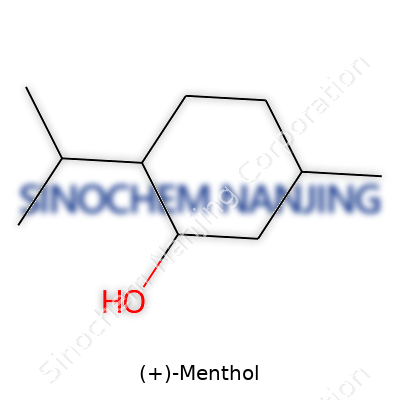
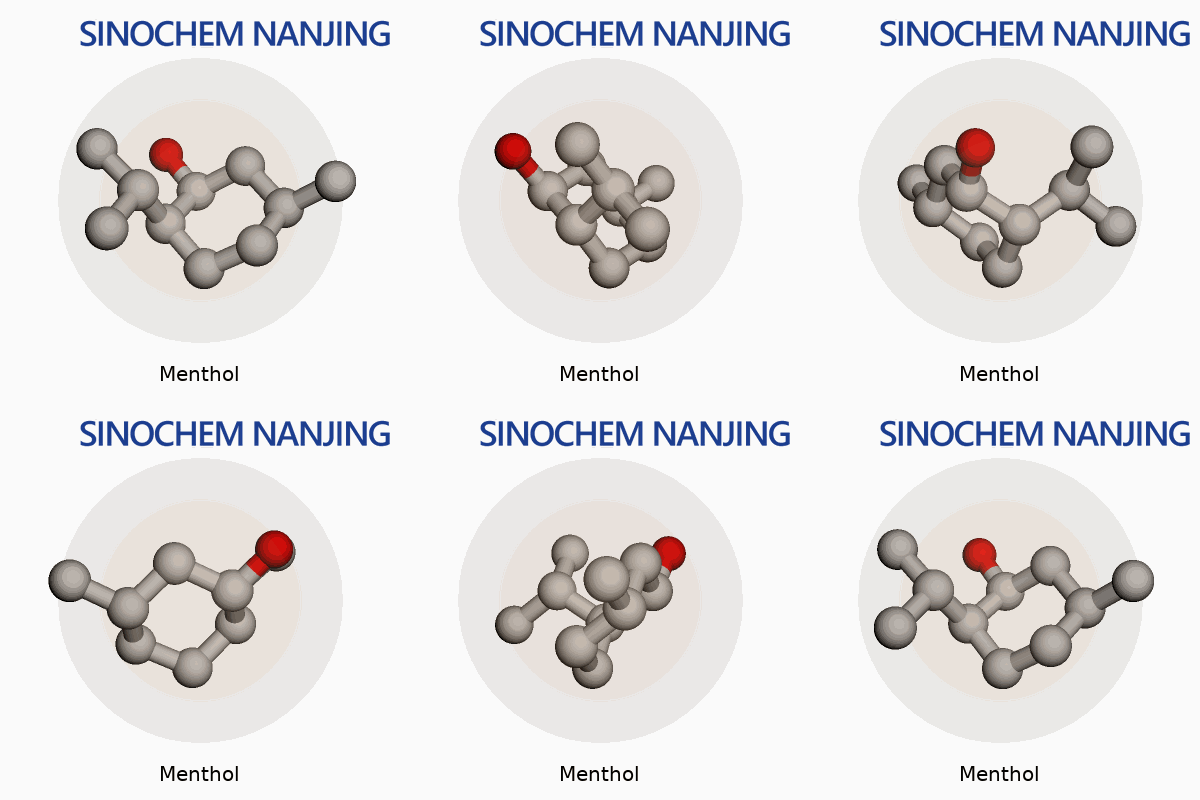
| Names | |
| Preferred IUPAC name | (1R,2S,5R)-2-isopropyl-5-methylcyclohexanol |
| Other names |
DL-Menthol L-Menthol Racemic Menthol Mentha arvensis oil Peppermint camphor |
| Pronunciation | /ˈmɛn.θɒl/ |
| Identifiers | |
| CAS Number | 89-78-1 |
| Beilstein Reference | 1718732 |
| ChEBI | CHEBI:15453 |
| ChEMBL | CHEMBL1559 |
| ChemSpider | 865 |
| DrugBank | DB00825 |
| ECHA InfoCard | 03c44c0a-c7f8-41ef-b6f6-347ca7c3730c |
| EC Number | 3.1.1.8 |
| Gmelin Reference | Gmelin 115533 |
| KEGG | C01078 |
| MeSH | D008609 |
| PubChem CID | 1254 |
| RTECS number | SY0575000 |
| UNII | L7T10EIP3A |
| UN number | UN1331 |
| Properties | |
| Chemical formula | C10H20O |
| Molar mass | 156.27 g/mol |
| Appearance | Colorless, prismatic crystals or white, waxy, crystalline powder with a characteristic peppermint odor. |
| Odor | Peppermint odor |
| Density | 0.89 g/cm³ |
| Solubility in water | slightly soluble |
| log P | 3.4 |
| Vapor pressure | 0.03 mmHg (at 25 °C) |
| Acidity (pKa) | pKa ≈ 16 |
| Basicity (pKb) | pKb = 7.75 |
| Magnetic susceptibility (χ) | −8.7×10⁻⁶ |
| Refractive index (nD) | 1.456 |
| Dipole moment | 2.33 D |
| Thermochemistry | |
| Std molar entropy (S⦵298) | 199.0 J·mol⁻¹·K⁻¹ |
| Std enthalpy of formation (ΔfH⦵298) | -361.9 kJ/mol |
| Std enthalpy of combustion (ΔcH⦵298) | -3226 kJ·mol⁻¹ |
| Pharmacology | |
| ATC code | R05XA01 |
| Hazards | |
| Main hazards | Harmful if swallowed, causes serious eye irritation, may cause respiratory irritation. |
| GHS labelling | GHS02, GHS07 |
| Pictograms | F,Acute Tox. 4,H302,H312,H332 |
| Signal word | Warning |
| Hazard statements | H302, H315, H319, H335 |
| Precautionary statements | P210, P233, P240, P241, P242, P243, P261, P264, P271, P272, P273, P280, P301+P310, P302+P352, P304+P340, P305+P351+P338, P312, P321, P330, P333+P313, P337+P313, P362+P364, P370+P378, P403+P235, P405, P501 |
| NFPA 704 (fire diamond) | 2-1-0 |
| Flash point | Flash point: 93°C (199°F) |
| Autoignition temperature | 380 °C |
| Explosive limits | Upper: 5.1% ; Lower: 0.8% |
| Lethal dose or concentration | LD50 oral rat 3300 mg/kg |
| LD50 (median dose) | LD50 (median dose) of Menthol: 3300 mg/kg (rat, oral) |
| NIOSH | MN0800000 |
| PEL (Permissible) | PEL: 10 mg/m³ |
| REL (Recommended) | 150 mg |
| Related compounds | |
| Related compounds |
Menthone Neomenthol Isomenthol Pulegone Thymol Carvone Isopulegol |



