Lead Monoxide: An Unfiltered Look at a Widely Used Chemical
Historical Development
Lead monoxide, long known by the names litharge and massicot, holds an important place in the story of chemistry and industry. Ancient Romans used it in their glazes and found it useful for making durable pots and decorative glass. By the late Middle Ages, glassmakers across Europe purged impurities from lead ore in small hearths, producing the familiar yellow pigment painters depended on. The widespread use of lead-based materials in windows and pipes left a legacy, both in art and in urban infrastructure. Alchemists prized it for its role in color creation and in attempts to turn base metals into gold, hinting at the breadth of its influence. Lead chemistry soon became a backbone resource for everything from electronics to ceramics, outlasting many of its early uses due to its adaptability and efficiency.
Product Overview
In today’s landscape, lead monoxide shows up as a pale yellow or sometimes reddish powder, shaped by its chemical dance with the air and the conditions that brought it into being. Battery makers consider it a staple, especially in lead-acid systems that power vehicles and backup grids around the world. Glassmakers prize its role in boosting brilliance and strength; pigment producers rely on its rich color. From radiation shields in hospitals to industrial lubricants, its applications have spread far beyond its early days as a painter’s pigment.
Physical & Chemical Properties
Lead monoxide’s look can shift with structure. The tetragonal form, massicot, carries a soft yellow tint, while the orthorhombic litharge comes out redder. At room temperature, the powder feels soft and heavy, weighing in at a robust 9.53 grams per cubic centimeter. It doesn’t dissolve well in water, so it stays put unless strong acids or bases get involved. The melting point hovers around 888 degrees Celsius. As a basic oxide, it reacts with acids to form lead salts, prized in ceramics and glass for both color and resilience. Lead monoxide’s presence anywhere prompts a careful approach—although it does not burn, it can release tricky fumes above its melting point, especially when mishandled.
Technical Specifications & Labeling
You’ll often spot lead monoxide sold in technical or industrial grades. Purity can swing from 98% up to the 99.9% range for use in research and electronics. Labels flag its chemical formula (PbO), various batch numbers, and always the heavy warning that it’s dangerous. Packaging rules demand robust, sealed bags or drums, each stamped with hazard pictograms to catch the eye. There’s no excuse for skipping detailed hazard info; government rules require it. Factories track shipment dates, origins, and strict shelf-life checks to prevent any sketchy leftovers from slipping into sensitive environments.
Preparation Method
Leading producers stick to roasting lead metal in controlled air, a method that reaches back several centuries. The process cranks up the heat, often in a rotary furnace, until molten lead reacts with oxygen, leaving a thin crust that workers skim off to become the prized powder. Some places use thermal decomposition of lead carbonate or nitrate for higher-purity needs. Each step demands discipline: too much oxygen, and you wind up with lead dioxide. Not enough, and you don’t get the correct oxide state. Cooling rate steers color: fast cooling pulls yellow, slow cooling tilts toward red.
Chemical Reactions & Modifications
Chemists keep returning to lead monoxide because of its flexibility in reactions. Drop PbO in nitric acid, and it yields the prized lead nitrate. Mix it with hydrochloric acid, out comes lead(II) chloride—a compound used in stabilizers and pigments. Toss it in a kiln with silica, and it shapes tough, clear lead glass, prized for its density and sparkle. Certain sulfur reactions turn PbO into lead(II) sulfate for batteries. Even just heating it with other oxides can yield compounds that capture or emit light, keeping lead monoxide valuable in specialty ceramic glazes and lighting phosphors.
Synonyms & Product Names
Trade and research papers usually refer to lead monoxide as litharge or massicot, depending on color and crystalline form. Older texts might call it plumbous oxide, but PbO sticks as its chemical shorthand everywhere. Pigment sellers still list “yellow lead oxide.” Ceramic suppliers rotate between “litharge” and “massicot” to cover both standard hues, while regulatory databases always fall back to “lead monoxide,” for global clarity.
Safety & Operational Standards
Any job with lead monoxide demands caution. The element's knack for slipping into the bloodstream causes headaches, memory loss, and sometimes permanent organ damage over time. Laws draw strict lines. The Occupational Safety and Health Administration (OSHA) in the US, for example, caps workplace air exposure at 0.05 milligrams per cubic meter. Workers count on local exhaust, respirators, gloves, and coveralls. Smart operations pair these with careful storage—dry, sealed, away from acids and food. Disposal follows hazardous waste guidelines, and tracking spills or dust gets weekly checks. Continuous blood monitoring of employees isn’t just recommended—it’s required by most authorities.
Application Area
Lead monoxide powers much of the rechargeable battery world, lending energy density and reliability, especially in lead-acid battery plates. The glass industry relies on it to manage melting point, color, and durability, turning out everything from decorative vases to scientific instruments that need high optical clarity and radiation shielding. Ceramics makers mix it into specialty glazes, seeking color and a shield against harsh chemicals. The pigment world exploits its yellow and red hues. Lubricant and oil-additive companies include it for its anti-wear characteristics. Some electronics manufacturers lean on its high refractive index in fusing glass to metal seals, keeping sensitive devices airtight.
Research & Development
University and commercial labs have continued to probe lead monoxide’s unique properties, looking for safer versions and substitutes. Researchers now focus on its semiconducting behavior, leading to experimentation in solar cell construction and electronic ink displays that stand up to temperature swings. In environmental science, lead monoxide acts as a model pollutant, shaping studies that target removal and neutralization strategies. Material scientists seek ways to capture lead more efficiently, cutting the reliance on raw ore and finding uses for spent lead-acid battery waste. These new methods sometimes use wet chemistry or green solvents, aiming to trim risks and waste at every step.
Toxicity Research
Lead’s reputation as a toxin runs deep. Chronic exposure accounts for behavioral changes and nervous system disorders, especially among children—studies consistently place lead exposure behind drops in IQ and cognitive delays. Modern toxicology brings clear evidence of bone and kidney damage at lower concentrations than earlier thought. Regular screening and biologic monitoring have become the norm in all industrial workplaces. Most modern epidemiological reviews tie high blood lead levels to hypertension, reproductive problems, and even some cancers. Dust control campaigns, worker training sessions, and a string of government crackdowns have helped, but vigilance remains crucial wherever lead compounds come into play.
Future Prospects
As battery production surges to meet electric vehicle and grid storage needs, the demand for lead monoxide stays steady, though alternative chemistries like lithium and sodium draw more attention every year. Environmental and public-health pressures keep pushing for substitutes in glass and pigment work, but full replacement lags due to performance and cost issues. Innovative recycling routes, such as hydrometallurgical extraction and synthesis from lead-rich waste streams, are starting to scale. Research into lead-free ceramics and glazes grows each year, prodded by strict international regulations. The industry faces a tightrope walk—balancing the efficiency and low cost of PbO-based systems with public calls for safety and reduced environmental impact. Smart businesses diversify, putting money into cleaner alternatives even while squeezing the last bit of performance from proven lead monoxide processes.
What is Lead Monoxide used for?
The Stubborn Role of Lead Monoxide in Modern Life
From my high school chemistry days, the name “lead monoxide” always seemed to carry a warning. With a dull yellow appearance and a heavy weight, this compound doesn’t inspire much excitement in a test tube. Out in the real world, though, manufacturers have chased its particular qualities for decades. Lead monoxide, often called litharge, plays a surprisingly big role in several tough industries.
Glass That Stands Up to Anything
Lead glass needs this compound to become what it is. The lead atoms get between the other glass molecules, lending heft and clarity that you don’t get from plain old sand and soda. I’ve seen glassblowers toss around terms like “sparkle” and “ring,” and lead lets them realize those qualities. Think of ornate cut glass, laboratory measuring equipment, and even old-school television screens. In each, lead monoxide makes the products tougher and more luminous. Without it, X-ray shielding glass and optical instruments wouldn’t have the same protection or precision.
Batteries and a Charge That Lasts
Car batteries have kept this mineral in demand for over a century. Most people never see the individual plates inside a lead-acid battery, but the science relies on lead monoxide doing a heavy lift. In the battery, this chemical sits on one of the key plates and takes part in the movement of electrons—the kind of process that makes your car turn over at five in the morning when you’re late for a shift. In my neighborhood, battery shops keep busy collecting the old models and sending the lead compounds for recycling. A working, rechargeable battery isn’t just a convenience; it’s a core part of daily life, especially where power remains inconsistent.
Old Paints and New Problems
Before safety rules tightened, lead monoxide made its way into many paints, providing a deep base color and helping paint resist moisture. Some painters I’ve talked to remember the “good old days” of paints that lasted forever outdoors. The tradeoff: lead dust lingers long after the job, putting children and adults at risk for poisoning. Research shows even small amounts lower IQ and harm development, especially in young kids. Pulmonary specialists and pediatricians know these impacts all too well. It’s clear: safer alternatives must take priority, and robust efforts to identify and remove old lead paint remain urgent in many older buildings.
Other Everyday Uses—And Mounting Pressure for Change
Lead monoxide also appears in certain types of ceramic glazes, giving them richness and durability. Some electronics manufacturing uses the compound in solder or protective coatings, and in specialized ceramics that help filter industrial gasses. Each use weighs health risks against performance demands. Many organizations, especially in North America and Europe, now urge factories to find or develop safer substitutes.
Pushing for Safer Solutions
Awareness keeps growing. Alternatives based on barium, strontium, or even tin have entered the scene, but don’t always stack up—either in cost, strength, or clarity. Doing away with lead means balancing production realities with hard evidence on health. Scientists continue looking for compounds that perform without poisoning. Strong regulation, strict monitoring, and investment in safer chemistry would do more than keep products on shelves—they protect people and the environment far beyond any single factory gate.
What are the safety precautions when handling Lead Monoxide?
The Real Dangers Behind the Red Powder
Lead monoxide doesn’t get the headline attention that flashy chemicals like mercury or ammonia do. Still, anyone who’s worked in ceramics, batteries, or paint labs can share stories about the gritty red powder’s reputation for harm. Unlike a slip with a kitchen knife or a fall off a ladder, the risks with lead monoxide come quietly. The eyes don’t itch, the lungs don’t burn. Relying on your body to give a warning usually means it’s too late.
The science tells a blunt story. Plenty of studies show even a low level of lead in the body stunts brain function, wrecks nerves, and raises blood pressure. For kids, the risk piles up even faster. Lead latches onto bone, gets carried to organs, and can damage the mind. The World Health Organization ranks lead among the top ten chemicals of public health concern. Wearing gloves and goggles in the lab isn’t just about following rules — it’s about protecting lives.
Simple, Consistent Protection Works
Putting on a mask makes a huge difference. I’ve seen the cloud that comes from scooping out a barrel of lead monoxide; that red dust floats around much longer than you’d expect. It ends up in the lungs without anyone realizing it. N95 or better respirators stop most of it, but only if they fit right. Most accidents I’ve witnessed happened because someone skipped this step during "just a quick job."
The hands take the next blow. Lead sticks to skin and travels. I always keep disposable nitrile gloves on hand. After handling the compound, I throw them away — never reuse, never pocket them. Washing hands with cold water and soap before eating or touching your face stops lead from sneaking into your system or home. At my first job, a worker would scrub his hands clean with car mechanic soap. No one in that group ever tested high for lead, and I stuck with that habit since.
The Right Work Space Makes All the Difference
Ventilation isn’t a bonus in these settings; it’s a lifesaver. Fume hoods or local exhaust systems in labs and factories keep that suspended dust away from faces. People working in older facilities sometimes rely on open windows. The truth: fans and natural air don’t push the dust away, only controlled extraction does. At one ceramics workshop, regular air-quality checks with handheld monitors uncovered spots where dust built up — just a reminder that fresh paint doesn’t guarantee safety.
Personal Habits Change Outcomes
Street clothes have no place where lead dust is loose. I switched to dedicated work suits at every shift, changing into clean clothes before heading home. That habit stopped contamination from reaching families, especially children. Split lockers and well-marked laundry bins helped everyone follow through. My friends from battery shops all agreed: shared responsibility kept each person honest.
Training matters the most. Many folks skip the safety class or daydream during the safety video. The teams I trust always talk over potential risks before starting any job. Open conversation about mistakes creates a safer environment where it’s normal to ask for help or flag problems. Workers and students deserve these ongoing, practical check-ins far more than paperwork in binders.
Practical Steps, Real Safety Gains
Storing lead monoxide in labeled, sealed containers stops accidental spills. Labels stick out as a last line of defense. Using a spill kit built for hazardous materials means never scrambling during an accident. Reporting and cleaning up immediately isn’t about blame; it keeps future users of the site safe. Respecting material safety data sheets gave me the basic knowledge to avoid shortcuts.
The safest places I’ve worked all shared these routines: real training, reliable gear, and a culture where safety wasn’t a hassle — it was a matter of respect for each other. That’s what keeps us coming home healthy.
What is the chemical formula and appearance of Lead Monoxide?
The Basics of Lead Monoxide
Lead monoxide, best known in labs by its chemical formula PbO, carries a reputation that stretches from the world of pigments to heavy industry. Every time I handled this compound in a classroom or saw it up close in old paint or ceramic work, one thing stood out: PbO comes in two visually distinct forms. The first, known as litharge, looks red or orange. The second, massicot, shows off a yellow shade. These color differences actually reflect variations in their structure and the temperature at which they’re created rather than differences in chemical components. Both forms behave chemically in the same way, but spotting them requires knowing what kind of yellow or red you’re looking at in the jar or under the microscope.
Where You’ll Find Lead Monoxide
PbO hasn’t vanished from the spotlight, even as health concerns keep most lead compounds away from daily life. This oxide used to show up in lead paints, but its strongest footprint now appears in glassmaking, ceramics, and batteries. During a tour of a glass factory last year, a technician explained how PbO boosts glass clarity and increases its refractive index, helping produce the shimmering crystal glass people use at fancy dinners. In batteries, PbO acts as a key raw material in the grids and active materials inside lead-acid cells that power cars and provide backup energy for hospitals and telecom towers.
Handling with Knowledge and Respect
Much of the modern conversation about lead starts with danger, especially for children. PbO gets absorbed through skin or dust and causes serious health damage to the nervous system, kidneys, and other organs. After reading studies on lead exposure, it’s clear that no level is truly safe. That’s why workplaces follow strict safety procedures. Factories and research labs use fume hoods, protective gear, and proper storage systems. Anyone who’s ever cleaned up after a ceramic glaze session or seen renovation crews work on old buildings can tell you: disposing of PbO dust and residue takes focus and care, guided by state and federal laws. In my own experience, minimizing exposure—always using gloves, never eating in the lab, cleaning spaces fully—shapes good habits.
Smart Solutions Point Forward
Technology keeps finding cleaner alternatives. Many glassmakers invest in barium or zinc oxides as replacements, trading a bit of lustre in the final glass for peace of mind. Research at universities and government agencies pushes forward new rechargeable battery designs, dropping lead in favor of lithium, sodium, or solid-state chemistries. Some communities run testing and abatement programs for older properties, focusing resources in areas with kids and pregnant women. The Health Impact Project, backed by Pew Charitable Trusts, reports that for each dollar spent on lead abatement, there’s a return of more than $17 in health and societal benefits. This doesn’t just help families; it saves taxpayers money and gives everyone a healthier space to live and learn.
Everyday Awareness Makes a Difference
Understanding the facts around PbO—chemical makeup, dangers, and safe use—lets people make smarter decisions whether working in science, building homes, or just picking out ceramics. By separating old habits from new knowledge, and keeping a sharp eye out for safety, society can tip the balance toward products and practices that protect both people and the places they live.
How should Lead Monoxide be stored?
Not Just Another Industrial Powder
Many folks outside a lab don't think about lead monoxide. For those who work with it, the stuff can be a silent hazard. Lead monoxide, that yellow or red powder used in batteries, ceramics, and glass, carries health risks workers see only after years have passed. These aren't little risks, either—breathing in dust can poison the brain, liver, and kidneys. Skin contact causes trouble too. I once visited an old battery plant and heard from a technician who’d worked there for decades. Even with rules posted on the wall, a single slip sent him home sick for two weeks, and he never forgot the lesson.
Storage: Every Detail Counts
A locked cabinet in a cool, dry storeroom doesn’t make for flashy headlines, but that’s exactly where lead monoxide belongs. I remember seeing a bag left open at a small ceramics shop—easy mistake, but it invited a cloud of toxic powder. It pays to store this chemical away from acids and organics, since mixing can spark dangerous reactions. Every spill is a risk to lungs and groundwater.
Polyethylene drums with tight-fitting lids offer a good solution—lead monoxide does well in containers that keep moisture out and won’t corrode. Labels help a lot here. A faded sticker or marker can mean the difference between a cleaned-up spill and an emergency. If workers don’t know what’s in a barrel, cross-contamination gets real, fast.
Protecting Workers and Neighbors
Personal stories sharpen the issues here. My aunt spent years at a tile company in New Jersey, and though she never handled lead powders herself, others who did developed chronic coughs. Proper storage slows down dust migration. If containers stay sealed and shelves get regular checks, fewer clouds get out. This isn’t just a rule for labs with hazmat suits. Even a one-room pottery studio should follow it.
Storing lead monoxide well means investing in solid containers—cheap bags tear and spill. I’ve met business owners who said, “My supplier ships it in sacks, so I use sacks.” Those same sacks line trash cans and landfills, sending dust into soil. Choosing drum storage costs more, but the costs of contamination—regulatory fines, medical bills, lost business—end up higher. According to the World Health Organization, over 800,000 people die every year due to lead poisoning, and a significant chunk comes from workplace mishandling. Getting storage right doesn’t just protect your business; it keeps the community safer.
Better Solutions Start with Training and Checks
Most problems come from gaps in training. Give workers two hours on chemical safety, walk them through storage and labeling in person, and you’re already ahead. Automatic reminders and checklists on inventory days can catch mistakes before they grow. Even good people forget details in the rush of a busy day.
Communities that face old industrial pollution know what happens when storage gets sloppy. Lead in the soil takes decades to clean up, long after the original shop is gone. Government inspections catch some issues, but most of the responsibility still sits with the folks using the stuff right now. Leading by example inside every workplace matters. It’s not about ticking boxes; it’s about knowing your neighbors’ kids won’t end up sick years later because nobody cared enough to screw a lid on tight.
What are the health hazards associated with exposure to Lead Monoxide?
Real Risks — Not Just Science Talk
Lead has a reputation for causing serious trouble, especially for families. Lead monoxide, with its bright yellow color, doesn’t look nearly as dangerous as it actually is. But as someone who’s lived in old apartments and worked in chemistry labs, I’ve learned the hard way that this stuff is nothing to take lightly.
The most common way adults get exposed to lead monoxide is on the job. Battery plants, ceramic factories, folks working with metal — it’s all too easy to breathe in dust or get some on your hands. Lead doesn’t leave the body quickly. It likes to settle into your bones and organs, causing damage bit by bit. That slow poisoning isn’t something you notice right away, but headaches, stomach pain, or feeling tired for weeks are common signals. It’s easy to wave these off as stress or the flu.
No Safe Amount — Especially for Kids
Children face even worse hazards. Young bodies soak up lead more easily, and it doesn’t take much to cause real harm. One study in the New England Journal of Medicine showed that any elevated levels in children’s blood led to a drop in IQ. And those problems don’t stop with slower learning. Lead also triggers behavioral issues, stunts growth, and weakens bones. I’ve seen pediatricians panic over test results that show even a little lead, because the damage sticks around for life.
Pregnant women run into a different set of dangers. Lead crosses the placenta, reaching babies during critical stages of development. There’s a higher risk of miscarriage, premature labor, and low birth weight. I can still remember a neighbor, who thought scraping and sanding old paint was harmless while pregnant, learning too late it wasn’t.
Damage Doesn't Always Announce Itself
The slow nature of lead poisoning is deceptive. You won’t see a rash, or cough, or some clear sign on day one. Over weeks and months, lead attacks the nervous system, kidneys, and blood. People develop high blood pressure that medication barely touches, or struggle with memory even though they never had issues before. Doctors use blood tests to confirm a build-up, but by the time tests show trouble, harm has already set in.
This isn’t just about swallowing flakes of paint. Lead dust travels on clothing, wafts up from old factory floors, or lingers on forgotten tools. Even a hobbyist melting metals in a poorly-ventilated garage sets themselves up for risk. A study from the CDC points out lead dust can hitch a ride home, putting entire families in danger.
Reducing Exposure is Entirely Possible
There’s no reason anyone should brush lead concerns aside anymore. Modern science leaves no doubt: even small doses add up over time. Workplaces that deal with lead must provide proper masks and regular blood tests. Homeowners need to test for lead before doing any renovation, especially in houses built before 1978. It takes ten minutes to swab old paint or plumbing, but that simple act keeps families safe.
In my own experience, switching jobs or hobbies sometimes gets uncomfortable, but health matters more. Laws now require companies to keep air and surfaces clean, but individual responsibility still counts. Wash hands, change clothes, and don’t let children anywhere near the stuff. Eliminating lead isn’t impossible — it starts by not underestimating what you can’t see.
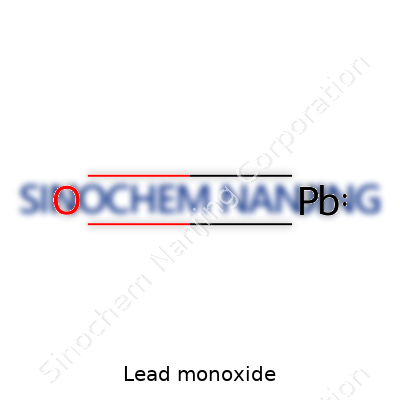
| Names | |
| Preferred IUPAC name | lead(II) oxide |
| Other names |
Litharge Plumbous oxide Lead(II) oxide PbO |
| Pronunciation | /ˈliːd mɒnˈɒksaɪd/ |
| Identifiers | |
| CAS Number | 1317-36-8 |
| Beilstein Reference | 3535910 |
| ChEBI | CHEBI:17033 |
| ChEMBL | CHEMBL1200347 |
| ChemSpider | 14121 |
| DrugBank | DB11151 |
| ECHA InfoCard | ECHA InfoCard: 030-001-00-5 |
| EC Number | 215-267-0 |
| Gmelin Reference | 704 |
| KEGG | C07355 |
| MeSH | D008511 |
| PubChem CID | 14827 |
| RTECS number | OG9800000 |
| UNII | JHB54C0IDL |
| UN number | UN2291 |
| Properties | |
| Chemical formula | PbO |
| Molar mass | 223.20 g/mol |
| Appearance | Yellow or reddish-yellow powder |
| Odor | Odorless |
| Density | D = 9.53 g/cm³ |
| Solubility in water | Insoluble |
| log P | -6.6 |
| Vapor pressure | Negligible |
| Acidity (pKa) | 15.6 |
| Basicity (pKb) | '6.6' |
| Magnetic susceptibility (χ) | +1600.0e-6 cm³/mol |
| Refractive index (nD) | 2.62 |
| Dipole moment | 4.60 D |
| Thermochemistry | |
| Std molar entropy (S⦵298) | 68.7 J/(mol·K) |
| Std enthalpy of formation (ΔfH⦵298) | -217.3 kJ/mol |
| Std enthalpy of combustion (ΔcH⦵298) | -219.0 kJ/mol |
| Pharmacology | |
| ATC code | V03AB55 |
| Hazards | |
| Main hazards | Toxic if swallowed or inhaled, causes damage to organs through prolonged or repeated exposure, may cause harm to unborn children, harmful to aquatic life. |
| GHS labelling | GHS02, GHS06, GHS08 |
| Pictograms | GHS06,GHS08 |
| Signal word | Danger |
| Hazard statements | H302, H332, H360Df, H373, H410 |
| Precautionary statements | P201, P202, P260, P264, P270, P272, P273, P280, P301+P310, P302+P352, P304+P340, P305+P351+P338, P308+P313, P314, P321, P330, P362+P364, P391, P405, P501 |
| NFPA 704 (fire diamond) | 2-1-2 |
| Lethal dose or concentration | LD50 oral rat 550 mg/kg |
| LD50 (median dose) | LD50 (median dose): Oral-rat 466 mg/kg |
| NIOSH | OE3675000 |
| PEL (Permissible) | 50 µg/m³ |
| REL (Recommended) | 0.05 mg/m³ |
| IDLH (Immediate danger) | 100 mg Pb/m3 |
| Related compounds | |
| Related compounds |
Lead(II,IV) oxide Lead dioxide Lead tetroxide |



