Lead Dioxide: A Hard Look at an Old Chemical
Historical Development and Roots in Industry
Lead dioxide, known for centuries under names like plattnerite and lead(IV) oxide, rose to prominence back when chemists chased reliable materials for battery work and pigment formulation. In the nineteenth century, scientists uncovered its power as an oxidizing agent. It was central to breakthroughs in refining lead-acid battery chemistry, which drove early electric vehicles and backup power systems long before lithium drew attention. There’s been recognition, too, of its role in glass making and dyeing, leaving a mark most folks never spot but still rely upon in daily life. As industry changed, production shifted from painstaking manual processes to modern, high-volume electrochemical methods, tracing the same societal shifts seen with many essential but hazardous chemicals.
Product Overview and Market Realities
Lead dioxide is a dark brown or black crystalline powder, prized mainly for its reactivity. Power grid engineers, industrial chemists, and battery manufacturers know it as a trusted workhorse in lead storage cell plates and electrochemical applications. It does one job consistently—handle high-density energy storage and transfer—though it’s always dogged by safety worries. Its ability to switch oxidation states makes it valuable beyond batteries, factoring into some specialty chemical syntheses and even the protection of tanks and pipes in corrosive service environments through coatings. The recent push for safer, less toxic materials in manufacturing hasn’t put it out of business, but the uptrend in regulation is knocking on the door.
Physical & Chemical Properties
This compound forms brittle, heavy crystals, with physical density on the high side as one might expect from a lead-based substance. It stays insoluble in water and presents a metallic sheen under light, a detail technicians notice when working in labs. Lead dioxide stands out for its stability at ambient temperatures, yet it acts as a strong oxidizer in the right chemical setup, eager to give up oxygen and turn other materials to new forms. Its elemental makeup offers no surprises—a chemical formula of PbO2—but the subtleties come out in how it changes under heat or while mixing with acids. In hot hydrochloric or sulfuric acid, reactivity jumps, unleashing soluble lead salts and evolving gases. These traits give it a wide berth in factories, a reputation for danger, and strict hand-in-glove use in controlled settings.
Technical Specifications & Labeling Practices
In the technical world, specifications for lead dioxide start with purity—industrial users expect levels above 97 percent, knowing that contaminants directly affect battery life or catalyst performance. Particle size controls not just texture but the speed of chemical reactions. Color and crystal form signal batch consistency to anyone who’s grown used to the stuff in bulk sacks or carboys. Labeling has grown more detailed over the decades, coming to include hazard symbols and clear handling instructions, a push that tracks alongside rising pressure to inform both workers and downstream users. Safety data sheets now flag its toxicology and environmental risk in plain, often alarming terms, something every handler must read before breaking open a package.
Preparation Method: Past and Present
Early chemists produced lead dioxide by laboriously oxidizing lead salts or metallic lead in strong acid, often using chlorine or electric current to speed things up. Factory output today depends mostly on anodic oxidation of lead plates in sulfuric acid baths, where tight voltage ranges and clean starting materials govern both yield and purity. Dust control, waste acid management, and recovery of lead residues all stand as part of the responsible manufacturer’s daily routine to limit exposure and avoid trouble with environmental regulators. The procedures look simple on paper, but in reality, every step demands respect for the material’s toxicity and persistence in air, water, and soil—one misstep and the workplace risks long-term damage.
Chemical Reactions & Modifications
Lead dioxide’s chemistry is cut-and-dried: it reacts with acids, strong bases, and reducing agents, spawning an array of lead salts and oxides. Chlorination or sulfidation shifts it into forms used in pigments or ceramics, with each process handing over different risks and byproduct worries. Reactivity forms the backbone of battery discharge and recharge cycles, making PbO2 crucial to both grid-scale and portable energy storage. The modification arena finds it doped with tin, cobalt, or antimony—adjustments that tinker with conductivity, durability, or color for specific high-intensity industrial jobs. The science keeps shifting as researchers chase safer or more efficient ways to wring performance from this old-school inorganic powerhouse.
Synonyms & Product Names in Use
Lead dioxide runs under company catalogs as plattnerite, lead(IV) oxide, or simply PbO2. Some battery specialists toss around terms like “active material” or “positive plate oxide.” Mines and mineralogists reference “plattnerite” when it shows up in nature, a rarity compared to the tons made in factories. Distinctions in naming matter here, since confusing one lead oxide for another—PbO versus PbO2, for example—risks process errors and, more importantly, serious injuries. Clear marking remains vital in the lab, warehouse, and field.
Safety & Operational Standards
Working around lead dioxide has always meant a balancing act. Its dust brings well-known exposure risks, primarily respiratory and neurological. Governments from OSHA to the EU have zeroed in on exposure limits and cleanup standards, toughening oversight as science uncovers deeper connections to chronic illness. Clean rooms, sealed processes, and personal protective equipment like gloves, goggles, and respirators have become the norm. Good industry practice targets not just the end user, but everyone from shippers to cleanup crews, aiming to keep particulate and run-off well below thresholds proven harmful over time. Strong education efforts, regular health checks, and transparent record-keeping allow plants to keep the substance in use even as some markets push for a phase-out.
Application Areas: Batteries and Beyond
Lead dioxide has left its biggest stamp on battery manufacturing, fueling everything from emergency lighting to off-grid power for decades. Its place in lead-acid designs comes down to reliability and cost—batteries built around PbO2 can take hundreds of cycles and handle abuse that newer chemistries can’t always match. Beyond energy, the pigment trade once leaned hard on lead dioxide for vivid yellow and orange hues, though safer alternatives now handle most color needs. A handful of industries still reach for it in special filter compositions, oxidation catalysts, and sometimes in making fused glass or specialty ceramics. The common thread comes down to performance in harsh environments and the low cost of lead-based bulk chemicals.
Research & Development: Tuning for Performance and Safety
As regulators take a tougher line and public pressure mounts, research shifts in two clear directions: wringing more life and power from traditional batteries while staying below safety thresholds, and finding cleaner drop-in replacements. Scientists have tested nanostructured forms of lead dioxide to push up reactivity or conductivity, but not all such discoveries move from the lab to real-world adoption. On the safety front, polymer coatings and additive blends try to trap dust or slow leaching, making storage and handling a little less dangerous. The search for greener battery materials often brings up new issues—cost, rare earth metals, or unknown toxicity—reminding everyone why lead persisted for so long in the first place.
Toxicity Research and the Public Health Challenge
Researchers haven’t shied from spelling out the hazards of lead compounds. Ingestion or inhalation brings damage to nerves, blood, kidneys, and bones, impacts that last long after exposure. Chronic effects, especially for workers and communities near historic plants, drive a high cost in lost health and mounting regulatory burden. Environmental groups push for stricter waste disposal and remediation, rightly sensing that casual handling leads to silent, widespread harm. Medical literature repeatedly points to children and pregnant women as the most sensitive groups, prompting stricter air and water standards and stronger calls for regular blood lead screening. The cost of cleaning up past mistakes hangs over every ton produced and every battery built, spurring the entire industry toward safer alternatives.
Future Prospects: Adapting to a Changing World
The days of lead dioxide’s dominance seem numbered, even if its hold on batteries lingers in niche and heavy-duty uses. Rapid innovation in energy storage, facing economic and regulatory squeeze, moves investment toward less harmful chemistries. Yet, as backup systems for hospitals and telecom grids still lean on proven designs, the chemical lingers as a fallback for reliability and cost. The long-term future hinges on whether new technologies, stricter laws, and better recycling can outpace the legacy left behind by one of industrial chemistry’s oldest products. The real test will show in how well industry and science respond to health and environmental lessons painfully learned over generations.
What is lead dioxide used for?
Putting Lead Dioxide to Work in Batteries
Lead dioxide shows up in our lives through something many people rely on without thinking about it: the car battery. Inside lead-acid batteries, this compound does the heavy lifting for generating electricity. As someone who’s had to jump-start a dead battery more times than I’d like, I know those lead dioxide plates inside the battery aren’t something you notice, but you feel their absence real quick. Lead dioxide reacts with sulfuric acid and spongy lead, setting up a reliable chemical process that stays solid for years. No wonder the automotive and backup power industries stick by this material.
Clean Water’s Hidden Ingredient
Not many folks realize lead dioxide also plays a part in keeping water clean. Advanced water treatment facilities have turned to electrodes coated with this compound to help break down stubborn pollutants. It helps destroy things like pesticides and industrial solvents, making the water safer to drink. I’ve read about cities turning away from older treatment chemicals because they’re not just cleaning up water—they’re leaving something behind. Lead dioxide electrodes can break pollutants into safer pieces without making messes of their own, as long as they’re handled with proper care.
Manufacturing and Chemical Applications
Industry moves a lot faster when you have the right chemical helpers. Lead dioxide acts as an oxidizer, playing its role in making dyes, matches, and fireworks. I remember walking through a fireworks warehouse and getting a tour from a pyrotechnic veteran—they trusted the chemistry, but wore a respect for what they were handling. If you want a strong color or an energetic spark, adding lead dioxide changes the game for manufacturers. Of course, safety rules get strict when handling this stuff because breathing in lead, or letting it get into the earth, carries health risks.
Environmental and Health Challenges
Nothing comes without trade-offs, and lead dioxide proves this. Its effectiveness in batteries and industry is clear, but so is the danger if it’s mishandled or leaks out. Lead exposure causes nerve and kidney damage, especially in children. Every year, there are reminders to recycle old car batteries and keep industrial waste in check. Personally, I see recycling programs as more than an environmental checkbox—recycling batteries helps keep toxic lead from ending up in drinking water or the ground my kids play on. According to the World Health Organization, there's no safe level of lead exposure for humans, which puts the responsibility on manufacturers and users alike.
Moving Toward Safer Solutions
There’s a bigger movement pushing for alternatives that cut the health risk while keeping the benefits. Companies explore different battery chemistries, such as lithium-ion and nickel-metal hydride, to lower reliance on lead dioxide. Governments ramp up regulations and support for safer battery disposal. Even regular people, like myself, get caught up in this shift—I’ve switched to rechargeable battery packs and supported battery recycling campaigns. Progress doesn’t mean forgetting the tools that built today’s technology, but it does mean improving how we use them and cleaning up our act as new options take the stage.
Is lead dioxide toxic or hazardous?
Understanding the Risks
Lead dioxide often shows up in textbooks and industrial catalogs, but it's not just another harmless chemical. It carries real health concerns, especially if its risks get overlooked. Years of working around laboratories have taught me that even common, everyday chemicals deserve extra attention. Lead dioxide doesn't just sit there — its dust and residues make their way into your body through touch or breathing. Those risks grow fast if you're not paying attention.
Health Dangers: Why Worry?
Plenty of science backs up concerns over lead. The Centers for Disease Control and Prevention (CDC) and World Health Organization both stress that no amount of lead exposure is safe, especially for developing kids. Lead dioxide, like other lead compounds, causes long-term problems. Inhaling its dust or getting residue on your hands risks nerve damage, kidney trouble, and learning problems in children. Adult brains aren’t shielded, either. The toxic effect doesn’t care about age or how careful someone thinks they’re being.
I remember seeing a technician ignore gloves once, treating bright-orange lead dioxide powder like it was salt. A year later, blood tests showed elevated lead levels that puzzled his doctor — until they traced it back to his workplace habits. You can’t see, smell, or taste lead dioxide as it gets in the air, but it’s still there.
Workplace Hazards
Industrial sites that use this compound for batteries or glass manufacture carry a duty to keep people safe. Lead dioxide creates fine particles and dust easily during mixing, transport, or disposal. Any little breeze can lift it onto nearby surfaces or into lungs. I’ve seen old buildings where years of careless storage led to a fine layer of dust on rafters, waiting for the next person to stir it up. Bagging, transporting, or dumping it without protection builds up contamination on hands, floors, and even street clothes.
Even worse, washing hands at work might not do enough. Lead dioxide particles can stick under nails or settle in creases, making it easy to take home and expose families. The danger keeps echoing beyond the workplace unless people use real precautions. Regular handwashing, changing shoes, and good laundry habits make a difference, but they only work if people actually use them every time.
Finding Better Ways Forward
Some advanced industries have started switching over to less hazardous alternatives, especially in consumer products. But lead dioxide keeps its spot in many places because of its unique electrical properties and low cost. Employers who claim protective gear is too expensive miss the long-term costs of medical bills and lost time. Simple steps like keeping dust levels low, regular air monitoring, and proper ventilation save big money later and spare workers unnecessary suffering. External auditing brings in a fresh set of eyes to catch problems before they spread.
Proper disposal also matters for everyone, not just people at those facilities. Dumping contaminated waste into soil or local water systems turns a workplace hazard into a community problem. Lead, in any form, doesn’t break down over time. It sticks around and finds new pathways into bodies. Solutions start with training and clear rules, plus strong oversight to enforce them. Letting people know the real risks, not downplaying them, connects safety to real-life health — not just compliance paperwork.
Personal Accountability Matters
No one can swap out their nervous system or kidneys. Lead dioxide’s risks aren’t a mystery, and pretending ignorance only hurts. Years of watching colleagues get careless taught me that vigilance isn’t optional — it’s vital. Better safety is everyone’s job, right from chemists to cleanup crews. It’s possible to make a living and stay healthy, but that starts with respect for what lead dioxide can truly do if ignored.
What are the main industrial applications of lead dioxide?
Batteries Still Rely on Lead Dioxide
Lead dioxide keeps playing a big role in the world of lead-acid batteries. Most people recognize these batteries from their cars and backup power systems at hospitals or cell towers. The chemistry pulls energy out of a reaction between lead and lead dioxide. I remember my first lesson on battery internals and feeling surprised by how much heavy lead and its compounds are involved. Lead dioxide does the heavy lifting for the positive electrode, letting the battery deliver big current bursts and recharge over and over. This technology dates back over a hundred years, and nothing else has entirely replaced it for affordable, robust storage—at least not in large-scale standby setups.
Electrolysis and Water Treatment
Lead dioxide doesn’t only power vehicles. The material handles tough tasks at industrial scale in electrolysis, especially for making chemicals like perchlorates and chlorates. Chlorate helps bleach paper and textiles, among other things. Lead dioxide’s structure stands up to harsh acids and resists dissolving, which keeps those big chemical reactors running without frequent breakdowns. Years ago, I toured a facility where aging electrodes caused repeated shutdowns. Upgrading to electrodes coated with lead dioxide extended equipment life, ultimately saving the operation thousands in repairs and downtime each year.
Corrosion Resistance: Not Just a Buzzword
Old-timers in metal finishing shops can point to lead dioxide coatings as a way to protect metal structures in gnarly environments. Galvanizing and electroplating tanks often get an extra coating of lead dioxide along the inside, making them last longer even with strong acids splashing around. I’ve watched a technician apply this layer: the goal is clear—shield the tank for years so workers aren’t patching holes every few months.
Organic Synthesis Needs Strong Oxidizers
Organic chemists have learned to trust lead dioxide as a strong oxidizer. It can convert alcohols into aldehydes or ketones without much fuss, and the reaction works on a pretty wide range of compounds. That’s handy for specialty manufacturing—pharmaceuticals, dyes, and flavors sometimes need exact tweaks to a molecule, and lead dioxide gets the job done more cleanly than some of the nastier liquid oxidizers that leave behind toxic residues.
Challenges and Responsible Use
The drawbacks of lead compounds are well known, so careful control and recycling have become the norm inside most factories. Lead dioxide’s solid form makes recycling easier once its job is done, especially compared to lead fumes or dust. Still, the presence of a toxic metal means plants must monitor the environment tightly, train workers, and follow disposal rules or risk fines and health harms. Strict regulations have pushed industries to look for safer substitutes, but the right combination of toughness and electrical performance keeps lead dioxide relevant.
Pressure Builds for Greener Chemistry
It’s clear that modern industry can’t stop thinking about green alternatives and safety—for good reason. Companies now push research labs to develop new electrode materials or oxidizers with lower risks, aiming to keep the benefits while dropping the dangers. Some start-ups tinker with ceramics or carbon-based coatings for batteries, while others try to find enzyme catalysts that could one day handle organic transformations without metals. Progress moves in fits and starts, but the quest is real, and anyone who cares about workplace health should keep an eye on this space.
How should lead dioxide be stored and handled?
Safety Often Gets Overlooked
Lead dioxide, the brownish or black powder used in batteries, glass, and certain chemical operations, brings more risk to the workplace than many realize. In the past, I watched colleagues dismiss the warning labels and rush through handling, believing haste keeps the job moving. But with substances like this, speed only grows the risk. Strong health evidence shows that chronic exposure takes a toll—lead disrupts the nervous system, slows reaction times, and triggers long-term organ problems. And with lead dioxide, inhaling its dust or letting it touch your skin can quietly set off these dangers.
Designing a Safe Storage Plan
Simple storage mistakes often cause unnecessary emergencies. Sealed containers rated for hazardous powders work far better than generic bins, since they stop dust leaks and moisture. I’ve seen workplaces store their lead dioxide outside because it seems easier to move containers out of the way—rain, temperature swings, and sunlight all break down typical packaging materials, which lets contamination sneak out. Real safety starts inside, in a locked storage room with good ventilation, regular humidity checks, and restricted access. Fact: Lead dioxide reacts with acids and can trigger dangerous gas releases, so keep it separate from other chemicals. Spill kits specific for powdered metals should live nearby, not buried in a back closet.
Everyday Handling—It’s Not Just Lab Coats and Gloves
The quickest way for lead dioxide problems to creep in comes through careless scooping and pouring. I used to think standard thin gloves covered everything, but skin can still get exposed at the wrists or forearms. Heavy, chemical-resistant gloves paired with eye protection keep dust off hands and out of eyes. Simple face shields block splashes—an important step even if you don’t see much powder flying around. Overalls or lab coats prevent the powder from following you home. Never eat, drink, or chew gum on a shift working with lead compounds, no matter how carefully you wash your hands after. I once worked with a technician who brought his lunch into the chemical storage area—a habit that led to regular stomachaches. He never connected the dots until blood tests came back high for lead.
Waste and Cleanup—the Most Overlooked Risk
I have seen storage rooms with buckets of rags and sweepings left for weeks. People often think small spills don’t matter, but lead particles never stay put. Use vacuums fitted with HEPA filters, and avoid sweeping or dry mopping—these spread dust into the air. Contaminated materials, including gloves and rags, require disposal as hazardous waste, not tossed with ordinary trash. Regulations lay out clear steps because lead compounds pollute soil and water for decades if mishandled.
Solutions: Leadership and Consistency
Long-term safety comes from a steady effort, not just written rules. Training matters. Regular refreshers, posted signs, and peer reminders help more than fancy gear no one wears. I remember a small facility swapping from loose powder to pre-packed canisters—exposures dropped. Reporting systems for near-misses let the staff see where small errors could have turned into bigger problems. With strong leadership and steady routines, handling lead dioxide gets safer for everyone in the building and the neighborhoods surrounding it.
What are the different grades or forms of lead dioxide available?
Digging Into the Types of Lead Dioxide
Lead dioxide pops up in all sorts of industries, especially where batteries or industrial chemicals are part of the process. As someone who’s spent years poking around chemistry labs and talking to folks in battery factories, I’ve seen that people usually run into two main forms: alpha (α) and beta (β) lead dioxide. Both share the same chemical formula, PbO2, but their properties walk separate paths. The alpha type sits more at home in pigments and specialty applications, showing slightly different behavior in water and higher temperatures, while beta shines in the world of lead-acid batteries.
Choosing Between Alpha and Beta Lead Dioxide
Fact is, picking alpha or beta grade isn’t about taste—it’s about performance. The beta type lines up well for battery plates because it’s got higher conductivity and can take more punishment during repeated discharge and recharge. That’s the reason car batteries stick to beta lead dioxide to keep the current flowing. The alpha type pops up more in niche chemical processes, especially where chemical reactivity counts more than raw electrical punch.
Physical Forms and Why They Matter
Lead dioxide also lands in different shapes and textures. From fine powders to pressed granules and even chunky crystalline forms, each one shapes how easily it blends and reacts with other stuff. Fine powders cover more surface, speeding up chemical reactions. The average lab or factory goes after the form that matches their process. For instance, the battery shop prefers something that packs tightly onto battery grids, while the paint maker might go with a powder for smoother mixing.
Purity Counts for More Than Just Scientists
Purity shows up on spec sheets, but the real-world impact can hit hard. Lead dioxide comes in technical or battery grades, but also in purer “reagent” or “analytical” grades. Battery manufacturers want material with low levels of trace metals since impurities can cut battery lifespans or, even worse, spark unexpected chemical runaway. On the other hand, folks in research might chase after the purest lead dioxide for precision or to avoid odd side effects in sensitive reactions. Checking the certificate of analysis makes all the difference—cutting corners here can spell disaster down the line.
Where Safety and Environment Plug In
Lead compounds keep regulators and safety officers up at night, for good reason. Dust from handling powders or cutting battery plates can go airborne and put workers at risk. That’s where forms that limit dust—like larger granules—help. Having worked around storerooms stacked with lead compounds, I’ve seen folks investing in better ventilation, proper personal protective equipment, and locked bins to cut risks. Regular training goes a long way too, making sure everyone from the old hand to the new guy knows what they’re dealing with.
Simple Steps Can Fix Many Problems
Many issues linked to lead dioxide trace back to ignoring small details. Sourcing the right grade, getting purity right, and using the safest form sounds simple, but companies try to save money and end up facing bigger troubles. Tighter purchasing specs, better quality checks, and plain old respect for the dangers lead brings can steer businesses clear of fines or health scares. For those dealing with lead dioxide daily, having clear info on grade and form in every shipment, plus regular refresher training, can save more than just money—it protects lives and reputations.
Lead dioxide isn’t going away, not with the continued demand for batteries and specialty chemicals. With all the options available, making the right pick matters just as much as how it gets handled from delivery to disposal.
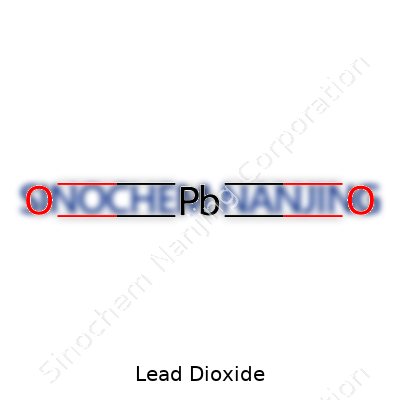
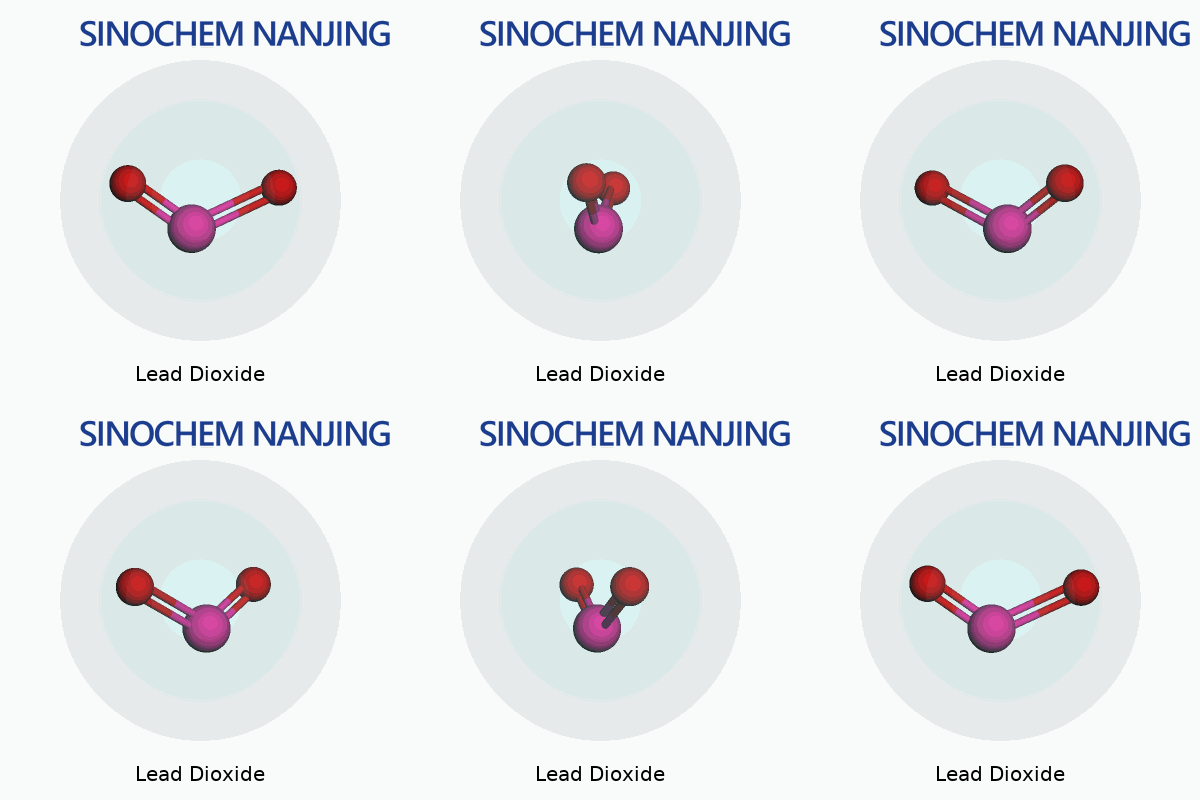
| Names | |
| Preferred IUPAC name | plumbic dioxide |
| Other names |
Lead(IV) oxide Plumbic oxide Plumb dioxide Lead peroxide |
| Pronunciation | /ˈliːd daɪˈɒksaɪd/ |
| Identifiers | |
| CAS Number | 1309-60-0 |
| Beilstein Reference | 3589167 |
| ChEBI | CHEBI:27879 |
| ChEMBL | CHEMBL1207164 |
| ChemSpider | 14121 |
| DrugBank | DB14534 |
| ECHA InfoCard | 100.028.302 |
| EC Number | 215-174-5 |
| Gmelin Reference | Gmelin Reference: 1444 |
| KEGG | C18660 |
| MeSH | D006373 |
| PubChem CID | 14798 |
| RTECS number | OG0700000 |
| UNII | K0FQM1Z1WE |
| UN number | UN1872 |
| Properties | |
| Chemical formula | PbO2 |
| Molar mass | 241.20 g/mol |
| Appearance | Dark-brown or black crystalline solid |
| Odor | Odorless |
| Density | 9.38 g/cm³ |
| Solubility in water | Insoluble |
| log P | -2.23 |
| Vapor pressure | Negligible |
| Acidity (pKa) | -4.4 |
| Basicity (pKb) | 7.78 |
| Magnetic susceptibility (χ) | +200.0e-6 |
| Refractive index (nD) | 2.3 |
| Dipole moment | 0.00 D |
| Thermochemistry | |
| Std molar entropy (S⦵298) | 68.7 J·mol⁻¹·K⁻¹ |
| Std enthalpy of formation (ΔfH⦵298) | -217.3 kJ/mol |
| Pharmacology | |
| ATC code | V03AB56 |
| Hazards | |
| Main hazards | Toxic by inhalation, ingestion, or skin absorption; causes irritation to skin, eyes, and respiratory tract; may cause lead poisoning. |
| GHS labelling | GHS02, GHS06, GHS08 |
| Pictograms | GHS05,GHS06 |
| Signal word | Danger |
| Hazard statements | H302, H332, H350, H360Df, H373, H410 |
| Precautionary statements | P201, P202, P220, P221, P264, P270, P273, P280, P301+P310, P302+P352, P304+P340, P305+P351+P338, P308+P313, P314, P321, P330, P362+P364, P405, P501 |
| NFPA 704 (fire diamond) | 2-0-0-OX |
| Lethal dose or concentration | LD50 (oral, rat): >2000 mg/kg |
| LD50 (median dose) | LD50 (median dose): Oral-rat LD50: 519 mg/kg |
| NIOSH | GB6475000 |
| PEL (Permissible) | 5 mg/m3 |
| REL (Recommended) | 0.05 mg/m3 |
| IDLH (Immediate danger) | 100 mg Pb/m3 |
| Related compounds | |
| Related compounds |
Lead(II) oxide Lead tetrachloride Lead(II) sulfate |



