L-Ornithine Hydrochloride: A Down-to-Earth Look at its Journey, Properties, and Future
Historical Development
L-Ornithine Hydrochloride came from early amino acid studies at the close of the 19th century, back when researchers sought clear answers to how the body cycles nitrogen. Way back in 1877, the chemist Ernst Schulze noticed this non-protein amino acid during plant studies, not realizing its future in medicine. Fast-forward to the middle of the 20th century, scientists started to see more than just a byproduct — ornithine attracted attention for its role in detoxifying ammonia in living things. Grand discoveries often hinge on basics, and in this case, persistent research groups mapped out L-Ornithine Hydrochloride’s promise for health and chemical industries. Decades later, this compound found itself in many chemistry labs and medical clinics, never escaping its roots in body chemistry research.
Product Overview
This amino acid salt doesn’t get much fanfare outside laboratory walls, but L-Ornithine Hydrochloride is critical both as a supplement and ingredient in biochemistry. You spot it most often as a white, odorless powder, sometimes crystalline, lending itself to easy mixing and dosing. It supports recovery in liver health treatments and often gets included in products aimed at athletes for muscle and metabolic support. People who dig into the supplement facts panel on a tub of recovery powder or a specialty amino acid complex may see it listed plainly enough. It’s often overshadowed by glutamine or arginine, but L-Ornithine Hydrochloride has built a legitimate reputation in clinical nutrition and therapeutic regimens.
Physical & Chemical Properties
L-Ornithine Hydrochloride shows up as a stable, non-hygroscopic solid with a sharp melting point around 220 °C. The molecular formula, C5H12N2O2·HCl, signals a single hydrochloride group attached to the basic ornithine backbone. In water, it dissolves quite readily. Shake a scoop in a beaker, and this powder vanishes, no gritty residue left behind. Chemists appreciate its predictable solubility and lack of smell—it doesn’t interfere with sensitive instrumentation or mask other ingredients in blends. Careful storage in sealed containers away from light and moisture keeps it free-flowing and stable for years.
Technical Specifications & Labeling
Specifications set the bar high for L-Ornithine Hydrochloride as it enters food, pharmaceuticals, or feed. Lab reports often show minimum purities exceeding 98%, and the crystalline form passes inspection through both visual checks and spectrographic analysis. Reliable suppliers secure third-party verifications for heavy metals, microbial content, and amino acid ratios. Labels typically list the ingredient, its chemical formula, net mass, country of origin, and manufacturer. Pharmacopoeias like USP and EP have strict thresholds for things like pH range, moisture content, and residual impurities. Regulatory checklists support transparency across borders, reflecting each market’s safety expectations.
Preparation Method
Large-scale production often starts with hydrolysis of proteins, isolating L-ornithine through a fermentation process using refined microorganisms. Sugarcane molasses or glucose may fuel the bioreactor, bacteria convert these substrates into ornithine, and chemical extraction follows. Neutralization with hydrochloric acid delivers ornithine hydrochloride as the final salt. Centrifugation, crystallization, and careful drying steps yield a product free from fermentation residues and process solvents. Benchmark producers set up these fermentation reactors in sterile, monitored conditions, tweaking pH and temperature for optimal yields. Every stage, human hands and eyes check data and samples, making this more than just a copy-paste chemical process.
Chemical Reactions & Modifications
Ornithine stands out because the amino and carboxyl groups on the backbone offer so many reaction sites. Synthetic chemists have modified L-Ornithine to create prodrugs and derivatives for targeted medical uses. Typical reactions include esterification, acylation, and conversion to cyclic compounds. Its basic nature makes it an excellent candidate for salt formation—hence, the widely used hydrochloride version. Some labs experiment with conjugating ornithine to peptides, not only to study transport but to piggyback delivery of other actives. Changing the alkyl group, introducing new counter ions, or protecting side chains pushes L-Ornithine Hydrochloride into more specialized niches, always building on its reliable foundation.
Synonyms & Product Names
L-Ornithine Hydrochloride hides behind names like Ornithine HCl, (S)-2,5-Diaminopentanoic acid hydrochloride, and its chemical registry number. Bulk supply companies label it according to food, pharma, or industrial grades. You see it in amino acid complexes, recovery supplements, and even specialty chemicals for research. Navigating these synonyms on world trade directories and chemical catalogs makes a difference for procurement teams and researchers who want to avoid mix-ups or questionable sources.
Safety & Operational Standards
Workers handling L-Ornithine Hydrochloride wear dust masks, gloves, and lab coats—safety goggles top off the kit. The compound brings little danger in most reasonable usages. Inhaling powder or getting it in the eyes can cause local irritation. Spills get vacuumed or swept up, avoiding water to prevent clumping. Storing it in cool, dry areas, tables clear of food, cuts down contamination risks. Ventilation is key in high-throughput facilities, and safety data sheets get checked before any scale-up or formulation mixing. The established regulatory picture reflects over thirty years of low human toxicity and minimal risk for responsible operations.
Application Area
L-Ornithine Hydrochloride motivates a wide circle of applications, not just as a study subject. Doctors include it in regimens to manage hepatic diseases, aiming to detoxify high ammonia levels in patients with liver dysfunction. Hospitals use it as part of intravenous blends for those battling cirrhosis or certain metabolic disorders. Sports dietitians suggest it to athletes and heavy lifters looking to reduce fatigue and foster muscle recovery. Research labs select it for enzyme mechanism studies and advanced peptide synthesis. Its reliability and stable supply win it a seat in many health and research protocols.
Research & Development
More research dollars flow into ornithine each year, as new roles and delivery forms arise. Scientists dig into its ability to enhance nitrogen metabolism, studying both short- and long-term health outcomes. The compound’s basic structure provides inspiration for new prodrugs targeting neurological or metabolic pathways. Some groups use isotopically labeled L-Ornithine in metabolic tracing experiments, mapping out its fate in living systems. Clinical studies aim to firm up its benefits for sleep improvement, wound healing, and even anxiety reduction. The sheer variety of research questions reflects not just medical curiosity but also practical market signals about where L-Ornithine Hydrochloride might add value.
Toxicity Research
Toxicology studies over the last two decades reinforce the generally benign profile for L-Ornithine Hydrochloride in recommended doses. Rats and mice dosed with it in excess, far beyond normal consumption or treatment, show only minor, reversible symptoms—decreased appetite or mild GI upset. Humans with rare urea cycle defects need to avoid unmonitored intake, but adverse reactions in healthy adults remain rare. Chronic dosing trials measure for subtle signs of liver or kidney stress; so far, nothing signals major red flags at standard levels. Still, caution rules in formulation for newborns, pregnant women, or vulnerable patients, reminding us that more isn't always better.
Future Prospects
L-Ornithine Hydrochloride stands poised for broader adoption as both consumer and clinician knowledge deepens. As the sports nutrition sector chases compounds with evidence-backed recovery benefits, ornithine’s grounded science gives it staying power. New product formats—gummies, fast-dissolve tablets, even specialized IV solutions—keep popping up each year. Medical researchers keep probing its capacity in liver support and mental health, nudging regulators to issue new guidance on recommended intake and applications. Producers experiment with greener synthesis routes and waste reduction, aiming for a lower environmental footprint. Driven by better clinical reporting, education, and consumer demand for functional ingredients, L-Ornithine Hydrochloride continues to prove its value beyond its basic chemistry.
What is L-Ornithine Hydrochloride used for?
Looking at L-Ornithine Hydrochloride in Daily Life
L-Ornithine, an amino acid that shows up in several natural foods, often gets more attention in supplement form, especially the hydrochloride variant. This compound steps onto the scene mostly in fitness circles and medical treatments, but its relevance goes far beyond workout routines.
Clearing Out Toxins: How L-Ornithine Works in the Body
One reason doctors sometimes lean on L-Ornithine Hydrochloride is its role in the urea cycle. This process helps break down ammonia, a waste product that can cause trouble if it sticks around in the bloodstream. Some hospitals use it to help people dealing with liver issues, particularly those who struggle to filter toxins out. Studies published in journals like Hepatology highlight how L-Ornithine Hydrochloride can help lower ammonia in the blood, making it valuable for people facing advanced liver disease or hepatic encephalopathy.
Support for Better Sleep and Less Stress
Sleep plays a big part in how I feel each day, and many people chase anything that might help them get a better night’s rest. Some research points out that L-Ornithine may promote a sense of relaxation and deeper rest by lowering cortisol, the body’s main stress hormone. Small studies, such as those found in the Nutrition Journal, suggest it could ease occasional fatigue and improve sleep quality—something shift workers and busy folks always look for.
Muscle Recovery and Athletic Performance
The supplement market loves to bring up muscle recovery, and L-Ornithine Hydrochloride often makes its way into fitness routines for this reason. Bodybuilders and endurance athletes claim it speeds up how quickly muscles bounce back after hard workouts. There’s a science-based reason for that: L-Ornithine gets involved in reducing ammonia buildup during long physical activity sessions. Less ammonia means muscles feel less sore, which can lead to shorter recovery times. The research doesn’t call it a miracle supplement, but I’ve noticed some positive feedback from those in the gym community who struggle with muscle fatigue.
Digestive Health and Detoxification
Anyone dealing with sensitive digestion can appreciate how certain amino acids support gut health. There are cases where L-Ornithine Hydrochloride shows up in formulas that claim to back up liver and digestive system function, thanks to its role in managing waste and supporting cellular repair. It doesn’t fix chronic conditions by itself, though some doctors recommend it as part of a broader regimen tailored to individual health hurdles.
Clinical Considerations and Safety
Every supplement brings risks, and L-Ornithine Hydrochloride is no exception. Research published through sources like the European Journal of Clinical Pharmacology finds it generally safe at standard doses, but high doses may trigger side effects, including diarrhea and stomach upset. Anyone on medication for liver or kidney issues should talk with a health professional before picking up L-Ornithine, since these organs play a direct role in processing amino acids.
Reflections and Responsible Use
L-Ornithine Hydrochloride shines most in areas where the body needs help clearing out harmful waste or speeding up recovery. Seeing success depends on individual health status, and making changes without professional advice rarely works out. Real progress comes with regular checkups, honest conversations with healthcare providers, and a willingness to weigh the evidence—especially since much research in this area still covers small sample sizes and short-term effects.
What are the potential side effects of L-Ornithine Hydrochloride?
L-Ornithine Hydrochloride: What Happens in the Body
L-Ornithine Hydrochloride pops up in supplement bottles, gym routines, and sometimes hospital care. It’s a form of the amino acid ornithine. Muscles use it to recover, and liver doctors use it for certain metabolic needs. People take it for plenty of reasons—muscle fatigue, wound healing, or even ammonia reduction in serious health conditions. But the truth is, every substance we swallow, including this so-called “natural” amino acid, can trigger side effects.
Digestive Discomfort Remains Common
Gut trouble often stands as the first warning sign for any supplement. L-ornithine hydrochloride can cause nausea, cramps, diarrhea, or other digestive issues. I’ve known gym enthusiasts who tried it, expecting extra endurance, only to race for the bathroom instead. Higher doses mean higher risk. The hydrochloride form adds a salt, which can feel harsh in sensitive stomachs. Dosing plays a role—starting low often avoids problems.
Sleep and Mood Changes Appear in Some Users
Ornithine connects to the urea cycle, which helps the body clear ammonia, but it also links to how brain chemistry balances. Anecdotal reports circle around insomnia, agitation, or mild headaches. People looking for sleep improvement sometimes get the opposite effect. Published studies back up these scattered stories in mostly small groups. Some show improved sleep, others see people restless or fatigued.
Electrolyte Shifts and Rare Risks
Ornithine changes how the liver and kidneys handle protein breakdown. For people with liver disease, this chemical supports less toxic ammonia levels but can also push the balance too far. Doctors check electrolytes, especially potassium and sodium, since rare imbalances can happen. Healthy adults likely never notice this, but issues surface fast if kidneys or livers struggle. A 2022 review from the Journal of Clinical Medicine showed that routine kidney or liver screening picks up potential problems before they take hold.
Drug and Supplement Interactions
Supplements don’t operate in a vacuum. L-ornithine hydrochloride can interact with other amino acid therapies, diuretics, or prescription drugs for liver support. I’ve seen pharmacists field questions about interactions because the supplement aisle feels unregulated and crowded. The Food and Drug Administration treats these substances as food, not medicine, so consumers miss pharmacist counseling unless they ask.
Who Should Avoid or Use Extra Caution?
People with liver, kidney, or metabolic disorders fall into a higher-risk category. If you’ve got a family history of ammonia processing problems or take medications that stress these organs, professional supervision becomes key. Children, pregnant women, and people over 65 break down supplements differently and should tread carefully, just as with any new compound.
Sorting Fact from Hype
While a lot of marketing pushes L-ornithine hydrochloride as a cure-all, the research base remains small. Most studies rely on limited participants, short timeframes, or controlled conditions that don’t match daily life. Reviewing research funded by supplement makers can exaggerate benefits and hush up side effects, so peer-reviewed, independent studies bring better trust.
Practical Steps for Safe Use
Reading labels, starting with small doses, and tracking symptoms help cut risk. Consult a healthcare provider, especially if you already take other medications or have chronic health conditions. Reliable information often comes from registered dietitians or physicians who keep up with supplement research, not just what’s trending in online forums. This habit of checking facts and monitoring changes in your body leads to smarter, safer supplement choices every time.
How should I take L-Ornithine Hydrochloride and what is the recommended dosage?
What L-Ornithine Hydrochloride Does for You
L-Ornithine Hydrochloride has picked up interest from athletes, people chasing better sleep, and those managing liver health. The body produces ornithine naturally. It jumps in during the urea cycle, helping filter out ammonia—a byproduct of digesting protein and working out hard. Supplement brands bring this amino acid to shelves in the hydrochloride form for better absorption and easier mixing in water or juice.
Choosing a Dose That Makes Sense
I looked at some clinical trials and supplement packages, and the amount most folks tend to use starts at 500 mg and stretches to about 3,000 mg per day. Most recommendations land around 2,000 mg for adults aiming for general well-being. Brands sometimes suggest even higher numbers before intense workouts or to support deep sleep, but more doesn't always mean better—or safe. Too much can upset digestion or make you feel off.
Personal experience matters. I began with 500 mg at bedtime to see how my gut and sleep responded. Only increased the dose after a couple of weeks, never jumping past 2,000 mg. I kept an eye out for side effects, like mild stomach discomfort, but things felt steady. If you decide to try it, consider starting with a low dose and checking in with a healthcare provider, especially if you already take medicine for your liver or kidneys, or if you’re pregnant or nursing.
How to Take L-Ornithine Hydrochloride
Tossing the powder in water or juice about 30 to 60 minutes before bed seems popular with people trying to unwind or get better sleep. Some take it in the morning, blended in a smoothie, to help with muscle recovery or tackle fatigue from long stretches of mental work. I found evening use paired well with a regular bedtime—never mixed with caffeinated drinks. Capsules offer a no-fuss route if you prefer not to taste it. Consistency helps, so pick a time that fits your daily routine.
Why Quality Matters
Supplements aren’t all created equal. In one industry survey, nearly 20% of amino acid supplements contained impurities or less active ingredient than the label claimed. I always check for brands that offer third-party testing. Look for verification by outfits like NSF or USP. This cuts risks linked to poor manufacturing or hidden fillers.
Understanding Safety and Talking to Your Doctor
Those with kidney or liver trouble need to stay cautious. Ornithine’s role in removing ammonia from your bloodstream means that unmetabolized ammonia can build up fast if these organs aren’t working right. Before adding a new supplement, checking with your doctor isn’t just smart—it’s key. Doctors can run basic labs to spot any underlying problems and help you decide if this fits your goals.
Practical Tips and Final Thoughts
L-Ornithine Hydrochloride brings promise for recovery, energy, and perhaps sleep. A sensible starting dose hovers around 500 mg, making room for adjustment over weeks. Quality checks, personal response, and medical advice matter more than chasing the highest number on the bottle. For those living active, busy lives, making informed decisions leads to reliable results and stays true to what really supports health.
Is L-Ornithine Hydrochloride safe for long-term use?
What People Use L-Ornithine Hydrochloride For
A lot of folks hear about L-Ornithine Hydrochloride thanks to fitness circles. It pops up in conversations about workout recovery, sleep support, liver health, and even with those curious about how amino acids work. Athletes sometimes look for a boost in reducing fatigue or try a supplement to help clear ammonia from their systems after intense activity. People chasing better sleep sometimes come across this amino acid, hoping for deeper rest.
What Science Says About L-Ornithine Safety
Looking for studies on L-Ornithine Hydrochloride leads into some thin territory. Most research has focused on short-term use, a few weeks to a few months at most. Those studies often reported minimal side effects when people stayed within recommended doses, usually less than 3,000 mg per day. Reported complaints stayed mild—sometimes a bit of stomach upset, but nothing else that turned heads.
Once stretching use out past a few months, the tidy piles of clinical evidence start to dwindle. Data just doesn’t exist in large numbers. Doctors or nutritionists working closely with athletes haven’t seen patterns of serious long-term harm show up in routine blood work. Still, getting the all-clear for a new supplement isn’t just about counting problems. When research keeps its focus on the short term, there is a gap when it comes to the big question: What happens after years of use?
Digging Into Legitimate Concerns
The human liver already makes ornithine as part of daily metabolism, especially when clearing ammonium—a toxic byproduct of protein breakdown. Swallowing extra through a supplement means raising the pool of this amino acid in the body. So far, people with healthy kidneys and livers process it without trouble, but the line isn’t so clear if someone has underlying organ issues. Folks taking large supplements (far above the doses studied) or those with kidney or liver disease should approach with caution. Extra amino acids sometimes burden damaged organs.
A major selling point for many fitness supplements is that they’re “natural,” or that they mimic something the body does anyway. That kind of claim can lull people into thinking more always means better, or at least, never means harm. A supplement made from an amino acid isn’t the same as eating a steak or a bowl of lentils. The body’s chemistry shifts with high doses, and researchers still don’t have clear answers about every downstream effect linked to daily, years-long use of L-Ornithine Hydrochloride.
Solutions and Safe Paths Forward
People interested in trying L-Ornithine Hydrochloride can start by talking to their primary care doctor or registered dietitian. Blood tests give a good picture of how the liver and kidneys are handling protein metabolism—something more important than marketing claims for anyone thinking about daily supplements. Reputable supplement brands are worth seeking out, too, since this market carries risk of contamination or false labeling in unregulated batches.
No pill solves sleep, recovery, or fatigue by itself. Building a foundation with good nutrition, sleep hygiene, and moderate exercise lands well ahead of a capsule. Fitness gains or better rest take habits and patience, not just bottles from the health food aisle. As research keeps growing, it’s smart to stay cautious and grounded. People deserve evidence before promises take hold—especially for something they might swallow every morning for years.
Are there any interactions between L-Ornithine Hydrochloride and other medications or supplements?
What L-Ornithine Hydrochloride Does in Your Body
L-Ornithine’s main claim comes from its role in the urea cycle, which helps the body get rid of excess ammonia. People sometimes pick it up as a supplement for better sleep, liver health, or to recover from workouts. Since this amino acid plays into detoxing pathways, it makes sense to wonder how it might interact with drugs or other supplements.
Why Medication Interactions Matter
Taking multiple products isn’t rare. Nearly half of adults in the U.S. use at least one prescription drug, and a surprising number also turn to dietary supplements. Mixing medications or adding supplements can lead to more than just wasted money—the combo can sometimes stress out the liver, kidneys, or upset other finely-tuned balances. People treating underlying conditions like high blood pressure, diabetes, or mental health concerns often land in situations where a new supplement stirs up unexpected issues.
What’s Known About L-Ornithine’s Interactions
Looking through published research, most findings support that L-Ornithine Hydrochloride stays pretty low on the radar for direct drug interactions. Its metabolic steps run mostly outside pathways that metabolize common medications. So, stacking L-Ornithine with typical supplements, such as multivitamins or minerals, generally doesn’t raise strong alarm. But this doesn’t hand someone a blank check for mixing products without forethought.
Possible Concerns with Certain Medications or Health Problems
People managing kidney issues need special care, since L-Ornithine can play into the body’s control of nitrogen. Extra urea cycling on top of weakened kidneys could worsen things. Prescription drugs that shift ammonia or urea levels could also cross paths with this supplement. Individuals using valproic acid for epilepsy or mood disorders might notice changes, since these medicines already tweak ammonia metabolism. Mixing L-Ornithine with drugs that affect blood pressure (such as ACE inhibitors or diuretics) could shift fluid levels in ways that haven’t been studied closely.
Long-term supplement users face risks as well. Taking high doses of amino acids for months may not land someone in the hospital right away, but it adds background noise to bloodwork or throws off results in tests tracking liver and kidney function.
What Experts Recommend for Safer Use
Checking in with a pharmacist or doctor before starting new products isn’t just good advice—it prevents real harm. Health professionals have access to resources that flag worrisome interactions and spot doses that don’t match a person’s health background. People with complicated medication regimens or those already tending to chronic disease should loop in their healthcare team before grabbing L-Ornithine or any supplement off the shelf.
The Role of Honest Labeling and Consumer Awareness
Supplements face less oversight than pharmaceutical drugs. A bottle could promise pure L-Ornithine Hydrochloride but actually contain extra ingredients—some deliberate, some by accident. Professional groups and public health bodies keep pressing for strict rules in labeling and quality control, but until those rules catch up, reading third-party testing reports helps protect against unknown add-ins.
Practical Solutions for Avoiding Trouble
I keep track of what goes in my medicine cabinet using a simple pill organizer and by writing down dosages. Whenever my doctor updates a prescription, I double-check with them about every supplement I use. Trust builds over time, but speaking up saves headaches later. A 60-second conversation can help dodge a week of feeling off or a trip to urgent care. Technology can help, too: some health apps crosscheck supplements and meds for safety, adding another layer of peace of mind.
Supplement use grows every year, so the real fix starts with more public education and wider access to up-to-date safety info. As health moves into both pharmacy and grocery aisles, staying informed plays as big a role as any prescription.
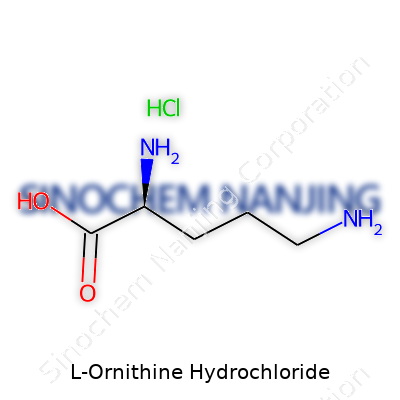
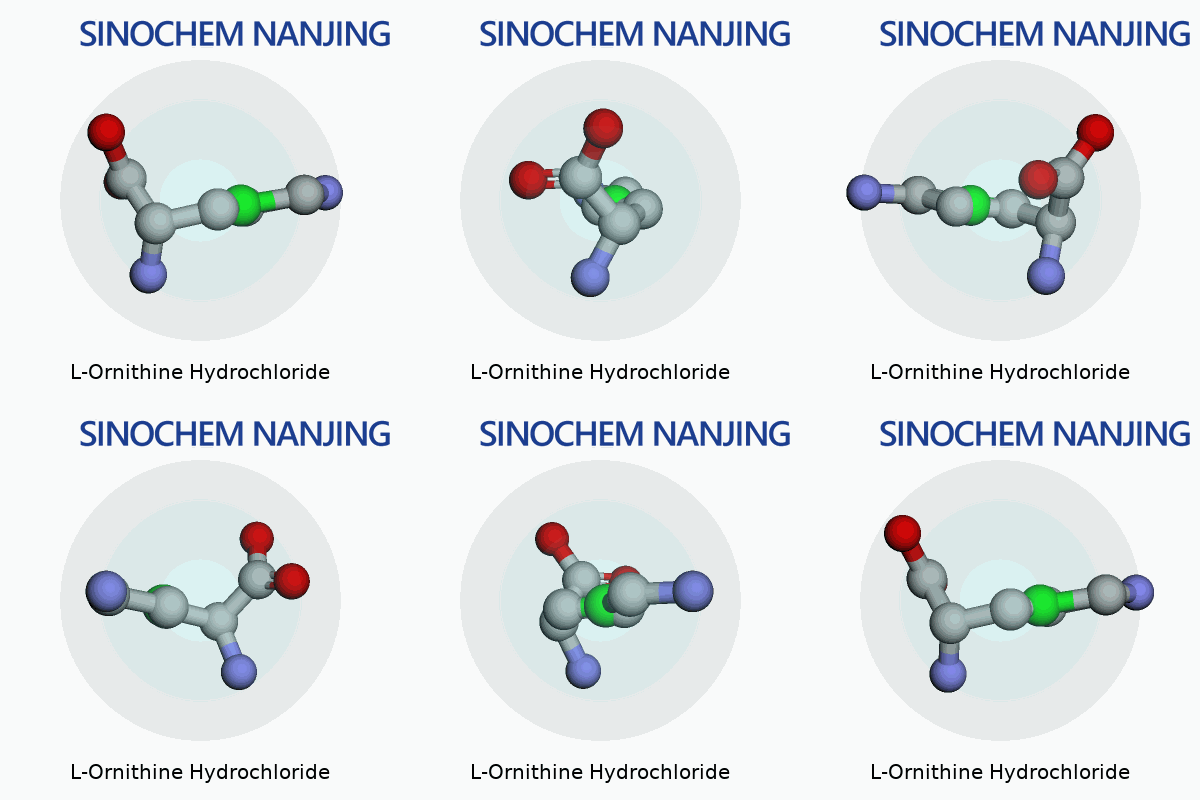
| Names | |
| Preferred IUPAC name | (2S)-2,5-diaminopentanoic acid hydrochloride |
| Other names |
Ornithine HCl Ornithine hydrochloride Ornithine monohydrochloride L-2,5-Diaminovaleric acid hydrochloride |
| Pronunciation | /ɛl ɔːrˈnɪθiːn haɪˈdrɒklaɪd/ |
| Identifiers | |
| CAS Number | 3184-13-2 |
| 3D model (JSmol) | `/graphics/3dmodels/jmol.php?model=CC(C(=O)O)NCCCN.Cl` |
| Beilstein Reference | 1721377 |
| ChEBI | CHEBI:62802 |
| ChEMBL | CHEMBL1239 |
| ChemSpider | 10307 |
| DrugBank | DB00129 |
| ECHA InfoCard | 100.060.307 |
| EC Number | 630-68-4 |
| Gmelin Reference | 85389 |
| KEGG | C00283 |
| MeSH | D010958 |
| PubChem CID | 62698 |
| RTECS number | WH6825000 |
| UNII | V56I6EUC2T |
| UN number | 2811 |
| CompTox Dashboard (EPA) | DTXSID7065777 |
| Properties | |
| Chemical formula | C5H13ClN2O2 |
| Molar mass | 168.62 g/mol |
| Appearance | White crystalline powder |
| Odor | Odorless |
| Density | 1.78 g/cm3 |
| Solubility in water | Soluble in water |
| log P | -4.36 |
| Acidity (pKa) | 8.97 |
| Basicity (pKb) | 6.01 |
| Magnetic susceptibility (χ) | -59.0×10⁻⁶ cm³/mol |
| Refractive index (nD) | 1.644 |
| Dipole moment | 6.49 D |
| Thermochemistry | |
| Std molar entropy (S⦵298) | 156.8 J·mol⁻¹·K⁻¹ |
| Std enthalpy of formation (ΔfH⦵298) | -568.6 kJ/mol |
| Pharmacology | |
| ATC code | A05BA03 |
| Hazards | |
| Main hazards | May cause respiratory irritation. |
| GHS labelling | GHS02, GHS07 |
| Pictograms | GHS07 |
| Signal word | Warning |
| Hazard statements | Not a hazardous substance or mixture according to the Globally Harmonized System (GHS) |
| Precautionary statements | Store in a cool, dry place. Keep container tightly closed. Avoid contact with eyes, skin, and clothing. Wash thoroughly after handling. Use with adequate ventilation. |
| Autoignition temperature | 630 °C (lit.) |
| Lethal dose or concentration | LD50 Oral - rat - 4,140 mg/kg |
| LD50 (median dose) | 7300 mg/kg (Rat, oral) |
| NIOSH | WH2000000 |
| PEL (Permissible) | Not established |
| REL (Recommended) | 500 mg |
| Related compounds | |
| Related compounds |
L-Ornithine L-Ornithine aspartate L-Ornithine α-ketoglutarate L-Arginine L-Citrulline |



