L-Lysine: Historical Development, Features, and Future in Application
History in Human Use
People started learning about L-Lysine more than a hundred years ago. Back in 1889, German chemist Edmund Drechsel worked out how to separate it from casein, a milk protein. This discovery sparked a new understanding of amino acids. After World War II, chemists in Japan and Europe started producing L-Lysine in bigger quantities by fermenting sugars with specially selected bacteria. This shift changed everything for food and agriculture, as lysine could now be produced much more efficiently than by extracting it from animal sources or plants.
Description and Major Product Forms
Most people in science and industry know L-Lysine as a white, crystalline powder. This amino acid absorbs water easily and tastes a bit sweet. It dissolves well in water but not in organic solvents like ether or chloroform. L-Lysine appears mainly as L-Lysine hydrochloride, L-Lysine sulfate, and sometimes as raw L-Lysine base. L-Lysine hydrochloride remains the most common version you’ll see in animal feed, dietary supplements, or pharmaceutical products. The reason: this form delivers the highest lysine content per dose and mixes easily with grains or other ingredients.
Physical and Chemical Profile
L-Lysine carries the formula C6H14N2O2. Looking at it under a microscope, the pure compound takes the shape of elongated needle-like crystals. It melts between 215 and 225 degrees Celsius, depending on water content and crystallization. Because of its structure, lysine has two amino groups, making it one of the basic amino acids. Most of its useful properties—like its role in protein formation or nitrogen retention—come from this chemical setup. In water, it behaves as a strong base, which influences how feed recipes are balanced for proper digestion and absorption.
Standards, Labeling, and Technical Features
Any product containing L-Lysine falls under food and feed additive regulations in most developed countries. Packaging and labeling follow strict requirements: producers must state the purity (often 98.5% L-Lysine hydrochloride for animal use), country of origin, batch number, and recommended storage conditions. Codex Alimentarius, the Food Chemicals Codex, and local food authorities all set testing standards. For animal nutrition, veterinarians or nutritionists look for specifications covering crystal size, loss on drying, and total nitrogen. Good manufacturing practice (GMP) certifications, ISO 9001, and even specialist feed safety documentation get checked by buyers.
Industrial Production Methods
Modern factories make L-Lysine mainly by microbial fermentation. Special strains of Corynebacterium glutamicum and Escherichia coli digest starches or sugars from corn, wheat, or molasses to generate lysine. Years ago, scientists improved these bacteria using genetic engineering to raise lysine output and tolerate higher sugar concentrations. Once fermentation ends, the broth undergoes filtration and purification using resin columns or crystallization. Chloride or sulfate salts get added to stabilize the final lysine powder and ease handling. Some smaller labs still use older chemical synthesis methods, but those routes produce more waste and higher costs than fermentation.
Chemical Reactions, Modifications, and Derivatives
L-Lysine’s molecular structure offers an extra amino group, opening up pathways for chemical modification. Researchers have fiddled with acetylation, methylation, and amidation, creating versions with added biological or pharmaceutical use. For example, acetyl-lysine mimics post-translational modifications found in living organisms. Oxidation of L-Lysine can yield saccharopine or pipecolic acid, two intermediates in the body’s own metabolic cycles. Food technologists sometimes bind lysine with carbohydrates to form Maillard reaction products, though this reduces the amino acid’s availability—an important factor in livestock farming. Outside nutrition, cosmetic chemists use lysine esters and derivatives in moisturizers and anti-aging creams, taking advantage of lysine’s water-binding and buffering capacity.
Alternative Names and Commercial Identities
On ingredient lists and product catalogs, L-Lysine shows up under several aliases: 2,6-Diaminohexanoic acid, Lys, L-Lys, and Lysine monohydrochloride. Feed companies sometimes use the term “feed-grade lysine” for products above 98% purity. In scientific research, L-Lysine often goes by its standard abbreviation "K" in protein or genetic code documentation.
Worker and Consumer Safety Standards
Labs and factories treat L-Lysine as a low-hazard material. Regulatory authorities give it the go-ahead for routine handling with standard precautions: dust masks, gloves, and proper ventilation in bulk facilities. The World Health Organization and the U.S. Food and Drug Administration classify L-Lysine as generally recognized as safe (GRAS) when used according to accepted levels in food and feed. If workers or users inhale large clouds of the powder or get it in their eyes, they might feel irritation, but emergency treatment with water almost always solves any problems. Large animal feed operations rely on dust collection systems to keep workspaces clean, since breathing in any fine powder should be avoided.
Where It Gets Used
The feed industry consumes more L-Lysine than any other sector. Pigs, chickens, and fish all need high-protein diets, but most crops don’t provide enough lysine on their own. By adding L-Lysine, farmers cut down on the need for costly soybean meal and improve feed efficiency. Human nutrition also benefits: protein shakes, sports supplements, fortified cereals, and certain processed foods contain added lysine to support growth, muscle mass, and immune health. Doctors sometimes recommend extra lysine for people with frequent cold sores, since studies hint at its ability to block herpes simplex virus replication. Beyond health and food, companies use small amounts in cosmetics, fermentation starter blends, and even biotech labs growing cells in nutrient broths.
Recent Research and Product Development
Researchers haven’t slowed down in finding new uses or improving lysine’s production. Metabolic engineers keep tweaking bacteria to squeeze out more product from less sugar, lowering costs and environmental impact. Medical teams look at lysine’s role in preventing osteoporosis, fighting viral infections, and supporting post-surgical recovery. Some analysts test formulas where lysine binds to other amino acids, aiming for better absorption in special diets for elderly patients or athletes. Meanwhile, efforts continue to ensure every batch meets stricter food safety demands, such as removing traces of genetically modified DNA or allergens from fermentation feedstocks.
Risks and Toxicology Findings
Safety studies on L-Lysine go back decades, covering animals and human volunteers. In pigs and poultry, high intakes can upset the amino acid balance if not managed carefully, leading to reduced gains or mild digestive troubles. In humans, research across many doses finds lysine break-down products pass through the urine without accumulating in tissues. Medical reports link only extremely rare cases of digestive upset at high supplement doses—well above what most people or animals would ever take. The U.S. National Institutes of Health and the European Food Safety Authority both came to the same conclusion: moderate lysine use carries almost no risks for healthy adults, children, or livestock.
Where L-Lysine Heads Next
With the world’s population growing, demand for animal protein will keep rising. L-Lysine keeps proving its value in making feed more affordable and less reliant on land-hungry soybeans. More sustainable production systems, using improved microbes or renewable raw materials, will become the norm. Research into lysine-derived polymers, biodegradable plastics, and even advanced wound-care products highlights lysine’s versatility. Personalized nutrition, which tailors protein intake to match a person’s health profile or genetic background, looks set to push lysine into even more specialized foods and supplements. Inside labs and factories, better automation, traceability tools, and analytics software will help keep every kilogram of lysine safe, legal, and consistent. This amino acid, discovered by accident in a 19th-century milk experiment, keeps opening new doors in biology, technology, and nutrition.
What is L-Lysine used for?
What Makes L-Lysine Essential
Everyone eats protein, but hardly anyone thinks about the actual amino acids hiding in that chicken or tofu. L-Lysine stands out because the body can’t make it from scratch. It must come from food—meat, eggs, dairy, legumes, fish. Without it, the body struggles to build muscle, repair tissue, or even absorb calcium well. In my own marathon days, trainers pushed lysine-rich snacks to help stave off muscle breakdown, and muscle cramps did ease up with a better diet.
Where Supplementation Helps
L-Lysine gets attention in supplements, not just for athletes and gymgoers. Doctors often tell vegetarians or folks with restrictive diets to look out for this amino acid, since it’s in lower supply in grains and many plant-based foods. In farming, the livestock industry uses L-Lysine supplements to fatten up pigs and chickens in a healthy way, since plant-based feeds come up short on their own. Research backs this up—adding lysine helps animals grow faster and stay strong without needing as much feed.
How L-Lysine Steps In for Health Issues
Ask anyone who battles cold sores every winter—herpes simplex virus hates lysine. Clinical studies from reputable journals show fewer outbreaks and shorter healing times for people taking L-Lysine. A family member of mine swears by it during flu season, and, truthfully, the evidence isn’t all just stories. A double-blind trial out of McGill University showed significant reductions in flare-ups for those taking daily L-Lysine, compared to sugar pills.
L-Lysine also steps in for bone health because it helps the gut absorb calcium. Elderly people with weak bones often struggle to get enough calcium, and lysine gives them a real boost. Some rheumatology clinics now talk about combining lysine with vitamin D and calcium to support bone strengthening, supported by meta-analyses from the Cochrane Library.
Food Choices and L-Lysine Balance
Most folks eating a mixed diet won’t need to worry. Meat, cheese, eggs, and fish pretty much cover it. Problems creep up for those sticking to grains and processed junk. Wheat and corn offer very little lysine, leaving certain populations at risk—kids in poverty or anyone living off mainly cereal grains. Nutrition groups and schools add lysine to meals aimed at ending malnutrition in low-income areas, a fix that brings results in growth and immune health.
Smart Supplement Use and Safety
Taking any pill hasn’t replaced a balanced plate, but sometimes the extra push helps. Too much L-Lysine causes stomach aches or even kidney strain, so sticking to dietary guidelines works best. The typical recommended intake for adults lands at about 30mg per kilogram of weight, and most healthy eating patterns easily reach this number. For those with kidney issues or on medications, it’s crucial to talk to a doctor before diving into supplements.
Practical Ways Forward
People asking about boosting L-Lysine probably want to move toward better health. Real progress comes from practical steps: check meals for variety, look up recipes with beans, lentils, eggs, or fish, and listen for changes in the way muscles recover from workouts. Nutrition isn’t about chasing a single nutrient—it’s about balance, and L-Lysine plays its part well.
Are there any side effects of taking L-Lysine?
Why L-Lysine Matters
L-Lysine is an amino acid found in many foods and supplements. A lot of people take it hoping to boost their immune system, fight cold sores, and support muscle health. Walk into any drugstore or scroll through a supplement website, and it’s easy to find big tubs and bottles of L-Lysine caps or powders. The fact that our bodies can’t make lysine on their own ramps up the interest — we’ve got to get it from our diet or pills.
I get plenty of questions from friends and family about whether L-Lysine is safe to take daily or if it could cause harm. Most folks figure if it comes in a vitamin aisle, it’s good to go — but people often forget side effects can pop up even with something that sounds as basic as an amino acid.
The Usual Suspects: Digestive Woes
For most adults who stick to recommended doses — roughly 1,000 mg to 3,000 mg per day — L-Lysine doesn’t seem to cause problems. Take more than that, though, and your stomach may complain. Nausea, cramps, and diarrhea are the main issues reported in higher doses. I’ve had patients describe feeling “off” after ramping up their L-Lysine supplements, only to feel better when they scaled back. There’s no need to play hero with dosing; more isn't always better when it comes to your gut.
Our bodies handle moderate amounts just fine, especially if we’re getting most of our lysine from food like meat, eggs, cheese, beans, and even quinoa. Trouble usually starts when someone doubles up on both supplements and protein-rich foods, hitting the recommended intake for protein and then some.
Potential Trouble Spots: Kidneys and Allergies
L-Lysine leaves the body through the kidneys, so people who have kidney problems should approach it with care. Existing kidney disease plus extra amino acids can be a bad mix, leading to discomfort or, in rare cases, more serious complications. I’ve seen plenty of dietary supplements come with the same warning, but people often ignore it. If kidneys aren’t working well, it’s better to check with a doctor before reaching for L-Lysine.
Another spot folks miss is allergies. L-Lysine itself isn't a known allergen, but sometimes supplements aren't pure. Additives, fillers, or even trace contamination from other ingredients can cause reactions in sensitive people. If someone starts sneezing, itching, or gets a rash after starting new supplements, stopping and checking with a healthcare provider makes sense.
What Science Says So Far
Plenty of research has looked at the effects of lysine in humans. Most agree that side effects are rare and mild when sticking to normal doses over short periods. For cold sores, studies found it may even help, and side effects didn’t show up in significant numbers. Large-scale or long-term safety studies aren’t as common, but existing facts give a decent amount of confidence for daily use, barring pre-existing health concerns.
Common Sense Goes a Long Way
Before adding new supplements, talking to a healthcare provider usually makes sense, especially for kids, pregnant women, or anyone on prescription medicine. We live in a world of easy access to information and over-the-counter fixes, which can sometimes foster a sense that nothing bad will ever happen. L-Lysine won’t fix everything, but it does have a place for certain people, and the side effects — while possible — aren’t frequent if you stay within recommended ranges and pay attention to how your body feels.
Supplements can make life better, but they don’t replace a good meal, common sense, or a chat with your doctor if you’re unsure.
How much L-Lysine should I take daily?
Understanding L-Lysine
L-Lysine, one of the nine essential amino acids, can’t get made by the human body. You have burgers, beans, cheese, and certain grains to thank for your supply. Vegetarians and folks with special diets sometimes wonder if they’re getting what they need. This amino acid plays a quiet but crucial role for many, turning up in protein synthesis, helping calcium work better in the body, and even getting noticed for its reputation in fighting cold sores triggered by the herpes virus.
The Numbers Most Adults See
A typical healthy adult eats between 800 mg and 3,000 mg of L-Lysine from food every day. Most people with steady diets hit the lower range without thinking. You see numbers float around: some nutritional guidelines mention about 30 mg for every kilogram you weigh. I’ve seen dieticians tell a 70-kilo (about 154 pounds) adult they’re looking at around 2,100 mg daily from good food sources. The National Institutes of Health and the World Health Organization both back that figure.
Supplementing: Who Might Consider It?
People worried about cold sores turn to L-Lysine supplements. Studies suggest that taking 1,000 mg to 3,000 mg per day may help some. Doctors often guide those with more serious needs, such as certain athletes or people who eat very little animal protein. I’ve watched vegan friends, especially those new to plant-based eating, start supplementing after conversations with their physicians.
What about kids or pregnant women? Nutrient needs change. Pediatricians generally recommend keeping kids on the lower end, around 40 to 60 mg per kilogram, mostly from food unless a unique condition calls for supplementation. Pregnant and lactating women often work with dietitians to make sure intake lines up with other increased nutritional needs.
Risks of Taking Too Much
Going overboard on L-Lysine probably won’t cause major harm for most people with healthy kidneys, but stomach cramps, nausea, and diarrhea do pop up if someone gets carried away. The Cleveland Clinic and Mayo Clinic both warn against supplementing beyond 3,000 mg daily without medical supervision, especially if you have kidney, liver, or heart problems.
Diet Over Pills
Loading up your plate before grabbing a pill remains the safest way. Foods like poultry, fish, eggs, cheese, quinoa, and soy hit the mark. As someone who leaned on convenience foods in college, I learned pretty quickly that simple swaps – like adding a slice of turkey to lunch or tofu to stir fry – made a difference in energy and recovery after workouts. Tracking what you eat, just for a week, can reveal if your usual meals get you near your goal.
Best Way Forward
If you’re healthy, varied eating usually covers your needs. If you have dietary restrictions, chronic health conditions, or break out with cold sores now and then, checking with your doctor makes sense. Over time, our bodies signal us – fatigue, slow healing, or frequent illness sometimes mean it’s time to review your protein sources. Reliable blood tests exist for overall protein status, and dietitians—especially those with sports or clinical nutrition experience—can help figure out if supplements might help.
Can I take L-Lysine with other medications or supplements?
Understanding L-Lysine
L-Lysine stands out as an amino acid that the human body cannot make by itself. Quite a few people know it best from conversations about cold sore prevention, or from reading about its role in helping the body form collagen. Most folks see it on shelves as a supplement, sometimes sitting right next to other amino acids like l-arginine or l-carnitine. Regular diets deliver enough lysine for many people, but some try to boost intake due to vegetarian eating patterns or particular health issues.
Mixing L-Lysine and Medications
Not everyone thinks of the possible bumps in the road when mixing supplements with prescription or over-the-counter drugs. Taking L-Lysine along with other vitamins or minerals like calcium or magnesium usually passes without trouble, at least for most healthy adults. Still, serious caution comes in for folks managing health problems, those on long-term medication, or folks with kidney or liver issues.
One area where doctors pay extra attention is kidney health. L-Lysine gets broken down in the liver but leaves the body through the kidneys. People living with chronic kidney problems can see higher blood levels of lysine after taking even regular doses. That happened to a friend who wanted to ‘boost his immune defense’ and landed with some extra tests at his next nephrology appointment because of high blood amino acid levels.
Interactions Worth Noting
Some drugs and supplements don’t mix well with L-Lysine. People taking calcium supplements or medicines for osteoporosis want to be extra careful. Research points out that lysine increases how much calcium the body absorbs and holds onto, which could lead to rising calcium in the blood. Too much calcium can turn into headaches, stomach pain, or even worries about kidney stones. Supplement sellers don’t always make this obvious on the bottle.
Antibiotics also come into play. Certain antibiotics, like the aminoglycoside group—including drugs such as gentamicin—can interact with lysine. Both substances can stress kidneys, raising the risk for kidney injury in sensitive folks.
Pregnancy and breastfeeding ask for more caution; not enough strong research has answered if extra lysine is safe while carrying or nursing a baby. The same common sense used for other drugs and supplements applies—ask a healthcare provider before adding anything new to a daily plan.
Sensible Steps Before Mixing
Staying informed means fewer surprises. People can get trustworthy information from registered dietitians, pharmacists, or physicians instead of relying on hearsay or the latest health trends they see online. Pharmacists have a knack for spotting trouble before it begins, especially when multiple pills and powders enter the picture.
Bringing all supplement bottles to a doctor’s visit makes a lot of sense. Healthcare pros want to know everything—vitamins, minerals, herbs, even protein shakes—because some interactions hide in products that look harmless on their own. This habit helped my aunt, who kept her pharmacist in the loop and avoided a risky supplement-drug mix-up that could have affected her blood pressure.
The Bottom Line
No one supplement outweighs the value of understanding personal health needs. Reading labels helps, but nothing beats advice from a professional who knows your medical story. L-Lysine plays its part in the puzzle, but mixing and matching supplements and medications deserves respect and a little bit of homework.
Is L-Lysine safe for long-term use?
Looking Under the Lid: What’s L-Lysine?
L-Lysine pops up often as a single amino acid supplement. It’s not one the body produces. You bring it in through protein-rich foods — think lean meats, cheese, fish, eggs, legumes. Plenty of folks add it as a tablet or powder, mostly chasing better immune support or fighting off cold sores caused by herpes simplex. The body leans on lysine for building muscle, making enzymes, and helping calcium do its job.
Who’s Taking L-Lysine for the Long Haul?
Walk around in supplement aisles, you’ll catch labels making promises about L-Lysine. Athletes, weightlifters, vegans, and people with frequent cold sores often stick with it year-round. Some use it as a daily staple hoping it’ll keep lips clear, bones strong, or heal wounds a touch faster. Parents with plant-based kids have asked if L-Lysine fills nutritional gaps or helps muscle recovery after tough games.
The Real Safety Picture
Here’s where I lean on facts and a dose of lived experience. Decades of studies point out that most people handle L-Lysine well, even at doses larger than what they’d eat from food. The U.S. National Institutes of Health considers up to 3 grams a day by mouth as safe for the short to medium term. Most folks taking that amount long term don’t hit problems.
Still, questions come up with chronic use. Not every supplement is a harmless add-on. Some people—especially those with kidney problems—need to take caution. Kidneys process extra amino acids. Loading them up month after month may nudge existing health issues. Some users have mentioned stomach aches, cramps, or diarrhea, especially after big doses.
L-Lysine may shift calcium use in the body. A 1992 study in the journal "Nutrition" suggested long-term high intake boosted calcium absorption. For those with osteoporosis, it sounds promising. Yet too much calcium floating around – especially without balancing magnesium and vitamin D – can invite kidney stones or other troubles. That’s something I’ve seen happen with friends who went heavy on supplements without telling their doctor.
Ask the Right Questions Before Bottling Up
Fact is, health claims aren’t always as solid as hoped. The FDA doesn’t comb over supplements with the scrutiny they apply to prescription meds. L-Lysine’s long-term impacts haven’t drawn as much research as soy, creatine, or omega-3. If you’re thinking about sticking with it past cold and flu season, talk it over with a trusted primary care doc or a nutritionist with a real science background.
Each person’s state of health, prescription list, and diet matter. I’ve seen vegans benefit from keeping an eye on lysine, but the same amount could be overkill for an omnivore eating steak and eggs every week.
Smarter Choices for the Long Haul
No one needs to race into supplements blindfolded. Ask for blood tests every year. Tell your doctor exactly what you’re taking. If you want to stay on L-Lysine for the long run, stick close to the daily intake found in a good diet. Choose high-quality brands—those that post third-party lab results. Watch out for bundles with sketchy ingredients. And pay attention if your body throws warning signs: odd pains, urination changes, or gut trouble.
Balance matters more than megadoses. Good protein, bright vegetables, plenty of water. Supplements fill gaps, not replace food. If something’s worth doing year after year, it’s worth checking that you’re not doing harm along the way.
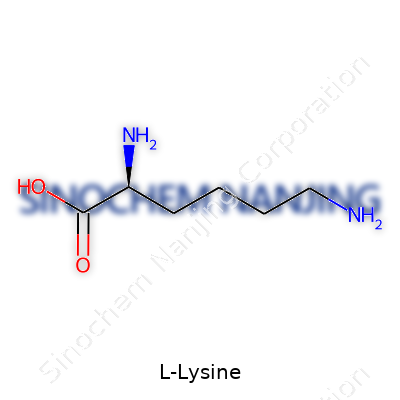

| Names | |
| Preferred IUPAC name | (2S)-2,6-diaminohexanoic acid |
| Other names |
2,6-diaminohexanoic acid L-2,6-diaminohexanoic acid L-Lys LYS H-Lys-OH Lysine |
| Pronunciation | /ˌelˈlaɪsiːn/ |
| Identifiers | |
| CAS Number | 56-87-1 |
| 3D model (JSmol) | `/4\N=C(\N)NCCCC[C@@H](N)C(=O)O` |
| Beilstein Reference | 1720984 |
| ChEBI | CHEBI:25094 |
| ChEMBL | CHEMBL630 |
| ChemSpider | 938 |
| DrugBank | DB00114 |
| ECHA InfoCard | CHEMICAL: 100859 |
| EC Number | 3.5.3.6 |
| Gmelin Reference | 6456 |
| KEGG | C00047 |
| MeSH | D008232 |
| PubChem CID | 5962 |
| RTECS number | OJ7300000 |
| UNII | VONYXUJULX |
| UN number | UN No. 2811 |
| Properties | |
| Chemical formula | C6H14N2O2 |
| Molar mass | 146.19 g/mol |
| Appearance | White crystalline powder |
| Odor | Odorless |
| Density | Density: 0.96 g/cm³ |
| Solubility in water | Freely soluble in water |
| log P | -3.00 |
| Vapor pressure | Negligible |
| Acidity (pKa) | pKa1 = 2.18, pKa2 = 8.95, pKa3 = 10.53 |
| Basicity (pKb) | 1.14 |
| Magnetic susceptibility (χ) | Diamagnetic |
| Refractive index (nD) | 1.53 |
| Dipole moment | 6.6627 D |
| Thermochemistry | |
| Std molar entropy (S⦵298) | 143.1 J·mol⁻¹·K⁻¹ |
| Std enthalpy of formation (ΔfH⦵298) | -1327.0 kJ/mol |
| Std enthalpy of combustion (ΔcH⦵298) | -3898.8 kJ/mol |
| Pharmacology | |
| ATC code | A11AA01 |
| Hazards | |
| Main hazards | May be harmful if swallowed. May cause eye, skin, and respiratory tract irritation. |
| GHS labelling | GHS07 |
| Pictograms | GHS07 |
| Signal word | Warning |
| Hazard statements | Not a hazardous substance or mixture. |
| Precautionary statements | P264, P270, P301+P312, P330, P501 |
| NFPA 704 (fire diamond) | 1-0-0-W |
| Autoignition temperature | Autoignition temperature: 400°C |
| Lethal dose or concentration | LD50 (oral, rat): > 5000 mg/kg |
| LD50 (median dose) | LD50 (median dose): Oral rat LD50 > 5,000 mg/kg |
| NIOSH | RTECS: OJ0700000 |
| PEL (Permissible) | PEL: Not established |
| REL (Recommended) | 300-3000 mg per day |
| Related compounds | |
| Related compounds |
Cadaverine D-Lysine L-Alanine L-Ornithine |



