L-Glutamine: A Deeper Look at a Versatile Amino Acid
Historical Development
L-Glutamine first caught the attention of scientists at the dawn of the twentieth century. Researchers managed to isolate it from beet juice and soon realized its presence in both plant and animal proteins. By the time the Great Depression hit, L-Glutamine had found a place in biochemical textbooks thanks to its unique role among amino acids. Interest surged again in the seventies as scientists explored its function in nitrogen metabolism, immune cell fuel, and wound healing beyond the borders of a basic protein building block. Today, L-Glutamine stands tall in medical, nutritional, and industrial circles, thanks in no small part to these many decades of careful study.
Product Overview
L-Glutamine comes as a powder or crystalline product, almost always white, and dissolves easily in water. You find it in clinical nutrition formulas, sports supplements, pharmaceutical interventions, cell culture media, and animal feeds. Food-grade and pharmaceutical-grade versions both exist. Key manufacturers offer various purities and mesh sizes, catering to both end users and industrial formulators. Whether handled in an academic lab or a commercial warehouse, L-Glutamine’s familiar texture and mild odor speak to its reliability as a staple ingredient.
Physical & Chemical Properties
L-Glutamine belongs to the alpha-amino acid group with the molecular formula C5H10N2O3 and a molar mass just north of 146 grams per mole. In the palm, it looks snow-white, tasteless to most, free of grit, and it forms stable crystals. Its melting point hovers over 185°C, though it decomposes before reaching full melt. Glutamine dissolves in water quickly but resists most organic solvents. This solubility serves those blending it into drinks or suspensions. In typical storage, the material stays durable and shows little degradation, which explains its long shelf life on retailer shelves.
Technical Specifications & Labeling
Labeling laws have grown stricter in the last decade, especially after some supplement scandals. Most reputable vendors print amino acid assays, heavy metal content, microbial counts, and occasionally even the method of synthesis. Regulatory agencies including the US Food and Drug Administration (FDA) and European Food Safety Authority (EFSA) expect clear labeling of purity and source, such as fermentation versus synthetic processes. High-purity L-Glutamine carries assay figures above 99% and tends to ship in bulk-tight, moisture-proof bags. These details reassure the pharmacists, clinicians, and nutritionists who look to guarantee traceability and safety for patients and consumers.
Preparation Method
Manufacturers once derived L-Glutamine from natural protein hydrolysis, but today nearly all commercial supply uses microbial fermentation. Production strains like Corynebacterium and Escherichia coli create glutamine efficiently in large fermenters. Fermentation offers scale, cost control, and consistent quality, which helps keep the ingredient affordable for hospitals and supplement brands. After fermentation, the broth undergoes filtration, crystallization, and sometimes chromatographic polishing to achieve high-purity glutamine. The final drying and milling steps influence how easily it dissolves in water or blends into formulas—a crucial trait for everything from infant formula to cell culture media.
Chemical Reactions & Modifications
Glutamine’s side chain bears a unique amide group. That structure opens the door to various chemical modifications. In aqueous solutions, L-Glutamine can cyclize into pyroglutamic acid under acidic or heated conditions, which has implications for both shelf life and functional properties. Enzymatic and microbiological processes produce derivatives like N-acetyl-L-glutamine, which find use in select pharmaceutical and cosmetic products. At a biochemical level, glutaminase enzymes can hydrolyze the amide, freeing ammonia and L-glutamic acid—a reaction that keeps researchers busy in both metabolic disease studies and ammonia detoxification research.
Synonyms & Product Names
L-Glutamine shows up under several names, including 2-Amino-4-carbamoylbutanoic acid, Levoglutamide, and simply “Glutamine” in supplement aisles. Some supplement brands market it as “Gln Max” or “PureFuel Glutamine” to attract athletes, but in the pharmacopeia the chemical name reigns supreme. Researchers and clinicians stick to “L-Glutamine” in publications and labels, avoiding confusion with the less bioactive “D” isomer.
Safety & Operational Standards
Across the world, public health agencies monitor L-Glutamine use. Most groups, including the FDA and EFSA, recognize it as a generally safe ingredient when used as directed, given its deep roots in human biochemistry. Workers handling glutamine in powder form wear standard PPE—gloves, dust masks, and eye protection. Careful storage avoids moisture uptake that could lead to caking or unwanted conversion to pyroglutamic acid. In the sports nutrition category, regulatory scrutiny has grown ever since some companies spiked “pure” amino acids with non-disclosed fillers. Third-party testing now plays a vital role in holding manufacturers accountable.
Application Area
Hospitals frequently infuse glutamine into total parenteral nutrition for trauma patients or those with gut injuries. Athletes add it to recovery drinks, believing it helps speed muscle repair and immune resilience after grueling workouts. The biotech sector spikes cell culture broths with glutamine, fueling rapid growth for everything from vaccines to monoclonal antibodies. Food technologists see value in using L-Glutamine for fortifying health foods and infant nutrition. Some farmers blend it into livestock feeds for its supposed immune-boosting effects. As a non-essential amino acid under normal conditions, glutamine turns "conditionally essential" during illness and injury, making its supplemental use vital in both intensive care wards and sports training centers.
Research & Development
Scientific curiosity around L-Glutamine keeps expanding. Oncologists investigate its role in tumor metabolism, trying to cut off glutamine supply to starve aggressive cancers. Gastroenterologists examine how glutamine rebuilds gut mucosa after chemotherapy or inflammatory bowel episodes. Immunologists track how immune cells guzzle glutamine as an energy source during rapid replication. New analytical techniques make it easier to monitor glutamine’s bioavailability, degradation, and stability in various products. Patent filings trickle in from innovators looking to functionalize L-Glutamine for novel delivery forms, suggesting that the humble amino acid still has tricks up its sleeve.
Toxicity Research
Decades of preclinical and clinical data back up L-Glutamine’s strong safety profile in healthy people at modest doses. Reports of adverse effects surface mostly at levels far above those in standard supplements or clinical nutrition. Some subjects show transient increases in blood ammonia or mild gastrointestinal upset at high doses. Animal toxicity studies reveal a wide safety margin, but researchers caution against indiscriminate mega-dosing, especially for those with compromised kidney or liver function. Clinical guidelines in nutrition and oncology keep evolving with the latest toxicity and efficacy data, urging both patients and practitioners to match therapy to the individual.
Future Prospects
Glutamine research looks set to thrive well into the next decade. Advances in synthetic biology could drop costs for pharmaceutical and specialty grades, opening the door for broader global access. Targeted delivery forms may hit the shelves, designed to reach immune cells, gut linings, or even tumor microenvironments more efficiently. Personalized nutrition and “smart” sports supplements are likely to spotlight L-Glutamine, powered by wearable biomarker tracking. Given its foundational role in cell growth, immune regulation, and nitrogen balance, L-Glutamine seems destined to retain its status as a staple across health, science, and industry, even as researchers chase its unexplored applications.
What are the benefits of taking L-Glutamine?
From Gym-goers to Wellness Seekers: Why L-Glutamine Stands Out
L-Glutamine finds its way into many gym bags and kitchen cabinets. This amino acid gets a lot of attention for its supposed ability to boost recovery, gut health, and immune support. In my experience coaching endurance runners and strength athletes, I’ve seen plenty of folks turn to glutamine for an extra edge. The research backs up some of these claims, so it’s worth unpacking what really makes L-glutamine a helpful supplement for many people.
Muscle Recovery and Reduced Soreness
After a tough workout, soreness can drag on for days. Supplementing with L-glutamine may help speed up muscle repair. The body uses glutamine as a building block for protein synthesis, meaning sore muscles get a steady supply of what they need to patch up those tiny tears. Clinical studies show a drop in muscle soreness and quicker recovery times for people taking extra glutamine, especially after demanding sessions. For athletes or people who train regularly, this can mean fewer skipped workouts and more consistent progress.
Gut Health: More Than Just a Buzzword
Digestion issues trip up more people than most admit. Whether it's bloating, discomfort, or trouble after antibiotics, the gut can use a little help sometimes. L-glutamine fuels the cells that line your intestines, helping patch up their walls and preserving a healthy barrier between you and what you eat. Some gastroenterologists recommend glutamine to patients struggling with leaky gut and irritable bowel symptoms. While not a cure-all, adding a scoop of glutamine to my own morning smoothie during times of stomach trouble makes a difference I can feel. Scientific literature supports its role in limiting permeability and restoring gut lining after stress or illness.
Helping the Immune System Run Smoothly
Getting sick less often comes down to strong immune defenses. During times of physical or emotional stress, glutamine levels in the blood drop, leaving immune cells short on a key energy source. In hospital settings, critically ill patients sometimes receive L-glutamine as a part of their recovery plan. In the everyday world, that means folks dealing with frequent colds or simply extra stress might benefit from a daily dose. Evidence points to glutamine acting as fuel for lymphocytes and other immune engines, helping keep the defenses ready. Anyone with heavy training loads or demanding routines—think single parents, crossfitters, medical workers—stands to benefit.
Safe Use and Practical Steps
L-glutamine comes powdered or in capsules, making it easy to fit into most routines. Sticking to recommended dosages reduces worries about side effects; for most healthy adults, 5 to 10 grams per day is typical. Folks with kidney or liver issues should talk to a doctor before starting anything new. So far, major health bodies recognize L-glutamine as safe when taken in moderate amounts.
Not every supplement deserves a spot in the pantry, but L-glutamine earns its reputation. Whether it’s rebounding faster after workouts, feeling better in your gut, or seeking fewer sick days, glutamine helps fill those gaps. Pairing it with whole foods, regular movement, and sleep rounds out the blueprint for feeling your best.
How should I take L-Glutamine and what is the recommended dosage?
Why L-Glutamine Has People Talking
Many folks hop onto forums or ask their doctors about L-Glutamine supplements. You’ll often see athletes, bodybuilders, and anyone looking to recover from tough workouts talking about it. L-Glutamine is one of the most abundant amino acids in the body and plays a big role in muscle repair, gut health, and even the immune system. Our bodies produce it, but sometimes life tosses us curveballs—stress, heavy training, illness—and we end up needing more than usual.
What Dosage Actually Works?
Most supplement bottles suggest anywhere from 2 to 5 grams per serving. In the world of sports nutrition, a daily amount between 5 to 10 grams, split across two or three servings, often feels practical. That means someone training hard might mix 5 grams into a post-workout shake and another 5 grams before bed. Some clinical settings, especially those addressing gut issues or injury recovery, go as high as 20-30 grams a day, but this always happens under a doctor’s supervision.
Safety data from clinical studies shows healthy adults can tolerate up to 0.65 grams per kilogram of bodyweight for several weeks, but most people never need nearly that much. For everyday use, the lower end—around 5 grams per day—does the trick for me and most folks I know.
Timing and Mixing
A lot of debate swirls around the best time to take L-Glutamine. Mixing it with water or a protein shake right after exercise gives muscles an amino acid boost just as the body kicks into repair mode. Some use it on an empty stomach in the morning to support gut health, and others put a scoop in before heading to bed because that’s when recovery happens.
L-Glutamine comes in powder and capsule form, so it’s easy to fit into just about any daily routine. The powder mixes easily into plain water or juice and won’t overpower the flavor. Capsules work for those who don’t like the taste, but reaching higher doses with pills takes a lot more swallowing.
Possible Side Effects and Considerations
For healthy adults, taking moderate doses doesn’t usually lead to side effects. I’ve never had sticky stomach issues or headaches when sticking with 5 or 10 grams a day. Some folks with sensitive stomachs might feel a bit bloated if they ramp up the intake all at once. Anyone with liver or kidney issues should talk to a doctor before touching any supplement—because extra amino acids can be tough for the body to handle in these cases.
The FDA tags L-Glutamine as “generally recognized as safe” for most people, but safety always comes with a basic rule: If you’re dealing with anything outside average health, get medical advice before changing up your routine.
Where Research Stands Today
Years of studies pin L-Glutamine as helpful for muscle recovery and exercise fatigue. Some research links it to better gut function, and it’s made its way into hospital settings for trauma and burns as well. For the casual user or weekend warrior, the best benefits usually come as part of a steady exercise routine and a healthy diet, not from mega-dosing large amounts.
What Works in Real Life
Taking L-Glutamine isn’t a magic fix for sore muscles or tummy troubles, but it can help fill gaps when training gets tough or stress runs high. The best path I’ve found: stick close to 5 grams per day, mix it after a tough session, and listen to what your body tells you. Nobody needs to chase big numbers or the latest fitness hype—just a smart approach, an honest look at diet, and a chat with a trusted health professional when in doubt.
Are there any side effects or risks associated with L-Glutamine?
A Closer Look at What Glutamine Really Does
Plenty of folks in gyms or managing chronic health conditions reach for supplements, and L-glutamine shows up on many shelves. Some bodybuilders take it for muscle soreness. People with digestive issues also believe it helps with gut healing. For a long time, I saw glutamine as just another piece of the nutrition puzzle: you grab a powder, toss it in a shake, and hope it gives you an edge. But, like any supplement, glutamine isn’t risk-free.
Possible Gut and Digestive Side Effects
One thing that shows up in real world experiences—especially online reviews and patient forums—is stomach trouble after starting glutamine. Anyone with irritable bowel syndrome or a sensitive stomach might notice bloating or mild stomach pain if they take too much. Doctors say these symptoms usually fade after the body adjusts, but I’ve met people who had to stop taking glutamine because their digestion just couldn’t keep up.
How It Affects Those with Medical Conditions
People living with liver or kidney problems need to go slow with any supplement, including glutamine. The body processes extra amino acids through these organs, so dumping too much glutamine in all at once can cause trouble. Some early research and case studies point to changes in liver function or buildup of ammonia if kidney issues already exist. This isn’t an everyday risk for healthy adults, but it becomes real for folks with pre-existing medical issues.
Possible Brain Effects
Most healthy people won’t see side effects related to their mood or mental clarity, but I’ve seen a few rare cases where large doses triggered headaches or mild confusion, especially in people with psychiatric diagnoses. L-glutamine converts partly into glutamate in the brain—a neurotransmitter that excites nerve cells. Too much stimulation here can be tough for someone who is sensitive, for example anyone living with epilepsy or bipolar disorder. The risk stays low at common supplement doses, but people with neurological history need extra caution.
The Supplement Industry and Dose Creep
One thing people rarely talk about is the temptation to take too much. Sport supplements come in huge tubs, featuring bold labels and promises. Doses in research often land between 5-10 grams per day, but I’ve watched friends double or even triple the dose, convinced more is better. Some gums or powders also sneak extra glutamine into their formulas, without clear labeling. This can edge someone toward unintentional side effects—nausea, cramping, or more serious complications.
Making Safe Choices with L-Glutamine
The safest road starts with real discussion with a healthcare provider before adding glutamine to a routine. Anyone already juggling medications, with chronic disease, or taking multiple supplements at once, deserves an expert’s opinion. Checking for third-party testing on supplements and sticking to research-supported doses also lowers risk. The FDA doesn't regulate dietary supplements like medicines, so quality and accurate content sometimes fall through the cracks.
The Bottom Line I’ve Learned
Supplements can play a role in health, but they should never push your body into the unknown. My experience and the stories I’ve heard point to a need for respect and attention to any new product, even something as “simple” as L-glutamine. Risks exist, and side effects do happen, usually when people skip expert advice or ignore early warning signs. Listening to your gut—literally and figuratively—helps turn a trend into a tool rather than a hazard.
Can L-Glutamine help with muscle recovery or athletic performance?
Busting Gym Myths with Real-World Science
Athletes and fitness fans chase every possible advantage, from protein shakes to the latest supplement stacks. L-Glutamine powder fills shelves at health food stores, promising faster recovery and stronger muscles after a hard workout. Walk into any crowded gym and you’ll hear people swapping stories of how this amino acid transformed their training. But is L-Glutamine really a performance game-changer, or just another overhyped supplement?
What L-Glutamine Actually Does
L-Glutamine stands out because it’s one of the most common amino acids found in the blood and muscle tissue. It plays a big part in regulating the immune system and gut health, especially under stressful conditions. The body manufactures it naturally, but long, intense exercise pushes glutamine levels down, sparking curiosity about whether topping up from a supplement can help muscles repair and bounce back faster.
The Evidence—And Where Hype Outpaces Proof
Plenty of fitness blogs and supplement companies push the idea that chugging glutamine leads to better muscle growth, major strength gains, or a dramatic leap in recovery. Reality paints a murkier picture. Multiple studies over the years, from the Journal of Applied Physiology and Nutrition to Medicine and Science in Sports and Exercise, show that for healthy adults with good diets, extra glutamine brings little benefit. Muscle recovery happens thanks to protein intake, sleep, and a solid training plan—not an expensive white powder.
That said, people with overtraining issues or those recovering from injury face depleted glutamine levels more often, so there’s something to gain in these specific cases. Endurance athletes, especially marathon runners or triathletes, hammer their immune systems with long sessions. Supplementing in this context can support immunity, keeping colds at bay during peak training. If you’re just lifting weights three times a week or going for regular jogs, glutamine doesn’t make a dramatic difference in soreness or strength.
My Experience and Daily Choices
Years spent coaching high school athletes and training for masters-level races taught me to trust simple strategies first. Our team focused on whole foods rich in protein, lots of water, and plenty of sleep. We tried L-Glutamine after tough races, swayed by a few scientific claims, but saw no real shift in recovery speeds or muscle pain. Many coaches share similar stories: unless you’re at risk for chronic overtraining, glutamine belongs more in a hospital for burn victims or cancer patients than it does in a basic gym bag.
Solutions for Real Recovery
Folks searching for an edge should look to basic nutrition before reaching for supplements. Regular meals high in protein and complex carbs after workouts feed muscle recovery just fine. Hydration, stretching, and sticking to a balanced workout schedule fight off soreness and fatigue better than any shortcut. Athletes with strict vegetarian or vegan diets can talk to a registered dietitian if worried about amino acid intake. Only in more extreme circumstances—ultra-endurance events, frequent infections, or significant trauma—does L-Glutamine become worth serious consideration, and that’s best handled with medical guidance.
Trust Your Own Experience, But Value the Facts
In the end, real muscle gains come from consistency. Relentless marketing for sports supplements tempts everyone, but a closer look at research and honest, lived experience helps separate fact from fiction. Betting on whole food nutrition, not the latest craze, delivers the strongest foundation for every athlete.
Is L-Glutamine safe to use with other supplements or medications?
Understanding L-Glutamine and Its Role
L-Glutamine often shows up on health store shelves, usually marketed for muscle recovery or gut health. This amino acid naturally exists in our bodies—muscles carry a big share of it. Many folks who push themselves in the gym or recover from an illness reach for glutamine. What grabs attention is its reputation for helping muscles bounce back and supposedly supporting the intestinal lining. As someone who cares about both fitness and staying clear-headed about what goes in my body, I’ve dug into studies and talked to medical professionals along the way.
Blending L-Glutamine with Other Supplements
Plenty of people ask if it’s safe to pair glutamine with other popular picks—think protein, creatine, branched-chain amino acids, or even vitamins. Research shows most healthy adults can handle combinations like these without much headache. Glutamine already gets processed through natural pathways, so stacking it alongside whey protein or probiotics rarely throws the body off balance. Stack it with creatine and, unless there’s kidney trouble in the mix, risks stay low for most people.
Problems start if doses skyrocket or someone uses lots of different products without thinking about overall intake. Some supplement makers sell formulas that cram everything into one scoop, and sometimes the label hides what exactly you’re getting. If you’re like me and bounce between brands, that mix-and-match style needs caution. Read every label, and don’t fall for claims promising instant results from any combination.
L-Glutamine and Prescription Drugs
The real red flags pop up not from pairing supplements together but from mixing them with medication. Say you take immunosuppressive drugs after an organ transplant—some studies say glutamine might interfere. People using seizure medicines, for instance, know anything that shakes up their brain chemistry or nutrient balance could matter. High doses of glutamine might affect how ammonia is processed in the body too. That’s especially tricky for anyone with liver disorders.
Stories from patients and data reports tell the same thing: most strong reactions happened in cases with underlying health issues or already complex pill schedules. One thing I learned from talking to my pharmacist is, always mention every supplement—not just the stuff a doctor prescribes—so there are no surprises. Healthcare teams have drug interaction checkers for a reason, and sometimes small details, like timing of doses or kidney function, change recommendations.
Misinformation and Label Confusion
A problem that keeps coming up is mislabeled products. The world of dietary supplements isn’t tightly regulated in every country. Some brands stretch the truth or forget to test for cross-contamination. This kind of error can spell trouble for people already on medications, especially blood thinners or anything for mood disorders. In my own experience, sticking to reputable brands, checking third-party test results, and ignoring “mega-dose” marketing pitches keeps risks as low as possible.
Practical Steps for Safer Supplement Use
Balance counts for more than buzzwords. If in doubt, a doctor or pharmacist can sort out whether glutamine plays well with the rest of your routine. I keep a written list—supplements, prescription drugs, occasional over-the-counter painkillers—and hand it over during checkups. This habit paid off personally when a family member started a new cholesterol medication; her doctor quickly caught a possible interaction with another amino acid blend. Small steps like this prevent bigger headaches later.
Final Thoughts
L-Glutamine works safely for a lot of people, especially in moderate doses and with honest label reading. Keep open communication with your healthcare team, track everything you use, and press pause before jumping on trend-driven stacks. Put real-life experience ahead of hype, and you’ll stay on the safe side of supplement use.
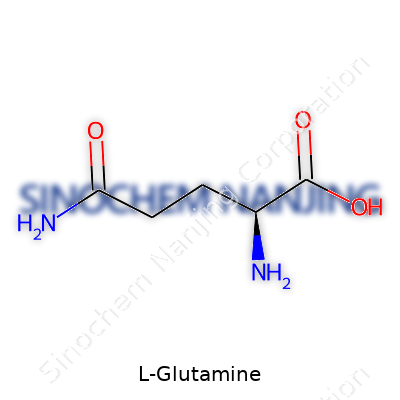
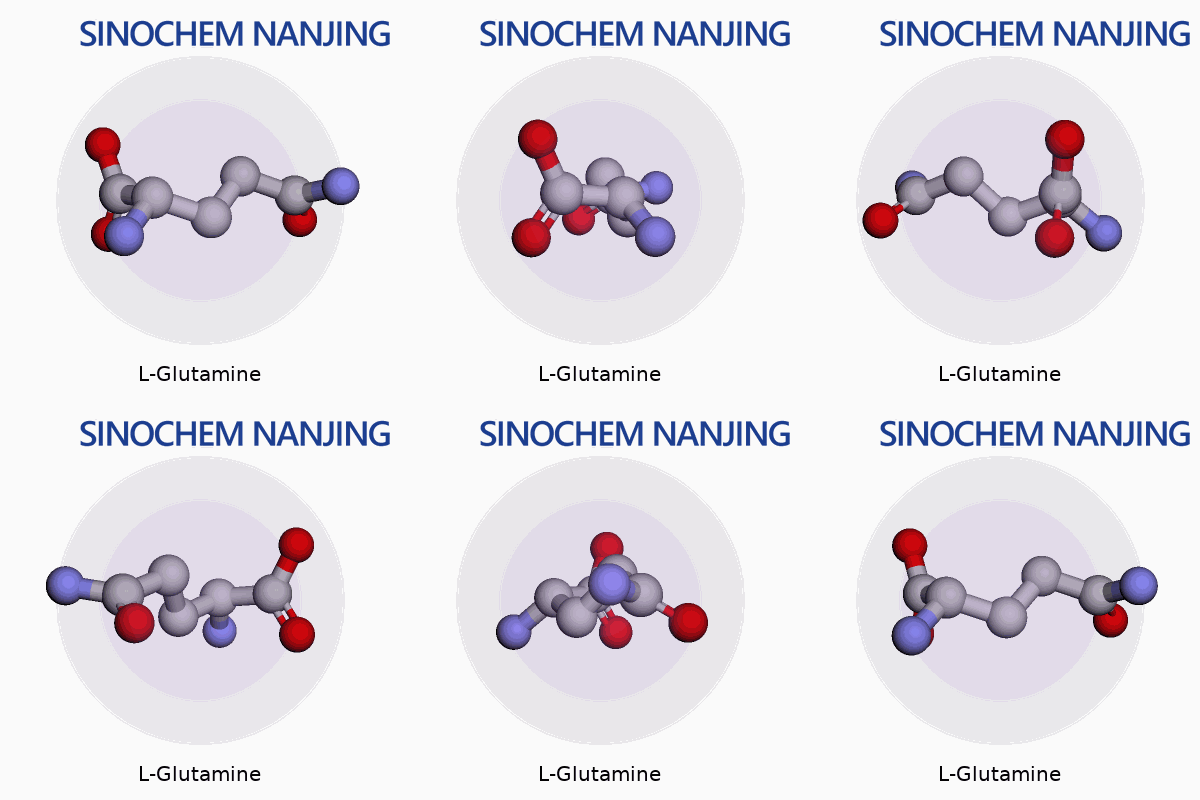
| Names | |
| Preferred IUPAC name | (2S)-2,5-diamino-5-oxopentanoic acid |
| Other names |
2-Amino-4-carbamoylbutanoic acid Glutamic acid amide Glutamin Levoglutamide L-2-Aminoglutaramic acid |
| Pronunciation | /ˌɛlˈɡluːtəmiːn/ |
| Identifiers | |
| CAS Number | 56-85-9 |
| 3D model (JSmol) | `3D model (JSmol)` string for **L-Glutamine**: ``` COC(=O)CC(C(=O)N)N ``` *(Note: This is the SMILES string representation, used for generating 3D models in molecular viewers like JSmol.)* |
| Beilstein Reference | 7157 |
| ChEBI | CHEBI:28300 |
| ChEMBL | CHEMBL595 |
| ChemSpider | 741 |
| DrugBank | DB00130 |
| ECHA InfoCard | 100.035.359 |
| EC Number | EC 2.6.1.2 |
| Gmelin Reference | 5974 |
| KEGG | C00064 |
| MeSH | D005947 |
| PubChem CID | 5961 |
| RTECS number | MQ8300000 |
| UNII | Z2M4E1JW74 |
| UN number | UN UN3077 |
| Properties | |
| Chemical formula | C5H10N2O3 |
| Molar mass | 146.15 g/mol |
| Appearance | White crystalline powder |
| Odor | Odorless |
| Density | 0.56 g/cm3 |
| Solubility in water | Soluble in water |
| log P | -3.32 |
| Acidity (pKa) | 5.65 |
| Basicity (pKb) | 5.65 |
| Magnetic susceptibility (χ) | Diamagnetic |
| Refractive index (nD) | 1.52 |
| Viscosity | Low viscosity |
| Dipole moment | 5.3292 D |
| Thermochemistry | |
| Std molar entropy (S⦵298) | 110.7 J·mol⁻¹·K⁻¹ |
| Std enthalpy of formation (ΔfH⦵298) | -819.7 kJ/mol |
| Std enthalpy of combustion (ΔcH⦵298) | -2103.7 kJ/mol |
| Pharmacology | |
| ATC code | A16AA05 |
| Hazards | |
| Main hazards | May cause respiratory irritation. May cause eye irritation. May cause skin irritation. |
| GHS labelling | GHS07, GHS08 |
| Pictograms | food_supplement,athletes_product |
| Signal word | No signal word |
| Precautionary statements | KEEP OUT OF REACH OF CHILDREN. Consult your physician prior to using this product if you are pregnant, nursing, taking medication, or have a medical condition. Store in a cool, dry place. Do not use if seal is broken or missing. |
| NFPA 704 (fire diamond) | 1-0-0 |
| Autoignition temperature | 730°C (1346°F) |
| LD50 (median dose) | LD50 (median dose): Oral, Rat: 30 g/kg |
| PEL (Permissible) | 10 mg/m3 |
| REL (Recommended) | 5–10 g/d |
| Related compounds | |
| Related compounds |
Glutamic acid Glutamine synthetase Glutaminase N-Acetylglutamine Glutamate L-Glutamic acid D-Glutamine Pyrroglutamic acid |



