L-Carnitine Hydrochloride: A Deep Dive into Its Journey and Role in Modern Science
Historical Development
L-Carnitine has roots reaching back over a century. Researchers first isolated it from meat extracts in the early 1900s, curious about a molecule that seemed essential for muscle function. Russian scientists gave it life as “carnitine,” reflecting its connection to meat, or “caro.” Over decades, biochemists untangled its structures and realized the importance of the L-isomer for human health. As nutrition science grew in the late 20th century, people grew interested in supplementing diets with bioactive compounds found naturally in the body. This shift from academic curiosity to supplement spotlight shaped L-Carnitine Hydrochloride’s story: starting behind a research lab’s doors to lining store shelves in sports nutrition and wellness aisles.
Product Overview
Anyone who checks health supplements will come across L-Carnitine Hydrochloride, often shortened to L-Carnitine HCl. It’s a salt form, derived from naturally occurring L-Carnitine and hydrochloric acid, crafted for increased stability and solubility. This adjustment gives it a longer shelf life and easier integration into powdered blends or capsules. People use it for a range of needs: sports, weight management, energy, even clinical nutrition to address certain deficiencies. Its roles extend beyond fitness trends, touching hospital formulas and infant formulas where it acts as a conditionally essential nutrient under specific medical circumstances. Over time, this compound gained a reputation for efficient delivery and reliable dosing.
Physical & Chemical Properties
Crystalline and white, L-Carnitine Hydrochloride brings a slightly tart taste, thanks to its acid component. It doesn’t hide—dissolves quickly in water, making it simple to mix into drinks and functional foods. The compound remains stable under general storage conditions, resisting rapid degradation in heat or light, but humidity can affect its shelf life if not packed with care. It weighs in at a molecular weight around 197.65 g/mol, and its chemical structure features a trimethylammonium group that’s central to its shuttling action inside mitochondria. These simple, yet robust features allow manufacturers to rely on its form whether they’re designing liquid, powder, or solid supplement lines.
Technical Specifications & Labeling
Bulk suppliers specify purity levels exceeding 98%, often verified through chromatographic techniques accredited by bodies like USP or EP. Labeling requirements depend on the market region but expect to see “L-Carnitine Hydrochloride,” CAS Number 6645-46-1, and detailed ingredient lists, especially in regulated jurisdictions like the US and EU. Product labels announce the presence of allergens, GMO sources, or animal-derived inputs. No gluten, milk, or soy unless stated; and purity certificates often accompany large shipments bound for international destinations. Competitive supplement makers certify their batches through third-party labs to provide transparency, and some brands add QR codes linking to lab reports as an extra trust measure.
Preparation Method
Factories manufacture L-Carnitine Hydrochloride primarily from synthetic processes rather than animal extraction today. One common commercial synthesis joins trimethylamine with (R)-3-chloro-1,2-propanediol, producing the L-type only after a series of chiral selections. Enzyme-based steps ensure that only one mirror image—the biologically active one—ends up in the final product. Following synthesis, hydrochloric acid neutralizes the organic base, and repeated crystallization produces the stable white powder demanded in the market. The entire process must take place under food-grade or pharmaceutical GMP standards, with rigorous filtering and drying to guarantee both safety and purity.
Chemical Reactions & Modifications
L-Carnitine interacts with strong acids and bases, so careful handling maintains its useful salt form. Technologists lean on the hydrochloride salt to boost solubility and reduce hygroscopic behavior. Chemical derivatives include acetyl-L-carnitine and propionyl-L-carnitine, both crafted through targeted acylation that tailors the parent molecule for specific health conditions. Acetyl-L-carnitine, for instance, crosses the blood-brain barrier more efficiently, making it a subject in neurology research. Even subtle chemical tweaks can shift how a supplement works in the body, so researchers regularly screen new forms for both safety and bioavailability.
Synonyms & Product Names
Don’t get tripped up by names: it appears on labels as “L-Carnitine Hydrochloride,” “Levocarnitine HCl,” or just “L-Carnitine HCl.” Supplement brands sometimes market it under trademarked blends, but all reference this same essential nutrient, recognized by its exact molecular structure. European, Asian, and American brands might communicate “levocarnitine” more often in clinical settings, while gym-oriented powders favor the succinct “L-Carnitine HCl.”
Safety & Operational Standards
Regulators from the FDA and EFSA review new ingredient filings by manufacturers and set limits for daily intake. In healthy adults, moderate use—typically under 2 grams per day—carries an established safety track record. Reports of mild gastrointestinal discomfort crop up above certain doses but serious toxic effects rarely occur at recommended amounts. Producers safeguard batches through batch testing, track down contamination from solvents or heavy metals, and provide batch-specific certificates of analysis. GMP (Good Manufacturing Practices), HACCP (Hazard Analysis and Critical Control Points), and quality system standards form the backbone of the supplement industry’s efforts to keep risks in check. Workers on the production floor use gloves, cleanroom gowns, and regularly sanitized equipment to further protect both product and end consumer.
Application Area
L-Carnitine Hydrochloride stands as a regular fixture in sports nutrition shakes and energy formulas, where people hope to bank on its role in fat metabolism. Its applications reach into clinical sectors, showing up in intravenous preparations for patients who have trouble synthesizing their own or dealing with serious metabolic disorders. Pediatric formulas occasionally include it for infants born prematurely, when their own bodies haven’t matured into making enough. Researchers still explore benefits for cognitive health, liver metabolism, and even heart function. From dietary supplements to medical nutrition therapy, the compound appears in solid, powder, and liquid forms, reflecting its versatility and consumer trust.
Research & Development
Scientific interest in L-Carnitine Hydrochloride grows as new techniques allow researchers to map molecular impacts across tissues. Double-blind, placebo-controlled clinical trials investigate whether it can help with recovery from exercise or address certain forms of muscle disease. Universities and biotechnology firms partner up to understand if tailored delivery (nanoencapsulation, timed release capsules) improves outcomes for those managing long-term conditions. In metabolic and neurological research circles, fundamental questions remain about how far supplementation might go in supporting energy production, not just in athletes but in people fighting chronic fatigue or neurodegenerative illnesses. The body of evidence expands slowly, demanding rigor, but the drive to validate or challenge earlier claims keeps the field dynamic and competitive.
Toxicity Research
Decades of laboratory studies underpin L-Carnitine Hydrochloride’s status as a generally recognized safe ingredient, though few compounds come free of concerns at extreme doses. Animal models and clinical studies agree that tolerable upper limits stay far above normal intake levels, with only minor side effects like nausea or diarrhea at excess. One rare concern: trimethylamine-N-oxide (TMAO) formation, a metabolite linked to increased cardiovascular risk, which appears in some individuals with unique gut flora. Researchers debate the significance of this link, especially as diet, genetics, and co-factors cloud the metabolic picture. Regulatory panels watch the literature closely, ready to adjust guidance if any definitive risk emerges, a reminder that ongoing monitoring matters even for familiar compounds.
Future Prospects
L-Carnitine Hydrochloride faces growing demand from the active lifestyle market, as more people seek targeted dietary support on gym shelves and wellness sites. Interest grows in personalized nutrition, where genomics might help zero in on who benefits most from supplementation. Researchers continue to push for higher purity, better taste masking, and novel delivery forms—think gummies, extended-release tablets, or synergistic blends with complementary nutrients. Medical science looks to expand applications in organ support, cognitive decline, and rare disease nutrition, propelled by an aging population and changing health habits. New insights into gut microbiome interactions and genetic pathways could eventually refine dosing guidelines. Investors and developers keep scanning for signals that could translate into regulatory shifts or new product launches, knowing this once-obscure nutrient now commands a growing space in both wellness and clinical care.
What are the main benefits of L-Carnitine Hydrochloride?
What Does L-Carnitine Hydrochloride Actually Do?
L-Carnitine Hydrochloride has gained plenty of attention, especially in fitness circles and among folks looking to boost their energy. Its main job involves helping the body turn fat into fuel. People often link it with better exercise performance, fat metabolism, and even quicker recovery after workouts.
Energy and Fat Metabolism
I started using L-Carnitine Hydrochloride last year when rising stress left me with sluggish workouts. The difference surprised me. Research published in the Journal of Physiology points out that L-Carnitine helps transport fatty acids into the mitochondria, the “powerhouses” in cells that turn fat into usable energy. This process isn’t just science talk — it's something you might notice as more consistent energy during a jog or gym session. My training partner, who deals with end-of-day fatigue, also saw a clear uptick in stamina.
Supporting Weight Loss Efforts
Weight management can feel like a never-ending puzzle. L-Carnitine Hydrochloride supports the fat-burning process in a tangible way. A meta-analysis in Obesity Reviews found that adults using L-Carnitine supplements, alongside healthy eating and movement, reduced body weight and fat percentage more than a placebo group. Quick fixes rarely stick, but adding something like L-Carnitine could help nudge progress in the right direction. Still, no single supplement replaces thoughtful diet and regular movement.
Impact on Exercise Recovery
Nobody loves the soreness that comes after hitting legs or running a few extra miles. L-Carnitine Hydrochloride shows some promise here. Studies, including one in Clinical Rehabilitation, highlight how it may lower muscle damage and ease that sore, stiff feeling the day after a tough workout. Friends training for their first marathon noticed they could stick to their schedules better, needing fewer days off because they recovered a bit quicker. That extra push makes a difference, especially if you’re steadily working toward a big goal.
Cognitive and Heart Health
Brain fog can cloud even the best intentions at work or during a study session. Animal studies hint at L-Carnitine Hydrochloride’s role in supporting cognitive functions by boosting overall energy in brain cells. While human research crawls behind, people report feeling sharper and less bogged down. Another important effect comes from the cardiovascular side. Small clinical trials published in Drugs in R&D link L-Carnitine with healthier blood lipid levels and better heart function for those dealing with cardiovascular risk factors.
Considerations and Solutions for Safe Use
L-Carnitine Hydrochloride sounds tempting, but more doesn’t always equal better. People should be wary of over-the-top doses from unregulated sources. The Food and Nutrition Board hasn’t set an official upper intake, but sticking to widely studied amounts — usually up to 2,000 mg a day for adults — brings fewer side effects like nausea or upset stomach. Consulting a healthcare provider before adding supplements helps dodge unexpected interactions, especially for folks with underlying conditions or who take other medication.
Products labeled from manufacturers with a strong record of transparency offer a safer bet. Look for third-party testing and clear labeling. Long-term benefits show best when lifestyle pieces like balanced food choices, movement, and sleep are in place. For me, L-Carnitine Hydrochloride has become one small, supportive step among many toward feeling focused and energetic.
How should I take L-Carnitine Hydrochloride and what is the recommended dosage?
Getting to Know L-Carnitine HCl
L-Carnitine Hydrochloride lines the shelves in many supplement stores—yet the advice around using it often sounds like backyard rumors. The goal is clear: support the body in turning fat into energy, possibly boost exercise performance, even help with a sluggish mental state. But grabbing a bottle isn’t the end of the story. Paying attention to why, how, and how much you use matters just as much as the science on the label. People have used carnitine for years, touting benefits for everything from heart support to faster recovery after workouts. But as with any supplement, facts help you get smarter about the next step.
What’s the Right Dosage?
Most folks fall into the trap of thinking if a little helps, more equals better results. That move can backfire. Human studies and my own experience suggest most adults do well with a range of 500mg to 2,000mg each day. Some research went as high as 3,000mg for serious athletes or medical conditions, but that’s walking into territory where a doctor’s input matters.Often, you’ll see tablets, capsules, or powders. Swallowing a capsule with water makes the most sense for most. Powders mix well with water or juice if swallowing isn’t your thing. But never toss a scoop into a shake and call it done without checking the label—potency and additives vary among brands. Make sure you have pure L-Carnitine Hydrochloride, not some cheap blend.I’d start at 500mg per day for the first two weeks and see what happens. Usually, it’s best to take it about an hour before workout time to help with fat-burning or sustained energy. Folks aiming for cognitive benefits sometimes choose to split doses: one in the morning, another mid-afternoon.
Possible Side Effects and Smart Choices
Every supplement brings risks, even the ones with a reputation for being harmless. Some people deal with stomach upset or mild diarrhea. More than once, friends complained about a fishy body odor after taking high amounts—one of those surprises no one talks about before opening the bottle. If you feel any discomfort, try syncing your supplement intake with a light snack or cut the dose in half for a few days.Anyone on medication should talk to a professional, especially if using blood thinners, hormone blockers, or thyroid medications. Athletes chasing optimal energy may find their bodies run better for a while with carnitine. Everyday people simply wanting to ditch an afternoon slump might feel energized but shouldn’t expect miracles.
Aiming for Results, Not Hype
Research claims L-Carnitine Hydrochloride can aid fat metabolism, support heart function, and fight mid-workout fatigue. I find results depend on a bigger picture: daily habits, sleep, stress, and nutrition. Drinking plenty of water while taking carnitine seems to help most people avoid side effects and feel better, especially during hot weather or tough workouts. A recent Harvard review pointed out that carnitine does not replace solid food or smart training—think of it as a possible helper, not a magic bullet.If weight loss or muscle gain ranks high on your list, L-Carnitine Hydrochloride may have a supporting role. Pair it with good sleep, balanced meals, and regular movement for the best shot at long-term change. Skipping meals or chasing the next big supplement trend without a plan defeats the purpose.
Keep Realistic Expectations
Supplements shine brightest as a piece of the puzzle. I stick to reading credible studies and listening to my body, never rushing the process. If taking L-Carnitine Hydrochloride lines up with your doctor’s advice, a bit of patience, consistency, and common sense go a long way.
Are there any side effects or risks associated with L-Carnitine Hydrochloride?
Common Claims and the Real Story
L-Carnitine has made its way into a range of energy drinks, fitness supplements, and diet pills. Promoters highlight its role in helping the body turn fat into energy, targeting both fitness enthusiasts and anyone hunting for easier weight loss. I see the same pattern every year, with a new buzzword supplement promising to change the game. People often dive in before asking hard questions about what these products might do besides giving an energy kick.
Side Effects That Show Up in Real Life
I’ve met plenty of people in gyms or sports clubs who talk about digestive trouble after starting an L-Carnitine regimen. Nausea, stomach cramps, and diarrhea show up often in conversations. One friend with a sensitive stomach found a daily dose triggered more runs to the bathroom than runs on the track. Published reviews echo these stories, noting that the most common side effects affect the gut. Scientific research backs this up, with a 2016 review from the Journal of Dietary Supplements highlighting gastrointestinal complaints as a top reason people stop using L-Carnitine supplements.
Body odor tends to come up less in polite conversation, but the “fishy” smell linked to L-Carnitine use is real. This happens when gut bacteria break down the supplement, producing trimethylamine—a compound that can feel awkward in any social setting. For many people, this side effect is a deal-breaker, especially at higher doses.
Risks: What Science Reveals
Over the last decade, research has asked hard questions about the safety of long-term L-Carnitine use. Studies from institutions like the Cleveland Clinic found a link between high levels of L-Carnitine intake and the formation of trimethylamine-N-oxide (TMAO) in the body. High TMAO levels have been connected to increased risks of heart disease in observational research. While this doesn’t prove L-Carnitine causes heart attacks, it’s enough for researchers and doctors to urge caution, especially among people already dealing with heart issues.
Medications and Medical Conditions
Anyone taking medications or living with chronic conditions should think twice before picking up L-Carnitine off the shelf. Doctors warn about possible interactions with thyroid hormones and drugs that affect the heart. I’ve seen people with seizures report increased frequency after starting L-Carnitine, a risk detailed in neuroscience literature. The FDA flagged this risk in earlier case reports, so people with seizure disorders need careful supervision and a doctor’s advice first.
Making Smart Choices
No supplement works in a vacuum. L-Carnitine’s possible side effects remind me that “natural” doesn’t mean risk-free. Quality matters a lot, too—some products contain less than what’s on the label or pick up contaminants along the way. Always check for third-party testing. If someone is healthy, has a balanced diet, and doesn’t have a medical need for extra L-Carnitine, chances are they get enough through food alone. Clinical guidelines from groups like the Mayo Clinic and National Institutes of Health both call for a cautious approach.
Doctors, registered dietitians, and pharmacists have the right know-how to weigh risks for each person. Oversight matters more than hype. Science has only scratched the surface, but my experience says it pays to research and ask questions long before trying anything promising fast results.
Can L-Carnitine Hydrochloride help with weight loss or fat burning?
L-Carnitine in the Spotlight
L-Carnitine supplements fill gym bags and online ads, all promising boosted fat burning. These claims get tossed around in fitness circles, especially where weight loss takes center stage. I’ve watched folks pop these pills at sports clubs and blend them into protein shakes, hoping for a shortcut to a lean body. It’s easy to see why the hype spreads—who wouldn’t want an edge in the uphill fight against unwanted pounds?
The Science Behind L-Carnitine
L-Carnitine is a compound the body makes using amino acids. Muscles rely on it to help move fatty acids into mitochondria, where cells break them down for energy. Researchers, especially in exercise physiology, have spent years studying how much extra L-Carnitine from supplements might help someone lose weight. Some hope that by boosting the machinery involved in burning fat, people might shed fat more efficiently.
Small studies show L-Carnitine can lift fatty acid use during endurance exercise, mainly in folks who come in deficient or older adults. According to clinical trials, though, most healthy adults produce enough through diet and liver function. The benefit for fat burning seems to shrink in younger, active adults with a balanced diet. Research reviews published in the journal Obesity Reviews highlight modest bodyweight reductions—often less than two pounds—among people using L-Carnitine compared to placebo. Quick results fade out when paired against real exercise or diet change.
Risks and Realities
Swallowing extra L-Carnitine isn’t always smooth. Some folks experience nausea, heartburn, or a persistently fishy body odor. High doses for long periods can stress the heart or kidneys, especially in those with underlying health issues. Over years as a trainer and nutrition coach, I’ve met clients who’ve struggled with side effects and got little more than lighter wallets in return.
People sometimes overlook dietary changes or better movement patterns, drawn to the idea of “fat-burning pills.” This shortcut thinking skips over the real work—sustainable habits involving food and physical activity. High-protein diets, daily steps, and strength training consistently show more impact than most supplements, L-Carnitine included.
What Matters for Lasting Results
Relying on L-Carnitine alone for weight loss creates false hope. Evidence leans toward most benefits coming through diet or fitness. For example, the National Institutes of Health shares that no supplement replaces the results that come from controlling calorie intake or boosting activity. Muscle growth and fat loss require work in the kitchen and the gym, not just pills.
Instead of chasing the next supplement trend, it helps to re-evaluate nutrition, monitor progress, and ask a health professional for advice. Simple strategies—like trading takeout for home-cooked meals or joining a local walking group—set up more lasting change. Supplements can fit in, but best as part of a complete approach, never as the only move.
Looking Forward
Manufacturers keep developing products promising quick fixes. As someone committed to supporting real people and safe outcomes, I value transparency, clear labeling, and practical expectations. L-Carnitine may play a modest role for a few, but it won’t outpace the steady, familiar steps of good nutrition and active living.
Is L-Carnitine Hydrochloride safe to use with other supplements or medications?
Understanding L-Carnitine Hydrochloride
L-Carnitine Hydrochloride has built a reputation among fitness enthusiasts and anyone seeking an extra edge for energy. Its core claim is helping the body convert fat into energy—an appealing promise for both athletes and folks trying to manage weight. Supplements like this pop up all over health shops, usually pitching easy fat loss, better performance, and sharper recovery. With so many claims floating around, more people keep adding it to their routine.
Safety Concerns Aren’t Just for Doctors
Jumping into a new supplement can seem harmless, but the real picture gets messy the moment medications or other supplements enter the mix. I’ve seen friends stack products, thinking more equals better. Sometimes, it works. Other times, it triggers stomach upset, headaches, or sleep problems. In rare cases, the combination stirs up something worse, especially when prescription drugs get involved.
Trusting a single label without thinking about the complete personal routine doesn’t keep anybody safe. For everyday users, L-Carnitine Hydrochloride often feels “natural” or “safe,” but metabolism isn’t always predictable. If someone takes blood thinners, thyroid meds, or drugs for heart conditions, each step deserves a careful look. Some research suggests carnitine may affect thyroid hormone levels or interact with anticoagulants, amplifying bleeding risk. Ignoring these possibilities only brings more trouble.
The Human Element: Real Cases, Real Risks
A cousin once tried to boost his energy for marathon training by mixing L-Carnitine with a stack from the supplement store—protein powders, BCAAs, and herbal extracts. The plan hit a wall fast; he spent two nights plagued by insomnia and a racing heart. It turned out his energy drink had hidden synephrine. Add carnitine’s possible stimulant effects, and his body responded with pure overdrive. It cost him a week off training and a tough lesson in reading every label, not just the front.
Stories like his echo through gym locker rooms and support groups. Everyone thinks it won't happen to them, but bodies react in personal ways. Some tolerate piles of supplements. Others tip into side effects rapidly—gut pain, allergic flare-ups, or dangerous interactions if heart or mental health medication enters the mix.
Science and Solutions: Reducing Risk
Trustworthy researchers keep studying L-Carnitine’s interactions. The official word from the National Institutes of Health stresses moderation—most folks can use it safely for short periods, but stacking raises unknowns. Experts recommend honest conversations with healthcare professionals. A doctor or pharmacist won’t judge a quest for better health; they’ll help spot red flags or recommend alternatives.
Another key move lies in tracking. Keeping a log of everything consumed—each supplement, each medicine, even the odd herbal tea—helps pinpoint any reactions, good or bad. If side effects creep in, reviewing the log with a knowledgeable provider gives a clear path forward. Taking charge this way isn’t overkill—it's smart.
Finally, sticking to brands that publish third-party lab results for purity and ingredient lists cuts down on surprises. Counterfeit or contaminated supplements cause thousands of emergency visits each year, according to the FDA. Transparency beats hype every time.
Empowering Better Choices
Mixing L-Carnitine Hydrochloride with other substances can be safe, but never becomes risk-free. Health demands more than grabbing the next big supplement. It calls for real conversations, close attention, and a willingness to change course when something doesn’t feel right.
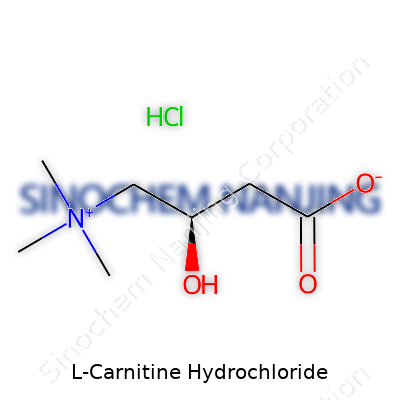

| Names | |
| Preferred IUPAC name | (3R)-3-hydroxy-4-(trimethylazaniumyl)butanoate chloride |
| Other names |
3-Hydroxy-4-(trimethylammonio)butanoic acid hydrochloride L-Carnitine HCl Levocarnitine hydrochloride |
| Pronunciation | /el-kar-NY-teen ˌhaɪ-drə-klɔr-aɪd/ |
| Identifiers | |
| CAS Number | 603-68-3 |
| Beilstein Reference | 3589526 |
| ChEBI | CHEBI:64047 |
| ChEMBL | CHEMBL1221 |
| ChemSpider | 6199 |
| DrugBank | DB08842 |
| ECHA InfoCard | 100.036.034 |
| EC Number | EC 206-759-6 |
| Gmelin Reference | 82755 |
| KEGG | C00318 |
| MeSH | D017325 |
| PubChem CID | 638075 |
| RTECS number | RR0350000 |
| UNII | MPD5Z9Q2DR |
| UN number | UN2811 |
| CompTox Dashboard (EPA) | DTXSID8021232 |
| Properties | |
| Chemical formula | C7H16ClNO3 |
| Molar mass | 197.67 g/mol |
| Appearance | white crystalline powder |
| Odor | Odorless |
| Density | 1.2 g/cm3 |
| Solubility in water | Very soluble |
| log P | -4.2 |
| Vapor pressure | Negligible |
| Acidity (pKa) | -COOH 3.8 |
| Basicity (pKb) | 4.76 |
| Magnetic susceptibility (χ) | -71.5×10⁻⁶ cm³/mol |
| Dipole moment | 8.48 D |
| Thermochemistry | |
| Std molar entropy (S⦵298) | 289.8 J·mol⁻¹·K⁻¹ |
| Std enthalpy of formation (ΔfH⦵298) | -694.7 kJ/mol |
| Std enthalpy of combustion (ΔcH⦵298) | -3625 kJ/mol |
| Pharmacology | |
| ATC code | A16AA01 |
| Hazards | |
| Main hazards | May cause respiratory irritation. Causes serious eye irritation. Causes skin irritation. |
| GHS labelling | GHS07, Exclamation Mark, Warning, May cause respiratory irritation |
| Pictograms | ❌🧪🌡️💊 |
| Signal word | Warning |
| Hazard statements | Hazard statements: H315, H319, H335 |
| Precautionary statements | Keep container tightly closed. Store in a cool, dry place. Avoid contact with eyes, skin, and clothing. Wash thoroughly after handling. Use with adequate ventilation. |
| NFPA 704 (fire diamond) | Health: 1, Flammability: 0, Instability: 0, Special: - |
| Flash point | > 210°C |
| Autoignition temperature | 205°C |
| Lethal dose or concentration | LD50 (oral, rat): 5,000 mg/kg |
| LD50 (median dose) | LD50 (median dose) of L-Carnitine Hydrochloride: "5000 mg/kg (rat, oral) |
| NIOSH | Not Listed |
| PEL (Permissible) | Not established |
| REL (Recommended) | 500 mg per day |
| IDLH (Immediate danger) | Not established |
| Related compounds | |
| Related compounds |
L-Carnitine Acetyl-L-carnitine Propionyl-L-carnitine Gamma-butyrobetaine L-Carnitine tartrate |



