Isooctane: Unpacking Its Role and Relevance
History and Development
The story of isooctane really picks up steam with the rapid growth of the automobile industry. Researchers in the early 1900s were struggling to standardize fuel quality. Karl Boyd and his team at the US Bureau of Mines knocked together a blend of hydrocarbons to find out which ones kept car engines from rattling and knocking. Isooctane stood out for resisting this knock, quickly becoming the gold standard for comparison. The octane rating scale, still used today, gives pure isooctane a score of 100, marking it as the benchmark against which other fuels are measured. Over the years, oil refineries have honed methods to churn out isooctane efficiently from crude oil fractions, giving modern refineries the flexibility to blend fuels with predictable performance in the hands of drivers around the world.
Product Overview
Isooctane, with the chemical moniker 2,2,4-trimethylpentane, falls in the group of branched-chain alkanes. Refineries and fuel blenders like it for its anti-knock qualities, making it a staple part of gasoline. Even though consumers may never catch sight of a bottle labeled “isooctane” at the pump, this substance shapes what car owners experience every visit to the gas station. For the lab crowd, isooctane brings reliable purity and consistent results, which sharpens up calibration in engine research and testing.
Physical and Chemical Properties
Isooctane shows up as a clear liquid, with a faint gasoline odor that lets you know you’re handling a hydrocarbon. It boils at about 99°C, freezes around -107°C, and sports a density lower than water, which makes for easy separation if spills happen. Since it hardly mixes with water, clean-up operations after leaks can move quickly. Chemically, isooctane tends to stay stable under most storage conditions, but throw in a spark and you’ll see exactly why it fuels so many engines. Its vapor catches flame easily; the lower explosive limit sits at about 1.1% by volume in air.
Technical Specifications and Labeling
Quality rules set some tight specs for isooctane, especially when it heads for use as a reference fuel. Most labs want better than 99% purity, since stray compounds can twist octane ratings and compromise tests. Labels on drums and containers make note of its UN number (UN 1262), hazard statements, flammability icons, and handling instructions. Every barrel carries a batch analysis, which lists out specifics including boiling point, density, and identification of tiny impurities like sulfur and unsaturated hydrocarbons, giving quality managers a clear snapshot before use.
Preparation Method
Refineries get isooctane mainly through alkylation, a chemical process that links together isobutane with isobutene or other light alkenes in the presence of a powerful acid. Sulfuric or hydrofluoric acid usually serves as the matchmaker, helping the components combine under controlled temperatures and pressures. This whole setup allows plants to squeeze every useful drop out of crude oil into products like isooctane, adjusting the output mix quickly as demand for high-performance fuel rises or falls.
Chemical Reactions and Modifications
Isooctane holds up well under most storage and use conditions, but it isn’t immune to strong oxidizers or the heavy hand of a lab. Introduce chlorine or ozone and side reactions will splinter the molecule into a mix of chlorinated or oxygenated fragments. Normally, though, its main role is not as a feedstock for new compounds, but as a stable reference and blending component. Modifications tend to come from slight tweaks in oil refining—changing the acid concentration, temperature, or the ratio of starting materials shifts how much isooctane comes rolling out of the process pipe.
Synonyms and Product Names
Step onto a refinery floor, crack open a technical journal, or read the side of a tank car, and you’ll notice isooctane goes by plenty of names. “2,2,4-trimethylpentane” spells out its chemical makeup. Safety data sheets might just say “Iso-octane” or “Octane” (though this last one sometimes confuses things, since octane proper is a different molecule). You’ll also see product codes and internal names at big refineries, depending on region or company. That said, most professionals stick to “isooctane” to avoid mix-ups on site.
Safety and Operational Standards
Working with isooctane calls for more than just caution; flammable liquids demand respect and planning. Storage tanks use sealed systems with nitrogen blanketing to keep vapors in check and ignition sources far away. Splash goggles, gloves, and flame-resistant lab coats show up in every standard operating procedure. Regulatory bodies like OSHA, the EU, and NFPA all set out strict rules for ventilation, storage, and spill control, aiming to cut the risk of fire and protect workers from health hazards. Regular training and monitoring become part of the job, especially in high-throughput labs and blending facilities.
Application Area
Fuels research and gasoline blending rely on isooctane’s predictable ignition properties. Automotive engineers build test mixtures, swap in isooctane, and benchmark performance, turning lab data into new engine designs and cleaner-burning fuels. Calibration labs keep bottles of certified pure isooctane as a point of reference for octane number testing, making sure numbers at the pump mean what they should on the road. Beyond fuels, the solvent industry sometimes taps isooctane for chromatography or extraction in food testing, thanks to its chemical stability and low water affinity. Even fragrance makers and chemical manufacturers occasionally put it to work, valuing its inert nature.
Research and Development
Big R&D budgets keep grinding away on ways to boost yields, trim down harmful by-products, and tweak fuel blends with less environmental baggage. Chemists and process engineers have bent their efforts toward greener alkylation—testing out alternative acids, new catalysts, and closed-loop systems that can reclaim heat and reduce emissions during isooctane synthesis. Engine researchers lean on isooctane as a key ingredient in new blends, simulating how engines might run better on future fuels with fewer carbon emissions and better anti-knock ratings. The hunt for sustainable hydrocarbon sources sometimes sees isooctane produced from bio-based feedstocks or recycled plastics.
Toxicity Research
The health side of isooctane has drawn fair attention, especially since refinery workers or lab personnel may have regular contact. Research suggests that skin and eye contact cause mild irritation, and breathing in vapors at high levels leads to headaches, dizziness, or more serious central nervous system effects over time. The compound does not easily dissolve in water or build up in organisms, easing some concerns about broader environmental persistence. Safety data sheets and research publications agree that isooctane poses a bigger physical hazard as a flammable liquid than as a chronic toxin. Still, spill response crews and health officers stay alert for signs of overexposure or acute incidents, as with any volatile hydrocarbon.
Future Prospects
Isooctane faces a changing future as countries nudge the energy sector toward decarbonization. Car makers and fuel distributors look for ways to make gasoline that offers high octane without raising emissions. Cleaner synthesis routes for isooctane—possibly from renewable feedstocks or waste streams—attract growing investment. Additive companies also see opportunities to design new fuel components that pair with isooctane, raising fuel performance while cutting back on pollutants. Engine labs remain keen on isooctane, since it gives a stable, reliable benchmark as technologies shift toward electrification and low-carbon fuels. Whether electric vehicles edge out combustion or liquid fuels find a place in hybrid engines, the qualities that made isooctane famous—knock resistance, stability, measured performance—will keep researchers and industry leaders watching its path closely.
What is Isooctane used for?
Getting to Know Isooctane
Most folks don’t spend time thinking about the stuff that goes into their gas tanks, but there’s more going on there than meets the eye. Isooctane, a chemical with the tongue-twisting name 2,2,4-trimethylpentane, plays a big role in keeping engines running smooth across the world. You see, every car owner hears about “octane ratings” at the pump. That number—sometimes you’ll see 87, 89, 93—is really about how much an engine can resist knocking, or that annoying pinging sound you might remember from driving an older car. That’s where isooctane steps in.
Strong Backbone of Fuel Blends
Back in the day, gasoline engines suffered from “knocking,” which damages engines over time and wastes fuel. Gasoline alone struggled to keep up with stronger, more efficient engines. Chemists hunted for a way to test how likely a fuel would knock, searching for new components that could help raise the bar. Isooctane came out as a champion. In fuel science, isooctane serves as the standard for octane “100,” meaning it resists knocking better than most other compounds around. Blend enough isooctane into fuel, and engines can run with higher compression and deliver more power, all while running quieter and cleaner.
Why Isooctane Matters
I spent years working in the automotive retail space, constantly hearing drivers gripe when their engines clattered and sputtered on cheap fuel. Higher-octane fuels, rich in isooctane or similar additives, nearly always fixed the problem. Drivers noticed better acceleration and a smoother ride, especially if their car had a turbocharger. Car manufacturers, especially high-performance or luxury brands, shape engine designs around the ability to burn higher-octane, knock-resistant fuels. Isooctane makes that possible.
It’s easy to forget how far cars have come in a century. These days, vehicles make twice as much power per gallon compared to old-school models largely because fuel itself keeps up. That progress ties back to clever chemistry, with isooctane leading the charge.
The Environmental Balancing Act
Driving more powerful, cleaner cars means society leans on compounds like isooctane. It’s not just about performance; clean combustion also means less carbon monoxide and fewer pollutants pouring out of tailpipes. Isooctane and its blends lower the chances of building up soot in the engine, which in turn stretches out the lifespan of modern emissions equipment. Fewer repairs, fewer junked parts—that helps keep waste down.
Staying Safe With Isooctane
People who work in refineries or fuel testing often encounter isooctane first-hand. They suit up with goggles, gloves, and special gear for a reason. Isooctane burns easily, and breathing in large amounts of its vapors can cause headaches or worse over time. Over the years, industries have tightened up safety rules in job sites, improving ventilation and training. That reduces health problems and fire risks across the board.
Looking Ahead
Some companies are trying to produce isooctane or similar compounds from bio-based feedstocks, aiming to cut down the world’s reliance on fossil fuels. More bio-isooctane would mean keeping beloved engines running longer without sending as much carbon into the atmosphere. For folks who care about both their cars and the planet, that sounds like progress worth following.
References:American Chemical Society; U.S. Department of Energy; Car and Driver Magazine.
What is the chemical formula of Isooctane?
Isooctane’s Formula and Its Power in Daily Life
Isooctane goes by the chemical formula C8H18. That formula might not mean much on its own, but it stirs up memories for anyone who’s filled a gas tank and glanced at the octane rating. Isooctane is used as the standard with a rating of 100. Most drivers know about octane ratings, but few realize they owe that number to 2,2,4-trimethylpentane — the formal name for isooctane.
High-octane fuel stands out for its ability to handle pressure before exploding. That’s where isooctane makes a difference. "Knocking" in engines doesn't just make a racket; it shortens engine life and cuts fuel efficiency. Blending isooctane into gasoline helps car engines run better, and brings peace of mind for everyday drivers and mechanics.
Practical Impact on Fuel and Air Quality
Gasoline wouldn’t perform well if it consisted of naphtha alone. Adding isooctane brings stability and improves combustion. This means vehicles can burn fuel more efficiently, releasing fewer harmful by-products into the air. Cleaner burning fuels matter for towns battling air pollution, and for anyone who’s noticed how thick city air can get on a hot summer day.
Refiners often turn to catalytic reforming to produce isooctane from straight-run gasoline or natural gas liquids. The process uses catalysts and high temperatures to snap carbon bonds and reassemble them, which always takes a lot of energy. So, making improvements to yield more isooctane without burning through extra resources is a real challenge for both the industry and researchers working toward a cleaner future.
Why the Structure Matters
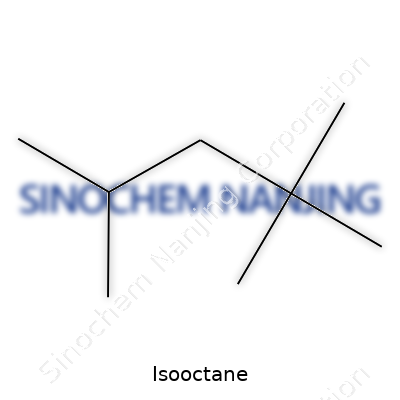
A molecule with eight carbons and eighteen hydrogens might look simple, but isooctane’s shape sets it apart from the straight-chain octane. Isooctane has a branched structure — carbon atoms splitting off in different directions. This branching resists knock better than regular octane, which comes in a straight line and can't take the same heat and pressure before breaking apart in an engine. That’s why, for more than eighty years, isooctane’s been used as the yardstick for testing the knocking-resistance of fuels.
Seeing the Bigger Picture
Good fuel makes a huge difference for the trucks hauling food, the buses carrying kids, and the ambulances racing to emergencies. Every gallon that gets drivers safely to their destination rests on the reliability of compounds like isooctane. People working in chemistry or petroleum refining put in long hours to ensure new engines and fuels match up well, and community air stays breathable.
There’s always room for growth. Scientists have explored bio-based routes to make isooctane, hoping to shift the world’s dependence away from finite fossil resources. Early small-scale projects show promise, but scaling up remains tricky. Breaking that barrier could mark a turning point, where fuels disrupt less of the environment and communities live with fewer worries about what engines are pumping into the sky.
Is Isooctane hazardous to health?
Getting to Know Isooctane
Isooctane pops up in most conversations about gasoline. The chemical gives fuel its octane rating, keeping our car engines from knocking. You smell it at the gas station. Most of us never think twice about it. That casual approach leads to real risk, especially for folks who work with fuels or spend hours around engines.
Health Risks Most People Overlook
Breathe in isooctane vapors for long enough, and your head starts pounding. Eyes and throat get irritated. Spend your day working around gasoline in a poorly ventilated space, and symptoms like dizziness or drowsiness seem to follow you. These aren’t distant side effects—they happen all the time. According to the United States National Institute for Occupational Safety and Health (NIOSH), repeated exposure to isooctane vapors causes headaches, nausea, and even problems with coordination. Lift the lid on long-term effects, and some animal studies show liver and kidney trouble down the road.
Contact with isooctane on your skin sometimes triggers redness or a burning sensation, especially after continued or repeated exposure. A splash in the eyes brings pain and watering. Burning isooctane releases toxic fumes, which include smaller amounts of carbon monoxide. Emergency responders working near fires or fuel spills know to wear protection for a reason.
Environmental and Indirect Dangers
Spills rarely make headlines, but groundwater contamination threatens anyone who relies on well water. Isooctane doesn’t stick around long in soil, though it travels quickly through sand and gravel. The Environmental Protection Agency (EPA) keeps a watchful eye on volatile organic compounds like this, both for worker safety and because drinking water standards need strong oversight.
Home mechanics have a front-row seat to risks. Cleaning parts with fuel or draining tanks in closed garages brings fumes right to your face. DIYers should crack windows, wear gloves, and avoid storing gasoline containers inside living spaces.
How to Stay Safer Without Panic
Nobody likes panic-driven health scares, but brushing off risk helps nobody, either. Simple changes work wonders. Proper ventilation matters more than most people think—a fan goes a long way in home shops. Disposable nitrile gloves stop fuel from soaking through to skin. Even just keeping fuel containers tightly closed and working outdoors lowers exposure.
On the policy side, strong rules have pushed gas stations and auto shops to improve spill containment and air quality controls. Enforcement matters—without it, all that guidance means little. For individuals, wearing eye protection and skipping unnecessary fuel handling keeps trouble at bay.
Relying on Science and Experience
In years spent tinkering with engines, nothing brings home the hazard more than the sting of gasoline on skin or the dull headache after too long in a closed garage. Health and safety rules exist for good reason. The facts back up what hands-on experience tells you: direct contact and breathing in fumes from isooctane should never be ignored.
Plenty of research—from the American Conference of Governmental Industrial Hygienists to the EPA—shows that isooctane needs careful handling. Safer habits and stronger workplace protections cut risk. Living and working around chemicals like isooctane demands respect and a commonsense approach. You can enjoy your car hobby or keep your job in the shop without flirting with health problems, once you take these hazards seriously.
How is Isooctane stored and handled safely?
Understanding Isooctane’s Nature
Isooctane is best known in the world of fuels. It earns a spot in refineries and labs for its clean burning nature and high octane rating, helping shape the very definition of “premium” at the pump. Its quick-to-evaporate and flammable personality brings a set of real challenges to the table, though. Just letting a drum of isooctane hang around in a random warehouse or garage brings risk nobody wants on their conscience.
Storing Isooctane: Tough, Tight, and Well-Marked
Looking at storage, the first thing that stands out is the need for solid steel. Isooctane eats up most plastics and reacts badly with a handful of metals. Steel tanks and drums lined with materials that won’t break down from exposure to hydrocarbons work best. Each tank gets an honest-to-goodness label—flame symbol included—keeping everyone aware of what’s inside. These labels give emergency crews a fighting chance if things go sideways. Big, bold hazard symbols do more than tick off a regulation; they actually help the people working in the area keep mental notes on what’s safe, and what’s not.
Every storage area asks for a location away from where people work and sparks fly. Fire-retardant doors, floors that drain spills into safe sumps, and serious ventilation all play their part. I’ve seen sites where they stack chemicals like Tetris, thinking it’ll save space, but in reality, that’s just asking for double trouble if leaks happen or temperature zooms. Isooctane tanks depend on their own patch of ground with spill containment—a curb or low wall—to trap leaks before they become a bigger headache. Access stays locked down, letting only trained staff through.
Handling Isooctane: No Room for Cutting Corners
Pouring or moving isooctane isn’t a hurry-up kind of job. Folks use grounding straps on metal drums to keep static from sneaking up and sparking a situation nobody wants to see on the news. Pumps and hoses designed for flammable liquids—no makeshift hardware stores hacks—go straight onto the shopping list. Sometimes people believe a splash guard or goggles count as overkill, but I’ve been around enough shops to know a face shield, proper gloves, and a thick, chemical-resistant apron beat a trip to the emergency room.
Training sits at the core of safe work. I’ve watched teams walk through monthly drills, learning what to do if eyes get splashed, an engine starts up nearby, or a pipe cracks. A solid fire plan and clear exits stay key: foam extinguishers and a straight path outside trump any fancy poster stuck to the wall. Ventilation makes a real difference too. Teams who keep big fans moving air away from storage drums help prevent those gasoline-like fumes from piling up.
Why Safety Gaps Never Stay Hidden for Long
Mistakes stack up most often where people get too used to routine or take shortcuts to save time. Turns out, isooctane’s risks aren’t just theory; they show up in the real world whenever someone props open a storage room door or ditches the gloves for a “quick job.” Even in well-run facilities, updates in safety rules or equipment upgrades can lag, especially when budgets get tight. Anyone responsible for hazardous liquids learns quickly: one small leak or spark changes lives and reputations. In my experience, treating each step around isooctane with the respect it demands keeps people, property, and the golden reputation of safety standing tall.
What are the physical properties of Isooctane?
What Makes Isooctane Stand Out
Isooctane grabs attention for good reason. This colorless liquid lands in the spotlight as a benchmark in the octane rating scale. Car enthusiasts and fuel researchers pay close attention because Isooctane doesn’t knock under pressure, literally. Everybody who has ever driven an older car with engine rattle can thank this compound for helping fuels improve. The more you know how it acts, the easier it becomes to design safer, cleaner engines.
Getting Practical: Key Properties
The boiling point sits at 98°C (208°F), just below water’s. You’ll notice it evaporates quickly on your hand—definitely not something you’d forget. Isooctane never mixes with water. Leave it in a glass, and it floats right on top with a slick layer, refusing to blend in. The density hovers near 0.692 g/cm³ at 20°C, far lighter than water. If you pour both into a beaker, isooctane happily rides above, showing off its lower weight.
Isooctane’s flash point falls at about -12°C (10°F). Light a match near an open container, and the vapors burst with little coaxing. That makes storage and transport a sensitive affair in labs and refineries. Flammability creates real risk—many safety guidelines stress proper ventilation and careful handling. As someone who has handled chemicals in a university lab, the sharp smell and ease of vaporization stand out. Goggles, gloves, and fume hoods aren’t optional. They become critical, not just recommended.
Why Its Structure Changes Everything
People might think isooctane stands apart just because of its name, but it’s all about how the molecules link together. Its branched structure knocks more smoothly than plain “straight-chain” octanes. With the molecular formula C8H18, isooctane’s eight-carbon skeleton comes with branches. These branches give it unusual stability during combustion. That means fuel with more isooctane burns evenly—no stuttering, bangs, or damaging “knock” in the engine. Years ago, working on old engines, switching from low to high-octane fuel made engines run quietly. No more groans from the cylinder walls.
Everyday and Emergency Concerns
Isooctane gives off strong fumes. Even if it doesn’t spill, you’ll smell it. Frequent use without ventilation brings headaches or dizziness. That's not theoretical—it’s something you notice quickly during extended lab work. Regulations set strict airborne limits to keep workplaces safe. City agencies monitor fuel stations and blending sites for leaks. Spills must be managed fast to keep vapors under control, as they're heavier than air and gather in low spots, building up fire risk.
Solutions and Future Direction
People often work to improve storage tanks with double walls and vapor recovery systems. Fire departments regularly drill for chemical spill responses near facilities storing hydrocarbons like isooctane. Refiners have shifted toward electronic monitoring to flag leaks early. Many research labs use personal air monitors—technology has changed how risks get spotted in real time. Even garages see improvement: simple exhaust fans and closed containers can make a huge difference. Creating awareness about safe handling—right down to high school chemistry—helps everybody recognize what’s in front of them and react with confidence. The more folks get comfortable with these real-world steps, the fewer mistakes make it past the first warning sign.
| Names | |
| Preferred IUPAC name | 2,2,4-Trimethylpentane |
| Other names |
2,2,4-Trimethylpentane Iso-octane |
| Pronunciation | /ˌaɪ.səʊˈɒk.teɪn/ |
| Identifiers | |
| CAS Number | 540-84-1 |
| Beilstein Reference | 1718732 |
| ChEBI | CHEBI:37449 |
| ChEMBL | CHEMBL14238 |
| ChemSpider | 10237 |
| DrugBank | DB15980 |
| ECHA InfoCard | 100.053.309 |
| EC Number | 204-662-3 |
| Gmelin Reference | Gmelin Reference: **136398** |
| KEGG | C00722 |
| MeSH | D007517 |
| PubChem CID | 6139 |
| RTECS number | NN9275000 |
| UNII | NN2999J8AO |
| UN number | UN1262 |
| Properties | |
| Chemical formula | C8H18 |
| Molar mass | 114.23 g/mol |
| Appearance | Colorless liquid |
| Odor | gasoline-like |
| Density | 0.692 g/cm³ |
| Solubility in water | <5.95 mg/L (25 °C) |
| log P | 4.1 |
| Vapor pressure | 47.8 kPa (at 20 °C) |
| Acidity (pKa) | ~60 |
| Magnetic susceptibility (χ) | −8.3×10⁻⁶ |
| Refractive index (nD) | 1.3910 |
| Viscosity | 0.506 mPa·s (25 °C) |
| Dipole moment | 0.13 D |
| Thermochemistry | |
| Std molar entropy (S⦵298) | 347.5 J·mol⁻¹·K⁻¹ |
| Std enthalpy of formation (ΔfH⦵298) | -249.9 kJ/mol |
| Std enthalpy of combustion (ΔcH⦵298) | -5461 kJ·mol⁻¹ |
| Pharmacology | |
| ATC code | V07AB |
| Hazards | |
| GHS labelling | GHS02, GHS07, GHS08 |
| Pictograms | GHS02,GHS07 |
| Signal word | Danger |
| Precautionary statements | P210, P261, P301+P310, P331, P303+P361+P353, P304+P340, P370+P378, P403+P235 |
| NFPA 704 (fire diamond) | 1-4-0 |
| Flash point | -12 °C |
| Autoignition temperature | 410 °C |
| Explosive limits | 1.1–6 vol % |
| Lethal dose or concentration | LD50 oral, rat: 5460 mg/kg |
| LD50 (median dose) | LD50 (median dose) of Isooctane: **5400 mg/kg (rat, oral)** |
| NIOSH | NIOSH = "YU0875000 |
| PEL (Permissible) | 300 ppm |
| REL (Recommended) | 100 ppm |
| IDLH (Immediate danger) | 900 ppm |
| Related compounds | |
| Related compounds |
Octane Heptane 2,2,3-Trimethylbutane 2,3-Dimethylpentane 2,4-Dimethylpentane |



