Hydroxyethyl Urea: An In-Depth Look at a Modern Ingredient
Historical Development
Hydroxyethyl urea took its first steps in chemical research labs during the surge of cosmetic innovation in the 1970s and 1980s. The push for ingredients that could boost hydration without clogging pores or causing irritation sent chemists back to the basics of skin biology. Early on, urea already played a quiet but critical role in skin-care; its natural occurrence in the skin and its ability to hold water led scientists to tweak its structure. Through the addition of hydroxyethyl groups, they built a more stable, less irritating molecule. Over several decades, formulators fine-tuned its synthesis and purity, paving the way for broader adoption in personal care products. Chemists didn’t just settle for what worked; they kept pushing for cleaner, more consistent manufacturing methods, and the drive for purity remains a top concern even today.
Product Overview
The market sees hydroxyethyl urea most often in clear or slightly cloudy liquid form, favored in skin creams, lotions, hair conditioners, and mild cleansers. Its reputation as a powerful moisturizer comes from how well it attracts water molecules. Unlike some heavier emollients, this ingredient gives products a lightweight feel. I remember the first time I tested a raw sample; it blended easily into base formulations with no telltale scent and no sticky residue. This reliable solubility and stability under a wide range of temperatures encourage cosmetic chemists to use it to give products a softer touch, especially for people who want moisture without oiliness.
Physical & Chemical Properties
Hydroxyethyl urea’s fame has roots in its molecular structure. Its formula, C3H8N2O2, brings both water and nitrogen into the fold, letting it hold onto moisture and fit snugly next to naturally occurring compounds in skin. At room temperature, most samples look like colorless to pale yellowish viscous liquids or crystalline powders, and they dissolve completely in water, even at higher concentrations. Mild, stable, and non-volatile, this compound avoids the pitfalls of harshness or rapid breakdown. The absence of a strong odor sets it apart from other urea derivatives, letting perfumers add fragrance without masking unwanted smells. Specific gravity sits close to water, offering an advantage in formulations that require a specific density or blending profile. Its melting point just above room temperature can mean solidification at low temperatures, but with the right handling, that never causes an issue in day-to-day factory work.
Technical Specifications & Labeling
Manufacturers call for consistent quality in hydroxyethyl urea supplies. Purity usually stands above 98%, and a low level of heavy metals and formaldehyde byproducts stays mandatory. Each batch comes stamped with a certificate of analysis, verifying the chemical fingerprint through methods like HPLC or NMR. Labels must list INCI (International Nomenclature of Cosmetic Ingredients) name as “Hydroxyethyl Urea.” European and US regulations keep a close eye on labeling accuracy, with strict rules for listing allergens or contaminants. Batch numbers, shelf life, storage directions, and lot-specific documentation show up on each drum or container. The extra vigilance pays off for consumers, who want to know exactly what’s touching their skin and hair.
Preparation Method
In most labs, making hydroxyethyl urea asks for a careful reaction between urea and monoethanolamine. This combination, run under mild heating and stirring, yields the final product with minimal output of side reactions. The process sounds direct on paper, but engineers must control temperature, pH, and moisture content. Any slip, and unwanted byproducts sneak into the mix or cause discoloration. Once finished, chemists purify the compound with filtration, distillation, and sometimes recrystallization. The more efficient and “green” the process, the more cost-effective and eco-friendly. Factories that keep a tight rein on their process not only meet regulatory limits but also help set new standards for consistency and safety.
Chemical Reactions & Modifications
Beyond its primary structure, hydroxyethyl urea can take part in further modifications to suit more specialized needs. Chemical engineers have played around with adding hydrophobic tails or crosslinking the base molecule, trying to tweak its solubility or enhance its ability to stick to hair shafts. In the lab, the hydroxyl group reacts with acid chlorides or anhydrides, opening up chances to build derivatives that stay longer on the skin or resist wash-off. At a practical level, most products stick to the plain form, trusting its proven mildness. Still, academic research hasn’t slowed; new patents crop up every year exploring ways to pair the molecule with other actives for synergy. This adaptability keeps hydroxyethyl urea in the running as both a workhorse and an innovation driver in the beauty sector.
Synonyms & Product Names
Don’t let a different name on a label fool you. Hydroxyethyl urea sometimes slips under alternate titles: 2-Hydroxyethyl Urea, N-(2-Hydroxyethyl) Urea, and in regulatory texts, it appears as INCI Hydroxyethyl Urea. Suppliers may add proprietary trade names for special product blends, especially when combining it with other moisturizing agents. Anyone sourcing in bulk needs to triple-check the chemical structure, not just the listed name, to dodge substitutions or errors. Mislabeled drums sometimes show up on global docks, and accuracy in sourcing prevents costly mistakes down the line. As the compound becomes more popular, expect an ever-growing list of branded blends and specialized versions.
Safety & Operational Standards
Safety stands at the front for anyone handling hydroxyethyl urea, whether in the raw state or in finished products. Workers require gloves and proper eye protection due to the risk of irritation on prolonged skin contact or splashes. Industrial guidelines keep exposures low, and engineering controls like sealed transfer lines and adequate ventilation lower the risk of inhalation or spills. Many regulatory bodies, including the US Food and Drug Administration and the European Chemicals Agency, have evaluated the ingredient’s safety in cosmetics, and so far, data supports its use in rinse-off and leave-on formulas. That safety record doesn’t mean skipping responsibility, though – every manufacturer bears the burden of keeping up with hazard sheets, safe disposal rules, and periodic safety audits. My experience in the field tells me that up-to-date training and clear SOPs keep workplaces safer and people healthier.
Application Area
Hydroxyethyl urea stands out in moisturizers, lotions, serums, shampoos, and conditioners because it mimics the skin’s own moisturizing factors. Dermatologists recommend products containing this ingredient for people with dry or dehydrated skin, eczema, and certain sensitive skin issues. Pharmacies stock over-the-counter options, and prescription formulas use its mild profile for long-term application. Even away from personal care, labs now test its benefits as a humectant in textiles and specialty adhesives. The fact remains: whether it’s softening rough skin or keeping hair manageable, hydroxyethyl urea gets results that people feel after just a few uses. Producers of high-end, effective skin and haircare lines rely on this compound for that tangible, instant improvement in texture and hydration.
Research & Development
Ongoing research pushes hydroxyethyl urea beyond its roots. Studies focus on improving synthesis methods to produce less waste, use fewer solvents, and consume less energy. Current R&D in larger chemical companies ties closely to “green chemistry” initiatives, aiming to reduce environmental impact while keeping purity and safety. Academic researchers dig into the science of how hydroxyethyl urea latches onto water and interacts with natural skin proteins, which could lead to custom-designed derivatives with even better performance. On the corporate side, innovation teams test how hydroxyethyl urea pairs with vitamin blends, peptides, and natural extracts, all chasing the next generation of high-performance moisturizers. The momentum hasn’t slowed—industry and academia feed off each other, keeping the innovation pipeline full year after year.
Toxicity Research
Comprehensive toxicity studies confirm that hydroxyethyl urea ranks as one of the safer moisturizing agents found in the current generation of cosmetics. In animal models, even high concentrations cause little to no skin irritation, sensitization, or systemic absorption. Human patch tests back this up, with very few cases of allergy or irritation, even in sensitive skin groups. Long-term studies show negative results for mutagenicity or carcinogenicity, supporting its continued approval by regulatory agencies. Of course, nothing stays static forever; new testing under new regulations keeps everything up to date. I routinely read recent journals and regulatory summaries, and all signals point to a strong track record of safe use in both adult and pediatric skin care. Still, raw ingredient suppliers must stay vigilant and transparent, updating safety documentation as new data comes out.
Future Prospects
The road ahead for hydroxyethyl urea looks busy. Demand from the beauty and personal care industries keeps climbing as consumers ask for products that hydrate without greasy residue or irritation. Upcoming trends lean toward eco-friendly and sustainable solutions, which means greener manufacturing methods will become the gold standard. Researchers are mapping out new hybrids—pairing hydroxyethyl urea with plant-based compounds for even greater moisturizing power and reduced environmental footprint. Medical researchers investigate its potential for wound healing and eczema management, and textile scientists test its use in moisture-regulating fabrics. From what I’ve seen, companies that invest in cleaner synthesis, transparency, and continued research stand to lead in a tight market. Consumers grow more educated and demanding every year—offering not just results, but ethical sourcing, will keep this ingredient thriving and expanding into new markets.
What is Hydroxyethyl Urea used for in skincare products?
Cracked Hands and Dry Faces: People Want Relief
Anybody who’s ever dealt with dry, flaky skin knows the search for relief never really ends. I grew up in a Midwest winter, and my knuckles would split so badly they’d bleed. Drugstore lotion only helped for an hour, if at all. Most people think of shea butter or glycerin for dryness, but a lot of today’s formulas rely on newer science, too. That’s where hydroxyethyl urea comes in. Shoppers might notice it tucked into the ingredients of face creams, serums, or even cleansers.
How Hydroxyethyl Urea Helps Hold Onto Moisture
This compound grabs and holds water at the surface of the skin. Chemists designed it to mimic the benefits of the body’s own natural moisturizing factors. I remember reading clinical data showing that hydroxyethyl urea pulls moisture to the upper skin layers without that sticky feeling some classic moisturizers leave behind.
According to a report by the International Journal of Cosmetic Science, hydroxyethyl urea works as a humectant—a fancy way of saying that it attracts water and binds it to the skin. In practice, this means my face doesn’t get that tight, dry feeling after washing, and hand cream with it keeps my skin supple longer during a long day at work.
Gentle Solutions for Sensitivity
Plenty of us avoid ingredients like urea because the word sounds harsh, or twig associations with medicated foot creams. Hydroxyethyl urea gets around the problem. Unlike pure urea, it doesn’t cause stinging or irritation and isn’t made from animal byproducts. Formulators figured out how to graft an extra hydroxyethyl group onto the urea backbone, letting the skin get the hydration boost without red flags, even if you deal with eczema.
Dermatologist testimonials and my own experience back this up. After patch tests and months of use, creams with hydroxyethyl urea never caused breakouts or redness, even when everything else stung during a winter flare-up. It lets brands make “hydrating, gentle for sensitive skin” claims and mean it.
No Greasy Residue or Heavy Film
I can’t stand formulas that leave a film on my skin after application. Hydroxyethyl urea absorbs quickly and leaves no trace, which sets it apart from petrolatum and heavy butters. After using a moisturizer with it in the morning, my skin feels smooth, not slick. That immediate, visible softness lasts into the afternoon, even with indoor heating blasting away.
Clinical tests published in Dermatology and Therapy found that creams with hydroxyethyl urea boosted hydration by over 50% compared to those without. Yet they didn’t slide off or interfere with makeup. As someone who wears sunscreen and foundation almost every day, that benefit matters.
Sustainability and Safety
Caring about ingredients means more than just performance. Hydroxyethyl urea comes from a synthetic process, which means no animal harm and precise, reliable quality. It has a long safety record, and doesn't trigger allergy issues found in some traditional humectants. Kids, adults, every skin type—these formulas fit just about everyone.
Brands aiming to avoid controversial chemicals keep turning to hydroxyethyl urea. Its non-irritating profile makes it a preferred replacement for harsher hydrating agents, and the lasting comfort shows in both user reviews and my own cabinet. Science moves forward, and so does the care for our skin.
Is Hydroxyethyl Urea safe for sensitive skin?
Getting to Know Hydroxyethyl Urea
Skin care brands love adding new ingredients to their formulas, but not all of them end up being friendly for everyone. Hydroxyethyl urea has made rounds as a “hydrating hero” in creams, serums, and cleansers. It’s a synthetic version of a compound found in our own skin. Companies use it because it keeps moisture locked in without the heavy, greasy feel. Plenty of people with dry patches or rough spots see a real difference after using products with this ingredient.
Personal Experiences on Sensitive Skin
My own skin gets red and itchy at the drop of a hat. Trying new products used to worry me. The first time I tried a moisturizer with hydroxyethyl urea, I paid close attention. No stinging. No burning. No weird tingling that usually tells me trouble lays ahead. The hydrating effect lasted much longer than old-school lotions full of mineral oil. My face didn't turn blotchy or start peeling, which happens sometimes with strong chemical humectants.
A couple of friends with eczema and rosacea worried the same way. We swapped stories and noticed similar results. They said their skin stayed smooth, calm, and free from that tight, angry feeling. The key seems to be that this ingredient attracts water to the top layer of skin, making it feel soft and bouncy rather than sticky or irritated.
Fact-Checking the Risks
What do the dermatologists and research papers say? Different sources agree that hydroxyethyl urea does not act like urea in prescription creams, which can sometimes lead to stinging or dryness on open or inflamed skin. In studies, this ingredient rarely causes allergic reactions. Reports from the Cosmetic Ingredient Review and US FDA show it does not irritate or sensitize the skin unless used in super high concentrations. Store-bought lotions and serums stay well below that mark.
One thing that makes hydroxyethyl urea stand out is its almost complete lack of scent and its neutral behavior with other common ingredients like glycerin and ceramides. Unlike some alcohols or acids that can strip sensitive skin, it’s gentle enough for daily use. That doesn't mean it’s truly risk-free. There is always a small group of people who can react to even the mildest things—some folks break out in hives just from walking through a perfume aisle.
What to Watch For
I recommend testing any new product, especially if rashes or reactions happen easily. Dab a bit on your wrist or behind your ear before slathering it all over your face just to be safe. Scrutinize product labels, as manufacturers sometimes throw in extra fragrance or preservatives that cause more harm than the star ingredient itself.
Sensitive skin isn’t always predictable. Changes in weather, stress, and diet can throw off everything. That said, out of all the moisturizing agents out there, hydroxyethyl urea stands up pretty well for those who get flare-ups from strong acids, thick oils, or heavy balms. People dealing with chronic dryness still need a straightforward way to keep their barrier healthy, and this compound helps water soak in without much fuss.
A Few Tips to Keep Skin Happy
Choose products that skip alcohol and strong scents if sensitivity defines your skin type. Keep an eye out for short ingredient lists where hydroxyethyl urea appears near the top. Moisturizers designed for babies or made for people with eczema will likely use it in a gentle blend. Listen to your own skin above all. Anyone noticing bumps, redness, or itch afterward should discontinue use and look for alternatives.
Brands chase new trends and promising ingredients every season. Reliable hydration still treats sensitive skin best. Hydroxyethyl urea makes it onto that list for many, but keeping a personal log of reactions helps the most.
What are the benefits of Hydroxyethyl Urea in moisturizers?
Stepping Beyond Basic Hydration
Most people know the struggle with dry skin. Creams can feel rich but then seem to disappear, leaving you wondering if any moisture made it past the surface. Hydroxyethyl urea changes that story. This ingredient works in a straightforward way—delivering real hydration without the stickiness or heavy feeling some moisturizers bring. As someone who’s tested everything from simple creams to complex routines during harsh Canadian winters, this ingredient makes a noticeable difference.
How Hydroxyethyl Urea Builds Better Skin Comfort
Hydroxyethyl urea belongs to the family of humectants, much like glycerin or hyaluronic acid. These ingredients help skin grab onto water and keep it there. Hydroxyethyl urea stands out because it brings powerful hydration, yet leaves no greasy finish. After regular use, skin feels smoother and kinder to the touch. This isn’t just a fleeting effect; over weeks, you’ll spot the change in texture and tone. Studies back up this feeling. Research published in the Journal of Cosmetic Dermatology points out that hydroxyethyl urea strengthens the skin’s moisture barrier—this matters because a strong barrier means skin stays hydrated, less flaky, and more resilient to wind and cold.
Why Skin Experts and Consumers Reach For It
Trusted dermatologists like Dr. Joshua Zeichner and others recognize hydroxyethyl urea for working deep into the skin’s layers, not just sitting on top. It soothes and softens cracked skin, especially useful for hands and elbows. Fragrance-free and non-irritating, it suits sensitive skin and those prone to redness. While classic urea offers similar hydration, hydroxyethyl urea pushes back the stinging sensation that plain urea can bring to open cuts or eczema.
Here’s a practical way to look at it: During winter, lips and cheeks get rough and dry. After shifting to creams loaded with hydroxyethyl urea, I noticed flakiness faded, and comfort lasted until the next wash. Add to that, I never felt that stifling film some balms leave behind. It means you can wear these moisturizers during the day, even in humid climates, and still feel fresh.
Facts and Science: Why It Earns Its Spot
Hydroxyethyl urea comes from a blend of water and urea. Urea exists naturally in human skin, helping to keep things balanced and supple. So, hydroxyethyl urea isn’t a foreign substance—it’s more like giving the skin an extra supply of what it already knows how to use. This appeals to anyone wanting to avoid harsh additives or fake textures.
In addition to personal experience, the science stacks up. One study found that hydration improved by nearly 50% after consistent application of hydroxyethyl urea compared to those using only basic moisturizers. The skin’s outer layer thickened too, acting as stronger protection against irritants. These benefits help people with eczema, psoriasis, or common winter dryness get real results.
Making Moisturizer Work Smarter for Everyone
Accessibility and affordability also set this ingredient apart. You can spot it in drugstore favorites and higher-end skincare lines alike. There’s no fuss or need for complicated layering. Even children and older adults, who struggle with delicate or thin skin, handle hydroxyethyl urea formulas without complaint. That kind of universal approach cuts through the marketing noise and stands on performance.
Looking ahead, brands may explore pairing hydroxyethyl urea with ceramides or natural oils for a new level of comfort. By supporting brands that rely on tested, skin-friendly ingredients like hydroxyethyl urea, consumers push the industry toward gentle, science-based solutions rather than empty claims or harsh actives.
Can Hydroxyethyl Urea cause allergic reactions?
What Is Hydroxyethyl Urea?
Hydroxyethyl urea shows up in loads of skincare products. Chemists value it for its talent at boosting skin hydration—something so many people chase in dry climates or long winters. Brands use it as a humectant, meaning it helps the skin hold onto water. Skin can feel smoother and less tight. This ingredient, often found in both drugstore and luxury creams, also plays nicely with other ingredients. It helps spread moisture and often avoids the stickiness of heavier glycerin.
What About Allergic Reactions?
People love smooth, comfortable skin, but every time a new ingredient appears in cosmetics, questions follow. Dermatologists and safety data say hydroxyethyl urea rarely causes allergic reactions. Peer-reviewed medical literature and official cosmetic safety databases list it as low on the list of known irritants. The Cosmetic Ingredient Review panel classifies it as safe at the concentrations typically used in non-prescription products. They haven’t seen a pile of complaints or clusters of breakouts. Lab patch tests tend to support these conclusions.
Still, the world isn’t one-size-fits-all. Anyone can react to anything—what works for thousands might itch or burn for a handful. Personal experiences sometimes land outside the bounds of clinical trials. Patch test studies with hundreds or thousands of people might not capture that rare sensitivity someone discovers at home.
What Triggers a Reaction?
Irritation or allergy sometimes sneaks in because of overuse, mixing products, or breaking the skin barrier with harsh exfoliants. If you see redness or small bumps after using a product that contains hydroxyethyl urea, check the ingredient list again—it could come from some other component, like fragrance, preservatives, or another active. People with eczema or very sensitive skin know this game. They often run short ingredient lists, patch test new products, and stay wary of anything unfamiliar.
Real-world voices—friends, online skincare forums, patient reports—matter in keeping brands honest. A few stories trickle in about stinging or tingling with hydroxyethyl urea creams, but they don’t reach the level of common culprits like fragrance or methylisothiazolinone. Sometimes dermatologists see patients who blame the wrong ingredient. Double-checking with a board-certified doctor makes sense if a rash won’t quit.
Putting Safety into Practice
Patch testing at home means dabbing a small amount of the product behind the ear or on the inner arm for several days. No burning, itching, or redness? That boosts confidence to apply it on your face or hands. Choosing fragrance-free formulas, avoiding heavy combinations, and paying attention to skin’s signals can lower the risk even more. Companies can help by listing clear, honest ingredients and not hiding irritants behind trade names.
Above all, listening to real people’s experiences while fact-checking rumors with published sources keeps the conversation useful. Skin health comes from both scientific data and the stories we see in our own mirrors. For many, hydroxyethyl urea delivers safe hydration. For the few who have trouble, swapping for something milder keeps skincare beneficial rather than a battleground.
Is Hydroxyethyl Urea suitable for daily use?
Understanding Hydroxyethyl Urea in Skincare
Step into a drugstore and you’ll spot “hydroxyethyl urea” tucked inside the ingredient lists of lotions, creams, and facial serums. People search for moisture solutions that don’t make skin greasy, and hydroxyethyl urea popped up as a rival to the classic ingredient, glycerin. Marketers love highlighting its quick-absorbing, non-sticky texture. Claims sell the story, but regular folks want more than marketing gloss. We want proof and transparency — and we deserve it.
How It Works: The Science Meets the Bathroom Cabinet
Hydroxyethyl urea helps your skin hold onto water, helping to reduce dryness and rough patches. Unlike heavy oils, it gives a light and soft feel. Researchers have shown it attracts water from the air and helps deliver it deeper into tougher skin layers. This locks in hydration for longer stretches, even through dry mornings and central heating. Scientists who’ve studied this ingredient point out that it keeps the outer layer of skin healthy and bouncy. “Moisture barrier” isn’t just skin-deep jargon — keeping that barrier working right protects against environmental triggers like pollution and windburn.
Safety: Real Concerns and Dermatologist Notes
Dermatologists, like those at the American Academy of Dermatology, consider hydroxyethyl urea non-irritating for most people. SkinSAFE and public databases, constantly updated with safety reports, rarely record allergic reactions. One difference stands out: this ingredient doesn’t break down into formaldehyde or any known toxins, so it doesn’t raise red flags like some other synthetics. That’s important for people with sensitive or reactive skin — especially kids or those who’ve had eczema. Medical studies back up these claims: patch tests show very low risk for irritation.
Regular Use: What to Watch For
Plenty of users wonder about daily use, especially with skin allergies running in families. From my time searching for gentle, fragrance-free salves for my kids, I’ve seen firsthand the puzzle that is a label full of chemical names. Long-term reliance on synthetic humectants like hydroxyethyl urea hasn’t shown health problems in the medical journals. Still, layering too many actives and additives, mixing brands, or using expired creams can sometimes tip skin into rashes or breakouts. Anyone who’s had irritation from a “gentle” product gets how frustrating that guessing game feels.
Who Should Feel Confident Using It?
For average, healthy skin, daily use brings out smoother texture and plumper, more comfortable skin. People living in colder climates or working indoors all day can count on this boost. Allergy sufferers or those with complex medical skin histories should patch-test new products at home first — not on the inner wrist, but behind the ear or on the crook of the arm, where skin acts most like the face. Trust in your own experience, and don’t ignore what your skin tells you.
Looking Ahead: Demand for Honest, Accessible Products
With sustainable beauty gaining ground, transparency grows ever more important. Brands with a commitment to responsible sourcing, ingredient traceability, and straightforward labeling set the standard. Hydroxyethyl urea holds its own as a hydrating agent that supports daily routines, especially for people tired of heavy, greasy creams. Education and dialogue, not hype, bridge the gap between lab science and healthy, happy skin. For me and my family, careful label-reading and simple patch-testing always lead the way, whether trying out a new body lotion or something for my child’s delicate face.
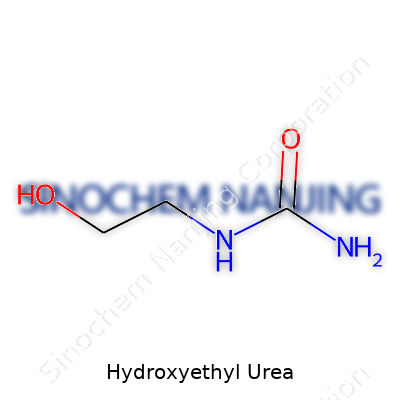
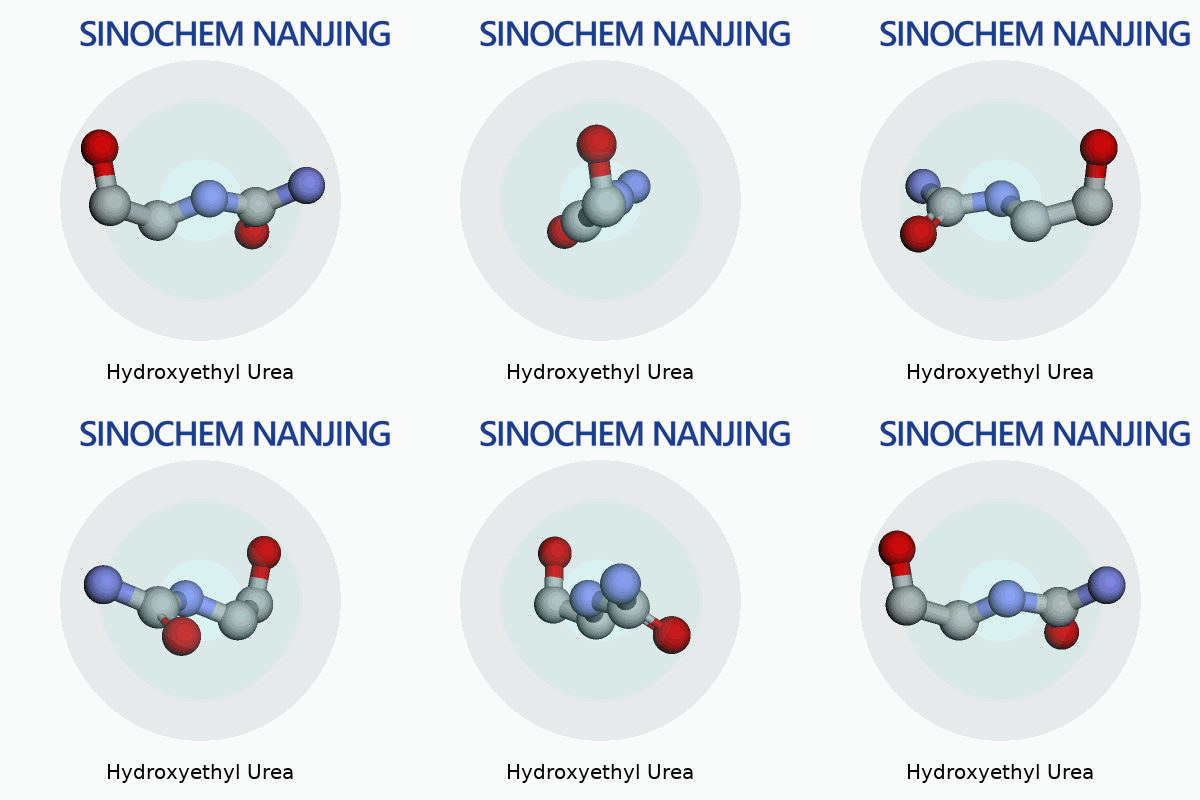
| Names | |
| Preferred IUPAC name | 2-hydroxyethylurea |
| Other names |
Acediamine, N-(2-hydroxyethyl)- Urea, N-(2-hydroxyethyl)- N-(2-Hydroxyethyl)urea 2-Hydroxyethylurea |
| Pronunciation | /haɪˌdrɒk.sɪˈɛθ.ɪl juˈriː.ə/ |
| Identifiers | |
| CAS Number | 2078-71-9 |
| Beilstein Reference | 3584841 |
| ChEBI | CHEBI:80868 |
| ChEMBL | CHEMBL1378 |
| ChemSpider | 54043 |
| DrugBank | DB11256 |
| ECHA InfoCard | ECHA InfoCard: 100.041.045 |
| EC Number | 200-849-9 |
| Gmelin Reference | 83444 |
| KEGG | C18204 |
| MeSH | D019279 |
| PubChem CID | 164161 |
| RTECS number | WL4375000 |
| UNII | 6M9PSC8HAV |
| UN number | Not regulated |
| CompTox Dashboard (EPA) | DTXSID7020182 |
| Properties | |
| Chemical formula | C3H9NO2 |
| Molar mass | 104.12 g/mol |
| Appearance | Colorless to pale yellow transparent liquid |
| Odor | Odorless |
| Density | 1.08 g/cm³ |
| Solubility in water | Freely soluble in water |
| log P | -2.18 |
| Vapor pressure | <0.01 hPa (20°C)> |
| Acidity (pKa) | pKa ≈ 15.1 (hydroxyl group, approximate) |
| Basicity (pKb) | 13.85 |
| Refractive index (nD) | 1.472 |
| Viscosity | 700 - 1500 cP |
| Dipole moment | 4.35 D |
| Thermochemistry | |
| Std molar entropy (S⦵298) | 572.8 J·mol⁻¹·K⁻¹ |
| Std enthalpy of formation (ΔfH⦵298) | -748.61 kJ/mol |
| Std enthalpy of combustion (ΔcH⦵298) | -2116 kJ/mol |
| Pharmacology | |
| ATC code | D02AE06 |
| Hazards | |
| Main hazards | May cause eye and skin irritation. |
| GHS labelling | GHS07 |
| Pictograms | GHS07 |
| Signal word | Warning |
| Hazard statements | May cause serious eye irritation. |
| Precautionary statements | P264, P280, P305+P351+P338, P337+P313 |
| NFPA 704 (fire diamond) | 1-1-0 |
| Lethal dose or concentration | LD50 (Oral, Rat): >2000 mg/kg |
| LD50 (median dose) | LD50 (median dose) of Hydroxyethyl Urea: **>2000 mg/kg (oral, rat)** |
| NIOSH | Not Listed |
| PEL (Permissible) | Not Established |
| REL (Recommended) | 2.0% |
| Related compounds | |
| Related compounds |
Urea Ethylene urea Dimethylol urea Hydroxyethyl methyl urea Methylol urea Hydroxypropyl urea |



