Hexanoyl Chloride: More than a Chemical Name
Looking Back: Where Hexanoyl Chloride Comes From
The chemical world rarely stands still, and hexanoyl chloride tells a story that stretches back through the steady rise of organic synthesis. In the early days, acid chlorides sat among the tools only seasoned chemists dared touch due to reactivity and safety worries. Hexanoyl chloride, also called caproyl chloride, grew in popularity as researchers dug deeper into fatty acid derivatives and pharmaceutical chemistry. Older journals paint a clear picture: labs hunting for ways to build more complex molecules found this six-carbon acid chloride indispensable. It slipped into medicinal chemistry, fragrances, and agricultural syntheses as industry leaned into efficiency.
Seeing the Substance Up Close
At first glance, hexanoyl chloride shows up as a colorless to pale yellow liquid. A sharp, almost biting smell hits the nose—a clear warning sign of its reactive nature. It doesn’t linger in the air because it starts hydrolyzing when moisture is around, releasing hydrogen chloride gas. Checking its stats, this compound boils at about 171°C, with a density that rests just below water. Those details help users track its behavior during reactions. Reactivity presents both opportunities for chemistry and hazards in handling. Lab veterans know you can’t treat solutions involving hexanoyl chloride casually, since even a small leak in a fume hood brings discomfort fast.
The Specs Tell a Story
Labels on commercial bottles describe concentrations, usually sitting above 98% purity. Low water content matters—excess moisture triggers unwanted side reactions and waste. Packaging tries to keep out moisture using glass or lined steel, signaling how important it is to keep everything dry and uncontaminated. Hazard codes on the label flag the corrosive edge to this chemical; nobody should ignore the danger pictograms or lengthy list of precautions that show up with each bottle. The rules exist for a reason—a spill releases acidic fumes fast, and eyes and lungs take the hit first.
Building Blocks: How Production Unfolds
Technical manuals describe a straightforward synthesis: hexanoic acid gets reacted with thionyl chloride or phosphorus trichloride. This reaction strips out water from the parent acid, swapping it for a chlorine atom and kicking off sulfur dioxide or phosphorus byproducts. Anyone who has worked at the bench will tell you that the process brings out fumes and heat, so ventilation matters. Some manufacturers scale up by using cleaner reagents or by capturing off-gases more efficiently, but the fundamental approach remains pretty direct. Only chemists who respect the risks stick around for cleanup.
A Chameleon in Organic Synthesis
Ask an organic chemist their opinion and they’ll mention the way hexanoyl chloride transforms a simple alcohol into an ester in minutes. That reactivity pulls value in making pharmaceuticals, dyes, and plasticizers. Amide synthesis benefits too, as the acid chloride group brings together carboxylic backbones and nitrogen-bearing amines smoothly. Specialty surfactants and lubricants owe their properties to reactions that depend on acid chlorides like this one. With a six-carbon chain, it lands in a sweet spot—long enough for hydrophobicity, short enough for solubility and volatility.
Names Across the World
Hexanoyl chloride goes by many names; caproyl chloride crops up often, especially among those familiar with caproic acid chemistry. International suppliers might describe it as hexanoic acid chloride, and literature sometimes tacks on old names depending on the source. Regardless of terminology, the core properties never change, making clear communication vital in global supply chains.
Handling it Right: Safety on the Line
Few chemicals demand respect from lab workers the same way. Acid chlorides react violently with water, sending out corrosive vapors instantly. Goggles, gloves, and good ventilation aren’t optional; engineers design labs to scrub exhaust whenever this reagent enters the process. Spilled liquid or inhaled fumes lead to chemical burns or respiratory distress. Emergency eyewashes and neutralizing agents stay close at hand for a reason. Seasoned workers train hard and double-check protocols before breaking seal on a new container.
Application Across Industries
The importance of hexanoyl chloride goes beyond the chemistry bench. Fine chemical manufacturers rely on it for custom synthesis of pharmaceuticals, especially for modifying active pharmaceutical ingredient (API) structures. Flavors and fragrances depend on caproyl chloride to add chains that change scent and persistence in formulations. Even the agricultural sector leans on this acid chloride for building new herbicides and fungicides, exploring modifications that challenge pest resistance. Its flexibility comes from that reactive carbon-chlorine bond, providing a reliable way to extend or shape molecules for nearly any purpose that needs a fatty acid backbone.
Research: Pushing Boundaries
Academic labs and industrial R&D teams revisit hexanoyl chloride every year in hopes of improving synthesis routes, reducing toxic byproducts, and making downstream processes safer. Catalytic alternatives to traditional dehydration steps draw attention because thionyl chloride and similar reagents create persistent hazards. Clean-up and purification steps test both patience and technical savvy due to the nasty fumes and risk of hydrolysis. Investigators aim to coax more selectivity, cut waste, and recycle spent reagents—challenges that echo throughout the specialty chemicals sector.
Measuring Toxicity and Acting Responsibly
Toxicology teams evaluate hexanoyl chloride with scrutiny. Splashing it on skin or in eyes causes rapid burns, and inhalation delivers severe irritation. Long-term toxicity studies remain limited, though the chemical’s corrosiveness discourages even brief unprotected contact. Exposure standards focus on workplace air concentrations and emergency exposure limits. Environmental impact draws attention too—hydrolysis releases hydrochloric acid, demanding careful disposal and neutralization steps. Regulatory agencies keep a close eye on inventories and stockpiles; accidents with acid chlorides rarely stop at minor incidents.
Scanning the Horizon: What the Future May Bring
Traditional manufacturing faces new pressure from sustainability goals, and chemicals like hexanoyl chloride don’t get a free pass. Greener synthesis looks attractive to companies keen on improving environmental footprints; biobased hexanoic acid precursors or less hazardous chlorinating agents inch toward industrial reality. In specialty applications, custom-tailored acid chlorides might push hexanoyl chloride into more focused roles as researchers tweak the chain length or introduce branching for novel drug compounds and materials. Tighter health regulations and shifting customer demands signal a future where safety advances and raw material selection play an even bigger part in deciding how, and if, acid chloride chemistry flourishes long term.
What is Hexanoyl Chloride used for?
Where Science Meets Our Daily Lives
Hexanoyl chloride might sound like something best left to chemists in lab coats, but this compound touches all sorts of industries that reach the rest of us. I’ve seen my share of complex chemistry in various manufacturing environments, and hexanoyl chloride stands out for the role it plays behind the scenes. It’s not just a raw material; it’s a building block that helps create products that shape our lives in unexpected ways.
Chemicals and Pharmaceuticals
Doctors prescribe medicines that go through layers of research and fine-tuning. What many don’t realize is how often these medicines start with small ingredients that set off a domino effect. Hexanoyl chloride gets used for making intermediates—basically stepping stones—in the synthesis of certain drugs. There’s no magic here, just the careful addition of a chemical piece, like hexanoyl chloride, that modifies the structure of an antibiotic or anti-inflammatory. With everything approved for patient use facing strict quality control, the reliability of starting materials matters deeply.
Flavors, Fragrances, and Everyday Chemistry
Walk into a bakery or a flower shop and you’re hit by a cloud of scent. Those pleasant aromas often get recreated in the lab so perfume, food, and even cleaning products smell the way we expect. Through careful reactions, chemists use hexanoyl chloride to add specific “notes” to artificial flavor and fragrance molecules. There’s a certain pride in knowing which chemicals help deliver the right smell to a soap or a vanilla-scented candle. Every batch needs to be right; nobody wants a scent that’s just a little off.
Materials and Surface Treatments
Touch a piece of plastic, sit in your car, flick on an electronic device—each may include coatings or materials that took their final shape thanks in part to hexanoyl chloride. It helps create special polymers and plasticizers. Instead of just mixing up raw plastic, chemists often introduce functional groups using this chemical, making the material tougher, more flexible, or more resistant to heat. These improvements mean your phone case doesn’t crack easily and your car’s dashboard takes the summer sun in stride.
Sustainability and Worker Safety
Working in manufacturing, I’ve learned how important it is to treat chemicals with respect. Hexanoyl chloride releases strong fumes and causes irritation. Companies must train workers and upgrade ventilation systems so that accidents stay rare. Safe chemical alternatives are always debated, but some steps just need a compound like this or else the whole process grinds to a halt. Protecting people sometimes means investing a bit more money to improve protocols, rather than chasing quick fixes.
Balancing Progress and Prudence
Most folks never see the chemicals behind their everyday stuff, but their absence would leave some big gaps. Hexanoyl chloride keeps industries moving, from labs to large-scale production lines. Science keeps searching for ways to do better—less hazardous chemicals, more efficient reactions, stronger worker protections. Yet, for now, compounds like hexanoyl chloride remind us that progress often relies on small, precise ingredients playing their part to the letter.
What are the safety precautions when handling Hexanoyl Chloride?
Why Pay Attention to Hexanoyl Chloride?
Hexanoyl chloride demands respect in the lab or production setting. This colorless liquid brings a sharp, choking odor and releases fumes that sting the nose. My first exposure to it left a clear memory: slight carelessness can lead to stinging eyes and a burning throat. Hexanoyl chloride reacts quickly with water, alcohols, and even the moisture in air, so sloppy handling lets out hazardous gases like hydrogen chloride. These risks are real, not just textbook warnings. The Centers for Disease Control and Prevention (CDC) points out that this compound causes chemical burns, severe irritation, and even respiratory distress. Overlooking even simple precautions carries consequences—something that really sticks after cleaning up a spill.
Personal Protective Equipment (PPE) Isn't Optional
Direct contact with skin or eyes delivers immediate pain and injury. Goggle-style eye protection blocks splashes better than regular safety glasses. Face shields offer even more coverage, especially during pouring or transfer. I always pull on a lab coat and proper gloves made of nitrile or neoprene. Latex gloves don’t hold up—hexanoyl chloride can eat through them fast. Double-gloving gives extra peace of mind if work might expose hands for longer than a quick pipette. And for air protection, a well-fitted respirator with an acid gas cartridge beats holding your breath or hoping for the best.
Ventilation: The Real MVP
Breathing the vapors starts with irritation, but long exposures can cause coughing fits and ongoing respiratory trouble. My work always takes place in a chemical fume hood with a steady, strong draw. A few times, faulty airflow left fumes lingering, and I noticed right away—eyes watered, throat tightened, and it sounded like I’d caught a cold. Don't rely on luck or nose for safety checks; regular airflow monitoring stops problems before they start. Open windows and box fans do almost nothing when facing aggressive chemicals. If a specialized canopy hood is available, that’s even better, as it pulls fumes directly away from your breathing zone.
Storage Matters More Than You Think
Leaving bottles of hexanoyl chloride on regular shelves sets up trouble. It belongs in a cool, dry spot, under chemical-resistant ventilation or in a dedicated acid cabinet. Moisture contact will spike pressure in the container, so the cap should stay tight and the bottle upright, far away from anything wet or reactive—think bases, alcohols, ammonia. I label the bottle with the date opened and chemical hazards, not just a short code, to keep everyone clued in. Safety data sheets stay nearby, just in case. I've seen mislabeled bottles spark confusion and close calls, often when old stock sits forgotten.
If Something Goes Wrong: Fast, Focused Action
Spills or splashes lead to burns. Work with a partner if possible, so help is always close. Eyewash stations and safety showers mean nothing unless identified and tested. I train with new staff using simulated emergencies, and that dry run pays off when the real thing happens. For small spills, absorbent pads and neutralizing powders tailored to acid chlorides contain the danger quickly—never just water or standard paper towels. Empty containers still carry risk; rinse and neutralize before tossing, following hazard waste guidelines. Learning from small mistakes prevents major ones.
Smart Habits Make All the Difference
Trust in skill replaces careless shortcuts. Checking equipment before use and recapping bottles immediately after helps. Setting up every experiment before breaking a seal on the chemical makes for smoother, safer progress. Many accidents come from rushing through familiar tasks—complacency can cost fingers, eyes, or worse. Sharing safety lessons and open discussion about close calls create a workspace where people look out for each other and pay real attention to the risks.
What is the chemical formula of Hexanoyl Chloride?
The Straight Facts: C6H11COCl
Hexanoyl chloride carries the chemical formula C6H11COCl. This tells you it’s built from a six-carbon chain, with a chlorine atom replacing the OH group of a carboxylic acid. It belongs to a family called acyl chlorides—reactive substances that play a bigger role than most people realize, quietly sitting behind many reactions in organic chemistry.
Why This Formula Matters in Real Life
Most of the chemicals we depend on every day don’t come out of the ground or out of plants fully formed. They’re built piece by piece in factories and research labs. Hexanoyl chloride is one of those essential tools—never the main ingredient but always needed to get to the final product. Its reactivity makes it valuable in preparing other compounds—especially pharmaceuticals, fragrances, agrochemicals, and even advanced plastics.
I remember a lab exercise back in college that got a roomful of students to appreciate and curse acyl chlorides all at once. The task was to use hexanoyl chloride to make an ester, a reaction that releases hydrochloric acid fumes you won’t forget in a hurry. Gloves, goggles, and a fume hood didn’t seem optional anymore. That experience drove home why industry always invests in safe storage and good ventilation where these chemicals get used.
Practical Challenges and Solutions
Storing and handling hexanoyl chloride isn’t a job for the casual hobbyist. Moisture out of the air can trigger a rapid reaction, leaving behind hydrochloric acid and hexanoic acid. Both can burn skin and destroy equipment. Rapid reactions—while great in the world of chemistry—can lead to disaster if controls get ignored. Chemical plants build specially ventilated areas, use sealed glassware, and train workers heavily before anyone gets their hands on a bottle.
Regulations back these safety practices. Agencies like OSHA enforce clear rules about air quality, storage temperatures, and proper labeling. Emergency showers, eye washes, and clear evacuation routes often line the corridors of labs where hexanoyl chloride gets used. I once toured a plant in which a single bottle of acyl chloride triggered two separate gas sensors simply by a cap not being tight enough. That’s vigilance in action.
Safe disposal stands just as important. Dumping waste chemicals in the drain leads to toxic fumes and groundwater hazards. Responsible companies treat acyl chlorides with neutralizing agents, breaking them down before disposal. Neutralization turns them into less dangerous compounds, which get handled through specialized waste channels.
A Wider Picture for Chemistry and Beyond
Hexanoyl chloride may not sound like a household name, but it sits at critical junctions in countless chemical syntheses. From painkillers to solvents, its presence guarantees smoother transitions and higher yields in tough reactions. Getting the formula right—C6H11COCl—isn’t just about passing an exam. It means understanding what goes into the goods and materials that support modern medicine, industry, and even art. Safer chemistry starts by knowing what’s in the bottle and how each formula shapes the wider world.
How should Hexanoyl Chloride be stored?
Understanding What’s at Stake
Hexanoyl chloride brings challenges that hit close to home for anyone who’s ever managed a chemical supply. The chemical releases acidic, pungent fumes, reacts with water, and corrodes metal quickly. A slip-up with how it’s handled puts everyone in the work area at risk. Having worked in a university lab for years, I’ve seen how a moment of inattention turns a bottle of this liquid into an emergency, clear proof that trusted storage habits matter every single day.
What Actually Works for Safe Storage?
Using just any old cabinet doesn’t cut it. Strong acids, bases, and reactive chemicals each demand respect, but hexanoyl chloride goes the extra mile. This chemical ends up eating through metal lids and spreads fumes that sneaky leaks can carry for meters. People occasionally stash containers on open shelves “out of the way,” thinking it’s good enough. But over the years, I’ve helped clean up after spills that proved these shortcuts create bigger risks—not just chemical exposure, but ruined storage spaces and emergency shutdowns.
Hexanoyl chloride wants an airtight, corrosion-resistant container, never glass with ground glass stoppers, which turn into glue. Safety manufacturers churn out high-density polyethylene bottles for this kind of job. Regular screw caps, the ones with acid-proof liners, keep fumes inside and the rest of the world safe. A tightly sealed container, stored upright with the label always visible, helps workers spot leaks or aging bottles before things get out of hand.
Location Makes a Difference
Not every room works for a chemical like this. It pushes out hydrochloric acid vapors on contact with moisture in the air, so dry, cool conditions slow its breakdown. The past few summers working in a facility with a leaky roof taught me: humidity matters. Even a pinhole leak gives this chemical a chance to react and make a mess. A vented acid storage cabinet, away from sunlight and away from heat sources, serves as a real safeguard. The right cabinet lines its shelves with polyethylene and stands apart from incompatible chemicals—don’t put hexanoyl chloride near alcohols, amines, or water, or it practically begs for a reaction.
The Human Side: Training and Vigilance
Storage policies only help if people follow them. My lab’s accident log grew smaller once we set a habit: check container integrity every time you grab or return a bottle. We made sure nobody worked alone and that everyone wore splash goggles, gloves, and a lab coat, even for short tasks like moving chemicals to storage. Spill kits, clearly labeled, stood in easy reach. These practical steps cut down on accidents much more than just a laminated instruction sheet.
Solutions Moving Forward
I see too many labs piecing together their storage plans with whatever leftovers they find, thinking nothing will go wrong. Investment in specialty cabinets and regular safety drills don’t just tick boxes—they stop real incidents before they start. Digital inventory systems with reminders also help flag old stock. Chemistry’s unforgiving. Safety depends on smart setups, not luck or wishful thinking.
It turns out that the simple rules—keep it sealed, keep it cool, keep it away from water and noses—make all the difference. Proper storage isn’t just policy or paperwork; it’s the best kind of insurance in an unpredictable working world.
What is the proper disposal method for Hexanoyl Chloride?
Hexanoyl Chloride’s Hazards Demand Caution
Hexanoyl chloride isn’t one of those chemicals you can dump in the sink and forget. I’ve worked enough years near lab benches to see firsthand the kind of havoc that can follow from sloppy chemical disposal. Hexanoyl chloride reacts fiercely with water, throws off corrosive hydrogen chloride gas, and doesn’t just disappear harmlessly. Its dangers multiply in the wrong hands, or down the wrong drain. Neighborhoods and rivers can’t afford to shoulder the regret of someone’s rushed cleanup after a day’s experiments.
Risk To Human Health and The Environment
Few people outside industry realize what a whiff of hydrogen chloride smells like in a tight space. Eyes sting, throats burn, alarms ring, people panic. Hexanoyl chloride turns into that gas even from just the moisture in the air. At scale, that escape doesn’t respect anyone’s lungs, and it eats away plumbing or even concrete. Picture that chemical seeping toward the water table—people start asking tough questions about cancer risks and birth defects once toxic runoff touches groundwater. Environmental risk isn’t theory with this stuff.
The EPA’s Resource Conservation and Recovery Act (RCRA) counts acyl chlorides like this as hazardous waste in the U.S. Many countries track similar lists. Down the drain means violations, inspections, and, if someone ignores procedures, big fines or prison. I’ve seen universities pay real money for a single hazmat incident.
Safe Choices: How Chemists Handle Disposal
The right move for leftover hexanoyl chloride is to store it in a tightly-lidded, corrosion-resistant container, with the right hazardous waste labels. Ventilated acid cabinets work well for interim storage. Never toss it into a general waste drum—if it reacts with basic waste (like ammonia or bleach), you’ve got fumes or even explosions. I still remember the panic in one lab after an intern mixed incompatible containers—fire alarms, evacuation, more paperwork than anyone should see in a month.
If a mistake leaves hexanoyl chloride spilled, not even absorbent pads suffice. They burn. Trained staff throw on splash goggles and gloves, use neutralizing powders (often sodium bicarbonate or calcium carbonate, slowly and carefully) in a fume hood, then gather waste in a chemical-resistant vessel. Anything it touches—gloves, towels, containers—joins the hazardous waste bin marked for “halogenated organics.” That’s the only way the disposal contractor won’t bounce it back and leave you holding a time bomb.
What Safer Disposal Could Look Like
Safer disposal depends on working with licensed hazardous waste companies. They pick up the sealed wastes, manifest them, and truck them to a disposal site. There, professionals incinerate the chemicals in specialized kilns at high temperatures under strict controls. That breaks down the toxic molecules before final scrubbers catch any remaining acid gases.
Some organizations train chemists in microscale reactions—smaller batches mean less waste. Substitution research matters too; if research can swap out hexanoyl chloride for a less dangerous reagent, I say full support. Universities and industrial sites keep emergency supplies and written plans for all chemicals on hand, and crew regular hazardous material training. Local government enforces this, but safety doesn’t start with codes—it starts the second you pop open a bottle in the lab.
Treating chemical waste with care is the only way to protect our water, air, and future generations. Hexanoyl chloride is just one example, but its dangers make the case plain: every chemist owes it to their teammates, their neighbors, and themselves to follow proven disposal procedures every time.
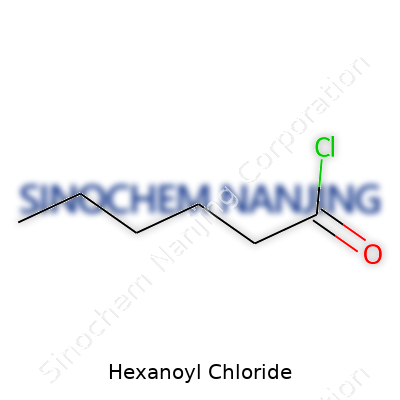
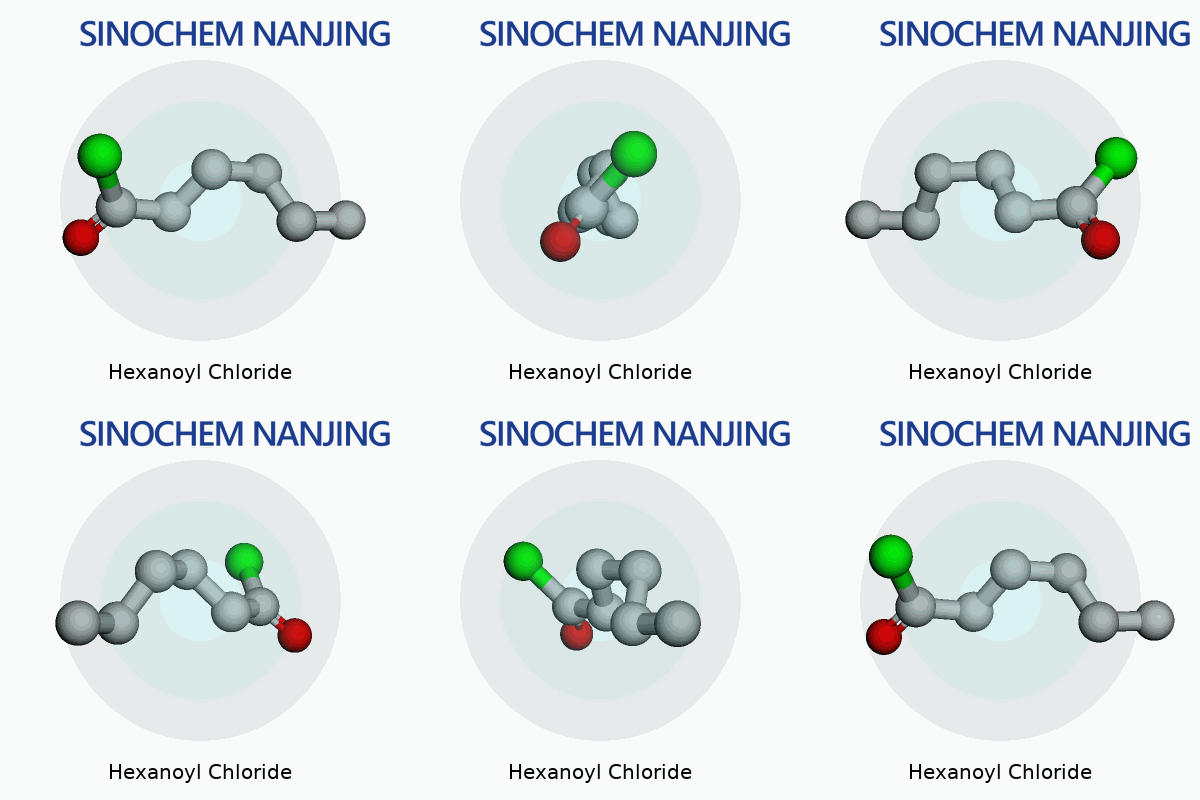
| Names | |
| Preferred IUPAC name | hexanoyl chloride |
| Other names |
Caproyl chloride Hexanoyl chloride Caproic acid chloride n-Hexanoyl chloride |
| Pronunciation | /hekˈsæ.nɔɪl ˈklɔː.raɪd/ |
| Identifiers | |
| CAS Number | 638-42-0 |
| Beilstein Reference | 635873 |
| ChEBI | CHEBI:51508 |
| ChEMBL | CHEMBL16968 |
| ChemSpider | 14121 |
| DrugBank | DB14109 |
| ECHA InfoCard | ECHA InfoCard: 03b2e4f2-32e8-48b1-8675-8d5532c10c61 |
| EC Number | 203-812-1 |
| Gmelin Reference | 70828 |
| KEGG | C14385 |
| MeSH | D006607 |
| PubChem CID | 80260 |
| RTECS number | MO1575000 |
| UNII | 83K1Q859N9 |
| UN number | UN3482 |
| Properties | |
| Chemical formula | C6H11ClO |
| Molar mass | 162.65 g/mol |
| Appearance | Colorless to light yellow liquid |
| Odor | Pungent |
| Density | 0.94 g/mL at 25 °C (lit.) |
| Solubility in water | Reacts with water |
| log P | 2.9 |
| Vapor pressure | 13 mmHg (20°C) |
| Acidity (pKa) | 1.0 |
| Magnetic susceptibility (χ) | -6.44×10⁻⁶ cm³/mol |
| Refractive index (nD) | n20/D 1.414 |
| Viscosity | 0.813 cP (20°C) |
| Dipole moment | 2.27 D |
| Thermochemistry | |
| Std molar entropy (S⦵298) | 354.8 J·mol⁻¹·K⁻¹ |
| Std enthalpy of formation (ΔfH⦵298) | -374.6 kJ/mol |
| Std enthalpy of combustion (ΔcH⦵298) | -814.4 kJ/mol |
| Pharmacology | |
| ATC code | Not assigned |
| Hazards | |
| GHS labelling | GHS02, GHS05, GHS06 |
| Pictograms | GHS05,GHS06 |
| Signal word | Danger |
| Hazard statements | H314: Causes severe skin burns and eye damage. H302: Harmful if swallowed. H312: Harmful in contact with skin. H332: Harmful if inhaled. H335: May cause respiratory irritation. |
| Precautionary statements | P210, P261, P264, P271, P280, P301+P330+P331, P303+P361+P353, P304+P340, P305+P351+P338, P311, P337+P313, P363, P405, P501 |
| NFPA 704 (fire diamond) | 3-2-1-W |
| Flash point | 38 °F |
| Autoignition temperature | 205°C |
| Lethal dose or concentration | LD50 (oral, rat): 1760 mg/kg |
| LD50 (median dose) | LD50 (median dose): Oral-rat LD50: 759 mg/kg |
| NIOSH | MN6191000 |
| PEL (Permissible) | PEL: 1 ppm (5 mg/m³) |
| REL (Recommended) | Glove Bag |
| IDLH (Immediate danger) | IDLH: 20 ppm |
| Related compounds | |
| Related compounds |
Hexanoic acid Hexanoyl bromide Hexanoyl fluoride Hexanoyl iodide Pentanoyl chloride Heptanoyl chloride Caproic acid |



