Looking Beyond the Surface: A Close Look at Hexamethylene Diisocyanate
How the Story of Hexamethylene Diisocyanate Began
Hexamethylene diisocyanate (HDI) started making waves in the world of industrial chemicals during a period when material durability meant everything for growth in manufacturing. After World War II, industries craved solutions that could outperform older coatings, especially for metals prone to corrosion. Researchers who once focused only on urea-formaldehyde or phenolics shifted their attention toward newer isocyanates, making HDI a sought-after building block for modern polyurethane paints and coatings. Over the decades, this chemical gained a reputation for enabling tougher finishes, and those who worked on cars or buildings soon recognized its edge in reliability. In my own work with materials science, it became obvious that HDI brought a kind of flexibility and weather resistance that earlier products just could not deliver.
What Sets HDI Apart in Chemistry
HDI enters the stage as a colorless liquid with a faint odor, packing two highly reactive isocyanate groups linked by a chain of six carbon atoms. This structure allows for crosslinking in ways that make finished products both tough and elastic, a combination that paint shop workers and polyurethane engineers celebrate every day. From my view in the lab, I learned that its low viscosity and high reactivity keep production lines running smoothly, even in less-than-ideal temperature ranges. Unlike aromatic isocyanates, HDI resists yellowing under sunlight, which saves companies from calls about fading outdoor finishes. These physical and chemical attributes let brands claim high-performance coatings for floors, bridges, wind turbines, or even athletic running tracks.
Digging into Specifications and Labels
Nobody likes surprise hazards, so regulations demand HDI comes with precise labeling. Only companies with established track records in isocyanate chemistry feel comfortable handling it, since it requires sealed containers and tight controls on vapor exposure. Product sheets might list key statistics, but my own hands-on experience has shown that minor contaminants or storage outside an approved temperature range can cause headaches, like unwanted polymerization. Technicians in the field learn to read every label twice and keep spill kits on hand. The bar for purity stays high, as even low levels of water can trigger runaway reactions. Safety remains a shared language in shops using HDI, since inadequate training can lead to respiratory and skin issues.
Bringing HDI to Life: Preparation and Modification
Commercial HDI production involves phosgenation of hexamethylene diamine, a process notorious for both complexity and hazards. Phosgene isn’t for beginners, and neither is the purification that follows. Once manufactured, HDI gets modified into prepolymers or biurets and isocyanurates that bring different characteristics depending on the end use. During my stint in coatings research, prepolymers based on HDI made high-performance paints for extreme weather, while biurets ended up in truck bed liners or marine coatings. Chemists devote years to tuning these modifications, chasing the right balance of curing speed, flexibility, and hardness for each project. Reactions with water, alcohols, or polyols open a world of possibilities, influencing everything from viscosity to application method.
Sifting Through Names and Trade Designations
HDI goes by more than one name, including hexamethylene diisocyanate and 1,6-diisocyanatohexane. In various technical bulletins or research articles, you may spot short forms like HMDI. Manufacturers also offer a range of branded HDI-based products, each tweaked for special end uses including high-solids paints, elastomers, and adhesives. Sometimes industry insiders toss around code numbers or abbreviations, leading to confusion outside specialist circles. People entering the field know quickly to match commercial names with the chemical backbone if they want to avoid costly ordering mistakes that delay projects and eat into budgets.
Real-World Demands: Safety Standards and Best Practices
Nobody ignores the health risks tied to HDI. Even tiny doses can trigger serious respiratory symptoms for unprotected workers. Industry-wide, regulations influenced by agencies like OSHA or Europe’s REACH require strict air monitoring, personal protective equipment (PPE), and regular health checks for those in close contact with this isocyanate. Employers structure their safety plans around engineering controls, high-grade ventilation, and robust training. From my own inspections of workspaces, lapses still happen, often when teams substitute outdated guidelines for current research or skip refresher courses. Continuous education proves valuable, as regulations keep changing alongside scientific understanding.
Where HDI Leaves Its Mark
HDI’s influence reaches far beyond factory walls. Coatings that protect steel bridges from rust often owe their staying power to HDI-based polyurethanes. Wind turbines in coastal climates, bicycle frames, and medical devices all depend on HDI chemistry for weather resistance, flexibility, and longevity. My past collaborations with automotive companies taught me how important HDI becomes in low-VOC paints, which can help manufacturers meet emissions targets without giving up durability. Outside coatings, HDI plays a role in flexible foams, adhesives, and sealants in construction. Designers appreciate products that keep their look and strength after years outdoors or under harsh cleaning agents.
Science Keeps Moving: Research and Development
Research into HDI doesn't slow down. Environmental regulations continue to tighten, driving chemists toward more benign formulations and safer handling processes. At the university research table, I watched as teams explored alternative precursors that might deliver similar benefits without the same toxic byproducts or hazardous handling requirements. Advances in bio-based polyols suggest pathways toward more sustainable products, shrinking carbon footprints in the next generation of polyurethanes. Lab studies dive into new catalysis and reaction control methods that let manufacturers lower production temperatures, saving energy and reducing potential exposure risk. Success in these areas points toward safer workplaces and greener consumer choices.
The Real Risks: Unpacking Toxicity Findings
HDI’s toxicity profile keeps health experts on their toes. Long-term studies show that repeated overexposure harms the respiratory tract in workers, with some developing lifelong sensitization and asthma that follow them out of the workplace. Occasional news stories highlight outbreaks in factories where routine controls slipped. The evidence from animal models, coupled with monitoring from occupational medicine, underlines the need for up-to-date risk management. Workers get mapped for immune reactions, and manufacturers invest in better exposure monitoring technology. Watching these trends firsthand, one takeaway stands out: Companies investing in preventive safety spend less on health claims and lost labor down the line.
What the Future Might Bring for HDI
HDI’s story remains unfinished. As climate demands reshape supply chains, industrial leaders seek ways to blend HDI’s performance with cleaner synthesis and safer operations. Green chemistry stands front and center, pushing scientists to design routes that use less toxic reagents and reduce energy use. Demand from the electric vehicle boom and the push for longer-lasting infrastructure will only grow, yet only with commitments to health and the environment can HDI keep its place. With my own background in both product development and safety advocacy, I see a trend: Teams who build responsible innovation into their roadmap stand the greatest chance of keeping HDI relevant for the next generation.
What is Hexamethylene Diisocyanate used for?
The Real Role of Hexamethylene Diisocyanate in Industry
Hexamethylene diisocyanate, often called HDI, turns up most often in the coatings world. Walk through any hardware store, rub your hand against a modern car, or look at a smooth-finished desk, and chances are high you’ve seen the results of HDI chemistry. This stuff gives paints and coatings a toughness that keeps cars shining years after leaving the dealership. HDI stands out for clear coatings that need to survive hard knocks, weather, sun, and chemicals. If you’ve peeled old paint off a lawnmower and noticed the outer layer held up longer, HDI probably played a part.
Factories use HDI to make polyurethane, which shows up in everything from tough outdoor furniture to the flooring in gyms. After working construction jobs, I noticed new floors lasting a lot longer these days, and it’s clear that stronger chemical bonds from compounds like HDI made that possible. Polyurethane doesn’t just lay down smooth—it locks in color and resists those boot marks that show up during renovations. HDI also ends up in adhesives that hold things together when bolts or nails can't do the job—think of bonded windshields or certain gear in cars that needs to stay stuck, no matter the stress.
Not Just for Looks
Protective gear for industrial workers often gets a polyurethane coating, courtesy of HDI. Boots, gloves, and certain safety wear last longer before cracking or breaking down. Anyone who's worked in a lab where spilled solvents attack regular gear will notice how much better these treated items perform. This translates into fewer replacements, and that benefits tight budgets and safety records.
HDI finds its way into inks, too, especially inks that have to endure cleaning and repeated handling. Books and labels, exposed to oils from skin and industrial cleaners, keep their printed words readable thanks to this chemistry. More surprising: medical devices and electronics also make use of HDI-based coatings. Devices need to resist disinfectants, heat, and repeated use; coatings made with HDI help accomplish this, which means fewer device failures in hospitals. This impacts day-to-day patient care and keeps repair expenses down.
Safety, Health, and Environmental Concerns
Few people outside chemical manufacturing recognize that HDI can pose real risks inside busy plants and even small workshops. Inhalation and skin contact create problems—workers sometimes experience asthma-like reactions or skin irritation. Strict rules for ventilation and protective equipment grew out of these challenges. My time around an auto body shop really drove home the care needed. The difference between a sniffle-free week and a trip to the clinic often boiled down to which safety mask you wore and how you cleaned your space.
From a broader view, the growth in HDI use led governments to ramp up stricter oversight. Employers must train staff and conduct medical checkups if working with HDI, which helps keep chronic problems at bay. Bigger companies now track air quality in real time, an improvement that came after legal pressure and worker advocacy. These steps don't just protect employees—they set new expectations for the whole supply chain.
Finding the Balance
HDI drives advances in durability and performance across industries, but working with it calls for practical precautions and respect for what it can do, good and bad. It doesn't replace skill or planning, but it lifts the finish and lifespan of everyday objects. As demand grows for longer-lasting vehicles, shoes, and tools, understanding the upsides and risks builds trust and delivers better results for workers, customers, and communities alike.
What are the health hazards associated with Hexamethylene Diisocyanate?
Everyday Exposure in Unexpected Places
Hexamethylene diisocyanate pops up more than people think. Folks who make paints, adhesives, or floor coatings often work with it, and sometimes it finds its way into auto body shops or even medical device production. The tricky thing is how easily it gets into the air. People inhale it or get it on their skin, usually without realizing just how much it can do to the body.
Breathing Issues that Show Up Fast
Inhaling fumes from hexamethylene diisocyanate can really mess with the lungs. Breathing problems hit fast—coughing, wheezing, and chest tightness can settle in after just a short time around the chemical. Asthma-like symptoms stick around for weeks or even become a lifelong struggle. Over the years, people in polyurethane industries have shared stories of workers developing respiratory diseases after repeated exposure. The numbers back them up: OSHA has tracked more than a few hospital visits in settings where ventilation failed or protective gear got overlooked.
Skin Trouble You Can’t Ignore
A drop or two on the skin can set off a rash, blisters, or swelling. Some people get sensitive after a single contact, and every brush with it just makes things worse. Allergic reactions often start with itching, then spread to hives or peeling skin. One wrong move—say, wiping sweat away with a bare hand—turns into weeks of irritation and doctor visits. Regular use of gloves, even those marketed for chemicals, doesn’t always help unless the right kind is chosen.
Long-Term Risks Lurk Even After You Leave Work
People who have breathed or touched hexamethylene diisocyanate for months or years talk about lingering headaches, tiredness, and trouble concentrating. Studies have shown that chronic low-level exposure may damage lung tissue permanently, leading to chronic bronchitis or occupational asthma. Families get worried because the symptoms don’t always show up at work—they might start during a weekend at home, making a diagnosis harder to pin down.
What Can Be Done—Experience Speaks
Shop floors without good ventilation lead to big problems. Clean air systems and fume hoods make a real difference. Old-school cloth masks offer little protection. I’ve seen workers use painter’s respirators designed for isocyanates, and cases of coughs and hives dropped off. Written policies don’t cut it—daily routines, spot checks, and letting people swap out gloves or filters often keep everyone healthier.
Doctors need honest information about chemical exposure. I remember the hassle of explaining workplace risks to a family physician. Many clinics in industrial towns are now working with occupational health experts to recognize chemical asthma or dermatitis faster. Simple awareness campaigns and open conversations between bosses and crews help more than another safety poster ever could.
Wrapping Up without Ignoring the Facts
Hexamethylene diisocyanate doesn’t just sit in the background. It causes asthma, allergic rashes, and sometimes permanent lung damage, even when exposure seems small. Workers who understand its risks, push for fresh air, and use real protective gear aren’t just following the rules—they’re giving themselves and their families a better shot at long-term health.
How should Hexamethylene Diisocyanate be stored and handled?
Personal Reflections on Chemical Responsibility
Years in the lab and around industrial facilities have taught me that you can spot trouble brewing when safety routines get skipped. Hexamethylene diisocyanate, or HDI, turns up in coatings and adhesives across industries. Without solid storage and handling practices, this chemical turns into an invisible threat, not just for those handling it but for every living thing nearby.
Why Safe Storage Protects Both People and Product
HDI looks like just another colorless liquid in the tank, but looks deceive. It releases toxic fumes, affects skin and lungs, and reacts with water, unleashing heat and pressure. Using the right container means the difference between safe storage and an accident in the making. In my experience, HDI stays stable in tightly sealed steel drums equipped with the right linings—plain steel starts to corrode or contaminate the chemical over time. Tanks shouldn’t sit out in direct sun; temperature swings break down the chemical more quickly and warp containers, leading to leaks. Keeping drums dry and cool keeps workers safe and the product effective.
Handling Procedures Save More Than Products
Open a container of HDI without a plan, and you risk chemical burns and lung irritation by the end of the shift. Every worker should have chemical-resistant gloves, a face shield, goggles, and a fully zipped suit before opening anything. Even with good ventilation, HDI vapors get into lungs and eyes, so everyone in the area should use a mask fitted for vapors—not just dust. Airborne HDI particles stay in workshop corners and on clothes, so a change of attire and a wash before lunch makes a big difference for long-term health.
Managing Accidental Leaks and Spills
Accidents don’t just stay contained in one corner of the plant. I’ve seen small leaks that started as a “minor problem” escalate when ignored. Keep a spill kit ready—neutralizing agents, absorbent materials, and sealed disposal buckets go a long way to stopping bigger problems. Quick action and reporting spills right away reduce health risks and environmental damage.
Training Makes the Difference
No sign or label can replace hands-on training. People who handle HDI as part of daily routines deserve regular refreshers, so everyone understands how quickly exposure can turn into a medical emergency. Training from professional staff, clear visual instructions in local languages, and real-life practice handling mock spills give workers not just knowledge, but confidence. I’ve seen teams that train together react with calm precision, where others freeze or scramble when accidents occur.
Looking Ahead: Rethinking Workplaces and Rules
Every factory and lab using HDI needs a clear plan that matches the chemical’s risks. That means regular equipment checks, clear labeling, good lighting, and routes for quick evacuation—not after someone gets injured. Getting buy-in from everyone on the floor, not just supervisors, turns safety steps from a checklist into a shared mindset. Good data from medical records or air quality sensors can help spot problems early, leading to improvements before someone gets hurt.
Building Trust Through Transparency
Communities living near facilities that use HDI deserve to know what’s happening inside. Publishing safety reports, inviting public visits, and sharing steps taken after any incident shows neighbors that risks get taken seriously. Trust grows not from claims but from consistent actions, and that depends on everyone, from lab techs to CEOs, thinking ahead about what’s at stake.
What personal protective equipment is required when using Hexamethylene Diisocyanate?
Understanding the Risks
Taking precautions with chemicals like hexamethylene diisocyanate (HDI) can make the difference between good health and chronic illness. Anyone familiar with industrial work knows HDI turns up in certain paints, adhesives, and protective coatings. Breathing in vapors or letting droplets touch skin doesn’t bring instant pain, but long-term exposure can cause asthma, skin allergies, and even lung damage. Having spent time on shop floors and maintenance sites, I’ve watched folks treat safety like an afterthought — at a real cost.
The facts make things clear. The Occupational Safety and Health Administration (OSHA) and the National Institute for Occupational Safety and Health (NIOSH) have detailed the hazard: HDI causes allergic reactions in the lungs. Even a little exposure can trigger serious breathing trouble if someone becomes sensitized.
Gloves: The First Line of Defense
Latex and thin nitrile gloves just don't cut it. Thick nitrile, butyl rubber, or neoprene gloves hold up much longer and keep hands protected where splashes or smears can happen. Over the years, I learned to double-check glove integrity before a shift. Tiny tears or pinholes let chemicals through and set the stage for irritation or allergic reactions. Workers sometimes reach for all-purpose gloves out of habit, yet one mistake can linger for years.
Respiratory Protection: Stop HDI Before It Hits the Lungs
HDI doesn’t play around. Vapors and aerosols float in the air, invisible and ready to do harm. Air-purifying respirators fitted with organic vapor cartridges and particulate filters (like P100) give a strong defense during spraying or mixing. Respirator fit matters more than people expect — a leaky mask does about as much as no mask at all. I’ve seen workers wipe sweat off their faces, loosen their masks, and take deep breaths without realizing how badly that gamble might end. For open work or when ventilation can’t clear the air, supplied-air respirators step up the protection.
Eye and Face Shields: Protect More Than Just Sight
Small droplets and splashes go for the eyes and face faster than reflexes. Safety goggles with full side shields or face shields keep those sensitive spots from turning red and swollen. Standard safety glasses miss the mark, especially when spraying creates fine mist. During a training demo where tinted goggles showed how much splash reached the face, several workers quickly changed their approach. Skin around the eyes is thin — it soaks up chemicals almost as easily as hands do.
Clothing: Loose Ends Bring Trouble
Coveralls or long-sleeve shirts and pants made from chemical-resistant fabric block spray better than cotton or regular work gear. Pant legs or sleeves tucked in and collar buttons fastened make a real difference. Laundering separate from household laundry keeps chemical residues away from families, something too many find out the hard way. After hearing stories of dermatitis that snuck up days after exposure, I learned never to trust street clothes for this kind of job.
The Bigger Picture: Building a Safer Workplace
Smart companies back up protective gear with clear training, good ventilation, and safety audits. A sharp manager sets the tone: if they respect safety and use PPE themselves, everyone follows suit. Reliable supply of well-fitted gloves, respirators, and shields needs to be a given, not an afterthought. Regular fit testing, PPE checks, and hazard reviews help workers stay healthy and keep production running. In my experience, straightforward communication and hands-on training cut through confusion and keep people honest.
What should I do in case of Hexamethylene Diisocyanate exposure or spill?
The Real Risk Behind the Chemical’s Name
Hexamethylene diisocyanate sounds like a mouthful, but its dangers feel pretty straightforward. Used in making polyurethanes, paints, and adhesives, most folks never see it outside an industrial setting. People who use it daily know gloves and goggles don’t just tick boxes for safety rules; those basics keep you breathing freely, seeing clearly, and heading home healthy at the end of a shift. Long-term health issues like asthma, serious eye injury, and skin illness often begin with a single mistake or a skipped step.
If It Spills or Touches You: Act Fast, Not Tough
If you find yourself dealing directly with a spill or you touch it by accident, every second can count. First instinct—move away from the release. Trying to “work through it” only increases risk. Get to clean air. Don't try to salvage equipment or finish a task until you know it’s safe.
Wash the exposed area under running water. Don’t scrub. Use soap if it’s available, but plain water helps more than hesitating. Change out of any clothing that touched the chemical—fabrics keep dangerous residues next to your body. Place contaminated clothes in a sealed bag to prevent further exposure. If your eyes get exposed, rinse with lots of water for at least fifteen minutes, even if it stings so much that you want to stop sooner.
Dealing With the Mess: Clean Up Smart
Some spills look small but spread quickly and are hard to see on concrete or machinery. Ventilate the area right away—open doors and windows if you can. Respiratory protection matters here; a well-fitted mask does more than lower anxiety, it blocks inhaled droplets that can set off asthma or even cause severe lung inflammation.
Nobody should sweep or use regular rags. Use an absorbent material such as sand, sawdust, or vermiculite and gently cover the liquid. Don’t scoop carelessly—lifting too much at once or spreading the material can aerosolize particles, so take it slow. Double-bag the waste and close it up tight before labeling the bag for hazardous waste pickup.
Medical Attention Isn’t Optional
Don’t wait for blisters, red eyes, or tight lungs before seeking care. Doctors recognize chemical injuries faster than most people realize. Even slight breathing changes after encountering this chemical signal something more dangerous brewing inside. Reporting the exposure helps experts learn from each event, potentially making new guidelines that keep more people out of harm’s way.
Prevention Starts Before the Shift
Experience counts here. Workers who’ve spent years in paint shops or chemical plants usually spot danger signs—leaks, off smells, faulty fans—sooner than newcomers. Routine drills make those reactions second nature. Employers who invest in real training and regular gear checks don’t just meet legal rules—they send more people home healthy.
Strong safety culture grows from looking after coworkers and correcting slip-ups before something serious happens. Whether you’re the one with hands on tools or supervising from a distance, the path to a safer workplace looks the same: speak up, protect each other, and never rush past something that feels off.
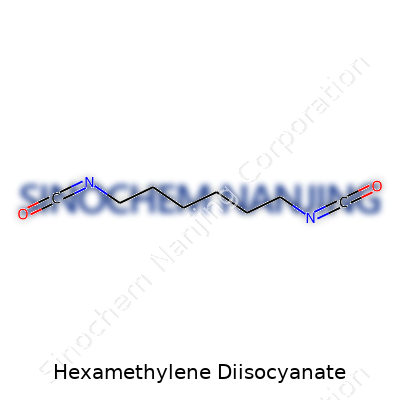
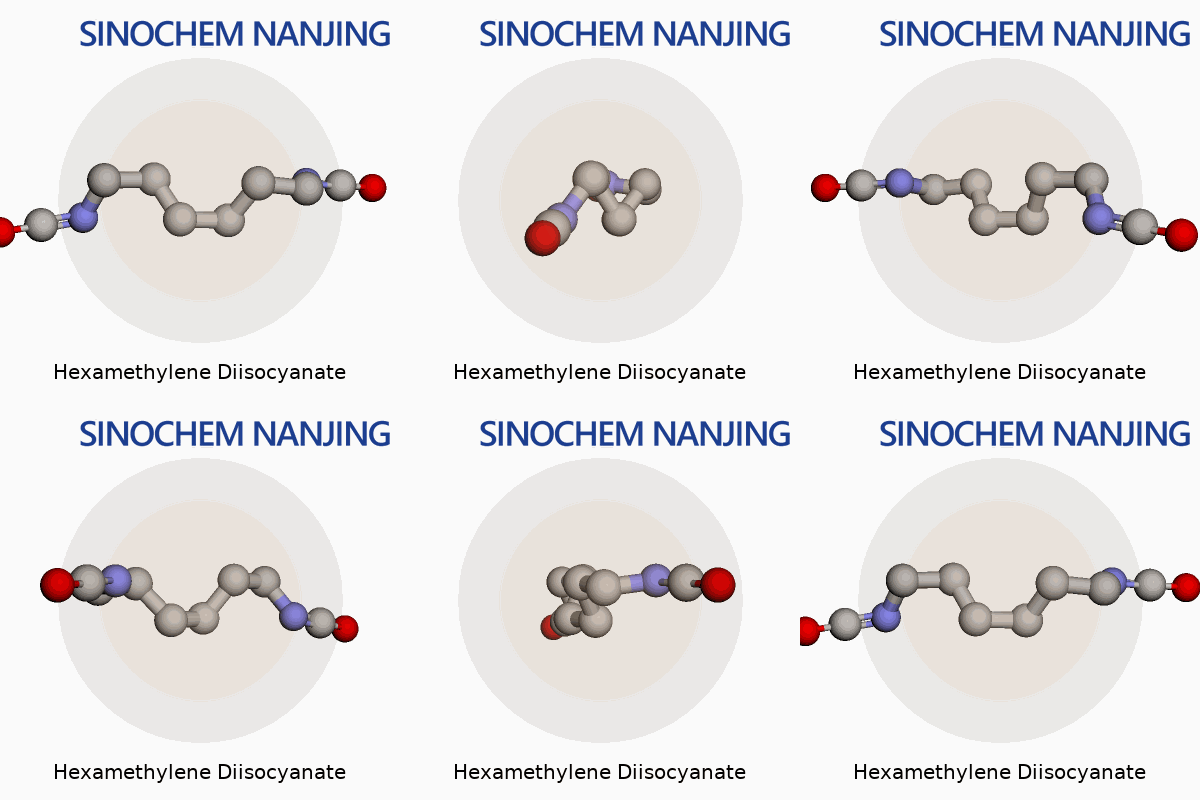
| Names | |
| Preferred IUPAC name | hexane-1,6-diisocyanate |
| Other names |
HDI 1,6-Hexamethylene diisocyanate |
| Pronunciation | /ˌhɛk.sə.məˈθiː.lɪn ˌdaɪ.aɪ.səˈsaɪ.ə.neɪt/ |
| Identifiers | |
| CAS Number | 822-06-0 |
| Beilstein Reference | 1710806 |
| ChEBI | CHEBI:53368 |
| ChEMBL | CHEMBL1377 |
| ChemSpider | 8212 |
| DrugBank | DB14089 |
| ECHA InfoCard | 03e11e50-7b4d-4295-9b42-873d98a2a443 |
| EC Number | 212-485-8 |
| Gmelin Reference | 84206 |
| KEGG | C06544 |
| MeSH | D006615 |
| PubChem CID | 8225 |
| RTECS number | MN9476000 |
| UNII | 4QD397987E |
| UN number | UN2281 |
| CompTox Dashboard (EPA) | DTXSID5020455 |
| Properties | |
| Chemical formula | C8H12N2O2 |
| Molar mass | 168.20 g/mol |
| Appearance | Colorless to pale yellow liquid with a sharp odor. |
| Odor | Odorless |
| Density | 1.047 g/cm³ |
| Solubility in water | Insoluble |
| log P | 3.2 |
| Vapor pressure | 0.01 mmHg (20°C) |
| Acidity (pKa) | 13.2 |
| Basicity (pKb) | 12.5 |
| Magnetic susceptibility (χ) | -7.9×10⁻⁸ cm³/mol |
| Refractive index (nD) | 1.488 |
| Viscosity | 2.3 mPa·s (25 °C) |
| Dipole moment | 0.00 D |
| Thermochemistry | |
| Std molar entropy (S⦵298) | 489.58 J·mol⁻¹·K⁻¹ |
| Std enthalpy of formation (ΔfH⦵298) | -1246 kJ/mol |
| Std enthalpy of combustion (ΔcH⦵298) | -3738 kJ/mol |
| Pharmacology | |
| ATC code | V09FX08 |
| Hazards | |
| GHS labelling | GHS02, GHS06, GHS08 |
| Pictograms | Flame, Exclamation mark, Health hazard, Environment |
| Signal word | Danger |
| Hazard statements | H302, H314, H317, H330, H334, H335, H410 |
| Precautionary statements | P261, P280, P285, P302+P352, P304+P340, P305+P351+P338, P310, P320, P405, P501 |
| NFPA 704 (fire diamond) | 3 1 2 W |
| Flash point | 'Flash point: 127°C (261°F)' |
| Autoignition temperature | 455°C |
| Lethal dose or concentration | LD50 oral rat 746 mg/kg |
| LD50 (median dose) | LD50 (median dose): 746 mg/kg (oral, rat) |
| NIOSH | HDI |
| PEL (Permissible) | 0.005 ppm |
| REL (Recommended) | 0.035 mg/m³ |
| IDLH (Immediate danger) | HDI: 5 ppm |
| Related compounds | |
| Related compounds |
Toluene diisocyanate Methylenediphenyl diisocyanate Isophorone diisocyanate Isocyanate |



