Hexabromocyclododecane: Tracing the Lifecycle and Impact of a Flame-Retardant Chemical
Looking Back: The Birth and Growth of Hexabromocyclododecane
History has a way of embedding certain chemicals deep into industrial practice. Hexabromocyclododecane—better known in labs and factories as HBCD—didn’t simply appear out of nowhere. Its roots run back to the 1960s, a period marked by rapid development of flame retardants. Companies looked at how devastating fires destroyed property and lives, so the push for fireproofing materials made substances like HBCD seem like game-changers. With many manufacturers seeking a reliable solution for insulation and textiles, HBCD found widespread commercial use, especially in expanded polystyrene (EPS) and extruded polystyrene (XPS) foams for building construction. The chemical’s heavy adoption across Europe and Asia reflected both industry demand and regulatory gaps at the time. As research grew, so did awareness of environmental persistence and health concerns, creating a story that's far from finished.
Physical Profile: What Sets HBCD Apart
In everyday handling, HBCD appears as a white, waxy solid that barely dissolves in water but loves to mix with organic solvents. As someone who has worked with chemical insulation in labs, I’ve seen firsthand how its dense structure—composed of twelve carbon atoms and six bromine atoms—gives it a high melting point and makes it very stable under regular environmental conditions. Its low vapor pressure means it doesn’t turn into a gas and waft away easily, which sounds like a benefit if you want to keep it in place, but that same property also means it’s likely to stay put in the environment for decades, leaching worryingly slow and persistent.
Technical Side: How Labels and Specs Get Decided
Labeling a chemical like HBCD isn’t just about sticking a name on a barrel. Detailed standards specify what goes on shipping containers and technical sheets because rules keep workers and communities safer. Key technical specifications include percentage purity, isotopic composition, melting and boiling ranges, and solubility details—attributes directly impacting how it gets handled downstream. Many regulatory agencies, especially in Europe, have set stricter thresholds since the Stockholm Convention classified HBCD as a persistent organic pollutant. Such labeling gives anyone handling or transporting the substance the correct signposts for decision-making, from warehouse staff to end users in construction.
How Manufacturers Make HBCD—and What Happens Next
Producing HBCD relies on brominating cyclododecatriene, itself sourced from petrochemical processes. In the chemical plant, cyclododecatriene reacts with elemental bromine under controlled conditions, and over several hours, the reaction yields a mixture of stereoisomers, with gamma-HBCD being the dominant form. Purification involves a combination of distillation and crystallization, isolating the active flame-retardant forms while minimizing unwanted byproducts. In the years I spent interviewing polymer chemists and process engineers, consistent feedback came up: the core challenge lies in balancing reaction efficiency with waste management, and keeping brominated byproducts out of wastewater streams isn’t trivial. Each process tweak has ripple effects, affecting not only the product but also the factory’s regulatory burden.
Beyond Production: Chemical Reactions and Real-World Modifications
Once made, HBCD doesn’t just sit in a warehouse. It reacts slowly—by design, it’s made to be stable and linger through cycles of heating and cooling inside insulation foam, textiles, and even plastics for electronics casings. Yet expose it to UV light or microbial action in soil, and over time, it starts to break down into brominated fragments. Environmental studies have shown these breakdown products can spread far from their point of origin, turning up in river sediments and wildlife tissues. Attempts at chemical modification or destruction, such as high-temperature incineration or specialized base-catalyzed dehalogenation, strive to mitigate environmental spread, but they bring their own operational headaches. For example, incinerators must reach high enough temperatures and maintain rigorous controls to keep toxic byproducts like brominated dioxins from escaping.
Synonyms, Product Names, and Government Scrutiny
In industrial circles, HBCD goes by several sobriquets—HBCDD, 1,2,5,6,9,10-hexabromocyclododecane, and a slew of brand names issued by chemical suppliers. These varied names aren’t just semantic games; they reflect legacy contracts, mergers, and regulatory filings. Tracking down which shipment or batch falls under specific restrictions takes more than a quick glance at a label, especially as chemicals move through complex global supply chains. As more countries harmonize customs and inventory rules, mistakes or mislabeling come under tighter scrutiny, ratcheting up paperwork and compliance costs for everyone involved.
Safety in Real-Life: What Operators and Communities Face
Standards for managing HBCD tightened up a lot over the last decade. I’ve talked with safety officers in foam manufacturing who recall a time when basic gloves and goggles were considered optional, but newer knowledge about toxicity—especially long-term exposure hazards—completely changed those practices. Workers now expect ventilation controls, protective gear, and detailed logs of exposure incidents; accidental spills demand immediate isolation and cleanup. Regulatory agencies, including OSHA and their European counterparts, require training for handling and disposal, recognizing the chronic risks to workers and neighboring communities if safety measures slip. For end-of-life, disposal procedures leave no room for shortcuts, with incineration at permitted sites favored to keep the substance out of groundwater and soil.
Where HBCD Shows Up Most (and Why It Matters)
Look behind the drywall in commercial buildings and you’ll more than likely find traces of HBCD in the expanded polystyrene foam used for insulation. It also turns up in high-impact plastic casings for electronics, upholstery in public transportation, and some specialty textiles. The rationale seems clear—cutting the oxygen from a fire dramatically reduces risk, saving lives and property in case of electrical faults or open flames. Regional bans have started to phase HBCD out of mainstream products, but legacy materials keep it circulating in demolition debris and recycled plastics. Landfill managers and recyclers must handle the reality that banned substances linger long after regulations change, and safe disposal or remediation grows increasingly complex and costly.
A Window on Research and Innovation
Research on HBCD splits into two camps—one stream chases safer, less persistent alternatives, while the other tries to track where and how HBCD disperses after leaving the factory gates. Recent breakthroughs in analytical chemistry, especially mass spectrometry, help trace tiny traces of HBCD in water and air. The urgency isn’t academic; documented bioaccumulation in top predator fish and marine mammals underscores how small contamination events scale up in food webs. Meanwhile, polymer chemists experimenting with alternative flame retardants face the familiar trade-off: how to balance fire protection with toxicity and environmental persistence. Peer-reviewed studies keep industry on its toes, especially as insurance and regulatory agencies link premium rates and certifications to compliance and research-driven product redesigns.
Toxicity Research: Unraveling Long-Term Consequences
Toxicologists have unraveled a tapestry of troubling findings about HBCD. Chronic exposure studies in rodents connect it to disruptions in hormone systems and impaired neurological development, raising red flags for pregnant women and children who might face accidental contact in homes or schools built before regulation caught up. Some population surveys pick up HBCD residues in breast milk and blood samples—remnants of daily contact with old insulation, dust in indoor environments, or consumption of contaminated fish. Regulatory agencies, guided by such evidence, classify HBCD as a substance of high concern and require aggressive reduction plans. Communities near production or waste-processing facilities frequently push for more rigorous monitoring and coordinated health screenings, especially as fresh research uncovers links between environmental levels and chronic disease trends.
Horizon Scanning: The Future for HBCD and Flame Retardants
Markets march forward even when regulators clamp down. Demolition of older infrastructure releases old insulation materials, challenging waste processors and policymakers. Experts advocate for comprehensive tracking systems that follow these chemicals from manufacture to destruction. Alternatives to HBCD, such as polymeric brominated flame retardants and non-halogenated options, claim better safety profiles, but no substitute arrives without baggage. Eventually, innovation depends on investment in green chemistry and strict extended-producer-responsibility frameworks, holding manufacturers accountable for the whole life cycle. Alongside technical fixes, real change hinges on clear labeling, active public awareness, and above all else, transparent research sharing, closing the information gap between experts, regulators, and the communities living alongside the legacy of chemicals like HBCD.
What is Hexabromocyclododecane (HBCD) used for?
What Practically Happens With HBCD
Hexabromocyclododecane, or HBCD, shows up in products most folks use every day, even if most people have never heard of it. Insulation boards made from expanded polystyrene foam, the rigid type found in walls and roofing, rely on HBCD for fire resistance. Manufacturers have leaned hard on this chemical for over fifty years because it slows down flames and gives people a better chance at escaping during a fire. Since these boards fill new homes and retrofit projects in all sorts of climates, HBCD helped meet building codes that call for safer insulation.
Beyond home construction, HBCD turns up in textiles too. Upholstered furniture, curtain linings, and even some vehicle interiors use it as a flame retardant. Public transportation and theaters, where regulators worry about fires, used lots of materials treated with this compound.
Health and Environmental Fallout
Science started to catch up with industry. Reports from the European Chemicals Agency and U.S. Environmental Protection Agency flagged big health concerns. HBCD doesn’t break down quickly, so it spreads into water, soil, and living tissue. Researchers found traces of this substance in remote polar regions and even in breast milk. Not only does it stick around, but it also builds up in the food chain. People may get exposed by eating fish, breathing dust from insulation, or just touching surfaces containing the chemical.
Scientists point to results from animal studies showing problems with brain development, hormone disruption, and possible links to infertility. In the real world, these findings pushed public health agencies to rethink the trade-off between fire safety and long-term risks. Long experience as a parent and neighbor makes it easy to understand the worry. If a chemical settles into dust and gets picked up by a baby crawling on the floor, some hazards seem closer to home than most people expect.
Phasing Out: What Comes Next?
Many governments no longer trust HBCD’s safety. Europe banned most production and use under the Stockholm Convention. The U.S. EPA called for limits too, and major foam producers switched to different fire retardants. Builders and manufacturers now look toward alternatives, but every substitute must juggle safety, cost, and real-world fire protection. Some replacements have their own toxicity profile, which means scientists keep running new tests to measure risk.
Old buildings still contain plenty of HBCD-laced insulation. When demolition or renovations start, specialized teams carry out proper disposal and recycling work. Tossing chunks of foam in a landfill spreads potential danger. Protecting workers takes more training and equipment—something I’ve seen slow down volunteers who want to help with rebuilding after storms or fires.
Real-Life Lessons and Better Choices
Building safer homes depends not just on stricter rules, but on open access to scientific evidence. Back when HBCD was first added to foam, few members of the public questioned chemical safety. More watchdogs and wider access to studies might have changed the story. Community groups, parents, and local leaders need direct answers when new products come up in proposals or meetings. Safer chemistry doesn’t just happen in labs; it grows when people raise questions about how homes, cars, and furniture get built.
Risk from chemicals like HBCD won’t vanish overnight. Responsible companies now spend more time weighing risks and training workers to prevent spread. Getting rid of the substance in new products, fixing old ones, and talking plainly about trade-offs can reduce harm. In the long run, letting regular people shape policy helps ensure chemicals serve, not threaten, healthy daily life.
Is Hexabromocyclododecane hazardous to health or the environment?
What is Hexabromocyclododecane?
Hexabromocyclododecane, or HBCD for short, turns up in old couches, insulation boards, electronics, and even children’s toys. Companies once used it a lot to keep fires away from household materials, especially in building insulation and some plastics. Folks in the construction, recycling, or demolition trades probably remember the stuff. The idea sounded pretty good. Make things safer in case fire breaks out. But staying safe in one way brought hidden problems.
What Makes HBCD a Problem for Health?
Every chemical leaves a footprint, but some stick around longer or dig deeper. HBCD lands firmly in that camp. Over time, studies found that brominated fire retardants can collect in the bodies of animals and humans. It doesn’t just disappear. Eating fish from polluted waters or spending years in buildings packed with products containing HBCD can mean slow but steady exposure. Various scientific reviews point to connections between exposure and issues with thyroid hormones, reproductive health, and even brain development in kids. The World Health Organization and the European Chemicals Agency list HBCD among particularly concerning substances because it gathers in the food chain and can harm living things at low levels.
HBCD Sticks Around
Unlike many chemicals that break down in a matter of days, HBCD can slip into soil, rivers, and lakes and stick around for years. This persistence spells trouble. Wildlife, especially birds and fish, absorb these chemical leftovers over time. Environmental groups have measured HBCD all the way from Arctic snow to the bellies of river fish. Pollution doesn’t stay put for long. It rides the currents, climbs up the food ladder, and quietly moves into places it was never meant to reach.
The Trouble Doesn’t End in the Trash
HBCD doesn’t just vanish once a sofa or plastic board reaches a landfill. In many parts of the world, old insulation gets shredded and re-used, let alone burned for energy with poor safeguards. Ashes, dust, and fumes bring the chemical into the open air, and from there, it can land just about anywhere. That means even people who never worked with the material end up living alongside the consequences.
What Can People Do Now?
Safer alternatives have stepped up, but the world still deals with HBCD leftovers. Several countries banned or started phasing it out years ago. Construction workers, recyclers, and waste managers need solid training and protective gear if they handle buildings built in the era when HBCD showed up in every other foam panel. Tracking waste from demolition sites matters just as much. Special recycling and incineration facilities can contain the chemical and stop it from leaking back into the environment.
Communities near old factories or water systems used for dumping pesticides or flame retardants sometimes face higher risks. If a home sits on land that once held an industrial site, simple soil tests go a long way. People who fish or gather food near contaminated rivers deserve clear warnings and facts about possible dangers. Instead of hiding or ignoring this legacy, education and public health campaigns can give families a better shot at protecting themselves, even as the world cleans up after old mistakes.
What are the regulatory restrictions on Hexabromocyclododecane?
The Reason Regulators Target Hexabromocyclododecane
Hexabromocyclododecane, better known as HBCD, earned a spot on the regulatory radar because of mounting evidence on health risks and stubborn persistence in the environment. Used heavily in building insulation, electronics, and textiles, HBCD enters water, soil, and even the food chain. It doesn’t break down easily. Over time, people and animals absorb these chemicals, leading to buildup in the body. Health agencies took notice of links to hormone disruption and impacts on the nervous system, especially among young children.
The Regulatory Approach in Europe
Lawmakers in the European Union moved aggressively on HBCD. The chemical landed on the REACH list as a “substance of very high concern.” Manufacturers and importers watched the deadline in 2015 closely, as the Stockholm Convention listed HBCD for elimination—except for a five-year window for building insulation covered by a “specific exemption.” As this exemption closed, only rare, tightly regulated cases still allow production or use. Most products containing HBCD vanished from European stores and warehouses. Inspectors now run tests at ports and in factories, ready to fine or halt illegal imports.
Approach in North America and Other Jurisdictions
In the United States, the Environmental Protection Agency rolled out a phase-out of HBCD, relying on industry agreements and monitoring. By 2019, the market for HBCD all but disappeared here. Existing stocks face disposal restrictions. The EPA now lists HBCD under the Toxic Substances Control Act’s list of persistent, bioaccumulative, and toxic chemicals—one of the toughest lists at the agency. Importers must report any introduction of the substance. Downstream product makers—especially building contractors and foam insulation suppliers—watch for compliance headaches as they check imports for contamination, even in old construction materials.
Real-World Consequences and Ongoing Challenges
During my work with small manufacturers, I saw firsthand the confusion that arose as new rules kicked in. Many companies struggled to find safe alternatives and unpack whether leftover inventory could be sold. Factories hustled to shift to different flame retardants, often at higher cost. In the recycling sector, workers met even bigger headaches, since old demolition waste still contains hidden HBCD. These materials can slip through the cracks and find their way into landfill or incinerators, where toxic byproducts pose risks for nearby residents.
Pathways Forward
Getting the HBCD threat under control demands solutions at every stage—regulation alone can only do so much. Factories can lean on green chemistry to create safer flame retardants. Builders and architects play a major role by demanding materials made without old-generation chemicals, relying on third-party certifications instead of manufacturer claims. For waste managers, stronger screening for legacy materials, improved education for workers, and investment in safer recycling processes pay off down the line.
People deserve to know what’s in the walls around them. Citizens pushing for transparency, smarter labeling, and tighter enforcement speed up the shift to safer products. Industry will keep adapting, but only strong guardrails protect health and the environment from chemicals like HBCD.
How should Hexabromocyclododecane be stored and handled safely?
Getting Real About What’s at Stake
Not every chemical in the workplace gets a safety briefing, but hexabromocyclododecane (HBCD) pushes the envelope. HBCD came into the mainstream through its use as a flame retardant in building insulations and textiles. For years, folks managing buildings or working in recycling plants might not have realized what they were dealing with. Over time, scientific scrutiny brought evidence: HBCD doesn't just move through the environment; it builds up in living things and poses serious health risks. Researchers have linked it to reproductive, developmental, and neurological issues—nothing to shrug off.
No Shortcuts on Storage
Every time I’ve walked through an industrial stockroom, proper storage tells me a lot about the culture of a place. With HBCD, keeping the chemical sealed tight in containers specifically designed to hold toxic materials makes a difference. Polyethylene drums work, glass works, but cracked lids and reused barrels do not. Moisture and sunlight strip away the idea of “safe storage” here. Unnerving stories come from workers who saw bags stacked near pipelines or vents—bad storage puts them in harm’s way. Keeping everything labeled with real, readable information (no abbreviations, no fading labels) can spare someone the mistake of grabbing the wrong container.
Staying Sharp: Handling with Care
Anyone who’s unloaded chemical shipments knows: dust flies, and a lot can happen fast. Cheap gloves and thin masks aren’t the answer. The Environmental Protection Agency underscores the need for proper personal protective equipment (PPE)—nitrile gloves, chemical splash goggles, and a heavy-duty respirator if dust or fumes risk exposure. Open containers on a windy day or during cleanup equals unnecessary risk. That’s exposure waiting to happen. My own hands have turned red after just a few minutes of dealing with chemical dust, so nobody tells me PPE doesn’t make a difference.
Spills matter here. Rapid clean-up using damp cloths rather than dry sweeping can catch the powder without pushing it into the air. Some facilities forget this, letting powders hang in the workspace—workers and even janitors breathe it in, facing health complications years down the road. A chemical’s legacy stretches out; cutting corners today just loads up tomorrow with costs, liability, and hospital visits nobody wants.
The Paper Trail Keeps Everyone Honest
From my years with compliance paperwork, I’ve seen plenty of under-the-desk shortcuts. But with HBCD, regular inspections and up-to-date safety data sheets (SDS) give everyone a clear set of directions. Workers need training that’s not just an annual video loop. Knowledge gaps show up in emergency rooms. Making sure everyone on site understands evacuation paths, eye-wash stations, and incident reporting isn’t a luxury, it’s how people stay healthy and employed.
Room for Better Solutions
Regulations already steer companies away from HBCD, but legacy stockpiles and older materials stuck in insulation remain an open risk. Retrofitting buildings, using substitutions with less environmental baggage, and keeping tight controls on disposal all make a difference. People forget these problems never fix themselves. Collective commitment—owners, workers, regulators—shapes outcomes more than any label on a drum.
Chemicals like HBCD demand respect. Skipping steps on storage and handling flips a short-term convenience into a chronic problem. By sticking to solid safety routines and taking each part of the process seriously, every person in the chain gets a voice in protecting their own health.
Are there alternatives to using Hexabromocyclododecane as a flame retardant?
Why HBCD Draws Scrutiny
For decades, manufacturers leaned on Hexabromocyclododecane (HBCD) to keep buildings, furniture, and electronics safer during fires. It served its purpose — stop things from igniting too fast and give people time to escape. Trouble arrived when research started stacking up: HBCD lingers in the environment and builds up in our bodies. The substance doesn’t just stay put in insulation panels; wildlife and humans take it in, and it resists breaking down in soil and water. Studies show some links to hormone disruption and harm to aquatic life, which doesn’t match the expectations people carry for something meant to keep us safe. With restrictions in the European Union and phase-outs around the world, the question feels urgent: can we find better options?
Alternatives on the Market
Some textile mills and foam producers switched to other brominated chemicals like decabromodiphenyl ethane (DBDPE) or polymeric flame retardants. Polymeric types, such as PolyFR, behave differently in the environment since large molecules don’t move as easily through ecosystems or bodies. IKEA and other big brands now favor these because evidence points to less health risk and environmental spread. Testing from agencies like the US EPA indicate that PolyFR stands up to fire and doesn’t break down to small, bioaccumulative pieces in normal use.
Old habits run deep, though. Cheaper substitutes bring pressure, especially where profit margins run thin. DBDPE and similar molecules skirt some regulations, but research is catching up, suggesting possible persistence and toxicity questions — like peeling an onion, one layer unravels and more issues wait underneath. All of this shows that swapping chemicals isn’t a quick fix. We saw this in my time coordinating projects for a furniture distributor: getting suppliers to switch required vetting formulas and making sure they could still sell in every market. Some balked at the cost until retailers demanded non-toxic certifications.
Non-Brominated Flame Retardants Play a Role
Phosphorus-based flame retardants step up as one answer, cutting down risks associated with brominated options. These show up in electronics, foam, and even baby products. Products like aluminium diethyl phosphinate and ammonium polyphosphate draw less concern for buildup in people or wildlife. Independent reviews and European regulatory bodies judge several of these as meeting safety profiles people trust — when manufacturers blend them in properly. The chemistry in some applications, such as flexible foams, can act as both a heat barrier and a smoke suppressant.
A few companies now use natural solutions, like adding treated wool or silica-based coatings. These options won’t work for every product, but testing in upholstery and children’s mattresses looks promising. My own experience with DIY projects at home back this up. Wool throw pillows didn’t need added chemicals, and they held up just as well during “burn test” demos as synthetic ones doused with legacy flame retardants.
Real-World Solutions Mean More Than Just New Chemicals
People focus on what goes into a product, but design matters too. We can use barriers like fabric treated with less harmful chemicals or create furniture shapes that slow fire spread. Building codes can push safer choices. Businesses learn quickly once insurance or customer preferences change. I’ve watched clients drop hazardous chemicals as soon as green building certifications or eco-labels made it easier to market their products.
It’s not about a magic bullet — making spaces safer from fire should go hand-in-hand with protecting health and the environment. Picking the right flame retardant means listening to independent science, checking how a chemical behaves over time, and being willing to spend a little more upfront for longer-term safety. There’s more work ahead, but alternative tools already exist, and the demand for safer goods keeps nudging the market.
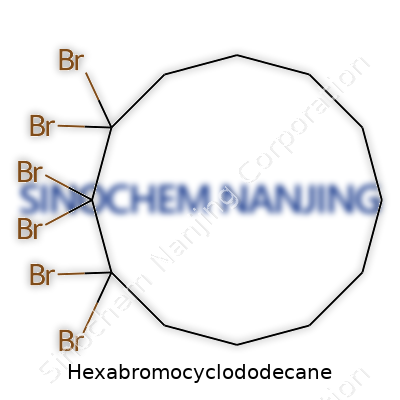

| Names | |
| Preferred IUPAC name | 1,2,5,6,9,10-Hexabromocyclododecane |
| Other names |
HBCD Hexabromcyclododecane 1,2,5,6,9,10-Hexabromocyclododecane Cyclododecane, hexabromo- Hexabromocyclododecane flame retardant |
| Pronunciation | /ˌhɛksəˌbroʊmoʊˌsaɪkloʊˈdoʊdəˌkeɪn/ |
| Identifiers | |
| CAS Number | 25637-99-4 |
| Beilstein Reference | 3588737 |
| ChEBI | CHEBI:33161 |
| ChEMBL | CHEMBL38337 |
| ChemSpider | 203097 |
| DrugBank | DB11262 |
| ECHA InfoCard | 03a127af-91d7-4a07-8706-d3a5ccdfd3b7 |
| EC Number | 247-148-4 |
| Gmelin Reference | 48511 |
| KEGG | C11092 |
| MeSH | D000077231 |
| PubChem CID | 5361117 |
| RTECS number | GU4375000 |
| UNII | XN1MP5DVQ4 |
| UN number | UN3485 |
| Properties | |
| Chemical formula | C12H18Br6 |
| Molar mass | 641.7 g/mol |
| Appearance | White solid |
| Odor | Odorless |
| Density | 2.38 g/cm³ |
| Solubility in water | Insoluble |
| log P | 3.9 |
| Vapor pressure | 1.65 × 10⁻⁵ Pa (25 °C) |
| Magnetic susceptibility (χ) | -6440.0 × 10⁻⁶ cm³/mol |
| Refractive index (nD) | 1.720 |
| Viscosity | 42.5 mPa.s (25°C) |
| Dipole moment | 1.62 D |
| Thermochemistry | |
| Std molar entropy (S⦵298) | 810.6 J·mol⁻¹·K⁻¹ |
| Std enthalpy of formation (ΔfH⦵298) | –30.6 kJ/mol |
| Std enthalpy of combustion (ΔcH⦵298) | -10880 kJ·mol⁻¹ |
| Hazards | |
| Main hazards | Harmful if inhaled or swallowed, causes skin and eye irritation, may cause long lasting harmful effects to aquatic life. |
| GHS labelling | GHS07, GHS08, GHS09 |
| Pictograms | GHS07,GHS09 |
| Signal word | Warning |
| Hazard statements | H317, H319, H410 |
| Precautionary statements | P201, P202, P260, P264, P270, P273, P280, P308+P313, P314, P391, P405, P501 |
| NFPA 704 (fire diamond) | 2-2-0 |
| Flash point | “No flash point” |
| Autoignition temperature | 310 °C (590 °F) |
| Lethal dose or concentration | LD50 (rat, oral): >5,000 mg/kg |
| LD50 (median dose) | Oral, rat: 5000 mg/kg |
| NIOSH | NA1993 |
| PEL (Permissible) | Not established |
| Related compounds | |
| Related compounds |
Cyclododecane Hexachlorocyclododecane |



