Glycolic Acid: Chemistry, Uses, and Where We’re Headed
Looking Back: The Roots of Glycolic Acid
Glycolic acid did not start as the superstar of skincare shelves or the must-have for modern agriculture. Its story kicks off in the mid-1800s, tucked inside academic papers and chemical experiments, when French chemists first synthesized it from natural sources like sugarcane and unripe grapes. For a long time, folks only paid attention to this tiny molecule in laboratories. People gradually uncovered more of what it could do, which explains how it turned from a chemistry class footnote into the base of countless consumer products.
What Glycolic Acid Is and How It Looks
In technical terms, glycolic acid means 2-hydroxyethanoic acid. Its formula, C2H4O3, looks simple—two carbons, that telltale carboxylic acid group, and one tiny but crucial hydroxyl group. In reality, that structure lets glycolic acid act both as an acid and as an alcohol, opening doors to plenty of reactions and uses. At room temperature, you’re looking at colorless, odorless crystals—nothing fancy or flashy. It dissolves instantly in water, which gives the chemists and industrial folks a lot of leeway to blend or dilute it, whether for highly concentrated formulas or the much milder stuff you’ll find in an over-the-counter face wash.
The Details That Matter: Technical Specs and Labeling
In a factory or lab, the stakes for labeling and specs run high. Purity levels affect not only safety, but also what a batch of glycolic acid can or cannot pull off in a manufacturing setting. Regulators care about precise categories like “cosmetic grade” or “industrial grade,” and with good reason: a solution that’s 70% glycolic acid in a drum shouldn’t end up in someone’s daily moisturizer or home cleaning kit without careful dilution. Labels usually show concentration percentages, and the word “corrosive” makes its appearance more times than not for high-strength versions. All those warnings reflect real risks—skin burns and respiratory concerns at high concentrations, not the kind of thing anyone wants in their medicine cabinet.
Making Glycolic Acid: From Lab Bench to Large Scale
Modern manufacturing doesn’t typically rely on natural extraction from sugarcane anymore. Instead, chemical synthesis rules the day. Sure, some older methods involve treating chloroacetic acid with sodium hydroxide, followed by acidification, giving pretty high yields. Others start with formaldehyde, deploying a cyanide intermediate—not exactly the friendliest route—yet the industry keeps hunting for methods that are both economic and safer for workers and the environment. Batch or continuous flow reactors, improved catalysts, and even fermentation routes from engineered bacteria keep popping up in published research. The sustainable angle deserves real attention, given the push to cut down on hazardous reagents and lower energy use.
Chemical Behavior and What You Can Do with Glycolic Acid
Glycolic acid wears a lot of hats once you understand its chemical reactivity. With both acidic and alcohol groups, it forms esters, amides, and undergoes typical acid-base neutralization. Its small size puts it at the top of the alpha-hydroxy acid (AHA) family, so it penetrates surfaces faster than its cousins like lactic or mandelic acid. This behavior underpins not just exfoliation in skincare, but also its ability to act as an intermediate in synthesizing other organic compounds. Modifications often target the hydroxyl group to create derivatives for biodegradable plastics or specialty cleaners. That adaptability keeps it relevant across sectors—very few chemicals bounce around this easily between beauty products, agriculture, water treatment, and material science.
Other Names and Products Glycolic Acid Turns Up In
You won’t always see “glycolic acid” on a product label. The same substance hides under terms like hydroxyacetic acid, or gets bundled into branded ingredients and complex trade names in cosmetics and industrial compounds. It’s the alpha-hydroxy acid you’ll see touted in “resurfacing” or “peel” products. In industrial cleaners, it might be lumped in with blend components. This tangle of synonyms and product names means consumers and researchers alike need to pay attention—different packaging and contexts, but often the same small molecule tucked inside, whether you’re looking at a face serum or a milkstone remover for a dairy farm.
Handling Glycolic Acid: Safety and Standards Keep Everything in Check
Concentrated glycolic acid belongs in the hands of trained professionals, full stop. Its low molecular weight and strong reactivity mean it eats through organic tissue if mishandled. Guidelines from the likes of OSHA or European chemical authorities set the groundwork for safe handling, dictating gloves, protective goggles, and ventilation. Cosmetic regulations draw bright lines about how much glycolic acid a product can contain—no one wants chemical burns from an innocent-looking moisturizer. In workplace settings, institutions regularly run training, update storage practices, and install spill management protocols. Safety data sheets don’t exist to fill binders; they spell out what goes wrong if someone treats glycolic acid as just “another chemical.” Experience from the lab tells me that respect for this compound is the backbone of every safe and effective application.
Where Glycolic Acid Lands: Real-World Uses
Some people recognize glycolic acid almost solely from beauty and skincare. Dermatologists gravitate toward AHAs for exfoliation, helping peel away dead skin, smooth texture, and lighten dark spots. Its power isn’t skin-deep, though. Glycolic acid makes life easier for farmers, too, acting as a chelating agent in soil and even helping fertilizers deliver nutrients more efficiently. Industrial scale operations use it to remove rust, condition metals, or brighten surfaces. Textile manufacturers use it for dyeing and finishing. Water treatment plants rely on its dissolving prowess to clear away mineral build-up. This variety speaks to its flexibility but also ramps up the importance of weighing concentrations and safety protocols—what’s right for an industrial cleaner is never right for your nightly face routine.
What Researchers Dig Into: The Ongoing Questions
Researchers keep working to answer both well-known and emerging questions. Scientists in labs want finer control over synthesis methods that cut waste and energy input. Cosmetic chemists test how glycolic acid interacts with other ingredients and with a wider range of skin types. Environmental researchers chase better ways to break down glycolic acid in wastewater, so it doesn’t pile up and cause unexpected harm. Engineers and material scientists experiment with glycolic acid-based polymers for medical sutures that reliably degrade. Universities and industrial labs alike partner to drive improvements, not only for quality but also for safety and environmental footprint. In my own experience reviewing grant applications, the best projects think about both what glycolic acid can do now and how its footprint might shrink down the line.
A Closer Look at Toxicity: Keeping the Risks in Mind
Every chemical that delivers strong results brings a risk profile in its back pocket, and glycolic acid is no exception. At skin-level doses, dermatologists observe only mild stinging or redness for most people, but go too strong and burns, blisters, and lasting irritation threaten. Swallowing concentrated glycolic acid or splashing it in your eyes turns the experience into a medical emergency. Animal studies document what happens at varying dosages, showing why dilution matters and justifying strict concentration rules in cosmetics. In the environment, high amounts in runoff potentially disrupt waterways, which motivates the push for better waste treatment. Researchers in toxicology press for more studies on chronic, low-level exposure, aiming to judge long-term effects not just on humans but also on broader ecosystems.
Glancing Forward: Where Glycolic Acid Could Go Next
The future for glycolic acid tracks with wider social and industrial changes. Clean beauty brands keep driving demand for natural-sounding, effective ingredients, but demand for transparency and safety keeps rising, too. Farmers hunt for ways to boost yields with less environmental impact, making glycolic acid’s role in nutrient delivery more interesting every year. Synthesis techniques may shift toward fermentation routes, as the pressure to cut out toxic intermediates and petroleum-based feedstocks picks up speed. Researchers working with biodegradable polymers eye glycolic acid’s place in new medical devices or packaging that vanishes instead of sticking around as waste. Toxicologists and environmental scientists will push to close the gaps in what we know about chronic exposure, recycling, and disposal. All these shifts land squarely on the shoulders of people willing to do the hard work—the next generation of chemists, engineers, policy experts, and workers, not just technology on its own.
What is glycolic acid and how does it work in skincare products?
Peeling Back the Layers
Glycolic acid shows up on skincare ingredient lists everywhere you look, from budget exfoliators to high-end serums. This molecule comes from sugar cane and stands out for its tiny size, which means it moves through the skin’s surface fast. Many folks learn about glycolic acid after fighting stubborn bumps or dull patches, only to find their skin actually starts to glow. It’s not magic—just good science and a little patience.
How Glycolic Acid Works
The way it works isn’t complicated. Glycolic acid breaks the glue holding dead skin cells together. Suppose you’ve glanced at your face after a long week—patchy, maybe rough to touch. Those layers of old cells dull things up. Glycolic acid loosens them so you can wash them right off. Newer, brighter skin shows through, making you look fresher without a thick layer of product. Dermatologists call acids like this “exfoliators,” but it’s more than a fancy scrub. The acid actually changes what’s happening on the surface and, sometimes, just a bit deeper.
Why It Matters for Real People
A wide range of people use this acid for different reasons. Teenagers dealing with blackheads often try it, finding smoother texture over time. Those noticing fine lines as they age start adding it to their routines for a brighter look and softer feel. Many people with spot-prone skin see fewer clogged pores since the acid helps keep pore openings clear.
Research backs these uses. Studies show glycolic acid (at safe concentrations) helps fade brown spots from sun damage, encourages collagen growth, and helps skin stay hydrated. In a world where filters hide blemishes, knowing your real skin can get smoother with the right routine feels empowering. That confidence builds over weeks, not hours. And using something like glycolic acid helps, once the irritation risk is understood and managed.
Staying Safe with Acids
Experience with beauty fads shows it’s easy to overdo things. Anyone new to glycolic acid discovers quickly that stronger isn’t always better. Some folks notice stinging or redness, especially if they use too much too often. Sun sensitivity jumps, too, because removing dead skin exposes fresher layers underneath. Reliable dermatologists warn about starting slow—usually once or twice a week—and using sunscreen daily. I once made the mistake of using an acid every night and paid for it with angry, peeling skin for days. It’s a lesson that still sticks with me every time I get eager with a new serum.
Many people worry that acids work only for certain types of skin, but that’s not quite right. It’s more about listening to your own skin and tracking changes. Some get their best results from a wash-off cleanser; others love leave-on exfoliants. Quality counts. Products with well-researched ingredients, made by companies that publish real data, give buyers a way to trust what they’re putting on their face. Those built on solid science get better results and fewer side effects.
Practical Solutions and Real Benefits
A good skincare routine stays simple and steady. Mixing glycolic acid with gentle moisturizer takes the sting out of the process and keeps things balanced. No need for complicated mixtures. Look up reviews from real users, check for allergy info, and start slow—you’ll see those famous benefits: smoother surface, brighter look, fewer breakouts. The key is consistency and respect for what the skin can handle.
Is glycolic acid suitable for all skin types?
Seeing Glycolic Acid on Shelves Everywhere
Every trip to the skincare aisle proves one thing: glycolic acid has exploded in popularity. From cleansers to toners and masks, it shows up everywhere with promises of smooth, glowing skin. At some point, many of us have eyed a bottle and wondered if we’re missing out, or if it might do more harm than good. Before tossing another product in your cart, a clearer look at glycolic acid’s fit for different skin needs might save a lot of grief.
My First Brush With Glycolic Acid
I remember slapping on a glycolic serum during my college years, hoping to erase rough patches and old acne marks. Skin tingled, then turned red, and not in a healthy way. A quick scan through reviews later revealed a mixed bag—some people got glass-like skin, others described irritation. Dermatology research tells a similar story: glycolic acid works wonders for some, but can upset others, especially those with sensitive or dry skin.
Biology Matters: Glycolic Acid Packs a Punch
Glycolic acid comes from sugar cane and belongs to the alpha hydroxy acid family. These tiny molecules penetrate deep, breaking bonds that hold old skin cells together. That process makes exfoliation quick and visible, which appeals to anyone hunting that instant “glow.” But this deep reach can strip moisture and cause stinging for already fragile skin. Studies published in the Journal of the American Academy of Dermatology show increased sensitivity, redness, and even chemical burns after improper use—something folks with eczema or rosacea know too well.
It’s Not a One-Size-Fits-All Solution
People with thicker, oilier skin often benefit most. Glycolic acid helps soften rough texture, fade dark spots after acne, and unclog pores better than many scrubs. A 2016 clinical trial followed patients with acne-prone skin using a 10% glycolic acid lotion daily; they noticed fewer breakouts and a smoother surface after three months. On the other hand, those with dry or compromised skin barriers often report flaking, stinging, or persistent redness, especially at higher concentrations.
Listening to Your Skin Works Best
Doctors warn against diving straight into strong peels at home. The American Academy of Dermatology recommends patch testing on the inner forearm, especially for anyone new to acids. Start with low doses—under 8%—and build up only if skin stays calm. More isn’t always better; using glycolic acid every day or in combination with other exfoliants can push even resilient skin too far.
Solutions for Sensitive Types
For those with easily irritated skin, skipping glycolic acid entirely often feels safest. If you’re still eager for mild exfoliation, look into polyhydroxy acids, which have a larger molecule and work more gently on the surface. Adding more barrier-boosting ingredients, such as ceramides and glycerin, can help buffer potential irritation. Dermatologists sometimes recommend alternating glycolic acid with non-exfoliating days, and always using sunscreen, since newly revealed skin burns more easily under UV light.
Takeaways From Real Experience
Personal history, skin type, and tolerance shape how glycolic acid performs. The science is pretty clear: not everyone benefits. For anyone chasing that glow, patience, patch testing, and openness to other gentle exfoliators often save skin from unnecessary drama. There’s no magic bullet in skincare, and knowing what your own face can handle makes more difference than the promise on any bottle.
How often should I use a glycolic acid product?
Understanding Glycolic Acid and Its Appeal
Glycolic acid shows up in countless skincare aisles for good reason. Coming from sugarcane, it slices through dead skin cells and clears out pores. After years of writing and speaking with dermatologists, I see people drawn to its power for smoothing fine lines and reviving dull skin. At the same time, anyone can feel confused about how much exfoliation is too much. The glow-up is tempting, but so is the risk of a red, irritated face.
How People Usually Use Glycolic Acid
Newcomers to acids—especially younger folks and people with sensitive skin—want to start slow. A few years back, I got a little too excited with a high-strength treatment. My cheeks burned and peeled for nearly a week. Board-certified dermatologists recommend starting with once per week. From there, you look at your skin’s reaction before moving up to two or three times weekly. Products with 5% or less feel gentler, often in cleansers or toners, but even these can overdo texture if you use them every day.
Stronger concentrations—10% or more—usually belong to leave-on creams or serums aimed at tackling acne scars or more stubborn signs of age. These deserve a cautious hand. Most experts I’ve worked with tell patients to bump up usage after a month or so, but never more than every other night. Sometimes, those with oily, thick skin try daily use, but results vary wildly.
Age, Skin Type, and Goals Change the Schedule
Skin varies based on genetics, age, climate, and what you want to change. Teens fighting blackheads don’t need the same approach as someone in their forties looking to soften sun spots. People with rosacea, eczema, or other sensitivities often feel only stinging and dryness from acids like glycolic. In my personal experience working in a dry urban climate, I learned to space my applications further apart during winter, as wind chaps skin and heightens irritation.
The Importance of Listening to Your Skin
It’s easy to get drawn in by trends, but no routine fits everybody. Signs of overuse include burning, peeling, increased redness, or sudden breakouts. I’ve spoken with many readers who thought a “purge” would eventually lead to bright results, only to trigger months-long flare-ups. Glycolic acid essentially dissolves part of the skin barrier, so pairing it with soothing moisturizers and strong sunscreen each day matters as much as how often you swipe on the product itself.
Science Behind Safe Use
Research backs up a gentle approach. A 2021 clinical review in the Journal of Cosmetic Dermatology found that lower-strength glycolic acid, used two or three times per week, boosted brightness while keeping irritation low. At the same time, dermatologists from the American Academy of Dermatology stress that layering glycolic acid with other active ingredients—like retinol or vitamin C—often leads to dryness, especially for new users.
Toward Healthier Habits and Informed Choices
People succeed with glycolic acid by building slowly and adjusting based on real-life results, not promises on a product label. My best advice after talking to so many experts: skip the temptation to use it daily, watch for changes, and protect what you gain with SPF every single morning. Healthy skin comes from patience, a little research, and knowing your own habits better than any influencer does.
Can glycolic acid cause irritation or side effects?
The Power and Drawbacks of Glycolic Acid
Glycolic acid barely needs an introduction for anyone who’s ever tried to treat dullness, rough patches, or clogged pores. Popular in skincare products ranging from scrubs to overnight serums, this ingredient lifts away dead cells and smooths texture. I’ve personally reached for it during rough episodes of breakouts and uneven skin tone, and its effects can be impressive. Stories of overnight brightness aren’t just marketing.
Still, in chasing results, people often underestimate the strength of glycolic acid. The same power that unlocks smoother skin can bite back. The American Academy of Dermatology warns that redness, peeling, and stinging show up even at lower concentrations—think five to 10 percent. Higher percentages—sometimes found in salon peels or over-the-counter products labeled “intensive”—increase this risk. Those new to acids, people with sensitive skin, or those combining glycolic acid with retinoids or vitamin C tend to suffer the most. Brands may promise a gentle resurfacing, but personal experience and conversations with dermatology experts point to a pattern: impatience and overuse quickly lead to trouble.
The Science Behind Sensitivity
What makes glycolic acid so reactive? The molecule is small, so it penetrates deeply. This is useful for breaking down dead skin, but it doesn’t discriminate. Glycolic acid also strips away protective oils, which leaves raw skin open to environmental irritants. Research from peer-reviewed journals shows this acid lowers the skin’s natural pH. A healthy barrier usually sits somewhere near pH 5.5; glycolic acid can bring that much lower, triggering inflammation in the process.
Real stories back this up. After my first glycolic product, I woke up to redness and a stinging face. I searched for advice and found threads full of similar accounts: tingling, itching, skin flaking off in tiny sheets. The effects resolve for some with a break and gentle moisturizer, but others end up with prolonged sensitivity or, in rarer cases, hyperpigmentation. This risk runs higher for people of color, a detail dermatology researchers—like Dr. Susan Taylor at Penn—have emphasized repeatedly. Uneven pigment becomes more likely when inflammation lingers beneath the surface.
Solutions and Safe Habits
Prevention starts with slower routines and smaller amounts. Dermatologists like Dr. Ranella Hirsch recommend a patch test. Try a dab behind your ear or on your inner arm for a few days. If you’re clear, apply glycolic acid on alternate nights—never daily at first—and skip other strong actives like retinoids or exfoliating scrubs. Moisturizer becomes less of a step and more of a shield. Look for skin-repairing ingredients: ceramides, cholesterol, fatty acids. Sunscreen cannot be skipped. Raw, exfoliated skin burns easier and heals slower if you ignore sun protection.
If you do run into redness or tingling, there’s no shame in taking a break. Sometimes, stopping acid use entirely and focusing on hydration works best. Persistent discomfort means it’s time to consult a dermatologist. They can suggest alternatives—like lactic acid or polyhydroxy acids—which work more slowly and less aggressively.
Striking the Right Balance
Glycolic acid isn’t evil; it just demands respect. I’ve seen beautiful transformations and lived through flare-ups. It’s all about knowing the signs of trouble, treating your skin gently, and recognizing that more is rarely better. With patience and smart strategy, even sensitive skin can benefit safely from glycolic acid’s promise.
What should I avoid when using glycolic acid in my routine?
Mixing Too Many Actives at Once
People love the idea of fast results. That urge to pile on every powerful ingredient backfires, especially with acids like glycolic. Stacking it with retinol, vitamin C, or another exfoliant usually means red, itchy, angry skin by morning. Skin turns sensitive, barrier breaks down, and breakouts can sneak right in. I remember using glycolic after a clay mask and thinking my face could handle it. The sting stayed all night—lesson learned. Dermatologists keep reminding us: less is more when dealing with strong actives. If you crave layers in your routine, space them out and keep track of skin’s response.
Skipping Sunscreen: A Costly Mistake
Glycolic acid lifts away dead cells so new, fresh layers show up at the surface. That glow comes with risk—the skin loses a chunk of its natural defense against sunlight. Without sunscreen, hyperpigmentation, dark patches, and signs of early aging can follow. Too many people skip this last step, even after investing time and money in good skincare. I notice sunscreen left out of routines at the gym and from friends’ shelfies on social feeds. No matter your complexion or the weather, daily SPF with glycolic becomes non-negotiable.
Applying Glycolic Acid to Broken or Inflamed Skin
Anyone with eczema, a sunburn, or chronic inflammation learns this fast: glycolic acid bites harder on compromised skin. If the top layer feels raw, sore, or already looks red, treating it with acid pushes irritation into overdrive. I tried using it to clear up a stubborn spot and ended up with a scab that took twice as long to heal. Healthy skin heals faster, tolerates exfoliation, and looks better. Small issues worsen fast when acid meets damaged skin, no matter how much you trust the brand you’re using.
Ignoring Patch Testing and Overdoing Frequency
Trying a new serum or toner feels exciting, especially with glowing reviews and viral before-and-after posts. Skipping the patch test tends to backfire. Skin can react with hives or a burning sensation, sometimes hours after application. Before going full face, a small dab behind the ear or inside the elbow gives a heads-up about any strong reaction. In terms of scheduling, overuse causes problems. Glycolic isn’t meant for twice-daily use for most people. Irritation, redness, and peeling creep in with overuse. Listen to dermatologists: once or twice a week often works, especially in the early weeks.
Mixing With Products That Strip the Skin
People still use harsh scrubs, foaming cleansers, and astringent toners right before or after glycolic. Together, they leave skin stressed, flaky, and tight. Our skin barrier acts as the body’s shield. Once damaged, it takes extra effort and time to repair. No need to double up on scrubbing and exfoliation just to chase a smooth texture. Instead, gentle cleansers and calming moisturizers pair best with acids. After the mistake of pairing an exfoliant scrub with glycolic, my face stayed sore and sensitive to anything I tried next.
A Balanced Routine Sets the Stage
Glycolic acid has its place in modern skincare. Respecting the skin’s limits pays off in long-term results. Build in hydration, avoid harsh layering, and protect with sunscreen. Friends and clients alike ask how to avoid bad reactions—I always come back to listening to your skin and not skipping the basics.
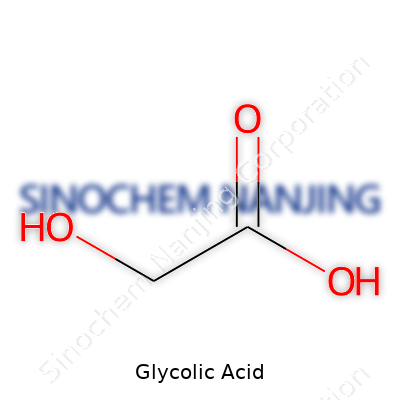
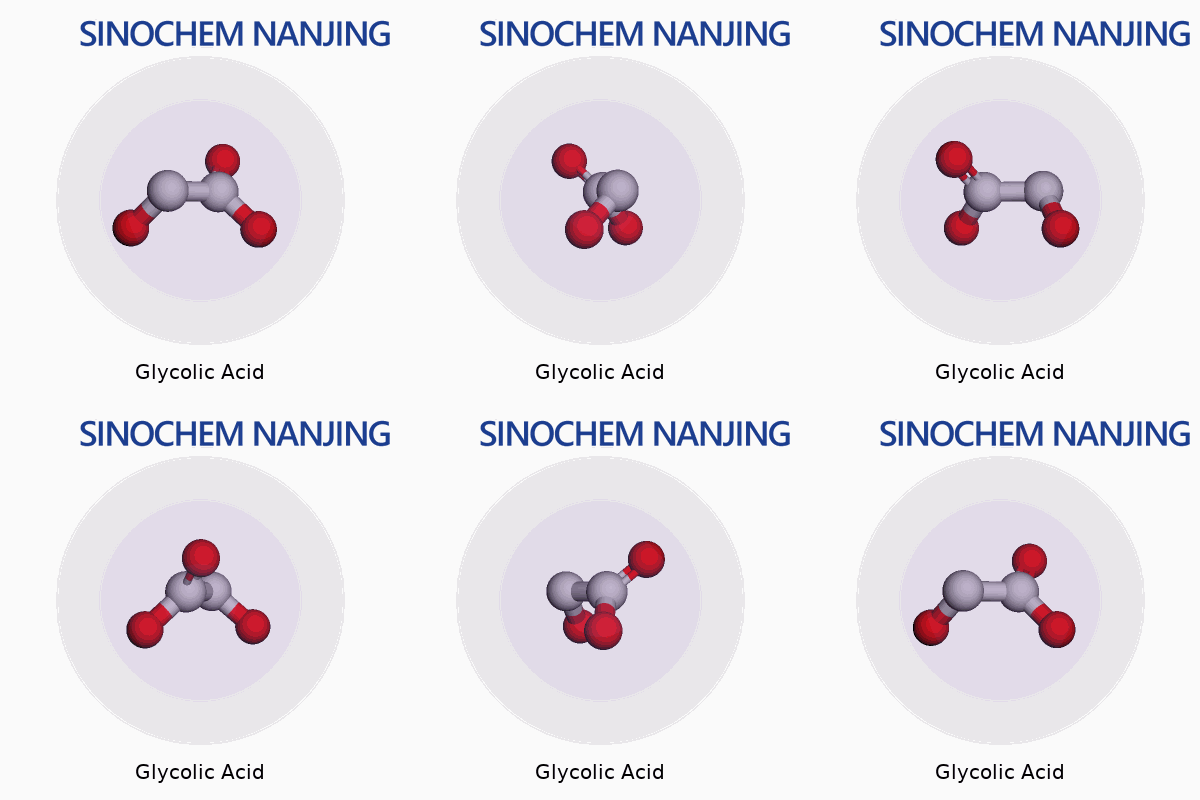
| Names | |
| Preferred IUPAC name | hydroxyacetic acid |
| Other names |
Hydroxyacetic acid Hydroxyethanoic acid Acetoic acid Aldehyde formic acid |
| Pronunciation | /ɡlaɪˈkɒlɪk ˈæsɪd/ |
| Identifiers | |
| CAS Number | 79-14-1 |
| Beilstein Reference | 63568 |
| ChEBI | CHEBI:27349 |
| ChEMBL | CHEMBL682 |
| ChemSpider | 682 |
| DrugBank | DB00860 |
| ECHA InfoCard | 100.031.426 |
| EC Number | 201-180-5 |
| Gmelin Reference | 81412 |
| KEGG | C01352 |
| MeSH | D005953 |
| PubChem CID | 747 |
| RTECS number | MC5250000 |
| UNII | 4XE8IU1KHF |
| UN number | UN3265 |
| CompTox Dashboard (EPA) | DTXSID7023862 |
| Properties | |
| Chemical formula | C2H4O3 |
| Molar mass | 76.05 g/mol |
| Appearance | Colorless, odorless, crystalline solid |
| Odor | Odorless |
| Density | 1.27 g/cm³ |
| Solubility in water | Soluble |
| log P | -1.11 |
| Vapor pressure | 0.08 mmHg (20°C) |
| Acidity (pKa) | 3.83 |
| Basicity (pKb) | pKb: 12.52 |
| Magnetic susceptibility (χ) | -7.4×10⁻⁶ |
| Refractive index (nD) | 1.430 |
| Viscosity | Viscous liquid |
| Dipole moment | 1.97 D |
| Thermochemistry | |
| Std molar entropy (S⦵298) | 143.96 J·mol⁻¹·K⁻¹ |
| Std enthalpy of formation (ΔfH⦵298) | -674.2 kJ/mol |
| Std enthalpy of combustion (ΔcH⦵298) | -882.6 kJ·mol⁻¹ |
| Pharmacology | |
| ATC code | D01AE07 |
| Hazards | |
| Main hazards | Causes severe skin burns and eye damage. Harmful if swallowed. |
| GHS labelling | GHS05, GHS07 |
| Pictograms | GHS05 |
| Signal word | Warning |
| Hazard statements | H302, H314 |
| Precautionary statements | P264, P280, P305+P351+P338, P310, P301+P330+P331, P303+P361+P353, P304+P340 |
| NFPA 704 (fire diamond) | 3-0-1-Acid |
| Flash point | > 110°C |
| Autoignition temperature | 190 °C |
| Lethal dose or concentration | LD50 oral rat: 1950 mg/kg |
| LD50 (median dose) | LD50 (oral, rat): 1950 mg/kg |
| NIOSH | KJ2975000 |
| PEL (Permissible) | 5 mg/m³ |
| REL (Recommended) | 10% |
| IDLH (Immediate danger) | 330 mg/m3 |
| Related compounds | |
| Related compounds |
Glyoxylic acid Oxalic acid Lactic acid Acetic acid |



