Gallium Nitrate: Looking Beyond the Surface
Historical Development
The journey of gallium nitrate started in the early twentieth century when researchers sought new chemical paths for metal extraction and novel therapeutic approaches. Early reports in scientific literature mention gallium compounds for their ability to interact with biological systems differently from other metal ions. The real momentum came in the 1970s, as scientists, burnt by the limitations of platinum-based drugs and classic metallic salts, began to focus on less toxic, innovative metals. Pharmaceutical companies traced gallium nitrate’s roots to advances in hydrometallurgy and delved into its potential in medicine, pivoting from pure chemistry toward healing applications. The long road from laboratory synthesis to clinical trial saw setbacks, yet ongoing investment showed the world that even obscure metals can disrupt entrenched treatments.
Product Overview
Gallium nitrate presents itself as a white to slightly yellowish, odorless powder, highly soluble in water and slightly so in alcohol. Its composition, Ga(NO3)3, delivers gallium ions paired with nitrate’s oxidizing punch, giving it applications from medical therapies to industrial catalysts. Pharmaceutical-grade gallium nitrate comes with strict purity requirements, minimal metallic contaminants, and reliably stable batches. In bulk industrial use, it gets shipped as a fine powder packed in moisture-proof drums or specialty bottles, and quality-assured through routine spot-testing to guarantee actual gallium content matches written specs. Gallium nitrate also serves as the base material for synthesizing other gallium compounds or as a key reactant in analytical chemistry.
Physical & Chemical Properties
This compound packs a density close to 2.44 g/cm3 at room temperature. Its melting point sits around 80°C, above which it loses its crystalline structure and dehydrates. Gallium nitrate dissolves rapidly in water, giving clear solutions with acidic character. Its physical stability in dry air holds up, but on prolonged exposure to humid or warm environments, it can deliquesce, drawing water from the atmosphere. Chemically, gallium stays trivalent, and the nitrate groups guarantee reactivity with reducing or organic agents. The ionic nature supports broader reactivity in organic synthesis and coordination chemistry, giving it a respected place on the chemical shelf. Solubility, reactivity with bases, and ability to yield gallium oxide when decomposed by heat round out a property profile that supports wide-ranging technical and laboratory procedures.
Technical Specifications & Labeling
Commercial and pharmacopeial grades of gallium nitrate must pass tight technical criteria. Purity standards typically exceed 99%, and strict controls over iron, lead, arsenic, and other contaminants sit in place. Quality certificates detail specific gravity, moisture, and heavy metal content. Product labeling follows hazardous chemical regulations—each package carries UN codes, hazard pictograms, and clear storage instructions. Batch numbers and manufacturing dates enable traceability. Pharmacies and laboratories demand separate labeling for use in compounding or research, while medical-grade material usually ships with lot-specific certificates of analysis. Users face warnings regarding oxidizing nature, and instructions caution against incompatible materials—all standards anchored by international bodies for chemical safety.
Preparation Method
Most gallium nitrate comes from reacting high-purity gallium metal with concentrated nitric acid. Controlled temperature and slow acid addition prevent runaway reactions and nitrogen oxide off-gassing. Reaction vessels must withstand both acid and oxidizing conditions, usually glass-lined steel or borosilicate glass. After complete reaction, evaporating the mixture yields raw gallium nitrate crystals, which undergo filtering, washing, and drying. Additional purification, often involving re-dissolution and re-crystallization, removes trace metals and other non-volatile impurities. For the highest grades, ion exchange or solvent extraction steps filter out unwanted cations or organic residues. Waste handling forms a significant part of manufacturing, as spent nitric acid solutions require neutralization and careful disposal in line with both local and international environmental guidelines.
Chemical Reactions & Modifications
Gallium nitrate exhibits active chemical behavior, especially in aqueous or slightly heated conditions. Reaction with reducing agents, such as hydrazine or sulfur dioxide, returns gallium to the metal or forms lower oxidation-state compounds. Lab-based modifications allow the conversion to gallium oxide by heating, while reaction with alkali or alkaline earth metals forms various gallates. Gallium nitrate serves as a starting point for synthesis of complex gallium coordination compounds, relevant in both catalysis and advanced material science. It engages efficiently in double salt formation, and substitution reactions facilitate attaching gallium ions to organic ligands, broadening its research use. Borohydride reductions or use in organometallic chemistry introduces further paths to specialized gallium-based products. The compound resists simple hydrolysis, but introduction of chelating agents or specific pH changes offers clear-cut routes to new molecule development.
Synonyms & Product Names
Over its documented history, gallium nitrate has picked up a handful of different names. Chemical catalogs often list it simply as “gallium(III) nitrate” or “gallium trinitrate.” In medicine, it's called “Ganite”—the trade name under which it reached clinical trials for cancer treatments. Various synonyms, like nitric acid gallium salt or gallium nitratum, appear in international registries. The chemical’s CAS number, 13494-90-1, provides a reliable cross-reference across languages and regulatory systems. Product codes may vary between suppliers but tie back to these basic identifiers for shipment, safety sheets, and inventory control.
Safety & Operational Standards
Handling gallium nitrate requires training and respect for chemical hazards. The solid and its aqueous solutions act as oxidizers, presenting hazards in contact with organic or easily combustible materials. Safety data sheets instruct use of nitrile gloves, splash-resistant goggles, and operation in well-ventilated spaces or fume hoods. Spills demand swift cleanup, with neutralizing agents close to hand. Storage standards call for cool, dry, segregated conditions away from acids and bases, as well as organic solvents. Shipping regulations classify it under hazardous goods, often barring bulk air freight. In laboratories, procedures follow strict rules on weighing and dissolving, as accidental releases can damage metal equipment or pose risks to personnel. Medical workers receive special training to mitigate exposure risks, especially with intravenous preparations. Emergency plans account for accidental ingestion, inhalation, or eye contact, with readily available wash stations and evacuation protocols.
Application Area
Gallium nitrate’s claim to fame remains its use as a pharmaceutical agent in managing hypercalcemia, especially related to certain cancers. It has been explored as a bone resorption inhibitor, as gallium can mimic iron and disrupt specific enzymatic systems in malignant cells. Beyond this, its role in catalysis and material science draws from gallium’s niche position, where few other metals function at similar redox potentials. Analytical chemists use it in colorimetric studies or to prepare reference standards. Component manufacturing for electronics, particularly specialized optoelectronic devices, sometimes uses gallium compounds derived from gallium nitrate precursors. Industrial water treatment and advanced ceramics also benefit from gallium’s contribution, though the rarity and price of gallium keep these applications narrow and tightly regulated. In all these fields, the compound’s unique metal coordination chemistry remains central to its appeal.
Research & Development
Active R&D on gallium nitrate continues across pharmaceutical, materials, and industrial chemistry domains. Pharmaceutical labs explore new routes for drug delivery, extending gallium nitrate’s bioavailability and targeting capacities, especially against drug-resistant tumors. Researchers measure effectiveness in rare metabolic bone diseases and leukemia, tracking both cellular response and systemic toxicology. Nanotechnology labs look for ways to use its reactivity to build ultrathin films or dope semiconductors at atomic scales, especially for next-generation photonics. Environmental scientists test gallium nitrate’s fate in water and soil, developing detection and remediation platforms for rare-metal pollution. Industry-backed projects seek to streamline gallium extraction from bauxite, recycling scrap electronics to harvest gallium for nitrate conversion, and reduce the environmental impact of legacy refining routes. The link between gallium’s unique chemistry and current tech challenges keeps research lively.
Toxicity Research
Gallium nitrate shows moderate toxicity in laboratory animals, with acute exposure causing gastrointestinal and renal effects. Studies on chronic exposure remain limited, yet existing data suggests bioaccumulation mainly in bones and kidneys. Researchers track its interference with enzyme systems, especially those handling iron transport and cell proliferation. Medical trials revealed manageable side effects at therapeutic doses, yet dosing above manufacturer guidelines can trigger nephrotoxic events. Regulatory bodies call for full risk assessments and mandate safety labeling on all shipments, given the compound’s oxidizing nature and potential for aquatic toxicity. Risk management in hospitals and research labs includes frequent renal function checks, clear protocols for accidental spills or ingestion, and regular air quality monitoring where large quantities occur. Despite its potential, the ongoing need for more data puts a brake on its widespread approval for new therapies or consumer products.
Future Prospects
With global interest in non-traditional metals gaining strength, gallium nitrate stands at a crossroads. The compound’s dual role in cutting-edge medicine and advanced materials keeps it tied to future breakthroughs. Drug development teams eye it as a backbone for new anticancer agents and rare-disease treatments, while semiconductor manufacturers seek out gallium sources to feed tomorrow’s high-speed chips. Greater emphasis on recycling and responsible sourcing may boost gallium recovery and lower costs, making wider industrial applications feasible. Next-gen research will likely focus on tuning gallium nitrate’s behavior through engineered ligands or microencapsulation, expanding its use in targeted therapies or eco-friendly electronics manufacturing. Regulatory bodies worldwide remain watchful, urging caution and ongoing toxicity research, but the growing knowledge base hints at expanding roles in tech and health fields.
What is Gallium Nitrate used for?
Stepping Into the Lesser-Known Side of Modern Medicine
Gallium nitrate often pops up in research labs and clinics without much fanfare. When patients ask about it, most people picture high school chemistry tables rather than hospital IV bags. But behind its plain name sits a curious story that bridges metal chemistry with practical patient care. Anyone dealing with cancer treatment and certain rare conditions runs a good chance of hearing about this compound, usually during long talks with their doctors.
Fighting a Troubling Side Effect of Cancer
Hospitals sometimes turn to gallium nitrate for one problem that shadows many people with cancer—high calcium in the blood, also called hypercalcemia. Tumors can trigger this imbalance, bringing symptoms from aches and confusion to even severe organ damage. Traditional remedies like hydration or bisphosphonates do the job for many. But for some, these options either fall short or create new issues. Gallium nitrate offers another route. By interacting directly with calcium movement in the bones, it reins in out-of-control calcium levels. A study from the New England Journal of Medicine published in the late 1980s helped bring this use into focus, after researchers tracked improvement in patients who weren't getting better with other drugs.
How Gallium Nitrate Works in the Body
While most of us only see gallium on periodic table posters, once it’s turned into gallium nitrate and dissolved, doctors can administer it through a vein over several days. In my own experience watching cancer patients manage calcium spikes, this drip can last up to five days. The compound slows down bone breakdown, which leads to less calcium leaking into the blood. This process happens in a more targeted way than some older medicines, which sometimes hit other body systems just as hard as the cancer does.
Beyond Cancer: Other Uses and Ongoing Questions
Medical journals occasionally mention research into gallium nitrate for other conditions—certain lymphomas, bone disorders like Paget’s disease, and rheumatoid arthritis. The results vary. The drug sometimes shows promise, but not every test hits the mark. Safety remains a concern. Clinics monitor kidney function closely during treatment—gallium builds up in the body, and anyone with weak kidneys faces extra risk. Tools for watching side effects have improved, but every new proposed use runs a winding path through clinical trials and regulatory review.
Potential and Ethical Hurdles
Few drugs come without trade-offs. Gallium nitrate’s strengths in lowering calcium bump against hurdles like potential kidney damage and strict guidelines about who can safely use it. Over time, some researchers and drug companies look for ways to tweak its structure or find better delivery systems. These steps might help more patients in the future, but high price tags and tough clinical trial requirements slow the process.
Solutions: Balancing Safety, Cost, and Access
Doctors and pharmacists work to match patients to the right treatment at the right moment, whether that means starting gallium nitrate early for stubborn hypercalcemia or saving it as a backup. Health systems weigh costs, too. Insurance rules, drug shortages, and the challenge of getting rare medicines covered play into every treatment decision. Stronger doctor-patient communication and routine monitoring are key—good follow-up can catch side effects before they spiral out of control. Transparent research and collaboration between hospitals, drug makers, and patients help keep access open while keeping safety front and center.
Is Gallium Nitrate safe to handle?
Looking at Gallium Nitrate from Daily Experience
Most people probably never bump into gallium nitrate at work, in the garage, or under the kitchen sink. This isn’t an everyday substance like vinegar or aspirin. Gallium nitrate’s reputation mostly comes from its use in medicine, research labs, and high-tech industries. If you type its name into a search bar, you’ll see results about cancer treatments and electronics. All the scientific talk makes it sound like something only experts ever need to think about.
I stumbled across gallium nitrate years ago in a research lab, tracking down new ways to help treat high blood calcium diseases. That experience gave me a direct look at the care these chemicals demand. My first impression: handle with respect. It’s not a household item, but even in labs, safety procedures turn up a notch when gallium nitrate comes out.
Understanding the Risks Without Hype
The big concern with gallium nitrate touches human health and environmental safety. Most hazards relate to inhaling dust or accidental spills. Gallium nitrate can irritate skin, eyes, and especially when ingested or inhaled. This isn’t a shock, since plenty of laboratory chemicals carry similar warnings. Nobody wants a chemical that interferes with how the body manages calcium floating around carelessly.
Safety isn’t just about donning gloves and goggles. It’s about knowing how to store and dispose of materials, and being ready for leaks or spills. On the flip side, panic over every chemical leads nowhere. Data published by the National Institute for Occupational Safety and Health (NIOSH) and Material Safety Data Sheets (MSDS) show that following basic lab safety practices, such as using fume hoods and personal protective equipment, keep most risks in check.
Gallium Nitrate in Medicine
Gallium nitrate’s life-saving power comes up most often in the cancer world. Doctors use it to lower dangerously high calcium levels in patients whose bodies have gone haywire. Any medication strong enough to shift the body’s chemistry requires close monitoring. Physicians don’t hand out gallium nitrate without a plan, and hospitals track effects on the kidneys and blood cells to avoid long-term harm. The treatment’s benefits and risks both come attached.
What Should Concern Regular Folks?
Anyone outside a laboratory or hospital probably won’t touch gallium nitrate. The real discussion lands with researchers, healthcare workers, and folks in electronics manufacturing. With the right training, chemical fume hoods, and regular reviews of safety sheets, everyday users manage risks. I remember a colleague who forgot gloves once. Luckily, nothing happened, but it drove home how easy it is to make a small mistake. Even a splash can cause minor burns or irritation.
More broad-based solutions would help. Regular safety drills, better product labeling, and clear instructions in workspaces make a difference. Companies that use gallium nitrate should foster an environment that encourages workers to slow down, ask questions, and double-check safety protocols. Even the best safety data sheet won’t help if it’s collecting dust on a shelf.
The Smart Approach to Handling Gallium Nitrate
Sensible handling comes down to respect. Every chemical deserves a little healthy fear, not because the world is dangerous, but because small slips can have big consequences. I keep thinking back to the first lessons I got as a fresh lab worker—never rush, always ask if unsure, and treat every substance like it matters. Gallium nitrate is no exception. With training, clear guidelines, and attention to detail, handling risks stay low and science continues moving forward without turning every interaction into a crisis.
How do you store Gallium Nitrate?
Understanding the Risks with Gallium Nitrate
Gallium nitrate stands out for its reactivity and solubility in water. Some folks know it as a treatment for certain bone cancers, but it also shows up in the tech world and in labs. In my own chemistry days, getting a new bottle of a tricky compound always meant checking the label, reviewing safety data sheets, and thinking through where it goes on the shelf.
Gallium nitrate doesn’t play by the same rules as table salt. Water pulls it into solution fast, so it can leak or suck up moisture if left open to the air. Anyone working with chemicals like this finds it’s easy to ignore those tiny variables—temperature swings, humidity leaking in, accidental spills. Experience shows that those aren’t small details; they’re how labs or storerooms end up with ruined product, wasted money, or worse, an accident.
Smart Storage Practices Matter
Most packaging for gallium nitrate comes in tightly sealed HDPE or glass bottles. I still remember the sting of seeing a batch ruined because someone thought it could go next to a sink. Water in the air seeped through a not-quite-tight cap, turning the white powder into a useless, clumpy mess. Dry, cool cabinets far away from any running water keep it stable a lot longer. Always check the manufacturer's label first thing. These folks don’t scribble warnings for fun.
Some think tossing chemicals onto a basic shelf works, but there’s always another story: a leaky pipe overhead, a cracked window letting humid air creep in, or a lunch left behind on the next shelf over. The fix isn’t fancy—just seal every container tightly, and use a spill tray where possible. Label shelves clearly so nobody grabs the wrong jar in a hurry. A little extra caution stops bigger problems.
Avoiding Common Mistakes
Leaving gallium nitrate within reach of acids, bases, or oxidizers can go wrong fast. One time, a friend misread a label, stacked bottles, and wound up with a mess on their hands after a cleaning product spilled down onto the gallium nitrate jar. The chemical world rarely forgives those who rush. It’s common to get distracted, so develop a habit: always double check storage before leaving for the day. If possible, dedicate an area just for these kinds of specialty substances. Never mix old and new bottles, as age changes how stable the compound stays.
Moisture in the storage space transforms gallium nitrate fast. Desiccants help, but don’t expect them to last forever. Chemical suppliers often send extra drying packs, but after a few months, they lose power. Periodic checks—and swapping in new desiccant if needed—keep the container bone dry.
Building a Safer System
In every setting, whether it’s a fortune 500 lab or a school storeroom, the same principles keep people and products safe—tight lids, climate control, and clear signage. Training everyone on these habits makes more of a difference than expensive cabinets. Gallium nitrate, like a thousand other chemicals, rewards common sense. Give it respect and it won’t bite back. Forget, and the lesson gets expensive—sometimes dangerous.
Keep an eye on expiration dates, rotate stock, and always keep emergency spill supplies nearby. Accidents can still happen, even when every rule gets followed, but the straightforward steps keep risks manageable. Safety with gallium nitrate never comes down to a single rule—just layers of small, practical decisions everyone can follow.
What are the side effects of Gallium Nitrate?
What Happens to the Body?
Gallium nitrate grabs attention in the medical world mostly for its role in treating cancer-related high calcium levels. For folks who get this treatment, the side effects don’t always show up right away, but they can land hard. One of the big troubles is what it does to the kidneys. People can experience kidney function problems—sometimes leading to real damage if things aren’t caught quick. The numbers tell us a fair amount: clinical reports cite a meaningful chunk of patients end up with increased creatinine, signaling their kidneys can’t keep up.
Nausea, Vomiting, and Digestive Discomfort
Every medicine that’s pumped into the veins can upset the stomach. Gallium nitrate isn’t shy about this. Many folks getting the drug feel queasy, vomit, or lose any desire for food. Taking care of someone in treatment means paying close attention to what they can eat, and stepping in if they can barely keep anything down. In my circle, I’ve watched one patient struggle for weeks just to manage toast and water; it’s more than inconvenient, it’s draining and throws off normal life.
Risks to Blood and the Immune System
Gallium nitrate can mess with blood counts. A drop in red cells, white cells, or platelets means putting people at risk for infections, bruising, or just feeling wiped out. Doctors look for warning signs and order blood tests often. GCs like this stick out in long-term cancer care because they layer complications onto already fragile bodies.
Infusion-Related Troubles
IV drugs can set off reactions at the drip site—redness, pain, swelling. Sometimes the whole body reacts: fever, chills, low blood pressure. Gallium nitrate doesn’t break the pattern. Clinics need to have equipment and know-how to control these reactions before things snowball. One nurse I know never lets an infusion go unwatched, because catching side effects early often makes all the difference.
Electrolyte Shifts
The same drug used to bring down high calcium can drag other electrolytes out of balance—magnesium, phosphate, and more. Confusion, weakness, even arrhythmias can sneak up fast if the lab work isn’t checked often enough. The stakes get higher for elderly patients or those already on diuretics or heart medications. Healthcare teams stick to schedules for blood work, hoping to catch any big swings.
Possible Steps Forward
Some people might not have a choice except gallium nitrate, so the solution starts with patient selection—using the drug with caution in those with sturdy kidney function. Drinking plenty of fluids helps protect the kidneys, and hospitals often give IV fluids before and after. Staying ahead of nausea with good antiemetics, checking blood work closely, and planning for backup care in case an emergency hits are all part of the game. Patients and families need straight talk about what to watch for at home, and when to call for help.
Takeaway from Experience
Gallium nitrate brings risks that pile on top of an already heavy load for cancer patients. The side effects—especially the threat to kidneys—aren’t just statistics in a chart. They shape how well someone can walk through treatment and hang on to a bit of normalcy. Open conversations and hands-on management from the whole care team give people their best shot at handling whatever comes with this drug.
Where can I buy Gallium Nitrate?
Why People Search for Gallium Nitrate
Gallium nitrate doesn’t pop up in daily conversation, but plenty of people go looking for it. Chemists think of it as more than just a white powder—they see therapies, high-tech devices, and quirky bits of science history. Doctors used an injectable version years ago to treat cancer-related high calcium. Others look at gallium nitrate as a stepping stone in electronics and special alloy projects. It’s not a household item, but it pops up in surprising places.
Trying to Find a Source: More Hurdles Than You’d Guess
Jumping on the internet to buy chemicals sounds simple until regulations start piling up. Most general chemical supply websites simply won’t sell gallium nitrate to the average person. That’s not corporate secrecy—it’s just the result of safety rules. Gallium nitrate isn’t explosive or especially toxic at low doses, but anything with medical or industrial applications can raise regulatory eyebrows. Even students working on science projects bump into some red tape. Companies like Sigma-Aldrich, Thermo Fisher, and Alfa Aesar do carry gallium nitrate, but they only sell to verified businesses, academic labs, or licensed professionals. Ordinary consumers get turned away at the login screen.
Risks and Reputation
Sourcing a chemical legally matters more now than ever. In the medical world, pharmaceutical-grade gallium nitrate requires paperwork, storage conditions, and a prescription. Trying to skip these steps risks counterfeit products or chemicals mishandled during shipping. People have gotten sick—or spent big money on fake powder sold online. Sites promising easy sales rarely stand behind quality, and regulatory agencies in North America and Europe regularly seize questionable shipments. Real-world consequences run from hefty fines to health emergencies.
Quality Always Costs
Even if someone clears the paperwork, gallium nitrate doesn’t come cheap. Good lab-grade material runs hundreds of dollars for a few grams. At this price, it’s clear why resellers cut corners or disguise the source. Hobbyists sometimes try to make their own from gallium metal and nitric acid, but this opens another can of worms. Home synthesis can’t match commercial purity, and the leftover waste poses a hazard. There’s a reason pros rely on tightly controlled sources and trained chemists for handling these reactions.
Why So Much Regulation?
A fine balance exists between protecting innovation and preventing harm. Chemicals like gallium nitrate are valuable for research. They’re also easy to misuse without the right knowledge. By screening buyers, authorities sidestep accidents while making sure experts get what they need. People with medical needs should talk to a healthcare provider—legit treatment always comes through a registered pharmacy or hospital, not a random website.
What Solutions Might Help?
Education offers the best path forward. Clearer guidelines help legitimate researchers and hobbyists understand what’s allowed. Greater transparency from suppliers could level the playing field so people know where the line is drawn and why. For those locked out by rules, connecting with local universities, maker spaces, or licensed labs sometimes opens access to chemicals for approved projects. Policymakers could help by reviewing regulations for compounds that are low risk in small quantities or finding middle-ground permitting that encourages responsible use.
The Takeaway for Buyers
The world needs more innovation, not less red tape, but the safety net around chemicals like gallium nitrate serves a real purpose. Quality, traceability, and regulation protect people and encourage good science. Shortcuts rarely work—so the smartest move involves understanding the risks, staying legal, and working with experts. As technology advances, maybe more options will open up, making it easier and safer to tap into the possibilities that gallium nitrate brings.
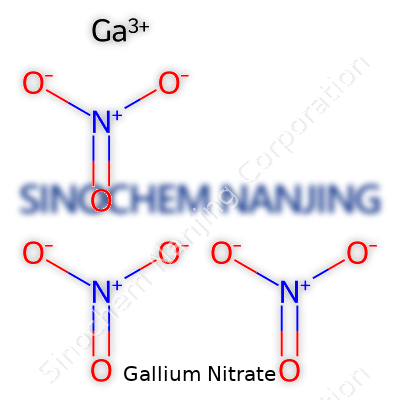
| Names | |
| Preferred IUPAC name | Gallium trinitrate |
| Other names |
GalliN GalliNate |
| Pronunciation | /ˈɡæliəm ˈnaɪtreɪt/ |
| Identifiers | |
| CAS Number | 13494-90-1 |
| Beilstein Reference | 3589377 |
| ChEBI | CHEBI:50054 |
| ChEMBL | CHEMBL1200969 |
| ChemSpider | 54632 |
| DrugBank | DB05290 |
| ECHA InfoCard | 100.120.546 |
| EC Number | 233-818-3 |
| Gmelin Reference | Gm. 740 |
| KEGG | C19194 |
| MeSH | D005684 |
| PubChem CID | 24812 |
| RTECS number | LV8925000 |
| UNII | 6HG8V4WA1E |
| UN number | UN2962 |
| Properties | |
| Chemical formula | Ga(NO3)3 |
| Molar mass | 315.72 g/mol |
| Appearance | White to light yellow crystalline solid |
| Odor | Odorless |
| Density | 1.44 g/cm³ |
| Solubility in water | Soluble |
| log P | -2.73 |
| Vapor pressure | 9.54 mmHg (at 25 °C) |
| Basicity (pKb) | pKb ≈ 10.5 |
| Magnetic susceptibility (χ) | −26×10⁻⁶ cm³/mol |
| Refractive index (nD) | 1.503 |
| Viscosity | 3.1 cP (25 °C) |
| Dipole moment | 0 D |
| Thermochemistry | |
| Std molar entropy (S⦵298) | 219.8 J·mol⁻¹·K⁻¹ |
| Std enthalpy of formation (ΔfH⦵298) | -1037 kJ/mol |
| Pharmacology | |
| ATC code | V10BX02 |
| Hazards | |
| Main hazards | May cause methemoglobinemia. |
| GHS labelling | GHS02, GHS07 |
| Pictograms | GHS06,GHS05 |
| Signal word | Danger |
| Hazard statements | H315: Causes skin irritation. H319: Causes serious eye irritation. H335: May cause respiratory irritation. |
| Precautionary statements | P261, P264, P270, P271, P272, P273, P280, P301+P312, P302+P352, P304+P340, P305+P351+P338, P312, P321, P330, P362+P364, P391, P501 |
| NFPA 704 (fire diamond) | 1-2-0 |
| Explosive limits | Not explosive |
| Lethal dose or concentration | LD50 oral (rat): 926 mg/kg |
| LD50 (median dose) | LD50 (median dose): Oral (rat) 121 mg/kg |
| NIOSH | UNII-7U1EE4U6XD |
| PEL (Permissible) | PEL: 10 mg/m³ |
| REL (Recommended) | 0.1 mg/m³ |
| IDLH (Immediate danger) | Not established |
| Related compounds | |
| Related compounds |
Aluminium nitrate Indium(III) nitrate Gallium(III) oxide |



